Manual pallet jack leaks slow your operation, create slip hazards, and often signal deeper hydraulic problems. This guide explains how to fix leaking pallet jack hydraulics step by step, from understanding the circuit to diagnosing internal versus external leaks. You will learn safe repair methods, seal and hose replacement basics, and maintenance habits that prevent repeat failures. Use it as a practical field reference to keep your hydraulic pallet truck lifting reliably and safely.
Understanding Hydraulic Leaks In Pallet Jacks

How A Pallet Jack Hydraulic Circuit Works
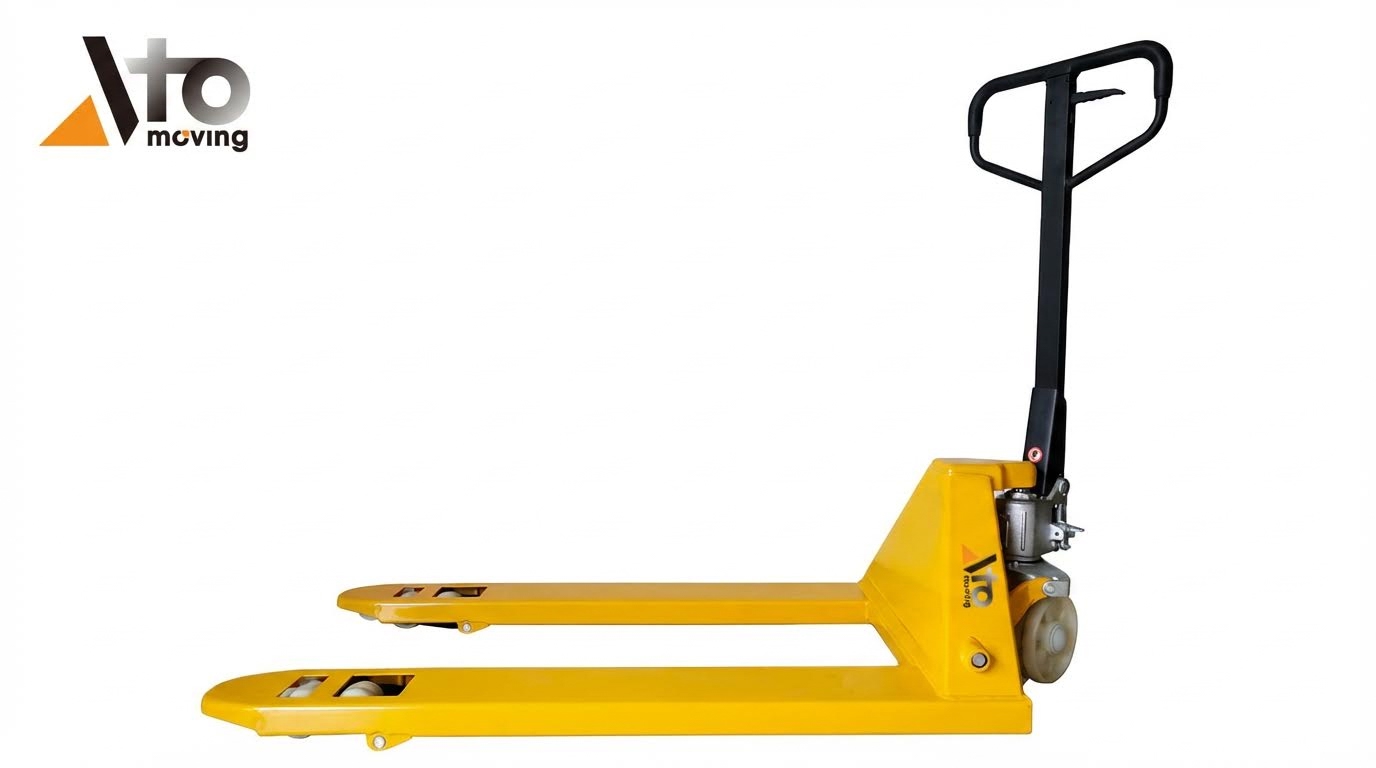
A manual pallet jack uses a compact hydraulic circuit to convert pump handle strokes into lifting force on the forks. When you pump the handle, a small piston in the hydraulic pump forces oil from the reservoir through a check valve into the main lift cylinder, raising the forks. A release valve routes oil back to the reservoir when you pull the lower lever, letting the forks descend in a controlled way. If components like seals, hoses, or valve cartridges wear or get contaminated, oil starts bypassing internally or escaping externally, which is the root of most leak-related problems and central to understanding how to fix leaking pallet jack hydraulics. Common causes of leakage include worn seals, damaged hoses, trapped air in the circuit, and incorrect hydraulic fluid pressure in the pump and cylinder assembly. Internal leaks usually occur past piston or valve seals, while external leaks appear at joints, fittings, or around the cylinder rod. Air can enter the circuit when you replace seals or lose oil, and you typically remove it by cycling the jack and pumping the handle multiple times to bleed trapped air from the system until fork motion becomes smooth.
Key functional elements of the circuit
- Pump piston: pressurizes oil when you stroke the handle.
- Check valves: keep pressurized oil in the lift cylinder during lifting.
- Lift cylinder: converts oil pressure into vertical fork movement.
- Release valve: returns oil to the reservoir for lowering.
- Seals, hoses, fittings: contain and guide oil between components.
Typical Symptoms Of External And Internal Leaks
External leaks are usually easy to see and are the most common trigger for searching how to fix leaking pallet jack issues. You may notice oil on the floor, on the pump body, or around the cylinder rod, often caused by worn or broken seals that need replacement rather than temporary tape fixes inside the cylinder assembly. External leaks at hoses and fittings tend to show up as wet joints or slow seepage around threads or crimped ends, typically due to damaged hoses, aged O-rings, or incorrect tightening torque at hydraulic connections. Internal leaks are harder to see because oil stays inside the circuit but bypasses where it should seal. These faults often show as forks that slowly drift down under load, reduced lifting height, or a jack that requires many more pump strokes than normal to raise a pallet, all pointing to worn seals or internal valve leakage in the pump or cylinder causing loss of effective pressure. Air trapped in the hydraulic circuit can also mimic leak symptoms, causing trembling or jerky motion when lifting and lowering, which you usually correct by cycling the forks several times to purge air and restore smooth operation from the lifting cylinder.
| Symptom | Likely Leak Type | Typical Root Cause |
|---|---|---|
| Visible oil on floor or components | External | Damaged seals, hoses, or fittings |
| Forks slowly sink under load | Internal | Bypassing piston or valve seals |
| Jerky / trembling lift motion | Internal (plus air) | Air in cylinder or contaminated oil |
| Forks do not reach full height | Internal or low oil | Insufficient fluid or internal bypass |
Why early leak detection matters
Small hydraulic leaks tend to grow over time as oil washes out lubrication and carries contamination that erodes seals and surfaces. Regular checks of oil level, cleanliness, and any damp areas around the pump, cylinder, and fittings help you catch problems while repairs are still simple and inexpensive in typical hydraulic systems.
Step-By-Step Process To Diagnose And Repair Leaks

Safety, Depressurization And Work Area Setup
Before working out how to fix leaking pallet jack hydraulics, secure the load on the floor and chock the wheels so the truck cannot roll. Completely depressurize the hydraulic system by operating the handle or control lever several times and loosening any hydraulic connections slowly to release trapped pressure, which can otherwise eject fluid with dangerous force. System depressurization safety and use of PPE such as gloves, eye protection and safety footwear are essential. Work in a clean, well‑lit area and lay absorbent pads or trays to catch oil spills, reducing slip risk and contamination, which caused most hydraulic failures in field studies. Safety precautions for hydraulic repairs
Recommended tools and materials
- Basic hand tools (spanners, screwdrivers, pliers) and a rubber mallet for non‑marring blows. Tools and materials
- Torque wrench to tighten fasteners and fittings to specification without crushing seals.
- Lint‑free rags, cleaning solvent, and absorbent granules or pads for spill control. Component cleaning and inspection
- Correct hydraulic oil grade for topping up after repair.
Locating The Leak And Assessing Severity
With the pallet jack depressurized and external dirt removed, clean the suspected areas around the pump, cylinder, hoses and fittings with solvent and a lint‑free cloth so fresh oil is easy to see. Leak source identification Then stroke the handle several times at low load and watch for seepage around seals, hose crimps, and threaded joints; never use your hand to “feel” for leaks, use cardboard or paper instead. Avoiding common mistakes with hydraulic couplers Assess severity by the leak rate and effect on performance: small damp areas that do not affect lift height can often wait for planned repair, while running drips, rapid oil loss, or forks that will not stay raised indicate urgent work. Leak assessment and preparation If you see no external oil but the jack loses lifting power or height under load, suspect an internal leak past cylinder or valve seals and plan for disassembly and seal replacement rather than just tightening fittings. Internal leak detection
Seal, Hose And Fitting Repair Procedures
Once you know where the leak is, you can apply a structured process for how to fix leaking pallet jack hydraulics without creating new faults. For fittings, use the correct spanner, disassemble carefully, remove old sealant or tape, and clean threads and sealing faces before re‑assembly with new O‑rings or seals of the correct size and material; only apply thread sealant or PTFE tape on tapered threads, not on flare or O‑ring boss connections. Proper disassembly, seal replacement and thread sealant use For leaking hoses, match length, diameter and fitting type to the original and ensure the replacement hose is rated for the pallet jack’s pressure and temperature range before tightening to torque. Repairing hydraulic hoses If the leak comes from the pump or lift cylinder seal area, use a model‑specific repair kit, disassemble the unit, inspect rod and bore surfaces for scoring, and replace all relevant seals rather than only the visibly damaged one; partial seal changes failed in many field cases. Step-by-step guide to fixing hydraulic cylinders After reassembly, refill to the specified oil level, then bleed trapped air by cycling the handle or lifting the forks several times until motion is smooth, and finally load‑test the jack while monitoring for any new seepage around the repaired area. Fixing hydraulic pump leakage and bleeding air.
Maintenance Strategies To Prevent Future Leaks
Fluid Quality, Contamination Control And Air Removal
Good maintenance starts with the right hydraulic oil and keeping it clean. Most pallet jack failures came from contamination, with particles and moisture responsible for up to 80% of hydraulic problems by eroding seals and internal surfaces. Fluid contamination causes up to 80% of hydraulic system failures Using the correct grade oil (typically light ISO 32–46 for manual equipment) and replacing it at set intervals helps stabilize lifting performance and reduces the chance of leaks that later force you to learn how to fix leaking pallet jack hydraulics in the field. When you replace seals or open the circuit, always plan to flush or at least top off with clean oil from a sealed container, not from open buckets.
- Store hydraulic oil in closed, labeled containers away from dust and moisture.
- Wipe the filler plug area clean before opening to avoid pulling dirt into the tank.
- Replace oil if it looks milky, dark, or has visible debris, as this indicates water or solid contamination. Impurities in hydraulic oil can stop forks from rising or falling
Air in the system is another hidden cause of leaks and poor lifting. It reduces effective pressure, forces operators to pump more strokes, and can damage seals over time. Air often entered the system after seal replacement or when oil levels ran low. To remove air, cycle the jack fully several times with no load, raising and lowering the forks to push air back to the reservoir.
Practical air and contamination control checklist
- After any repair, bleed the system by lifting and lowering the forks multiple times to evacuate trapped air. Multiple lift and vent cycles remove air from the lifting cylinder
- Do not overfill the reservoir; leave space for thermal expansion to avoid forcing oil past seals.
- Keep the work area, tools, and replacement parts clean during any hydraulic work to avoid reintroducing contaminants that later lead to leaks. Clean components and remove debris before reassembly
Inspection Routines, Predictive Tools And Recordkeeping
Structured inspections turn random breakdowns into planned maintenance and drastically reduce hydraulic leaks. A simple daily walk-around lets operators spot fresh oil on the floor, damaged hoses, or trembling forks early, instead of later searching how to fix leaking pallet jack hydraulics after a failure. Weekly or monthly checks should include oil level, visible seals, and hose routing, with the jack fully lowered and safely supported. Regular preventive maintenance that checks oil level, system pressure, filter condition, leaks, and hose wear has been shown to prevent many hydraulic failures. Routine checkups of oil levels, pressure, filters, leaks and hose wear help prevent failures
| Task | Typical Frequency | Main Purpose |
|---|---|---|
| Visual leak and damage check | Daily | Catch new external leaks, bent rods, damaged hoses early |
| Oil level and condition check | Weekly | Prevent low-oil cavitation and contamination-related failures |
| Full hydraulic inspection | Quarterly or semi-annual | Assess seals, pins, wheels, and structural wear |
Predictive maintenance tools can add extra protection, especially for fleets. Even simple oil sampling and temperature checks help detect early wear or overloads. In larger hydraulic fleets, users who monitored condition reduced surprise breakdowns by up to 60% using predictive tools such as oil tests, vibration, and pressure monitoring. IoT and condition monitoring cut unexpected breakdowns by up to 60% for some users For manual pallet jacks, the practical equivalent is tracking how often you top off oil, how frequently you replace seals, and whether one unit consumes more parts than others.
Recordkeeping tips for pallet jack hydraulics
- Assign each jack an ID and keep a simple log: date, hours of use (or shifts), work area, and any hydraulic work done.
- Record the cause and location of every leak (pump, cylinder, hose, fitting) to spot recurring patterns that suggest misalignment or overloading.
- Note which seals and oil grades you used; consistent use of compatible parts reduces repeat failures. Using high-quality hydraulic fluid and following replacement intervals extends system life
- Schedule follow-up checks after any repair to confirm no new seepage appears once the jack returns to service. Post-repair leak checks after a few hours of use ensure fittings have settled
By combining clean fluid, proper air removal, disciplined inspections, and simple records, most pallet jack hydraulic leaks can be prevented rather than repeatedly repaired. This reduces downtime, extends component life, and keeps operators focused on moving loads instead of figuring out how to fix leaking pallet jack systems after a failure.
“”
Key Takeaways For Safe, Reliable Pallet Jack Hydraulics
Safe, leak‑free pallet jack hydraulics depend on three linked elements: understanding the circuit, using disciplined repair methods, and enforcing strong maintenance habits. When teams grasp how pump, valves, cylinder, and seals share pressure, they diagnose faults faster and avoid guesswork that can hide internal leaks. Clean, methodical repair work then restores that pressure path. Technicians must depressurize the system, clean each joint, match seals and hoses to the original design, and bleed air until fork motion is smooth and repeatable.
Long‑term reliability comes from controlling what enters the circuit and how the jack is monitored. Clean, correct‑grade oil, protected from dirt and moisture, slows wear on every sealing surface. Structured inspections and simple records turn leaks into predictable events instead of emergencies. Teams see which units fail early, which areas cause damage, and which practices extend life.
The best practice is clear: treat every Atomoving pallet jack hydraulic system as a closed, precision circuit. Keep it clean, keep it documented, and repair it with the same care each time. That approach cuts leaks, protects operators from slip hazards, and keeps lifting performance stable across the entire fleet.
Frequently Asked Questions
How to Fix a Leaking Pallet Jack?
To fix a leaking pallet jack, start by identifying the source of the leak. Often, leaks occur around the hydraulic pump or seals. Check the release valve located near the base of the handle or hydraulic pump. If the valve is stuck or damaged, try lubricating it with penetrating oil or silicone spray. Pallet Jack Repair Tips. If the issue persists, inspect the seals and replace them if necessary.
- Locate the release valve and check for damage.
- Lubricate the valve with penetrating oil or silicone spray.
- Inspect and replace worn seals if needed.
Why is My Pallet Jack Not Lifting Properly?
If your pallet jack isn’t lifting properly, it may be due to low hydraulic fluid levels, air trapped in the system, or worn seals and valves. Ensure the hydraulic fluid is at the correct level and bleed any trapped air from the system. Hydraulic Jack Troubleshooting. Regular maintenance can prevent these issues from occurring frequently.
- Check and refill hydraulic fluid levels.
- Bleed air from the hydraulic system.
- Inspect and replace worn seals and valves.