Moving and lifting pallets without forklifts required a mix of manual, semi‑powered, and automated solutions, each with distinct engineering trade‑offs. This article outlined core non‑forklift methods for how to lift a pallet without a forklift, from pallet jacks and dollies to stackers, conveyors, and sliding systems. It then examined selection criteria such as load, duty cycle, floor conditions, ergonomics, and lifecycle cost to match equipment to real facility constraints. Finally, it explored how automation, cobots, digital twins, and predictive maintenance reshaped pallet handling strategies and concluded with a structured approach to choosing safe, efficient pallet solutions.
Core Non‑Forklift Methods For Pallet Handling
Understanding how to lift a pallet without a forklift required a clear view of all non‑forklift options. Engineers evaluated each method by load range, lift height, ergonomics, and safety margins. This section outlined core equipment families that handled pallets horizontally and vertically. It formed the technical base for later sections on selection criteria, automation, and long‑term strategy.
Manual And Electric Pallet Jacks: Capabilities
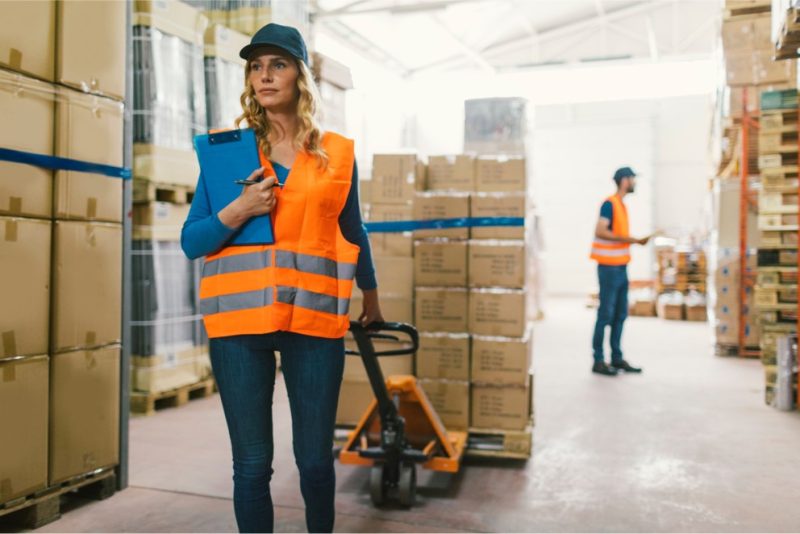
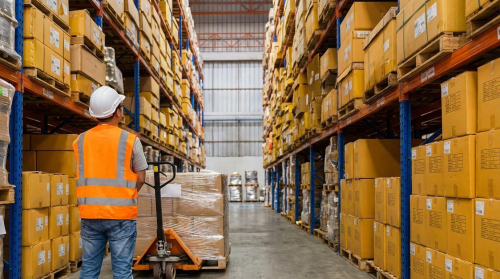
Manual pallet jacks answered the question of how to lift a pallet without a forklift in the simplest way. Operators inserted the forks into the pallet openings, then used a pump handle to raise loads typically up to about 2 500 kg. These jacks worked best on smooth, level floors and in short‑haul applications such as loading docks, small warehouses, and retail backrooms. Electric pallet jacks added powered drive and lift, which reduced operator strain and supported higher duty cycles and longer travel distances in larger facilities. Engineers compared models using parameters such as rated load, lift height, turning radius, and battery capacity, and they specified operator training, pre‑use inspection, and adherence to marked capacities to control risk.
Pallet Trucks, Dollies, Skates, And Crowbars
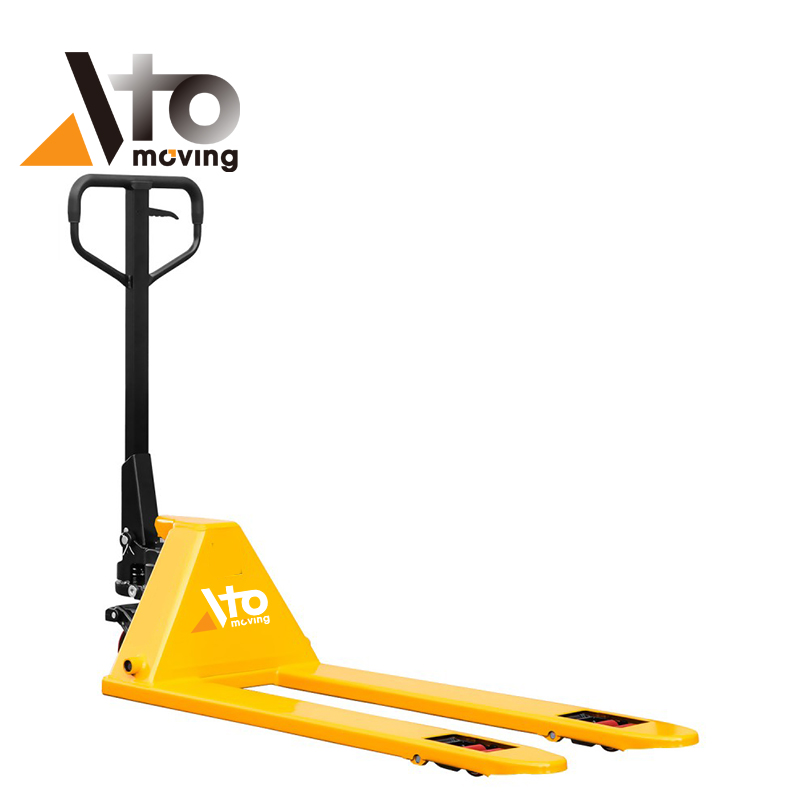
Pallet trucks, often called hand pallet trucks, combined forks with small steer and load wheels to move palletised loads efficiently indoors. Typical rated capacities stayed around 2 000–2 500 kg, and safe use required even floors, correct fork insertion, and controlled travel speeds. Dollies and machinery skates offered lower‑profile solutions for moving pallets or crated equipment across very smooth surfaces where forklifts could not enter. Heavy‑duty skates carried several thousand kilograms when operators respected manufacturer limits and used guide bars or tow handles. Roller crowbars acted as compact levers with integrated wheels, allowing a single worker to lift one pallet edge, insert skates or pipes, and then roll the load. Engineers selected between these tools based on available floor finish, point‑load limits, and the need for ultra‑low height access under the pallet.
Stackers, Lift Tables, And Vertical Handling
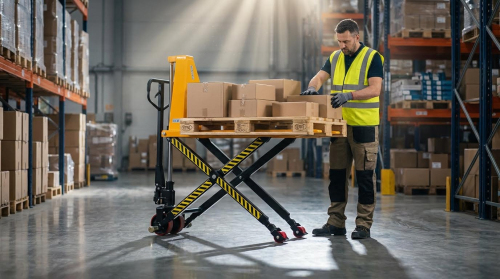
When users asked how to lift a pallet without a forklift to higher levels, stackers and lift tables became primary options. Manual and powered stackers combined a small chassis with a mast and forks, enabling vertical lifting and stacking of pallets to heights often between 1,6 m and 4,0 m, depending on design. Manual versions suited low‑frequency tasks and lighter loads, while electric stackers supported heavier pallets and repetitive cycles with less operator effort. Scissor lift tables raised pallets to ergonomic working heights for picking, assembly, or packing, usually within a 0,8–1,2 m lift range. Engineers verified platform size, stroke, and load rating, and they checked guarding, toe‑clearance, and emergency stop functions to align with local safety regulations and reduce musculoskeletal risks.
Conveyors, Gravity Rollers, And Sliding Methods
Conveyors and gravity rollers offered a different answer to how to lift a pallet without a forklift by minimising discrete lifting altogether. Fixed or modular roller conveyors transferred pallets along defined paths, ideal for high‑volume, repetitive flows between production, storage, and shipping zones. Gravity roller sections relied on a slight slope and controlled friction to move pallets without powered drive, which reduced energy use but demanded careful design of gradients, end‑stops, and guarding. For temporary moves or constrained spaces, operators used sliding methods such as steel pipes, bars, or removable rollers placed under the pallet stringers, then pushed or pulled the load along. Engineers checked surface flatness, roller strength, and required push forces, and they specified team handling, gloves, and clear communication to maintain control and avoid sudden accelerations or pinch hazards.
Engineering Selection Criteria And Use Cases
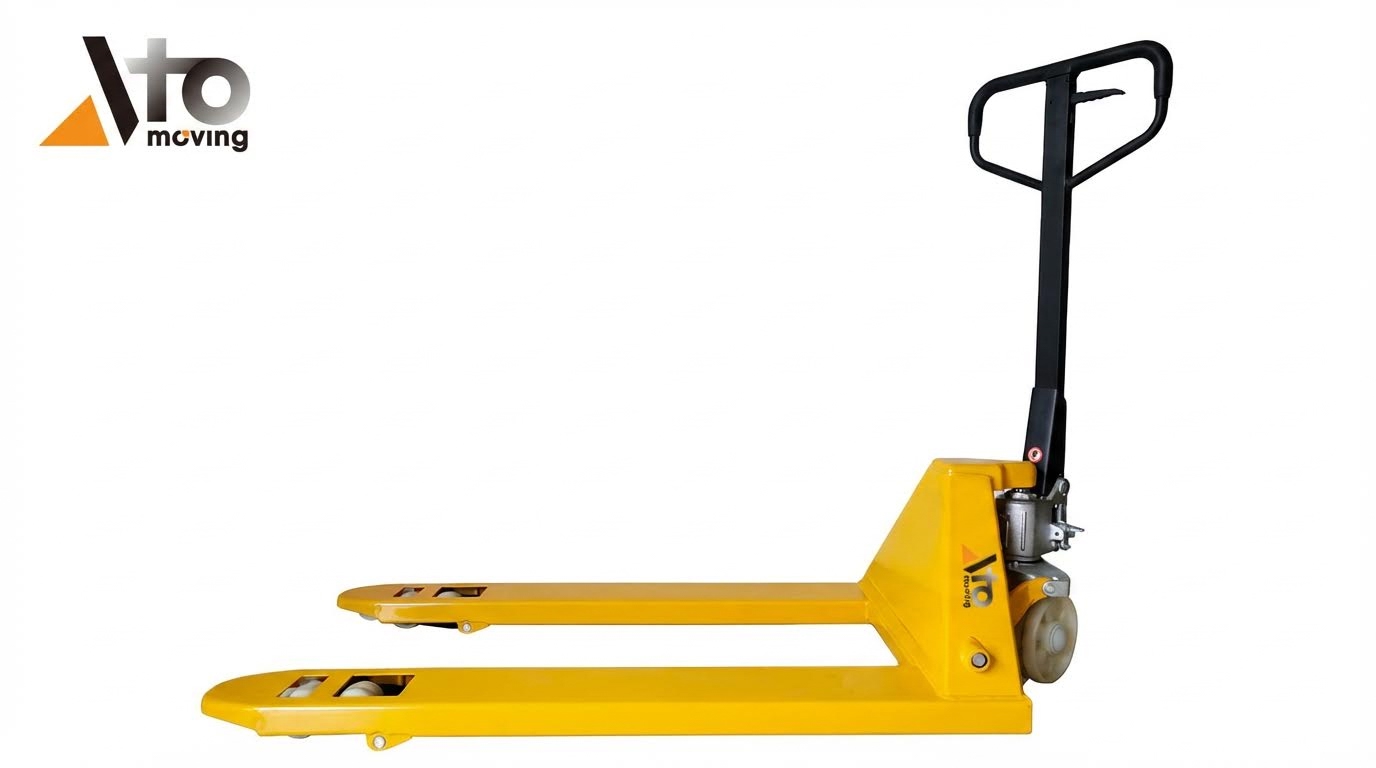
When engineers evaluate how to lift a pallet without a forklift, they balance load, layout, and lifecycle cost. The right choice depends on payload, duty cycle, floor conditions, and regulatory constraints. Misalignment between equipment capability and use case increases injury risk and downtime. Structured criteria help match manual pallet jacks, dollies, skates, stackers, and conveyors to each environment.
Load, Duty Cycle, And Throughput Requirements
Define the maximum pallet mass, including packaging, in kilograms before selecting any device. Manual pallet jacks typically handled up to about 2 500 kg, while lighter dollies and skates often stayed below that range. For low daily moves and short distances, a manual pallet jack or heavy-duty dolly usually provided adequate performance. Higher duty cycles with continuous flows favored electric pallet jacks, lift tables, or conveyors to reduce operator fatigue and cycle time. Engineers also considered required throughput in pallets per hour and peak demand periods. Equipment with marginal capacity or oversized safety factors both increased lifecycle cost, so aligning rated capacity with realistic load spectra was essential.
Floor Conditions, Aisle Width, And Layout Limits
Floor quality strongly constrained how to lift a pallet without a forklift safely. Manual and electric pallet jacks operated best on flat, smooth concrete with minimal joints and no steps. Skates, roller crowbars, and dollies required even tighter tolerances because small wheels concentrated loads and caught on defects. Engineers checked aisle width against turning radii and handle swing envelopes for pallet jacks and stackers. Narrow pick aisles might favor compact walkie pallet trucks or crowbar plus skate methods over larger stackers. Changes in elevation, such as ramps, demanded strict procedures, including remaining above the load and avoiding turns on slopes. Where floor bearing capacity was limited, distributed solutions like conveyors or air-based movers reduced point loads compared with small hard wheels.
Ergonomics, Safety, And Compliance Factors
Ergonomic limits for push and pull forces governed manual solutions. Engineers evaluated handle height, wheel type, and rolling resistance to keep starting and sustained forces within accepted occupational guidelines. Devices like lift tables and stackers reduced bending and reaching by positioning pallets at waist height, which lowered musculoskeletal injury rates. Safety analyses addressed stability margins, braking capability on inclines, and visibility in tight corridors. Compliance with standards and regulations, including training requirements and inspection intervals, formed part of the selection matrix. Documented procedures, such as pushing instead of pulling where feasible and respecting rated capacities, complemented equipment choice. Regular inspections of hydraulics, wheels, and frames helped maintain safe operation across the equipment’s service life.
Lifecycle Cost, Energy Use, And Sustainability
Lifecycle cost comparisons went beyond purchase price and included maintenance, downtime, and labor productivity. Manual pallet jacks, skates, and crowbars offered low energy use and simple maintenance but relied on human labor for every move. Electric pallet jacks, powered stackers, and lift tables increased capital cost and electricity consumption but reduced labor hours per pallet handled. Conveyor and gravity roller systems required higher upfront investment yet delivered low operating cost in high-throughput lines. Sustainability assessments considered energy efficiency, potential for regenerative braking in powered units, and the recyclability of steel components. Engineers also evaluated how surface cleanliness and preventive maintenance extended wheel and hydraulic life, reducing material waste. Aligning equipment selection with realistic utilization profiles produced both lower total cost of ownership and reduced environmental impact.
Automation, Digitization, And Emerging Solutions
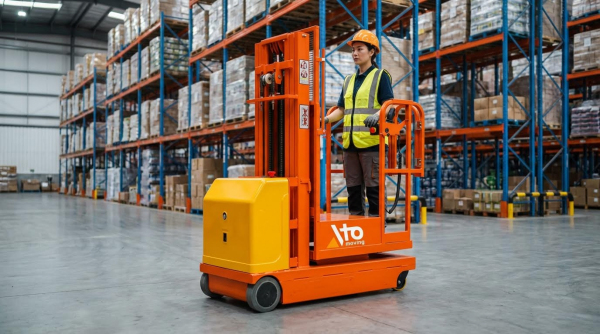
Automation and digitization provided powerful answers to the question of how to lift a pallet without a forklift in high‑volume facilities. These solutions combined mechanical handling devices with sensors, software, and connected control systems. Engineers evaluated them not only for throughput, but also for safety, traceability, and total lifecycle cost. The following subsections outlined the main technology blocks and how they supported safe pallet movement without relying on conventional forklifts.
AGVs, Pallet Shuttles, And Basic Automation
Automated guided vehicles (AGVs) moved pallet loads autonomously along predefined paths using lasers, magnetic tape, or QR markers. They typically interfaced with low‑profile pallet frames, lift tables, or conveyors to raise or accept pallets without forklift tines. Pallet shuttles operated inside racking lanes, transferring unit loads between gravity or powered conveyors and deep storage positions. These systems suited repetitive flows where engineers could standardize pallet sizes, entry points, and clear safety envelopes. When designing basic automation, engineers sized AGV payloads, acceleration, and stopping distances to match pallet mass, then added interlocks, light curtains, and emergency stops to comply with ISO 3691‑4 and similar machinery safety standards.
Cobot Integration And Flexible Workcells
Collaborative robots (cobots) supported pallet handling by automating tasks around, rather than instead of, mechanical movers. Typical use cases included case picking onto pallets on lift tables, depalletizing layers, or applying stretch wrap while pallets rested on turntables or low‑profile conveyors. Engineers selected cobots with payloads and reach that matched carton masses and pallet dimensions, then tuned speeds and force limits for safe human interaction under ISO/TS 15066 guidelines. Flexible workcells combined cobots, manual pallet jacks, and simple conveyors so operators could move pallets without forklifts yet still achieve high throughput. Quick‑change grippers and mobile bases allowed fast reconfiguration when product mixes or pallet patterns changed.
Digital Twins And Layout Simulation Tools
Digital twins and discrete‑event simulation tools allowed engineers to test how to lift a pallet without a forklift at system level before any hardware purchase. These models replicated AGVs, conveyors, lift tables, and manual handling stations with realistic cycle times, acceleration curves, and queuing behavior. Engineers evaluated aisle congestion, required buffer sizes, and the impact of varying order profiles on throughput and worker utilization. They also compared scenarios, such as manual pallet jacks plus gravity rollers versus AGVs feeding powered conveyors, using key metrics like pallets per hour, walking distance, and energy use. Validated simulation runs reduced commissioning risk, helped right‑size automation, and supported ROI calculations grounded in data rather than assumptions.
Predictive Maintenance And Smart Monitoring
Predictive maintenance and smart monitoring used sensors and connectivity to keep non‑forklift pallet systems reliable and safe. Vibration and current sensors on conveyor drives, lift tables, and stackers detected bearing wear, misalignment, or hydraulic degradation before failure. AGVs and shuttles streamed data on battery health, wheel wear, and mission success rates to maintenance dashboards. Engineers defined condition thresholds that triggered work orders, ensuring rollers, brakes, and lifting components remained within design tolerances and compliance limits. Integrating these data with computerized maintenance management systems reduced unplanned downtime, protected operators from sudden mechanical failures, and extended asset life, which improved the business case for automated pallet handling solutions.
Summary: Choosing Safe, Efficient Pallet Solutions
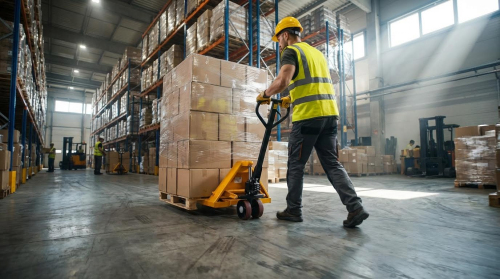
Knowing how to lift a pallet without a forklift required a structured engineering approach. The article compared manual pallet jacks, pallet trucks, skates, crowbars, stackers, lift tables, conveyors, and sliding methods, then linked them to automation, digitization, and monitoring technologies. Together, these options formed a toolbox that covered low-volume manual handling through to highly automated pallet flows.
From a technical standpoint, the safest baseline method to lift and move pallets without forklifts used correctly sized manual or electric pallet jacks on flat, well-maintained floors. Engineers needed to match equipment to load mass, center of gravity, duty cycle, and required throughput, while checking aisle width, turning radii, and floor bearing capacity. Ergonomic limits, training, and regulatory guidance on manual handling and powered industrial trucks shaped acceptable push and pull forces, stacking heights, and safe travel speeds. Lifecycle cost analysis showed that simple devices such as pallet trucks, skates, and roller crowbars minimized capital cost, while conveyors, gravity rollers, and AGV-based solutions reduced labor cost in high-volume facilities.
Future developments pointed toward greater use of cobots, digital twins, and predictive maintenance to refine pallet routes, reduce unplanned downtime, and validate layouts before installation. For practical implementation, facilities could start with low-risk improvements such as upgrading manual pallet jacks, adding lift tables at picking and packing points, and introducing gravity rollers on repetitive lanes. They could then layer in sensors, monitoring, and partial automation where volumes justified investment. Overall, the evolution of non-forklift pallet handling favored modular, scalable systems that combined mechanical simplicity with targeted automation, always anchored by safety, ergonomics, and compliance.