Logistics teams asking what is pallet exchange in trucking usually want to cut cost and delay without losing control of their load carriers. This article explains how pallet exchange systems work from an engineering and operations view, from basic process flow through to digital platforms and sustainability metrics.
You will see how different models such as open pools, closed pools, and one-way pallets change cost structures for shippers, carriers, and receivers. Later sections quantify operational impacts, safety and compliance duties, and the role of automation, IoT, and predictive monitoring. The conclusion links these points into a clear method for choosing a pallet strategy that fits your network, budget, and technology roadmap.
Core Concepts Of Pallet Exchange Systems
Logistics teams that ask what is pallet exchange in trucking usually want a clear view of how pallets move between shippers, carriers, and receivers. This section explains the core mechanics of pallet exchange systems, including basic process flow, pool types, and how exchange differs from pallet pooling. It builds the foundation for later sections that cover costs, safety, technology, and how to choose the right pallet strategy for a specific network.
Definition And Basic Process Flow
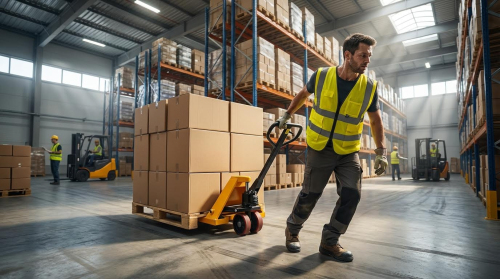
Pallet exchange in trucking is a controlled swap of pallets between parties at loading or unloading. The goal is to keep pallet inventories balanced without constant pallet purchases or dedicated return trips. In a typical road freight move, the carrier arrives with empty pallets that match the type and count of the loaded pallets that will leave the site.
A simple process flow often follows these steps:
- The truck arrives with empty standardized pallets.
- Warehouse staff unload empty pallets and load full pallets with goods.
- The number and quality of pallets going out and coming in are checked.
- Any mismatch is recorded as pallet debt or credit for later settlement.
Modern operations often use web platforms or transport management systems to track pallet balances by location. This reduces disputes and gives planners visibility of where pallets sit in the network.
Open Pools, Closed Pools, And One-Way Models
Pallet exchange in trucking can sit inside different structural models. Each model defines who owns pallets, who can use them, and how balances are settled. Engineers and logistics managers must match the model to lane structure, drop density, and return flows.
Three common models are:
| Model | Key feature | Typical use |
|---|---|---|
| Open pool | Shared standardized pallets across many companies | Retail and FMCG multi-stop networks |
| Closed pool | Limited to one company or group | Dedicated loops between fixed plants |
| One-way | Pallet not returned through exchange | Export or irregular lanes |
In an open pool, any participant can hand over and receive pool pallets as long as quality rules hold. The system assumes that pallets circulate and that regional imbalances are corrected through clearing accounts or repositioning. In closed pools, a single owner controls circulation and sets internal rules for return, repair, and scrap.
One-way models usually use low-cost or custom pallets that do not return. They remove the need for tracking but increase material use and waste. When teams ask what is pallet exchange in trucking, they often compare these models to see where exchange adds value versus simple one-way shipping.
Pallet Exchange Versus Pallet Pooling
Pallet exchange and pallet pooling both aim to keep suitable pallets available where trucks load. However, they differ in ownership, risk, and how costs appear in the books. Understanding this difference is key when comparing total logistics cost.
In a classic pallet exchange system:
- Shippers or receivers usually own the pallets.
- Carriers swap equal quantities at each stop.
- Losses, damage, and admin effort sit with the trading partners.
In a pooling model:
- A pool operator owns and maintains the pallet fleet.
- Users pay a per-use or rental fee instead of buying pallets.
- The pool operator manages repairs, quality, and repositioning.
Pallet exchange in trucking works well on stable lanes with balanced flows and disciplined paperwork. Pooling often suits complex networks with many trading partners, variable volumes, and strict automation or export requirements. When teams search what is pallet exchange in trucking, they should also evaluate when to stay with exchange and when to migrate high-volume flows to pooling for better control of quality, availability, and lifecycle cost.
Operational And Cost Impacts On Stakeholders
When logistics teams ask what is pallet exchange in trucking, they usually focus on cost and time. Pallet flows change who pays for pallets, who carries the risk, and how fast trucks move through docks. This section explains how pallet exchange shifts cost structures for shippers and carriers and how data helps compare exchange with pooling or one-way pallets.
How Pallet Exchange Affects Shippers’ Costs
Pallet exchange changes a shipper’s pallet budget from a pure purchase model to an asset swap model. The shipper still paid for pallet purchase or rental, but also carried quality control and handling costs. With exchange, the shipper reduced direct pallet buys but accepted extra work to sort, inspect, and segregate exchangeable pallets by standard and condition. Any mismatch between pallets sent and pallets received turned into pallet debt, which created extra invoices or balancing moves.
Key cost elements for shippers included:
- Pallet acquisition or rental fees
- Extra labor for sorting and counting at docks
- Disputes about pallet quality and quantity
- Write‑offs for unreturned or downgraded pallets
Shippers with stable lanes and repeat partners often gained from pallet exchange. Shippers with volatile flows or many spot carriers often preferred pooling or one‑way pallets to avoid complex reconciliation.
Carrier Turnaround Time And Network Efficiency
Pallet exchange in trucking directly affected how long a truck waited at a dock. In a classic exchange, the driver unloaded goods, waited for empty pallets, checked counts, and inspected condition. Each extra check added minutes, which multiplied across daily stops and reduced asset utilization. Programs similar to large European fulfillment centers showed that fast, standardized exchange reduced dock time and improved trailer productivity.
From a network view, pallet exchange could either smooth or disturb flows:
- Balanced lanes allowed carriers to rotate pallets naturally.
- Unbalanced lanes forced repositioning of empties, adding empty kilometers.
- Strict exchange rules sometimes limited carrier choice on backhauls.
Carriers that integrated pallet flows into route planning software usually saw better trailer fill, fewer empty runs, and more predictable schedules.
Hidden Costs: Losses, Damage, And Administration
The visible pallet price rarely showed the full cost of what is pallet exchange in trucking. Losses, damage, and admin overhead often shifted the real economics. Pallets went missing when receivers did not participate in the scheme or when documentation was weak. Damaged pallets needed repair or replacement before reuse, especially where automation or strict load‑securing rules applied.
Hidden cost drivers typically included:
| Cost driver | Impact |
|---|---|
| Lost pallets | Direct write‑offs and extra buys |
| Damage and repair | Workshop labor and spare parts |
| Reconciliation work | Clerical time to match notes and invoices |
| Disputes | Delays and strained shipper‑carrier relations |
Digital pallet notes and web‑based clearing platforms reduced some of these costs. They allowed companies to settle pallet debts between sites instead of moving physical pallets only to close balances.
Using Data And Calculators To Compare Total Costs
Engineering teams increasingly used data tools to decide between pallet exchange, pooling, or one‑way models. A good pallet cost calculator did not only compare unit prices. It combined direct and indirect costs over a defined period, for example, one year. Typical inputs covered:
- Number of shipments and pallets per shipment
- Pallet purchase or rental rate per unit
- Labor time per load for counting and sorting
- Average loss and damage rate in percent
- Transport distance for pallet returns or repositioning
By running scenarios, shippers and carriers could see how small changes in loss rate or dwell time changed the total cost per shipped pallet position. Data often showed that higher unit prices for managed pooling or one‑way solutions could still beat pallet exchange once hidden handling and imbalance costs were included. This evidence helped stakeholders choose a pallet strategy that matched their lane patterns, automation level, and service goals.
Safety, Compliance, And Technology Integration

Safety and compliance sit at the core of any answer to the question what is pallet exchange in trucking. Every pallet swap at a dock affects load stability, chain of responsibility, and legal risk. At the same time, automation, digital tools, and circular economy targets reshape how fleets and shippers design pallet exchange systems. This section links legal load securing rules, pallet quality for automated handling, and new digital and sustainability tools into one view.
Load Securing Standards And Legal Liability
Pallet exchange changes who owns which pallets, but it never changes who is liable for road safety. In Europe, EUMOS load securing rules set minimum forces that palletized loads must resist during braking, cornering, and acceleration. Regulators shifted more responsibility to the shipper, who must pack, stack, and secure goods on pallets so they survive these forces.
Carriers still share liability. The driver must check that the loaded trailer looks safe and that lashings, blocking, and anti-slip mats are in place. In the United States, OSHA and road transport rules require stable stacks, sound pallets, and safe forklift handling in yards and docks. Non‑compliance can trigger serious fines and accident claims.
In a pallet exchange system, contracts should define who pays if a bad pallet fails. Good practice includes:
- Written acceptance criteria for exchangeable pallets at each site.
- Simple dock checklists for visible pallet damage and load stability.
- Photo records when drivers reject pallets or loads.
These steps link legal duties to daily operations and reduce disputes after incidents.
Pallet Quality Requirements For Automation
Automated warehouses and sortation systems depend on repeatable pallet geometry. In pallet exchange trucking flows, this means only pallets that meet tight tolerances should enter automated zones. Typical automation requires:
- Standard footprints, for example 1 200 millimetres by 800 millimetres for Euro pallets.
- Flat decks with no broken boards that could catch on conveyors.
- Correct block or stringer positions for pallet shuttles and stacker cranes.
If exchange rules allow low‑grade pallets, automated equipment can jam, misplace loads, or stop. That downtime quickly outweighs the small saving from accepting poor pallets. Many open pooling systems solved this by defining quality grades and linking each grade to allowed use cases.
Shippers that run automation often set a higher minimum grade for inbound exchange pallets. Carriers then must inspect returned empties at the dock and refuse units that fall below the threshold. Clear grading photos and short training help drivers make fast, consistent calls without slowing turnarounds.
Digital Platforms, IoT, And Predictive Monitoring
Digital platforms now sit behind most large pallet exchange networks. Web portals and APIs track pallet balances, pallet debts, and where exchange points sit in the trucking network. This cuts manual paperwork and gives planners real‑time visibility of pallet flows across regions.
IoT devices and sensors extend this visibility to individual loads. Simple options include barcode or RFID tags that link pallets to shipments and customers. More advanced setups use load sensors or tilt sensors to flag overloads, impact events, or possible tip risks in transit.
Predictive monitoring uses this data to spot patterns. Examples include:
- Sites that hand out more damaged pallets than average.
- Lanes where pallet loss rates spike, hinting at theft or process gaps.
- Customers whose loading patterns cause frequent damage or claims.
For companies asking what is pallet exchange in trucking from a systems view, these tools turn a basic swap process into a managed asset network. Data then supports better contract terms, training focus, and capital planning.
Sustainability Metrics And Circular Economy Benefits
Pallet exchange supports circular economy goals when it keeps standard pallets in use longer and avoids one‑way disposables. Open exchange pools and pooling systems both reduce the need for new wood, lower waste, and cut empty truck kilometres. Measuring these gains needs clear metrics.
Useful indicators include:
- Average pallet life in trips per pallet.
- Share of repaired versus scrapped pallets each year.
- Estimated carbon dioxide savings from reuse and fewer empty runs.
Companies can link these metrics to broader environmental, social, and governance reports. For example, tracking how many damaged pallets get repaired instead of landfilled shows real circular practice. Pallet exchange also helps shippers replace ad‑hoc packaging with standardized units, which improves cube utilization and fuel efficiency.
When managers evaluate what is pallet exchange in trucking from a sustainability angle, they should compare exchange and pooling models against simple buy‑and‑discard approaches. In most cases, higher pallet reuse rates, shared repair networks, and optimized backhauls move operations closer to circular economy targets without heavy new investment.
Summary: Choosing The Right Pallet Strategy
Decision makers first need a clear view of what is pallet exchange in trucking and how it shapes total logistics cost. Pallet exchange keeps standardized pallets circulating between shippers, carriers, and receivers, while pooling and one-way models shift cost and risk in different ways. The best strategy depends on shipment profile, network design, automation level, and sustainability goals. A structured comparison of direct pallet costs, hidden process costs, and safety risk gives the most reliable answer.
From a technical and financial view, pallet exchange works well on dense lanes with repeat partners and balanced pallet flows. It reduces pallet purchases but adds administration, pallet debt tracking, and quality disputes at docks. Pooling and pay-per-use models improve pallet availability and quality, which supports automated warehouses and reduces load-securing failures. One-way or disposable pallets suit export flows or irregular lanes where recovery is hard.
Future trends point to more digital control of pallet movements, with IoT tags, web platforms, and cost calculators that expose true pallet cost per shipment. Safety and compliance rules on load securing will likely tighten, which favors high-quality, standardized pallets and clear liability splits. In practice, most networks will use a hybrid pallet strategy. Engineers and logistics teams should review data annually, test alternatives on key lanes, and adjust the mix of exchange, pooling, and one-way pallets as volumes, regulations, and automation levels change.
,
Frequently Asked Questions
What is pallet exchange in trucking?
Pallet exchange in trucking refers to the process of swapping loaded pallets at delivery points for empty ones or new shipments. This system ensures minimal downtime and increased efficiency during deliveries. It often involves specialized equipment like pallet jacks or forklifts to move pallets quickly between trucks and warehouses. Pallet Jack Guide.
How many pallets fit in a standard truck?
A standard 53-foot dry van trailer can hold up to 26 pallets when single-stacked or 52 pallets when double-stacked. This capacity helps businesses optimize their shipping logistics by maximizing space usage. For precise planning, factors such as pallet size and weight distribution must be considered. Truck Pallet Capacity.