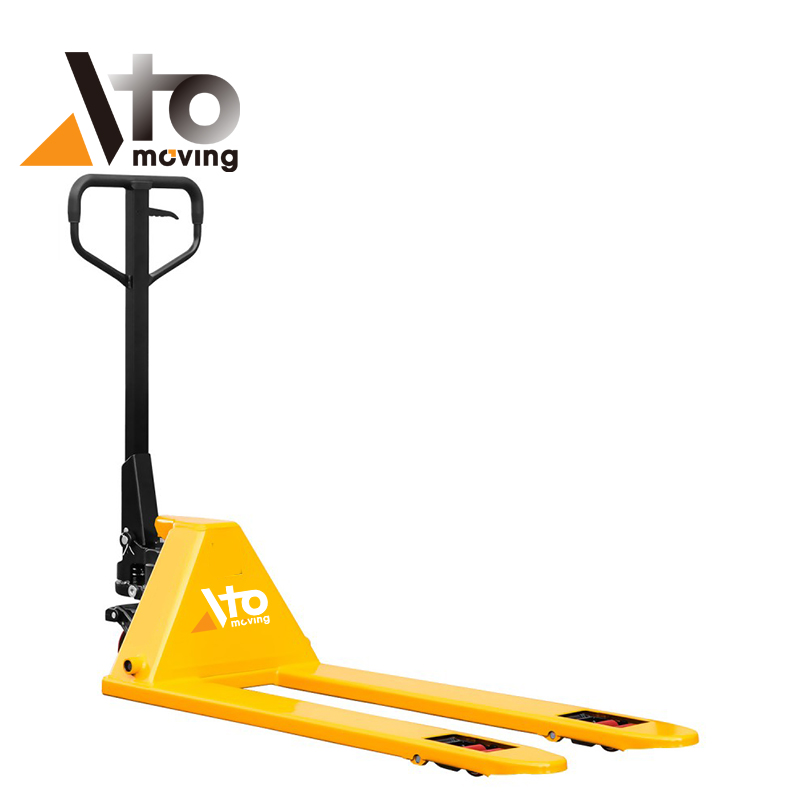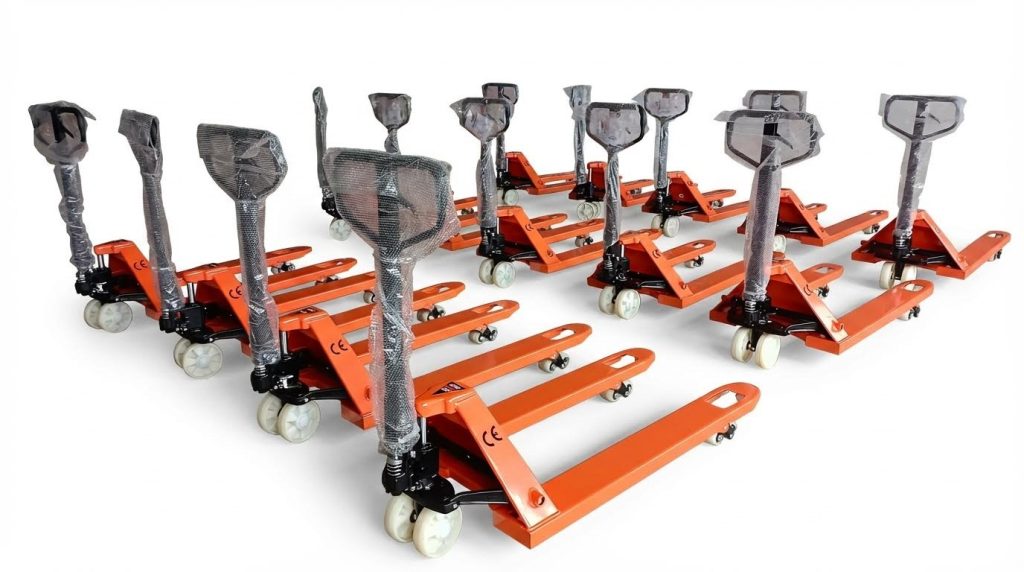
Pallet jack hydraulic systems supported high-throughput material handling in warehouses, retail facilities, and distribution centers. The full article examined how these compact hydraulic circuits generated, controlled, and transmitted pressure to lift and lower loads safely. It then detailed structured preventive maintenance routines, troubleshooting methods, and fluid selection practices that minimized failures and extended service life. Finally, it reviewed how digital monitoring, improved seal and oil technologies, and bio-based fluids shaped the future of pallet jack hydraulic maintenance strategies.
Core Functions Of Pallet Jack Hydraulics
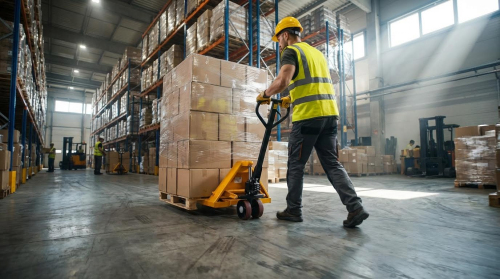
Manual pallet jack hydraulics converted small operator forces into lifting forces of up to several kilonewtons. The system relied on a compact, closed hydraulic circuit integrated into the fork frame. Correct fluid selection, sealing, and air management determined efficiency, controllability, and service life. Understanding core functions allowed maintenance teams to prevent over 90% of hydraulic-related failures through structured care and inspection.
How Manual Pallet Jack Hydraulic Circuits Work
Manual pallet jacks used a hand-actuated pump to pressurize hydraulic oil and raise the forks. When the operator pumped the drawbar, a linkage drove a small reciprocating pump piston inside the hydraulic power unit. A suction valve opened on the piston upstroke, drawing oil from the reservoir into the pump chamber. On the downstroke, a discharge check valve closed the suction side and forced oil into the lift cylinder, moving the ram and elevating the fork assembly.
The lowering function used a separate release valve that connected the pressurized side of the circuit back to the reservoir. When the operator moved the control lever to the LOWER position, the valve opened a controlled flow path, allowing oil to return and the load to descend under gravity. The circuit operated as a closed system, so trapped air or low oil volume directly reduced achievable stroke and lifting height. Proper bleeding, fluid level control, and valve adjustment maintained predictable, smooth fork motion under rated loads.
Key Components: Pump, Cylinder, Valves, Seals
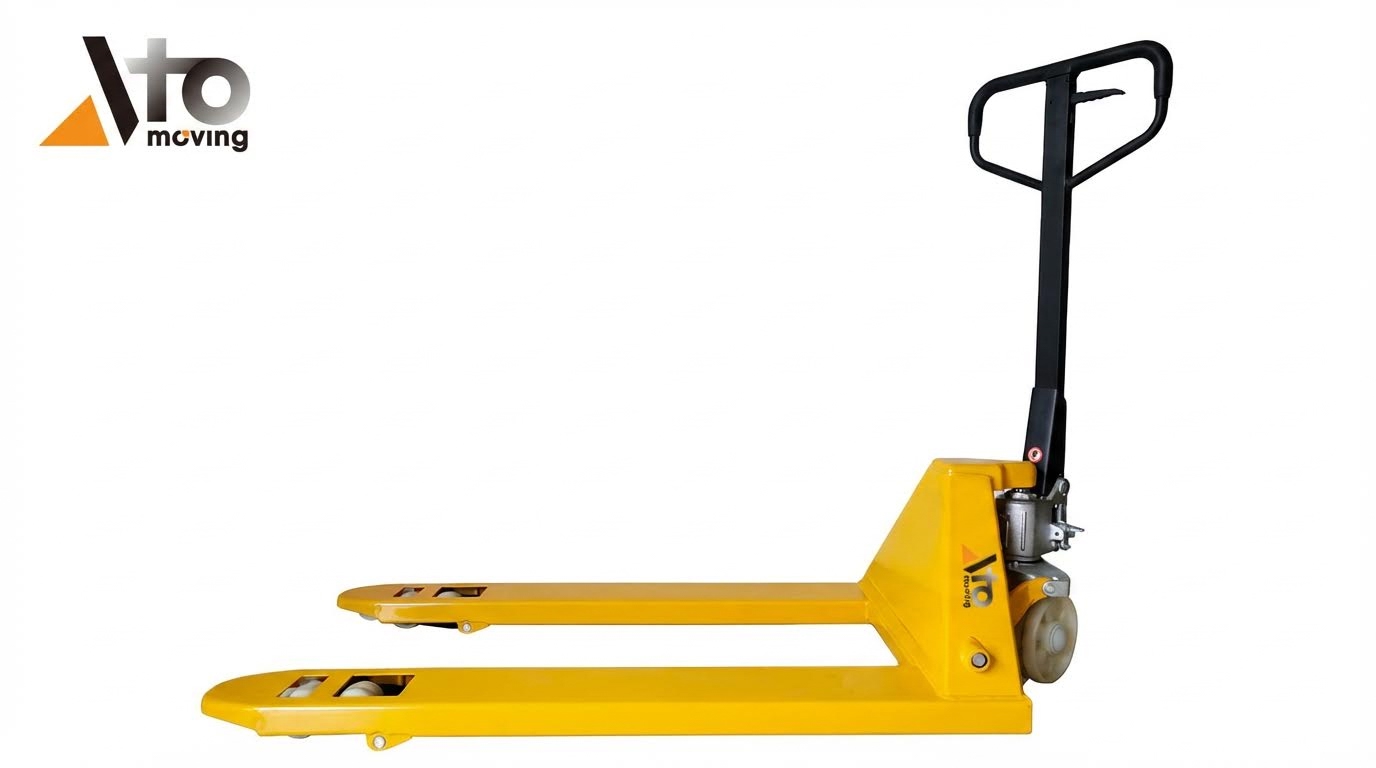
The hydraulic pump assembly consisted of a small high-pressure piston, pump body, and intake and discharge check valves. It typically generated pressures well above 150 bar to lift rated capacities safely. The lift cylinder converted this pressure into linear force via a chromed piston rod, with surface finish and straightness critical for seal life. The reservoir formed part of the pump housing and stored hydraulic oil while also enabling air separation and heat dissipation.
Valves governed flow direction and safety. Check valves prevented reverse flow and sinking under load, while the release or lowering valve provided metered descent. Pressure relief valves limited maximum system pressure to protect structure and seals from overload. Seals and O-rings at the pump piston, cylinder head, and valve cartridges maintained fluid-tight boundaries and excluded air. Their material compatibility with the chosen oil (typically ISO 32 or ISO 46 hydraulic oil compliant with DIN 51524) determined resistance to swelling, wear, and leakage. Together, these components formed a compact, serviceable hydraulic power unit designed for repetitive short-stroke operation in warehouse environments.
Typical Failure Modes In Warehouse Operation
Typical hydraulic failures in pallet jacks included failure to lift, slow or partial lifting, uncontrolled sinking, and refusal to lower. Air ingress into the circuit, often after transport or tipping, created airlocks that prevented full pressure build-up; technicians restored function by pumping the handle 10–20 times with no load to bleed air. Low or contaminated hydraulic oil reduced effective stroke and caused erratic motion; inspections revealed milky oil from water ingress or dark oil with particulates, requiring complete draining and refilling. Worn or damaged seals and O-rings in the pump or valve cartridges caused external leaks or internal bypass, leading to sinking forks under load or gradual loss of height during storage.
Another frequent failure mode involved malfunctioning release valves that stuck, clogged, or drifted out of adjustment, preventing smooth lowering or causing the forks to drop without lever actuation. Overloading beyond rated capacity accelerated structural issues such as bent forks or distorted frames, which in turn misaligned the cylinder and increased seal wear. Persistent leaks despite seal replacement, repeated sinking after correct bleeding, or visible fork deformation indicated end-of-life for the unit and justified replacement on safety grounds. Regular inspections targeting these known failure patterns allowed maintenance teams to intervene early, minimizing downtime and avoiding catastrophic hydraulic or structural failures.
Preventive Maintenance Routines And Inspection
Preventive maintenance of pallet jack hydraulics reduced unexpected failures and extended service life in industrial fleets. Structured daily, weekly, and monthly routines detected early symptoms such as sluggish lifting, sinking forks, or oil seepage before they caused downtime. Effective programs combined fluid management, lubrication, mechanical inspection, and operator training into a single standardized checklist. Facilities that documented these routines typically achieved lower repair costs and higher asset availability.
Daily And Weekly Hydraulic Performance Checks
Daily checks focused on fast functional tests that operators could complete in less than two minutes. A typical routine included visually inspecting for oil spots under the jack, then performing a short hydraulic test by pumping the handle three times with a moderate load. Sluggish lifting, spongy handle feel, or incomplete fork rise indicated low hydraulic oil, air ingress, or early seal wear. Weekly checks added a controlled load test, where the jack lifted a rated load and held it; noticeable sinking over a few minutes suggested internal leakage past seals or an incorrectly set pressure relief valve. Technicians also verified that the forks lowered smoothly under control, confirming proper release valve operation and absence of airlocks or contaminated oil.
Monthly Fluid, Seal, And Rust Inspections
Monthly inspections went deeper into the hydraulic circuit and structural corrosion risks. Technicians fully lowered the forks, set the handle upright, located the pump assembly, and removed the fill plug with an appropriate wrench to verify fluid level at or near the opening. Milky or darkened oil indicated water ingress or contamination and required draining, flushing, and refilling with fresh hydraulic oil of the specified grade. Inspectors examined rod seals, shaft interfaces, and joint areas for dampness or streaking, which signaled slow leaks or aging elastomers. They also wiped the exposed pump rod and fork surfaces, checked for rust streaks, and applied corrosion inhibitor where needed to prevent pitting that could damage seals and compromise pressure retention.
Lubrication Points, Intervals, And Approved Products
Lubrication schedules complemented hydraulic fluid care by reducing mechanical friction and wear. Weekly tasks usually included applying silicone spray to wheel and roller axles, and using multi-purpose oil or white lithium grease on pivot joints and the center pivot. Monthly or deep-service intervals targeted all bearings and shafts with long-life grease after cleaning away hidden grime around axles and under forks. Using cooking oils or other non-approved lubricants was discouraged because they oxidized, thickened, and clogged pump mechanisms, accelerating failure. Maintenance plans specified compatible industrial lubricants and avoided high-pressure washing, which could force water into bearings and hydraulic components, stripping protective films and promoting corrosion.
Operator Training And Safety Compliance
Operator training formed a critical layer of preventive maintenance because most early warning signs appeared during routine use. Trained personnel understood daily inspection steps, recognized symptoms such as sinking forks, noisy wheels, or uneven lowering, and reported them before damage escalated. Instruction emphasized adherence to rated capacity, proper weight distribution, and avoidance of slopes, which reduced overload-induced hydraulic stress and structural deformation. Safety programs aligned with regulatory expectations by standardizing checklists, documenting inspections, and defining clear escalation paths for leaks, bent forks, or persistent hydraulic issues. Facilities that integrated maintenance awareness into onboarding and refresher training typically achieved fewer incidents and longer pallet jack lifespans.
Troubleshooting, Repairs, And Fluid Selection
Diagnosing Lifting, Lowering, And Sinking Issues
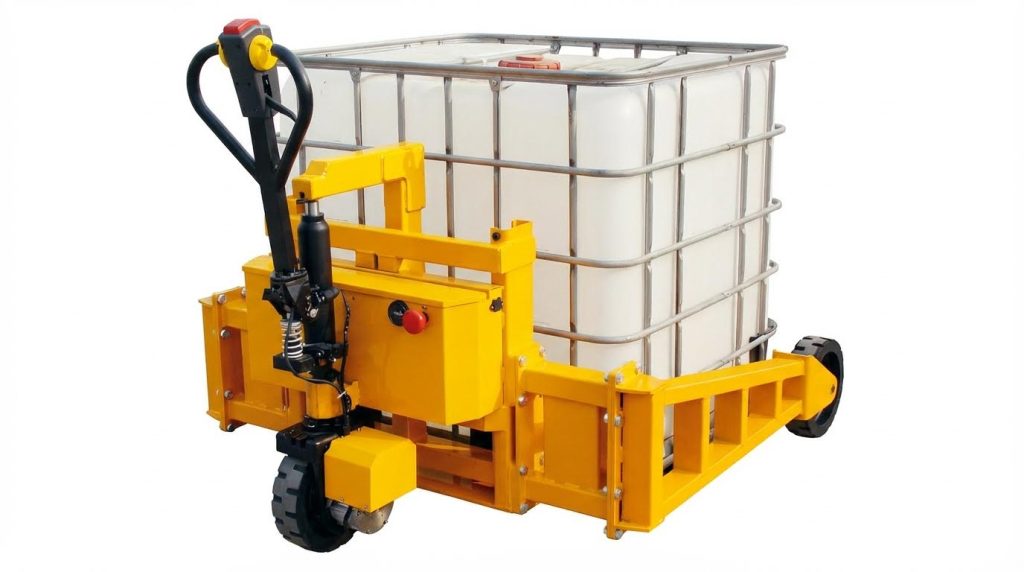
Technicians first verified the symptom: failure to lift, failure to lower, or gradual sinking under load. Lifting issues often indicated airlocks, low hydraulic oil level, or a worn valve O-ring that could not hold pressure. Standard practice involved removing the load, cycling the handle 15–20 times, and observing fork response and pump feel. If the forks rose sluggishly or failed to reach full stroke, technicians checked oil level, looked for milky or contaminated fluid, and inspected for external leaks around seals and fittings. Lowering problems typically resulted from excess oil, a sticking or damaged release valve, or bent forks binding in the carriage. Sinking under static load usually pointed to internal leakage past seals or an incorrectly adjusted pressure relief valve.
Air Bleeding, Seal Replacement, And Leak Repair
Air in the hydraulic circuit reduced effective pressure and caused spongy or intermittent lifting. Bleeding procedures used no load on the forks, full fork lowering, and approximately 10–20 full pump strokes to drive air back to the reservoir. If air removal did not restore performance, technicians inspected the valve cartridge and cylinder seals for wear, cuts, or hardening. Replacing the O-ring in the valve cartridge required lifting the drive wheels clear, draining the reservoir, removing the lower lever pin, and swapping the O-ring with pliers using the correct size. Persistent external oil traces along the piston rod, around fittings, or at the pump body indicated leaking seals or loose joints. Repairs included replacing rod and body seals, tightening threaded joints to specification, and then refilling with clean hydraulic oil and retesting for stable lifting and holding.
Hydraulic Oil Grades, Standards, And Bio-Options
Hydraulic oil selection directly affected pallet jack efficiency, wear rate, and temperature stability. Industry practice favored ISO VG 32 or ISO VG 46 hydraulic oils that complied with DIN 51524 performance classes. Conventional HL and HLP oils provided corrosion protection, aging resistance, and reliable lubrication up to roughly 200–220 bar system pressures. HVLP oils offered improved viscosity–temperature behavior and reduced scuffing, which benefited trucks exposed to wide ambient temperature swings. Bio-hydraulic oils such as HETG or HEES types were used in water protection areas or food-adjacent logistics where leakage posed environmental risk. Maintenance procedures required topping up with the same oil family already in the system, avoiding mixing types, and rejecting milky or dark contaminated oil in favor of a full drain and refill.
When To Retire Or Replace A Pallet Jack
Replacement decisions balanced repair cost, structural integrity, and safety margins. Technicians considered a jack near end-of-life when forks showed visible bending, cracks, or permanent deformation after load tests. Persistent hydraulic leakage despite multiple seal and O-ring replacements indicated internal body damage or scored cylinder bores, which made further repair uneconomical. Recurrent instability from damaged wheels or rollers, especially when axle and bearing replacements failed to restore smooth tracking, also justified retirement. If the unit repeatedly failed weekly or monthly inspections, or could not hold rated load without sinking, it no longer met safe operating standards. At that point, facilities typically removed the jack from service, documented the failure history, and replaced it with a new unit rather than risking progressive, hidden structural or hydraulic damage.
Summary And Future Trends In Hydraulic Maintenance
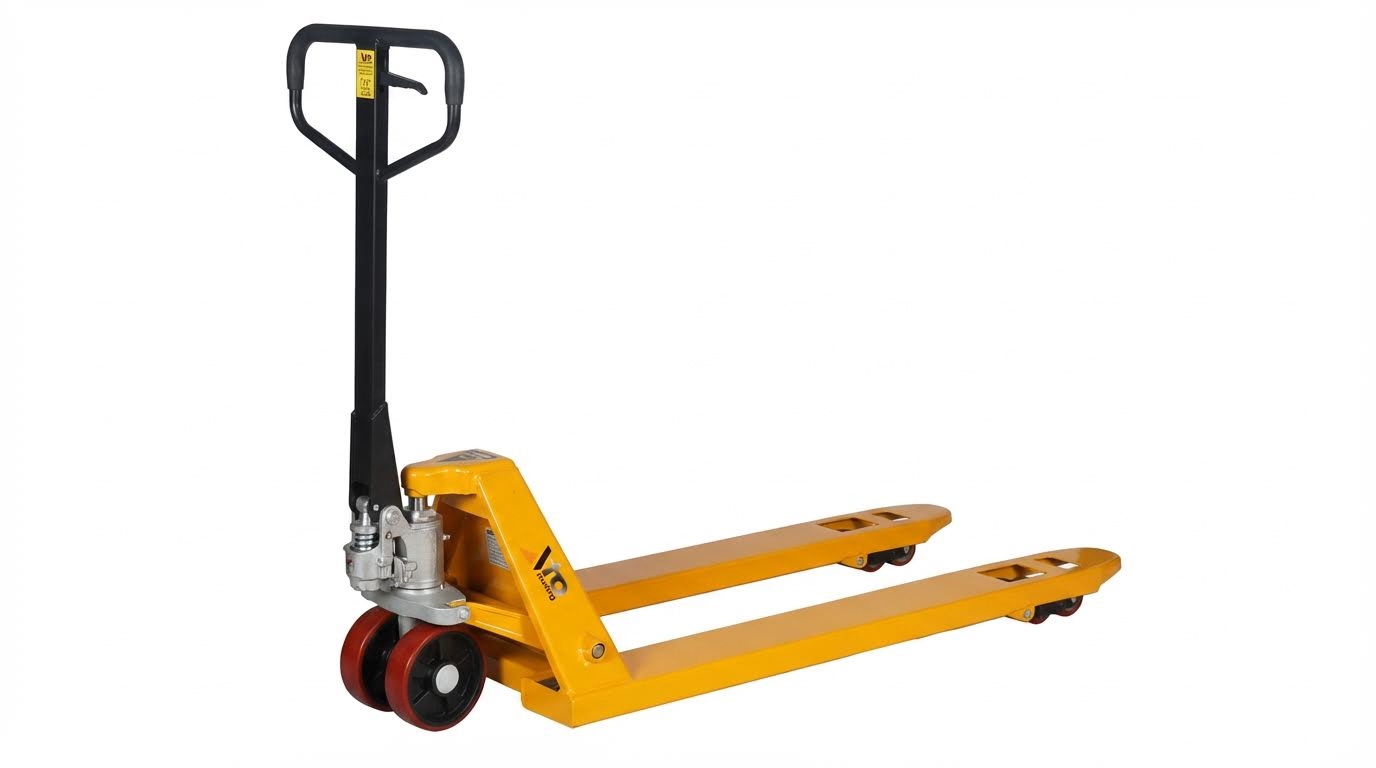
Manual pallet jack hydraulics relied on compact pump, cylinder, valve, and seal assemblies that operated at pressures above 200 bar. Common failures included air ingress, contaminated or low oil, worn seals, and misadjusted relief or release valves, leading to lifting, lowering, or sinking issues. Preventive programs that combined daily functional checks, weekly lubrication, and monthly fluid and seal inspections reduced unexpected failures by a large margin and extended service life. Correct oil selection according to DIN 51524 and ISO viscosity grades, together with proper bleeding and leak repair, remained central to reliable performance.
Industry practice moved toward structured maintenance regimes with documented inspection intervals, standardized hydraulic oils, and clear retirement criteria for damaged equipment. Facilities adopted checklists that integrated hydraulic tests, fork alignment checks, and wheel condition assessments, while discouraging practices such as pressure-washing or using non-approved lubricants. Data from field experience showed that early detection of rust streaks, sinking under load, or persistent leaks prevented major repairs and safety incidents. Operator training and adherence to rated capacity and safe handling procedures complemented technical maintenance measures.
Future trends pointed to more condition-based and predictive maintenance. Low-cost sensors for stroke counting, load cycles, and temperature, combined with simple leak or tilt indicators, were expected to support data-driven replacement of seals and hydraulic oil. Bio-hydraulic oils with improved oxidation stability and wider temperature capability would gain share, especially in environmentally sensitive sites. Standardization on OEM-grade seals and components, along with clearer disposal and recycling guidelines for used oils and worn jacks, would align hydraulic maintenance with broader sustainability and safety objectives.