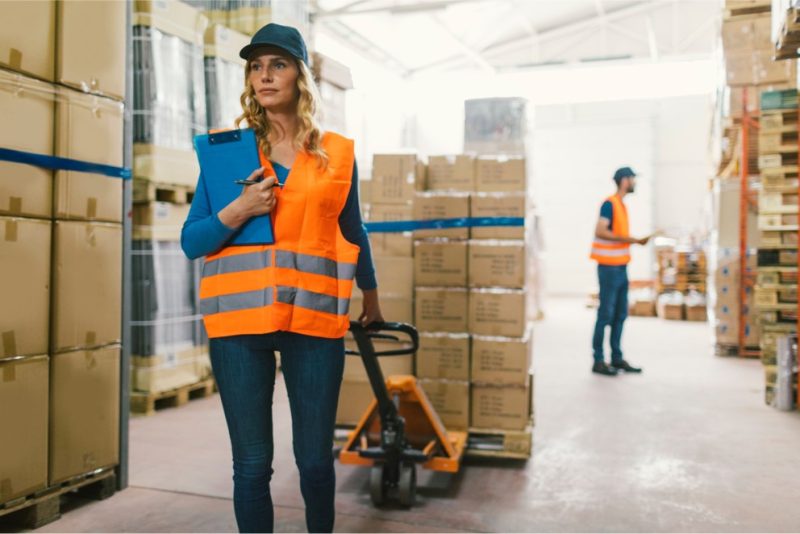
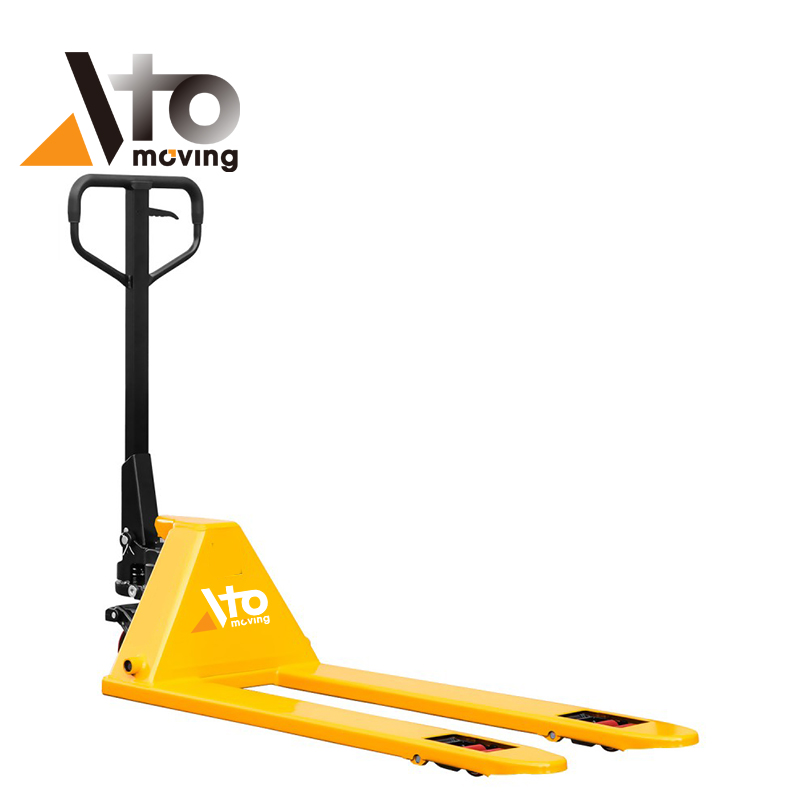
Pallet jack maximum lift height directly affected how plants positioned, transferred, and staged loads at floor level and low interfaces. This article examined typical lift ranges for manual, high-lift, and electric pallet trucks, including minimum fork height and pallet compatibility. It then analyzed the engineering constraints that set these limits, from fork geometry and wheel diameter to hydraulic stroke, frame stiffness, and lift synchronization. Finally, it linked these technical factors to practical selection for docks, racks, and conveyors, and outlined future trends such as custom designs and digitally optimized lift performance.
Typical Lift Heights By Pallet Jack Type
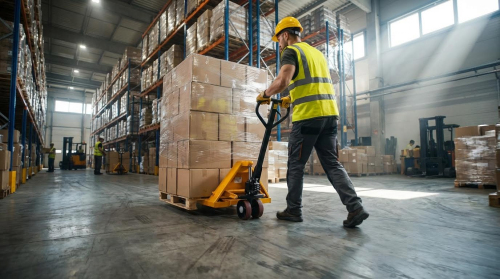
Pallet jack lift height defined the usable envelope for handling pallets, racks, and workstations. Engineers evaluated both maximum and minimum fork heights to ensure clearance, stability, and ergonomic positioning. Typical values differed significantly between manual, high-lift, and electric designs, and these differences drove selection. Understanding these ranges allowed plants to avoid mismatches at docks, conveyors, and storage systems.
Standard Manual Pallet Jack Lift Range
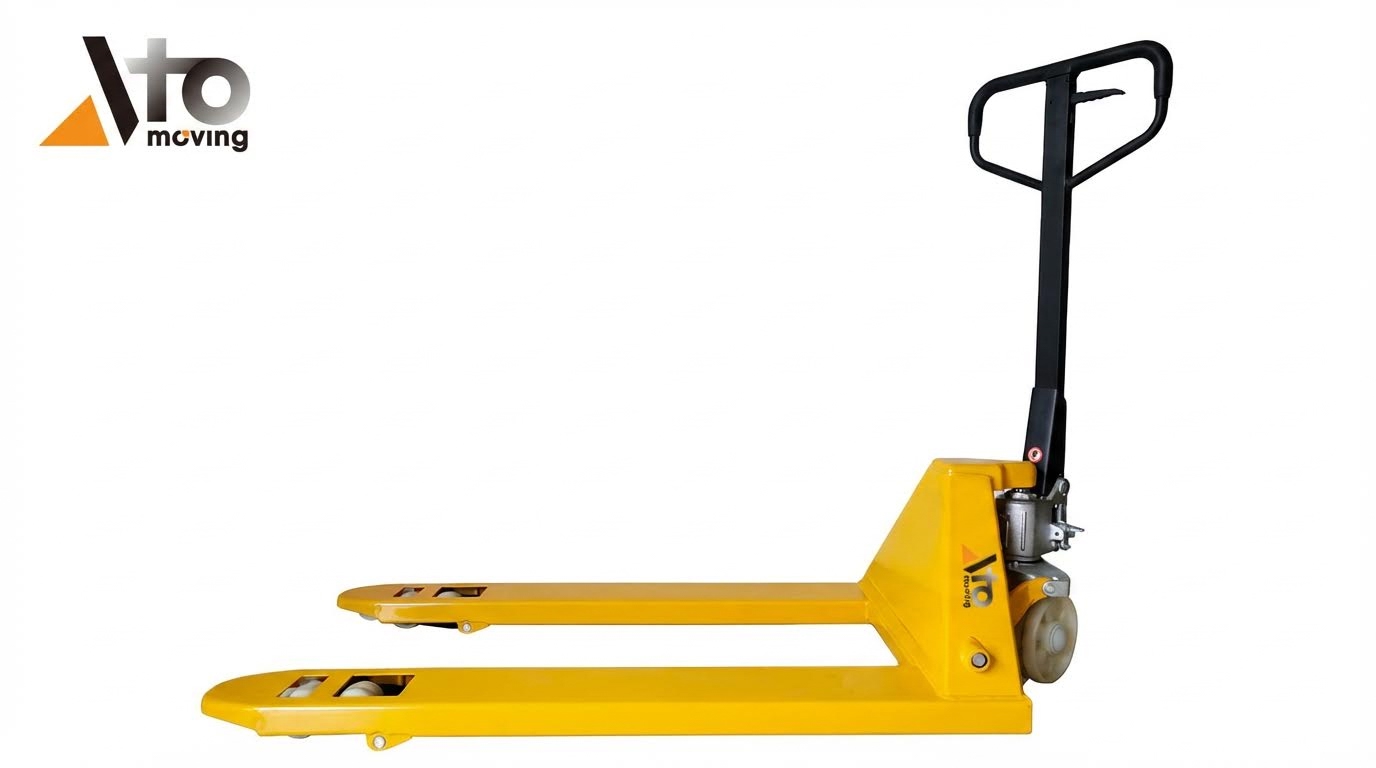
Standard manual pallet jacks used a short-stroke hydraulic circuit that raised forks just enough to clear the floor. Typical lifting heights were about 100 mm to 120 mm, with maximum fork heights around 185 mm to 210 mm depending on model. For example, hydraulic hand pallet trucks with 2.0 t to 5.0 t capacity listed lifting height of 110 mm and maximum fork height of 185 mm or 195 mm. In practice, operators needed only about 25 mm clearance under a loaded pallet to roll freely. Safety guidance therefore recommended transporting loads with forks 20 mm to 50 mm above the floor to keep the center of gravity low. This range balanced maneuverability, low ramp forces, and minimal structural demand on forks and frames.
High-Lift And Power Lift Pallet Jack Heights
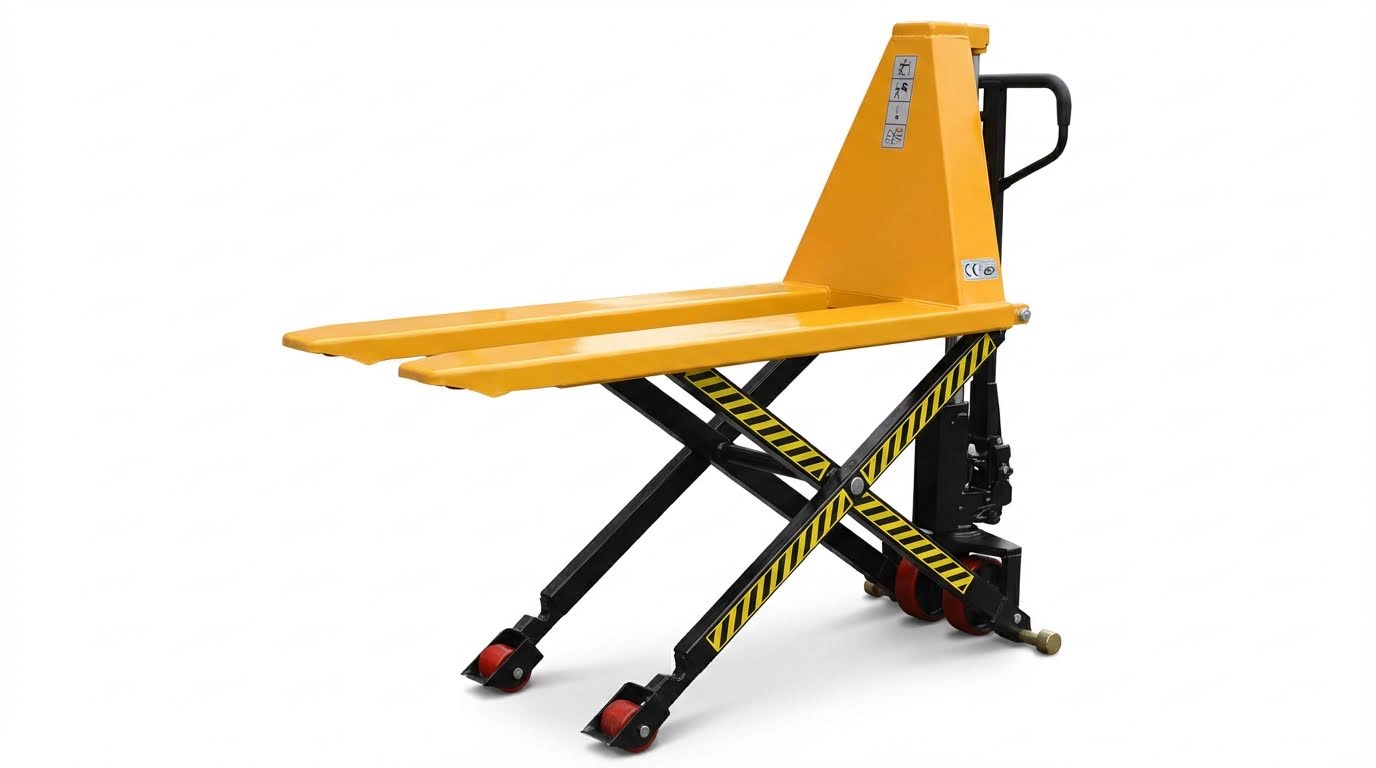
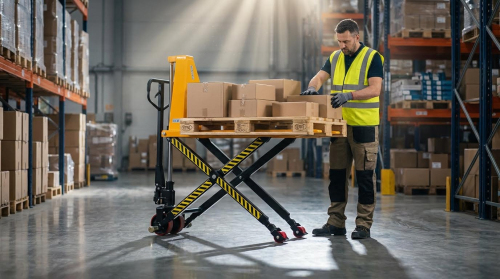
High-lift and power lift pallet jacks operated in a different height class. These units combined scissor or mast mechanisms with hydraulic or electric power to raise loads for ergonomic access. Power lift high pallet jacks reached service ranges up to approximately 800 mm, or about 31.5 inches, far above the 200 mm band of standard trucks. This height allowed operators to bring pallets to waist level for picking or assembly, reducing bending and manual handling. Designs often integrated stabilizers or outriggers that contacted the floor as the platform rose. These stabilizers increased the support polygon and countered tipping moments at elevated heights. As lift height increased, manufacturers typically reduced rated capacity and reinforced forks and frames to control deflection and oscillation.
Electric Pallet Trucks And Extended Lift
Electric pallet trucks bridged the gap between low-lift manual units and full forklifts. Standard electric pallet trucks for horizontal transport usually matched manual lift ranges, with maximum fork heights near 195 mm to 210 mm. However, heavy-duty full electric pallet trucks with widened, strengthened forks supported higher loads at similar or slightly increased heights. Some electric high-lift variants, like power-lift models, extended to around 800 mm to support work positioning and short vertical transfers. Electric drive and lift systems enabled smoother, more controlled motion at these higher elevations. Engineers needed to account for battery mass, motor torque, and control algorithms when evaluating dynamic stability at maximum lift. Extended-lift electric units also required tighter manufacturing tolerances and robust hydraulic or electro-mechanical components to maintain level forks across the full stroke.
Minimum Fork Height And Pallet Compatibility
Minimum fork height governed compatibility with pallet designs and floor conditions. Typical manual pallet jacks specified minimum fork heights of 75 mm or 85 mm, depending on wheel diameter and fork profile. These values suited standard wooden pallets with bottom deck boards and ground clearances near 90 mm. Lower minimum heights improved access to low-profile or damaged pallets but increased design complexity and reduced available stroke for a given cylinder length. Engineers also considered floor flatness and thresholds, because very low fork tips risked scraping or snagging on uneven surfaces. The gap between minimum fork height and pallet underside clearance determined how forgiving loading operations were. When specifying equipment, plants matched minimum fork height to their pallet standard and verified that all palletized SKUs could be engaged without manual prying or unsafe tilting.
Engineering Factors That Limit Lift Height
Engineering constraints defined the practical lift height of pallet jacks rather than marketing targets. Designers balanced geometry, hydraulics, structure, and tolerances to achieve enough clearance without compromising capacity, stability, or cost. Manual units typically operated in the 185–210 mm fork-height range, while high-lift electric designs reached about 800 mm. Each increase in lift height required stronger frames, longer strokes, and tighter control of deflection and synchronization.
Fork Geometry, Wheel Diameter, And Linkage Design
Fork geometry set both minimum and maximum fork heights. Standard manual pallet trucks used fork profiles that allowed minimum fork heights of 75–85 mm and maximum fork heights of 185–210 mm. The front load wheel diameter and position constrained how low the fork tips could sit while still rolling under a pallet. Larger wheels improved rolling over thresholds but raised minimum fork height, reducing compatibility with low-clearance pallets.
Linkage kinematics between the handle, pump, and fork assembly defined mechanical advantage and vertical travel per pump stroke. Designers used bell cranks and pull rods to convert small handle motions into fork lift while controlling effort. Increasing lift height by changing linkage ratios often increased pump strokes or operator input force. In high-lift power models, scissor mechanisms or vertical masts replaced simple rocker linkages to achieve up to 800 mm lift, but at the cost of added weight and complexity.
Hydraulic Circuit, Cylinder Stroke, And Load Capacity
The hydraulic circuit directly limited maximum lift height through cylinder stroke. Manual pallet jacks with lifting heights around 110 mm used relatively short single-acting cylinders integrated into the pump assembly. Extending stroke length increased achievable fork travel but also raised overall chassis height and required stronger guidance of the moving structure. Designers sized cylinder bore to support rated loads, typically 2 000–5 000 kg for heavy manual units, while staying within allowable system pressures.
Higher lift heights, such as 800 mm on power lift pallet jacks, demanded longer-stroke cylinders or multi-stage arrangements. This increased bending loads on the cylinder rod and mounting points, requiring larger diameters and reinforced anchor brackets. Hydraulic flow control and check valves had to maintain position under static load without creep, especially at upper lift positions. Designers balanced pump displacement, operating pressure, and handle or motor effort to avoid excessive cycle times when raising loads to maximum height.
Frame Stiffness, Fork Deflection, And Stability Limits
Frame stiffness governed usable lift height under rated load. At higher elevations, any fork deflection translated into noticeable tilt and vertical loss, affecting pallet clearance and operator confidence. Manual pallet trucks with 110 mm lifting height operated with relatively short load paths, so fork deflection remained modest. High-lift pallet jacks, especially those reaching about 800 mm, required significantly strengthened forks and uprights to control elastic deformation.
Engineers evaluated combined bending and torsion in the fork blades and chassis when loaded near capacity. Excessive deflection could shift the center of gravity forward, reducing stability margins on the steering wheels. Stabilizers, used on some power-lift designs, increased the effective support polygon at high lift positions and reduced rocking. Designers also considered dynamic effects when starting, stopping, or turning with elevated loads, which imposed additional constraints on maximum safe lift height.
Tolerances, Synchronization, And Uneven Lifting Issues
Tight manufacturing tolerances were essential to maintain consistent lift height across both forks. Specifications such as wheel-to-fork alignment within approximately ±1.5 mm ensured predictable minimum and maximum heights. Wear in bushings, bell cranks, and pull rods could cause one fork arm to lag, producing uneven lifting. In non-adjustable linkages, bent torsion bars or twisted cranks from overloads often caused persistent height differences between sides.
Uneven lifting reduced effective maximum height because operators had to limit travel to avoid overloading one side or losing pallet support. Maintenance practices, including periodic replacement of worn bushings and rods, restored synchronization and lift accuracy. For higher-precision lifting applications, engineers targeted sub-centimetre height accuracy, which required both precise mechanical geometry and careful hydraulic control. Regular inspection, lubrication, and torque checks on structural fasteners helped preserve the designed lift envelope over the equipment lifecycle.
Selecting Lift Height For Plant Applications
Matching Lift Height To Pallet, Rack, And Dock Interfaces
Engineers first defined lift height requirements from interface points, not from catalog data. Standard GMA pallets and Euro pallets required only 25–50 mm floor clearance for travel. Typical manual pallet jacks with 110 mm lift and 85 mm minimum fork height covered this easily. However, dock levelers, conveyors, and low rack beams often dictated higher maximum fork heights. High-lift electric units reaching about 800 mm enabled ergonomic work heights and transfer to elevated platforms. Designers checked that maximum fork height exceeded the highest interface by at least 20–30 mm, while still maintaining overhead clearance and stability margins.
Safety Standards, Load Stability, And Operating Practices
Safety guidelines required that operators travel with forks low, typically 20–50 mm above the floor. This practice reduced the center of gravity and limited tipping risk on irregular surfaces. The higher maximum lift height mainly affected loading, unloading, and work positioning, not travel. Standards and training materials emphasized staying within rated capacity at any height and keeping the heaviest part of the load over the front wheels. Plants with ramps or uneven floors often restricted use of high-lift pallet jacks or specified models with stabilizers and wider wheelbase. Procedures also required operators to lower forks fully when parking to remove trip hazards and release stored energy in the hydraulic circuit.
Lifecycle Cost, Maintenance, And Predictive Monitoring
Increased lift height generally raised mechanical stress on frames, forks, and hydraulic components. Higher strokes increased bending moments and fork deflection, which accelerated wear if operators routinely approached maximum capacity. Facilities therefore compared not only purchase price, but also expected seal replacement intervals, bushing wear, and fork straightening or replacement rates. Maintenance teams tracked lift performance, watching for uneven lifting, reduced maximum height, or hydraulic drift as early indicators of faults. Some operations adopted simple predictive practices, such as periodic fork height measurements under test load and inspection of wheel-to-fork alignment tolerances. These checks helped maintain safe effective lift height over the equipment’s life.
Custom Designs, Digital Twins, And Future Innovations
Where standard 195–210 mm manual lift or 800 mm high-lift ranges did not match process needs, manufacturers offered customized stroke, fork length, and geometry. Custom solutions had to balance higher lift against stability, frame stiffness, and floor bearing capacity. Advanced plants increasingly modeled pallet flows and lift cycles using digital twins of material handling systems. These models evaluated ergonomic reach zones, collision risks, and utilization of high-lift functions before hardware purchase. Future developments were trending toward tighter control of lift accuracy, borrowing sub-centimetre tolerance concepts from hoist systems. Integration of sensors and condition monitoring into electric pallet trucks supported more precise lift control and data-driven maintenance of lift height capability.
Summary: Choosing The Right Pallet Jack Lift Height
Pallet jack maximum lift height linked directly to fork geometry, wheel diameter, and hydraulic stroke. Typical manual pallet jacks raised loads about 110 mm, with maximum fork heights near 185–210 mm. High-lift and power-lift designs extended this to roughly 800 mm, supporting ergonomic work positioning rather than travel under load. Electric pallet trucks bridged the gap, offering higher lift ranges with reinforced forks and stabilizers to control deflection and tipping risk.
Engineering limits arose from stability, frame stiffness, and hydraulic sizing. Designers balanced lift height against rated capacity, center-of-gravity shift, and fork deflection, while maintaining ISO-compliant safety margins. Tolerances and synchronization affected usable lift height as much as catalog values; issues such as bent torsion bars, worn bushings, or stretched pull rods produced uneven lifting and reduced safe stroke. Plants that needed sub-centimetre positioning accuracy relied on careful calibration, lubrication, and periodic inspection to keep lift height repeatable within about 10 mm.
For application selection, engineers matched minimum fork height to pallet entry dimensions and floor flatness, then checked maximum height against docks, conveyors, or work surfaces. They kept transport heights low, typically 20–50 mm above the floor, to protect stability, and used higher-lift units only for static positioning. Lifecycle cost analysis considered maintenance of hydraulic seals, wheels, and linkages, plus the value of predictive monitoring where uptime was critical. Looking ahead, custom geometries, digital twins, and more precise motion control would continue to push lift height utilization closer to theoretical limits, but safe practice would still prioritize low travel heights, conservative loading, and operator training over chasing maximum stroke in every task.