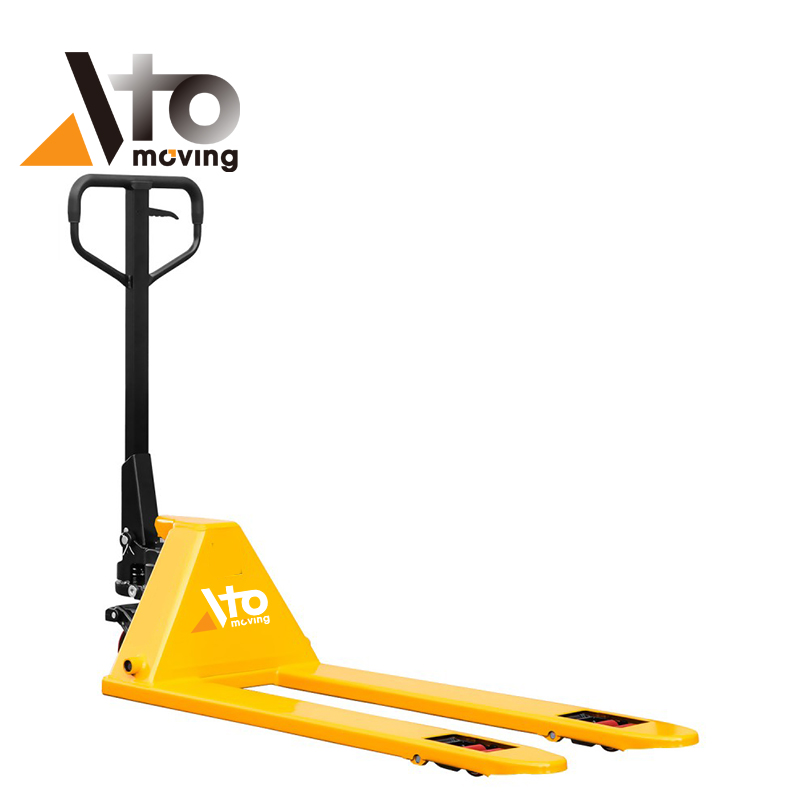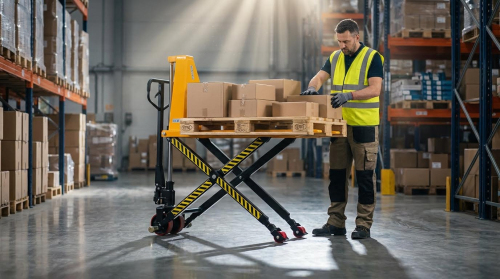
Material handling teams used different terms for the same basic hand pallet truck: pallet jack, pump truck, pallet trolley, and manual pallet jack. This article organized those names, clarified regional usage, and aligned them with engineering vocabulary used in drawings and specifications.
Across the full outline, it examined core naming conventions, detailed the main components and their correct technical terms, and linked those terms to application, selection, and maintenance language. It also covered emerging concepts such as sensors and predictive maintenance, then closed with a concise summary of recommended terminology for engineering documents, training, and procurement.
Core Pallet Jack Terms, Names, And Spellings
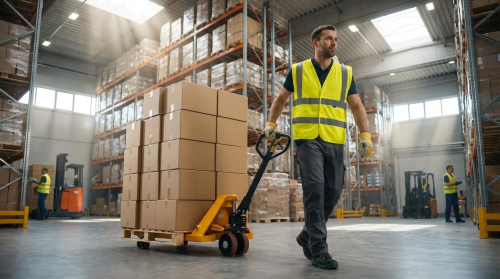
Material handling professionals used several overlapping terms for hand pallet equipment. These naming differences reflected regional language, industry segment, and marketing focus rather than engineering differences. Understanding the mapping between names and functions reduced ambiguity in specifications, training material, and asset databases. Clear terminology also supported consistent risk assessments and maintenance planning across global operations.
Pallet Jack, Pump Truck, Pallet Trolley: Who Says What
In the United States, operators and warehouse standards typically used the term “pallet jack” for hand-operated pallet movers. In the United Kingdom and some industrial plants, “pump truck” was common, emphasizing the manual pumping action that drove the hydraulic circuit. Retail operations in Europe and Asia often preferred “pallet trolley,” especially for lighter-duty, short-distance moves. Logistics and B2B documentation frequently adopted “manual pallet truck” as a neutral term that highlighted non-electric operation and fit international audiences.
Manual Pallet Truck Vs. Electric Pallet Truck
Manual pallet trucks relied on a hand-actuated hydraulic pump, using a lever or tiller to raise loads over short lift strokes. Electric pallet trucks incorporated an electric drive motor and often an electric lift pump, which reduced operator effort during repetitive or high-capacity handling. Manual units typically handled loads in the 2 000–3 000 kg range with simple mechanical controls and low maintenance demands. Electric versions supported similar or higher capacities but offered better productivity over longer travel distances and on intensive multi-shift duty cycles.
Less Common Names: Jigger, Pallet Lift, Manual Forklift
Less common regional terms, such as “jigger,” “pallet lift,” “fork pump,” or “lifter,” appeared in legacy documentation and older facilities. The label “manual forklift” occasionally described high-lift pallet trucks, although this created confusion with mast forklifts that lifted to greater heights. These alternative names did not change the underlying architecture, which still used short forks, low lift height, and a compact chassis. Engineering teams usually treated these terms as synonyms for hand pallet equipment but validated actual lift height and capacity before selection.
Recommended Terminology In Specs And Drawings
For technical drawings, purchase specifications, and risk assessments, it was best practice to use “hand pallet truck” or manual pallet truck with precise qualifiers. Documents should state manual or electric drive, rated capacity in kilograms, fork length and width, and any low-profile or high-lift configuration. Where regional names such as “pallet jack” or “pump truck” appeared, they should supplement, not replace, the primary standardized term. This approach reduced ambiguity in global sourcing, supported consistent operator training, and aligned asset records with maintenance and inspection procedures.
Key Components And Technical Vocabulary
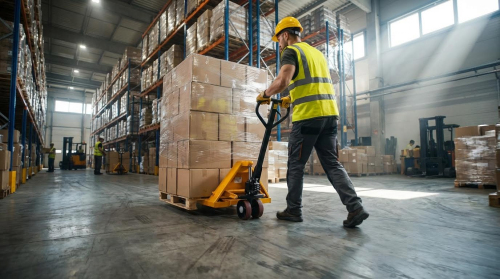
Technical communication about pallet jacks and pump trucks relied on consistent component vocabulary. Clear naming reduced ambiguity in specifications, maintenance procedures, and safety instructions. The following sections used widely accepted engineering terms that aligned with international material-handling practice. These terms supported accurate drawings, parts lists, and training materials.
Forks, Frame, Load Backrests, And Dimensions
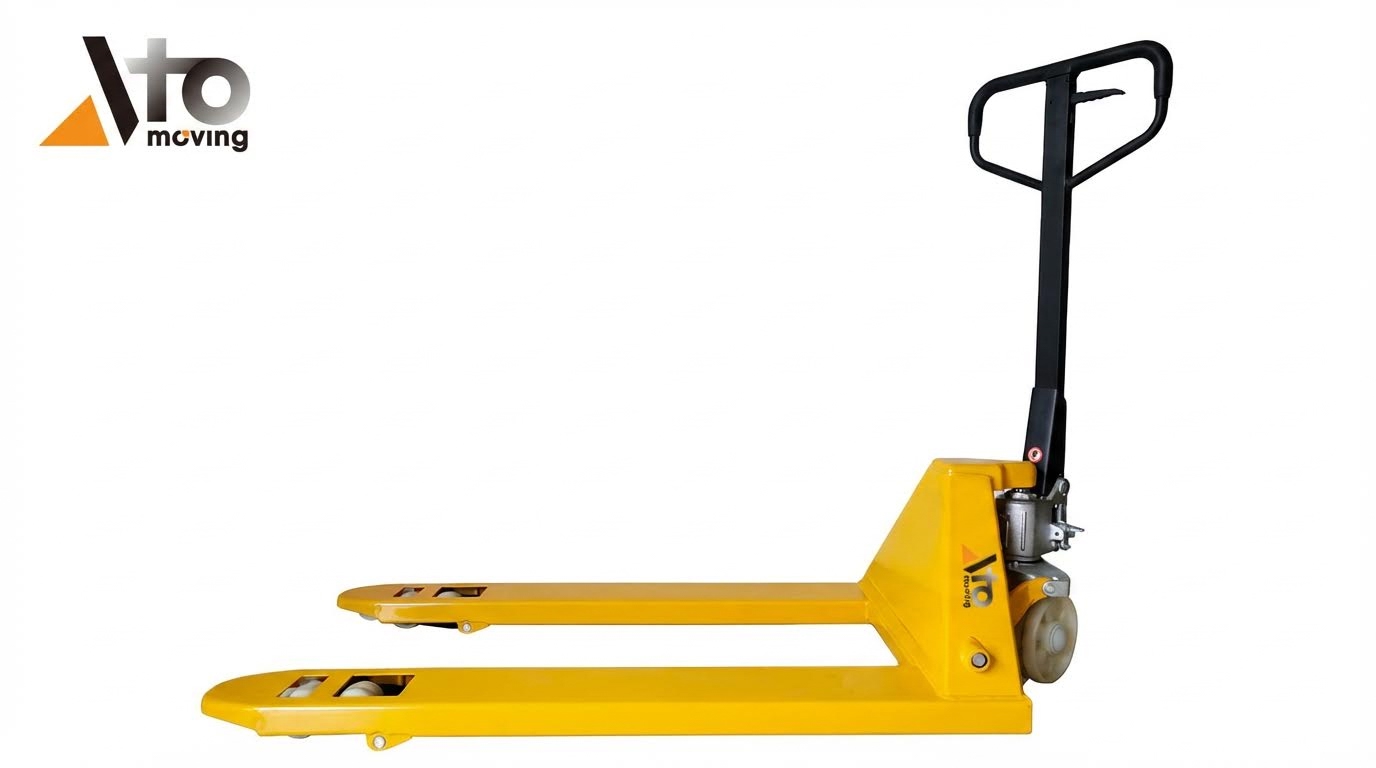
The forks formed the primary load interface and typically used welded steel plate sections. Engineers specified fork length, width over forks, and lowered and raised fork heights in millimetres. Typical fork lengths were 1 100 mm, 1 150 mm, or 1 220 mm, with widths of 550 mm or 685 mm. Drawings distinguished between individual fork width and overall width across both forks. The frame described the welded chassis that connected forks, hydraulic unit, and steering head. Load backrests, when installed, extended vertically from the frame to restrain tall or unstable loads. Technical documents specified backrest height and allowable deflection under rated load. Capacity markings always related to a defined load centre, commonly 600 mm from the fork heel. This ensured that dimensional data tied directly to structural design assumptions and safety factors.
Wheels, Axles, And Rough-Terrain Configurations
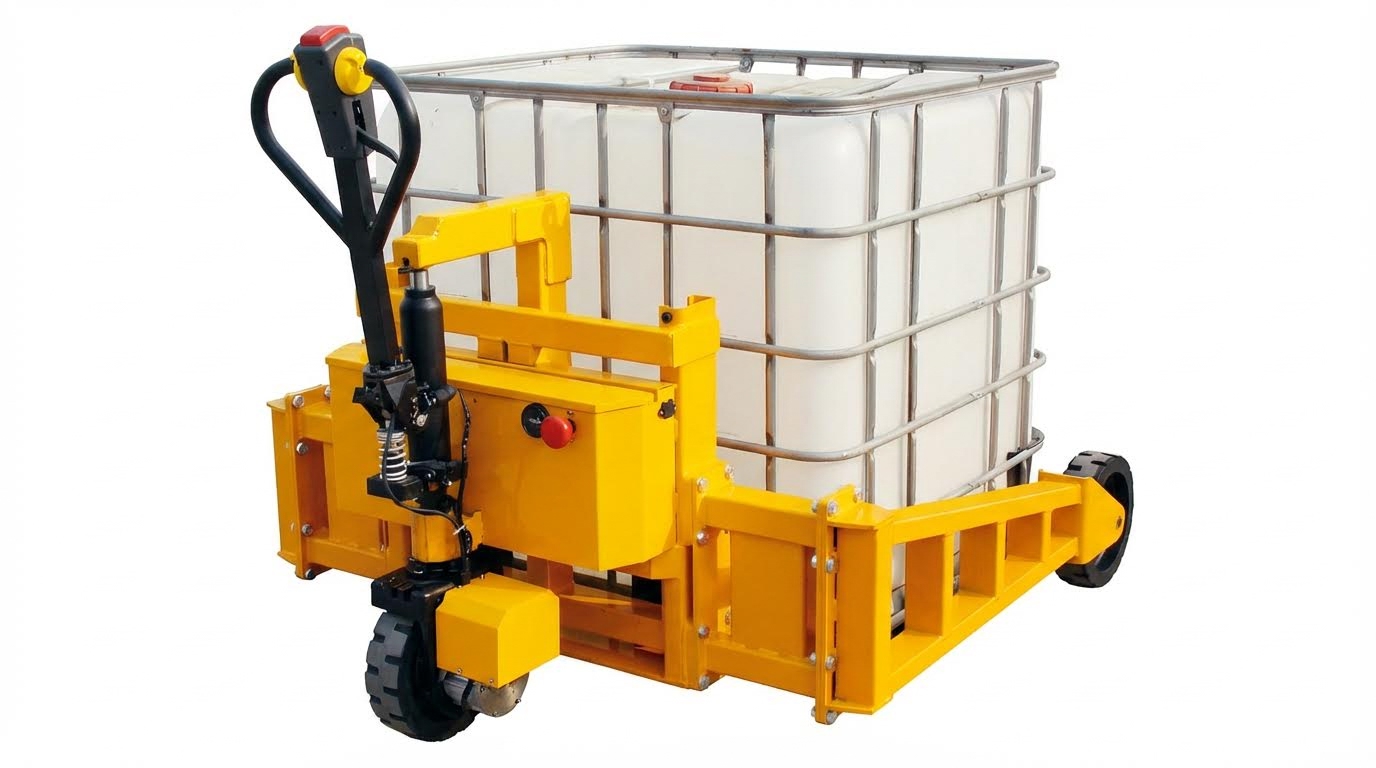
Standard pallet jacks used steer wheels at the handle end and load rollers under the fork tips. Documentation referred to single or tandem load rollers, with tandem rollers improving entry on uneven floors and pallet joints. Wheel materials included polyurethane, nylon, or rubber, and specifications stated diameter, width, and hardness. Engineers defined axles as either fixed or bolt-on types, with clear torque values for axle fasteners. Rough-terrain configurations used larger diameter wheels, often pneumatic or foam-filled, to handle outdoor yards or uneven concrete. These units sometimes used articulated bogies or oscillating axles to maintain ground contact on irregular surfaces. Technical vocabulary distinguished between steering axle, load-roller axles, and pivot pins to avoid confusion during maintenance. Clear naming simplified wheel spin tests, bearing replacement procedures, and compatibility checks with floor conditions.
Hydraulic Pump, Pump Rod, And Control Lever Terms
The hydraulic pump converted the operator’s pumping motion into fork elevation. Manuals described the assembly using terms such as pump body, pump rod, piston, reservoir, and check valves. The pump rod linked the handle’s pump stroke to the internal piston through pivot joints. Engineers specified stroke length and required handle force at rated capacity. The control lever at the handle head typically had three positions: lift, neutral, and lower. Documents often used the terms release valve lever or lowering lever for this component. Hydraulic oil type, fill volume, and operating temperature range appeared in service specifications. Maintenance instructions referenced symptoms such as sluggish lifting, sinking forks, or visible rust streaks on the pump rod. These terms guided troubleshooting of seals, valve seats, and internal wear.
Optional Features: Scales, Brakes, And Specialty Finishes
Optional integrated scales combined a load cell system with a digital indicator mounted on the frame or handle. Specifications defined scale accuracy, resolution, and maximum weighing capacity, which could differ slightly from the rated transport capacity. Engineers referenced functions such as tare, accumulation, and zero tracking in control descriptions. Braking options included foot-operated parking brakes on steer wheels and, less often, hand-actuated service brakes. Documentation distinguished between parking brake torque and dynamic braking capability on slopes. Specialty finishes described corrosion-resistant configurations such as stainless-steel construction or galvanized coatings. These variants served hygienic or chemically aggressive environments, including food, pharmaceutical, or washdown zones. Technical vocabulary also covered spark-resistant or antistatic versions for hazardous areas, with references to relevant conformity standards. Clear naming of these options helped match equipment to process requirements and regulatory constraints.
Application, Selection, And Maintenance Language
Engineers and operators relied on precise terminology to specify, select, and maintain pallet jacks and pump trucks. Clear language around capacity, duty cycle, terrain, and pallet interface reduced misapplication risk and improved lifecycle cost predictions. Maintenance vocabulary, including inspection intervals and lubrication points, supported safe, standards-compliant operation. Emerging terms around digital twins and sensorized trucks described how data integrated into predictive maintenance strategies.
Capacity Ratings, Duty Cycles, And Use Cases
Capacity language needed explicit reference to rated load, load center, and safety factors. Manual pallet jacks typically carried nominal capacities between 2 000 kg and 3 000 kg, while some specialized units exceeded 3 000 kg with reinforced frames. Engineers described duty cycle using terms such as “light-duty retail replenishment,” “multi-shift warehouse,” or “high-frequency cross-docking,” which indicated lift count per hour and travel distance. Spec sheets often combined capacity and duty cycle, for example “2 500 kg nominal at 600 mm load center, continuous indoor warehouse duty.” Clear use-case descriptors, such as “cold-store,” “food-grade washdown,” or “rough-yard transfer,” linked operating environment to material and sealing requirements. This vocabulary helped prevent overspecification for low-intensity tasks and underspecification for demanding logistics flows.
Terrain, Aisle Width, And Pallet Interface Terminology
Terrain terminology focused on surface type, flatness, and transitions. Engineers distinguished “smooth power-trowelled concrete,” “epoxy-coated floors,” and “paver or asphalt yards,” then specified wheel materials and diameters accordingly. Aisle language used clear metrics such as “clear aisle width,” “right-angle stacking aisle,” and “turning radius envelope,” expressed in millimetres and based on the truck’s overall length and handle sweep. Pallet interface terms included “fork length,” “over-all fork width,” “individual fork width,” and “lowered fork height,” which governed compatibility with standard pallets and low-profile skids. For four-way pallets, specifiers referenced “taper length,” “tip entry thickness,” and “minimum underside opening,” ensuring forks entered without binding. Rough-terrain configurations were described using “increased ground clearance,” “tandem load wheels,” and “articulated bogies,” which communicated how the truck crossed thresholds and uneven joints.
Safety, Inspection, And Preventive Maintenance Terms
Safety and maintenance language emphasized structured inspection regimes and defined failure modes. Pre-use checks referenced “visual inspection,” “leak check,” and “functional brake test,” carried out at the start of each shift. Periodic inspections used terms like “weekly fastener torque verification,” “monthly fork straightness check with straightedge,” and “quarterly hydraulic system leak-down test under load.” Maintenance documents differentiated “wear components” such as wheels, axles, and bushings from “structural components” like forks and frame weldments. Lubrication instructions specified product families, for example silicone spray for wheel axles, multi-purpose mineral oil for pivot joints, and white lithium grease for steering pivots, while explicitly rejecting cooking oil due to gumming risk. Technicians described issues using consistent phrases such as “sinking forks under static load,” “flat-spotted wheels,” or “excessive handle free play,” which mapped directly to troubleshooting trees and replacement criteria.
Digital Twins, Sensors, And Predictive Maintenance
Digitalization introduced new vocabulary around condition monitoring and lifecycle modeling. A digital twin described a virtual model of the pallet jack that mirrored geometry, load histories, and maintenance events, enabling simulation of stress accumulation and fatigue life. Sensor packages included load cells, wheel rotation encoders, handle angle sensors, and accelerometers, which captured duty cycles, impact events, and travel distances. Engineers referred to “remaining useful life (RUL) estimation” and “anomaly detection” when analytics flagged deviations such as increased hydraulic leak-down rate or higher rolling resistance. Predictive maintenance strategies used terms like “condition-based intervention,” “threshold-based alerts,” and “cloud-connected fleet dashboards,” shifting planning from fixed-interval service to data-driven scheduling. This language allowed asset managers to integrate pallet jacks into broader warehouse telemetry systems and align them with reliability-centered maintenance frameworks.
Summary Of Pallet Jack Terminology And Usage
Pallet handling equipment terminology varied across regions and industries, but the underlying engineering concepts stayed consistent. Practitioners used terms such as pallet jack, pump truck, manual pallet truck, and pallet trolley to describe hand-operated trucks for short-range pallet transport. Less common names like pallet lift, jigger, manual forklift, and fork pump appeared in niche sectors and legacy documentation, yet all referenced the same core mechanism: a wheeled frame with forks, a hydraulic pump, and a control handle. For technical documents, engineers typically preferred neutral, descriptive terms such as hand pallet truck or manual pallet jack, with clearly defined capacity, fork geometry, and duty cycle.
From an industry perspective, the vocabulary around components and options helped differentiate configurations without changing the fundamental function. Terms like tandem load wheels, low-profile forks, stainless-steel finish, or integrated scale signaled specific performance envelopes, hygiene requirements, or metrological needs. Clear language around capacity ratings, terrain class, and pallet interface reduced misapplication, for example, avoiding the use of light-duty retail pallet trolleys in high-throughput warehouse docks. Regulatory and safety guidance emphasized consistent use of rated capacity, proper inspection language, and standardized maintenance terms such as load test, wheel spin test, and hydraulic oil check.
Looking forward, terminology around digital twins, embedded sensors, and predictive maintenance continued to evolve as connected pallet trucks entered fleets. However, the core naming conventions still revolved around load, lift, and move functions. Practitioners benefited from specifying both the colloquial term familiar to operators and the precise technical designation in drawings, purchase specifications, and training material. This balanced approach supported legacy understanding while accommodating new technology, ensuring that regardless of whether a site said pallet jack or pump truck, the equipment’s capabilities, limits, and maintenance needs remained unambiguous.