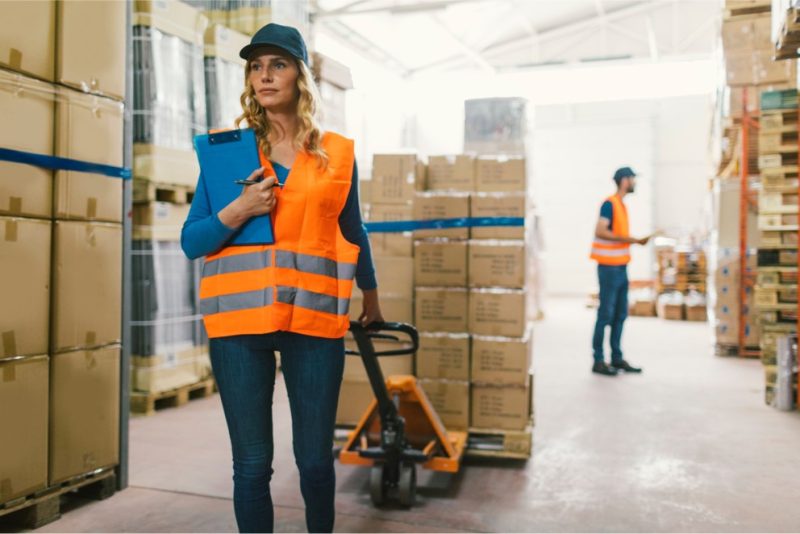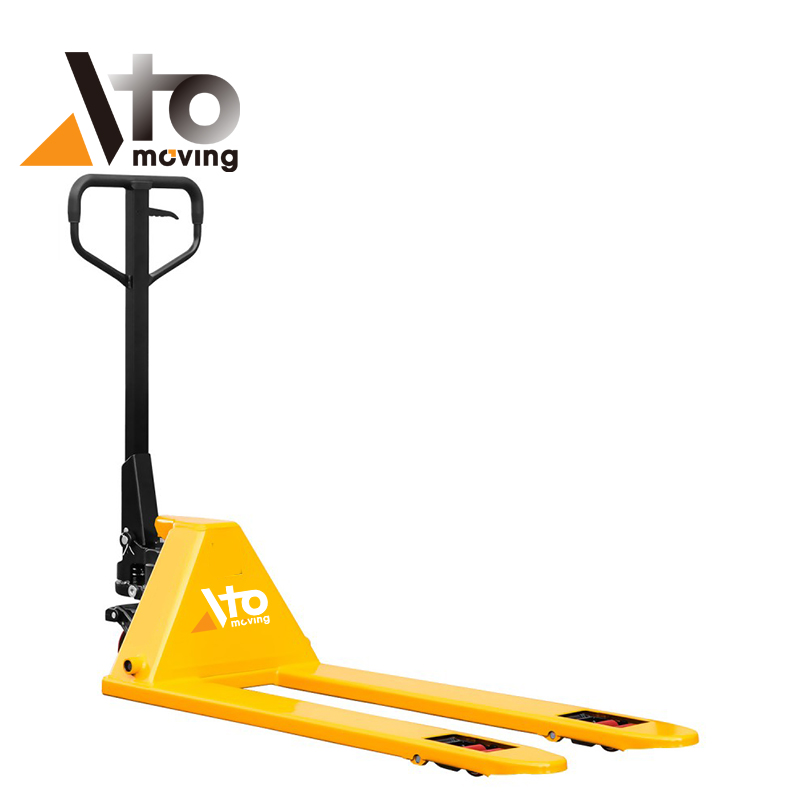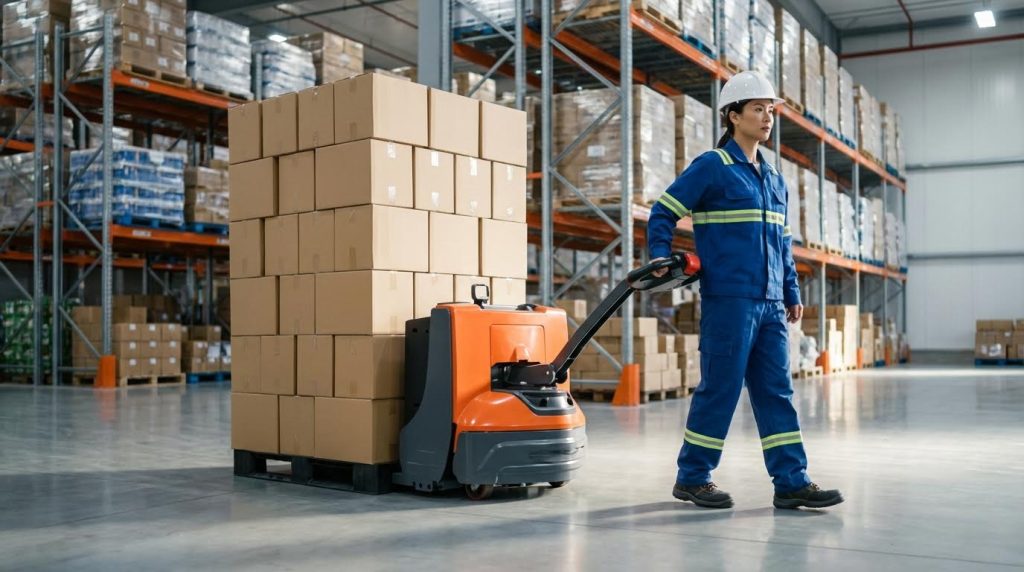
If you are planning how to lift a pallet without a forklift, you have more safe options than most sites and workshops realize. This guide maps out practical alternatives ranging from simple pallet jacks and skates to powered stackers, lift tables, and conveyor-based systems. You will see where each solution fits by load, duty cycle, and layout, and how they compare on safety and total cost of ownership. Use it as a technical roadmap to design a forklift‑free pallet handling strategy that is efficient, compliant, and ergonomically sound.
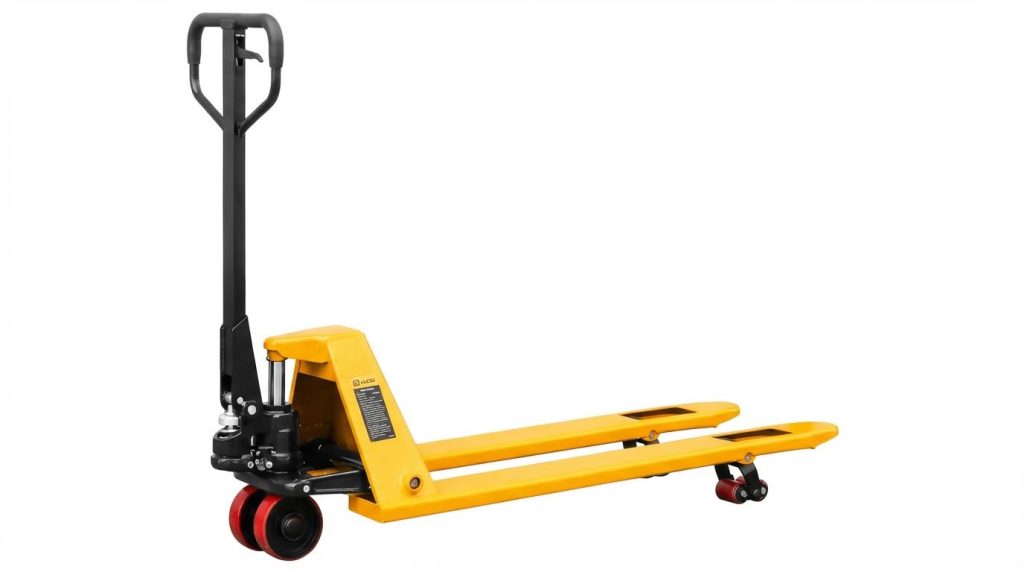
Key Non‑Forklift Options For Lifting Pallets
When You Should Avoid Using A Forklift
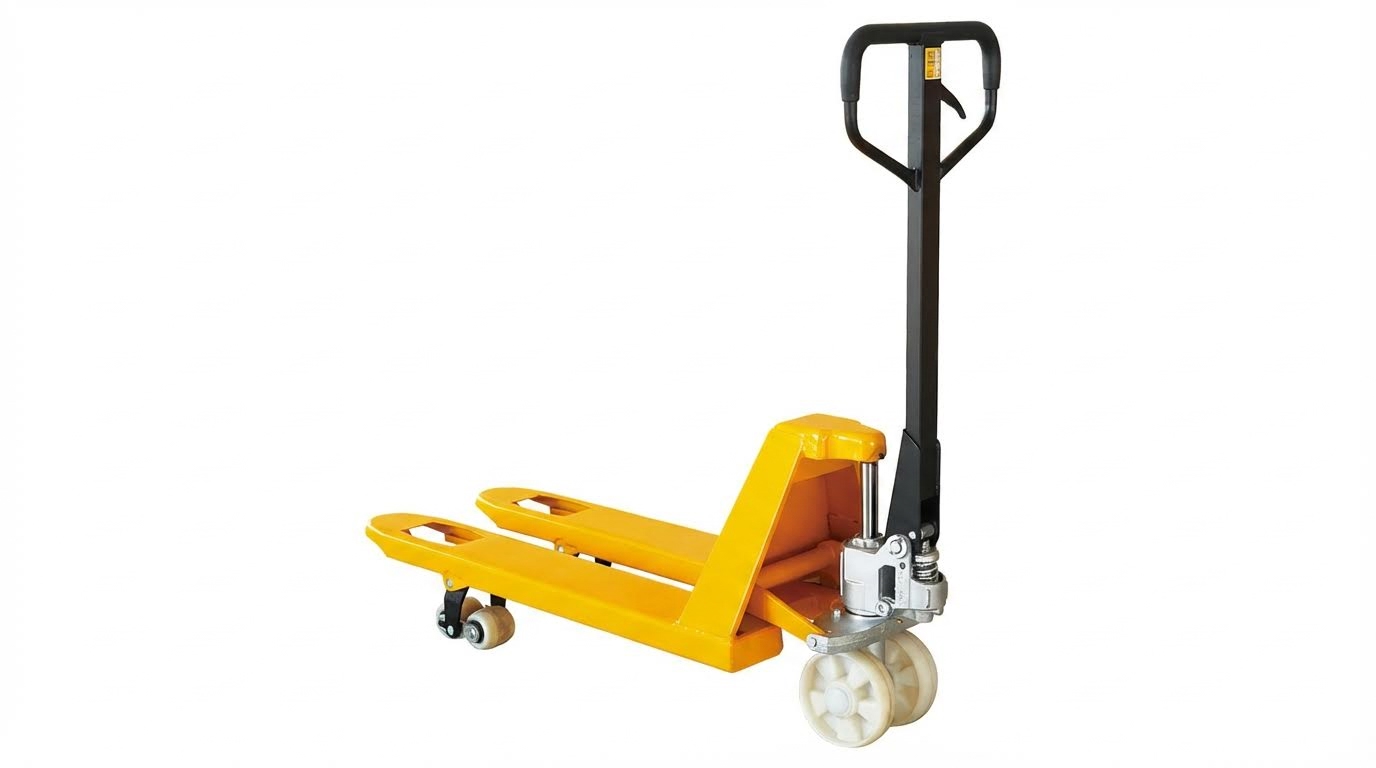
Understanding how to lift a pallet without a forklift starts with knowing when a forklift is the wrong tool. You should avoid forklifts where space, floor conditions, or risk profile make them inefficient or unsafe. In very tight aisles, mezzanines, small workshops, and service corridors, compact devices such as manual pallet jacks, stackers, or lift tables handle pallets with far less clearance and turning radius than a forklift manual pallet jacks, lift tables, and similar tools. Facilities with mixed traffic (pedestrians, pickers, trolleys) often reduce powered truck use in congested zones and switch to low‑speed, walk‑behind equipment to cut collision risk. Where floors are lighter‑duty, sloped, or have pits and thresholds, the ground pressure and braking distance of a forklift can be problematic, while skates, dollies, and pallet jacks distribute loads more gently skates and dollies for smooth surfaces. You should also avoid forklifts for occasional, low‑throughput pallet moves where capital cost, licensing, and maintenance are hard to justify; here, manual pallet trucks, high‑lift pallet trucks, or towable pallet carts provide a lower‑cost, low‑maintenance answer manual pallet trucks and high lift pallet trucks towable pallet carts. Finally, in ergonomics‑sensitive tasks such as packing, kitting, or assembly, lift tables, high‑lift pallet trucks, and scissor systems bring loads up to waist height and have been shown to cut cycle time by 14–20% and reduce spinal load by about 66% compared with floor‑level handling ergonomic performance of pallet lifts.
Core Categories Of Pallet Lifting Equipment
There are several core equipment groups to consider when planning how to lift a pallet without a forklift. For basic ground‑level lifting and short moves, manual pallet jacks handle up to about 2,500 kg and use a simple hydraulic pump to raise the pallet just enough to roll manual pallet jacks up to 2,500 kg hand pallet trucks up to 2,500 kg. Electric pallet jacks add powered traction and lift for heavier loads and longer runs, reducing operator strain and supporting features like quick battery changes and ergonomic controls electric pallet jacks for heavier pallets battery‑powered pallet jacks with ergonomic controls. Where vertical lift is needed, high lift pallet trucks and lift tables raise pallets up to roughly 800 mm or more, so workers can pick, pack, or assemble without bending; these devices often double as mobile workbenches high lift pallet trucks with 800 mm fork height and 1,000 kg capacity lift tables for ergonomic vertical positioning. Stackers form a separate category for lifting and stacking pallets to racking heights; manual and electric versions cover capacities up to around 1,000 kg and lift heights up to about 3,000 mm, giving a compact alternative to forklifts for low‑to‑medium bay storage light and heavy duty stackers up to 1,000 kg and 3,000 mm. For rolling and sliding methods rather than direct lifting, skates, dollies, roller crowbars, gravity rollers, and towable pallet carts let operators move pallets on smooth floors or along defined paths with low input force, provided weight limits, brakes, and chocks are used correctly skates, dollies, roller crowbars, gravity rollers, and sliding methods towable pallet carts with pallet trains..
Technical Comparison Of Pallet Lifts And Movers

Manual vs Electric Pallet Trucks And Stackers
If you are deciding how to lift a pallet without a forklift, the first split is usually between manual and electric pallet trucks and stackers. Manual pallet jacks use a hand‑pumped hydraulic circuit and can handle loads up to about 2,500 kg on smooth, level floors Manual Pallet Jacks. They have low purchase cost, no batteries, and minimal maintenance, so they suit light‑to‑moderate duty, short travel distances, and power‑restricted zones. Electric pallet jacks add powered drive and lift, reducing operator effort and improving throughput on longer internal routes or heavier loads Electric Pallet Jacks. Data showed manual pallet trucks typically needed around 40% lower capital spend and very low annual maintenance, while electric trucks could cut labor requirements by roughly two‑thirds in intensive three‑shift operations Manual vs. Electric Pallet Trucks. Manual stackers use a similar hydraulic principle but add a mast, allowing vertical stacking of pallets without engines or emissions; they are best for low lift heights and occasional stacking. Electric stackers introduce powered lift (and sometimes drive), enabling higher lift heights up to several metres and more frequent cycling, but they require battery management and more floor space for turning.
| Equipment | Typical Use Case | Main Advantages |
|---|---|---|
| Manual pallet jack | Short moves, light‑medium loads, tight spaces | Low cost, simple, no power needed |
| Electric pallet jack | Heavier loads, longer routes, frequent moves | Low operator effort, higher productivity |
| Manual stacker | Occasional stacking, low heights | Compact, no emissions, lower cost |
| Electric stacker | Regular stacking to higher racking | Higher lift, faster cycles |
High‑Lift Trucks, Tables, And Scissor Systems
High‑lift pallet trucks and lift tables focus on ergonomics and vertical positioning rather than long‑distance travel. High‑lift pallet trucks can raise open‑bottom pallets or skids to around 800 mm working height with capacities near 1,000 kg, so they can double as mobile workstations or feeding tables High Lift Pallet Trucks. Static or mobile lift tables and scissor lifts raise pallets vertically to comfortable picking heights and are well suited to packing, assembly, or repair stations Lift Tables. High‑lift scissor systems in industrial settings can handle a few thousand pounds and offer precise height control, often improving positioning speed and reducing handling‑related injuries compared with manual methods High Lift Scissor Jacks. Studies of pallet lift implementation showed that bringing loads to waist height could cut task cycle time by roughly 14–20% and significantly reduce spinal loading, which is critical when you consider how to lift a pallet without a forklift all day, every day Pallet Lift Implementation Benefits. These systems usually stay in fixed locations, so they excel where pallets need frequent vertical adjustment but not long horizontal transport.
Low‑Cost Rolling, Sliding, And Towing Methods
For very tight budgets or occasional moves, low‑cost rolling, sliding, and towing methods can move pallets without a forklift, but they demand more planning and control. Skates, heavy‑duty dollies, and roller crowbars put the load on small wheels so operators can reposition pallets across smooth floors, provided weight limits are respected and floors are level Skates and Roller Crowbars. Simple sliding setups using pipes or loose rollers under the pallet can work in temporary projects, but they require multiple trained workers and careful control of the load path to avoid sudden shifts Sliding and Rolling Techniques. Towable pallet carts and tugged trains allow several pallets to move at once behind a tow vehicle, improving efficiency where routes are fixed and relatively smooth Towable Pallet Carts. Gravity roller lanes and simple conveyors can provide continuous pallet flow in one direction, but they need correct slope, end stops, and guarding to keep operators clear of pinch points Gravity Rollers and Conveyor Systems. These methods usually offer the lowest capital cost, yet they are best reserved for controlled environments, lighter loads, or as part of engineered flow systems rather than ad‑hoc manual handling..
Matching Solutions To Applications And Constraints
Selecting Equipment By Load, Duty Cycle, And Layout
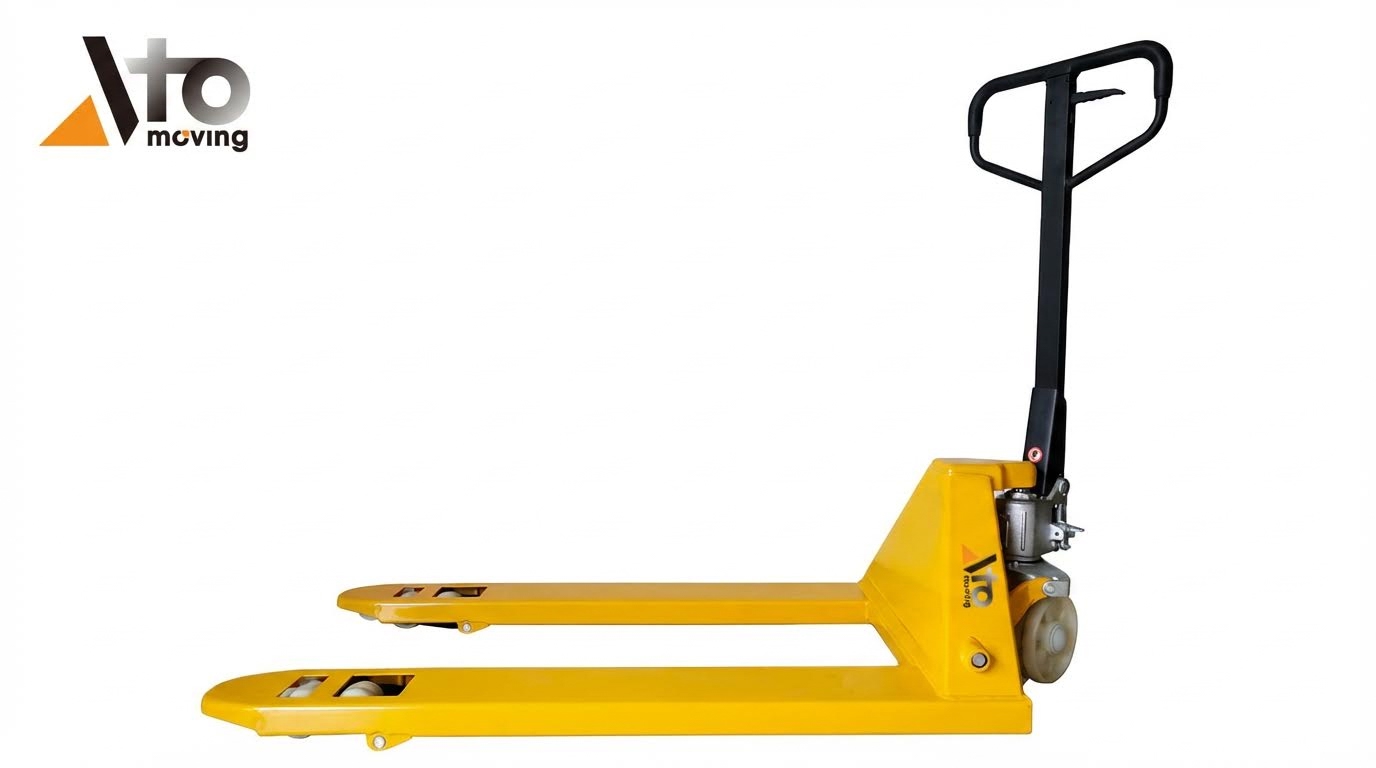
When you plan how to lift a pallet without a forklift, start with three filters: load, duty cycle, and building layout. For loads up to about 2,500 kg on smooth floors, manual pallet jacks are a simple option that use a hydraulic pump and handle ratcheting to raise the forks. Electric pallet jacks or powered stackers suit heavier loads, long travel distances, or multi‑shift use because they cut operator effort and improve throughput compared with manual trucks. In tight aisles or small rooms, compact stackers and high‑lift pallet trucks that can reach around 800 mm working height and about 1,000 kg capacity often double as workstations and lift tables.
For low‑frequency tasks, simple rolling and sliding methods can be enough. Skates, dollies, and roller crowbars move heavy pallets across smooth floors when the route is short and the floor is level but they require careful control to prevent tipping. Where you repeat the same moves all day, conveyors and gravity rollers reduce manual pushing and integrate into production lines by giving a continuous flow path. Towable pallet carts are useful in plants with clear tow routes, letting one operator move several pallets at once behind a tug using a train system.
Layout and environment also affect the best choice. Adjustable‑fork pallet jacks with ultra‑low entry heights around 36 mm and variable fork width handle mixed pallet types and low‑clearance skids, which is important in cramped storage areas. Stainless or FDA‑compliant versions support cold rooms down to around −30°C and hygienic zones such as food and pharmaceutical handling. If you need vertical storage but cannot use a forklift, light and heavy‑duty stackers can lift from a few hundred kilograms up to about 1,000 kg to heights of 1.6–3.0 m while still passing through standard doorways depending on model.
Quick selection checklist
- Load: maximum pallet weight and pallet type (standard, half, open‑bottom).
- Duty cycle: moves per hour, shifts per day, travel distance.
- Layout: aisle width, door clearances, gradients, floor quality.
- Environment: cold store, cleanroom, wet or corrosive areas.
- Ergonomics: required lift height to keep work at waist level.
Safety, Standards, And Total Cost Of Ownership
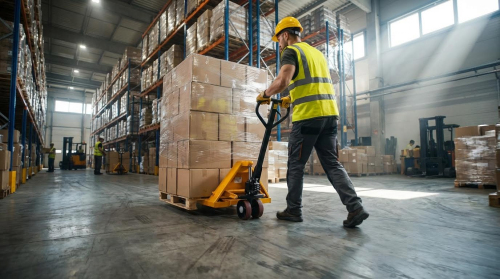
Any method for how to lift a pallet without a forklift must control risk as well as cost. Manual systems such as pallet jacks, lift tables, and high‑lift trucks reduce back strain when they raise loads to a good working height because operators no longer bend deeply. Studies of pallet lift use in manufacturing showed that adding lift mechanisms cut lifting task cycle times by roughly 14–20% and reduced spinal load by about 66% compared with floor‑level handling. Rolling solutions like conveyors, skates, and gravity rollers must include guards, stops, and clear keep‑out zones so hands and feet stay away from pinch points and loads cannot overrun the end of the line.
Total cost of ownership goes beyond the purchase price. Manual pallet jacks usually have lower capital cost and need only a few hours of maintenance per year, while electric pallet trucks cost more but can cut labor effort by well over half in multi‑shift operations by providing powered drive and lift. One case study of a lifter‑transporter with powered scissors lift, costing around $3,000, showed annual time savings worth about $10,500 plus roughly $5,000 per year in avoided injury costs for the specific job analyzed. Over a few years, these savings often outweigh the extra spend on more ergonomic equipment.
Compliance and reliability also influence long‑term value. Powered stackers and scissor systems need scheduled inspections of hydraulics and batteries to keep lifting performance safe and consistent. Gravity and powered conveyors require regular cleaning and roller alignment to prevent jams and uneven loading which can otherwise damage pallets or product. When you evaluate options, include training time, inspection routines, spares, and likely injury reduction so the chosen forklift‑free method is both safe and economical across its full life..
“”
Final Considerations For Forklift‑Free Pallet Handling
Forklift‑free pallet handling works best when engineering limits drive every choice. Load, lift height, floor quality, and aisle width must set the envelope before equipment is selected. When teams respect these limits, manual pallet jacks, stackers, lift tables, and rolling systems can move pallets safely with far lower risk than ad‑hoc manual handling.
Ergonomics and stability are just as important as rated capacity. High‑lift trucks and scissor tables keep loads at waist height, which cuts cycle time and reduces spinal loading. Correct wheel type, fork length, and pallet compatibility prevent point loading, tipping, and impact damage to floors and racking. Rolling and sliding methods only stay safe when routes are level, slopes are controlled, and end stops and chocks are in place.
The most robust strategy treats pallet movement as an engineered system, not a collection of gadgets. Map flows, standardize on a few fit‑for‑purpose devices, and back them with training, inspections, and clear traffic rules. In practice, this often means combining manual or electric pallet trucks with targeted use of stackers, lift tables, and conveyors. Done this way, a forklift‑free layout can stay safe, compliant, and cost‑effective through the full life of the equipment, especially with well‑designed solutions from Atomoving.
Frequently Asked Questions
What are some alternatives to a forklift for lifting pallets?
There are several alternatives to forklifts that can help you lift pallets safely and efficiently. These include:
- Manual Pallet Jacks: Ideal for confined spaces like semi-trailers, these tools allow you to lift and move pallets without the need for a forklift.
- Electric Pallet Jacks: These are powered versions of manual pallet jacks, offering more efficiency when moving heavier loads across larger distances.
- Lift Tables: Useful for raising pallets to ergonomic heights, reducing strain on workers during loading and unloading.
- Electric Stackers: These can lift pallets to higher levels, making them suitable for stacking operations in warehouses.
For more details, check out this guide on Forklift Alternatives.
How can I lift a pallet manually without equipment?
If no equipment is available, you can lift a pallet manually using proper techniques to avoid injury:
- Stand at the corner of the pallet and use a wide stance for stability.
- Use your legs, not your back, to lift the pallet to an upright position.
- Use your free hand as a support against your leg to help with the lift.
This method requires physical strength and caution. For professional guidance, refer to this Pallet Handling Safety Guide.