
Knowing how to replace pallet truck wheels safely and correctly keeps your material flow smooth, protects floors, and reduces operator strain. This guide walks you through when to change wheels, the exact steps to swap them out, and how to choose the right replacements for your site. You will see practical tips on tools, positioning, and testing, plus guidance on matching wheel materials and sizes to your loads and floors. Use it as a field-ready reference to upgrade safety, uptime, and handling performance across your fleet.
Understanding Pallet Truck Wheels And When To Replace
Load vs steer wheels and how they work
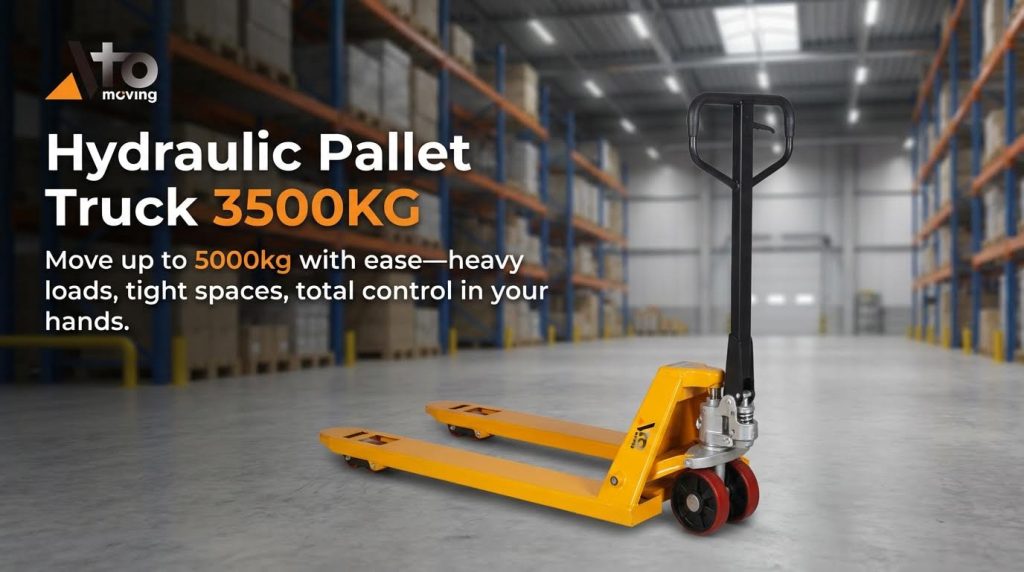
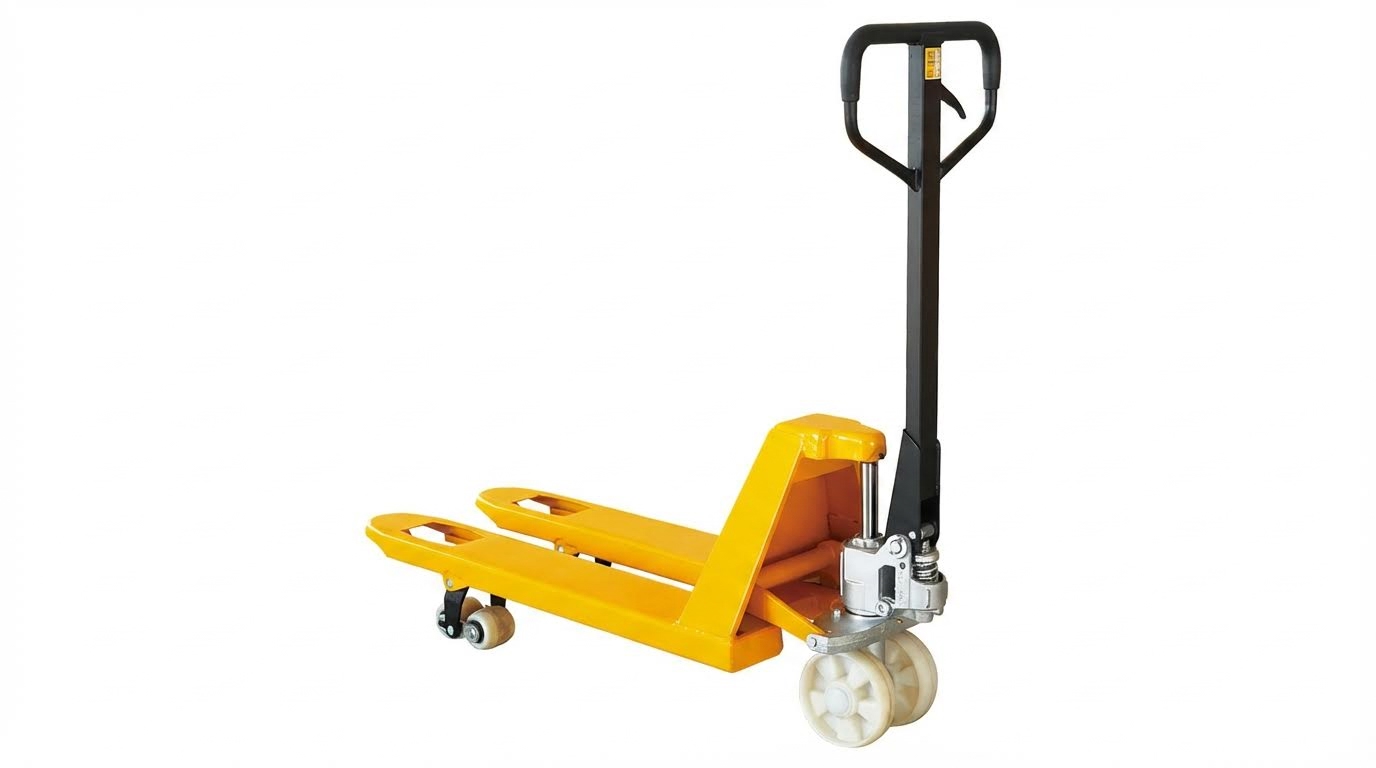
Pallet trucks use two wheel groups that do different jobs: steer wheels at the handle end and smaller load wheels under the fork tips. Steer wheels are larger and carry a big share of the total load while providing directional control for the operator. Load wheels (also called load rollers) stabilise the fork tips and transfer the pallet weight into the floor; they usually run in pairs on each fork. Together, these wheel sets determine how smoothly the truck starts, turns, and stops, which is why understanding them is essential when planning how to replace pallet truck wheels.
- Steer wheels
- Located at the rear, connected to the tiller arm, and usually mounted on a single axle.
- Often larger diameter to roll easier over joints, dock plates, and minor obstacles. Many designs use ball bearings for low rolling resistance. Typical front/steer wheels range from about 4″ to 8″ diameter with load capacities from ~795 lbs to over 2,000 lbs at low speeds.
- They turn with the handle, so any flat spots or bearing damage is immediately felt as heavy steering or vibration.
- Load wheels
- Smaller rollers mounted in the fork tips; they enter the pallet openings first.
- They stabilise the forks and carry high point loads, especially under heavy pallets or narrow fork settings. Typical diameters are around 60–90 mm with individual wheel capacities in the 700–950 kg range at walking speed.
- They run in pairs; replacing both rollers on a fork at the same time keeps the truck level and reduces uneven wear.
Wheel materials and their effect on operation
Most pallet truck wheels use polyurethane or nylon. Polyurethane is relatively soft, quiet, and floor-friendly, and it resists many chemicals while being puncture-resistant. It performs best on smooth, clean floors but can suffer damage on rough or debris-covered surfaces. Nylon wheels are harder and more wear-resistant, handle rougher floors and harsh chemicals well, and tolerate low and high temperatures, which suits cold stores and hot environments. Fully nylon designs with ball bearings can carry around 800 kg per wheel and work from about -20°C to +80°C on hard, smooth floors . Matching material to your floor and duty cycle is a key step when planning how to replace pallet jack wheels across a fleet.
Key wear indicators and safety triggers
Both load and steer wheels must be inspected regularly; once damage passes certain limits, replacement is the only safe option. Worn wheels increase push–pull effort, reduce steering control, and can damage floors, racking, and product. They also overload bearings and axles, which raises the risk of sudden wheel failure. Clear, visual checks make it easy to decide when to stop using a truck and schedule wheel change-out.
- Visible tread damage
- Pieces of tread missing (“chunking”), cuts, or cracks around the circumference.
- Flat spots where the wheel has skidded or dragged; these create vibration and high starting effort. Polyurethane worn down to the metal core, completely flat sections, or broken wheels are all immediate replacement triggers.
- Uneven or excessive wear
- One wheel in a pair smaller than its mate, causing the fork to tilt and the pallet to lean.
- Edges of the tread “feathered” or tapered from constant side loading on tight turns or poor floor joints.
- In these cases, best practice is to replace both rollers or both steer wheels together to restore even rolling. Guides recommend changing rollers in pairs to maintain smooth, stable travel.
- Noise, vibration, and heavy rolling
- Grinding or rumbling noises often indicate bearing damage or contamination.
- Increased push force or jerky motion points to seized bearings, deformed tread, or debris trapped around the wheel.
- Regular cleaning and weekly checks help avoid sand and dirt clogging the wheel gap and causing premature wear. Cleaning after use and weekly deep cleaning significantly extends wheel and bearing life.
- Structural or safety-related signs
- Cracks in the hub, loose or wobbling wheels, or visible axle/bearing play.
- Any sign that the wheel does not stay aligned under load is a safety stop: remove the truck from service until wheels are replaced.
- If you see repeated damage in the same area, also inspect the axle, forks, and floor condition as part of your maintenance routine on how to replace drum dolly wheels safely and effectively.
When any of these indicators appear—especially cracks, flat spots, exposed metal cores, or severe noise—treat them as hard safety triggers. Take the pallet truck out of operation and plan a controlled wheel replacement rather than waiting for an in-service failure.
Step‑By‑Step Wheel Replacement Procedure
Tools, prep and safe truck positioning
If you want to know how to replace pallet truck wheels safely and efficiently, start with the right tools and setup. For load wheels, you typically need a hammer, 3/16″ pin punch, 3/8″ pin punch, and pliers. For steer wheels, a small flathead screwdriver, snap‑ring pliers, and a plastic hammer are commonly required. Typical hand tools for pallet truck wheel changes Keep the handle lowered and the truck completely unloaded before you begin.
- Clear a flat, hard floor area and chock the steer wheels if needed.
- Lower the forks fully to release hydraulic pressure.
- Carefully lay the pallet truck on its side so the wheel assemblies are easy to reach and you can work in an ergonomic posture. Side positioning for access to load wheels
Always wear gloves and eye protection, as pins and snap rings can release suddenly. Keep small parts like pins, washers, and snap rings in a tray so nothing is lost during the process.
Removing pins, axles, and worn wheels
The core of how to replace pallet truck wheels is removing the old components without damaging the fork or brackets. On load wheels, start by driving out the locking or spring pin from the roller using the 3/16″ pin punch and hammer. Once the locking pin is out, drive the axle itself through with the 3/8″ pin punch until it slides free. Typical sequence for removing load wheel pins and axles
- Support the fork tip so it does not twist as the axle comes out.
- Pull the worn load wheels off the axle and note the order of any spacers or washers.
- For steer wheels, first remove the plastic cap if fitted, then use a small screwdriver and snap‑ring pliers to remove the snap ring that locks the wheel in place. Snap-ring removal on steer wheel assemblies
After the snap ring is off, slide off the washer and pull the steer wheel from the axle. Inspect the axle and bearing seats for damage, flat spots, or heavy corrosion. If wheels show cracks, chunking, flat spots, or polyurethane worn down to the rim, they should be replaced immediately to avoid safety risks and high push forces. Typical wear indicators on pallet truck wheels
Installing, securing, greasing and function tests
Before installing new wheels, clean the axle and fork bores and apply a thin film of grease to moving and bearing surfaces. On many designs, the linkage rod around the load wheels also benefits from fresh grease to maintain smooth lifting and lowering. Greasing moving parts during load wheel replacement Slide the new load wheels into the fork brackets with any spacers or washers in the same order as removed.
- Insert the axle through the first bracket, wheel, and opposite bracket until fully seated.
- Reinstall the locking pin by holding it with pliers and tapping it in with a hammer until it is centered and secure. Method for securing load wheel pins after installation
- For steer wheels, place the wheel on the axle, refit spacers or washers, then install the snap ring back into its groove and confirm it is fully seated all around. Reassembly steps for steer wheel and snap ring
Tap any protective caps back on using a plastic hammer to avoid damage. Carefully return the pallet truck to its upright position and perform a full function test: pump the handle, raise and lower under a moderate test load, and push the truck to feel for smooth, straight rolling with no binding or side play. Post-replacement functional checks on pallet trucks If anything feels rough or noisy, stop and recheck wheel alignment, pin seating, and lubrication before putting the truck back into service.
Choosing The Right Replacement Wheels For Your Fleet

Matching wheel materials to floor and environment
When you plan how to replace pallet truck wheels across a whole fleet, the biggest decision is wheel material. Polyurethane wheels run quietly, protect coated or tiled floors, and offer good chemical and puncture resistance, but they wear faster on rough or debris‑covered surfaces and can chunk if driven over sharp edges or embedded grit Polyurethane wheels characteristics. Nylon wheels are harder, carry high loads with low rolling resistance, and cope better with rough concrete, dock plates, and aggressive environments, including exposure to many acids and solvents and wide temperature swings, which makes them suitable for cold stores and some hot-process areas Nylon wheels characteristics. Fully nylon wheels with precision ball bearings can carry around 800 kg at low travel speeds and typically operate in a range of about -20°C to +80°C, which covers most freezer and ambient warehouse conditions Fully nylon wheel (PA6). In practice, you match materials to your dominant floor and risk profile: softer, quieter polyurethane for smooth, clean, indoor floors with sensitive finishes; harder nylon for rougher yards, heavy loads, and chemically harsh or temperature‑extreme zones.
Quick selection tips by environment
- Smooth epoxy / tiles / coated concrete: Polyurethane load and steer wheels for low noise and floor protection.
- Rough or damaged concrete / dock plates: Nylon to reduce rolling resistance and edge damage.
- Cold store (down to about -20°C): Nylon or PA6‑type wheels that keep hardness and strength in low temperatures Temperature range -20°C to +80°C.
- Wet / washdown or chemical areas: Sealed or washproof wheel designs with chemically resistant tread materials Splash and washproof pallet truck wheels.
Sizing, load ratings and duty cycle considerations
Once you understand how to replace pallet truck wheels mechanically, the next step is choosing the right size and rating so the new wheels are safe and efficient. Pallet truck load wheels commonly sit in the 60–90 mm diameter range, with typical bore diameters around 20 mm and load ratings in the several‑hundred‑kilogram band per wheel at low travel speeds such as 4 km/h HTH, HTHW, HB and HPO series specifications. Front and steer wheels are larger and often carry 700–2,000+ lbs per wheel at typical walking speeds of 2.5–6 mph, so you must read the data plate and ensure the wheel rating comfortably exceeds your truck’s maximum load and expected duty cycle Front wheels overview and series data. High‑duty fleets with continuous multi‑shift work, long travel distances, or use on uneven floors should select wheels with higher load capacities and robust bearings, because ratings are usually based on low, steady speeds and good floors. Always match wheel diameter, hub length, and axle bore to the existing hardware so the new wheel sits square, the bearings are correctly supported, and the truck steers and rolls without binding or side‑load on the axles.
| Selection parameter | What to check | Why it matters |
|---|---|---|
| Wheel diameter | Match existing size; larger diameters roll easier over joints and debris. | Wrong diameter changes fork height and can affect pallet entry and stability. |
| Hub / clamping length | Match fork or hanger width so the wheel is clamped without side play. | Too short gives side play; too long causes binding and premature wear. |
| Axle bore diameter | Confirm against the existing axle (commonly around 20 mm on many load wheels) Example axle bore dimensions. | Incorrect bore leads to loose fit, misalignment, or the need for unsafe modifications. |
| Load rating vs. truck capacity | Multiply wheel rating by number of wheels carrying the load and compare with truck rating. | Under‑rated wheels overheat, deform, or fail, especially in high‑duty service. |
| Duty cycle | Hours per shift, number of shifts, average travel distance, and floor quality. | Heavier duty requires higher‑spec wheels and more frequent inspections. |
“”,
Final Checks, Maintenance Routines And Takeaways
Correct wheel choice, careful installation, and disciplined checks work together to keep pallet trucks safe and easy to use. When you match wheel material to floor and environment, you cut rolling resistance, protect coatings, and avoid early failure. Correct sizing and load ratings prevent overload, bearing damage, and sudden wheel collapse under peak loads.
During replacement, clean bores, grease axles, and reinstall pins or snap rings exactly as removed. Then test under load. If the truck does not roll straight, feels rough, or makes noise, stop and correct the fault before release. Never mix old and new wheels on the same axle or fork, because that builds in tilt and uneven loading.
Build a simple routine: weekly visual checks, cleaning around wheels, and fast action on cracks, flat spots, or exposed cores. Train operators to tag out trucks with heavy steering, vibration, or grinding noises. For multi‑shift fleets, schedule proactive wheel changes based on hours and floor conditions, not just failure.
Handled this way, pallet truck wheels become a controlled, low‑risk wear part. You gain safer handling, lower push forces, less floor damage, and higher uptime across your Atomoving pallet truck fleet.
,
Frequently Asked Questions
How to change a pallet jack wheel?
Replacing a pallet jack wheel is straightforward if you follow the correct steps. First, ensure the pallet truck is on a stable, level surface and engage the parking brake. Loosen the axle nut or bolt holding the wheel in place using the appropriate tools, such as a wrench or socket set. Remove the old wheel and replace it with a new one of the same type (e.g., nylon, polyurethane, or iron). Tighten the axle nut securely to prevent wobbling. For more details on wheel types, see Pallet Truck Wheel Guide.
What type of wheels are on a pallet truck?
Pallet trucks typically use three main types of wheels, each suited for different environments:
- Nylon: Best for hard, even floors. They roll easily and are very durable.
- Polyurethane: Ideal for quieter operations. These make heavy loads slightly harder to pull but reduce noise.
- Iron: Suitable for heavy-duty industrial use due to their strength and durability.
Choosing the right wheel depends on your floor type and load requirements. Learn more about wheel options at Pallet Truck Wheel Guide.
What tools are needed to replace pallet truck wheels?
To replace pallet truck wheels, you’ll need basic hand tools. A wrench or socket set is essential for loosening and tightening axle nuts. Depending on the design, you may also need a screwdriver or an Allen key. Always check the manufacturer’s instructions for specific tool recommendations. Proper tools ensure a safe and efficient replacement process.