Warehouse managers who ask “is warehouse voice picking hard” usually face short peak seasons, high staff turnover, and tight accuracy targets. This article reviews how fast staff learn voice-directed workflows, how these systems compare with RF and paper, and how self-training tools and language options affect the learning curve.
You will see how ergonomics, cognitive load, and safety change when staff work hands-free and eyes-up, and how multilingual support helps mixed workforces. The later sections explain which implementation choices in WMS integration, hardware, and training design make voice picking easier to adopt, then close with a practical verdict on whether voice-directed picking is truly hard to learn or use.
Learning Curve Of Voice-Directed Picking
Operations teams that ask “is warehouse voice picking hard” focus on training time and ramp-up risk. The learning curve depends on process design, training tools, and how well the system fits the workforce. This section explains typical onboarding times, compares voice to RF and paper, and looks at self-training and language features. The goal is to show when voice picking is easier to learn and how to engineer that outcome.
Typical Training And Ramp-Up Times
Modern voice-directed picking systems usually have short formal training. Reported classroom or floor instruction often lasts between 0.5 and 2 hours. In several case studies, new pickers completed basic training in 10–30 minutes. They then learned the dialog pattern directly on the floor.
Ramp-up to independent work is also fast. With voice guidance, new staff often reach target performance in about one week. By the second assignment, many operators can complete full picking cycles without help. In contrast, paper processes can require up to four weeks to reach the same stability.
Engineers should model this learning curve when planning capacity. A shorter ramp-up cuts the buffer headcount needed during peaks. It also reduces the cost impact of high turnover. When evaluating “is warehouse voice picking hard,” these quantitative training times are a key benchmark.
Comparing Voice, RF Terminals, And Paper Picking
Voice, RF terminals, and paper follow very different learning paths. Paper-based picking usually has the longest familiarization time. New workers must learn document layouts, codes, and routing rules. Training can take up to four weeks before error rates stabilize.
RF terminals reduce some complexity but still demand screen focus. Workers must read, scroll, and key in data while moving. Typical training and familiarization can take up to two weeks. Error reduction depends heavily on keypad skill and reading speed.
Voice-directed picking removes most visual and manual input. The system reads locations and quantities, and the worker answers by voice or scan. Reported training times range from 10–30 minutes for basic use, with full onboarding in about one week. This shorter curve is a strong argument when teams test if warehouse voice picking is hard to learn.
| Method | Initial training time | Typical ramp-up to target | Main interaction |
|---|---|---|---|
| Paper | Several hours | Up to 4 weeks | Reading lists, manual writing |
| RF terminals | 1–4 hours | Up to 2 weeks | Screen, keypad, scanning |
| Voice-directed | 0.25–2 hours | About 1 week | Voice dialog, optional scanning |
Impact Of Self-Training Modules On Onboarding
Self-training modules make voice picking even easier to learn. These tools guide new workers through scripted exercises on a tablet and voice terminal. The content is tailored to the site’s actual processes. This reduces gaps that occur when different trainers use different methods.
Reported results showed familiarization time cuts of up to 50%. New hires built confidence without constant supervision from experienced staff. They could repeat sections until they felt comfortable with commands and confirmations. This repeatable method improved consistency across shifts and sites.
Self-training also supports faster scaling during peak seasons. Multiple workers can train in parallel without tying up supervisors. For operations asking “is warehouse voice picking hard for temps,” these modules are a key countermeasure. They turn onboarding into a standardized, measurable process.
Speaker-Independent Systems And Language Support
Early voice systems often needed personal voice profiles. Workers had to “train” the engine to their speech. This step increased setup time and made onboarding feel complex. Modern speaker-independent systems removed that barrier.
Current solutions recognize speech from different users without individual training. New workers usually start after a short introduction to the dialog flow. This directly reduces the perceived difficulty of warehouse voice picking. The system accepts normal speech patterns instead of forcing strict pronunciation drills.
Extensive language support also helps diverse teams. Many platforms support dozens of languages and dialects. Workers can interact in their native language, which speeds comprehension and reduces mistakes. For multilingual warehouses, this feature is often decisive.
From an engineering view, language and speaker independence lower changeover friction. Sites can hire seasonal staff from wider labor pools. They also avoid repeated profile setup work during high turnover. This strengthens the case that, with the right technology choice, warehouse voice picking is not hard to learn at scale.
Worker Experience, Ergonomics, And Safety
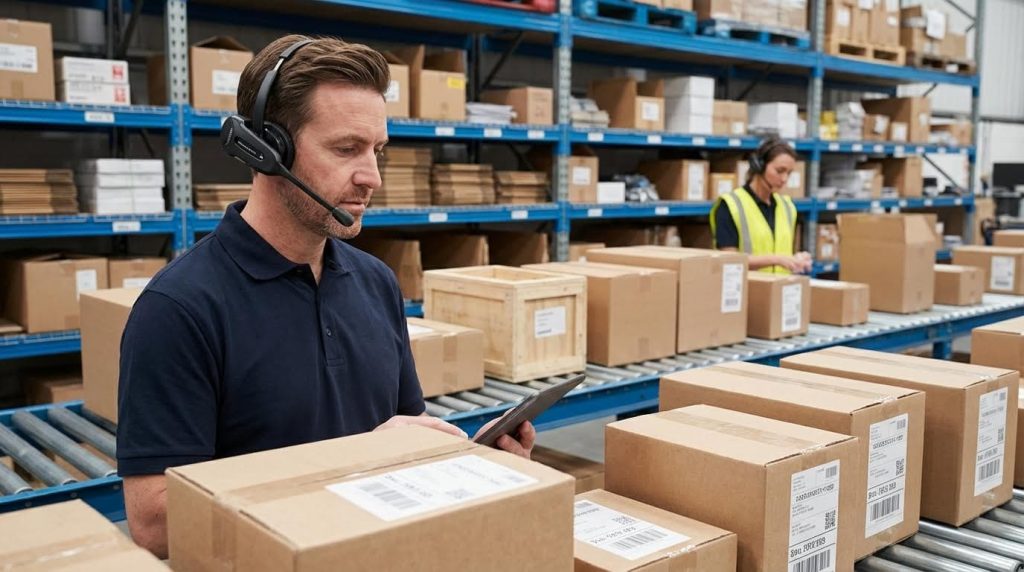
Warehouse managers asking is warehouse voice picking hard usually focus on daily worker experience. Voice-directed systems change how pickers move, look, and think during a shift. Ergonomics, safety, and mental load decide whether the technology feels easy or tiring. This section explains how voice workflows affect comfort, learning, and long-term performance.
Hands-Free, Eyes-Up Operation On The Warehouse Floor
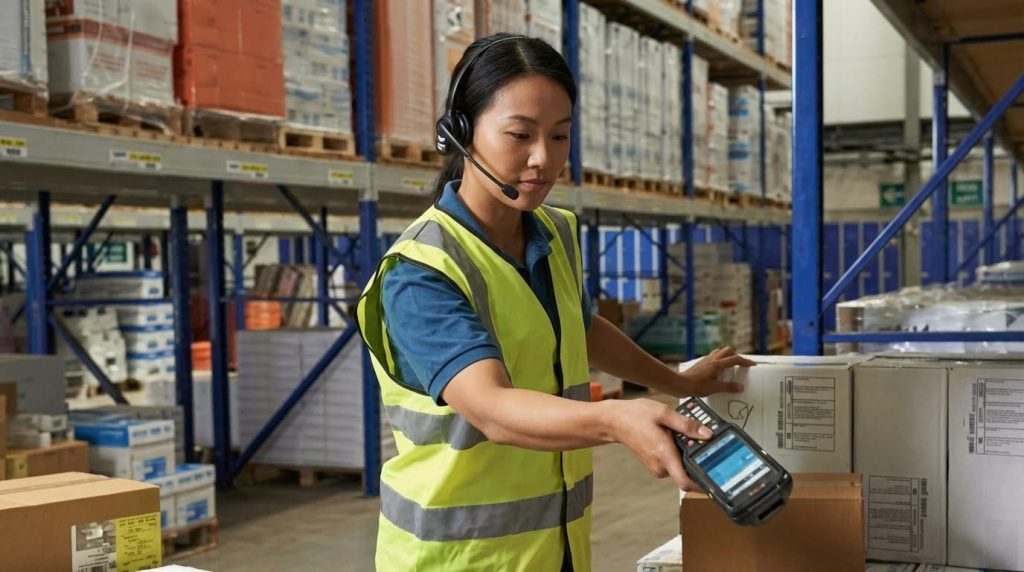
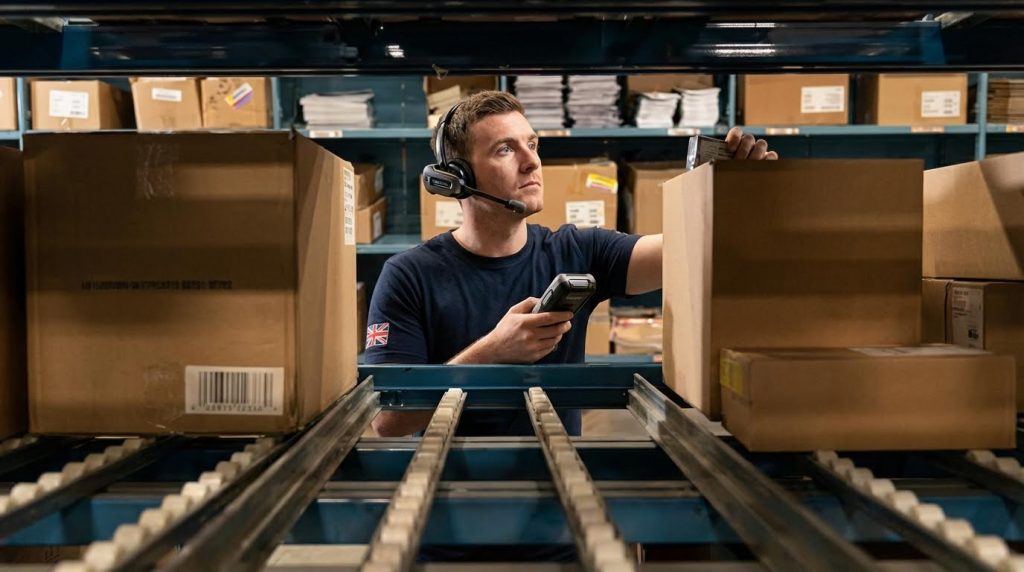
Voice-directed picking keeps both hands free and the eyes on the aisle. The picker wears a light headset and a compact terminal on a belt, arm, or truck. The system speaks locations, check digits, and quantities. The worker confirms by voice or scan, without looking at a screen or paper.
This hands-free, eyes-up mode cuts micro-pauses for reading and typing. It also reduces neck flexion and repeated head turns between product, trolley, and display. Workers watch pallet stability, traffic, and obstacles more often. That improves situational awareness and reduces trip or collision risk.
For teams wondering is warehouse voice picking hard, this mode usually feels natural after the first tasks. Movements are similar to normal walking and lifting, with fewer awkward reaches for terminals or clipboards.
Cognitive Load And Task Simplification For Pickers
Voice workflows reduce mental load by turning each pick into a short, spoken script. The system breaks work into simple steps: go to location, confirm, pick quantity, confirm, move on. Workers no longer scan dense pick lists or decode RF screens under time pressure.
This simplification helps new or temporary staff reach stable performance fast. Reported training times dropped from up to two to four weeks with paper to about one week or less with voice. In some projects, operators handled basic tasks after 1.5–2 hours of guided training.
Error rates also fell sharply, often by 50–90% versus paper. Fewer mistakes mean less rework and less stress for new hires. That makes the answer to is warehouse voice picking hard more about process clarity than technical skill.
However, poor dialog design can overload workers with long messages or codes. Engineers should keep prompts short, use consistent phrases, and avoid unnecessary confirmations.
Multilingual Interfaces For Diverse Workforces
Modern voice systems support large language sets and speaker-independent recognition. Operators do not record long voice templates. They learn a small command set and start work after a short briefing. This is key where staff turnover is high or seasonal peaks bring in short-term workers.
Support for dozens of languages and dialects lets staff work in their native language. That reduces misunderstandings of quantities, units, and exceptions. It also removes the need for bilingual trainers on every shift. Self-training modules on tablets can guide several new workers at once, each in their chosen language.
These modules run at the worker’s own pace and keep training quality consistent. They explain the dialog, safety rules, and basic troubleshooting. This approach answers is warehouse voice picking hard with data: ramp-up times drop, and confidence rises, even in mixed-language teams.
Engineers must still align vocabulary with local product terms and codes. Clear phrasing matters more than accent handling in most deployments.
Safety, Fatigue, And Human Factors Engineering
Voice picking affects safety and fatigue through posture, movement, and attention. Hands-free operation reduces the urge to hold terminals while steering pallet jacks or forklifts. Eyes-up behavior helps workers see traffic, damaged pallets, and spills earlier. This reduces incident risk compared with paper sheets or RF terminals.
From a human factors view, voice can cut decision fatigue. Workers follow a predictable pattern and rely less on memory. Shorter training and lower error rates also reduce stress for new hires. That supports better retention during peak seasons.
Design teams must still manage noise, headset comfort, and shift length. Poor audio in loud zones can cause repetition, frustration, and extra fatigue. Lightweight headsets, proper microphone placement, and tuned noise filtering are essential.
When these elements are engineered well, operators usually report that voice workflows feel easier than paper or RF. For leaders asking is warehouse voice picking hard, the main risks lie in bad process design, not in the core technology.
Implementation Factors That Affect Ease Of Use
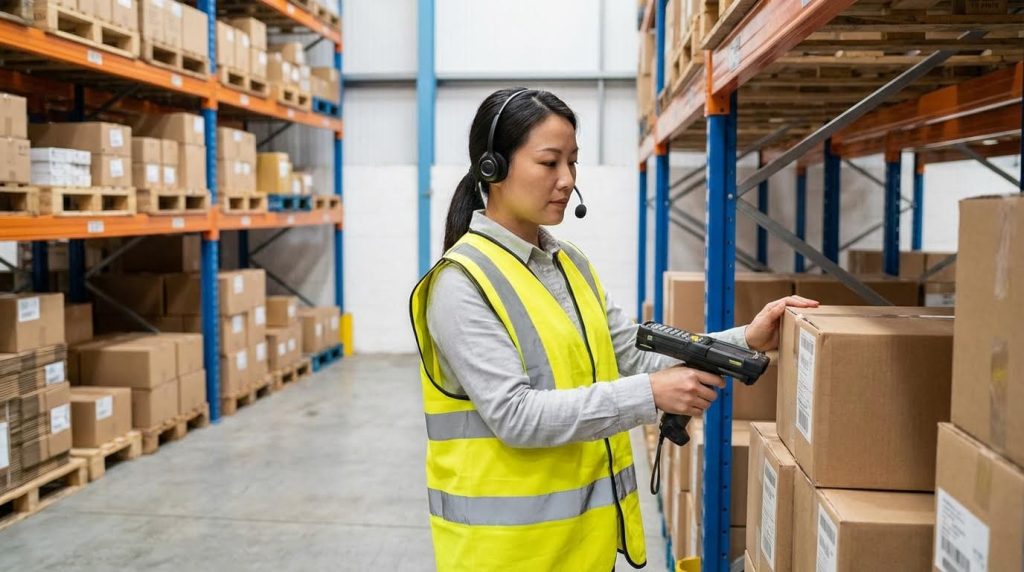
When managers ask is warehouse voice picking hard, the answer often depends on implementation quality. Integration, hardware, training, and staffing strategy all shape how fast staff reach full speed. Well engineered projects keep the technology simple at the picker level while handling complexity in the background.
Integration With WMS And Process Design
Voice systems stay easy to use when they sit on top of a clean process. Integration with the WMS should automate task release, confirmations, and status updates in real time. The picker only hears simple steps, but the WMS handles priorities, waves, and inventory rules.
Before deployment, engineers should map current picking flows and remove waste steps. A short list of changes keeps adoption smooth:
- Standardize location naming and check-digit rules.
- Define clear exception paths for shorts and damages.
- Align cartonization and batching logic with voice dialogs.
Well tuned integration lets the system push the next task without screens or menus. This reduces the feeling that warehouse voice picking is hard, especially for short term staff.
Hardware Choices, Headsets, And Terminals
Hardware design has a direct effect on comfort and learning time. Modern voice projects often use lightweight mobile terminals with wired or Bluetooth headsets. Devices can mount on belts, arms, or equipment so workers keep both hands free.
When selecting hardware, engineers usually compare:
| Aspect | Voice-Only Terminal | Multimodal Terminal |
|---|---|---|
| Interface | Audio only | Audio plus screen and scanner |
| Training effort | Lowest | Slightly higher |
| Best use | High speed case picking | Complex data or value add tasks |
Rugged headsets with noise reduction keep recognition stable in loud aisles. Simple button layouts and clear status LEDs also help new staff feel that voice picking is not hard to control.
Training Tools, KPIs, And Continuous Improvement
Self training modules and structured KPIs are key when leaders worry if warehouse voice picking is hard. Many sites reported that self paced modules cut familiarization time by up to half versus paper or RF. New hires often reach independent work in about one week, while paper methods could take two to four weeks.
Effective training setups usually include:
- Short classroom or tablet based lessons with guided dialogs.
- Simulation tasks before live orders.
- Clear daily targets for lines per hour and error rates.
Voice systems generate rich data on confirmations, errors, and pauses. Engineers can use this data to tune prompts, reduce extra steps, and adjust slotting. Over time, this feedback loop keeps the process simple even as volumes grow.
Handling Peak Seasons And High Staff Turnover
Seasonal peaks test whether warehouse voice picking is hard for new staff. Evidence from operations showed that voice training often takes from 10 to 30 minutes for basics, with 1.5–2 hours to handle full tasks. Speaker independent recognition removes the need to build long voice profiles, so temporary workers ramp up fast, even in different languages.
For sites with high turnover, good practice includes:
- Standard starter scripts that cover 80% of tasks.
- Reusable self training modules for groups of new hires.
- Simple role based dialogs for pickers, replenishment, and cycle count.
Because the system guides each step, workers rely less on tribal knowledge. This reduces the risk that peaks or churn make voice picking feel hard or chaotic. When implementation is solid, managers can flex headcount quickly without long shadowing periods.
Summary: Is Voice Picking Hard To Learn Or Use?
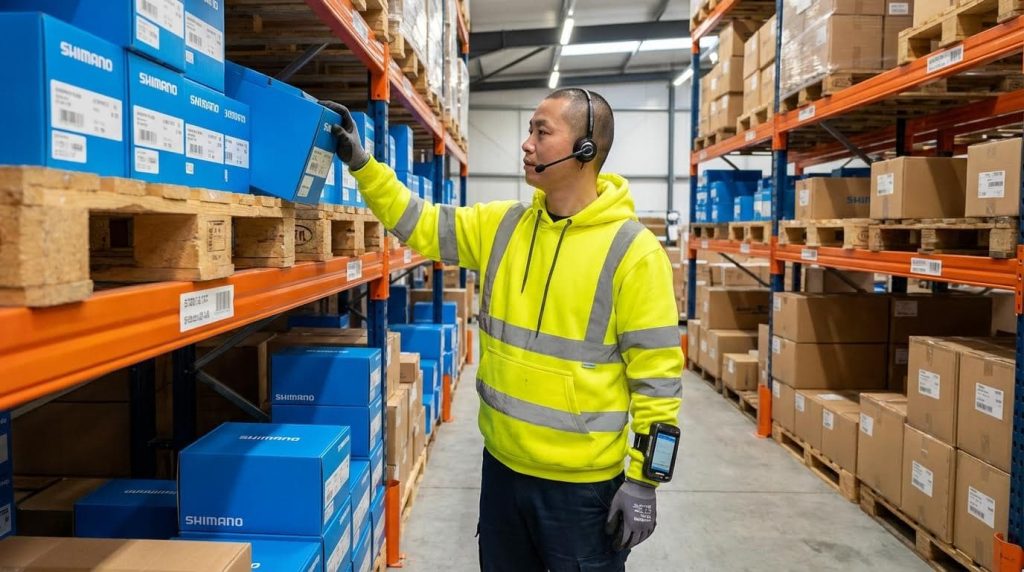
Warehouse managers who ask “is warehouse voice picking hard” usually care about three things. How fast new staff become productive, how safely they work, and how stable the process stays during peaks. Voice-directed picking has shown short training times, low error rates, and strong support for mixed-language teams when it is well integrated with the WMS and process design.
Evidence from real deployments showed that new pickers often learned basic voice workflows within 1.5–2 hours. Several sites reported full onboarding in about one week, compared with two to four weeks for RF or paper methods. Speaker-independent recognition and support for dozens of languages let temporary and seasonal workers start in their native language with minimal coaching. This reduced training effort for supervisors and cut ramp-up times by around 30–50% in reported cases.
Operational data showed typical productivity gains of about 20–35% versus paper, with error reductions between 50% and 90%. Hands-free, eyes-up work improved situational awareness, which supported safer travel in busy aisles. Analytics from the voice system helped engineers tune slotting, task batching, and prompts to match actual worker behavior.
From a mechanical and industrial engineering view, the main effort was not learning the dialogs. The real work lay in integration, hardware selection, pilot testing, and clear KPIs. When those elements were engineered well, voice picking was not hard to learn for warehouse staff. It became a relatively simple, guided workflow that scaled reliably during peak seasons and high staff turnover.
,
Frequently Asked Questions
What is Voice Picking in a Warehouse?
Voice picking is a system used in warehouses where workers wear headsets and receive verbal instructions to pick items. This technology helps streamline operations by guiding employees through tasks hands-free. Learn More About Pick-by-Voice.
Is Voice Picking Hard to Use?
Voice picking can be challenging initially due to the need to adapt to verbal instructions and block out background noise. However, with proper training, most workers find it easier to use over time. Cognitive overload is a potential issue, but effective systems minimize this risk. Pick-by-Voice Pros and Cons.
What Are the Challenges of Being a Warehouse Picker?
Warehouse picking is physically demanding, often requiring workers to walk long distances and lift heavy loads. Additionally, managing stress in a fast-paced environment can be difficult. These factors contribute to the overall challenge of the job. Warehouse Picker Challenges.
How Can Employers Make Voice Picking Easier for Workers?
Employers can improve the voice picking experience by providing thorough training and ensuring the system is user-friendly. Reducing background noise and offering ergonomic equipment can also enhance productivity and comfort. Warehouse Order Picking Tips.