Handling extra-long pallets safely is all about controlling geometry: fork position, load center, and equipment choice. This guide explains how to lift extra long pallet loads without overstressing your long pallet truck, damaging pallets, or losing stability. You will see practical rules for fork length, insertion depth, and attachments, plus how to choose trucks and layouts that keep operators safe and productive. Use it as a field-ready reference to tune both your driving techniques and your material-handling design decisions.
Fundamentals Of Safely Lifting Extra-Long Pallets
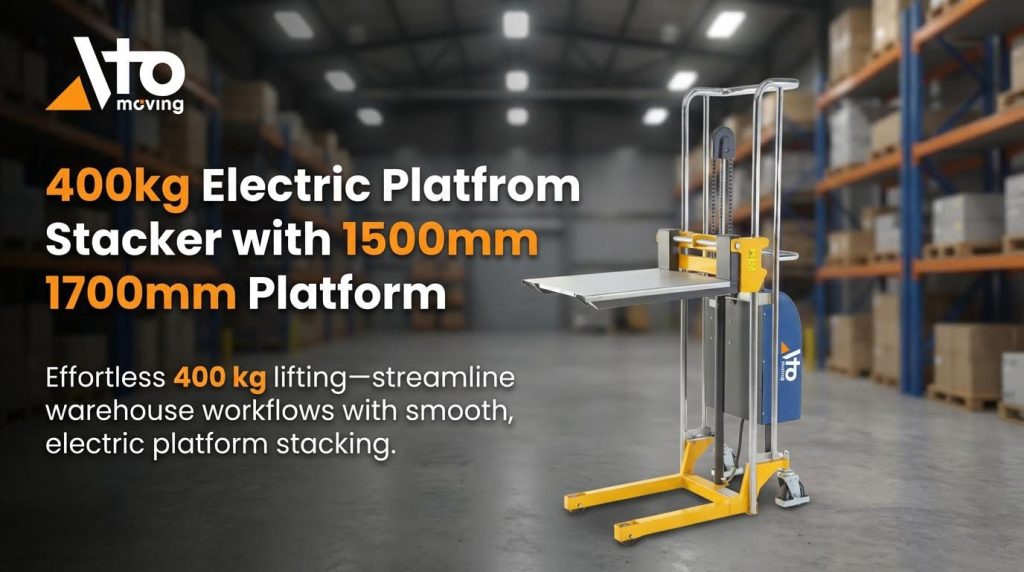
Stability triangle, load center, and capacity loss
Understanding the stability triangle and load center is the foundation of how to lift extra long pallet loads safely. Extra length pushes the center of gravity outward, shrinking your safety margin and cutting real lifting capacity.
- Visualize the truck’s stability triangle as the area between the two front wheels and the pivot at the rear axle.
- The combined center of gravity of truck + load must stay inside this triangle to avoid tipping.
- Long pallets shift the center of gravity forward, closer to the front axle edge of the triangle.
Most counterbalance trucks are rated at a nominal load center, typically around 600 mm. When the effective load center is higher than this, the truck cannot safely lift the full nameplate rating. Engineers recommended confirming capacity at the actual load center and keeping the heaviest part of the load closest to the front axle.
| Parameter | Typical / Recommended Value | Why It Matters For Long Pallets |
|---|---|---|
| Rated load center (counterbalance truck) | ≈ 600 mm from carriage face Cited | Capacity drops once the real load center exceeds this value. |
| Example pallet length | 1,165 mm pallet Cited | Longer pallets push the center of gravity forward. |
| Minimum fork engagement | ≥ 80% of pallet length (e.g., ≈ 900 mm engagement on 1,165 mm pallet) Cited | Reduces bending on fork tips and mast; improves stability. |
| Recommended supported load length | ≥ 2/3 of total load length Cited | Limits deflection and prevents pallet sagging or snapping. |
To keep the combined center of gravity inside the stability triangle when lifting extra-long pallets:
- Place the heaviest portion of the load as close as possible to the carriage and front axle.
- Confirm the truck’s de‑rated capacity at the real load center (not just the nameplate rating).
- Use slight back tilt during travel to shorten the effective load distance and increase stability. Cited
Why shallow fork entry is dangerous on long pallets
Shallow fork entry concentrates load at the fork tips. Guidance noted that insufficient engagement could crack deck boards, pierce bearers, and increase bending moments on the mast and front axle. For long pallets, those bending moments grow quickly as the unsupported length increases, which raises tip‑over risk and structural damage to forks and pallets.
Correct fork length, spacing, and insertion depth
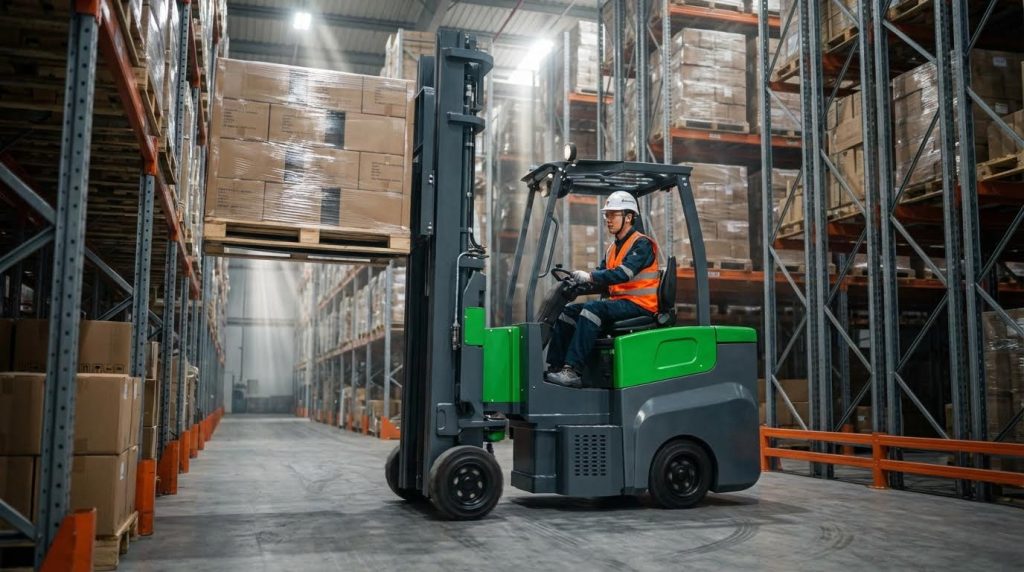
Correct fork geometry is the practical answer to how to lift extra long pallet loads without damage or instability. The key variables are fork length, spacing, and insertion depth.
For extra-long pallets, operations commonly used forks of 48 inches (≈1,200 mm) or longer to improve support. Industrial attachments were available with fork lengths of 48, 60, and 72 inches for a wide range of palletized loads. Longer forks reduce overhang and bending, but only when they are positioned and inserted correctly.
| Fork Parameter | Recommended Practice For Extra-Long Pallets | Engineering Reason |
|---|---|---|
| Fork length | Use forks long enough to support ≥ 2/3 of pallet length; 48 in (≈1,200 mm) or more for many extra-long pallets Cited | Reduces moment at fork heels and mast; limits pallet sag. |
| Fork spacing | Set forks as wide as pallet design allows, typically near outer stringers or block lines Cited | Wider base reduces side‑to‑side rocking and distributes load. |
| Minimum fork separation (example guidance) | ≈ 900 mm minimum spacing for certain long‑pallet applications Cited | Prevents load shift and improves lateral stability. |
| Insertion depth | Full-depth insertion where possible, or at least 80% of pallet length (≈900 mm on 1,165 mm pallet) Cited | Prevents tip‑loading of forks and reduces risk of board breakage. |
| Load position on forks | Center the pallet between the forks and keep it tight against the backrest Cited | Improves balance and keeps center of gravity closer to the truck. |
Step-by-step fork setup for an extra-long pallet:
- Inspect the pallet for damage or sagging before lifting; add support if boards or stringers look weak. Cited
- Adjust forks to the widest practical spacing that still fits cleanly into the pallet openings.
- Level the forks and approach square to the pallet to avoid striking or prying the leading deck board.
- Insert forks fully, or to at least 80% of pallet length, ensuring they support at least two-thirds of the load.
- Confirm the pallet is centered on the forks and pulled tight to the backrest before lifting.
- Lift only enough to clear the floor, then apply slight back tilt and travel at reduced speed.
Fork extensions and bars for extra-long pallets
When standard forks are too short for the pallet length, fork extensions or pallet bars can increase support. Guidance recommended that extensions should not exceed 150% of the original fork length and should support at least two-thirds of the load length. Pallet bars with defined working load limits were also used to stabilize extra-long pallets by tying multiple fork positions together. Any attachment changes the effective load center and capacity, so supervisors should always check the updated rating plate before lifting long or heavy pallets.
Fork Positioning, Attachments, And Mast Control
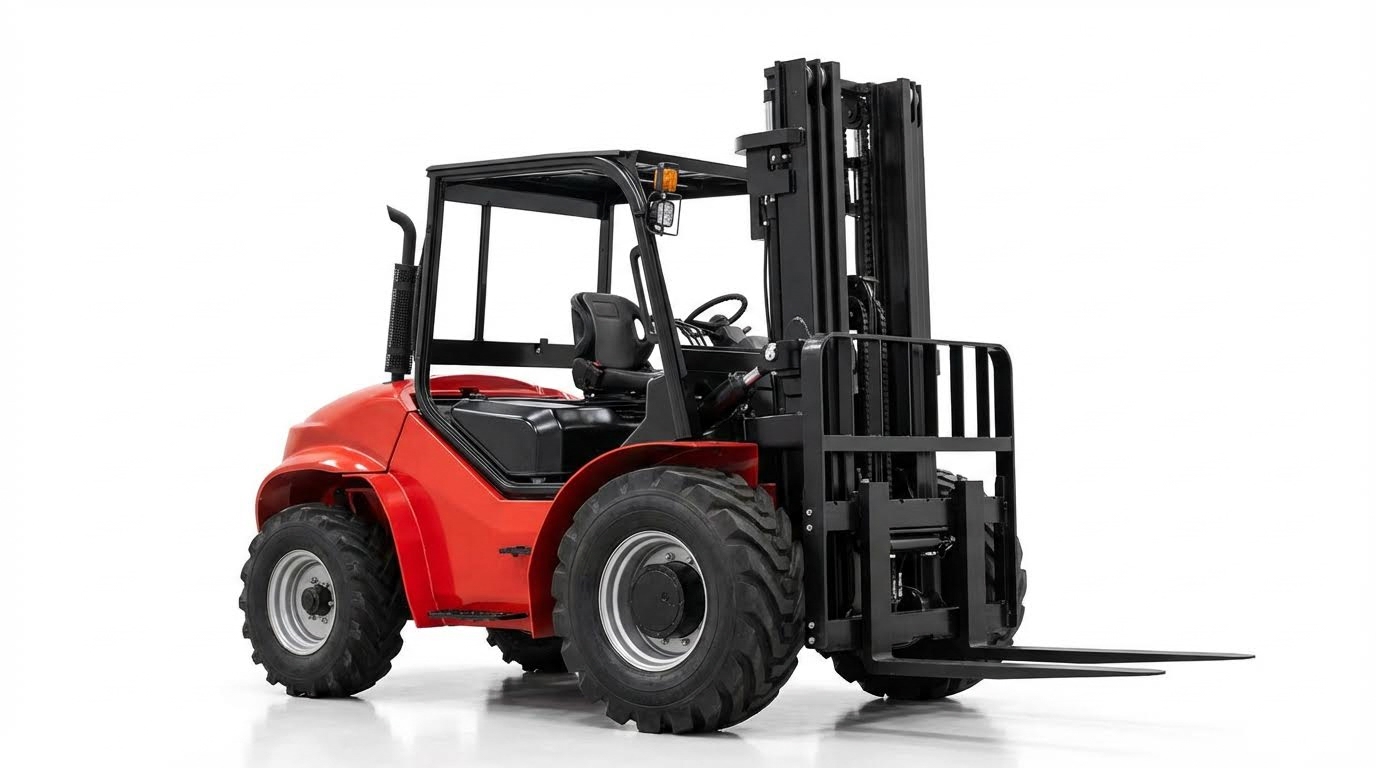
Fork spacing, engagement, and pallet support ratio
Correct fork positioning is the foundation of how to lift extra long pallet loads safely. Extra length pushes the load center forward and amplifies any mistake in spacing, engagement depth, or support ratio.
- Keep forks as wide as the pallet design allows without fouling stringers or bearers.
- Center the pallet on the forks and against the backrest before lifting. Each load should be centered, fully inserted, and supported.
- Use full-depth insertion where possible; if not, enforce at least 80% fork engagement for long pallets. Industry guidance recommends 80% minimum engagement.
| Parameter | Typical Engineering Guideline | Reason / Effect |
|---|---|---|
| Fork spacing | As wide as pallet allows (often 70–90% of pallet width) | Reduces tipping and side roll of long loads |
| Minimum fork separation for long pallets | ≈ 900 mm between forks for extra-long pallets | Helps prevent load shift and improves lateral stability Guidance on 900 mm fork separation |
| Fork length | 48 in (1,200 mm) or longer for extra-long pallets | Ensures sufficient bearing length under the pallet Forks ≥48 in recommended |
| Engagement depth | Full depth, or ≥80% of pallet length | Reduces bending of fork tips and deck-board damage Example: 1,165 mm pallet needs ≈900 mm engagement |
| Pallet support ratio | Support ≥ 2/3 of load length on steel (forks + bars) | Limits deflection and sag on long, flexible pallets |
When planning how to lift extra long pallet loads repeatedly, define a standard support ratio in your SOPs. Many operations target at least two-thirds of the pallet length on forks or additional supports to keep bending and pallet damage under control.
Damage prevention checklist for fork engagement
- Level forks before entry to avoid striking the leading deck board.
- Insert forks in one smooth motion until they are fully under the load.
- Confirm tips are not protruding dangerously out the rear where they could hit another pallet or structure.
- Do not lift pallets that are visibly cracked or sagging without extra support under the span. Good fork practices cut product damage by more than half.
Fork extensions, pallet bars, and telescopic forks
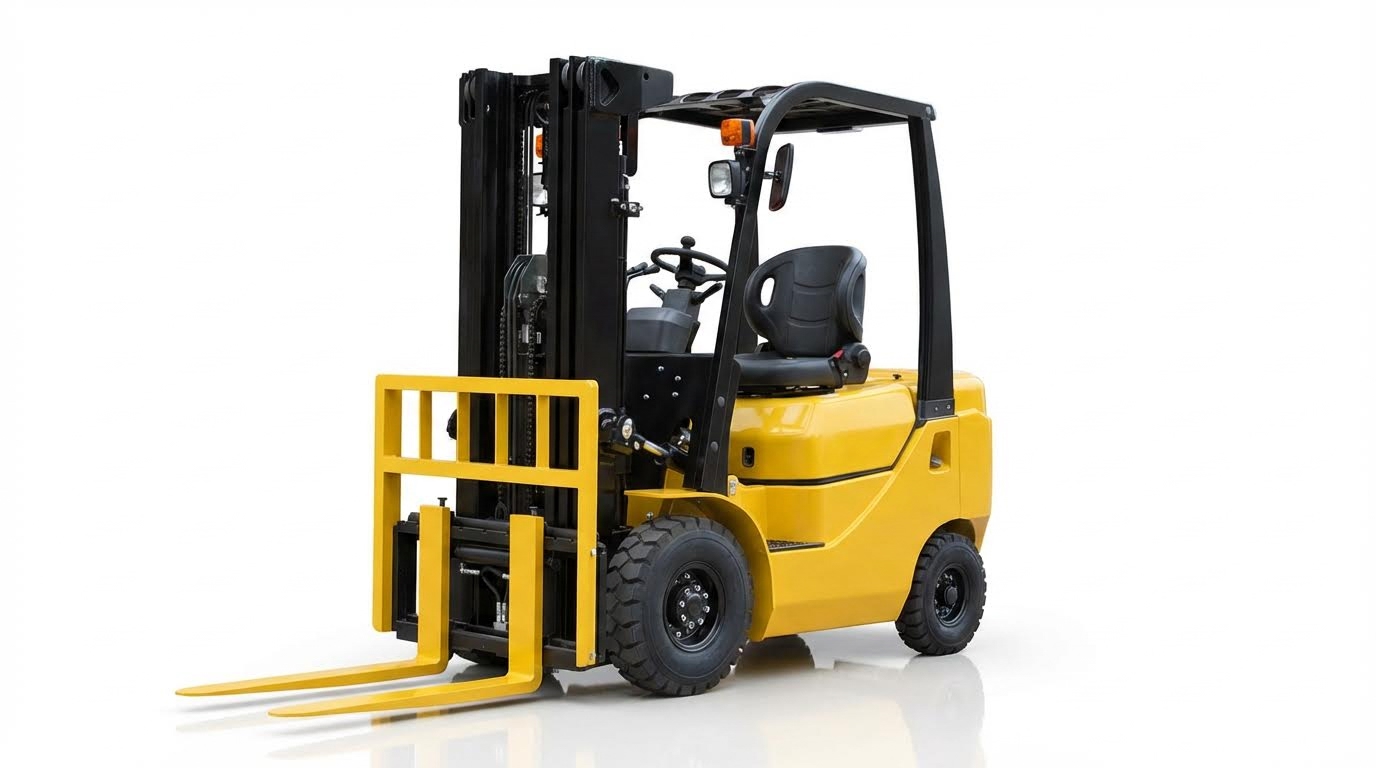
Attachments are often the safest answer when the truck’s standard forks cannot provide enough support under a long pallet. The right choice depends on how often you handle long loads, their weight, and your aisle geometry.
| Attachment type | Main function | Key engineering limits / notes |
|---|---|---|
| Fork extensions (sleeves) | Extend existing forks to support longer pallets | Length typically limited to ≤150% of original fork length to avoid excessive capacity loss Guidance on 150% maximum extension length |
| Pallet bars / spreader bars | Span under or through the pallet to add support and spread the load | Often used with sling assemblies; example working load limit around 2 t per bar Pallet bars with 2 t WLL and end hooks |
| Telescopic / extendable forks | Hydraulically extend and retract to match pallet length | Handle long or multiple pallets without loose sleeves; improve loading and unloading efficiency by roughly 20–37% Reported loading efficiency gains up to 37% |
- Use fork extensions when you occasionally handle long pallets but want to keep the base truck configuration unchanged.
- Use pallet bars when pallet decks are weak or when you need to suspend the load with slings but still keep it level.
- Use telescopic forks when long pallets are a daily task and you want to cut travel cycles and energy use. Extendable forks can reduce energy use in cross-docking by up to 20%.
Engineering checks before choosing long-pallet attachments
- Confirm truck capacity at the new, longer load center once extensions or telescopic forks are fitted.
- Check fork section, carriage class, and locking method for mechanical compatibility. Guidance includes fork section and carriage checks.
- Ensure sleeves fit snugly with minimal side play; typical guidance is no more than about 13 mm clearance to limit twist.
- Verify that forks or bars still support at least two-thirds of the pallet length once the load is positioned.
When deciding how to lift extra long pallet loads in a mixed fleet, standardize attachment types across trucks where possible. This simplifies training and reduces the risk of operators using the wrong equipment for a given pallet length.
Mast tilt, travel height, and speed limits
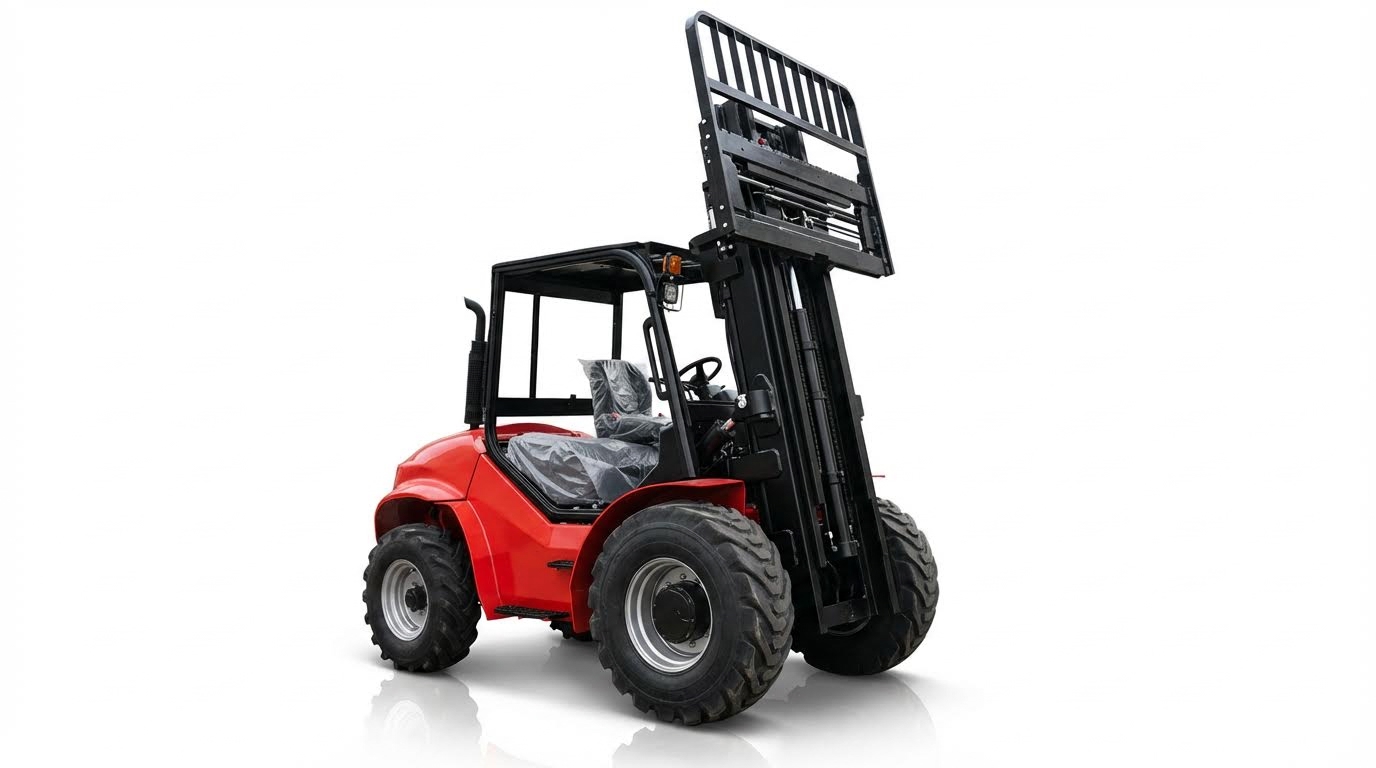
Long pallets amplify the impact of mast tilt and speed on the stability triangle. Small changes in mast angle create large shifts in the load center because of the longer lever arm.
- Pick up with the mast near vertical so forks enter squarely.
- After full fork engagement, apply slight rear tilt to bring the load against the backrest and shorten the effective load distance. Tilting back improves stability by moving the center of gravity closer to the truck.
- Never travel with the mast tilted forward, especially with elevated long pallets.
| Control | Recommended practice for long pallets | Risk if ignored |
|---|---|---|
| Travel height | Keep forks low, roughly 100–200 mm above floor during travel Guidance on low travel height for stability | Higher COG, increased tip-over risk, greater damage if impact occurs |
| Mast tilt during travel | Maintain slight back tilt only; keep load against backrest | Forward tilt with long pallets pushes COG outside stability triangle |
| Speed on turns and rough floors | Reduce speed; take wider, smoother turns with long loads | Dynamic forces combine with long lever arm, increasing side-tip risk |
Operator routine for moving an extra-long pallet
- Position forks at correct spacing and height for the pallet entry.
- Insert forks fully (or at least 80% of pallet length) until they are under the main bearers.
- Lift slightly, then apply small rear tilt to seat the load on the backrest.
- Lower to safe travel height (100–200 mm above floor).
- Travel at reduced speed, especially through turns or over uneven surfaces.
- Stop before stacking, raise to required height, then make only minimal tilt corrections.
Codifying mast tilt limits, maximum travel height, and speed caps in your site rules is essential when you define how to lift extra long pallet loads. Pair those rules with refresher training and simple visual aids on the truck to keep operators inside the safe envelope every shift.
Choosing The Right Truck And Layout For Long Pallets
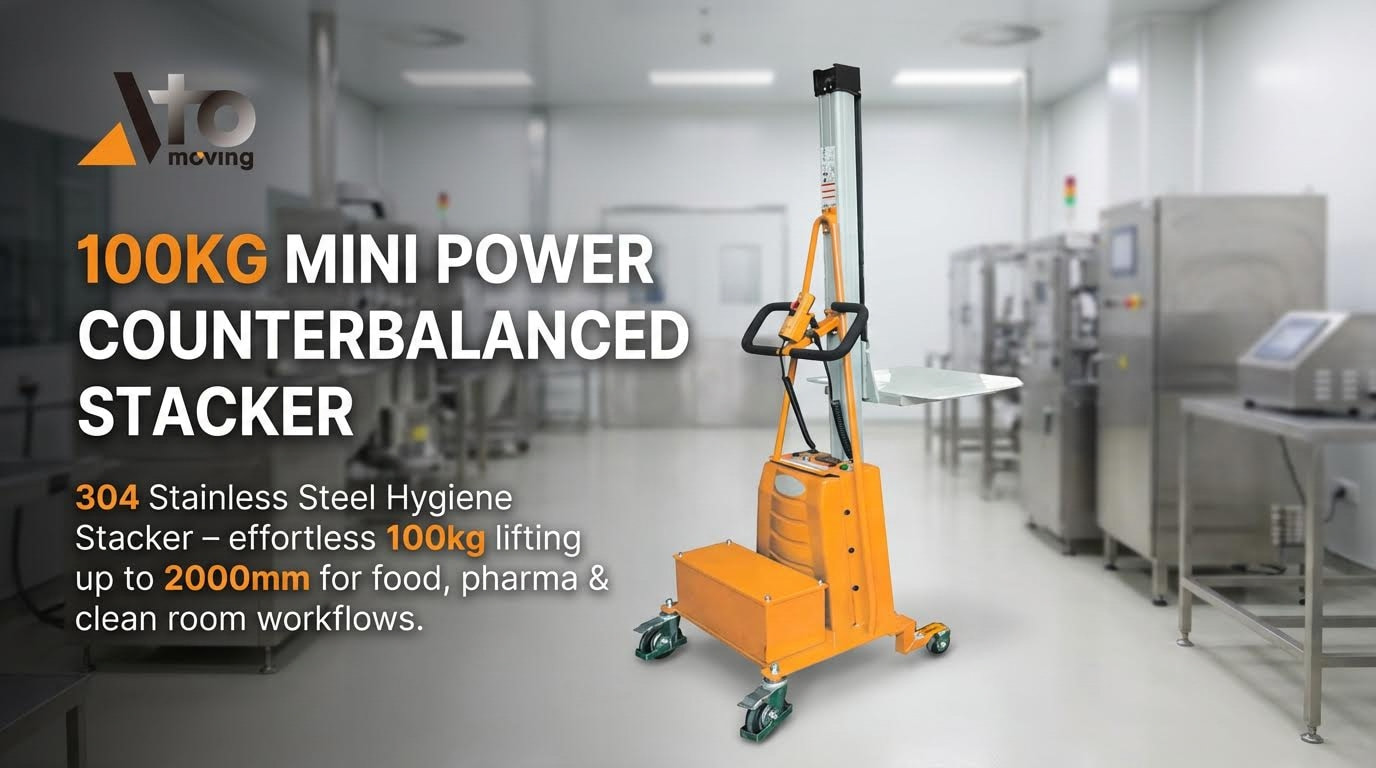
Selecting the right truck and warehouse layout is the backbone of how to lift extra long pallet loads safely and efficiently. The wrong combination forces risky maneuvers, overloads the truck, and wastes aisle space. This section compares key truck types and then links them to aisle width, racking, and vertical storage choices.
Counterbalance vs. side loader vs. multidirectional
Different truck types handle long pallets in very different ways. The best choice depends on pallet length, aisle width, and whether loads are mainly long-side or short-side handled.
| Truck type | Best suited load style | Typical aisle requirement | Key advantages for extra-long pallets | Main limitations |
|---|---|---|---|---|
| Counterbalance forklift | Standard pallets, occasional long pallets | Wider aisles; needs room to turn at 90° |
|
|
| Side loader | Very long loads handled lengthways | Narrower than counterbalance for same load length |
|
|
| Multidirectional forklift | Long and wide loads in mixed traffic areas | Very effective in narrow aisles |
|
|
How truck choice affects day‑to‑day handling of extra‑long pallets
- If long pallets are rare, a counterbalance truck with correctly specified fork length or telescopic forks may be enough, but you must accept wider aisles and stricter limits on lift height and speed.
- If long pallets are the core of your operation, side loaders or multidirectional trucks generally give better control, lower damage, and simpler traffic patterns.
- When planning how to lift extra long pallet loads through doorways, staging lanes, and docks, multidirectional trucks reduce reversing and tight turns, cutting tip‑over and collision risk.
Aisle width, racking design, and vertical storage
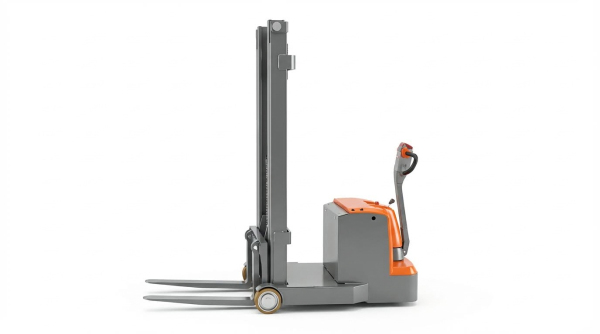
Truck choice and layout must be engineered together. Aisle width, rack orientation, and use of vertical space determine how safely and efficiently you can move extra‑long pallets.
Start by sizing aisles for the longest pallet and the truck’s turning geometry. Then design racking and vertical storage so the truck can place and retrieve loads without over‑reaching or dragging pallets.
- Always calculate aisle width using the actual pallet length, including any overhang.
- Align rack beams and supports to match the load length so long pallets sit fully supported.
- Use vertical storage to free floor space, but keep long‑pallet slots matched to the truck’s lift height and residual capacity.
| Design factor | Key engineering rule or formula | Impact on long‑pallet safety and productivity |
|---|---|---|
| Aisle width for right‑angle stacking | Minimum Aisle Width ≈ Right‑angle stack dimension + Load length + 12 in clearance with extra allowance if pallets overhang |
|
| Overhang allowance | Add ~3 in per side when pallets overhang the load or rack line to avoid clipping uprights |
|
| Racking orientation | Decide if long pallets are stored long‑side or short‑side to the aisle, then match truck type and fork approach |
|
| Vertical storage strategy | Use narrow‑aisle or high‑bay racking with trucks designed for vertical work and fine steering control to increase pallet positions and pick faces |
|
When planning how to lift extra long pallet loads into high racking, combine vertical storage with the right truck class. Narrow‑aisle trucks with advanced steering and good mast stability allow safe, controlled placement at height while still operating in tight aisles and support higher productivity and lower damage rates.
Practical layout tips for long‑pallet operations
- Group long‑pallet SKUs in one zone with truck‑friendly aisles and racking, instead of scattering them through a standard layout.
- Keep cross‑aisles free of obstructions so long pallets can be turned or reoriented without tight reversing.
- Match dock positions and staging lanes to the direction you store long pallets in racking to minimize twisting and re‑handling.
Final Considerations For Long-Pallet Safety And TCO
Safe handling of extra-long pallets depends on one core idea: control the geometry or the geometry controls you. Load center, fork support, and mast angle all change the forces that act on the truck and pallet. When you keep the combined center of gravity inside the stability triangle, you protect operators, product, and steel.
Correct fork length, wide spacing, and at least 80% insertion turn a long pallet from a bending beam into a supported load. Attachments like extensions, pallet bars, and telescopic forks then fine‑tune that support, but they always change the effective load center and capacity. Teams must treat every attachment change as a new engineering case, not a cosmetic swap.
Truck choice and layout lock in your long‑pallet risk and cost for years. Counterbalance trucks suit mixed work. Side loaders and multidirectional trucks suit dedicated long‑load zones and narrow aisles. When you match truck type, aisle width, and rack design to real pallet length, you cut damage and cycle time together.
The best practice is clear. Build standard rules for fork setup, mast control, and travel speed. Pair them with the right truck class, a layout designed for long loads, and fit‑for‑purpose Atomoving equipment. That combination gives you stable handling, lower damage, and better total cost of ownership over the life of the fleet.
Frequently Asked Questions
What are the alternatives for lifting extra-long pallets without a forklift?
There are several options to lift extra-long pallets without relying on a traditional forklift. These include:
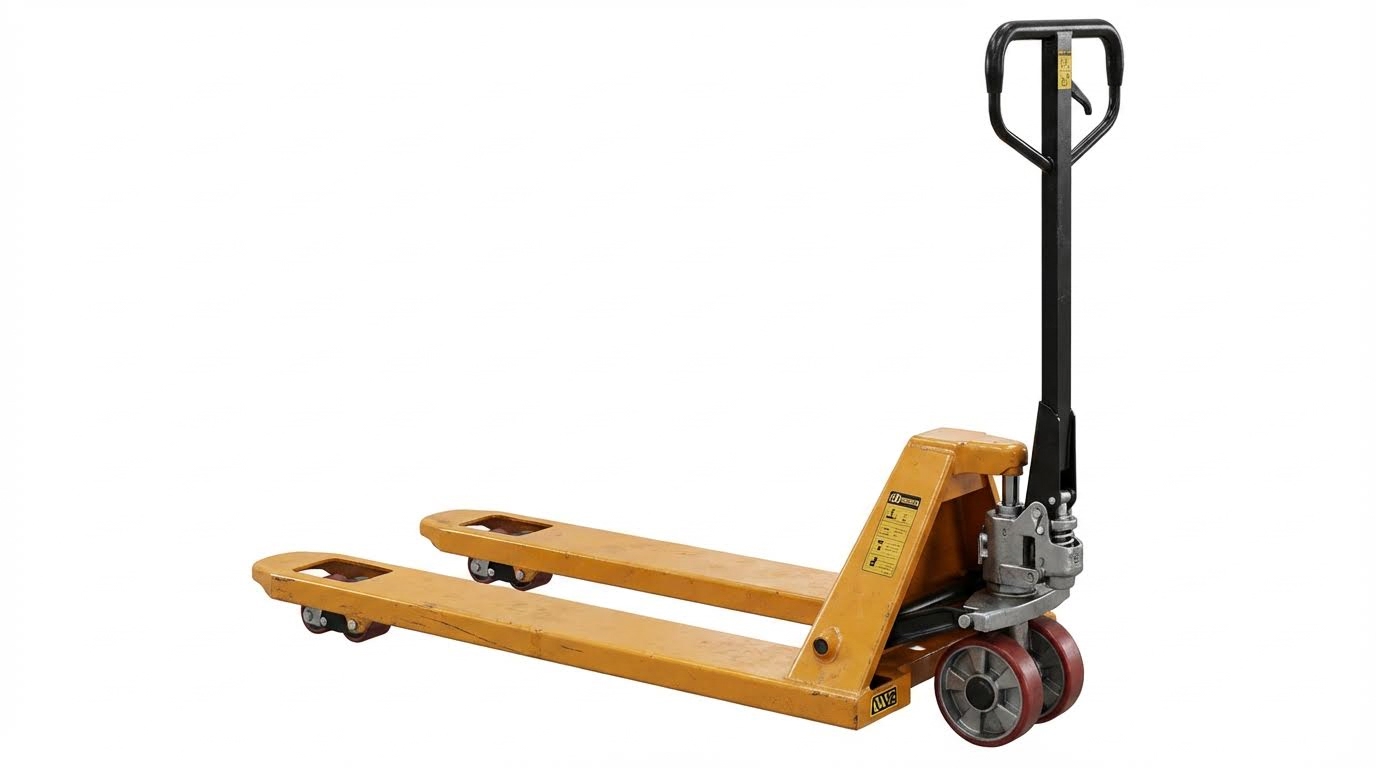
- Low-lift pallet trucks or electric pallet trucks: Ideal for horizontal movement and slight elevation.
- Pedestrian stackers or high-lift trucks: Suitable for stacking and moderate height lifting.
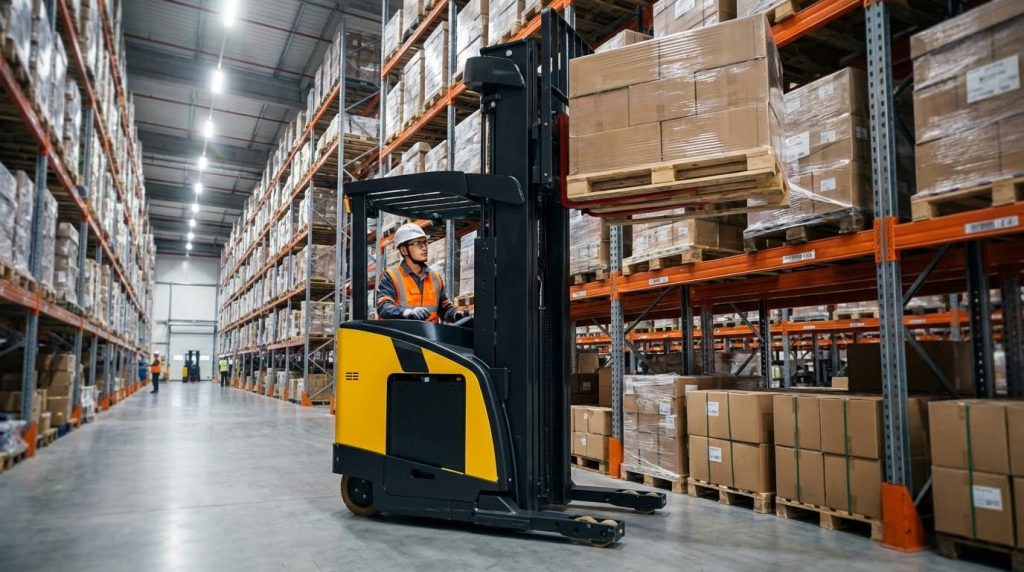
- Reach trucks or narrow-aisle trucks: Designed for tight spaces and higher elevations.
- Tugger trains with trailers: Useful for transporting long or bulky items across warehouses.
For more details, refer to this guide on forklift alternatives.
How can you safely move an extra-long pallet manually?
Moving an extra-long pallet manually requires proper technique and equipment to avoid injury:
- Use tools like hand trucks, 4-wheel dollies, or appliance dollies to distribute weight evenly.
- Ensure the pallet is balanced and secured with straps before moving.
- Avoid twisting your back; instead, carry the load close to your chest while keeping your back straight.
For heavier loads, always use two people to share the weight safely. Learn more about safe lifting practices from this resource on moving heavy items.