Choosing between a walkie stacker and a sit-down forklift affects safety, throughput, and total cost in your facility. This guide explains how each truck is built, where it fits best, and how they compare on capacity, lift height, aisle width, and power options. You will also see how OSHA/ANSI rules treat walkie stackers, including whether is a walkie stacker a forklift is the right way to think about your risk and training requirements. By the end, you will have a clear, engineering-based checklist to specify the right truck for your warehouse layout and duty cycle.
Defining Walkie Stackers And Forklift Trucks
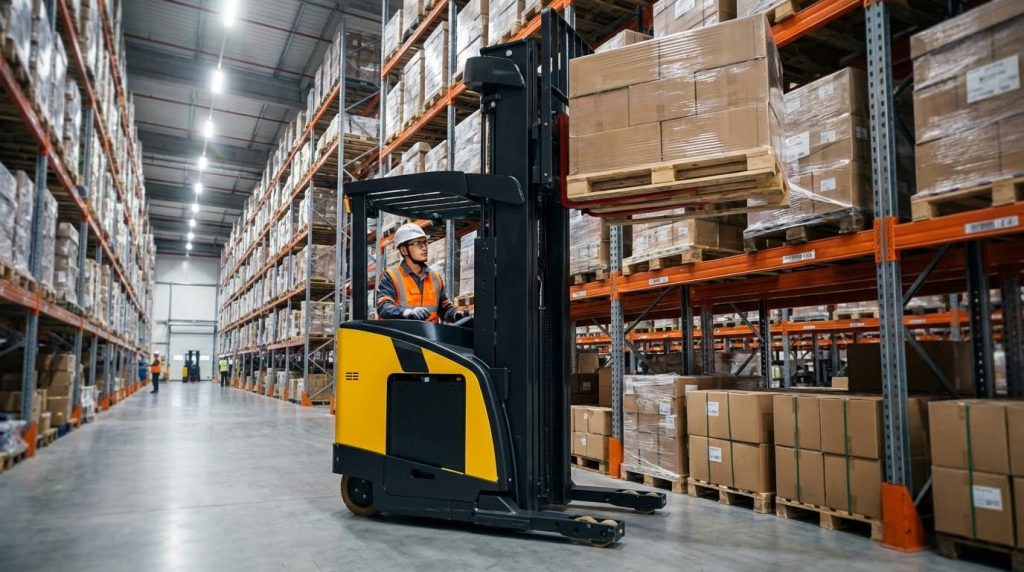
What A Walkie Stacker Is (And Why It’s Still A Forklift Class)
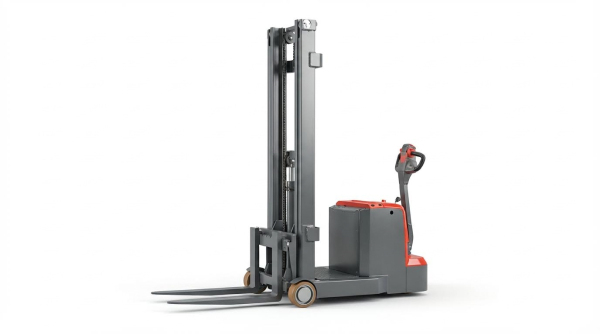
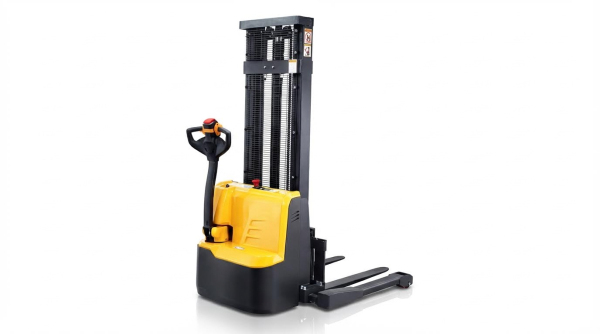
A walkie stacker is a powered industrial truck designed to lift and stack pallets while the operator walks behind or alongside the machine. It uses an electric power unit, hydraulic mast, and fork carriage just like other forklifts, but with a smaller chassis optimized for tight spaces and short travel distances. Typical walkie stackers handle light to medium-duty loads, with capacities often in the 2,000–4,000 lb range and lift heights around 10 ft (2,000–4,000 lb and ~10 ft typical limits). Because it has powered lift, powered travel, and carries the load on forks in front of the mast, OSHA still classifies a walkie stacker as a type of powered industrial truck, i.e., a forklift, usually within the electric rider and motorized hand truck classes. This is why the question “is a walkie stacker a forklift” is technically answered yes: it falls under the same regulatory framework for training, inspection, and safe operation as other forklift classes, even though it looks more like a powered pallet jack with a mast. In practice, safety programs, pre-use checks, and many ANSI/OSHA rules that apply to forklifts also apply to walkie stackers, including limits on rated capacity, stability, and battery handling for electric units (OSHA powered industrial truck coverage). Different walkie stacker subtypes exist, such as straddle, reach, counterbalance, and ride-on platforms, but all share the same basic forklift DNA of powered lifting and stacking (straddle, reach, counterbalance, ride-on variants).
Core Design Differences: Pedestrian vs Ride-On Trucks
The core difference between a walkie stacker and a conventional sit-down or stand-up forklift is the operator position. On a walkie stacker, the operator walks behind or beside the truck and steers via a tiller arm; on some models they stand on a small fold-down platform. On ride-on forklifts, the operator sits or stands inside a protected operator compartment with steering wheel, seat or platform, and integrated controls. This pedestrian vs ride-on design drives major differences in size, maneuverability, and duty cycle. Walkie stackers have a compact footprint and tight turning radius, making them ideal for narrow aisles and confined back-of-house areas (compact design for tight spaces), while ride-on forklifts are larger and less maneuverable in tight spaces but better for longer travel distances and higher throughput (larger size and turning constraints). The pedestrian design also affects speed and safety: walkie stackers operate at walking speed, which reduces kinetic energy and accident severity but limits productivity over long runs (walking-speed operation and safety), whereas ride-on forklifts move faster and can shift larger loads more quickly (higher load handling efficiency). From an engineering standpoint, ride-on forklifts use heavier counterweights, higher-capacity masts, and more robust chassis to achieve greater lift heights and capacities, often exceeding 5,000 lb and 30 ft (heavier-duty lift and height ranges). Walkie stackers, by contrast, keep structure and batteries smaller to stay maneuverable and cost-effective for short, indoor, light-to-medium duty work, even though both machine types are correctly referred to as forklifts in safety and compliance language.
Engineering Comparison: Capacity, Power, And Safety
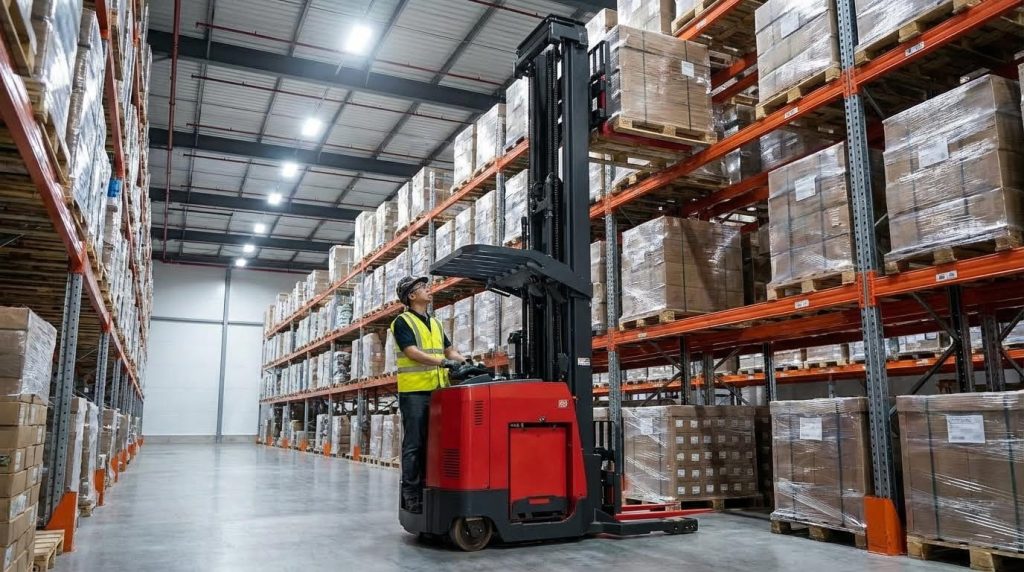
Load, Height, And Aisle Width: Key Performance Limits
When people ask “is a walkie stacker a forklift,” the engineering limits of the two machines explain why they sit in different roles within the same forklift family. Walkie stackers typically handle light to medium loads, around 1,000–2,500 kg, while conventional forklifts can reach 20,000 kg or more in rated capacity. Stackers usually lift to about 3–4 m, versus forklifts that can exceed 10 m and serve high-bay racking in typical warehouse use. Aisle width is the inverse: walkie stackers excel in narrow aisles and confined spaces, while ride-on forklifts need more turning radius for safe maneuvering. This trade-off means stackers are ideal for compact, indoor storage, and forklifts are specified where heavy loads, long transport runs, or high racking dominate.
| Parameter | Typical Walkie Stacker | Typical Forklift Truck |
|---|---|---|
| Rated load range | ≈ 1,000–2,500 kg (light–medium duty) | Up to ≈ 20,000 kg+ (heavy duty) |
| Typical lift height | ≈ 3–4 m for low–medium racking | 10 m and above for high-bay storage |
| Operating aisle profile | Optimized for narrow aisles and tight spaces in small facilities | Requires wider aisles; less maneuverable in confined areas but better over distance |
From an engineering standpoint, both are forklifts, but walkie stackers sit at the lower end of the capacity and height spectrum. The right choice depends on pallet weights, racking height, and the minimum clear aisle you can design into the facility layout.
Power Options, Batteries, And Emerging Technologies
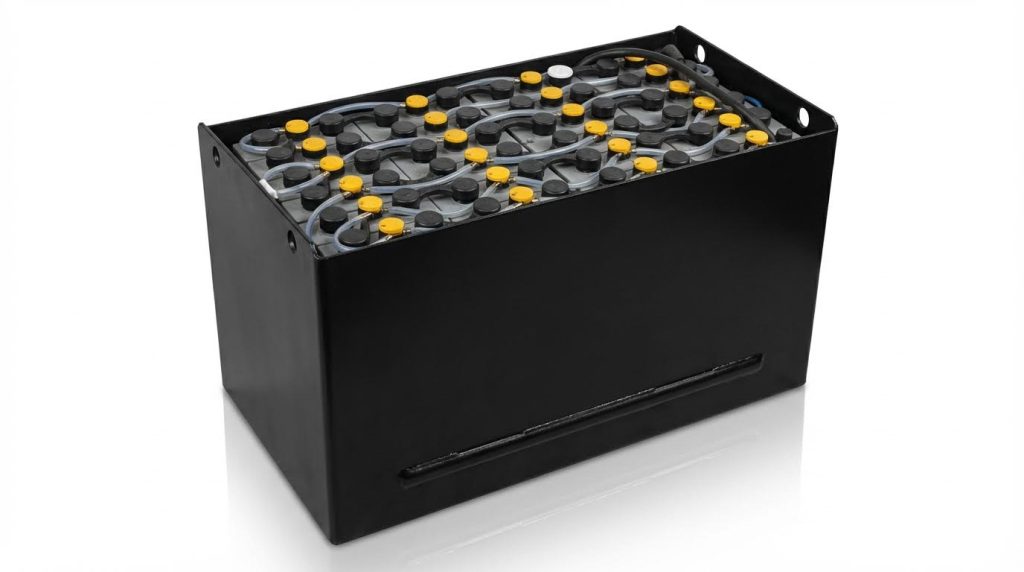
Power choices are another reason “is a walkie stacker a forklift” is best answered as “yes, but with a different power profile.” Walkie stackers are almost always electric, sometimes with manual-assist variants, which keeps them emission-free and well suited to indoor, noise-sensitive operations such as retail backrooms. Conventional forklifts span electric, diesel, LPG, and gasoline power, giving more flexibility for outdoor and heavy-duty use across mixed environments. Electric trucks, including walkie stackers, rely on industrial batteries that require controlled charging, ventilation, and spill protection to meet OSHA battery safety rules for charging areas. Emerging lithium-ion systems reduce maintenance and allow opportunity charging, but they still need temperature management and overheat protection to remain compliant. In practice, this means stackers are usually specified where clean, electric-only fleets are desired, while mixed forklift fleets combine electric units indoors with internal-combustion trucks for yards and rough surfaces.
Safety, Training, And Compliance (OSHA/ANSI Focus)
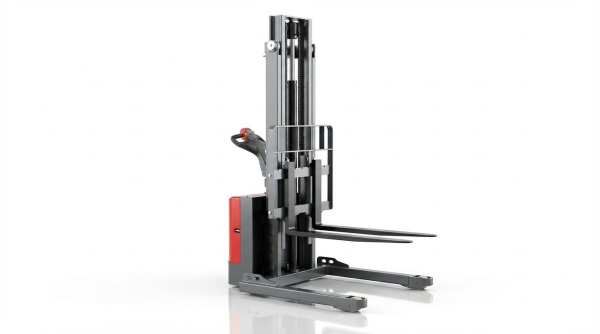
From a regulatory standpoint, is a walkie stacker a forklift? Yes: walkie stackers fall under powered industrial truck rules, but risk levels and training depth differ from ride-on forklifts. Walkie units operate at walking speed, keep the operator beside or on a small platform, and are widely viewed as lower-risk due to better visibility and lower kinetic energy in tight aisles. Full-size forklifts, by contrast, incorporate advanced safety systems such as operator presence interlocks, automatic cornering speed reduction, mast lock functions, and visual warning lights to control higher speeds and larger masses during operation. OSHA groups forklifts into seven classes by power source and tire type, and each class has specific training and operating limits for safe use. Formal certification and recurrent training are mandatory for ride-on forklifts, while walkie stackers typically require shorter, task-focused instruction, even though employers still must verify operator competence under safety policies. Robust pre-shift inspections, safe driving practices, and correct load handling apply to both, but the consequences of error are usually more severe with ride-on forklifts due to their greater speed, mass, and lifting height in daily operations.
Choosing The Right Truck For Your Facility
Application Scenarios And Environment Constraints
Start by mapping your actual workflows before asking “is a walkie stacker a forklift for this job, or do I need a full counterbalance truck?”. Walkie stackers suit light to medium-duty handling in small or mid-sized warehouses with narrow aisles, retail backrooms, and staging areas where maneuverability matters more than speed. Their compact footprint and tight turning radius make them ideal in confined spaces and dense racking, especially where you cannot widen aisles or re-route pedestrian traffic. They typically operate indoors on smooth floors and, being electric, run quietly and without exhaust, which helps in noise-sensitive or food-grade environments. Walkie pallet stackers are emission-free, quiet, and optimized for narrow aisles and confined areas.
Conventional forklifts are better when your application demands higher lift heights, heavier loads, or mixed indoor–outdoor travel. They can handle significantly greater capacities and reach higher storage levels, which is critical in high-bay warehouses, dock loading, and yard work. Forklifts often exceed 5,000 lb capacity and can reach lift heights of 30 ft or more, while walkie stackers are generally limited to light to medium-duty loads and much lower heights. If you run high-throughput operations, forklifts also move loads faster over longer distances, improving productivity at the cost of more stringent safety controls. Forklifts transport larger loads at higher speeds, while walkie stackers operate at walking speed.
When deciding if a walkie stacker is a forklift solution that fits your building, consider these constraints:
- Aisle width and turning space: Very narrow aisles favor walkie stackers; wider aisles and docks favor forklifts. Walkie stackers excel in tight spaces; forklifts are less maneuverable in confined areas.
- Floor and surface conditions: Smooth, level indoor floors support both, but outdoor or rough surfaces lean toward forklifts with appropriate tires. Indoor forklifts typically use solid, non-marking tires, while outdoor models use high-durability tires for rough terrain.
- Environment and emissions: If ventilation is limited or air quality is critical, electric walkie stackers and electric forklifts are preferred over internal-combustion trucks.
- Traffic mix: High pedestrian density favors slower, more compact walkie stackers; segregated vehicle lanes support higher-speed forklift use with proper controls.
TCO, Maintenance, And Fleet Optimization
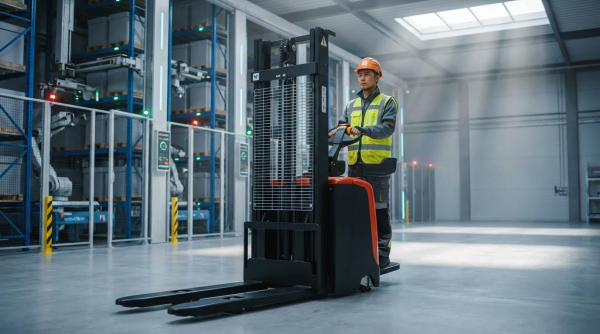
Total Cost of Ownership (TCO) depends on more than the purchase price, so you should model energy, maintenance, training, and downtime over several years. Walkie stackers usually cost less to buy and run because they are smaller, electric, and mechanically simpler. They consume less energy, need fewer high-skill repairs, and often require only minimal operator training, which reduces onboarding time and indirect labor cost. Walkie stackers have lower upfront costs, lower maintenance needs, and reduced energy consumption compared with forklifts. This is why many facilities use them as the default solution for short, repetitive moves rather than deploying a full-size truck.
Forklifts carry higher TCO but deliver more capability per unit, which can still reduce cost per pallet moved in heavy-duty, high-volume operations. Their greater lift heights and capacities allow you to use vertical space better and reduce the number of trucks needed for peak demand. However, you must budget for formal operator certification, more complex preventive maintenance, and stricter safety systems. Forklift operators require formal certification and specialized training, whereas walkie stackers typically need only minimal training. Forklifts also demand regular pre-shift, post-shift, and periodic inspections, with full inspections recommended every 250 operating hours.
For fleet optimization, treat walkie stackers and forklifts as complementary tools rather than competitors. Use walkie stackers for “inside the aisle” work and short-distance pallet handling, and reserve forklifts for dock work, long horizontal moves, and high-bay storage. A mixed fleet lets you right-size equipment to each task, often lowering overall TCO compared with relying on one truck type for everything. When you ask “is a walkie stacker a forklift I can standardize on?”, the engineering answer is that it is a forklift-class truck, but it is optimized for a different duty band than a sit-down or ride-on counterbalance machine. Align each truck type with its best-fit tasks, then standardize models and batteries where possible to simplify parts, training, and maintenance planning.
“”
Summary: When To Specify A Walkie Stacker Or A Forklift
Walkie stackers and forklifts share the same forklift DNA, but their engineering envelopes differ. Capacity, lift height, and aisle width define where each truck is safe and efficient. Walkie stackers favor lighter loads, lower lift heights, and narrow aisles. Forklifts handle heavier pallets, higher racking, and longer travel at higher speed. Power choices reinforce this split. Walkie stackers are almost always electric and suit clean, indoor, noise-sensitive work. Forklifts add internal-combustion options for yards, docks, and rough ground, but demand stronger ventilation and stricter controls.
Safety and compliance tie everything together. Both truck types sit under OSHA powered industrial truck rules, so you must respect rated capacity, stability, and battery safety. However, ride-on forklifts carry higher kinetic energy and risk, so they need deeper training, more guarding, and tighter traffic management. The best practice is to design the facility first, then match the truck to the geometry, loads, and duty cycle. Use walkie stackers as your default for “inside the rack” handling and short, indoor moves. Deploy forklifts where height, weight, or distance justify the extra cost and risk. A mixed, right-sized fleet, supported by Atomoving equipment, usually delivers the safest and lowest-TCO result.
Frequently Asked Questions
Is a walkie stacker considered a forklift?
A walkie stacker, also known as a walk-behind forklift, is a compact and versatile type of forklift commonly used in warehouses. It is designed for light to medium lifting tasks, typically up to 2 tons. The “walkie” term refers to how operators move it by walking behind and directing it with a handle. Forklift Types Guide.
What is the difference between a walkie stacker and a traditional forklift?
A walkie stacker is more compact and better suited for small spaces and lighter loads compared to traditional forklifts. Forklifts are generally more powerful, capable of handling heavier loads (1–5+ tons), and are used in larger warehouses or outdoor areas. Walkie stackers are ideal for smaller operations where maneuverability is key. Stacker vs Forklift Guide.
What class of forklift does a walkie stacker belong to?
Walkie stackers fall under Class III of forklift classifications, which includes electric motor hand trucks or hand/rider trucks. These machines are specifically designed for low-lift pallet handling and are ideal for warehouse environments. OSHA Forklift Classes.