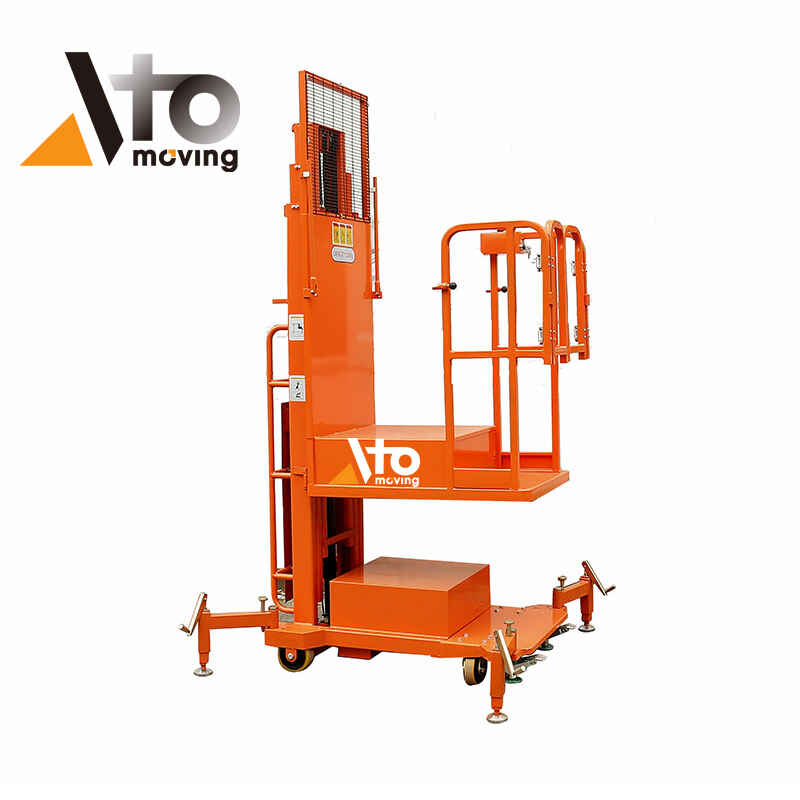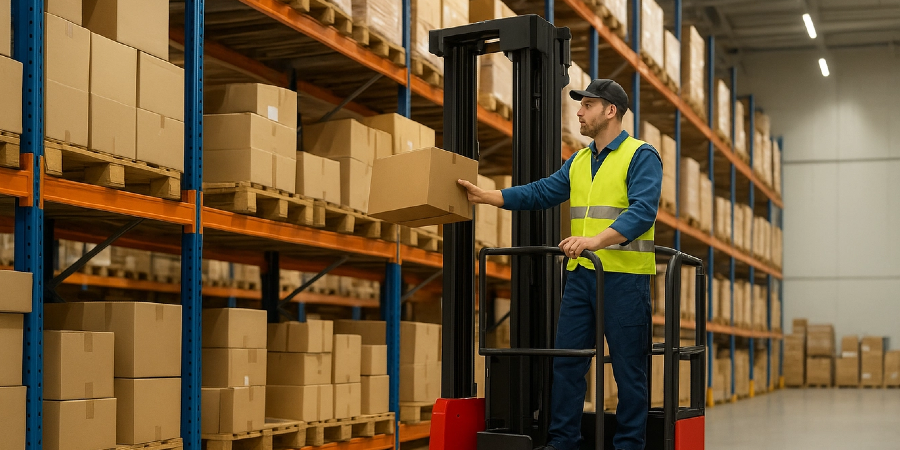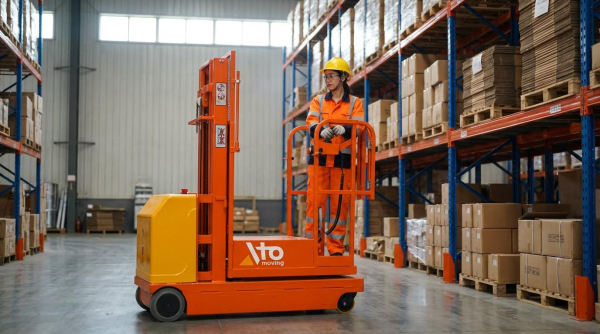
Warehouse pickers play a critical role in the logistics and supply chain industry, ensuring accurate order fulfillment and efficient material handling. This article provides a detailed examination of their core duties, safety protocols, necessary skills, and the broader implications for warehouse management. Understanding these aspects is essential for optimizing operations and maintaining compliance with industry standards.
Core Duties and Operational Tasks of Warehouse Pickers
Accurate Order Selection and Quality Verification
Warehouse pickers must ensure precise order selection to maintain inventory integrity and customer satisfaction. They verify product codes, quantities, and conditions before dispatch. Quality checks include inspecting for damages, expiration dates, and correct packaging to prevent errors and returns.
Equipment Operation: Pallet Jacks, Forklifts, and RF Scanners
Proficiency in operating pallet jacks and forklifts is essential for efficient material handling and load transportation. Pickers use RF scanners to streamline order processing, enabling real-time inventory updates and error reduction. Proper equipment handling reduces workplace accidents and improves workflow speed.
Inventory Monitoring and Stock Reporting Procedures
Pickers regularly monitor stock levels to support accurate inventory management. They report discrepancies such as shortages or overages promptly to supervisors. This data aids in maintaining optimal stock levels and supports automated replenishment systems, minimizing stockouts and excess inventory.
Compliance with Stacking, Tagging, and Material Handling Standards
Adhering to stacking and tagging protocols ensures safe storage and easy identification of goods. Pickers follow material handling standards to prevent damage and maintain workplace safety. Compliance with these regulations supports operational efficiency and aligns with industry best practices and regulatory requirements.
Safety Protocols and Certification Requirements
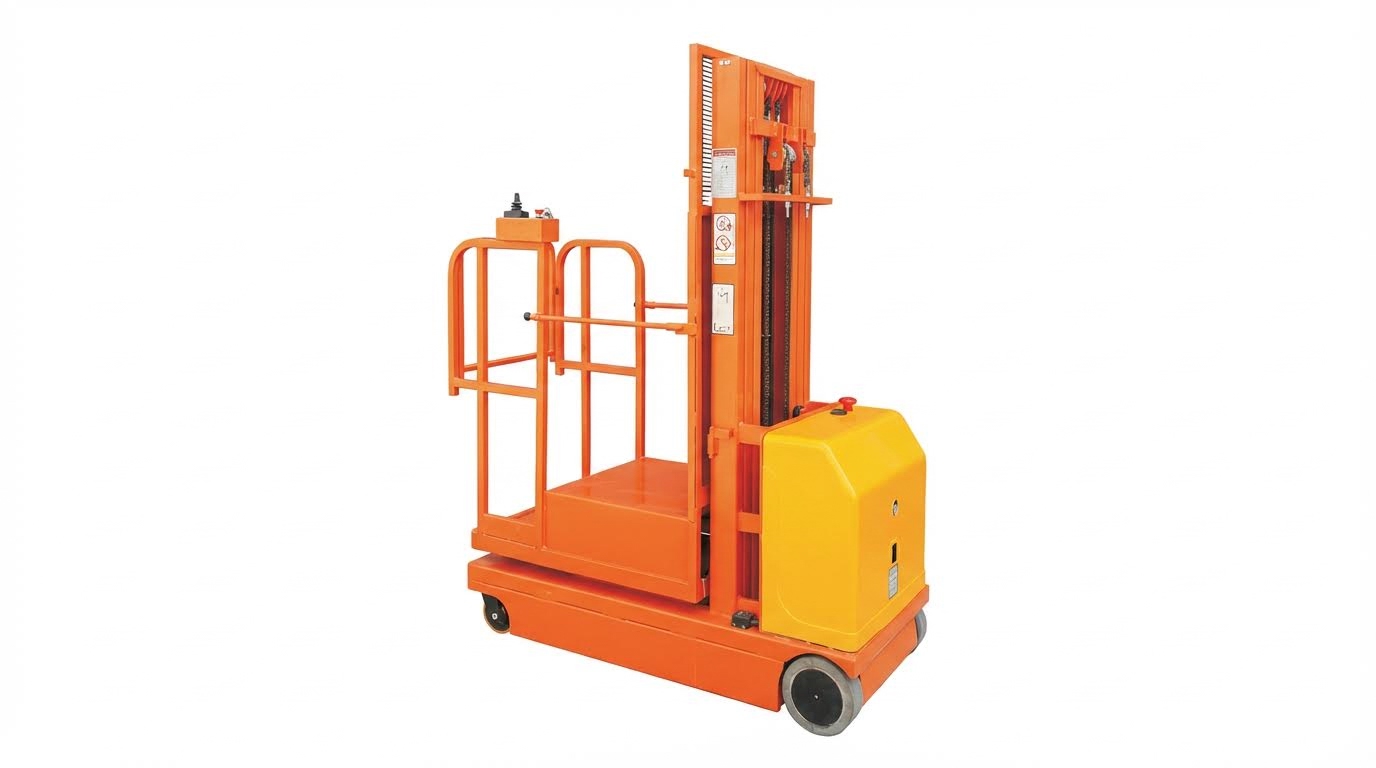
OSHA Training and Use of Fall Protection on Order Pickers
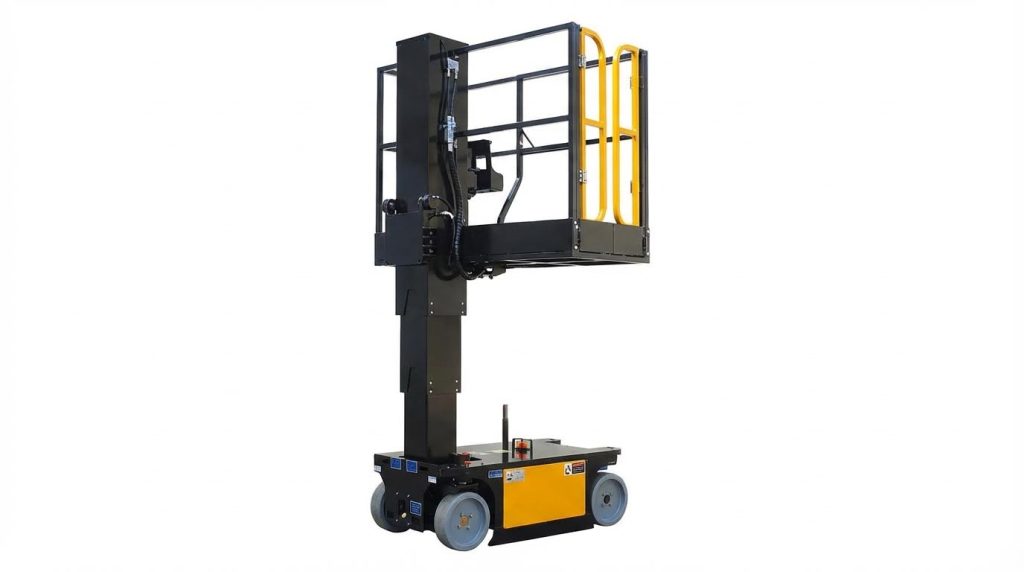
OSHA mandates comprehensive training for warehouse pickers operating order pickers to ensure safe use. This training includes understanding equipment controls, stability principles, and emergency procedures. Fall protection systems, such as harnesses and guardrails, are required when working at heights above specified limits. Adherence to these regulations reduces fall-related incidents and enhances operator safety in elevated picking tasks.
Personal Protective Equipment and Safe Operating Practices
Warehouse pickers must wear appropriate personal protective equipment (PPE) including safety helmets, steel-toe boots, and high-visibility clothing. Gloves and eye protection are also necessary when handling hazardous or sharp materials. Safe operating practices involve maintaining clear communication, adhering to speed limits, and ensuring pathways are free of obstructions to prevent accidents. Consistent use of PPE and adherence to protocols significantly lowers injury risks.
Hazard Identification and Risk Mitigation in Narrow Aisles
Narrow aisles present unique hazards such as limited maneuverability and reduced visibility. Operators must be trained to identify risks like uneven flooring, obstructions, and other workers’ presence. Implementing risk mitigation strategies includes using spotters, installing mirrors at blind spots, and enforcing strict traffic control measures. These practices minimize collision risks and improve overall aisle safety in confined warehouse spaces.
Routine Equipment Inspections and Maintenance Schedules
Regular inspections and maintenance of order pickers and related equipment are critical for safe operation. Daily pre-shift checks should verify brakes, controls, and safety devices functionality. Scheduled maintenance according to manufacturer guidelines ensures mechanical integrity and prevents unexpected failures. Documenting inspections and repairs supports compliance with safety standards and prolongs equipment lifespan.
Skills, Physical Demands, and Team Coordination
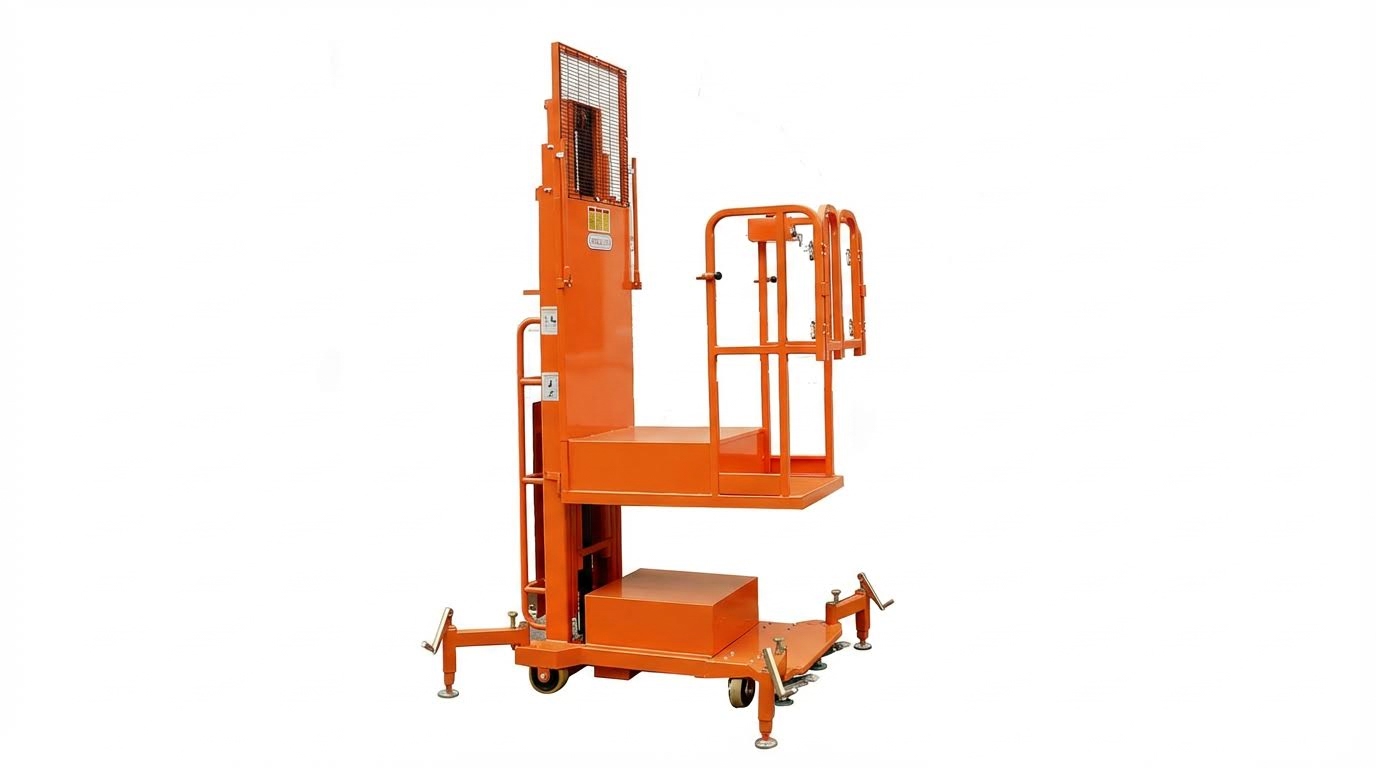
Required Technical and Soft Skills for Efficient Picking
Warehouse pickers must master technical skills such as operating pallet jacks, forklifts, and RF scanners accurately. Proficiency in reading order sheets and verifying product quality is essential. Soft skills including attention to detail, problem-solving, and adaptability improve picking accuracy and responsiveness to workflow changes. These competencies collectively enhance operational efficiency and reduce errors in order fulfillment.
Physical Stamina and Ergonomic Considerations
The role demands significant physical stamina due to repetitive lifting, bending, and walking in fast-paced environments. Ergonomic practices, such as proper lifting techniques and adjustable equipment, help minimize musculoskeletal strain. Employers often implement job rotation and regular breaks to mitigate fatigue and reduce injury risks. Maintaining physical fitness supports sustained productivity and safety compliance.
Communication and Leadership in Team-Based Environments
Effective communication among team members ensures smooth coordination and timely task completion. Warehouse pickers often collaborate closely with supervisors and other staff to prioritize orders and resolve issues. Leadership skills facilitate delegation and motivate teams, improving overall workflow. Clear communication protocols and feedback loops are critical in preventing errors and enhancing operational transparency.
Time Management and Workflow Optimization Techniques
Efficient pickers utilize time management strategies like batch picking and zone picking to optimize route planning. Prioritizing tasks based on order urgency and inventory location reduces travel time and increases throughput. Workflow optimization software supports real-time task allocation and progress tracking. Continuous process evaluation and adjustment enable warehouses to meet delivery deadlines and maintain high service levels.
Summary and Implications for Warehouse Engineering and Management
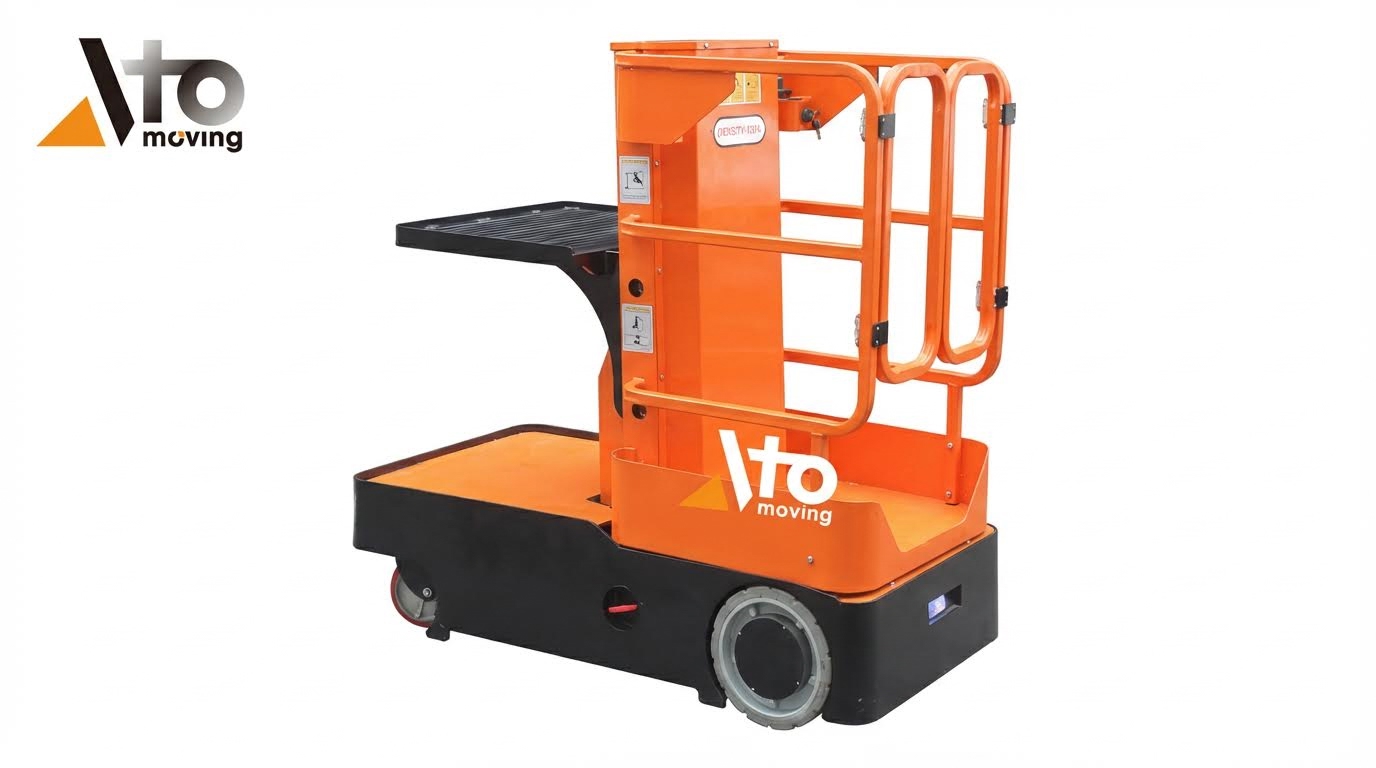
Warehouse picker roles demand precise order selection, equipment proficiency, and strict adherence to safety protocols. Technical skills such as operating pallet jacks, forklifts, and RF scanners are essential to maintain efficiency and accuracy. Compliance with OSHA regulations and routine equipment inspections reduce workplace hazards, ensuring operational continuity.
From an engineering perspective, optimizing warehouse layouts and integrating automated inventory monitoring systems can enhance picker productivity and reduce physical strain. Future trends suggest increased use of robotics and AI-driven order picking machines, which will require adaptable workforce training and updated safety standards.
Managers must balance technology adoption with ergonomic considerations and team coordination strategies. Effective communication and leadership improve workflow and reduce errors. Continuous training on equipment use and safety practices remains critical to meet evolving regulatory requirements and operational demands.
In conclusion, advancing warehouse engineering must align with human factors and regulatory compliance to maximize productivity and safety. A holistic approach integrating technology, workforce skills, and management practices will define the future of warehouse operations.