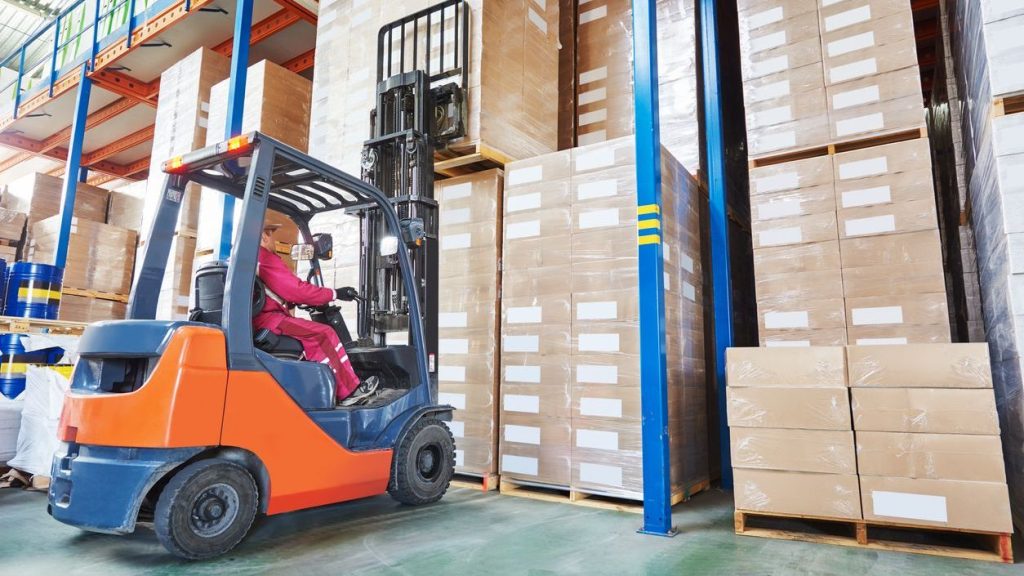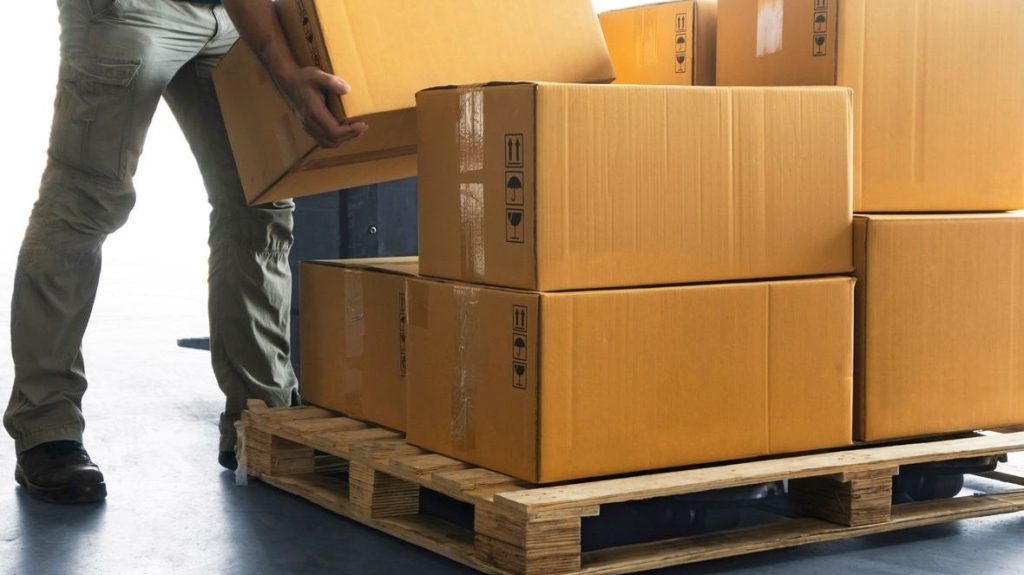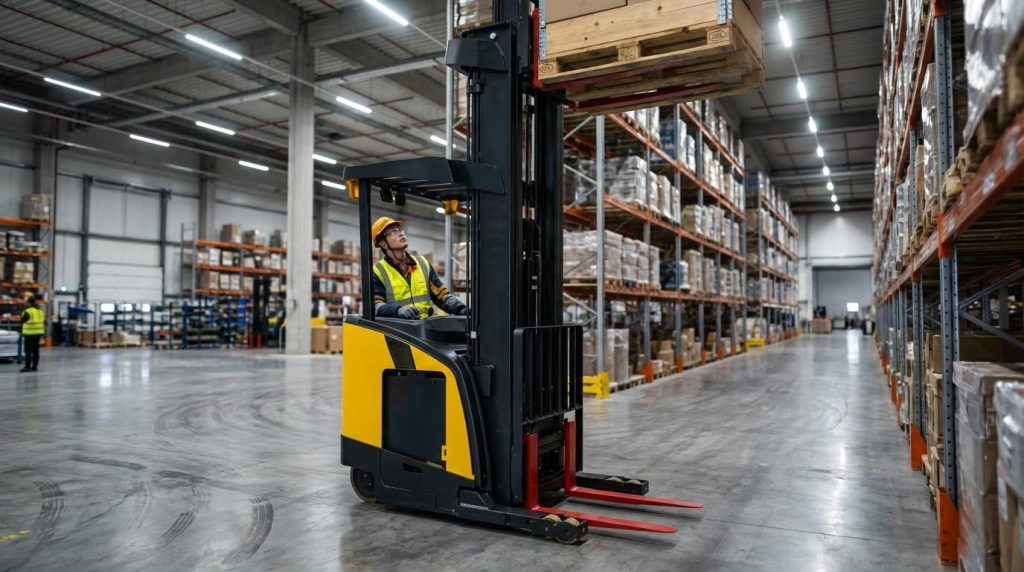
I carrelli elevatori elettrici possono in genere sollevare da circa 3,300 mm a oltre 11,500 mm, a seconda del design del montante, della capacità e dell'applicazione. Pertanto, la domanda "quanto in alto può sollevare un carrello elevatore elettrico?" è sempre una questione ingegneristica, non un singolo valore numerico. Questa guida illustra le fasi del montante, i termini chiave relativi all'altezza, la riduzione della capacità di carico e i limiti di sicurezza, in modo da poter specificare l'altezza di sollevamento corretta per il vostro edificio, i carichi e il ciclo di lavoro, senza compromettere la stabilità o la produttività.
Adattare l'altezza di sollevamento all'applicazione e alla tecnologia
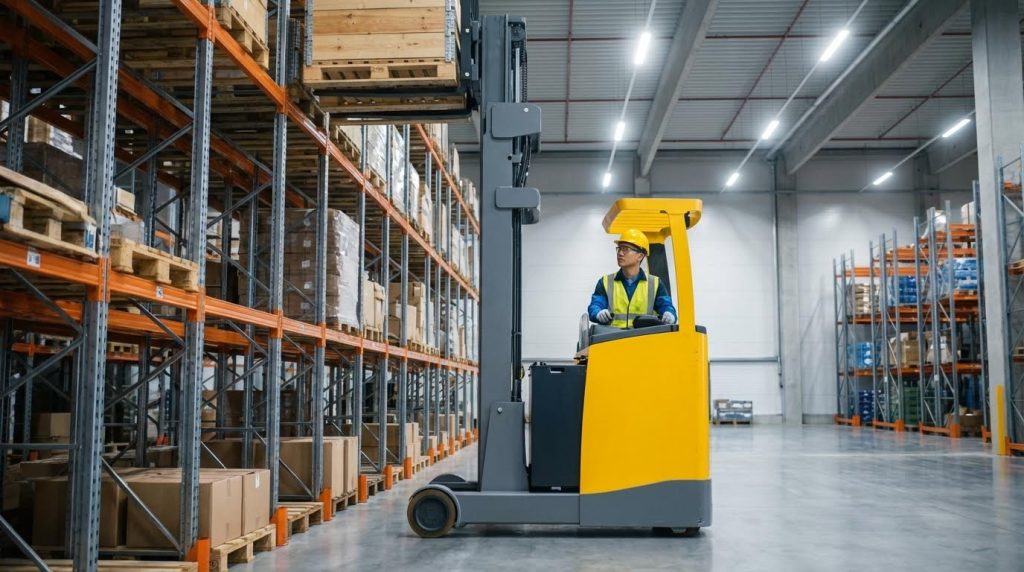
Adattare l'altezza di sollevamento all'applicazione significa partire dai vincoli di scaffalatura e di costruzione, quindi scegliere il tipo di montante, la batteria e l'impianto idraulico in grado di raggiungere ripetutamente tale altezza senza riduzioni di capacità pericolose o tempi di inattività. Quando ci si chiede a che altezza può sollevare un carrello elevatore elettrico, la risposta corretta è "fino all'altezza massima supportata in sicurezza dal carico, dal corridoio e dal sistema di alimentazione".
In questa sezione traduciamo i dati relativi all'altezza di sollevamento in casi d'uso reali per i magazzini e mostriamo come la batteria, l'impianto idraulico e il ciclo di lavoro limitino le operazioni pratiche di sollevamento in ambienti ad alta densità, anche quando la scheda tecnica indica che il montante può raggiungere altezze maggiori.
Classi di altezza per la movimentazione merci in magazzino e il prelievo degli ordini
Le classi di altezza per i carrelli elevatori da magazzino e per il prelievo ordini li classificano in base all'altezza massima raggiungibile dalle forche e al tipo di lavoro che svolgono. Questo è il modo più pratico per rispondere alla domanda "a che altezza può sollevare un carrello elevatore da magazzino, considerando la specifica struttura e il profilo di SKU?".
Le specifiche tecniche mostrano che i montanti controbilanciati elettrici standard raggiungono spesso un'altezza massima di circa 4.1-7.7 m, mentre i commissionatori dedicati possono arrivare a un'altezza delle forche di 4.8-11.6 m, con ampi intervalli di sollevamento libero per edifici con spazi ristretti. I dati relativi ai montanti controbilanciati e le specifiche dei commissionatori illustrano questa variabilità.
| Classe di altezza | Altezza massima tipica della forca (MFH) | Tipo di apparecchiatura tipica | Caso d'uso tipico | Impatto operativo |
|---|---|---|---|---|
| Basso livello | fino a ~3.3 m | Contrappeso elettrico con albero basso | Movimentazione a livello del pavimento, lavoro in banchina, scaffalature basse | Adatto per 1-2 livelli di travi; si adatta facilmente a porte e contenitori. |
| Magazzino standard | ~4.1–5.0 metri | Contrappeso a 2 o 3 stadi | Stoccaggio generale di pallet, scaffalature leggere | Copre 3-4 livelli di travi con uno spazio libero di 150-200 mm sopra la trave superiore. |
| Baia centrale | ~5.0–7.7 metri | Carrello elevatore triplex controbilanciato o retrattile | Scaffalature più alte, stoccaggio misto di casse e pallet. | Richiede accurati controlli di declassamento e pavimenti stabili ai piani superiori. |
| Prelievo ordini ad alta densità | ~4.8–8.0 metri | macchine per il prelievo degli ordini | Prelievo di casse da scaffali di media altezza | La piattaforma dell'operatore si solleva; la velocità di traslazione si riduce man mano che le forche si alzano. |
| Prelievo ordini in scaffalature molto alte | ~8.0–11.6 metri | Carrello elevatore per prelievo ordini | Magazzino ad alta densità, gestione degli ordini e-commerce. | Richiede pavimenti perfettamente piani, scaffalature progettate su misura e limiti di velocità rigorosi. |
I dati di una famiglia di sollevatori elettrici controbilanciati mostrano altezze di sollevamento massime di circa 3.3 m per un montante standard, con montanti estensibili che vanno da circa 4.16 m a 7.70 m a seconda della configurazione. La stessa fonte indica un'altezza del montante abbassato di circa 2.5 m, fondamentale per porte e rimorchi.
Gli addetti al prelievo merci si interrogano sull'altezza massima raggiungibile da un carrello elevatore elettrico per il prelievo di merci in quota: una scheda tecnica indica altezze massime delle forche da circa 4.8 m a 11.58 m, con un'altezza di sollevamento libera compresa tra circa 76 mm e 2.64 m a seconda del tipo di montante. Questi dati dimostrano perché il prelievo merci in magazzini ad alta densità richieda carrelli elevatori appositamente progettati, anziché i tradizionali carrelli controbilanciati.
- Definire l'altezza del ripiano superiore: Aggiungi 150–200 mm al fascio luminoso più alto – Questo è il tuo requisito minimo di MFH.
- Verificare OALH e OARH: Confronta l'altezza del montante abbassato e sollevato rispetto a porte e tetto – Previene i danni causati da collettori di scarico e irrigatori.
- Altezza del pallet rispetto all'altezza della persona: Utilizzare contrappeso/restringimento per movimentare i pallet, commissionatore semielettrico per uomo-in-sopra – evita di specificare in modo errato il camion.
- Relazione con la larghezza del corridoio: Le classi più alte necessitano di inviluppi di sterzata più stretti – Previene danni a scaffalature e montanti in corridoi stretti.
💡 Nota dell'ingegnere di cantiere: Quando le scaffalature superano i ~7 m, smetto di considerare i carrelli controbilanciati "standard" come un'opzione. La planarità del pavimento, la rigidità delle scaffalature e la riduzione della portata diventano così critiche che i carrelli retrattili dedicati o i commissionatori con montante e sistemi di guida progettati sono generalmente più sicuri ed economici per tutta la durata del progetto.
Come scegliere la classe di altezza per un nuovo magazzino
Partite dal vostro codice prodotto (SKU) e dai dati di costruzione, non da un catalogo. Mappate il pallet più pesante al livello di stoccaggio previsto, quindi calcolate a ritroso l'altezza massima di sollevamento (MFH) richiesta e la capacità residua a quell'altezza utilizzando le tabelle di declassamento del produttore. Solo allora scegliete la famiglia di montanti che soddisfa sia la geometria che la capacità.
Batteria, impianto idraulico e ciclo di lavoro ad alta quota
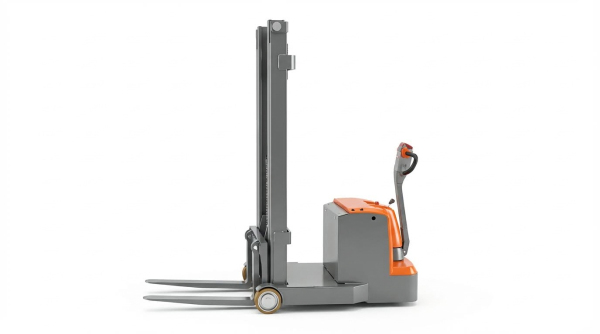
Le dimensioni della batteria, le prestazioni idrauliche e il ciclo di lavoro determinano se un carrello elevatore può lavorare ripetutamente ad altezze elevate senza rallentare, surriscaldarsi o scaricarsi eccessivamente. Sulla carta, molti carrelli elevatori elettrici possono sollevare fino a 7-12 metri, ma nelle operazioni reali il costo energetico dei frequenti sollevamenti ad alta quota diventa spesso il fattore limitante.
I grandi carrelli elevatori elettrici controbilanciati con batterie da 80 V da circa 840 Ah e massa della batteria di circa 2,178 kg mostrano velocità di sollevamento di circa 0.33–0.46 m/s senza carico e 0.35–0.46 m/s con carico, con velocità di abbassamento di circa 0.46–0.55 m/s. Il consumo energetico secondo la norma EN 16796:2016 è compreso tra 9.8 e 12.2 kWh per questi modelli. Questi valori dimostrano che montanti e carichi di elevata capacità assorbono una notevole potenza idraulica.
| Parametro | Intervallo di valori tipico | Dove si applica | Impatto operativo presso High Lift |
|---|---|---|---|
| Voltaggio batteria | 80 V | Grande contrappeso elettrico | Una tensione più elevata stabilizza la velocità di sollevamento in caso di sollevamenti pesanti e ad alta quota. |
| Capacità della batteria | ~840Ah | Per impieghi gravosi, classe 4-5 t | Supporta turni prolungati con numerosi cicli di funzionamento dell'albero prima di dover essere ricaricato. |
| Peso della batteria | ~ 2,178 kg | Massa di contrappeso | Migliora la stabilità ma aumenta il carico sul pavimento e il consumo energetico. |
| Velocità di sollevamento (carico) | ~0.35–0.46 m/s | Viaggio verticale | Definisce il tempo di ciclo dei fasci luminosi superiori; più lento con l'invecchiamento o l'esaurimento delle batterie. |
| Velocità di abbassamento | ~0.46–0.55 m/s | Corsa di ritorno | Veloce ma deve rimanere controllabile per evitare carichi d'urto sui supporti. |
| Consumo di energia | ~9.8–12.2 kWh | Secondo la norma EN 16796:2016 ciclo | Maggiore quando si utilizzano alberi alti e si effettuano frequenti sollevamenti a piena altezza. |
| Motore di azionamento del sistema di prelievo ordini | Da ~4.7 a 5.2 kW | Potere di viaggio | La velocità si riduce automaticamente all'aumentare dell'altezza della forcella e dell'angolo di sterzata. |
| motore idraulico per prelievo ordini | ~10.5kW | Potenza di sollevamento | Consente il movimento verticale dell'operatore e delle forche da 4.8 a 11.6 m. |
Una famiglia di commissionatori presenta vani batteria con larghezze comprese tra 790 e 979 mm e altezze di circa 800 mm, il che limita le dimensioni fisiche del pacco batterie. All'interno di questi limiti , gli ingegneri devono trovare un equilibrio tra la capacità della batteria, il peso del carrello e le prestazioni in corsia.
Oltre ai dati di catalogo, le linee guida tecniche evidenziano che lo stato di carica della batteria influisce notevolmente sulla capacità e sulla velocità di sollevamento. Quando la tensione diminuisce sotto correnti elevate, la velocità di sollevamento e l'accelerazione di traslazione si riducono, con conseguente calo della produttività. I cicli di lavoro intensivi con frequenti sollevamenti ad alta quota richiedono pacchi batteria più grandi o la possibilità di ricarica rapida; la perdita di prestazioni si verifica anche a basse temperature o con l'invecchiamento delle batterie. Le linee guida tecniche sottolineano questo aspetto come un limite primario alle prestazioni reali di sollevamento ad alta quota.
- Scegliete la batteria in base al lavoro in verticale, non solo in base alla durata: Contare i cicli dell'albero fino alla trave superiore per turno – I sollevamenti ad alta quota consumano più ampere-ora rispetto ai trasferimenti a bassa quota.
- Osservare il calo di tensione: Un aumento lento della carica nell'ultimo 20-30% indica batterie sottodimensionate. opportunità di ricarica o pacchetti più grandi.
- Rispetta la logica di limitazione della velocità: I commissionatori riducono automaticamente la velocità di traslazione in presenza di altezze delle forche e angoli di sterzata maggiori. Ciò tutela la stabilità e gli operatori.
- La salute idraulica è la capacità: Catene usurate, cilindri che perdono o pompe stanche allungano i tempi di sollevamento – tagliare direttamente i prelievi all'ora ad alti livelli.
- Adattare le fasi dell'albero al budget energetico: I tralicci triplex/quadrupli ad alto stadio aumentano il carico idraulico – prevedere un maggiore consumo energetico o ricariche più frequenti.
💡 Nota dell'ingegnere di cantiere: Quando un cantiere chiede a che altezza può sollevare un carrello elevatore elettrico, calcolo due valori: il MFH massimo di sicurezza riportato sulla targhetta dati e l'altezza massima che il carrello può raggiungere in ogni turno senza attivare il dispositivo di protezione da bassa tensione. Il secondo valore è solitamente inferiore ed è quello che tutela la produttività prevista.
Utilizzo della telematica per la gestione dei cicli di lavoro dei sollevatori ad alta quota
Le flotte moderne utilizzano la telematica e i gemelli digitali per monitorare in tempo reale i cicli di sollevamento, le altezze di sollevamento, i pesi dei carichi e la corrente della batteria. Gli ingegneri analizzano questi dati per stimare l'affaticamento di montanti e sistemi idraulici e per individuare tempi di sollevamento anomali o picchi di pressione che indicano problemi emergenti. La manutenzione predittiva basata su questi segnali consente di intervenire su catene, cilindri e pompe prima che rallentino le operazioni in quota o compromettano la sicurezza.
Considerazioni finali sulla specifica dell'altezza di sollevamento dei carrelli elevatori elettrici
Sono i limiti ingegneristici, non i titoli dei cataloghi, a determinare l'altezza massima a cui un carrello elevatore elettrico può operare quotidianamente. La geometria del montante, il sollevamento libero e l'altezza complessiva raggiunta devono essere compatibili con scaffalature, porte e irrigatori, mantenendo al contempo il carrello entro i limiti di stabilità. Allo stesso tempo, le dimensioni della batteria, la potenza idraulica e il ciclo di lavoro definiscono il limite massimo effettivo di frequenza con cui è possibile raggiungere le altezze più elevate senza rallentare o far intervenire il dispositivo di protezione da bassa tensione.
I team operativi dovrebbero considerare l'altezza massima delle forche, la capacità residua in quota e la larghezza del corridoio come un insieme interconnesso. Se si modifica uno di questi parametri, è necessario controllare anche gli altri. Al di sopra dei livelli intermedi delle scaffalature, la planarità del pavimento, la rigidità delle scaffalature e le velocità di traslazione controllate diventano elementi di progettazione fondamentali, non considerazioni successive. I carrelli retrattili e i commissionatori progettati specificamente per questo scopo offrono generalmente prestazioni più sicure ed economiche per le scaffalature ad alta densità rispetto all'utilizzo di unità controbilanciate standard.
La prassi migliore è semplice ma rigorosa. Partite dai pesi dei singoli componenti, dalle altezze della trave superiore e dagli spazi di sicurezza degli edifici. Utilizzate tabelle di declassamento e dati energetici, non supposizioni, per scegliere le sezioni del montante, i pacchi batteria e la classe del camion. Quindi convalidate la scelta con misurazioni reali del ciclo di lavoro o con la telematica. In caso di dubbio, consultate le risorse tecniche di Atomoving e progettate con un margine di sicurezza. Tale margine protegge le persone, il prodotto e la produttività a lungo termine.
Domande frequenti
Quanto in alto può sollevarsi un carrello elevatore elettrico?
L'altezza massima di sollevamento di un carrello elevatore elettrico dipende dal suo design e dalla configurazione del montante. In genere, i carrelli elevatori elettrici standard per magazzino con quattro montanti possono raggiungere altezze fino a 6 metri (20 piedi). Noleggio carrelli elevatori per magazzino.
- I transpallet elettrici, un tipo di carrello elevatore più piccolo, solitamente sollevano carichi di altezza compresa tra 6 e 20 pollici (da 15 a 50 cm).
- Modelli specializzati come i carrelli elevatori retrattili ad alta capacità possono estendersi fino a 45 piedi (13.7 metri).
- I carrelli elevatori a quattro montanti sono progettati per impilare carichi molto alti e possono raggiungere oltre 278 pollici (7 metri).
Quali fattori determinano l'altezza di sollevamento di un carrello elevatore elettrico?
L'altezza di sollevamento di un carrello elevatore elettrico è influenzata dal tipo di montante, dal suo design e dall'applicazione prevista. Ad esempio, un montante a quattro sezioni consente sollevamenti significativamente più elevati rispetto a un montante standard a due sezioni. Inoltre, attrezzature specializzate come i carrelli retrattili sono progettate per l'impilamento in spazi ristretti. Consultare sempre le specifiche del produttore per i dati esatti. Guida ai montanti per carrelli elevatori.