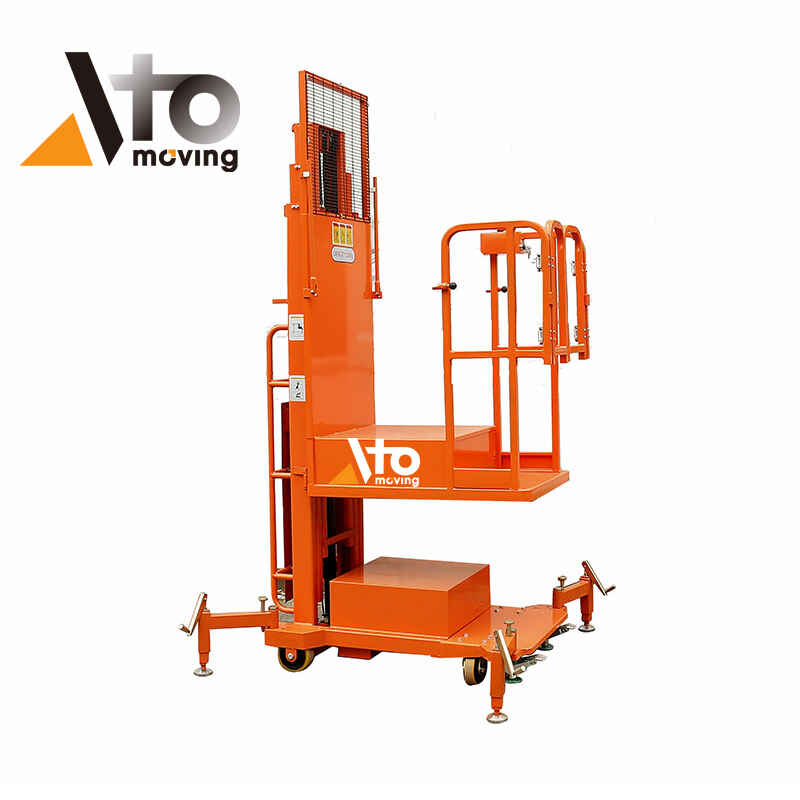
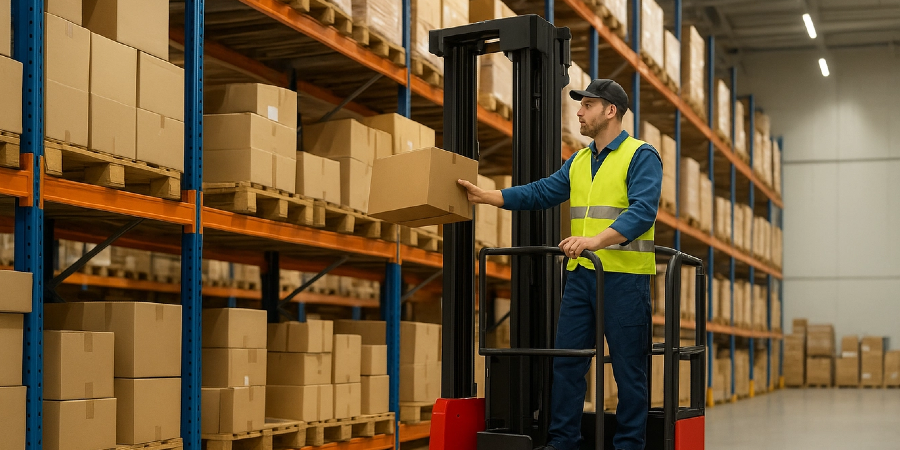
La tecnologia di prelievo degli ordini si è evoluta dalla semplice scansione RF a sistemi robotizzati, basati sui dati e "merce all'operatore" che riducono al minimo errori, tempi di spostamento e costi di manodopera. Questa guida spiega in che modo le soluzioni moderne influiscono su precisione, produttività, sicurezza e ROI a lungo termine, consentendovi di progettare un sistema di prelievo a prova di futuro.
Evoluzione dalla scansione RF all'acquisizione intelligente dei dati.
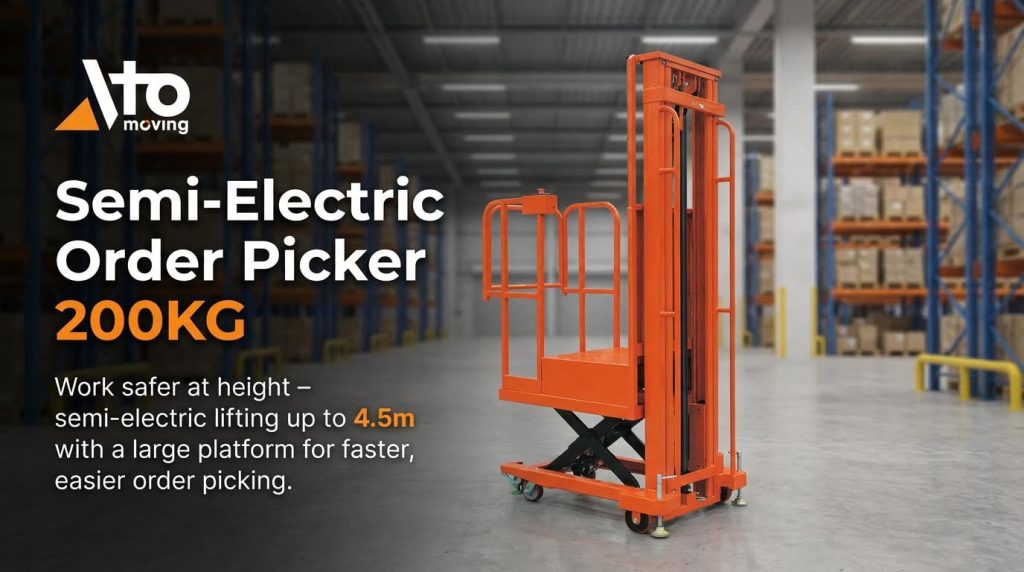
L'evoluzione della tecnologia di prelievo degli ordini si sta spostando dalla semplice scansione di codici a barre RF all'acquisizione intelligente dei dati che collega persone, prodotti e sistemi in tempo reale. L'obiettivo è una maggiore precisione, prelievi più rapidi e operazioni più sicure ed economiche.
In questa sezione esaminiamo le tecnologie RF, vocale, pick-to-light e RFID, per poi mostrare come si integrano con WMS e IoT per un sistema di prelievo pronto per il futuro.
Nozioni di base sulla scansione RF, la voce e la selezione tramite luce
La scansione RF, il riconoscimento vocale e il pick-to-light sono elementi tecnologici fondamentali per il prelievo degli ordini, che guidano gli operatori, confermano ogni azione e riducono i tempi di spostamento e di ricerca.
Ciascun metodo modifica il flusso di informazioni tra il WMS e l'operatore, con un impatto diretto sui tempi di percorrenza, sui tassi di errore e sulle esigenze di formazione.
- Scansione di codici a barre RF: Terminali portatili con scanner 1D/2D – Conferma la posizione e l'articolo ad ogni prelievo per ridurre gli errori di prelievo.
- Selezione guidata dalla voce: Le cuffie e il microfono forniscono istruzioni vocali – Consente di tenere mani e occhi liberi, migliorando l'ergonomia e la sicurezza nelle corsie affollate.
- Pick-to-light: Luci e display sulle superfici dei rack – Indica visivamente il codice SKU e la quantità esatti, ideale per articoli di piccole dimensioni ad alta rotazione.
- Terminali RF sui camion: Dispositivi montati su transpallet o addetti al prelievo ordini – Ideale per il prelievo di casse e pallet su lunghe distanze.
- Flussi di lavoro ibridi: Radiofrequenza più voce o luce – Consente di adattare il metodo alla velocità di rotazione delle SKU, al valore e alla sensibilità all'errore.
Quando utilizzare RF, voce o pick-to-light
Utilizza la tecnologia RF dove hai bisogno di un instradamento flessibile e di informazioni dettagliate sullo schermo. Utilizza il comando vocale in ambienti refrigerati o con scarsa illuminazione, dove gli schermi si appannano o riflettono la luce. Utilizza il sistema pick-to-light per flussi di cartoni densi o scaffalature con articoli a rapida rotazione, dove ogni secondo e ogni errore di prelievo contano.
💡 Nota del tecnico sul campo: Nei corridoi stretti di 2.5-3.0 m, le unità RF a comando vocale o compatte riducono le "collisioni dei dispositivi" con le scaffalature. Gli scanner a pistola più grandi vengono spesso urtati, causando disallineamenti e costose riparazioni.
Precisione e visibilità in tempo reale grazie alla tecnologia RFID.
La tecnologia RFID trasforma la procedura di prelievo degli ordini, passando dalla conferma punto per punto alla visibilità continua e in tempo reale di articoli, posizioni e risorse all'interno del magazzino.
Anziché scansionare ogni codice a barre, i lettori rilevano automaticamente gli articoli etichettati, il che cambia radicalmente le dinamiche relative ai tempi di conteggio, prelievo e controllo.
- Identificazione in tempo reale dei veicoli in entrata: I lettori fissi presso le banchine di carico/scarico identificano le spedizioni etichettate e aggiornano l'inventario all'istante. Elimina la scansione manuale dei codici a barre e riduce gli errori di ricezione. Ricezione RFID in tempo reale
- Suggerimenti per una conservazione intelligente: La tecnologia RFID, unitamente ai dati di layout, identifica le posizioni vuote e propone gli spazi di stoccaggio. Riduce i tempi di ricerca e aumenta la densità di stoccaggio nelle griglie di scaffalatura a livello millimetrico. ottimizzazione della memorizzazione RFID
- Conferma di prelievo: I lettori RFID portatili o montati su veicoli confermano che l'articolo prelevato corrisponde alla riga dell'ordine – Riduce gli errori di prelievo senza bisogno di avere il codice a barre in vista. precisione di prelievo RFID
- Conteggio rapido dell'inventario: Il personale percorre le corsie mentre i lettori acquisiscono centinaia di etichette contemporaneamente – Le verifiche che prima richiedevano tre giorni ora possono essere completate in poche ore, riducendo al minimo i tempi di inattività. Conteggio dell'inventario RFID
- Verifica del gate di spedizione: I portali RFID presso le banchine di carico in uscita controllano automaticamente quantità e SKU – Rileva gli errori di carico prima che il camion parta, evitando costosi resi. Verifica della spedizione tramite RFID
- Monitoraggio delle risorse: Etichette su pallet, carrelli elevatori, utensili e container – Migliora l'utilizzo e riduce le perdite di attrezzature di movimentazione di alto valore. Monitoraggio delle risorse RFID
- Ottimizzazione del percorso: La localizzazione in tempo reale di oggetti e lavoratori alimenta gli algoritmi che accorciano i percorsi a piedi – Particolarmente efficace in ambienti di grandi dimensioni, superiori a 20,000 m². Ottimizzazione del percorso RFID
- Sensibilità ambientale: Temperatura, umidità e geometria del rack influenzano le prestazioni di lettura – Richiede calibrazione e manutenzione regolari per mantenere stabile la precisione. esigenze di calibrazione RFID
| Funzione | Metodo tradizionale | Con RFID | Impatto operativo |
|---|---|---|---|
| Ricevimento | Scansione manuale del codice a barre per pallet/cartone | Identificazione automatica tramite lettori dock | Maggiore produttività in banchina e meno errori di ricezione. |
| Conteggio ciclo | Scansione articolo per articolo o contenitore per contenitore | Il conteggio a piedi cattura centinaia di tag | Audit completati in poche ore anziché in giorni, con conseguente riduzione dei tempi di fermo. |
| Selezione dell'assegno | Scansiona il codice a barre per riga | Il lettore convalida gli elementi contrassegnati nella zona | Conferma più rapida, meno errori di selezione. |
| Controllo della spedizione | Elaborazione manuale del carico | Il portale verifica tutti gli elementi contrassegnati all'uscita | Previene le spedizioni errate prima della partenza del camion. |
💡 Nota del tecnico sul campo: Nei magazzini frigoriferi con temperature inferiori a 0 °C, la condensa e le scaffalature metalliche possono alterare le prestazioni di alcune antenne RFID. Pianificate sempre le zone di test e prevedete un budget per lettori aggiuntivi o schermature, anziché dare per scontato che i valori di lettura "cartacei" siano validi.
Integrazione di RF e RFID con WMS e IoT
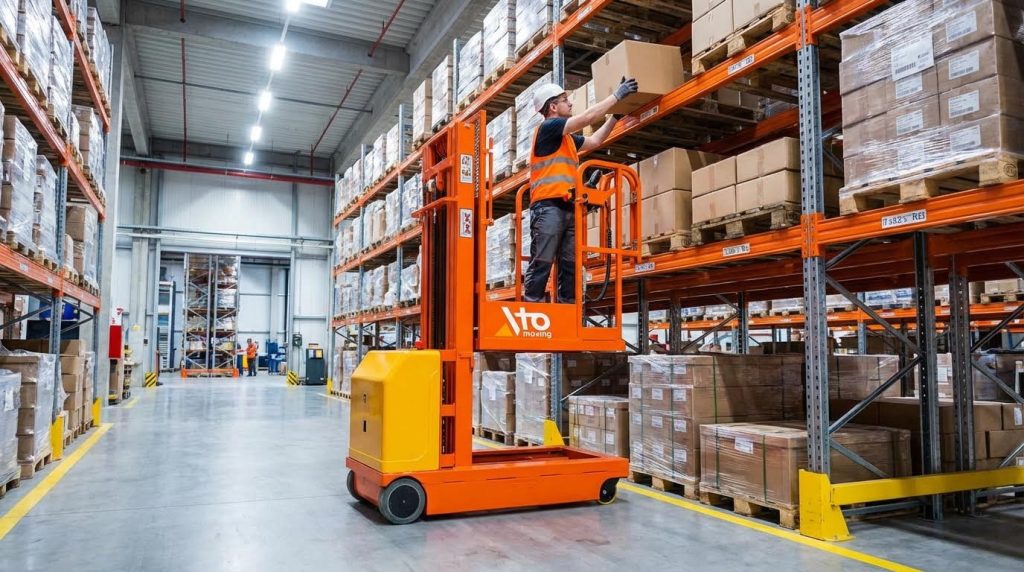
L'integrazione di RF e RFID con WMS e IoT trasforma i singoli dispositivi in uno stack tecnologico coordinato per il prelievo degli ordini, che supporta decisioni in tempo reale, tracciabilità e automazione.
Il valore non deriva tanto dal tag o dallo scanner in sé, quanto piuttosto da come i dati in esso contenuti confluiscono nelle fasi di pianificazione, esecuzione e analisi.
- Integrazione WMS: Gli eventi RF e RFID aggiornano in tempo reale inventario, attività ed eccezioni – Garantisce che gli addetti al prelievo visualizzino sempre le scorte e le ubicazioni aggiornate.
- Connettività IoT: Lettori, sensori e carrelli elevatori trasmettono dati in streaming alle piattaforme cloud – Consente l'ottimizzazione dinamica del percorso e la gestione della congestione.
- Tracciabilità blockchain: Gli eventi RFID possono essere scritti sulla blockchain – Migliora la lotta alla contraffazione e la tracciabilità completa del prodotto. RFID, IoT e blockchain
- Controllo delle apparecchiature automatizzate: La lettura dei tag in tempo reale può attivare nastri trasportatori, smistatori o AMR – Allinea la selezione manuale e quella robotica sulla stessa infrastruttura dati.
- La gestione delle eccezioni: Le letture mancate, gli errori di etichettatura o i conflitti di posizione generano avvisi WMS – I supervisori intervengono prima che gli errori si ripercuotano sul cliente.
- Analisi dei costi e del ritorno sull'investimento (ROI): Tag, lettori, middleware e integrazione comportano costi iniziali – Il ritorno sull'investimento deriva da una riduzione dei costi del lavoro, da un minor numero di errori e da un migliore utilizzo dello spazio. costi di implementazione RFID
Domande chiave sull'integrazione da porre al team di ingegneri
Come verranno mappati gli eventi RF e RFID alle transazioni WMS? Qual è la latenza accettabile tra una lettura e l'aggiornamento dell'inventario (secondi o minuti)? Quali zone necessitano realmente della tecnologia RFID e dove la scansione RF è sufficiente? Come verrà testata la precisione di lettura in prossimità di scaffalature metalliche e porte di carico/scarico prima dell'implementazione completa?
💡 Nota per i tecnici sul campo: Considerate RF e RFID come infrastrutture, al pari dell'alimentazione elettrica o del Wi-Fi. Se sottovalutate la copertura di rete o la densità dei lettori per risparmiare qualche migliaio di euro, spesso finirete per perdere molto di più in seguito a causa di errori di prelievo, scorte fantasma e interventi dei tecnici.
Sistemi Goods-to-Person e prelievo robotizzato
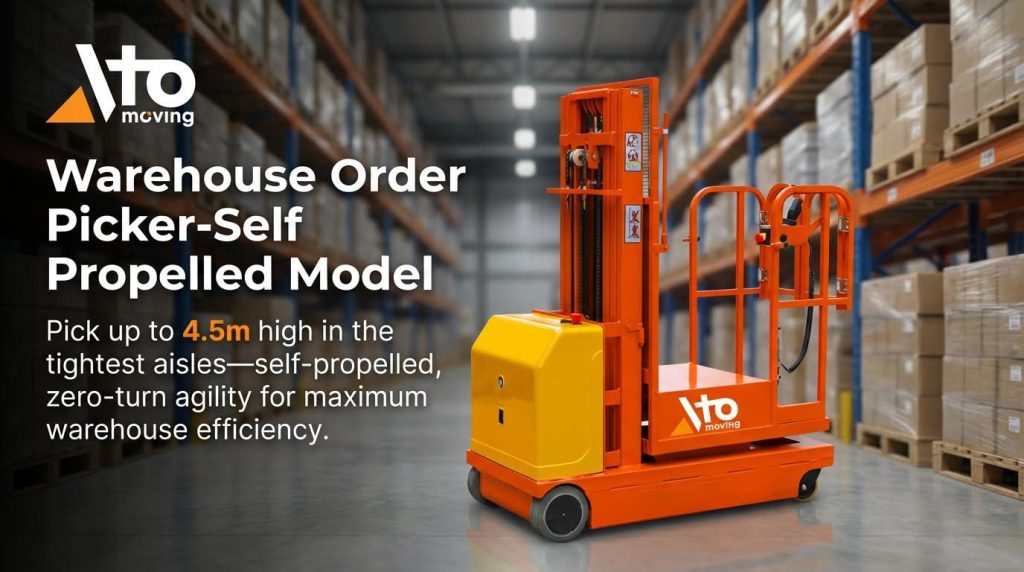
I sistemi "merce all'operatore" e il prelievo robotizzato eliminano la presenza umana tra le corsie e pongono l'automazione al centro della tecnologia di prelievo degli ordini, aumentando la produttività, la precisione e la sicurezza, riducendo al contempo i tempi di spostamento e l'ingombro a terra.
In questa sezione colleghiamo le tipologie di sistemi G2P, le piattaforme robotiche e i metodi di navigazione a parametri ingegneristici concreti come il numero di prelievi all'ora, il tempo di attività e il carico di manutenzione, in modo da poter specificare il livello di automazione più adatto al vostro impianto.
Tipologie di sistema G2P e parametri di riferimento per la velocità di trasmissione
I sistemi Goods-to-person (G2P) portano contenitori, vassoi o pallet a una stazione di prelievo fissa, aumentando drasticamente la velocità di prelievo e riducendo i tempi di spostamento inutili tipici delle tecnologie di prelievo degli ordini.
Le diverse configurazioni G2P (navette, caroselli, sistemi basati su AMR, mini-AS/RS) condividono tutte un obiettivo: mantenere gli operatori in una posizione ergonomica mentre l'automazione gestisce il trasporto orizzontale e verticale.
| Metodo di raccolta | Velocità di prelievo tipica (righe/ora) | Tasso di precisione | Impatto sulla produttività del lavoro | Impatto operativo |
|---|---|---|---|---|
| Camminata e raccolta manuale | 50-100 | ≈95–98% segnalato per sistemi manuali | Linea di base | L'elevata distanza da percorrere a piedi limita la produttività nei grandi magazzini. |
| Stazione G2P standard | 200-400 + | Fino all'99.9% con guida automatizzata | 2-3 volte più ordini per ora di lavoro | Garantisce spedizioni rapide e gestisce i picchi di volume. |
| Cella automatizzata per la selezione dei contenitori | 400-800 + | Tasso di errore <0.5% per sistemi avanzati | Sostituisce da 2 a 4 addetti al prelievo manuale per cella | Adatto a set di SKU stabili e ad alto volume. |
Le soluzioni G2P ben progettate riducono in genere i tempi di spostamento del 40-70%, il che si traduce in un aumento della produttività del lavoro del 200-300% poiché gli operatori possono concentrarsi sul prelievo anziché sugli spostamenti. Studi di caso documentati hanno dimostrato un numero di ordini elaborati 2-3 volte superiore all'ora dopo l'installazione del sistema G2P.
- Stoccaggio verticale ad alta densità: G2P e AS/RS sfruttano l'altezza, riducendo spesso la superficie necessaria del 20-40% – libera spazio per operazioni a valore aggiunto o consente di posticipare l'espansione dell'edificio.
- Postazioni di prelievo ergonomiche: Le borse arrivano all'altezza della vita o delle spalle. Riduce la necessità di piegarsi e allungarsi, diminuendo l'affaticamento e il rischio di infortuni.
- Lavoro standardizzato: Ogni stazione esegue una sequenza ripetibile – Semplifica l'addestramento e stabilizza il takt time.
Come G2P supporta diversi profili di magazzino
Per l'e-commerce con un elevato numero di SKU, i sistemi G2P basati su navette o robot mobili autonomi (AMR) gestiscono molti articoli di piccole dimensioni per ordine. Per il B2B o per i pezzi di ricambio, le mini-gru o i moduli di sollevamento verticale servono SKU più pesanti e con movimentazione più lenta, caratterizzati da un'elevata densità di stoccaggio. La combinazione ideale dipende dal numero di articoli per ordine, dal numero di SKU e dalla domanda nelle ore di punta.
💡 Nota dell'ingegnere sul campo: quando si modella la produttività G2P, è sempre necessario ridurre del 10-20% i tassi di prelievo dal catalogo per tenere conto di fattori reali come danni ai cartoni, errori di inserimento degli SKU e micro-pause dell'operatore. Questo permette di mantenere la capacità stimata realistica anziché ottimistica.
Robotica, AMR, AGV e navigazione SLAM
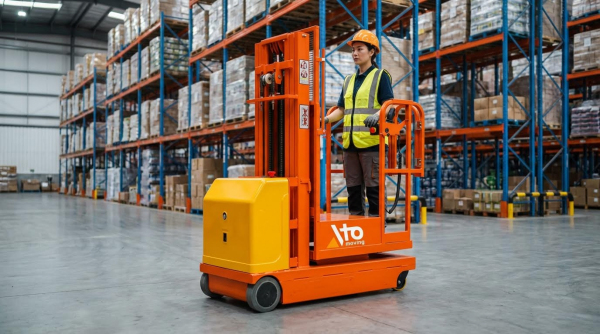
I sistemi robotici, gli AMR e gli AGV aggiungono movimenti flessibili e definiti via software alla tecnologia di prelievo degli ordini, utilizzando sensori e navigazione SLAM per movimentare le merci in sicurezza senza nastri trasportatori o binari fissi.
Queste piattaforme o portano scaffali/contenitori alle persone (G2P robotizzato) oppure eseguono il prelievo completamente robotizzato utilizzando bracci e sistemi di visione, con un software di gestione della flotta che ottimizza ogni metro percorso.
| Tipo di robot | Navigazione / Guida | Ruolo chiave nella selezione | Chiave metrica | Ideale per ... |
|---|---|---|---|---|
| AGV | Percorsi fissi (nastro adesivo, catarifrangenti) | Sposta pallet/scaffalature lungo percorsi predefiniti | Elevata ripetibilità; flessibilità di percorso limitata | Flussi semplici e stabili (ad esempio, il trasferimento di pallet tra le zone). |
| AMR | Sensori di bordo + SLAM | Trasporto dinamico di contenitori/carrelli e G2P | Riduzione del 30-40% della distanza percorsa grazie alla pianificazione dei percorsi tramite intelligenza artificiale. nei sistemi di gestione della flotta | Siti industriali dismessi con layout variabili e picchi stagionali. |
| Carrello autonomo per il prelievo degli ordini | SLAM basato su laser | Automatizza il prelievo degli ordini con operatore in piedi o a basso livello | Precisione di posizionamento ≈±10 mm contro pollici per gli esseri umani | Scaffalature ad alta densità o a corridoio stretto, dove la precisione è fondamentale. |
| Cella di prelievo con braccio robotico | Cellula fissa; guidata dalla visione | Prelievo di pezzi da contenitori o scatole | 400-800+ prelievi/ora con un tasso di errore inferiore allo 0.5%. nei sistemi di riferimento | Referenze di grandi volumi e ripetitive con imballaggio stabile. |
- Navigazione SLAM: I robot creano una mappa in tempo reale a partire da dati laser o da telecamere. Evita costosi riflettori e consente modifiche graduali alla disposizione.
- Gestione della flotta tramite intelligenza artificiale: Gli algoritmi assegnano le missioni e bilanciano le code – Riduce i viaggi a vuoto del 30-40% e uniforma i picchi di carico.
- Gestione degli ostacoli: Il rilevamento multizona rallenta, reindirizza o ferma i robot – Riduce il rischio di collisione con persone e attrezzature.
I sistemi autonomi di prelievo degli ordini possono operare per 20-22 ore al giorno, ben oltre le 6-7 ore effettivamente produttive che gli operatori umani raggiungono in genere durante un turno, mantenendo al contempo una precisione di posizionamento a livello millimetrico. Le implementazioni documentate hanno inoltre mostrato una riduzione del 70-90% degli incidenti nella movimentazione dei materiali una volta che i sistemi autonomi hanno assunto il controllo degli spostamenti ripetitivi.
Panoramica dei costi e del ritorno sull'investimento per il prelievo robotizzato
L'implementazione di robot per il prelievo merci nei magazzini ha generalmente un costo che varia da centinaia di migliaia a diversi milioni di dollari, a seconda del numero di robot e della portata dell'integrazione. Le operazioni ad alto volume raggiungono spesso il punto di pareggio in 18-36 mesi, mentre i siti di vendita diretta al consumatore in genere raggiungono il punto di pareggio entro 2-4 anni grazie al risparmio di manodopera e alla riduzione degli errori. Le analisi indipendenti sul ritorno sull'investimento (ROI) hanno sottolineato l'importanza di includere i costi di manutenzione e del software nel costo totale di proprietà.
💡 Nota del tecnico sul campo: per i robot mobili autonomi (AMR) basati su SLAM, evitare montanti del rack altamente riflettenti e ampie superfici in vetro vicino ai percorsi principali. Questi creano "immagini fantasma" del laser che confondono la localizzazione; semplici protezioni opache o dissuasori spesso stabilizzano notevolmente la navigazione.
Ingegneria della sicurezza, dei tempi di attività e della manutenzione
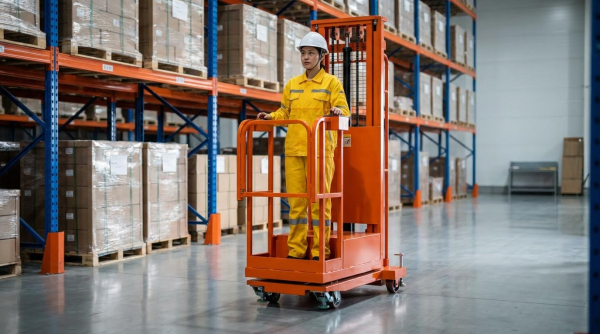
Sicurezza, operatività e manutenibilità sono fattori determinanti per stabilire se una tecnologia avanzata di prelievo ordini mantenga effettivamente il ritorno sull'investimento promesso in un arco di tempo di 5-10 anni; pertanto, è fondamentale integrarli fin dalla fase di progettazione.
I moderni sistemi automatizzati di prelievo e G2P combinano affidabilità meccanica, robustezza del software e sensori di sicurezza a più livelli per garantire un funzionamento continuo 24 ore su 24, 7 giorni su 7, con tempi di inattività prevedibili.
| Dimensioni | Operazioni manuali | Sistemi automatizzati/robotici | Conclusioni ingegneristiche |
|---|---|---|---|
| Incidenti di sicurezza | Maggiore incidenza di incidenti dovuti a stanchezza, distrazione e scarsa ergonomia. | Riduzione degli incidenti del 70-90% dopo l'automazione in progetti documentati | Il rilevamento a zone e il controllo della velocità riducono al minimo l'errore umano. |
| Tempo di esecuzione giornaliero | Circa 6-7 ore produttive per operatore | 20-22 ore al giorno con pause di ricarica programmate per sistemi autonomi | Supporta i turni notturni e i picchi di lavoro senza necessità di personale aggiuntivo. |
| Modello di manutenzione | Reattivo; dipendente dalle segnalazioni dell'operatore | Controlli preventivi trimestrali o annuali per AS/RS e robot oltre a continui aggiornamenti software | Prevedere un budget sia per la manutenzione meccanica che per il ciclo di vita del software. |
- Zone di sicurezza a strati: I sensori a lungo raggio rallentano i robot, quelli a medio raggio riducono la velocità e quelli a corto raggio attivano un arresto di emergenza. Protegge i pedoni senza compromettere la fluidità del traffico.
- Strategia dei pezzi di ricambio: Disponibilità in loco di componenti critici (sensori, cinghie, ruote, batterie) – Previene interruzioni di servizio di più giorni in attesa delle spedizioni.
- KPI delle prestazioni: Prelievi per ora di lavoro, ordini per ora di postazione e vassoi per ora – fornire un preavviso tempestivo quando problemi meccanici o software iniziano a compromettere la capacità.
Modelli di manutenzione tipici per G2P e robot
Le gru e le navette AS/RS richiedevano in genere interventi di manutenzione meccanica trimestrali o semestrali, incentrati su azionamenti, binari e controlli di sicurezza. I robot mobili autonomi (AMR) necessitavano di un minor numero di interventi meccanici, ma dipendevano dallo stato di salute della batteria e da frequenti aggiornamenti software. Gli ingegneri includevano queste attività nei calcoli del costo totale di proprietà per evitare di sottovalutare la spesa del ciclo di vita. Le linee guida del settore raccomandavano di considerare sia i tempi di inattività programmati che quelli non programmati nella modellazione del ROI.
💡 Nota dell'ingegnere sul campo: nei siti G2P ad alta produttività, il collo di bottiglia spesso si sposta dai robot alle postazioni di prelievo umane. Progettate una capacità di buffer di almeno il 10-15% nelle postazioni e nell'area di confezionamento in modo che un singolo operatore assente o uno scivolo bloccato non vi costringano a fermare l'intera flotta di robot.
Ad esempio, un transpallet manuale può migliorare significativamente l'efficienza nelle operazioni manuali. Inoltre, l'utilizzo di un carrello per fusti può aumentare la sicurezza e la produttività nella movimentazione dei materiali.
Progettazione e selezione della soluzione di prelievo giusta
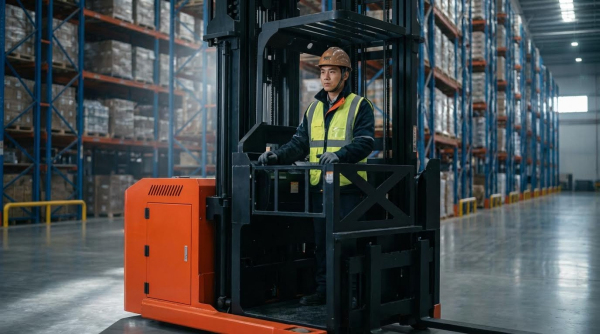
Progettare la soluzione tecnologica ideale per il prelievo degli ordini significa adattare layout, densità di stoccaggio e livello di automazione al profilo dei prodotti (SKU), ai modelli di ordine e alla reale disponibilità di manodopera, dimostrando al contempo il costo totale di proprietà, il ritorno sull'investimento (ROI) e la scalabilità a lungo termine.
L'obiettivo non è la "massima automazione", bensì la soluzione ingegneristica più adatta: percorsi di spostamento più brevi, massima produttività per ora di lavoro e sistemi sicuri e di facile manutenzione che mantengano la loro convenienza economica per 5-10 anni.
Modellazione del layout, della densità di stoccaggio e dei tempi di percorrenza
La disposizione degli spazi, la densità di stoccaggio e la modellazione dei tempi di percorrenza definiscono la velocità con cui operatori o robot possono muoversi all'interno del magazzino e quanto effettivamente si riesce a sfruttare da ogni metro quadrato di superficie, sia a terra che in verticale.
Le moderne tecnologie di prelievo degli ordini combinano la progettazione del layout con i dati provenienti da WMS e RFID per ridurre gli spostamenti a vuoto, aumentare la velocità di prelievo e supportare le future fasi di automazione.
| Fattore di progettazione | Opzioni/Intervalli tipici | Metrica chiave | Impatto operativo |
|---|---|---|---|
| Selezionare la lunghezza del percorso per ordine | 50–400 m a seconda della configurazione e del raggruppamento | Tempo di percorrenza su ordinazione | Percorsi più brevi aumentano direttamente il numero di prelievi all'ora e riducono l'affaticamento. |
| Utilizzo dell'altezza di stoccaggio | Fino a 10–15 m con sistemi high-bay o G2P | Linee/m² | Una maggiore densità riduce l'ingombro e l'affitto, ma richiede una migliore pianificazione degli spazi e attrezzature più adeguate. |
| Condivisione dei viaggi manuale vs. G2P | Riduzione del 40-70% degli spostamenti dei lavoratori nei sistemi G2P secondo i parametri di riferimento G2P | Prelievi per ora di lavoro | L'eliminazione dei viaggi è la leva più importante per aumentare la produttività. |
| Capacità di prelievo rapido | Manuale: 50–100 prelievi/h; G2P: 200–400+ prelievi/h riportato in casi di studio | Prelievi/ora per stazione | Definisce il numero di stazioni necessarie in base al volume degli ordini e ai picchi di richiesta. |
| Strategia di consolidamento degli ordini | Prelievo a zone, prelievo a lotti o flusso a ordine singolo | Tocchi per ordine | Una buona suddivisione in zone e in lotti riduce gli spostamenti a piedi, ma aumenta la complessità dello smistamento. |
| Ottimizzazione del routing | Percorsi statici vs percorsi dinamici basati su dati di geolocalizzazione in tempo reale da sistemi abilitati RFID | Secondi per riga | La pianificazione dinamica dei percorsi riduce i viaggi a ritroso, soprattutto nei grandi magazzini. |
La localizzazione e la visibilità dell'inventario basate su RFID aiutano i progettisti a posizionare gli articoli a rapida rotazione vicino alle aree di prelievo e imballaggio e quelli a lenta rotazione in posizioni più elevate o più profonde, consentendo al sistema di individuarli istantaneamente. La localizzazione in tempo reale permette inoltre l'ottimizzazione dinamica dei percorsi, in modo che gli operatori o i robot mobili autonomi (AMR) seguano il percorso più breve al variare della domanda durante il turno. Il WMS abilitato per RFID può ottimizzare i percorsi e confermare la correttezza degli articoli durante il prelievo , consentendo di progettare zone più dense senza creare un labirinto.
- Scanalatura in base alla velocità: Posizionare i motori A nella zona dorata (altezza di prelievo approssimativamente compresa tra 800 e 1,600 mm) – Massimizza la velocità ergonomica e riduce gli infortuni dovuti a piegamenti o allungamenti.
- Spostamento verticale vs spostamento orizzontale: Concentra i movimenti verticali negli impianti di risalita, nelle navette o nel G2P – La movimentazione verticale manuale di oggetti al di sopra dei 2,000 mm rallenta gli operatori e aumenta i rischi.
- Corsie dedicate o corsie condivise: Separare le corsie per il prelievo rapido da quelle di rifornimento – Riduce la congestione e le fermate impreviste intorno ai robot mobili autonomi o ai carrelli elevatori.
- Archiviazione dinamica tramite RFID: Lascia che il sistema suggerisca le posizioni libere ottimali per le merci in entrata basato sui dati di tag e layout - Mantiene basse le distanze percorse al variare del profilo.
- Simulazione dei tempi di percorrenza: Tour di selezione dei modelli a diversi volumi di ordine – Previene il sottodimensionamento delle postazioni di prelievo e delle flotte di robot mobili autonomi (AMR) in caso di aumento dei volumi.
Come valutare rapidamente il layout attuale
Percorri un tipico ordine multilinea con una rotella metrica o un'app per la misurazione della distanza. Registra la distanza totale (in metri) e il tempo impiegato. Dividi il numero di righe per il tempo impiegato per ottenere il numero di prelievi al minuto. Quindi simula una riduzione degli spostamenti del 40-70% (intervallo G2P) per stimare i potenziali vantaggi derivanti da una modifica del layout o dall'adozione della tecnologia di prelievo degli ordini "merce alla persona".
💡 Nota dell'ingegnere di campo: quando si densifica lo stoccaggio e si restringono i corridoi per guadagnare m², è sempre necessario ricontrollare i raggi di sterzata e la larghezza dei corridoi trasversali sia per i carrelli manuali che per i robot mobili autonomi (AMR). Qualsiasi larghezza libera inferiore a circa 3,000 mm negli incroci principali inizia a creare "ingorghi" nelle ore di punta, che riducono drasticamente la velocità di prelievo teorica progettata sulla carta.
Costo totale di proprietà (TCO), ritorno sull'investimento (ROI) e scalabilità per i progetti di automazione
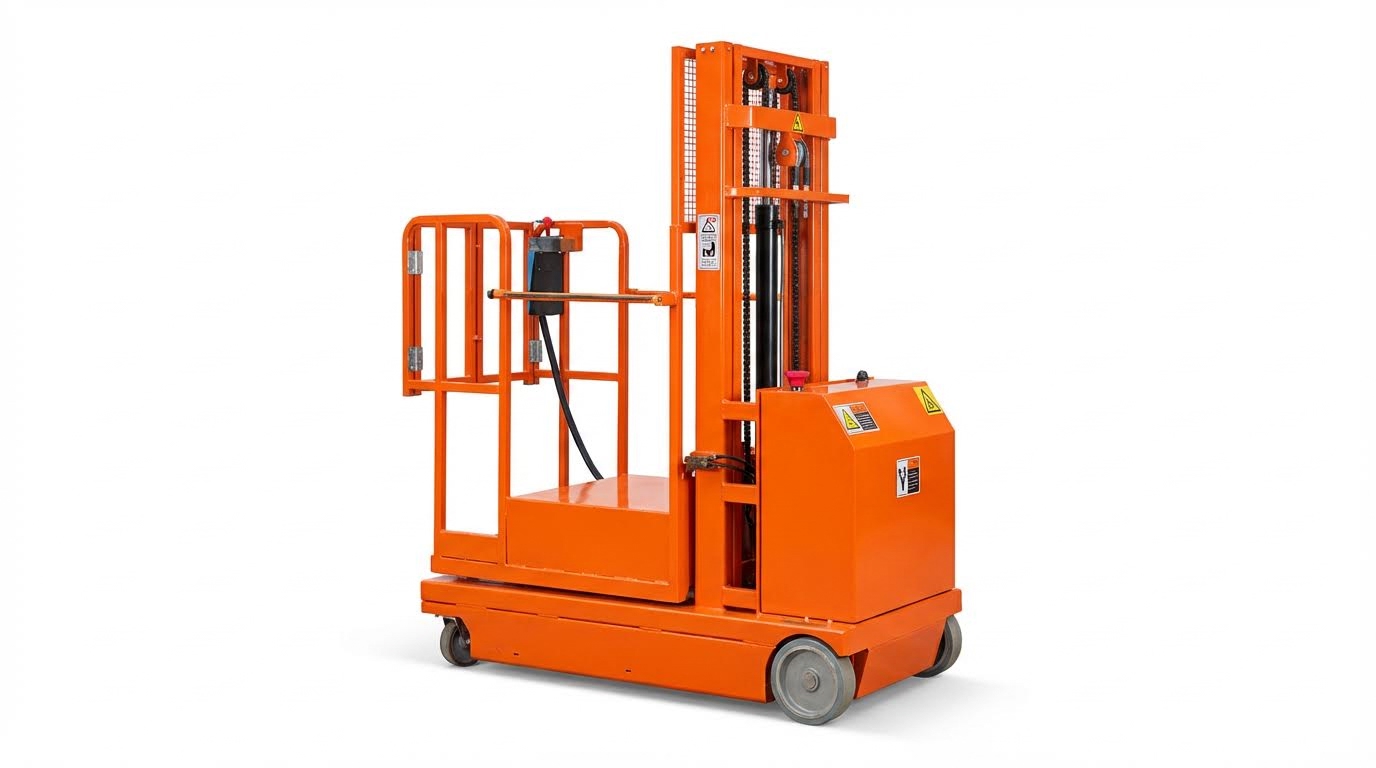
L'analisi del costo totale di proprietà (TCO), del ritorno sull'investimento (ROI) e della scalabilità garantisce che la tecnologia di prelievo ordini scelta non solo migliori le prestazioni attuali, ma che ripaghi anche il suo costo e possa essere ampliata o riconfigurata in base all'evoluzione dell'azienda e del mix di SKU.
La giusta decisione ingegneristica bilancia i costi delle apparecchiature, del software, della manutenzione e del risparmio di manodopera con miglioramenti realistici in termini di produttività e precisione, non con i massimi dichiarati nelle brochure.
| Elemento costo/beneficio | Cosa include | Intervallo tipico / Valore di riferimento | Ideale per ... |
|---|---|---|---|
| Investimenti iniziali in attrezzature | Scaffalature, nastri trasportatori, navette, AMR/AGV, robot, varchi RFID, lettori, tag | Da centinaia di migliaia a milioni di euro per i sistemi robotici a seconda della scala | Siti ad alto volume in cui il risparmio di manodopera e la riduzione degli spazi sono significativi. |
| Software e integrazione | Integrazione WMS, WES, RF/RFID, interfacce con ERP e piattaforme IoT. | Spesso il 10-25% del budget totale del progetto | Operazioni che richiedono visibilità in tempo reale e logica di instradamento avanzata. |
| Manutenzione e assistenza | Pezzi di ricambio, visite di tecnici, supporto software, calibrazione | AS/RS: visite trimestrali o semestrali; robot: più software, meno meccanica secondo i dati di manutenzione G2P | Sistemi che devono funzionare praticamente 24 ore su 24, 7 giorni su 7, con tempi di inattività programmati. |
| Aumento della produttività del lavoro | Maggiore numero di prelievi per ora di lavoro, meno persone per turno. | La tecnologia G2P e la robotica possono migliorare la produttività del 200-300%. vs manuale | Siti con costi del lavoro elevati o carenza cronica di manodopera. |
| Miglioramento della precisione | Meno errori di selezione, resi e rispedizioni. | I sistemi automatizzati G2P e robotici raggiungono un'accuratezza del 99.9%. rispetto al 95-98% manuale | Operazioni con elevati costi di penale per errori o SLA rigorosi. |
| Tempo di attività del sistema | Disponibilità delle attrezzature durante le operazioni 24 ore su 24 | I sistemi automatizzati ben progettati possono funzionare 24 ore su 24, 7 giorni su 7, con controlli preventivi annuali. in alcuni casi | Centri di e-commerce ad alto volume o hub logistici di terze parti (3PL) con periodi di picco stagionale. |
| Periodo di rimborso | È tempo di recuperare l'investimento tramite risparmi e margini extra. | Tipicamente 18-36 mesi per il prelievo automatizzato degli ordini e i robot in molti casi di studio, 2-5 anni per alcuni progetti G2P a seconda della portata | Siti con volumi di ordini stabili o in crescita e contratti a lungo termine. |
L'infrastruttura RFID comporta una propria voce di costo (tag, lettori, calibrazione), ma riduce i tempi di conteggio e gli errori nell'intera infrastruttura tecnologica per il prelievo degli ordini. I conteggi abilitati RFID che prima richiedevano tre giorni ora possono essere completati in poche ore , e la verifica della spedizione ai varchi di carico/scarico evita costosi cicli di reclamo.
- Includi i costi totali del ciclo di vita: Aggiungi i costi di energia, manutenzione, abbonamenti software e calibrazione periodica RFID. al tuo TCO - Previene le spese operative "impreviste" che erodono il ritorno sull'investimento.
- Modella scenari con volumi multipli: Calcola il ROI al volume attuale, +30% e +60% – Garantisce che il sistema continui a funzionare anche quando l'attività cresce o arriva l'alta stagione.
- Verifica la modularità: Preferisci AMR, moduli G2P e scaffalature estendibili in blocchi da 5-10 m – Consente di aumentare la capacità senza dover chiudere l'edificio.
- Convalidare i miglioramenti in termini di precisione: Confronta il tuo tasso di errore di base con i benchmark del 99.9% per G2P e robot attribuire un valore preciso ai rendimenti ridotti - Spesso, questo da solo giustifica gran parte del progetto.
- Strategia di manutenzione per stress test: Confermare la disponibilità dei pezzi di ricambio, la disponibilità dei tecnici e le finestre di fermo programmate. Il tempo di attività effettivo, non quello teorico, è ciò che genera ricavi e garantisce il rispetto degli SLA.
Semplice checklist del ROI per un progetto di prelievo ordini
1) Acquisire il numero attuale di prelievi per ora di lavoro, il tasso di errore e i m² utilizzati. 2) Utilizzare i benchmark pubblicati per le tecnologie target (ad esempio, 200-400+ prelievi/ora per G2P, precisione del 99.9%). 3) Quantificare i risparmi derivanti dalla riduzione della manodopera, dal minor numero di resi e dal minore ingombro. 4) Aggiungere costi realistici di manutenzione e software. 5) Calcolare il periodo di ammortamento in mesi e verificare che rientri nell'orizzonte strategico (spesso inferiore a 36 mesi).
💡 Nota dell'ingegnere sul campo: i sistemi più scalabili che ho visto sono partiti da un'automazione "leggera" (scansione RF più RFID alle banchine di carico e ai corridoi principali) e hanno riservato spazio fisico, alimentazione e capacità di rete per i successivi sistemi G2P o robot. Costruire troppo fin dal primo giorno ti vincola a un unico concetto; progettare percorsi di aggiornamento chiari consente alla tecnologia di prelievo degli ordini di evolversi con la tua attività, invece di contrastarla.
Considerazioni finali sui sistemi di prelievo ordini pronti per il futuro
La tecnologia di prelievo degli ordini ora si estende a tutta la suite di tecnologie, dall'acquisizione dati tramite RF e RFID ai sistemi "merce a persona" e alle flotte robotizzate. I progetti vincenti considerano tutto ciò come un unico sistema ingegnerizzato, non come un insieme di dispositivi. RF, voce, luce e RFID proteggono l'accuratezza dell'inventario e guidano ogni movimento. I sistemi "merce a persona" e la robotica trasformano quindi questi dati puliti in tassi di prelievo più elevati, meno spostamenti e minori rischi.
I team di ingegneri devono bilanciare tre fattori: layout e tempi di spostamento, livello di automazione e costi del ciclo di vita. Percorsi più brevi, zone ergonomiche ottimali e un posizionamento intelligente degli spazi consentono di ottenere rapidi vantaggi anche prima dell'arrivo dei robot. I robot G2P, gli AMR e le celle robotizzate aumentano poi la capacità e i tempi di attività, ma si ripagano solo se si prevede fin da subito il costo del software, della manutenzione e dei pezzi di ricambio.
La strada più sicura è l'adozione graduale. Iniziate con una solida tecnologia RF, un RFID mirato e una configurazione che riservi spazio, alimentazione e rete per l'automazione successiva. Aggiungete G2P e robot laddove i volumi, i costi della manodopera e le penalità per gli errori lo giustifichino. Questo approccio consente alla vostra attività di passare da carrelli e strumenti manuali di Atomoving all'automazione avanzata senza interruzioni, mantenendo al contempo sotto stretto controllo sicurezza, tempi di attività e ROI.
Domande frequenti
Che cosa è il prelievo ordini nelle operazioni di magazzino?
Il prelievo degli ordini è il processo di selezione degli articoli dalle rispettive ubicazioni di stoccaggio in un magazzino per evadere gli ordini dei clienti. L'obiettivo è quello di assemblare con precisione gli articoli richiesti, ottimizzando al contempo l'efficienza per soddisfare la domanda entro i tempi previsti. Questo processo è considerato la spina dorsale delle operazioni di magazzino. Guida alle operazioni di magazzino
Quale tecnologia viene comunemente utilizzata nei magazzini per aumentare l'efficienza del prelievo?
La tecnologia di prelievo vocale è un metodo senza carta e a mani libere che utilizza comandi vocali per guidare i dipendenti a prelevare i prodotti da specifiche posizioni in magazzino. Ciò migliora la precisione e velocizza il processo di prelievo. Un'altra tecnologia comunemente utilizzata è il sistema di gestione del magazzino (WMS), che migliora la visibilità, la precisione e la produttività complessiva. Vantaggi del prelievo vocale | Consigli per l'efficienza del magazzino
In che modo le tecnologie avanzate possono migliorare l'efficienza del magazzino?
Tecnologie avanzate come l'automazione, la robotica e gli strumenti di pianificazione della catena di approvvigionamento possono migliorare significativamente l'efficienza del magazzino. Queste tecnologie migliorano la visibilità, la precisione, la velocità e la produttività complessiva, aiutando i magazzini a soddisfare le richieste dei clienti in modo più efficace. Strategie per l'efficienza del magazzino