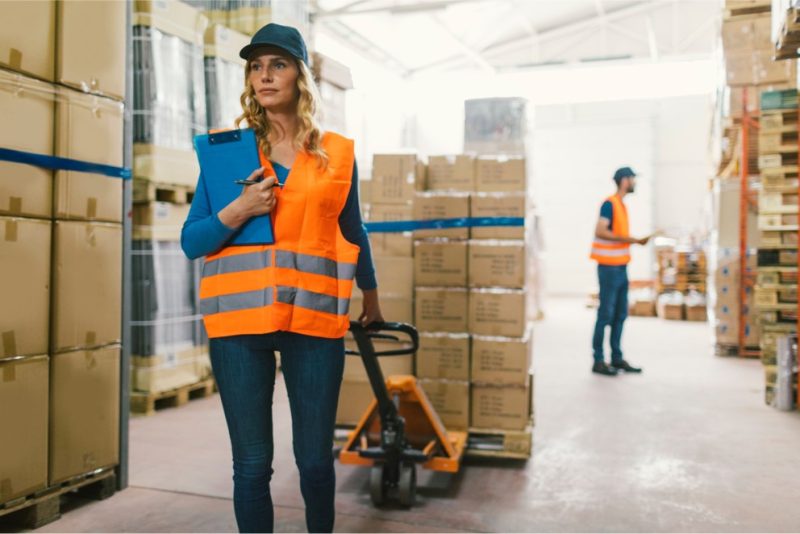
De maximale laadcapaciteit van een vrachtwagen (FTL) is het praktische antwoord op de vraag hoeveel pallets u in een volle vrachtwagen kunt vervoeren zonder de gewichtslimieten te overschrijden of de lading te beschadigen. Deze handleiding vergelijkt standaard GMA- en europallets, legt de daadwerkelijke aantallen pallets in trailers uit en laat zien hoe laadpatronen en regelgeving het werkelijke FTL-aantal beïnvloeden. U zult zien hoe afmetingen in millimeters, pallettype en stapelregels zich vertalen naar veilige en efficiënte palletaantallen voor gangbare trailerformaten in verschillende regio's. Het gebruik van een handmatige palletwagen of een hydraulische pallettruck kan bijvoorbeeld helpen het laadproces te optimaliseren. Daarnaast zorgt apparatuur zoals een vatendolly of een dubbele grijper voor vaten op een heftruck voor een correcte hantering van materialen.
Het bepalen van de maximale vrachtwagencapaciteit per pallettype
De maximale capaciteit van een volle vrachtwagen wordt bepaald door de afmetingen van de pallet, de interne afmetingen van de trailer en het laadpatroon. Het aantal pallets in een volle vrachtwagen varieert dus afhankelijk van het type en de oriëntatie van de pallet. In dit gedeelte worden de basiswaarden voor GMA- en Europallets vastgesteld.
Standaard GMA- en europalletafmetingen
Standaard GMA-pallets (VS) en europallets hebben verschillende afmetingen, waardoor ze de laadruimte van de trailer op een heel andere manier vullen en leiden tot een heel verschillend aantal pallets per vrachtwagen.
Het belangrijkste uitgangspunt is eenvoudige geometrie: palletlengte × palletbreedte versus interne lengte × breedte van de trailer. Zodra je de basisafmetingen kent, kun je realistische FTL-afstanden voorspellen in plaats van te gokken "hoeveel pallets er in een volle vrachtwagenlading" passen voor elke route.
| Pallettype: | Nominale maat (mm) | Nominale grootte (inch) | Voetafdrukoppervlakte (m²) | Typisch gebruiksgebied | Operationele impact |
|---|---|---|---|---|---|
| GMA / Noord-Amerikaanse standaard | 1219 × 1016 | 48 × 40 | ≈1.24 | Noord Amerika | Geoptimaliseerd voor het laden van twee pallets naast elkaar in trailers van 2.44–2.48 m breed; voldoet aan de meeste FTL-normen voor "26 pallets". Bron |
| EUR‑1 / Europallet | 1200 × 800 | ≈47.2 × 31.5 | 0.96 | Europa en vele wereldwijde routes | Door de smallere breedte passen er 2 of 3 pallets naast elkaar, waardoor er meer pallets per vrachtwagen vervoerd kunnen worden. Bron |
- GMA 48 × 40: 1219 mm × 1016 mm – Rijdt volgens de klassieke vuistregel van 26-30 pallets per 53-voets trailer.
- Euro 1200 × 800: 1200 mm × 800 mm – Dankzij de kleinere afmetingen kunnen er in veel soorten trailers meer pallets per volle vrachtwagenlading worden geladen.
- Waarom het uitmaakt: Een verschil van 20-25% in ecologische voetafdruk – Dit vertaalt zich direct in een verschil van 20-25% in het aantal pallets dat een vrachtwagen legaal en veilig kan vervoeren.
Hoe de voetafdruk van een pallet wordt omgezet in het aantal pallets.
Om de capaciteit te schatten, deel je het bruikbare vloeroppervlak van de trailer door de afmetingen van de pallets en trek je daar vervolgens 10-20% vanaf voor openingen, opvulmateriaal en beperkingen door deuren. Dit is de reden waarom het werkelijke aantal FTL-vrachten altijd lager ligt dan het puur geometrische maximum.
💡 Opmerking van de veldtechnicus: Controleer altijd de daadwerkelijke palletoverhang. Een lading van "48 × 40" die uitpuilt tot 1225-1230 mm kan een draaiend of zijwaarts patroon veroorzaken en u 2-4 pallets per lading kosten, vooral in koelcontainers met een smallere binnenbreedte.
Gemiddeld aantal pallets bij FTL-vrachtwagens per trailergrootte
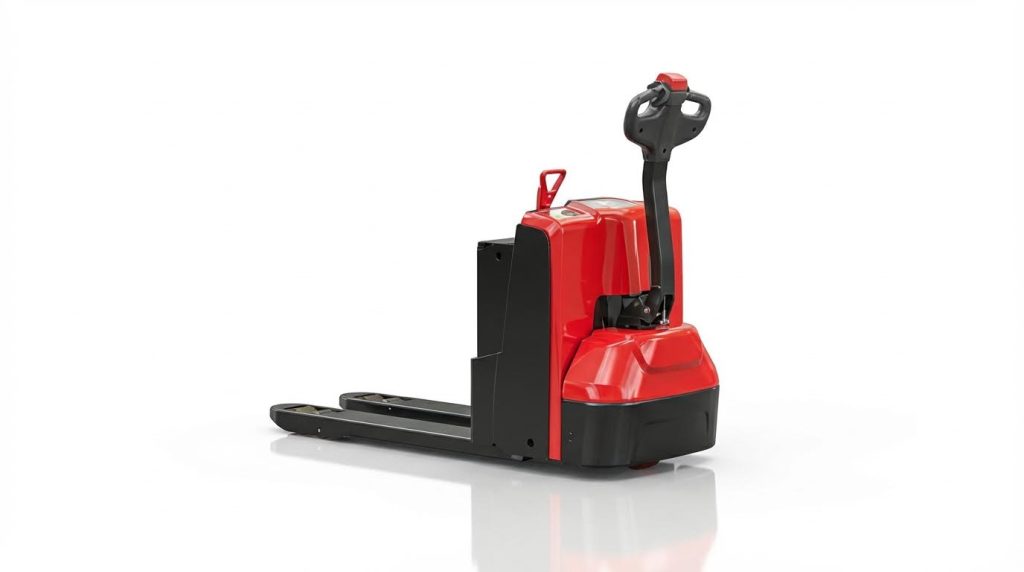
Typische aantallen pallets in een volle vrachtwagen, afhankelijk van de trailergrootte, laten zien dat een "volle vrachtwagen" meestal 24-30 GMA-pallets of 33-39 Europallets bevat, afhankelijk van de lengte van de trailer en het laadpatroon.
Hieronder ziet u hoeveel pallets u doorgaans in een volle vrachtwagenlading kunt verwachten, uitgaande van standaard pallethoogtes, wettelijk toegestane gewichten en pallets in goede staat.
| Apparatuur Type | Pallettype: | Laadpatroon | Gemiddeld aantal pallets (enkele laag) | Operationele impact / Opmerkingen |
|---|---|---|---|---|
| 53 ft (≈16.15 m) gesloten bestelwagen | GMA 1219 × 1016 mm | Straight | 26 | De industriestandaard voor "volle vrachtwagens" op Amerikaanse routes; snel te laden en te lossen. Bron |
| 53 ft gesloten bestelwagen | GMA 1219 × 1016 mm | Pinwheel | 28 | Door de afwisselende oriëntatie zijn er ongeveer 2 pallets extra nodig; dit vereist een nauwkeurigere hantering. Bron |
| 53 ft gesloten bestelwagen | GMA 1219 × 1016 mm | Zijwaarts / strak | 30 | Maximale vloerbedekking indien de deurbreedte dit toelaat; vaak beperkt door de beschikbare ruimte en het risico bij het hanteren van de vloer. Bron |
| aanhanger van 48 ft (≈14.6 m) | GMA 1219 × 1016 mm | Straight | 24 | Gebruikelijke "vol" voor kortere Amerikaanse trailers; eenvoudige laad- en loswerkzaamheden. Bron |
| 48 ft aanhanger | GMA 1219 × 1016 mm | Pinwheel | 26 | Geoptimaliseerd patroon; een goed compromis tussen capaciteit en snelheid. Bron |
| 26 ft (≈7.9 m) gesloten vrachtwagen | GMA 1219 × 1016 mm | Straight | 12 (soms 13-14) | Lokale leveringen; beperkt door wielkasten en deur; 12 is het betrouwbare nummer voor planning. Bron |
| 53 ft aanhanger | Euro 1200 × 800 mm | Geoptimaliseerde | 36-39 | Theoretisch maximum ≈39; in de praktijk zijn er meestal 36-39 europallets per FTL. Bron |
| 48 ft aanhanger | Euro 1200 × 800 mm | Geoptimaliseerde | ≈36 | Deuren, bevestigingsbanden en luchtkieren zorgen er meestal voor dat je net onder het geometrisch maximum blijft. Bron |
| Bakwagen van 26 voet | Euro 1200 × 800 mm | Geoptimaliseerde | Tot 18 (theoretisch) | Vaak wordt de speling verminderd door de breedte van de deur; plan een kleinere speling, tenzij je zeker weet dat er voldoende ruimte is. Bron |
- Vuistregel voor GMA: 24–26 pallets in een container van 48 voet, 26–30 pallets in een container van 53 voet – Dat is wat de meeste transporteurs bedoelen met "volle vrachtwagenlading".
- Vuistregel voor de euro: 33–39 pallets in lange trailers – Dit is gebruikelijk bij materieel van Europese specificaties en op internationale intermodale routes.
- Containers versus vrachtwagens: In een 20ft container passen ongeveer 10 Amerikaanse pallets of 11 europallets; in een 40ft container passen ongeveer 20 Amerikaanse pallets of 23-24 europallets. Bron
Waarom uw "volle vrachtwagen" mogelijk minder pallets bevat dan de tafel.
De wettelijk vastgestelde brutogewichten van 36,000–40,000 kg kunnen ertoe leiden dat u bij dichtgepakte vracht slechts 60–80% van het theoretische aantal pallets kunt vervoeren, zelfs als er nog vrije vloerruimte beschikbaar is.
💡 Opmerking van de veldtechnicus: Wanneer een planner vraagt "hoeveel pallets zitten er in een volle vrachtwagenlading?", antwoord ik altijd met een bereik en vraag ik vervolgens naar het gemiddelde palletgewicht en de gemiddelde pallethoogte. Bij zware goederen bepalen de asbelastingen, en niet de vloeroppervlakte, meestal het werkelijke aantal pallets in een volle vrachtwagenlading.
Laadpatronen, gewichtslimieten en stapelregels
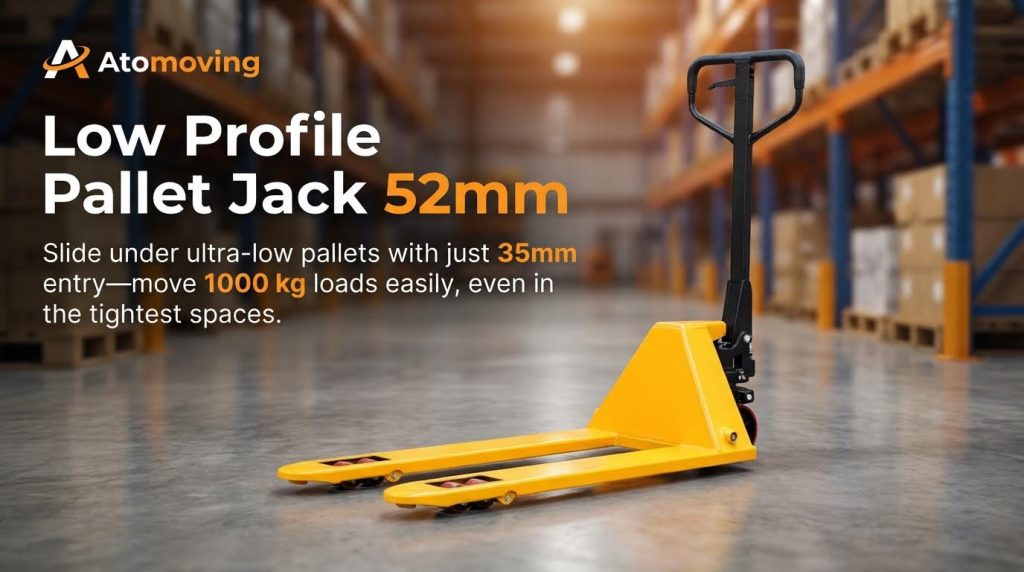
In dit gedeelte wordt uitgelegd waarom "het aantal pallets in een volle vrachtwagenlading" nooit een eenduidig getal is: het laadpatroon, de asbelasting en de stapelhoogte vormen meestal een beperking, nog voordat de beschikbare vloerruimte dat doet.
Voor elke FTL-verplaatsing kiest u eerst een palletindeling, controleert u vervolgens het asgewicht en het totaalgewicht, en bevestigt u de veilige stapelhoogte. Pas nadat al deze drie controles zijn geslaagd, heeft u een realistisch aantal pallets per vrachtwagen.
💡 Opmerking van de veldtechnicus: Als een verlader zegt dat een 53 ft trailer "altijd 26 pallets kan bevatten", vraag dan naar de pallethoogte en het gewicht per pallet. In de praktijk bereikt zware vracht vaak het wettelijk toegestane gewicht bij 18-22 pallets, terwijl lichte vracht wordt beperkt door hoogte en stabiliteit, niet door de beschikbare vloerruimte.
Rechtstreeks, draaiend en zijwaarts palletladen
Het laadpatroon is de eerste factor die bepaalt hoeveel pallets er in een volle vrachtwagen passen zonder deuren, muren of het geduld van de chauffeur op de proef te stellen.
Verschillende oriëntaties beïnvloeden zowel het aantal pallets als de manier waarop krachten zich verspreiden naar de vloer en zijwanden van de trailer tijdens het remmen en het nemen van bochten. De onderstaande tabellen geven een overzicht van typische capaciteiten en de afwegingen die in de praktijk moeten worden gemaakt.
| Type aanhangwagen | Pallettype: | Laadpatroon | Typisch aantal pallets op de vloer | Operationele impact |
|---|---|---|---|---|
| 53 ft gesloten bestelwagen | GMA 1219 × 1016 mm (48 × 40 inch) | Straight | 26 pallets | Snel laden; eenvoudig patroon; standaard FTL-antwoord op de vraag "hoeveel pallets zitten er in een volle vrachtwagenlading" voor lichte tot middelzware vracht. in de praktijk. |
| 53 ft gesloten bestelwagen | GMA 1219 × 1016 mm | Windmolen / gedraaid | 28 pallets (tot 26 bij sommige leveranciers) | 2 extra pallets in vergelijking met een rechte opstelling; laden duurt iets langer; betere benutting van de zijdelingse ruimte. voor lange bestelwagens. |
| 53 ft gesloten bestelwagen | GMA 1219 × 1016 mm | Zijdelings | Tot 30 pallets | Maximaal aantal mogelijk, maar de breedte van de deur en de ruimte in de muur beperken vaak het gebruik; er is een groter risico op schade als de toleranties te klein zijn. in echte vloten. |
| 48 ft gesloten bestelwagen | GMA 1219 × 1016 mm | Straight | 24 pallets | Typisch antwoord op de vraag "hoeveel pallets zitten er in een volle vrachtwagen?" op rijstroken van 14,6 meter (48 ft); eenvoudig te plannen en te laden. voor GMA-pallets. |
| 48 ft gesloten bestelwagen | GMA 1219 × 1016 mm | Pinwheel | 26 pallets | +2 pallets in vergelijking met een rechte lijn; vereist mogelijk nauwkeuriger heftruckwerk en beter opgeleide operators. |
| Bakwagen van 26 voet | GMA 1219 × 1016 mm | Straight | 12 pallets | Basiscapaciteit voor LTL/FTL-crossover; incidenteel 13-14 indien toleranties en product dit toelaten. onder ideale omstandigheden. |
| 53 ft gesloten bestelwagen | Euro 1200 × 800 mm | Geoptimaliseerd patroon | 36–39 palletten | Hoog volumebenutting; het ontwerp moet ruimte bieden voor omsnoering, luchtcirculatie en inspecties. in lange bestelwagens. |
- Rechtstreeks laden: Alle pallets moeten dezelfde kant op georiënteerd zijn. Het meest geschikt wanneer snelheid, eenvoudige instructies en herhaalbaar laden prioriteit hebben.
- Laden van het windmolentje: Wisselende oriëntatie om in elkaar grijpende voetafdrukken te creëren – Hiermee kunnen met minimale inspanning 2 pallets in een 48-53 ft-transportsysteem worden vervoerd.
- Laden via de zijkant: Pallets 90° gedraaid om het aantal rijen te vergroten – Maximaliseert het aantal verdiepingen, maar is gevoelig voor de breedte en de overstek van de deuren.
Wanneer moet je agressieve draaiende/zijwaartse bewegingen vermijden?
Vermijd strakke, spiraalvormige of zijwaartse patronen wanneer pallets niet uniform zijn, er vaak sprake is van overhang of wanneer de vracht kwetsbaar is aan de hoeken. In deze gevallen zijn geometrische maxima zinloos, omdat de werkelijke schadekosten niet opwegen tegen het voordeel van 1 tot 4 extra pallets.
Asgewichten, brugwetgeving en lastverdeling
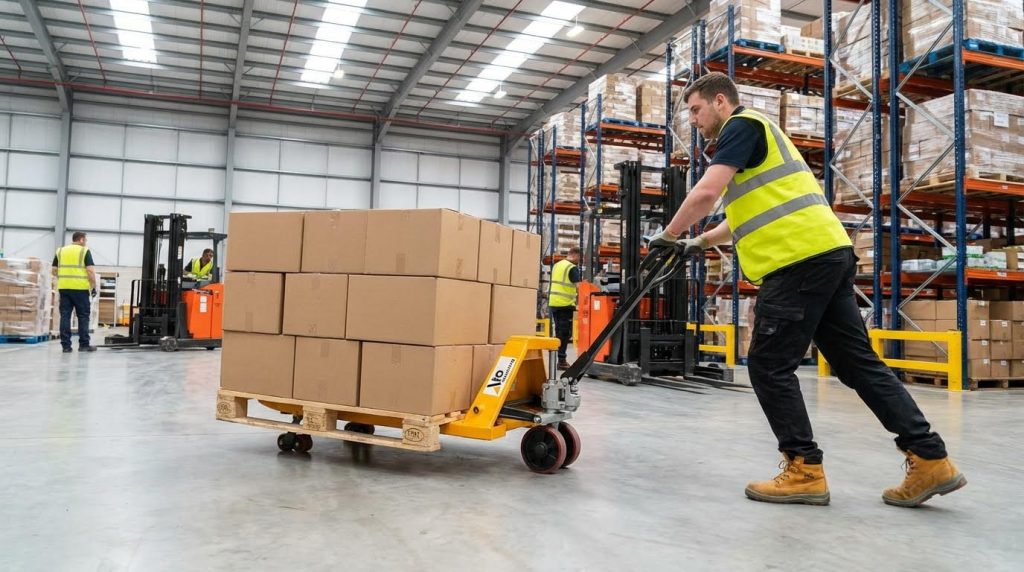
Gewichtsregels, en niet de geometrie, bepalen doorgaans hoeveel pallets in een volle vrachtwagenlading je legaal over de openbare weg mag vervoeren.
De meeste snelwegen hanteren een maximumgewicht van ongeveer 36,000-40,000 kg, waardoor zware producten in de praktijk vaak al bij 60-80% van het theoretische aantal pallets de wettelijke massa bereiken.
| Factor | Typische limiet / conditie | Operationele impact op het aantal pallets |
|---|---|---|
| Bruto voertuiggewicht | ≈ 36,000–40,000 kg snelweglimiet | Zware vracht kan bij 60-80% van de geometrische palletcapaciteit het wettelijk toegestane gewicht bereiken, waardoor er ongebruikte vloerruimte overblijft. |
| Asgroeplimieten | De stuur-, aandrijf- en aanhangerasgroepen hebben elk een maximale belasting. | Een onjuiste verdeling kan leiden tot overbelasting van één as, zelfs wanneer het totale gewicht wettelijk is toegestaan, waardoor pallets verwijderd of opnieuw bewerkt moeten worden. |
| Brugwetten | Regel het gewicht ten opzichte van de asafstand. | Een geconcentreerd gewicht nabij de neus of staart kan de afstandsregels schenden, vooral bij zeer compacte producten. |
| Lading distributie | Gelijkmatig verdeeld over de lengte van de trailer | Vereist dat de zwaarste pallets boven de assen worden geplaatst, waardoor stapelen aan de voor- of achterkant soms wordt beperkt. |
| Productdichtheid | kg per pallet versus wettelijk toegestaan gewicht | Vracht met een lage dichtheid is beperkt door het volume; vracht met een hoge dichtheid is beperkt door het gewicht, vaak minder dan 26 pallets in een bestelwagen van 53 meter. |
- Zwaarder dan verwacht: Herbereken het aantal kg per pallet – Bij een hoge productdichtheid heeft u mogelijk slechts 18-22 pallets nodig in een trailer van 53 meter om aan de wettelijke eisen te voldoen.
- Gemengde gewichten: Plaats de zwaarste pallets boven de aandrijfassen en de assen van de trailer. Vermindert het risico op overbelasting van een enkele asgroep.
- Koeltrailers: Houd rekening met zwaardere apparatuur en isolatie. Het beschikbare laadvermogen is lager dan in een gesloten bestelwagen van vergelijkbare grootte.
Hoe digitale planners helpen bij het voldoen aan de asregelgeving
Moderne hulpmiddelen voor het plannen van ladingen simuleren asgewichten voor elke palletpositie en testen duizenden patronen om binnen de groeps- en bruglimieten te blijven. Ze genereren diagrammen, pallettellingen en kubieke ruimtebenutting, waarbij gerapporteerde pallettellingswinsten van meer dan 15% worden behaald bij de overstap van handmatige naar AI-gestuurde lay-outs in de praktijk.
💡 Opmerking van de veldtechnicus: Als het gewicht per pallet meer dan ongeveer 1,000-1,200 kg bedraagt, ga er dan vanuit dat u een gewichtsbeperking hebt, en niet een ruimtebeperking. Plan om 60-80% van het theoretische aantal pallets te vullen en pas dit vervolgens aan op basis van de asbelastingmetingen op het terrein.
Enkelvoudig versus dubbel stapelen en hoogtebeperkingen
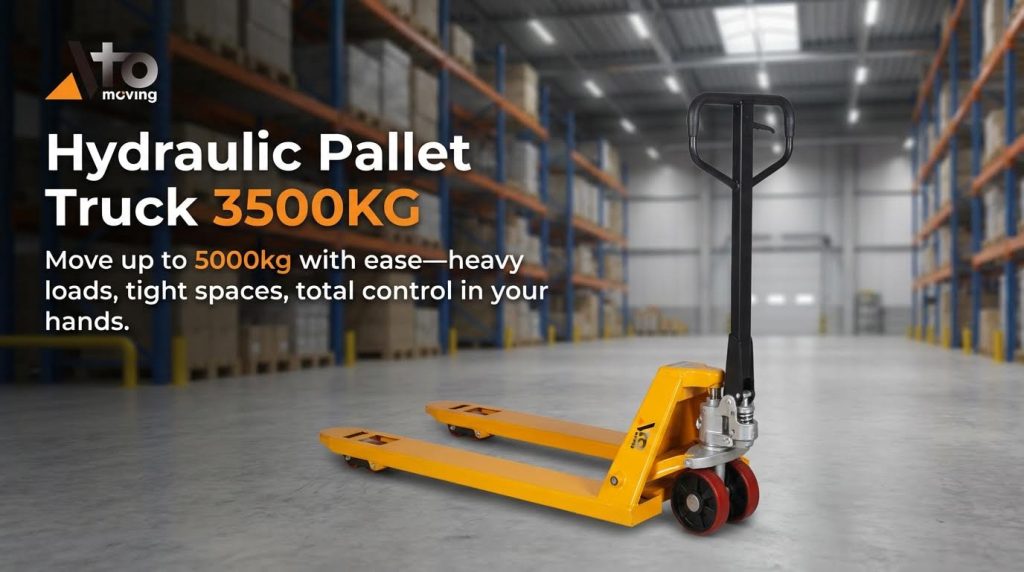
De stapelstrategie en de interne hoogte bepalen of de vloeroppervlakte of de verticale vrije ruimte beperkt hoeveel pallets er veilig in een volle vrachtwagenlading vervoerd kunnen worden.
Enkelvoudig stapelen houdt het zwaartepunt laag, maar verspilt de hoofdruimte bij lichte vracht, terwijl dubbel stapelen het aantal pallets bijna verdubbelt als de palletsterkte, productverpakking en trailerhoogte dit toelaten.
| Scenario | Gemiddeld aantal verdiepingen | Enkelvoudige stapelpallets | Dubbelgestapelde pallets (theoretisch) | Operationele impact |
|---|---|---|---|---|
| 26 ft gesloten bestelwagen, GMA-pallets | 12–14 pallets op de vloer | 12–14 palletten | 24–28 palletten | Door dubbel te stapelen kan de capaciteit bijna verdubbeld worden als het product en de pallet geschikt en stabiel genoeg zijn. in korte vrachtwagens. |
| 53 ft gesloten oplegger, GMA-pallets | 26 pallets op de vloer (rechtop) | 26 pallets | Tot 52 pallets | Vereist een lage pallethoogte, zodat twee lagen plus de dikte van het dek binnen een interne hoogte van circa 2,600-2,800 mm passen. |
| 53 ft gesloten oplegger, hoge vracht | 26 pallets op de vloer | 26 pallets | Niet mogelijk | Als de vrachthoogte per pallet meer dan circa 1,200 mm bedraagt, wordt dubbelstapelen geblokkeerd door de hoogte van het dak. volgens de specificaties van de trailer. |
- Controleer de pallethoogte: Meet de laadhoogte inclusief pallet. Twee op elkaar gestapelde ladingen plus eventueel opvulmateriaal moeten met een veiligheidsmarge boven de binnenhoogte van de trailer uitsteken.
- Controleer de pallet- en productclassificatie: Controleer de maximale belasting en de compressiewaarden. Voorkomt dat producten tijdens transport beschadigd raken of dat pallets bezwijken.
- Controle zwaartepunt: Houd zwaardere, dichtere pallets op de vloer – Vermindert het risico op kantelen en het slingeren van de trailer, met name bij harde wind of noodmanoeuvres.
- Gebruik tussenbladen/lagen: Voeg vellen tussen de lagen toe – Verbetert de wrijving en voorkomt verschuiving tussen de lagen tijdens het remmen.
Waarom de kubusbenutting zelden 100% bereikt
Zelfs bij dubbele stapeling wordt bij de meeste FTL-ladingen slechts 80-90% van de laadruimte benut vanwege de verschillende palletformaten, overhang, opvulmateriaal en de benodigde ruimte voor luchtcirculatie of inspectie in de praktijk . Wettelijke gewichtslimieten en stapelregels beperken het theoretische maximum aantal pallets doorgaans tot een veilig en conform aantal.
💡 Opmerking van de veldtechnicus: Als vuistregel geldt dat als de hoogte van uw enkelvoudige palletstapel al boven de 1,400-1,500 mm ligt, u zich beter kunt concentreren op het stabiliseren van één laag in plaats van te proberen dubbel te stapelen. De extra pallets die u er mogelijk tussen kunt proppen, wegen zelden op tegen het risico dat een hoge, topzware lading verschuift bij hard remmen.
FTL-planning voor verschillende markten en apparatuur
Bij het plannen van FTL-ritten voor verschillende markten en materieel is het belangrijk om de regionale palletstandaarden en trailerformaten op elkaar af te stemmen, zodat je daadwerkelijk het geplande aantal pallets in een volle vrachtwagenlading krijgt. Als je dit verkeerd aanpakt, verspil je 10-25% van je laadruimte en overtreed je vaak de gewichtsregels.
Noord-Amerikaanse, Europese en Aziatische palletnormen
De Noord-Amerikaanse, Europese en Aziatische palletnormen bepalen de afmetingen van een vrachtwagen, waarmee wettelijk en veilig een bepaald aantal pallets per vrachtwagen in elke regio mag worden vervoerd. Vrachtwagenladingen worden eerst op basis van deze afmetingen gepland, en vervolgens op basis van het gewicht.
De onderstaande tabel koppelt gangbare regionale palletformaten aan typische FTL- en containercapaciteiten, zodat u ladingen in verschillende markten kunt vergelijken.
| Regio / Context | Standaard palletafmetingen (mm) | Gemeenschappelijke uitrusting | Typisch aantal pallets per lading (enkele stapels) | Operationele impact / Het meest geschikt voor… |
|---|---|---|---|---|
| Noord-Amerika (GMA) | 1219 x 1016 mm (48 x 40 inch) standaard maatreferentie | 53 ft gesloten bestelwagen | 26 pallets recht; 28 in een draaiplateau; tot 30 pallets dwars op de vloer. capaciteitsgegevens | Standaardantwoord op de vraag "hoeveel pallets zitten er in een volle vrachtwagenlading" voor gesloten bestelwagens in de VS. |
| Noord-Amerika (GMA) | 1219 × 1016 mm | 48 ft gesloten bestelwagen | 24 recht; ~26 windmolen op de vloer capaciteitsgegevens | Handig voor regionale routes en oudere wagenparken die nog steeds met 48 ft trailers rijden. |
| Noord-Amerika (GMA) | 1219 × 1016 mm | Bakwagen van 26 voet | Ongeveer 12 pallets; 13-14 onder ideale omstandigheden. capaciteitsgegevens | Stadsleveringen en pendeldiensten van distributiecentra naar lokale klanten. |
| Europa (EUR‑1 / Euro) | 1200 × 800 mm Europese maatreferentie | Standaard EU-aanhanger (ca. 13.6 m) | Tot 33 europallets in één laag in metrische trailers. capaciteitsgegevens | Europees antwoord op "volle vrachtwagenlading" voor FMCG- en retailnetwerken. |
| Global Containers – focus op Europa | 1200 × 800 mm | 20ft container | Ongeveer 11 europallets, enkel gestapeld. containergegevens | Gebruikt voor exportroutes waarbij europallets in het distributiecentrum van bestemming blijven. |
| Global Containers – focus op Europa | 1200 × 800 mm | 40ft container | Ongeveer 23-24 europallets in een enkele stapel. containergegevens | Standaard FCL-planningsbasis voor op europallets gepalletiseerde export. |
| Global Containers – focus op de VS | 1219 × 1016 mm | 20ft container | Ongeveer 10 Amerikaanse pallets, enkel gestapeld. containergegevens | Typisch voor exportladingen van Amerikaanse oorsprong die gebruikmaken van GMA-pallets. |
| Global Containers – focus op de VS | 1219 × 1016 mm | 40ft container | Ongeveer 20 Amerikaanse pallets, enkel gestapeld. containergegevens | Belangrijk planningscijfer voor FCL-vracht over zee tussen Noord-Amerika en overzeese markten. |
| Azië (Industrieel) | 1200 × 1000 mm (Industriële pallet) Aziatische palletafmetingen | Regionale vrachtwagens / containers | Verschilt per lichaamsgrootte; voetafdruk vergelijkbaar met de Amerikaanse GMA. | Een goede compromisgrootte voor gemengde export-/importstromen. |
| Azië (Aziatische standaard) | 1100 × 1100 mm (Aziatische standaardpallet) Aziatische palletafmetingen | Regionale vrachtwagens / containers | Het aantal vrachtwagens en containers is afhankelijk van de interne breedte; vaak minder efficiënt bij EU-trailers. | Komt veel voor in Oost- en Zuidoost-Azië; mogelijk moet het product opnieuw gepalletiseerd worden voor transport naar de EU/VS. |
In alle regio's is de vraag "hoeveel pallets zitten er in een volle vrachtwagen?" alleen relevant als je het pallettype, de trailer of container, en of je van plan bent om enkel- of dubbelgestapeld te laden, specificeert.
- Pallet koppelen aan rijstrook: Gebruik europallets van 1200 × 800 mm voor transport binnen de EU. Voorkomt onnodige breedte bij metrische trailers.
- Plan voor herpalletisering: Bij het verzenden van GMA-pallets naar Europese netwerken dient u rekening te houden met de tijd en kosten voor het opnieuw stapelen. Voorkomt knelpunten bij inkomende distributiecentra.
- Bekijk het gewicht versus de kubus: In Noord-Amerika kan een compacte lading al bij 18-22 pallets de wettelijke limiet bereiken, terwijl er 26-30 op de vloer passen. voorkomt overtredingen met betrekking tot overgewicht.
- Afstemmen op de stellingen van de klant: Sommige magazijnen in de EU en Azië slaan alleen Euro-pallets of pallets van 1100 × 1100 mm op. Een verkeerde palletmaat vermindert de losefficiëntie aanzienlijk.
💡 Opmerking van de veldtechnicus: Wanneer u Euro- en GMA-pallets in dezelfde FTL combineert, zorg er dan voor dat één standaardpallet per rij overheerst. Willekeurige mixen creëren lelijke lege plekken langs de wanden en kosten u meestal 1-2 palletposities per vrachtwagen.
Hoe schat je snel het aantal pallets per vrachtwagen in verschillende regio's?
Begin in de regel met de bekende regionale norm voor een "volle vrachtwagen" (26-30 GMA-pallets in een 53-voets gesloten oplegger, 33 europallets in een EU-oplegger). Pas dit vervolgens naar beneden aan voor: 1) zwaardere producten dan gemiddeld, 2) gemengde palletformaten en 3) benodigde ruimte voor luchtcirculatie of inspectie.
Gebruikmaken van kubusbenutting en digitale belastingplanners

Door gebruik te maken van ruimtebenutting en digitale laadplanners kunt u het aantal pallets in een volle vrachtwagenlading omzetten van een schatting naar een datagestuurd getal voor elke route, productmix en trailersoort.
De benutting van de laadruimte vergelijkt het gebruikte volume met het totale interne volume van de trailer of container. Goed geplande palletladingen bereiken in de praktijk doorgaans een benutting van de laadruimte van ongeveer 80-90% , omdat gewichtslimieten, luchtstroom en bevestigingsvoorschriften in acht moeten worden genomen.
| Planningsconcept / -tool | Wat het doet | Typische prestaties / limieten | Operationele impact |
|---|---|---|---|
| Kubusbenutting (%) | Vergelijkt het geladen volume met het interne volume van de trailer of container. | Goed geplande FTL-palletladingen bereiken in de praktijk een succespercentage van ongeveer 80-90%. gebruiksgegevens | Geeft aan of er "lucht" in de trailer achterblijft die beter benut zou kunnen worden met een ander patroon. |
| Gewicht versus ruimte: controle | Vergelijkt het totale palletgewicht met de wettelijke voertuiglimieten. | De maximumsnelheid voor voertuigen op de snelweg ligt vaak rond de 36,000–40,000 kg. gewichtslimietgegevens | Bij een hoge dichtheid van de lading kan het wettelijk toegestane gewicht al bereikt worden bij slechts 60-80% van het theoretische aantal pallets. |
| Patroonoptimalisatoren | Software die duizenden palletoriëntaties en -sequenties test. | Met behulp van AI-gebaseerde tools kan het aantal pallets met meer dan 15% toenemen in vergelijking met handmatige lay-outs. AI-optimalisatiegegevens | Hiermee wordt een lading van 26 pallets, volgens de vuistregel, omgezet in 28-30 pallets zonder de regels te overtreden. |
| 2D/3D-belastingsdiagrammen | Visuele kaarten van de posities, hoogtes en tussenruimtes van pallets. | Automatisch gegenereerd door moderne hulpmiddelen voor het plannen van de belasting. gereedschapsbeschrijving | Vermindert laadfouten en versnelt de werkzaamheden in het havengebied. |
| Productspecifieke regels | Beperkingen zoals "niet dubbel stapelen", "rechtop houden" of "geen verschillende artikelnummers op één pallet combineren". | Ingebed in digitale planners als parameters. | Zorgt ervoor dat optimalisatie de kwaliteit en veiligheid respecteert, en niet alleen het aantal pallets. |
- Standaardiseer de invoergegevens: Registreer de palletafmetingen (L × B × H) in mm en het gewicht in kg voor elk artikelnummer (SKU). In elke planner geldt: slechte input leidt tot slechte output.
- Modelleer echte trailers: Gebruik de werkelijke interne lengte, breedte en hoogte, niet de afmetingen uit de brochure. Isolatiemateriaal en afdekplaten nemen ruimte in beslag.
- Vermeld de wettelijke gewichten: Stel bruto- en asgroeplimieten in, zodat de optimizer overgewichtpatronen kan afwijzen. Voorkomt verrassingen langs de weg.
- Vergelijk scenario's: Uitvoeren met alleen één stack versus met twee stacks toegestaan – kwantificeert het voordeel van stevigere pallets of verpakkingen.
💡 Opmerking van de veldtechnicus: Wanneer de kubusbenutting in een model boven de ~90% uitkomt, controleer ik altijd de manoeuvreerruimte bij het laadperron. Een patroon dat er op het scherm perfect uitziet, kan chauffeurs dwingen om de laatste pallet er met geweld tussen te proppen, wat de schade en de laadtijd verhoogt.
Een praktische manier om met behulp van software de vraag "hoeveel pallets zitten er in een volle vrachtwagen?" te beantwoorden.
Definieer de trailer (interne afmetingen in mm en maximaal gewicht in kg), importeer de afmetingen en gewichten van uw pallets, voeg regels toe (stapelbaar, oriëntatie, rechtop houden) en laat de planner vervolgens patronen genereren. Gebruik het eerste patroon dat: 1) onder het wettelijk toegestane gewicht blijft, 2) voldoet aan de productregels en 3) een laadruimtebenutting van minimaal 80% oplevert. Dat is het operationele aantal FTL-pallets voor die route en productmix.
Tot slot nog enkele overwegingen over het optimaliseren van het aantal pallets per vrachtwagenlading.
De maximale laadcapaciteit van een vrachtwagen is nooit een vast getal. Het is het resultaat van de afmetingen van de pallet, de geometrie van de trailer, het laadpatroon, de wettelijke gewichten en de stapellimieten die samen spelen. Wanneer planners 26 GMA-pallets of 33 europallets als een vaste regel hanteren, laten ze ofwel betaalde capaciteit ongebruikt, ofwel riskeren ze overgewicht en schade.
De beste werkwijze is om te beginnen met regionale palletnormen en de interne structuur van de trailer, en vervolgens de daadwerkelijke productgegevens toe te voegen. Je meet de lengte, breedte, hoogte en het gewicht van de pallet. Je kiest een laadpatroon dat je laadperrons en chauffeurs kunnen herhalen. Vervolgens controleer je de asbelasting en de stapelsterkte voordat je een lading als "vol" beschouwt.
Digitale laadplanners en eenvoudige hulpmiddelen van Atomoving, zoals palletwagens en apparatuur voor het hanteren van vaten, helpen teams deze regels bij elke dienst toe te passen. Ze vertalen geometrie en regelgeving naar duidelijke patronen en veilige handelingen. Leidinggevenden in de operationele processen moeten deze aanpak standaardiseren per rijstrook en productfamilie, de goedgekeurde palletbereiken documenteren en laders trainen om deze te volgen. Goed uitgevoerd, verlaagt deze methode de transportkosten per eenheid, beschermt de vracht en zorgt ervoor dat elke vrachtwagen legaal en stabiel op de weg blijft.
Veelgestelde Vragen / FAQ
Hoeveel pallets zitten er in een volle vrachtwagenlading?
Een volle vrachtwagenlading bevat doorgaans 24 tot 30 pallets, afhankelijk van het type voertuig. Een standaard 53-voets gesloten oplegger kan bijvoorbeeld 26 pallets enkel gestapeld of tot 52 pallets dubbel gestapeld vervoeren. Zie de handleiding voor palletcapaciteit van vrachtwagens.
Wat wordt verstaan onder een volle vrachtwagenlading?
Een volle vrachtwagenlading kan ook worden gedefinieerd aan de hand van het gewicht, tot maximaal 44,000 pond. Het exacte aantal pallets hangt af van hun grootte en de indeling in de trailer. Definitie van een volle vrachtwagenlading.
Hoeveel pallets passen er op een vrachtwagen van 24 voet?
In een vrachtwagen met een laadbak van 7,3 meter passen 12 pallets enkel gestapeld of 24 pallets dubbel gestapeld. Deze berekening gaat uit van standaard palletafmetingen van 122 cm (48 inch) lengte. Afmetingen voor palletverzending.