A tecnologia de separação de pedidos evoluiu da simples leitura por radiofrequência (RF) para sistemas automatizados, robóticos e de mercadoria para pessoa, que reduzem erros, tempo de deslocamento e custos de mão de obra. Este guia explica como as soluções modernas impactam a precisão, a produtividade, a segurança e o retorno sobre o investimento (ROI) a longo prazo, para que você possa projetar uma operação de separação de pedidos preparada para o futuro.
Evolução da varredura por radiofrequência para a captura inteligente de dados.
A evolução da tecnologia de separação de pedidos passa de simples leituras de código de barras por radiofrequência para a captura inteligente de dados que conecta pessoas, produtos e sistemas em tempo real. O objetivo é maior precisão, separação mais rápida e operações mais seguras e com custos reduzidos.
Nesta seção, abordaremos RF, voz, pick-to-light e RFID, e mostraremos como eles se integram ao WMS e à IoT para uma separação de pedidos preparada para o futuro.
Noções básicas de digitalização por radiofrequência, voz e seleção por luz.
A leitura por radiofrequência (RF), o comando de voz e o sistema pick-to-light são camadas fundamentais da tecnologia de separação de pedidos que orientam os operadores, confirmam cada ação e reduzem o tempo de deslocamento e busca.
Cada método altera a forma como a informação flui entre o WMS e o operador, o que impacta diretamente o tempo de deslocamento, as taxas de erro e as necessidades de treinamento.
- Leitura de código de barras por radiofrequência (RF): Terminais portáteis com leitores de código de barras 1D/2D – Confirma a localização e o item a cada coleta para reduzir erros de separação.
- Seleção guiada por voz: Fone de ouvido e microfone fornecem instruções verbais – Mantém as mãos e os olhos livres, melhorando a ergonomia e a segurança em corredores movimentados.
- Escolha para iluminar: Luzes e displays nas faces dos racks – Indica visualmente o SKU e a quantidade exatos, ideal para itens pequenos de alta rotatividade.
- Terminais de radiofrequência em caminhões: Dispositivos montados em porta-paletes ou selecionadores de pedidos – Ideal para separação de pedidos em caixas e paletes em longas distâncias de deslocamento.
- Fluxos de trabalho híbridos: RF mais voz ou luz – Permite ajustar o método à velocidade, ao valor e à sensibilidade a erros do SKU.
Quando usar RF, voz ou seleção por luz
Use RF onde você precisa de roteamento flexível e informações detalhadas na tela. Use comando de voz em áreas refrigeradas ou com pouca luz, onde as telas embaçam ou refletem a luz. Use a tecnologia pick-to-light em fluxos intensos de caixas ou prateleiras com SKUs de alta rotatividade, onde cada segundo e cada erro na separação de produtos são cruciais.
💡 Nota do Engenheiro de Campo: Em corredores estreitos de 2.5 a 3.0 m, unidades de voz ou de radiofrequência compactas reduzem as colisões de dispositivos com as estruturas de armazenamento. Scanners maiores, do tipo pistola, frequentemente sofrem impactos, causando desalinhamento e reparos dispendiosos.
Precisão e visibilidade em tempo real habilitadas por RFID
A tecnologia RFID transforma a separação de pedidos, passando da confirmação ponto a ponto para uma visibilidade contínua e em tempo real de itens, localizações e ativos em todo o armazém.
Em vez de escanear cada código de barras, os leitores detectam automaticamente os itens etiquetados, o que altera a dinâmica de quanto tempo realmente leva a contagem, a separação e a verificação.
- Identificação de entrada em tempo real: Leitores fixos nos cais de recebimento identificam remessas etiquetadas e atualizam o inventário instantaneamente. Elimina a necessidade de leitura manual de códigos de barras e reduz erros de recebimento. Recepção RFID em tempo real
- Sugestões inteligentes de armazenamento: A tecnologia RFID, combinada com dados de layout, identifica locais vazios e sugere espaços para armazenamento. Reduz o tempo de busca e aumenta a densidade de armazenamento em sistemas de estantes com precisão milimétrica. otimização de armazenamento RFID
- Selecionando a confirmação: Leitores RFID portáteis ou instalados em veículos confirmam se o item selecionado corresponde ao item do pedido. Reduz erros de separação sem a necessidade de linha de visão direta para o código de barras. precisão de coleta RFID
- Contagem rápida de estoque: Funcionários percorrem os corredores enquanto leitores capturam centenas de etiquetas de uma só vez – Auditorias que antes levavam três dias agora podem ser concluídas em horas, reduzindo os períodos de inatividade. Contagem de estoque RFID
- Verificação do portão de embarque: Os portais RFID nos cais de expedição verificam automaticamente as quantidades e os SKUs – Detecta erros de carregamento antes da saída do caminhão, evitando devoluções dispendiosas. verificação de envio por RFID
- Acompanhamento de bens: Etiquetas em paletes, empilhadeiras, ferramentas e contêineres – Melhora a utilização e reduz a perda de equipamentos de movimentação de alto valor. Rastreamento de ativos RFID
- Otimização de rota: A localização em tempo real de itens e trabalhadores alimenta algoritmos que encurtam os trajetos a pé. Particularmente eficaz em instalações de grande porte, com mais de 20,000 m². Otimização de rotas RFID
- Sensibilidade ambiental: A temperatura, a umidade e a geometria da estante afetam o desempenho de leitura. Requer calibração e manutenção regulares para manter a precisão estável. Necessidades de calibração RFID
| função | Método Tradicional | Com RFID | Impacto Operacional |
|---|---|---|---|
| Receber | Leitura manual de código de barras por palete/caixa | Identificação automática por meio de leitores de doca | Maior produtividade no cais e menos erros de recebimento. |
| Contagem cíclica | Escaneamento item por item ou caixa por caixa | A inspeção visual registrou centenas de etiquetas. | Auditorias em horas em vez de dias, menos tempo de inatividade. |
| Selecionando cheque | Escaneie o código de barras linha por linha. | O leitor valida os itens etiquetados na zona. | Confirmação mais rápida, menos erros de seleção. |
| verificação de envio | Verificação de carga manual | O portal verifica todos os itens etiquetados na saída. | Impede envios incorretos antes da partida do caminhão. |
💡 Nota do Engenheiro de Campo: Em câmaras frigoríficas abaixo de 0°C, a condensação e as estruturas metálicas das prateleiras podem afetar a sintonia de algumas antenas RFID. Planeje sempre as zonas de teste e reserve verba para leitores extras ou blindagem, em vez de presumir que os alcances de leitura "no papel" serão suficientes.
Integração de RF e RFID com WMS e IoT
A integração de RF e RFID com WMS e IoT transforma dispositivos individuais em uma pilha de tecnologia de separação de pedidos coordenada, que oferece suporte a decisões em tempo real, rastreabilidade e automação.
O valor reside menos na etiqueta ou no scanner em si e mais na forma como os dados gerados por eles fluem para as camadas de planejamento, execução e análise.
- Integração WMS: Os eventos de RF e RFID atualizam o inventário, as tarefas e as exceções em tempo real. Garante que os separadores de pedidos sempre vejam o estoque atual e suas localizações.
- Conectividade IoT: Leitores, sensores e empilhadeiras transmitem dados para plataformas na nuvem – Permite a otimização dinâmica de rotas e o gerenciamento de congestionamentos.
- Rastreabilidade em blockchain: Os eventos RFID podem ser registrados no blockchain – Aprimora o combate à falsificação e o histórico completo do produto. RFID, IoT e blockchain
- Controle de equipamentos automatizados: A leitura de etiquetas em tempo real pode acionar esteiras transportadoras, classificadores ou robôs móveis autônomos (AMRs). Alinha a coleta humana e a robótica na mesma infraestrutura de dados.
- Tratamento de exceções: Falhas na leitura, erros de marcação ou conflitos de localização geram alertas no WMS – Os supervisores agem antes que os erros afetem o cliente.
- Análise de custos e retorno sobre o investimento (ROI): Etiquetas, leitores, middleware e integração adicionam custos iniciais – O retorno do investimento vem da redução da mão de obra, da diminuição de erros e de uma melhor utilização do espaço. custos de implementação de RFID
Principais perguntas sobre integração a serem feitas à sua equipe de engenharia
Como os eventos de RF e RFID serão mapeados para as transações do WMS? Qual a latência aceitável entre uma leitura e uma atualização de inventário (segundos ou minutos)? Quais zonas realmente precisam de RFID e onde a leitura por RF é suficiente? Como você testará a precisão de leitura em torno de racks metálicos e portas de docas antes da implementação completa?
💡 Nota do Engenheiro de Campo: Trate RF e RFID como infraestrutura, como energia elétrica ou Wi-Fi. Se você subestimar a cobertura da rede ou a densidade de leitores para economizar alguns milhares de euros, muitas vezes perderá muito mais depois com erros de separação, estoque fantasma e chamadas de técnicos.
Sistemas de mercadoria para pessoa e coleta robótica
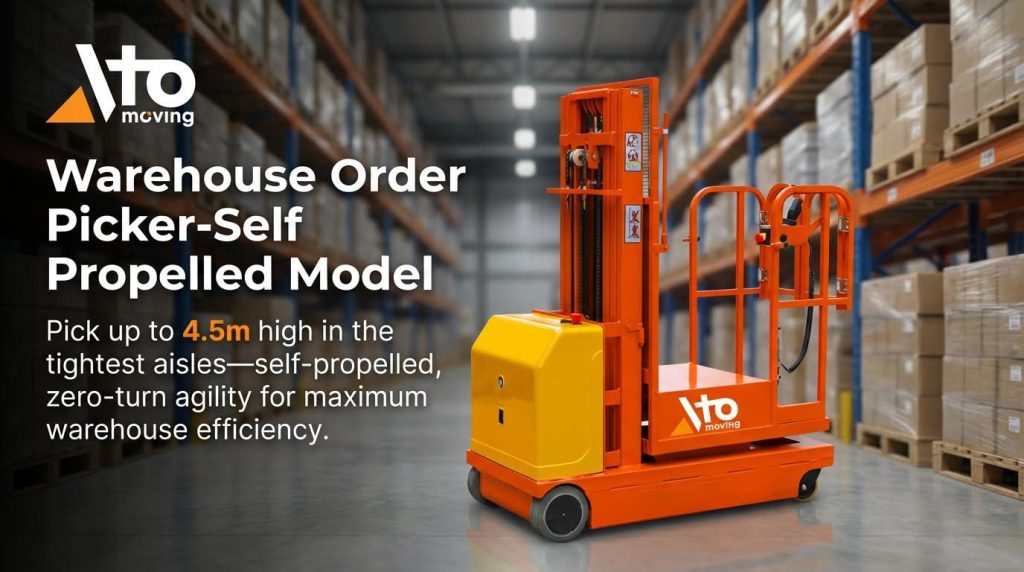
Os sistemas "mercadoria para pessoa" e a separação robótica de pedidos liberam as pessoas dos corredores e colocam a automação no centro da tecnologia de separação de pedidos, aumentando a produtividade, a precisão e a segurança, ao mesmo tempo que reduzem o tempo de deslocamento e a área ocupada.
Nesta seção, relacionamos os tipos de sistemas G2P, plataformas robóticas e métodos de navegação a métricas de engenharia concretas, como coletas por hora, tempo de atividade e carga de manutenção, para que você possa especificar o nível certo de automação para sua instalação.
Tipos de sistemas G2P e parâmetros de desempenho
Os sistemas "mercadoria para pessoa" (G2P) levam caixas, bandejas ou paletes até uma estação de separação fixa, o que aumenta drasticamente as taxas de separação e reduz o tempo de deslocamento perdido na tecnologia de separação de pedidos.
Os diferentes modelos G2P (transportadores, carrosséis, sistemas baseados em AMR, AS/RS de mini-carga) compartilham um objetivo: manter os operadores em uma zona ergonômica enquanto a automação cuida do transporte horizontal e vertical.
| Método de Seleção | Taxa de coleta típica (linhas/hora) | Taxa de precisão | Impacto na produtividade do trabalho | Impacto Operacional |
|---|---|---|---|---|
| Colheita manual a pé | 50-100 | ≈95–98% relatado para sistemas manuais | Linha de Base | A grande distância a percorrer a pé limita a produtividade em armazéns de grande porte. |
| Estação G2P padrão | 200-400 + | Até 99.9% com orientação automatizada | 2 a 3 vezes mais pedidos por hora de trabalho | Garante entregas rápidas e atende a volumes de pico. |
| Célula automatizada de separação de pedidos em caixas | 400-800 + | Taxa de erro <0.5% para sistemas avançados | Substitui de 2 a 4 selecionadores manuais por célula. | Indicado para conjuntos de SKUs estáveis e de alto volume. |
Soluções G2P bem projetadas normalmente reduzem o tempo de deslocamento em 40 a 70%, o que se traduz em ganhos de produtividade de 200 a 300%, já que os operadores se concentram na separação de pedidos em vez de se deslocarem. Estudos de caso documentados mostraram um aumento de 2 a 3 vezes no número de pedidos processados por hora após a instalação do G2P.
- Armazenamento vertical de alta densidade: Os sistemas G2P e AS/RS exploram a altura, muitas vezes reduzindo a área útil em 20 a 40%. Libera espaço para operações de valor agregado ou adia a expansão do edifício.
- Estações de coleta ergonômicas: As bolsas chegam na altura da cintura ou dos ombros – Elimina a necessidade de se curvar e esticar, reduzindo a fadiga e o risco de lesões.
- Trabalho padronizado: Cada estação executa uma sequência repetível – Simplifica o treinamento e estabiliza o tempo de ciclo.
Como o G2P suporta diferentes perfis de armazém
Para e-commerce com grande volume de SKUs, sistemas G2P baseados em shuttles ou robôs móveis autônomos (AMR) processam muitos itens pequenos por pedido. Para B2B ou peças de reposição, pontes rolantes de mini-carga ou módulos de elevação vertical atendem SKUs mais lentos e pesados, com alta densidade de armazenamento. A combinação ideal depende do número de itens por pedido, da quantidade de SKUs e da demanda nos horários de pico.
💡 Nota do Engenheiro de Campo: Ao modelar a produtividade G2P, sempre reduza as taxas de separação de pedidos do catálogo em 10 a 20% para considerar efeitos reais, como danos nas caixas, erros de alocação de SKUs e micro-pausas do operador. Isso mantém sua capacidade projetada realista, em vez de otimista.
Robótica, AMRs, AGVs e navegação SLAM
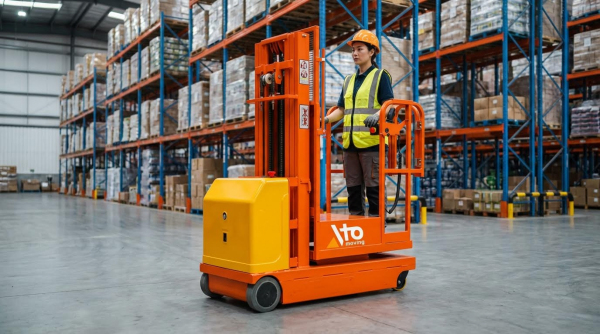
Sistemas robóticos, AMRs e AGVs adicionam movimentação flexível e definida por software à tecnologia de separação de pedidos, usando sensores e navegação SLAM para movimentar mercadorias com segurança sem esteiras ou trilhos fixos.
Essas plataformas levam prateleiras/caixas até as pessoas (G2P robótico) ou realizam a separação totalmente robótica usando braços e visão, com um software de gestão de frota que otimiza cada metro percorrido.
| Tipo de robô | Navegação / Orientação | Papel fundamental na seleção | Métricas-chave | Melhor para… |
|---|---|---|---|---|
| AGV | Caminhos fixos (fita, refletores) | Move paletes/estantes ao longo de rotas predefinidas | Alta repetibilidade; flexibilidade de rota limitada | Fluxos simples e estáveis (ex.: transporte de paletes entre zonas). |
| AMR | Sensores integrados + SLAM | Transporte dinâmico de caixas/carrinhos e G2P | Redução de 30 a 40% na distância percorrida por meio de roteamento com IA. em sistemas gerenciados por frota | Terrenos industriais abandonados com configurações variáveis e picos sazonais. |
| Caminhão autônomo para separação de pedidos | SLAM baseado em laser | Automatiza a separação de pedidos, seja com operador próximo ou em nível operacional. | Precisão de posicionamento ≈±10 mm versus polegadas para humanos | Estantes de grande altura ou de corredor estreito, onde a precisão é fundamental. |
| célula de coleta com braço robótico | Célula fixa; guiada por visão | Selecionar itens de caixas ou recipientes. | 400 a 800+ seleções por hora com taxa de erro inferior a 0.5%. em sistemas de referência | Produtos de estoque (SKUs) de alto volume e repetitivos com embalagens estáveis. |
- Navegação SLAM: Robôs criam um mapa em tempo real a partir de dados de laser ou câmera – Evita refletores dispendiosos e permite alterações graduais no layout.
- Gestão de frotas com IA: Algoritmos atribuem missões e equilibram filas – Reduz as viagens sem passageiros em 30 a 40% e suaviza os picos de demanda.
- Manipulação de obstáculos: A detecção multizona reduz a velocidade, redireciona ou impede o avanço de robôs – Reduz o risco de colisões com pessoas e equipamentos.
Sistemas autônomos de separação de pedidos podem operar de 20 a 22 horas por dia, muito além das 6 a 7 horas realmente produtivas que os operadores humanos normalmente alcançam em um turno, mantendo uma precisão de posicionamento em nível milimétrico. Implantações documentadas também mostraram reduções de 70 a 90% em incidentes de movimentação de materiais após os sistemas autônomos assumirem deslocamentos repetitivos.
Análise de custos e retorno do investimento para a seleção robótica.
Os custos de implantação de robôs de picking em armazéns geralmente variam de centenas de milhares a vários milhões de dólares americanos, dependendo da quantidade de robôs e do escopo da integração. Operações de alto volume costumam atingir o retorno do investimento em 18 a 36 meses, enquanto centros de distribuição direta ao consumidor geralmente recuperam o investimento em 2 a 4 anos, graças à economia de mão de obra e à redução de erros. Análises independentes de ROI enfatizaram a inclusão de custos de manutenção e software no custo total de propriedade.
💡 Nota do Engenheiro de Campo: Para AMRs baseados em SLAM, evite colunas de suporte altamente reflexivas e grandes superfícies de vidro próximas aos principais trajetos. Elas criam "fantasmas" de laser que confundem a localização; protetores foscos simples ou postes de segurança geralmente estabilizam a navegação de forma significativa.
Engenharia de segurança, disponibilidade e manutenção
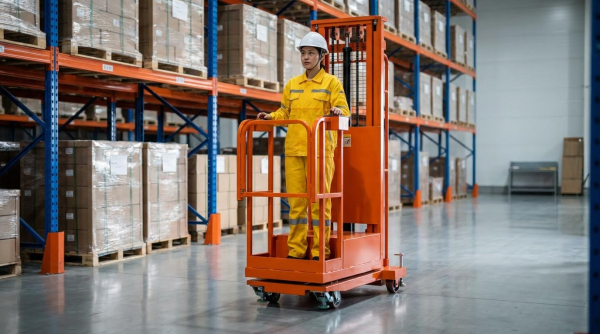
Segurança, tempo de atividade e facilidade de manutenção determinam se a tecnologia avançada de separação de pedidos realmente oferece o retorno sobre o investimento prometido ao longo de uma vida útil de 5 a 10 anos, portanto, esses aspectos devem ser incorporados desde a fase de concepção.
Os modernos sistemas automatizados de picking e G2P combinam confiabilidade mecânica, resiliência de software e sensores de segurança em camadas para manter a operação 24 horas por dia, 7 dias por semana, com janelas de tempo de inatividade previsíveis.
| Dimensão | Operações manuais | Sistemas automatizados/robóticos | Engenharia em foco |
|---|---|---|---|
| Incidentes de segurança | Maior incidência de acidentes devido à fadiga, distração e ergonomia inadequada. | Redução de incidentes de 70 a 90% após a automação. em projetos documentados | A detecção baseada em zonas e o controle de velocidade minimizam o erro humano. |
| Tempo de execução por dia | Aproximadamente 6 a 7 horas produtivas por operador | 20 a 22 horas por dia, com pausas programadas para carregamento. para sistemas autônomos | Suporta turnos noturnos e picos de demanda sem necessidade de contratar mais funcionários. |
| Modelo de manutenção | Reativo; dependente dos relatórios do operador. | Verificações preventivas trimestrais ou anuais para sistemas AS/RS e robôs. além de atualizações de software contínuas | Orçamento para serviços mecânicos e ciclo de vida do software. |
- Zonas de segurança em camadas: Sensores de longo alcance reduzem a velocidade dos robôs, sensores de médio alcance diminuem a velocidade e sensores de curto alcance acionam uma parada de emergência. Protege os pedestres sem prejudicar o fluxo de pessoas.
- Estratégia de peças de reposição: Manter em estoque no local componentes críticos (sensores, correias, rodas, baterias) – Evita interrupções de vários dias enquanto se aguarda a chegada de remessas.
- Indicadores-chave de desempenho (KPIs): Separações por hora de trabalho, pedidos por hora de estação e bandejas por hora – Fornecer alertas antecipados quando problemas mecânicos ou de software começarem a comprometer a capacidade.
Padrões típicos de manutenção para G2P e robôs
Os guindastes e shuttles AS/RS geralmente exigiam visitas de manutenção mecânica trimestrais ou semestrais, com foco em acionamentos, trilhos e verificações de segurança. Os AMRs necessitavam de menos intervenções mecânicas, mas dependiam da saúde da bateria e de atualizações frequentes de software. Os engenheiros incorporavam essas tarefas nos cálculos do custo total de propriedade para evitar subestimar os gastos ao longo do ciclo de vida. As diretrizes do setor recomendavam a inclusão tanto do tempo de inatividade programado quanto do não programado na modelagem do ROI.
💡 Nota do Engenheiro de Campo: Em instalações G2P de alto volume, o gargalo geralmente passa dos robôs para as estações de coleta manuais. Projete uma capacidade de reserva de pelo menos 10 a 15% nas estações e no armazenamento para que a ausência de um operador ou um entupimento na calha não obrigue a ociosidade de toda a frota de robôs.
Por exemplo, uma paleteira manual pode melhorar significativamente a eficiência em operações manuais. Além disso, o uso de um carrinho para tambores pode aumentar a segurança e a produtividade no manuseio de materiais.
Projetando e selecionando a solução de coleta adequada
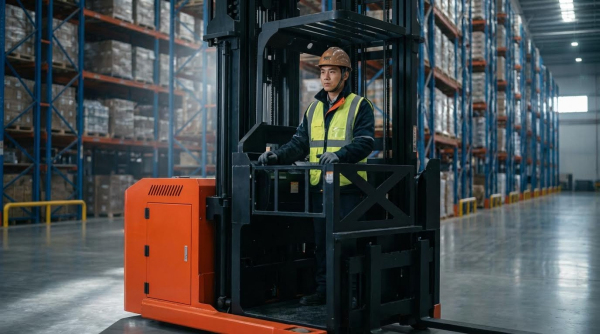
Projetar a solução tecnológica ideal para separação de pedidos significa adequar o layout, a densidade de armazenamento e o nível de automação ao perfil de seus SKUs, padrões de pedidos e realidade da mão de obra, comprovando ao mesmo tempo o custo total de propriedade, o retorno sobre o investimento e a escalabilidade a longo prazo.
O objetivo não é a "automação máxima", mas sim a melhor solução de engenharia: os percursos mais curtos, a maior produtividade por hora de trabalho e sistemas seguros e de fácil manutenção que ainda façam sentido financeiramente ao longo de 5 a 10 anos.
Modelagem de layout, densidade de armazenamento e tempo de deslocamento
O layout, a densidade de armazenamento e a modelagem do tempo de deslocamento definem a velocidade com que os operadores ou robôs podem se mover pelo armazém e o quanto se aproveita de fato cada metro quadrado de piso e espaço vertical.
A tecnologia moderna de separação de pedidos combina o projeto de layout com dados de WMS e RFID para reduzir deslocamentos ociosos, aumentar as taxas de separação e dar suporte a futuras fases de automação.
| Fator de Design | Opções/Intervalos típicos | Métrica principal | Impacto Operacional |
|---|---|---|---|
| Selecione o comprimento do percurso por pedido. | 50–400 m, dependendo do layout e do loteamento. | Tempo de deslocamento por pedido | Trajetos mais curtos aumentam diretamente a quantidade de coletas por hora e reduzem a fadiga. |
| Utilização da altura de armazenamento | Até 10–15 m com sistemas de pé-direito alto ou G2P | Linhas/m² | Maior densidade reduz a área ocupada e o aluguel, mas exige melhor aproveitamento dos espaços e equipamentos. |
| Compartilhamento de viagens manual versus G2P | Redução de deslocamentos de trabalhadores em 40 a 70% nos sistemas G2P de acordo com os parâmetros de referência G2P | Seleções por hora de trabalho | Eliminar as viagens é o fator isolado mais importante para o aumento da produtividade. |
| Capacidade de taxa de seleção | Manual: 50–100 toques/h; G2P: 200–400+ toques/h relatado em estudos de caso | Separações/hora por estação | Define quantas estações você precisa para o seu volume de pedidos e picos de demanda. |
| Estratégia de consolidação de pedidos | Separação por zona, separação por lote ou fluxo de pedido único | Toques por pedido | Um bom zoneamento e agrupamento reduzem o deslocamento a pé, mas aumentam a complexidade da triagem. |
| Otimização de roteamento | Rotas estáticas versus rotas dinâmicas usando dados de localização em tempo real de sistemas habilitados para RFID | Segundos por linha | O roteamento dinâmico reduz o retrabalho, especialmente em grandes armazéns. |
A localização e a visibilidade do estoque baseadas em RFID ajudam os engenheiros de layout a posicionar os itens de alta rotatividade perto das áreas de separação e embalagem e os de baixa rotatividade em locais mais altos ou mais distantes, enquanto o sistema os encontra instantaneamente. A localização em tempo real também permite a otimização dinâmica de rotas, para que os operadores de picking ou robôs móveis autônomos (AMRs) sigam o caminho mais curto conforme a demanda muda durante o turno. Um sistema de gerenciamento de armazém (WMS) com RFID pode otimizar rotas e confirmar os itens corretos durante a separação , o que permite projetar zonas mais densas sem criar um labirinto.
- Abertura de ranhuras por velocidade: Coloque os mecanismos A na zona ideal (aproximadamente entre 800 e 1,600 mm de altura de coleta) – Maximiza a velocidade ergonômica e reduz lesões por flexão ou alcance.
- Deslocamento vertical versus deslocamento horizontal: Concentre os movimentos verticais em elevadores, plataformas ou G2P – A coleta manual vertical acima de 2,000 mm torna os operadores mais lentos e aumenta o risco.
- Corredores exclusivos versus corredores compartilhados: Separe os corredores de coleta rápida dos corredores de reposição – Reduz o congestionamento e as paradas não planejadas em torno de robôs móveis autônomos ou empilhadeiras.
- Armazenamento dinâmico usando RFID: Deixe o sistema sugerir locais vazios ideais para mercadorias recebidas. com base em dados de tags e layout - Mantém as distâncias de viagem baixas à medida que o perfil muda.
- Simulação do tempo de viagem: Rotas de seleção de modelos em diferentes volumes de pedidos – Impede o subdimensionamento das estações de picking e das frotas de robôs móveis autônomos (AMR) quando os volumes aumentam.
Como avaliar rapidamente o layout atual.
Percorra um pedido típico com várias linhas usando uma roda de medição ou um aplicativo de distância. Registre a distância total (em metros) e o tempo. Divida as linhas pelo número de minutos para obter a quantidade de itens coletados por minuto. Em seguida, simule uma redução de 40 a 70% no deslocamento (faixa G2P) para estimar os ganhos potenciais caso você altere o layout ou adote a tecnologia de separação de pedidos "mercadoria para pessoa".
💡 Nota do Engenheiro de Campo: Ao densificar o armazenamento e estreitar os corredores para ganhar m², sempre verifique novamente os raios de giro e as larguras transversais dos corredores, tanto para empilhadeiras manuais quanto para robôs móveis autônomos (AMRs). Larguras livres inferiores a 3,000 mm em cruzamentos principais começam a criar congestionamentos nos horários de pico, o que reduz drasticamente a taxa de coleta teórica projetada no papel.
Custo total de propriedade (TCO), retorno sobre o investimento (ROI) e escalabilidade para projetos de automação.
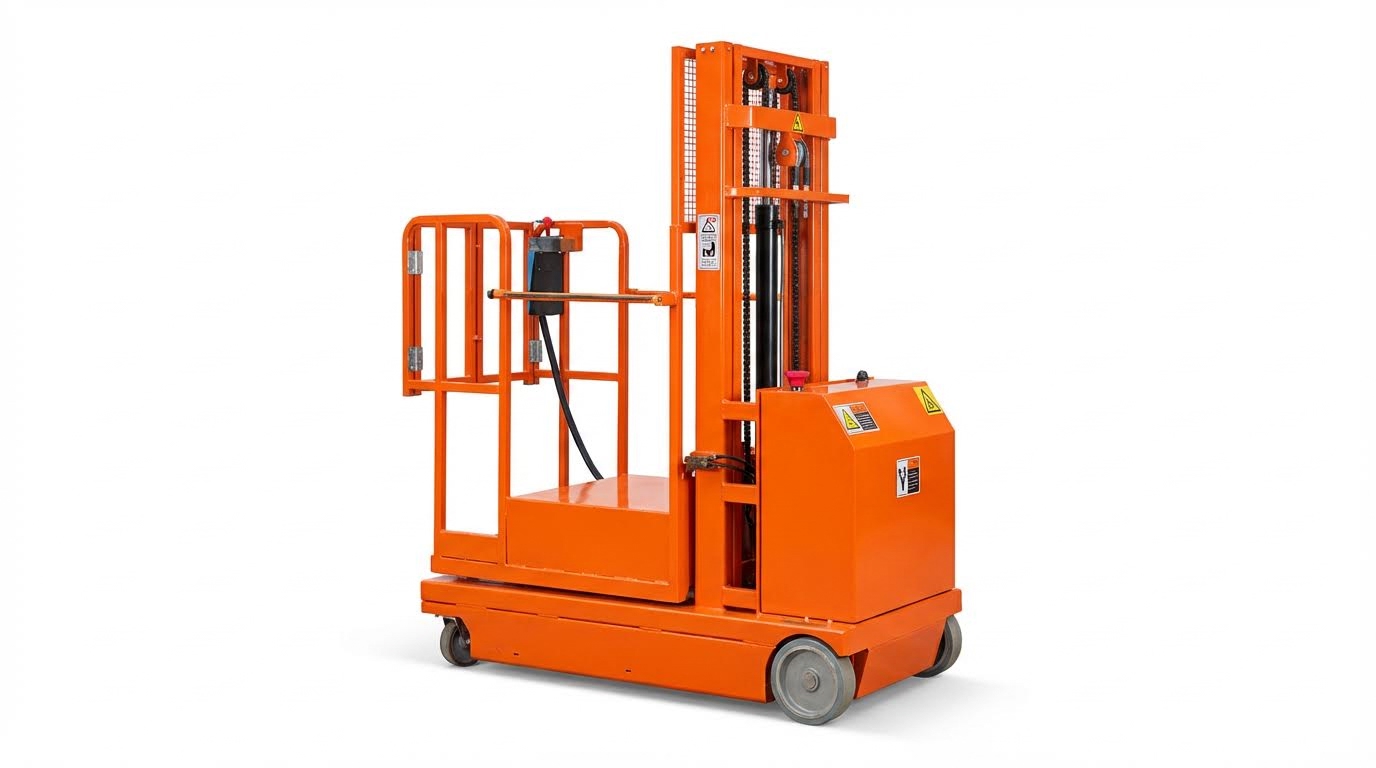
A análise de Custo Total de Propriedade (TCO), Retorno sobre o Investimento (ROI) e escalabilidade garante que a tecnologia de separação de pedidos escolhida não apenas aumente o desempenho hoje, mas também recupere o investimento e possa ser expandida ou reconfigurada conforme sua empresa e mix de SKUs evoluem.
A decisão de engenharia correta equilibra a economia de custos com equipamentos, software, manutenção e mão de obra com melhorias realistas de produtividade e precisão, e não com os máximos apresentados em folhetos.
| Elemento Custo/Benefício | O que inclui | Faixa típica / Referência | Melhor para… |
|---|---|---|---|
| CAPEX inicial de equipamentos | Estantes, transportadores, shuttles, AMRs/AGVs, robôs, portões RFID, leitores, etiquetas | De centenas de milhares a milhões de euros em sistemas robóticos. dependendo da escala | Locais de alto volume onde a economia de mão de obra e a redução do espaço são significativas. |
| Software e integração | WMS, WES, integração RF/RFID, interfaces com ERP, plataformas IoT | Geralmente, entre 10% e 25% do orçamento total do projeto. | Operações que necessitam de visibilidade em tempo real e lógica de roteamento avançada. |
| Serviço de manutenção | Peças de reposição, visitas técnicas, suporte de software, calibração | Sistemas AS/RS: visitas trimestrais ou semestrais; robôs: mais software, menos mecânica. de acordo com os dados de manutenção G2P | Sistemas que precisam funcionar praticamente 24 horas por dia, 7 dias por semana, com períodos de inatividade planejados. |
| ganho de produtividade do trabalho | Maior produtividade por hora trabalhada, menos pessoas por turno. | A tecnologia G2P e a robótica podem melhorar a produtividade em 200 a 300%. vs manual | Locais com custos de mão de obra elevados ou escassez crônica de mão de obra. |
| Melhoria de precisão | Menos erros de seleção, devoluções e reenvios. | Sistemas automatizados G2P e robóticos atingem 99.9% de precisão. em comparação com 95–98% manual | Operações com custos de penalidade elevados para erros ou SLAs rigorosos. |
| Tempo de atividade do sistema | Disponibilidade de equipamentos em operações 24 horas por dia. | Sistemas automatizados bem projetados podem funcionar 24 horas por dia, 7 dias por semana, com verificações preventivas anuais. em alguns casos | Centros de distribuição de e-commerce ou 3PL de alto volume com períodos de pico. |
| Período de retorno | Hora de recuperar o investimento por meio de poupanças e margem extra. | O período típico para a separação automatizada de pedidos e robôs é de 18 a 36 meses. em muitos estudos de caso, de 2 a 5 anos para alguns projetos G2P dependendo do escopo | Sites com volumes de pedidos estáveis ou crescentes e contratos de longo prazo. |
A infraestrutura RFID adiciona sua própria linha de custo (etiquetas, leitores, calibração), mas reduz o tempo de contagem e os erros em toda a cadeia de tecnologia de separação de pedidos. Contagens habilitadas por RFID que antes levavam três dias agora podem ser concluídas em horas , e a verificação de envio nos portões de carga e descarga evita ciclos de reclamações dispendiosos.
- Incluir os custos totais do ciclo de vida: Adicione os custos de energia, manutenção, assinaturas de software e calibração periódica de RFID. ao seu Custo Total de Propriedade (TCO) - Evita despesas operacionais "surpresa" que corroem o retorno sobre o investimento.
- Modele múltiplos cenários de volume: Execute o ROI com volume atual, +30% e +60% – Garante que o sistema continue funcionando quando os negócios crescerem ou a alta temporada chegar.
- Verificar modularidade: Dê preferência a AMRs, módulos G2P e sistemas de montagem que possam ser expandidos em blocos de 5 a 10 metros. Permite aumentar a capacidade sem interromper o funcionamento do edifício.
- Validar os ganhos de precisão: Compare sua taxa de erro inicial com os benchmarks de 99.9% para G2P e robôs. atribuir um valor preciso aos retornos reduzidos - Muitas vezes, só isso já justifica grande parte do projeto.
- Estratégia de manutenção do teste de estresse: Confirme o estoque de peças de reposição, a disponibilidade de técnicos e os períodos de inatividade planejados. O tempo de atividade real, e não teórico, impulsiona a receita e o cumprimento do SLA.
Lista de verificação simples de ROI para um projeto de separação de pedidos
1) Registre o número atual de itens coletados por hora de trabalho, a taxa de erro e a área utilizada (m²). 2) Utilize benchmarks publicados para as tecnologias-alvo (por exemplo, 200 a 400+ itens coletados/h para G2P, com 99.9% de precisão). 3) Quantifique a economia resultante da redução da mão de obra, da diminuição das devoluções e da redução da área ocupada. 4) Adicione custos realistas de manutenção e software. 5) Calcule o retorno do investimento em meses e verifique se ele se encaixa no seu horizonte estratégico (geralmente inferior a 36 meses).
💡 Nota do Engenheiro de Campo: Os sistemas mais escaláveis que vi começaram com automação "leve" (leitura por radiofrequência e RFID em docas e corredores principais), reservando espaço físico, energia e capacidade de rede para implementações posteriores de G2P ou robôs. Investir em excesso desde o início limita o conceito; projetar caminhos claros de atualização permite que a tecnologia de separação de pedidos evolua junto com o negócio, em vez de competir com ele.
Considerações finais sobre sistemas de separação de pedidos preparados para o futuro
A tecnologia de separação de pedidos agora abrange uma gama completa, desde a captura de dados por RF e RFID até sistemas de mercadoria para pessoa e frotas de robôs. Os projetos vencedores tratam isso como um sistema integrado, e não como um conjunto de dispositivos isolados. RF, voz, luz e RFID protegem a precisão do inventário e orientam cada movimento. Os sistemas de mercadoria para pessoa e a robótica convertem esses dados precisos em taxas de separação mais altas, menos deslocamento e menor risco.
As equipes de engenharia precisam equilibrar três forças: layout e tempo de deslocamento, nível de automação e custo do ciclo de vida. Caminhos mais curtos, zonas ergonômicas ideais e alocação inteligente de peças proporcionam ganhos rápidos mesmo antes da chegada dos robôs. As tecnologias G2P (Ground-to-Place), AMRs (Robôs Móveis Autônomos) e células robotizadas aumentam a capacidade e o tempo de atividade, mas o retorno do investimento só se justifica se o software, a manutenção e as peças de reposição forem incluídos no orçamento desde o início.
O caminho mais seguro é a adoção gradual. Comece com RF robusto, RFID direcionado e um layout que reserve espaço, energia e rede para automação futura. Adicione G2P e robôs onde os volumes, o custo da mão de obra e as penalidades por erros justificarem. Essa abordagem permite que sua operação migre de caminhões e ferramentas manuais da Atomoving para automação avançada sem interrupções, mantendo a segurança, o tempo de atividade e o ROI sob controle rigoroso.
Perguntas frequentes
O que é a separação de pedidos em operações de armazém?
A separação de pedidos é o processo de selecionar itens em seus locais de armazenamento em um armazém para atender aos pedidos dos clientes. O objetivo é montar com precisão os itens solicitados, otimizando a eficiência para atender à demanda dentro dos prazos especificados. Esse processo é considerado a espinha dorsal das operações de armazém. Guia de Operações de Armazém
Qual tecnologia é comumente usada em armazéns para aumentar a eficiência da separação de pedidos?
A tecnologia de separação por voz é um método sem papel e sem contato manual que utiliza comandos de voz para orientar os funcionários a selecionar produtos em locais específicos do armazém. Isso melhora a precisão e agiliza o processo de separação. Outra tecnologia comumente utilizada são os Sistemas de Gerenciamento de Armazém (WMS), que aumentam a visibilidade, a precisão e a produtividade geral. Benefícios da Separação por Voz | Dicas para Eficiência no Armazém
Como as tecnologias avançadas podem melhorar a eficiência dos armazéns?
Tecnologias avançadas como automação, robôs e ferramentas de planejamento da cadeia de suprimentos podem aumentar significativamente a eficiência do armazém. Essas tecnologias melhoram a visibilidade, a precisão, a velocidade e a produtividade geral, ajudando os armazéns a atender às demandas dos clientes com mais eficácia. Estratégias para Eficiência de Armazéns