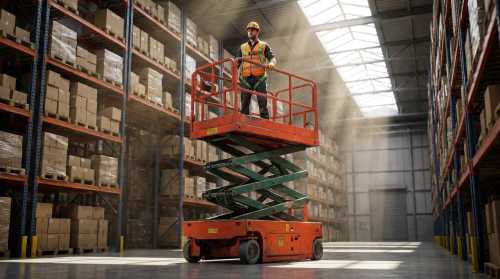
บทความนี้เป็นคู่มือเกี่ยวกับบันไดและแพลตฟอร์มยกสูงที่เปรียบเทียบการใช้งานอย่างปลอดภัย ข้อจำกัด และการใช้งานที่เหมาะสมที่สุดสำหรับงานบนที่สูง คุณจะได้เห็นว่ากฎระเบียบ หลักการทางด้านสรีรศาสตร์ และกฎการตรวจสอบต่างๆ มีผลต่อการเลือกใช้บันไดหรือแพลตฟอร์มยกสูงอย่างไร เราได้แปลงมาตรฐานต่างๆ ให้เป็นกฎเกณฑ์ที่นำไปใช้ได้จริงในงานต่างๆ ตั้งแต่การแก้ไขปัญหาอย่างรวดเร็วไปจนถึงการบำรุงรักษาในระยะยาว ใช้บทความนี้เป็นเครื่องมือช่วยในการตัดสินใจเพื่อลดความเสี่ยงจากการตกจากที่สูงในขณะที่ยังคงรักษาประสิทธิภาพการทำงานไว้ได้
หลักการความปลอดภัยขั้นพื้นฐานสำหรับบันไดและแท่นยก
ส่วนนี้จะอธิบายถึงกฎความปลอดภัยที่ไม่สามารถต่อรองได้ ซึ่งเป็นตัวกำหนดความแตกต่างระหว่างการทำงานบนบันไดอย่างปลอดภัยกับการใช้งานแพลตฟอร์มยกสูง โดยเป็นแก่นหลักของคู่มือการใช้งานบันไดและ แพลตฟอร์มทำงาน บนที่สูงเป้าหมายคือการตัดสินใจว่าวิธีการเข้าถึงแต่ละวิธีนั้นยอมรับได้เมื่อใด และจะควบคุมความเสี่ยงจากการตกได้อย่างไร
ข้อจำกัดทางกฎหมายเกี่ยวกับการใช้บันได
หน่วยงานกำกับดูแลจำกัดการใช้บันไดเฉพาะงานสั้นๆ และงานเบาๆ และกำหนดให้ใช้แท่นหรือนั่งร้านเมื่อไม่สามารถทำงานได้อย่างปลอดภัยจากขั้นบันได นี่คือจุดตัดสินใจแรกก่อนที่ใครจะออกจากพื้นดิน
- ใช้สำหรับการทำงานเบาๆ เท่านั้น: บันไดเหมาะสำหรับงานที่มือข้างหนึ่งยังว่างเพื่อใช้จับยึดสิ่งของ – รักษาจุดสัมผัสสามจุดและลดความเสี่ยงในการหกล้ม ข้อกำหนดทางกฎหมายจำกัดการใช้บันไดเฉพาะงานเบา.
- ระยะเวลาสั้นเท่านั้น: โดยทั่วไปแล้ว อุปกรณ์ช่วยพยุงศีรษะจะใช้งานได้ประมาณ 30 นาทีในแต่ละท่า – นอกจากนี้ ความเหนื่อยล้าและความผิดพลาดจะเพิ่มขึ้นอย่างมาก ดังนั้นจึงจำเป็นต้องมีแท่นหรือโครงสร้างรองรับ ข้อจำกัดด้านระยะเวลาเป็นข้อมูลอ้างอิงที่พบได้ทั่วไปในรายการตรวจสอบความเสี่ยงจากความสูง.
- เมื่อใดควรอัปเกรดเป็นแพลตฟอร์มใหม่: หากงานนั้นต้องใช้มือทั้งสองข้าง เครื่องมือหนัก หรือต้องเอื้อมไปหยิบของในที่เข้าถึงยาก กฎระเบียบระบุว่าคุณต้องเปลี่ยนไปใช้แท่นทำงาน นั่งร้าน หรือรถยกทำงานบนที่สูง (MEWP) – สิ่งนี้เปลี่ยนท่าทีที่ไม่มั่นคงให้กลายเป็นสถานที่ทำงานที่ระมัดระวังมากขึ้น หน่วยงานกำกับดูแลกำหนดไว้อย่างชัดเจนว่าต้องมีแพลตฟอร์มทางเลือกในกรณีที่การทำงานบนบันไดไม่ปลอดภัย.
- สำหรับใช้ในอุตสาหกรรมเท่านั้น: บันไดต้องเป็นบันไดระดับอุตสาหกรรม Class 1 หรือ EN 131 – บันไดสำหรับผู้บริโภคไม่ได้ถูกออกแบบมาเพื่อรองรับน้ำหนักหรือแรงกระแทกซ้ำๆ ในสถานที่ทำงาน การรับรองมาตรฐานระดับอุตสาหกรรมเป็นเกณฑ์ความปลอดภัยหลักของบันได.
- เงื่อนไขที่ห้ามใช้: ห้ามใช้บันไดในขณะที่มีลมแรง ฝนตกหนัก มีน้ำแข็งเกาะ หรือในกรณีที่ต้องเอื้อมมือไปหยิบของที่สูง – แรงกระทำจากสภาพแวดล้อมและการสูญเสียแรงเสียดทานจะทำให้ขีดจำกัดความปลอดภัยของบันไดเกินขีดจำกัดอย่างรวดเร็ว สภาพอากาศและสภาพพื้นผิวเป็นข้อจำกัดที่ชัดเจนของบันได.
เหตุใด 30 นาทีจึงเป็นเวลาที่เหมาะสมที่สุดสำหรับงานปีนบันได
จากการศึกษาเปรียบเทียบระหว่างแท่นยืนและบันได พบว่า บันไดที่มีขั้นแคบประมาณ 60 มม. สามารถยืนได้ต่อเนื่องประมาณ 20 นาทีก่อนที่จะรู้สึกไม่สบาย ในขณะที่แท่นยืนขนาด 760 มม. × 300 มม. สามารถรองรับการยืนได้ประมาณ 40 นาที เนื่องจากแรงกดที่เอวต่ำกว่าและพื้นที่สัมผัสเท้าที่มากกว่า การที่แท่นยืนสามารถยืนได้อย่างสบายเป็นสองเท่า แสดงให้เห็นว่าเหตุใดกฎระเบียบจึงกำหนดให้บันไดใช้ได้เฉพาะในระยะเวลาสั้นๆ เท่านั้นข้อมูลด้านสรีรศาสตร์มีความสัมพันธ์ระหว่างความกว้างของขั้นบันได เวลาในการยืน และแรงกดที่หลังส่วนล่าง
💡 หมายเหตุจากวิศวกรภาคสนาม:เมื่อผู้วางแผนงานยืนยันว่าต้องใช้บันได “เพื่อประหยัดเวลา” ให้สอบถามระยะเวลาของงาน น้ำหนักของเครื่องมือ และว่าจำเป็นต้องใช้มือทั้งสองข้างในการทำงานหรือไม่ หากคำตอบใด ๆ เกินขีดจำกัดพื้นฐานของบันได คุณมีสิทธิ์ตามกฎหมายที่จะกำหนดให้ใช้แพลตฟอร์มหรือรถยกทำงานบนที่สูง (MEWP) แทน
สภาวะความเสถียร การจัดวาง และการรองรับ
การใช้งานบันไดและแท่นอย่างปลอดภัยนั้นขึ้นอยู่กับรูปทรงและสภาพพื้นดิน: มุม การยื่นออกไปเหนือพื้น และการรองรับที่มั่นคง ล้วนเป็นปัจจัยที่ควบคุมความเสี่ยงจากการลื่นหรือพลิกคว่ำโดยตรง
- มุมบันไดที่ถูกต้อง: ตั้งบันไดพิงแบบพกพาให้ทำมุมประมาณ 75° กับแนวราบ (อัตราส่วน 1:4) – วิธีนี้ช่วยสร้างสมดุลระหว่างความเสี่ยงที่เท้าจะพลิกคว่ำกับการลื่นไถลของเท้าที่ฐาน ข้อกำหนดระบุว่าบันไดแบบพกพาที่ไม่สามารถตั้งได้เองต้องมีมุมเอียงประมาณ 75°.
- ส่วนต่อเติมเหนือชานพัก: เมื่อบันไดใช้เป็นทางขึ้นไปยังชานพัก ให้ต่อราวบันไดให้สูงขึ้นอย่างน้อย 1 เมตร – สิ่งนี้ช่วยให้จับยึดได้อย่างมั่นคงและลดโอกาสการหกล้มขณะเปลี่ยนท่า WorkSafeBC กำหนดให้ต้องต่อขยายประมาณ 1 เมตร และต้องมีการยึดให้แน่น.
- การสนับสนุนที่มั่นคงและสม่ำเสมอ: ทั้งบันไดและแท่นต้องตั้งอยู่บนพื้นราบและมั่นคง – ดินอ่อน ความลาดชัน หรือเศษวัสดุต่างๆ จะเปลี่ยนเส้นทางการรับน้ำหนักและอาจก่อให้เกิดความไม่เสถียรอย่างฉับพลันได้ กฎระเบียบกำหนดให้พื้นสำหรับบันไดและนั่งร้านต้องแข็งและเรียบเสมอกัน.
- การยึดบันไดให้แน่น: ยึดบันไดให้แน่นทั้งด้านบน ด้านล่าง หรือทั้งสองด้าน อย่าอาศัยแรงเสียดทานเพียงอย่างเดียว – จุดยึดจะเปลี่ยนระบบที่อาจเลื่อนได้ให้กลายเป็นทางเข้าออกแบบถาวร คำแนะนำระบุให้ยึดบันไดให้แน่นและตรวจสอบก่อนใช้งาน.
- ความกว้างขั้นต่ำของนั่งร้าน/แท่น: แท่นทำงานบนนั่งร้านต้องมีความกว้างอย่างน้อย 500 มม. (300 มม. สำหรับบางระบบ) – ซึ่งให้พื้นที่ฐานที่เพียงพอสำหรับการทรงตัวที่มั่นคงและการเคลื่อนย้ายวัสดุ ข้อกำหนดเกี่ยวกับความกว้างของแท่นนั่งร้านได้รับการกำหนดไว้อย่างชัดเจน.
- การต่อสายดินโครงสร้างโลหะใกล้สายไฟฟ้า: นั่งร้านโลหะที่อยู่ใกล้ตัวนำไฟฟ้าแรงสูงต้องต่อลงดินหากแรงดันไฟฟ้าเหนี่ยวนำเกิน 30 โวลต์ หรือเกิดการช็อต – วิธีนี้ช่วยระบายประจุไฟฟ้าอันตรายและป้องกันการบาดเจ็บที่อาจเกิดขึ้นจากการเหยียบย่ำ แนวทางปฏิบัติระบุเกณฑ์การต่อสายดินสำหรับนั่งร้านโลหะ.
| วิธีการเข้าถึง | กฎความเสถียรที่สำคัญ | ขนาด/ขีดจำกัดทั่วไป | ผลกระทบในการดำเนินงาน |
|---|---|---|---|
| บันไดเอน | ตั้งอุณหภูมิไว้ที่ 75° แล้วล็อคให้แน่น | อัตราส่วนความสูงต่อฐาน 1:4; 1 เมตรเหนือจุดลงจอด | ปลอดภัยสำหรับการปีนขึ้นที่สูงในระยะสั้น ไม่ปลอดภัยสำหรับการทำงานในระยะยาวหรือการขนถ่ายสินค้าจากด้านข้าง |
| แท่นนั่งร้าน | ใช้ฐานที่มั่นคงและได้ระดับ พร้อมทั้งยึดตรึงให้แน่นหนา | ความกว้างของแท่นวาง ≥ 500 มม. (300 มม. สำหรับระบบเฉพาะบางระบบ) | ช่วยให้สามารถทำงานกับวัสดุและเครื่องมือได้ในระยะเวลานานขึ้น |
| MEWP (กรรไกร/บูม) | ใช้งานบนสภาพพื้นดินที่กำหนดและภายในขีดจำกัดการเอียง | อุปกรณ์เตือนภัยหากรถขนส่งไม่อยู่ในระดับที่สมดุล | รักษาเสถียรภาพขณะเคลื่อนที่หรือยกขึ้น |
ความกว้างของพื้นรองเท้าและพื้นที่วางเท้าส่งผลต่อความเมื่อยล้าอย่างไร
โดยทั่วไปแล้ว พื้นที่สัมผัสระหว่างเท้ากับพื้นบนบันไดจะมีประมาณ 0.012 ตารางเมตร ในขณะที่แท่นทำงานขนาดเล็กสามารถให้พื้นที่สัมผัสได้ประมาณ 0.23 ตารางเมตร การเพิ่มขึ้นเกือบ 20 เท่านี้ช่วยกระจายแรงกด ปรับปรุงสมดุล และลดความเมื่อยล้า ซึ่งเป็นเหตุผลว่าทำไมจึงนิยมใช้แท่นทำงานสำหรับงานที่ต้องอยู่บนที่สูงนานกว่าสองสามนาทีการเปรียบเทียบตามหลักการยศาสตร์จะแสดงให้เห็นถึงผลกระทบของพื้นผิวการยืนที่กว้างขึ้น
💡 หมายเหตุจากวิศวกรภาคสนาม:ระหว่างการสำรวจพื้นที่ ควรตรวจสอบหาความลาดเอียงที่ซ่อนอยู่และจุดอ่อนใต้แผ่นพื้นหรือแผ่นปูทางเสมอ บันไดที่ดูแข็งแรงเมื่อไม่มีน้ำหนักบรรทุก อาจล้มได้เมื่อคนงานหนัก 90 กิโลกรัมเอนตัวไปด้านข้าง โดยเฉพาะบนพื้นคอนกรีตขัดมันหรือกระเบื้องที่มีฝุ่น
การป้องกันการตกจากที่สูงแบบกลุ่มเทียบกับแบบส่วนบุคคล
การทำงานบนที่สูงอย่างปลอดภัยนั้นให้ความสำคัญกับมาตรการส่วนรวม เช่น ราวกันตกและแผ่นกันเท้า มากกว่าระบบสายรัดนิรภัยส่วนบุคคล และลำดับความสำคัญนี้เป็นหัวใจสำคัญของคู่มือใดๆ เกี่ยวกับบันไดและแพลตฟอร์มทำงานบนที่สูงแบบกรรไกร
- การคุ้มครองส่วนรวมต้องมาก่อน: ราวกั้น แผ่นกันตก และตาข่ายนิรภัย ช่วยปกป้องทุกคนโดยไม่ต้องมีการกระทำใดๆ จากผู้ใช้งาน – นี่คือระดับการควบคุมที่นิยมใช้ในกฎระเบียบส่วนใหญ่ คำแนะนำเน้นย้ำว่าการคุ้มครองส่วนรวมเป็นทางเลือกอันดับแรก.
- ขนาดของราวกันตก: ราวบนสุดควรมีความสูงอย่างน้อย 950 มม. โดยมีราวกลางและแผ่นกันตกที่ปลายเท้าอย่างน้อย 150 มม. วิธีนี้จะช่วยป้องกันทั้งการตกจากที่สูงของคนทำงานและการตกจากที่สูงของวัตถุ ขนาดของอุปกรณ์ป้องกันขอบได้รับการระบุไว้อย่างชัดเจน.
- เมื่อจำเป็นต้องมีการป้องกันส่วนบุคคล: หากคุณไม่สามารถติดตั้งราวกันตกหรือตาข่ายได้ ให้ใช้อุปกรณ์ยึดตรึงการทำงาน อุปกรณ์จัดตำแหน่งการทำงาน หรือระบบป้องกันการตกจากที่สูงแทน มาตรการเหล่านี้ให้การคุ้มครองแก่คนงานแต่ละคน แต่ต้องอาศัยระเบียบวินัยและการฝึกอบรมที่เข้มงวด แนวทางดังกล่าวได้กำหนดบทบาทของการตรึง การจัดท่าทาง และการป้องกันการตกไว้อย่างชัดเจน.
- ระบบป้องกันการตกจากที่สูงบนเครื่องจักรยกสูง (MEWPs): ผู้ปฏิบัติงานบนแท่นทำงานยกสูงแบบแขนยื่นต้องสวมเข็มขัดนิรภัยป้องกันการตกที่ยึดติดกับจุดยึดที่เหมาะสมบนตะกร้า – วิธีนี้ช่วยควบคุมความเสี่ยงในการดีดตัวออกจากอุปกรณ์ขณะมีการเคลื่อนไหวหรือกระแทกอย่างกะทันหัน กฎระเบียบกำหนดให้ต้องมีระบบป้องกันการตกบนแพลตฟอร์มยกสูงส่วนใหญ่.
- ข้อยกเว้นสำหรับลิฟต์กรรไกร: สำหรับรถยกแบบกรรไกรที่มีราวกันตกสมบูรณ์และวางอยู่บนพื้นราบและมั่นคง กฎระเบียบอาจไม่กำหนดให้ต้องมีอุปกรณ์ป้องกันการตกจากที่สูงสำหรับบุคคลทั่วไป – ระบบราวกันตกเป็นสิ่งกีดขวางโดยรวม ลิฟต์กรรไกรอาศัยราวกันตกเป็นระบบป้องกันการตกหลัก.
- เส้นทางชีวิตอิสระ: สำหรับชานพักแบบแขวนที่รองรับด้วยสายเคเบิลน้อยกว่าสี่เส้น ระบบป้องกันการตกต้องแยกอิสระจากระบบแขวน – วิธีนี้จะช่วยป้องกันไม่ให้เกิดความล้มเหลวเพียงครั้งเดียวซึ่งอาจทำให้ทั้งระบบสนับสนุนและระบบสำรองข้อมูลใช้งานไม่ได้ ข้อกำหนดระบุให้มีระบบป้องกันการตกจากที่สูงแบบแยกอิสระ.
- การวางแผนการช่วยเหลือ: การใช้งานอุปกรณ์ป้องกันการตกจากที่สูงส่วนบุคคลทุกครั้ง จำเป็นต้องมีแผนการช่วยเหลือ – การห้อยตัวอยู่ในสายรัดนิรภัยโดยไม่ได้รับการช่วยเหลืออย่างทันท่วงที ก่อให้เกิดความเสี่ยงทางการแพทย์ที่ร้ายแรง แนวทางปฏิบัติกำหนดให้ต้องมีแผนการช่วยเหลือสำหรับงานที่สูง.
| ประเภทการป้องกัน | นำไปใช้กับ | องค์ประกอบหลัก | ดีที่สุดสำหรับ… |
|---|---|---|---|
| อุปกรณ์ส่วนรวม (ราวกั้น, แผ่นกันตก, ตาข่าย) | นั่งร้าน แท่นวางแบบตายตัว และเครื่องจักรยกสูงแบบเคลื่อนที่ได้หลายชนิด | ราวกั้นสูง 950 มม., ราวกลาง, แผ่นกันตกสูง ≥ 150 มม. | งานที่ทำบ่อยครั้งหรือเป็นระยะเวลานาน โดยมีคนงานหลายคนปฏิบัติงานร่วมกัน |
| การจำกัด/จัดตำแหน่งในการทำงาน | หลังคา ขอบเปิด และตะกร้าสำหรับเครื่องจักรยกสูงบางส่วน | สายรัดนิรภัยและสายคล้องได้รับการปรับเพื่อป้องกันการเอื้อมไปจับขอบ | ทำงานใกล้ขอบที่สามารถป้องกันอันตรายจากการตกได้ |
| กันตก | รถยกบูม แท่นแขวน โครงสร้างที่ซับซ้อน | เข็มขัดนิรภัยแบบเต็มตัว, อุปกรณ์ดูดซับแรงกระแทก, จุดยึดที่ได้มาตรฐาน, สายช่วยชีวิตแบบแยกอิสระ | สถานการณ์ที่ไม่สามารถป้องกันการหกล้มได้อย่างสมบูรณ์ แต่ต้องหยุดยั้งการหกล้มอย่างปลอดภัย |
สิ่งนี้มีผลต่อการตัดสินใจของคุณอย่างไรระหว่างบันไดและแท่น
เนื่องจากบันไดแทบไม่มีระบบป้องกันการตกจากที่สูงแบบรวมศูนย์ จึงต้องอาศัยพฤติกรรมของผู้ใช้และการสัมผัสสามจุด ส่วนแท่นยก นั่งร้าน และเครื่องจักรยกสูงบนที่สูง สามารถติดตั้งราวกันตก แผ่นกันเท้า และตาข่ายได้ ทำให้เป็นตัวเลือกที่เหมาะสมที่สุดเมื่อใดก็ตามที่สามารถออกแบบระบบป้องกันแบบรวมศูนย์ในการทำงานได้
💡 หมายเหตุจากวิศวกรภาคสนาม: ในช่วงก่อน-
""การเลือกวิธีการเข้าถึงที่เหมาะสมสำหรับแต่ละงาน
เลือกวิธีการเข้าถึงที่ปลอดภัยที่สุดโดยพิจารณาจากประเภทของงาน ระยะเวลา และสภาพแวดล้อมให้สอดคล้องกับข้อจำกัดของอุปกรณ์ ไม่ใช่ความสะดวกสบาย ส่วนนี้จะเปลี่ยนคู่มือเกี่ยวกับบันไดและแท่นทำงานบนที่สูงให้เป็นเครื่องมือช่วยตัดสินใจที่ใช้งานได้จริงสำหรับแต่ละงาน
การเลือกตามภารกิจ สภาพแวดล้อม และระยะเวลา
เลือกใช้บันได แท่นยก โครงนั่งร้าน หรือแท่นทำงานยกสูง โดยพิจารณาจากระยะเวลาที่คุณทำงานในจุดเดียว ความหนักหน่วงของงาน และรูปแบบการเข้าถึงพื้นที่ทำงาน
- บันได (สำหรับงานเบาและระยะสั้นเท่านั้น): ใช้สำหรับการทำงานเบาๆ ที่มือข้างหนึ่งยังว่าง และอยู่ในท่าเดิมไม่เกิน 30 นาทีเท่านั้น ช่วยลดความเมื่อยล้าและลดความเสี่ยงจากการหกล้มเนื่องจากการเอื้อมมือมากเกินไปและการยืนเป็นเวลานาน เกณฑ์ความปลอดภัยในการใช้บันไดและคำแนะนำเกี่ยวกับระยะเวลาการใช้งาน
- ขั้นบันได / แท่นยกพื้นขนาดเล็ก: เหมาะสำหรับงานระดับต่ำ งานซ้ำซาก ที่ต้องอยู่ในพื้นที่เล็กๆ – มีพื้นที่ยืนที่กว้างขึ้นและมีราวกันตก ช่วยลดความเหนื่อยล้าและความเสี่ยงจากการก้าวพลาด คำแนะนำสำหรับขั้นบันไดแท่นและงานระดับต่ำ
- หอคอยนั่งร้าน: เหมาะสำหรับงานที่ต้องทำต่อเนื่องเป็นเวลานาน ณ สถานที่ที่กำหนด – มีพื้นที่ใช้งานกว้าง (โดยทั่วไป ≥500 มม.) พร้อมระบบป้องกันโดยรวมที่เหมาะสมสำหรับงานที่ต้องทำต่อเนื่องหลายชั่วโมง ข้อกำหนดความกว้างขั้นต่ำของแท่นนั่งร้าน
- รถยกทำงานบนที่สูงแบบเคลื่อนที่ (MEWPs): ใช้ในกรณีที่คุณต้องเอื้อมไปหยิบสิ่งของในหลายตำแหน่งหรือหลายระดับความสูง – ช่วยลดการปีนป่าย เพิ่มความมั่นคง และช่วยให้เครื่องมืออยู่กับผู้ปฏิบัติงานได้ตลอดเวลา การเลือก MEWP ตามประเภทงาน
- การปีนป่ายด้วยเชือก: สงวนไว้สำหรับงานเฉพาะทางในโครงสร้างที่เข้าถึงยาก – ช่วยให้เข้าถึงพื้นที่ที่แพลตฟอร์มหรือเครื่องจักรยกสูงไม่สามารถเข้าถึงได้ แต่ต้องอาศัยความสามารถสูงและแผนการช่วยเหลือที่ละเอียดรอบคอบ การเข้าถึงด้วยเชือกเป็นวิธีการเฉพาะทาง
ระยะเวลาในการทำงานและหลักสรีรศาสตร์มีอิทธิพลต่อการเลือกอุปกรณ์อย่างไร
ขั้นบันไดที่แคบ (ประมาณ 60 มม.) รองรับพื้นที่สัมผัสเท้าได้เพียงประมาณ 0.012 ตร.ม. ในขณะที่แท่นทำงานขนาดเล็กสามารถให้พื้นที่สัมผัสได้ประมาณ 0.23 ตร.ม. ซึ่งมากกว่าเกือบ 20 เท่า พื้นที่ที่มากขึ้นนี้ช่วยให้สามารถยืนทำงานได้ต่อเนื่องประมาณ 40 นาทีบนแท่นขนาด 760 มม. × 300 มม. เทียบกับประมาณ 20 นาทีบนบันได เนื่องจากค่าสัมประสิทธิ์แรงกดที่เอวลดลงจาก 1.0 บนบันไดเหลือประมาณ 0.62 บนแท่น การลดความเครียดที่เกี่ยวข้องกับท่าทางลง 38% นี้ช่วยลดความเมื่อยล้าและอาการปวดหลังส่วนล่างได้อย่างมีนัยสำคัญในระหว่างการทำงานที่ยาวนานการเปรียบเทียบตามหลักการยศาสตร์ของแท่นและบันได
- การตรวจสอบแบบสั้น ครั้งเดียว (ไม่กี่นาที): บันไดอาจใช้ได้หากมีความมั่นคงและทำมุมอย่างเหมาะสม – ติดตั้งใช้งานได้อย่างรวดเร็วด้วยการตั้งค่าเพียงเล็กน้อย
- งานซ้ำๆ ในพื้นที่เดียว (30–60 นาที): ชอบแท่นยืนหรือแท่นขนาดเล็กมากกว่า – ช่วยลดความเหนื่อยล้าและการเอื้อมมือมากเกินไป เมื่อเทียบกับการใช้บันได
- งานติดตั้งหรือซ่อมแซมที่ใช้เวลานานหลายชั่วโมง: ใช้โครงนั่งร้านหรือเครื่องจักรยกสูง (MEWP) – จัดให้มีพื้นที่ป้องกันส่วนรวมและพื้นที่ยืนที่ถูกหลักสรีรศาสตร์
- ตำแหน่งต่างๆ ตามแนวเส้น (เช่น ชั้นวางสินค้าในคลังสินค้า): ใช้ พนักงานคัดแยกสินค้าในคลังสินค้า หรือแพลตฟอร์มมือถือ – เพิ่มรัศมีในการทำงานและลดเวลาในการเคลื่อนย้ายตำแหน่ง
💡 หมายเหตุจากวิศวกรภาคสนาม:เมื่อภารกิจ "ขยายวงกว้างขึ้นเรื่อยๆ" จากการตรวจสอบอย่างรวดเร็วไปเป็นงานที่ใช้เวลาครึ่งวัน ควรเปลี่ยนจากบันไดไปใช้แพลตฟอร์มหรือรถยกแบบเคลื่อนที่ได้ (MEWP) อุบัติเหตุจากบันไดส่วนใหญ่ที่ผมเคยเห็น มักเกิดขึ้นหลังจาก 15-20 นาทีแรก เมื่อความเหนื่อยล้าและการเอื้อมมือมากเกินไปเริ่มส่งผล
สภาพพื้นดิน น้ำหนักบรรทุก และการติดตั้งอุปกรณ์ป้องกันการตก
ตรวจสอบให้แน่ใจว่าพื้นสามารถรองรับอุปกรณ์ได้อย่างปลอดภัย น้ำหนักบรรทุกอยู่ในเกณฑ์ที่กำหนด และสามารถติดตั้งอุปกรณ์ป้องกันการตกจากที่สูงแบบรวมหรือแบบส่วนบุคคลได้ ก่อนที่จะเลือกใช้ระหว่างบันไดและแท่นยกสูง
- ความแข็งและความเรียบของพื้นดิน: อุปกรณ์สำหรับเข้าถึงพื้นที่สูงทั้งหมดต้องวางอยู่บนพื้นราบและมั่นคง ข้อกำหนดนี้เป็นข้อบังคับสำหรับบันได นั่งร้าน และเครื่องจักรยกสูงส่วนใหญ่ – ป้องกันการพลิคว่ำและการเคลื่อนที่อย่างกระทันหัน ข้อกำหนดสำหรับการสนับสนุนที่มั่นคงและสม่ำเสมอ
- น้ำหนักบรรทุกบันได: ควรใช้บันไดที่ได้มาตรฐานอุตสาหกรรม (เช่น EN 131) เฉพาะสำหรับงานเบาที่มือข้างหนึ่งว่างอยู่เท่านั้น – ป้องกันการโอเวอร์โหลดและการสูญเสียจุดสัมผัสทั้งสามจุด เกณฑ์สำหรับบันไดอุตสาหกรรมและข้อจำกัดในการใช้งาน
- น้ำหนักบรรทุกของแท่นและนั่งร้าน: แท่นวางนั่งร้านต้องมีขนาดความกว้างขั้นต่ำและได้รับการออกแบบให้รองรับน้ำหนักบรรทุกที่คาดการณ์ไว้ โดยเฉพาะอย่างยิ่งสำหรับโครงสร้างสูงหรือโครงสร้างแบบยื่นออกไป – ช่วยให้โครงสร้างมีความมั่นคงภายใต้การใช้งานของคนงาน เครื่องมือ และวัสดุ ความกว้างของแท่นนั่งร้านและข้อกำหนดทางวิศวกรรม
- รถยกสูงแบบติดตั้งบนแขนยก (MEWP) และรถบรรทุกที่มีแท่นยก: เลือกประเภทและรุ่นตามความสามารถในการรับน้ำหนักของพื้นดินและระยะการใช้งาน ตรวจสอบอย่างน้อยทุก 12 เดือน และก่อนการใช้งานทุกครั้ง – รักษาความสมบูรณ์ของโครงสร้างและการควบคุม ความถี่ในการตรวจสอบสำหรับแท่นทำงานยกสูง
- แท่นยกแบบติดตั้งบนรถยก: ใช้เฉพาะในกรณีที่ไม่สามารถใช้บันไดและแท่นยกแบบทั่วไปได้ และตรวจสอบให้แน่ใจว่าเป็นไปตามมาตรฐาน ANSI B56 พร้อมทั้งตรวจสอบทุกครั้งหลังติดตั้งและก่อนเริ่มกะทำงาน – ควบคุมความเสี่ยงที่สูงขึ้นจากการเข้าถึงโดยไม่ได้รับอนุญาต เงื่อนไขสำหรับการใช้งานแพลตฟอร์มที่ติดตั้งบนรถยก
การเลือกใช้อุปกรณ์ป้องกันการตกสำหรับบันไดเทียบกับแท่น
ในการทำงานบนบันได คุณต้องพึ่งพาพฤติกรรมส่วนบุคคลเกือบทั้งหมด ได้แก่ มุมที่ถูกต้อง (ประมาณ 75°) การยืนอย่างมั่นคง และการสัมผัสพื้นอย่างน้อยสามจุด ผู้ปฏิบัติงานต้องไม่แบกของหนักหรือของเทอะทะที่อาจทำให้การยึดเกาะหรือการทรงตัวเสียไป และหากไม่สามารถทำงานได้อย่างปลอดภัยในลักษณะนี้ คุณต้องเปลี่ยนไปใช้แท่นทำงานข้อจำกัดในการใช้และการจัดวางบันได
บนแท่นทำงานยกสูง คุณสามารถและควรติดตั้งระบบควบคุมทางวิศวกรรมและระบบควบคุมส่วนรวม ราวกันตกที่ความสูงประมาณ 950 มม. พร้อมราวกั้นกลางและแผ่นกันตกที่ปลายเท้า ช่วยป้องกันการตกจากที่สูงบนนั่งร้านและแท่นทำงานยกสูงหลายประเภท ในกรณีที่ราวกันตกไม่เพียงพอหรือไม่มีอยู่เลย คนงานต้องใช้ระบบป้องกันการตกส่วนบุคคลที่ยึดติดกับจุดที่เหมาะสม โดยมีสายช่วยชีวิตแยกต่างหากสำหรับแท่นแขวนบางประเภทคำแนะนำเกี่ยวกับการป้องกันการตกจากที่สูงทั้งแบบส่วนรวมและส่วนบุคคลข้อกำหนดเกี่ยวกับการป้องกันการตกจากที่สูงบนแท่นทำงาน
- ส่วนรวมมาก่อน: หากคุณสามารถติดตั้งราวกันตก แผ่นกันเท้า ตาข่าย หรืออุปกรณ์ป้องกันขอบได้ ควรเลือกใช้โครงนั่งร้านหรือรถยกทำงานบนที่สูงแทนบันได – ลดการพึ่งพาพฤติกรรมของแต่ละบุคคล มาตรการป้องกันร่วมกัน
- ระบบส่วนบุคคลเมื่อจำเป็น: เมื่อการป้องกันแบบรวมกลุ่มไม่สามารถทำได้ ให้ใช้อุปกรณ์ยึดตรึง การจัดตำแหน่งการทำงาน หรือระบบป้องกันการตกจากที่สูงที่มีจุดยึดที่ได้มาตรฐาน และแผนการช่วยเหลือที่ชัดเจน – ช่วยลดความรุนแรงของผลกระทบจากการหกล้ม การวางแผนการป้องกันการตกจากที่สูงและการช่วยเหลือบุคคล
💡 หมายเหตุจากวิศวกรภาคสนาม:เมื่อไม่แน่ใจระหว่างบันไดกับแท่นทำงานยกสูง ให้ถามคำถามเดียวว่า “ฉันสามารถติดตั้งราวกันตกที่เหมาะสมหรือสายรัดนิรภัยที่มีเส้นทางช่วยเหลือที่ชัดเจนได้หรือไม่?” หากคำตอบที่ตรงไปตรงมาคือ “ไม่ได้” ให้ปรับปรุงการออกแบบงานหรือเปลี่ยนวิธีการเข้าถึงก่อนที่ใครจะขึ้นไปบนที่สูง
ข้อควรพิจารณาสุดท้ายสำหรับการตัดสินใจเกี่ยวกับการทำงานในที่สูงอย่างปลอดภัย
การทำงานบนที่สูงอย่างปลอดภัยนั้นมาจากการเลือกอย่างมีวินัย ไม่ใช่จากความสมดุลหรือประสบการณ์ส่วนบุคคล กฎระเบียบ รูปทรงเรขาคณิต และหลักการทางด้านสรีรศาสตร์ล้วนชี้ไปในทิศทางเดียวกัน: ปฏิบัติต่อบันไดเป็นเครื่องมือเข้าถึงพื้นที่ขนาดเล็กและใช้งานเบา และใช้แท่นเมื่อการทำงานยาวขึ้น หนักขึ้น หรือซับซ้อนมากขึ้น มุมที่ถูกต้อง การรองรับที่มั่นคง และการผูกยึดที่แน่นหนาจะช่วยให้บันไดอยู่ในขอบเขตความปลอดภัยที่จำกัด แท่นกว้าง ราวกันตก และเส้นทางรับน้ำหนักที่ออกแบบมาอย่างดีจะช่วยให้โครงนั่งร้านและเครื่องยกทำงานบนที่สูง (MEWP) สามารถรับน้ำหนักได้มากขึ้นในระยะเวลานานขึ้นโดยมีความเหนื่อยล้าน้อยลงมาก
การป้องกันส่วนรวมต้องเป็นสิ่งสำคัญอันดับแรกในทุกแผนงาน หากคุณสามารถติดตั้งราวกันตก แผ่นกันตก หรือตาข่ายได้ คุณควรเลือกใช้โครงนั่งร้าน รถยกทำงานบนที่สูง หรืออุปกรณ์เฉพาะทาง เช่น แพลตฟอร์มเคลื่อนที่ได้ แทนบันได เมื่อคุณไม่สามารถติดตั้งมาตรการป้องกันส่วนรวมได้ คุณต้องออกแบบระบบป้องกันการตกและช่วยเหลือบุคคลตั้งแต่เริ่มต้น จากนั้นสภาพพื้นดิน ระยะการเข้าถึง และช่วงเวลาการตรวจสอบ จะช่วยปรับแต่งการเลือกอุปกรณ์ขั้นสุดท้าย
แนวทางปฏิบัติที่ดีที่สุดสำหรับทีมปฏิบัติการและวิศวกรรมนั้นง่ายมาก เริ่มต้นด้วยลักษณะงาน ระยะเวลา และสภาพแวดล้อม เลือกวิธีการเข้าถึงที่มีความเสี่ยงต่ำที่สุดซึ่งช่วยให้เกิดความปลอดภัยโดยรวมและมีท่าทางการยืนที่ถูกต้องตามหลักสรีรศาสตร์ ใช้บันไดเฉพาะเมื่อเห็นได้ชัดว่างานนั้นอยู่ในขอบเขตที่กำหนดไว้อย่างเคร่งครัด และควรเปลี่ยนไปใช้แพลตฟอร์มตั้งแต่เนิ่นๆ เมื่อขอบเขตงานหรือเวลาเพิ่มขึ้น
คำถามที่พบบ่อย (FAQs)
แพลตฟอร์มทำงานยกระดับคืออะไร?
แท่นทำงานยกสูง (EWP) คืออุปกรณ์ที่ใช้สำหรับยกและวางตำแหน่งคนงาน เครื่องมือ และวัสดุเหนือระดับพื้นดิน แท่นเหล่านี้เรียกอีกอย่างว่าแท่นทำงานทางอากาศหรือลิฟต์ ประเภทที่พบได้ทั่วไป ได้แก่ ลิฟต์กรรไกร ลิฟต์บูม และอุปกรณ์ทางอากาศอื่นๆ สามารถติดตั้งบนยานพาหนะหรือขับเคลื่อนด้วยตนเอง และอาจมีคุณสมบัติการเคลื่อนไหวแบบยืดหดได้ แบบข้อต่อ หรือทั้งสองแบบคู่มือความปลอดภัยของ MEWP
ข้อควรปฏิบัติเพื่อความปลอดภัยขณะทำงานบนแท่นยกสูงมีอะไรบ้าง?
เมื่อทำงานบนแท่นยกสูง ควรสวมใส่อุปกรณ์ป้องกันส่วนบุคคล (PPE) ที่เหมาะสมเสมอ ใช้ระบบป้องกันการตกที่เหมาะสมและยึดติดกับจุดยึดที่กำหนดไว้ เข็มขัดนิรภัยแบบเต็มตัวที่ปรับอย่างถูกต้องพร้อมสายคล้องหรือสายช่วยชีวิตแบบดึงกลับอัตโนมัติที่เหมาะสมจะช่วยลดความเสี่ยงในการตกจากแท่น ปฏิบัติตามคำแนะนำของผู้ผลิตและตรวจสอบอุปกรณ์อย่างสม่ำเสมอ เคล็ด ลับความปลอดภัยในการทำงานบนแท่น
แพลตฟอร์มทำงานบนที่สูงแบบทั่วไปมีกี่ประเภท?
แพลตฟอร์มทำงานบนที่สูงมีหลายประเภท ได้แก่ ลิฟต์กรรไกร ลิฟต์บูม และอุปกรณ์ยกสูง ลิฟต์กรรไกรให้การยกในแนวดิ่ง ในขณะที่ลิฟต์บูมให้การเข้าถึงทั้งในแนวดิ่งและแนวนอน แพลตฟอร์มเหล่านี้สามารถติดตั้งบนยานพาหนะหรือขับเคลื่อนด้วยตัวเองได้ ขึ้นอยู่กับการใช้งาน ภาพรวมประเภทของแพลตฟอร์มทำงานบนที่สูง (EWP )