คู่มือการเลือกซื้อ รถยกพาเลทแบบใช้มือนี้จะอธิบายว่าคุณสมบัติใดบ้างที่สำคัญจริงๆ คุณสมบัติเหล่านั้นส่งผลต่อความปลอดภัยและต้นทุนตลอดอายุการใช้งานอย่างไร และจุดที่มักทำให้สิ้นเปลืองเงินโดยไม่จำเป็นอยู่ที่ไหน นอกจากนี้ คุณจะได้เรียนรู้วิธีการประเมินข้อเสนอต่างๆ เพื่อให้คุณทราบว่าจะหาซื้อรถยกพาเลทแบบใช้มือ ในราคาที่แข่งขันได้ โดยไม่ลดทอนความน่าเชื่อถือหรือความปลอดภัยของผู้ใช้งานได้ จากที่ไหน
คุณสมบัติหลักที่กำหนดรถยกพาเลทแบบใช้มือ

คุณสมบัติหลักของรถยกพาเลทไฮดรอลิกได้แก่ ความสามารถในการรับน้ำหนัก รูปทรงของงา และการออกแบบระบบยก/โครงสร้าง เนื่องจากสิ่งเหล่านี้มีผลโดยตรงต่อความปลอดภัย ความเข้ากันได้กับพาเลท และต้นทุนการใช้งานตลอดอายุการใช้งาน ทำความเข้าใจสิ่งเหล่านี้ก่อนที่จะถามว่าฉันจะหาซื้อรถยกพาเลทแบบใช้มือในราคาที่เหมาะสมได้จากที่ไหน มิเช่นนั้นคุณอาจเสี่ยงที่จะซื้อเครื่องมือที่ไม่เหมาะสมกับพื้นและพาเลทของคุณ
ข้อกำหนดที่ไม่สามารถต่อรองได้ 3 กลุ่ม ได้แก่: น้ำหนักที่คุณยกได้ (กิโลกรัม), สิ่งที่คุณยกได้ (ขนาดพาเลทในหน่วยมิลลิเมตร) และความทนทานของโครงสร้างและระบบไฮดรอลิกต่อการใช้งานหนักในชีวิตประจำวัน
ความสามารถในการรับน้ำหนักและระยะปลอดภัย
ความสามารถในการรับน้ำหนักและระยะปลอดภัยเป็นตัวกำหนดว่าคุณสามารถเคลื่อนย้ายน้ำหนักได้มากแค่ไหนโดยไม่ทำให้ตัวถัง งา และปั๊มไฮดรอลิกรับภาระมากเกินไป การเลือกขนาดที่เล็กเกินไปจะทำให้เหล็กงอและก่อให้เกิดอันตรายต่อผู้ปฏิบัติงานได้เร็วที่สุด
| ความจุสูงสุด | ช่วงทั่วไป / ตัวอย่าง | ระยะขอบความปลอดภัยที่แนะนำ | เหมาะสำหรับ… (ผลกระทบต่อการดำเนินงาน) |
|---|---|---|---|
| หน้าที่เบา | 500–1,500 กก รถลากพาเลทมือ | รับน้ำหนักได้ไม่เกิน 1,000 กก. โดยมีระยะเผื่อ 20–25% | งานในร้านค้า งานคลังสินค้าเบา ๆ และงานขนย้ายเป็นครั้งคราว |
| หน้าที่มาตรฐาน | น้ำหนักโดยทั่วไปอยู่ที่ 2,000–3,000 กิโลกรัม ความจุมาตรฐาน | โหลดสูงสุด + อย่างน้อย 15–20% | บริการคลังสินค้าทั่วไป พาเลทสินค้าคละขนาด น้ำหนัก 1,000–2,500 กก. |
| หนัก / พิเศษ | สำหรับรุ่นพิเศษ รับน้ำหนักได้สูงสุดถึง 10,000 กิโลกรัม รถบรรทุกความจุสูง | ออกแบบโดยวิศวกรเป็นรายกรณี มีระยะปลอดภัยสูง | การเคลื่อนย้ายเหล็ก หิน เครื่องจักร และพาเลทที่ไม่เป็นมาตรฐาน |
- ทราบปริมาณการใช้ไฟฟ้าสูงสุดที่แท้จริงของคุณ: ใช้พาเลทที่มีน้ำหนักมากที่สุดในหน่วยกิโลกรัม – ไม่ใช่แค่พาเลทธรรมดาๆ เท่านั้น ยังต้องเพิ่มบรรจุภัณฑ์ ฟิล์มยืด และวัสดุกันกระแทกอื่นๆ อีกด้วย
- ควรเผื่อระยะปลอดภัยไว้ 15–25% เลือกใช้รถบรรทุกที่มีพิกัดพิกัดสูงกว่าจุดสูงสุดนั้น – วิธีนี้ช่วยลดแรงกระแทกจากหลุมบ่อ แผ่นพื้นท่าเทียบเรือ และพื้นไม่เรียบ
- โปรดเคารพพิกัดรับน้ำหนักที่จุดศูนย์กลาง 600 มม.: การให้คะแนนนั้นตั้งอยู่บนสมมติฐานว่าน้ำหนักอยู่ที่จุดศูนย์กลาง – การบรรทุกสิ่งของที่มีความยาวมากหรือวางซ้อนกันอย่างไม่เป็นระเบียบจะทำให้จุดศูนย์กลางเลื่อนไปข้างหน้าและส่งผลให้ความสามารถในการรับน้ำหนักของรถบรรทุกลดลง
- เลือกความจุให้เหมาะสมกับรอบการทำงาน: เว็บไซต์ที่มีปริมาณงานสูงควรหลีกเลี่ยงการใช้งานที่ขีดจำกัดสูงสุด – การรักษาระดับการใช้งานให้อยู่ต่ำกว่า 70-80% ของค่าที่กำหนด จะช่วยยืดอายุการใช้งานของระบบไฮดรอลิกและตัวถังรถได้
💡 หมายเหตุจากวิศวกรภาคสนาม:หากผู้ปฏิบัติงาน "กระแทก" พาเลทที่บรรทุกสินค้าข้ามธรณีประตูหรือชนกับแท่นปรับระดับท่าเทียบสินค้าเป็นประจำ ให้ถือว่าเป็นการใช้งานที่ก่อให้เกิดแรงกระแทก และเลือกขนาดความจุที่สูงขึ้นหนึ่งระดับ เพราะโดยปกติแล้ว งาที่งอจะมีค่าใช้จ่ายมากกว่าการอัพเกรดความจุเสียอีก
วิธีประเมินความจุที่ต้องการอย่างรวดเร็ว
นำน้ำหนักสินค้าสูงสุดต่อพาเลทมาบวกเพิ่ม น้ำหนักของพาเลทเอง (โดยทั่วไป 15–30 กก.) บวกเพิ่มอีก 10–15% สำหรับการห่อหุ้มและความคลาดเคลื่อน คูณด้วย 1.2 สำหรับระยะปลอดภัยขั้นพื้นฐาน หากตัวเลขนั้นใกล้เคียงกับ 2,000 กก. ให้เลือก 2,500–3,000 กก. แทนที่จะเป็น 2,000 กก.
มาตรฐานความยาว ความกว้าง และขนาดของงาสำหรับยกพาเลท
ความยาวและความกว้างของงาฟอร์คลิฟท์เป็นตัวกำหนดว่ารถยกของคุณจะสามารถเข้าไปใต้พาเลทและเลี้ยวในทางเดินได้อย่างเหมาะสมหรือไม่ หากเลือกผิด จะทำให้ไม้กระดานแตกหัก พาเลทติดขัด และเสียพื้นที่ใช้สอยโดยเปล่าประโยชน์
| สเป็ค | ค่าทั่วไป | ประเภทพาเลท / มาตรฐาน | ผลกระทบในการดำเนินงาน |
|---|---|---|---|
| ความยาวของส้อม | มาตรฐาน 1,150–1,220 มม. พาเลทแบบยูโรและแบบยูเอส | ขนาดมาตรฐานยุโรป 800 × 1,200 มม.; ขนาดมาตรฐานสหรัฐฯ/สหราชอาณาจักร 1,000 × 1,200 มม. | รองรับน้ำหนักของงาอย่างเต็มที่ใต้พาเลท ช่วยป้องกันการยื่นออกมาและแผ่นไม้แตกหัก |
| ส้อมสั้น | 800–1,000 มม. (แตกต่างกันไปตามรุ่น) ความยาวเฉพาะ | พาเลทครึ่งอัน พื้นที่เก็บสินค้าด้านหลังร้านค้าปลีกที่คับแคบ | รัศมีวงเลี้ยวแคบกว่า จึงไม่สามารถรองรับพาเลทยาวได้เต็มที่ |
| ส้อมยาว | สูงสุดถึง 2,400 มม. สำหรับรุ่นพิเศษ รถยกแบบงายาว | พาเลทสองอันพร้อมกัน สำหรับสินค้าที่มีความยาวมาก | รัศมีวงเลี้ยวที่กว้างขึ้น; เสี่ยงต่อการกระแทกพื้นและชั้นวางหากใช้งานไม่ถูกต้อง |
| ความกว้างระหว่างซี่ (แคบ) | 520 – 540 มม ขนาดพาเลทแบบยูโร | ยูโร 800 × 1,200 มม. | เลื่อนเข้าไปในแผ่นไม้ทางเข้าที่แคบได้อย่างราบรื่น หลีกเลี่ยงการเกี่ยวติดกับคานไม้ |
| ความกว้างของซี่ส้อม (กว้าง) | 680 – 685 มม ขนาดพาเลทแบบอังกฤษ/อเมริกา | ขนาด (สหราชอาณาจักร/สหรัฐอเมริกา) 1,000 × 1,200 มม. | ช่วยให้พาเลทที่กว้างมีความเสถียรมากขึ้น อาจไม่พอดีกับพาเลทยูโรแบบแคบบางประเภท |
- วางแผนสร้างคลังพาเลทของคุณ: ระบุขนาดพาเลทในหน่วยมิลลิเมตรและทิศทางการเข้าออก – วิธีนี้จะช่วยป้องกันไม่ให้คุณซื้อรถบรรทุกที่บรรทุกได้เพียงครึ่งหนึ่งของพาเลทที่คุณต้องการ
- เลือกความยาวของงาให้เหมาะสมกับความยาวของพาเลท: ควรเลือกใช้ส้อมยกที่สามารถรับน้ำหนักพาเลทได้เต็มที่โดยไม่ยื่นออกมาเกิน 50-100 มม. วิธีนี้ช่วยป้องกันการพลิกคว่ำเมื่อข้ามรอยต่อ
- เลือกความกว้างตามพาเลทหลัก: ใช้ขนาด 520–540 มม. สำหรับพาเลทมาตรฐานยุโรปเป็นส่วนใหญ่ และขนาด 680–685 มม. สำหรับพาเลทมาตรฐานสหราชอาณาจักร/สหรัฐอเมริกาเป็นส่วนใหญ่ วิธีนี้ช่วยลดการเกี่ยวติดและการเสียการทรงตัวด้านข้าง
- ตรวจสอบระยะห่างของทางเดินและลิฟต์: ส้อมที่ยาวกว่าต้องการพื้นที่ในการหมุนมากกว่า – วัดขนาดทางเดินที่แคบที่สุดและลิฟต์ยกของก่อนสั่งซื้อ
ตรวจสอบขนาดส้อมหน้างานอย่างรวดเร็ว
วัดระยะด้วยเทปตามแนวยาวของด้านที่งาของรถยกเข้า ความยาวของงาที่เหมาะสมจะประมาณตามขนาดนั้น หากคุณมักจะวางซ้อนพาเลทสองชั้น ให้เพิ่มช่องว่างระหว่างพาเลทและตรวจสอบให้แน่ใจว่าคุณยังมีพื้นที่สำหรับเลี้ยวในทางเดินที่แคบที่สุด
💡 หมายเหตุจากวิศวกรภาคสนาม:ในลิฟต์ขนส่งสินค้าที่คับแคบและห้องเก็บของด้านหลังร้าน รถยกแบบงาขนาดสั้นมักช่วยประหยัดแรงงานได้มากกว่าปั๊มที่มีสเปคสูง เนื่องจากรัศมีวงเลี้ยวที่ลดลงมีความสำคัญมากกว่ากำลังการยกโดยรวม
ความสูงในการยก วัสดุเหล็กตัวถัง และการตกแต่งพื้นผิว
ช่วงการยก วัสดุตัวถัง และการเคลือบผิว จะเป็นตัวกำหนดระยะห่างจากพื้น ความแข็งแรงของเฟรม และความต้านทานการกัดกร่อน คุณสมบัติเหล่านี้ควบคุมพฤติกรรมของรถบรรทุกบนพื้นผิวขรุขระ และอายุการใช้งานในสภาพแวดล้อมของคุณ
| กลุ่มสเปค | ค่าทั่วไป | รายละเอียดการก่อสร้าง | ผลกระทบในการดำเนินงาน |
|---|---|---|---|
| ความสูงที่ลดลง | ≈ 85–90 มม. ขั้นต่ำ ความสูงของส้อมต่ำ | ดีไซน์แบบมาตรฐานหรือแบบเรียบง่าย | สามารถวางใต้พาเลทส่วนใหญ่ได้ แต่หากพาเลทเสียหายหรือพาเลทพิเศษ จำเป็นต้องใช้แบบทรงเตี้ย |
| ความสูงในการยกสูงสุด (แบบแมนนวล) | มาตรฐานประมาณ 185–205 มม. ช่วงยกมาตรฐาน | กลไกกรรไกรพื้นฐาน | มีระยะห่างจากพื้นเพียงพอสำหรับการเดินทางและแผ่นยึดท่าเทียบเรือ |
| ตัวเลือกยกสูง | ยกได้สูงถึง 3,000 มม. ด้วยระบบยกไฟฟ้า รถยกสูง | โครงสร้างแบบกรรไกรหรือแบบเสา | ผสานการขนส่งเข้ากับการจัดเรียงสินค้าแบบเบาหรือการจัดวางตำแหน่งชิ้นงาน |
| โครงตัวถัง/ตะเกียบเหล็ก | เหล็กกล้าความแข็งแรงสูง เช่น Q235 มีความแข็งแรงดึง ≥ 400 MPa วัสดุกรอบ | โครงสร้างขึ้นรูปด้วยความร้อนและการเชื่อม | ทนทานต่อการงอภายใต้แรงกดและแรงกระแทกสูงซ้ำๆ |
| การรักษาพื้นผิว | การดองกรด การเคลือบฟอสเฟต การเคลือบอีพ็อกซี/ผงสี หนาได้ถึง 80 ไมโครเมตร การรักษาพื้นผิว | ความทนทานต่อละอองเกลือ > 480 ชั่วโมง (ASTM B117) | อายุการใช้งานยาวนานขึ้นในสภาพแวดล้อมที่ชื้นหรือกัดกร่อนเล็กน้อย |
| พื้นที่สุขอนามัย / พื้นที่กัดกร่อน | แบบสแตนเลสหรือแบบชุบสังกะสี ทางเลือกด้านสิ่งแวดล้อม | เหล็กกล้าและซีลชนิดพิเศษ | ป้องกันสนิมในการใช้งานที่ต้องล้างทำความสะอาด การใช้งานกับอาหาร หรือสารเคมี |
- ตรวจสอบความสูงที่ลดลงเทียบกับระยะห่างของพาเลท: หากพาเลทของคุณแอ่นหรือมีทางเข้าต่ำ ให้เลือกความสูงของงาที่ต่ำที่สุดเท่าที่จะเป็นไปได้ วิธีนี้จะช่วยป้องกันไม่ให้ผู้ประกอบการ "พุ่งชน" เพื่อเข้าไปใต้ท้องรถ
- ใช้ลิฟต์มาตรฐานในการขนส่งเท่านั้น: ระยะ 185–205 มม. ก็เพียงพอแล้ว หากคุณไม่เคยใช้รถบรรทุกเป็นแท่นทำงาน – การยกของหนักขึ้นจะเพิ่มต้นทุนและความซับซ้อน
- ให้ความสำคัญกับเหล็กโครงสร้างที่มีความแข็งแรงสูง: มองหาเหล็กโครงสร้างความแข็งแรงสูงและชิ้นส่วนสำคัญที่ผ่านการตีขึ้นรูป – วิธีนี้จะช่วยลดการกางออกของตะเกียบและการบิดตัวของเฟรมเมื่อเวลาผ่านไป
- เลือกสีให้เข้ากับสภาพแวดล้อม: เหล็กกล้าคาร์บอนเคลือบสีฝุ่นเหมาะสำหรับคลังสินค้าแห้ง ส่วนสแตนเลสหรือเหล็กชุบสังกะสีจะเหมาะสมกว่าสำหรับพื้นที่เปียกชื้น พื้นที่ที่มีเกลือ หรือพื้นที่ที่ต้องการสุขอนามัยสูง วิธีนี้ช่วยป้องกันสีลอกและสนิมขึ้นได้
💡 หมายเหตุจากวิศวกรภาคสนาม:ในห้องเย็นและท่าเทียบเรือขนถ่ายสินค้า ความชื้นและเกลือจะทำให้สีราคาถูกเสื่อมสภาพอย่างรวดเร็ว การเคลือบผิวที่หนาและเตรียมพื้นผิวอย่างดี หรือการใช้โครงสแตนเลส จะช่วยประหยัดค่าใช้จ่ายในการซ่อมแซมรอยเชื่อมและเวลาหยุดทำงานได้อย่างรวดเร็ว
เหตุใดข้อมูลจำเพาะหลักเหล่านี้จึงมีความสำคัญก่อนที่จะมองหา "ข้อเสนอที่คุ้มค่า"
เมื่อคุณทราบความจุที่ต้องการ (กก.) ความเข้ากันได้ของพาเลท (มม.) และสภาพแวดล้อม (แห้ง เปียก กัดกร่อน) แล้ว คุณก็สามารถเปรียบเทียบข้อเสนอที่ใกล้เคียงกันได้ นั่นเป็นวิธีเดียวที่น่าเชื่อถือในการตัดสินใจว่าจะหาข้อเสนอที่คุ้มค่าสำหรับรถยกพาเลทแบบใช้มือได้ ที่ไหน โดยไม่ลดทอนความปลอดภัย ความทนทาน หรือความสะดวกสบายของผู้ปฏิบัติงาน
คุณลักษณะการออกแบบที่ส่งผลต่อต้นทุนและประสิทธิภาพ
คุณสมบัติการออกแบบในรถยกพาเลทแบบใช้มือควบคุมแรงในการกลิ้ง ความเสี่ยงต่อการรั่วไหล เสียง ความทนทานต่อการกัดกร่อน และท้ายที่สุดคือราคา หากคุณถามว่าฉันจะหาข้อเสนอที่ดีสำหรับรถยกพาเลทไฮดรอลิก ได้ที่ไหน คุณต้องเข้าใจก่อนว่ารายละเอียดการออกแบบใดที่คุณสามารถยอมลดหย่อนได้ และรายละเอียดใดที่คุณยอมรับไม่ได้
- ระบบไฮดรอลิก ล้อ และสารเคลือบ: ระบบย่อยทั้งสามนี้เป็นปัจจัยหลักที่ส่งผลต่อต้นทุนตลอดอายุการใช้งาน – พวกเขาเป็นผู้ตัดสินว่ารถบรรทุกจะมีพฤติกรรมอย่างไรหลังจากใช้งานจริง 3-5 ปี ไม่ใช่แค่ในวันแรกเท่านั้น
- สภาพแวดล้อมและพื้น: พื้นเปียก พื้นเย็น หรือพื้นขรุขระ จำเป็นต้องใช้วัสดุที่ดีกว่า – การเลือกสเปคที่ไม่ถูกต้องจะส่งผลให้แรงเสียดทานสูงขึ้นและต้องซ่อมแซมอยู่ตลอดเวลา
- รอบการทำงาน: การใช้งานหนักในกะการทำงานสูงทำให้จำเป็นต้องใช้ชิ้นส่วนคุณภาพสูง – การใช้งานเบาๆ เป็นครั้งคราว สามารถใช้งานกับอุปกรณ์ราคาประหยัดได้อย่างปลอดภัย
💡 หมายเหตุจากวิศวกรภาคสนาม:เมื่อเปรียบเทียบราคา อย่าสนใจสีของสีทา แต่ให้เน้นที่การออกแบบปั๊ม วัสดุของล้อ และข้อกำหนดการเคลือบผิว ข้อมูลสามบรรทัดนี้ในเอกสารข้อมูลจำเพาะสามารถอธิบายความแตกต่างของราคาระหว่าง "ราคาถูก" กับ "ราคาคุ้มค่า" ได้ถึง 80%
คุณภาพปั๊มไฮดรอลิกและระบบซีล
ปั๊มไฮดรอลิกและซีลของปั๊มเป็นตัวกำหนดแรงยก ความเสี่ยงต่อการรั่วไหล และความน่าเชื่อถือในระยะยาว ซึ่งเป็นเหตุผลว่าทำไมจึงเป็นปัจจัยสำคัญที่ส่งผลต่อราคา
- ตัวปั๊มแบบตีขึ้นรูปเทียบกับแบบเชื่อม: ปั๊มที่ผลิตด้วยวิธีการตีขึ้นรูปหรือหล่อขึ้นรูปจะทนทานต่อการแตกร้าวและการเสียรูป – พวกเขารักษาช่องว่างภายในให้แน่นหนาภายใต้น้ำหนักบรรทุก 2,000–3,000 กิโลกรัม ลูกสูบขึ้นรูปความแข็งแรงสูง เช่น 42CrMo ที่ผ่านกระบวนการชุบแข็งด้วยการเหนี่ยวนำ เป็นเรื่องปกติในชิ้นส่วนคุณภาพสูง อ้างอิง: ลูกสูบขึ้นรูปและการชุบแข็ง
- การปรับสภาพพื้นผิวของก้านลูกสูบ: แท่งโลหะชุบโครเมียมและชุบแข็งด้วยระบบเหนี่ยวนำช่วยลดการสึกหรอและการกัดกร่อน ช่วยลดการตัดและการสึกหรอของซีลในบริเวณที่มีความชื้นสูงหรือบริเวณที่มีการล้างทำความสะอาด อ้างอิง: ลูกสูบชุบโครเมียม
- คุณภาพและแหล่งที่มาของตราประทับ: ซีลที่นำเข้าหรือซีลคุณภาพสูงทนต่อแรงดันกระชากและแรงด้านข้างได้ดีกว่า – มันกักเก็บน้ำมันได้นานกว่าและลดเวลาหยุดทำงานเนื่องจากการรั่วไหล อ้างอิง: ตราประทับนำเข้า
- การออกแบบวาล์วลดระดับ: วาล์วควบคุมการลดระดับช่วยให้การลดระดับเป็นไปอย่างราบรื่นและแม่นยำ – ช่วยปกป้องสิ่งของที่แตกหักง่าย และป้องกันแรงกระแทกที่ส่งไปยังตัวถังและพื้นรถ อ้างอิง: วาล์วลดระดับพิเศษ
- การหล่อและการกลึงด้วยระบบไฮดรอลิก: การผลิตด้วยเครื่อง CNC ที่มีค่าความคลาดเคลื่อนประมาณ ±0.08 มม. ช่วยลดการรั่วไหลภายในให้น้อยที่สุด – การสูบแต่ละครั้งจะยกน้ำหนักได้มากขึ้น ดังนั้นผู้ใช้งานจึงต้องการจำนวนครั้งในการสูบต่อพาเลทน้อยลง อ้างอิง: ค่าความคลาดเคลื่อนของการตัดเฉือนด้วยเครื่อง CNC
| คุณสมบัติไฮดรอลิก | ตัวเลือกทั่วไป | ผลกระทบต่อต้นทุน | ผลกระทบในการดำเนินงาน |
|---|---|---|---|
| วัสดุลูกสูบ | เหล็กกล้ามาตรฐานเทียบกับเหล็กกล้าชุบแข็ง 42CrMo | สูงกว่าสำหรับโลหะผสมที่แข็งตัวแล้ว | ลดการงอและการเกิดรอยขีดข่วนของแท่งเหล็กภายใต้น้ำหนักบรรทุก 2,000–3,000 กิโลกรัม |
| คุณภาพซีล | ยาสามัญเทียบกับยาพรีเมียมนำเข้า | ลดต้นทุนปั๊มได้ 5-10% | พบการรั่วซึมและการเรียกใช้บริการซ่อมบำรุงน้อยลงตลอดระยะเวลามากกว่า 5 ปี |
| การควบคุมที่ลดลง | วาล์วพื้นฐานเทียบกับวาล์วควบคุมละเอียด | เพิ่มขึ้นปานกลาง | การวางสินค้าที่แตกหักง่ายหรือสินค้าที่วางซ้อนกันลงอย่างนุ่มนวลยิ่งขึ้น |
| ความทนทานต่อการตัดเฉือน | ความคลาดเคลื่อนแบบหลวมเทียบกับแบบ CNC ±0.08 มม. | ต้นทุนการผลิตที่สูงขึ้น | ประสิทธิภาพการสูบน้ำสูงขึ้นและแรงดันน้ำต่อจังหวะคงที่ |
💡 หมายเหตุจากวิศวกรภาคสนาม:ในห้องเย็นหรือลานกลางแจ้ง ปั๊มราคาถูกมักจะ "ติดขัด" หรือรั่วซึม เนื่องจากซีลคุณภาพต่ำจะแข็งตัวเมื่ออุณหภูมิต่ำกว่า 0°C หากคุณคาดว่าจะใช้งานที่อุณหภูมิต่ำกว่าศูนย์องศาเซลเซียส ควรเลือกใช้ซีลและน้ำมันที่ทนต่อความเย็น แม้ว่าราคาเริ่มต้นจะสูงกว่าก็ตาม
คุณภาพของปั๊มส่งผลต่ออะไรบ้าง และฉันจะหาข้อเสนอที่คุ้มค่าสำหรับรถยกพาเลทแบบใช้มือได้จากที่ไหน
หากคุณทำงานในอาคารเป็นหลักและทำงานกะเดียว คุณสามารถเลือกปั๊มระดับกลางได้อย่างปลอดภัยและประหยัดเงินได้ แต่สำหรับงานหลายกะหรือสภาพแวดล้อมที่หนาวเย็นและชื้น การจ่ายเงินเพิ่มสำหรับชุดไฮดรอลิกคุณภาพสูงมักจะให้ต้นทุนต่อพาเลทที่ต่ำที่สุดตลอดอายุการใช้งานของรถยก
วัสดุของล้อ ตลับลูกปืน และสภาพพื้น
วัสดุของล้อและคุณภาพของตลับลูกปืนเป็นตัวกำหนดแรงต้านการหมุน เสียง และการสึกหรอของพื้น ดังนั้นจึงต้องเลือกให้เหมาะสมกับประเภทของพื้นและลักษณะการรับน้ำหนักของคุณ
- วัสดุแกนล้อ: ไนลอน โพลียูรีเทน (PU) ยาง หรือเหล็ก แต่ละชนิดมีพฤติกรรมแตกต่างกันบนพื้นผิวจริง – การเลือกผิดจะทำให้เกิดแรงต้าน เสียงรบกวน และความเสียหาย
- ลูกปืนและบูช: ตลับลูกปืนคุณภาพสูงในล้อและจุดหมุนช่วยลดแรงเสียดทาน – ช่วยลดภาระงานและการสึกหรอของผู้ปฏิบัติงานเมื่อใช้งานในรอบการทำงานสูง อ้างอิง: ตลับลูกปืนและบูช
- การจัดวางล้อ: ล้อรับน้ำหนักแบบเดี่ยวหรือแบบคู่มีผลต่อการที่รถบรรทุกจะปีนข้ามรอยต่อและทางลาด – ล้อคู่ช่วยกระจายน้ำหนักและข้ามสิ่งกีดขวางได้ดีกว่า
| วัสดุล้อ | คุณสมบัติหลัก | ดีที่สุดสำหรับ… | ผลกระทบในการดำเนินงาน |
|---|---|---|---|
| ไนลอน | แข็ง ความต้านทานการกลิ้งต่ำ ทนต่อสารเคมี เสียงดัง | พื้นคอนกรีตเรียบ, ของหนัก, โรงงานเคมี | เริ่มกลิ้งได้ง่ายมาก แต่เสียงดังและทำให้กระเบื้องเสียหายได้ง่าย |
| ยูรีเทน (PU) | เงียบ ป้องกันพื้น จับถนัดมือ | พื้นสำเร็จรูป, ร้านค้าปลีก, โกดังสินค้า ที่เคลือบด้วยอีพ็อกซี่ | เสียงรบกวนต่ำกว่าและทำให้พื้นเสียหายน้อยลง แรงผลักสูงกว่าไนลอนเล็กน้อย |
| ยาง | แรงยึดเกาะสูง ดูดซับแรงกระแทกได้ดี | พื้นขรุขระหรือไม่เรียบ ทางลาด | ให้ความสบายและการควบคุมที่ดีขึ้น; แรงต้านการกลิ้งสูงขึ้น |
| เหล็ก | แข็งมาก ทนทานต่อการสึกหรอ | ภาระหนักมาก สภาพแวดล้อมทางอุตสาหกรรมที่รุนแรง | ทนทานสูงสุด แต่เสียงดังมากและทำลายพื้นอย่างรุนแรง |
- ล้อบังคับเลี้ยวเทียบกับล้อรับน้ำหนัก: โดยทั่วไปแล้วพวงมาลัยมักทำจากวัสดุ PU หรือยางเพื่อความสบาย ในขณะที่ล้อรับน้ำหนักอาจทำจากไนลอนหรือ PU – การผสมผสานวัสดุต่างๆ ช่วยสร้างสมดุลระหว่างความคล่องตัวและความทนทาน อ้างอิง: วัสดุของล้อ
- การตรวจสอบสภาพพื้น: ตรวจสอบรอยต่อ ท่อระบายน้ำ ความลาดชัน และแผ่นรองพื้นท่าเทียบเรือให้เรียบร้อยก่อนเลือกใช้ล้อ – วิธีนี้จะช่วยป้องกันไม่ให้รถบรรทุก "ติดหล่ม" หรือหยุดชะงักที่บริเวณทางเข้าออก
💡 หมายเหตุจากวิศวกรภาคสนาม:หากพนักงานบ่นว่า “แม่แรงหนัก” โดยปกติแล้วมักเกิดจากความไม่สมดุลระหว่างล้อกับพื้นรถ ไม่ใช่น้ำหนักของรถ การเปลี่ยนไปใช้ล้อ PU หรือล้อที่มีเส้นผ่านศูนย์กลางใหญ่ขึ้นสามารถลดแรงดึงและแรงผลักได้มากกว่าการซื้อรถใหม่ทั้งคัน
เมื่อถามว่าฉันจะหาข้อเสนอที่คุ้มค่าสำหรับรถยกพาเลทแบบใช้มือได้ที่ไหน เมื่อเลือกแบบที่มีล้อ
สินค้าราคาถูกจำนวนมากมักมาพร้อมกับล้อไนลอนแข็งเป็นค่าเริ่มต้น ล้อแบบนี้กลิ้งได้ง่ายบนพื้นคอนกรีตเรียบ แต่จะเกิดปัญหาบนทางลาด กระเบื้อง หรือพื้นผิวขรุขระ เมื่อเปรียบเทียบราคา ให้ตรวจสอบว่ามีตัวเลือกอัพเกรดเป็นล้อ PU หรือล้อยางหรือไม่ และนำค่าใช้จ่ายส่วนนี้มาพิจารณาด้วย
ความต้านทานการกัดกร่อน การเคลือบผิว และความต้องการด้านสุขอนามัย
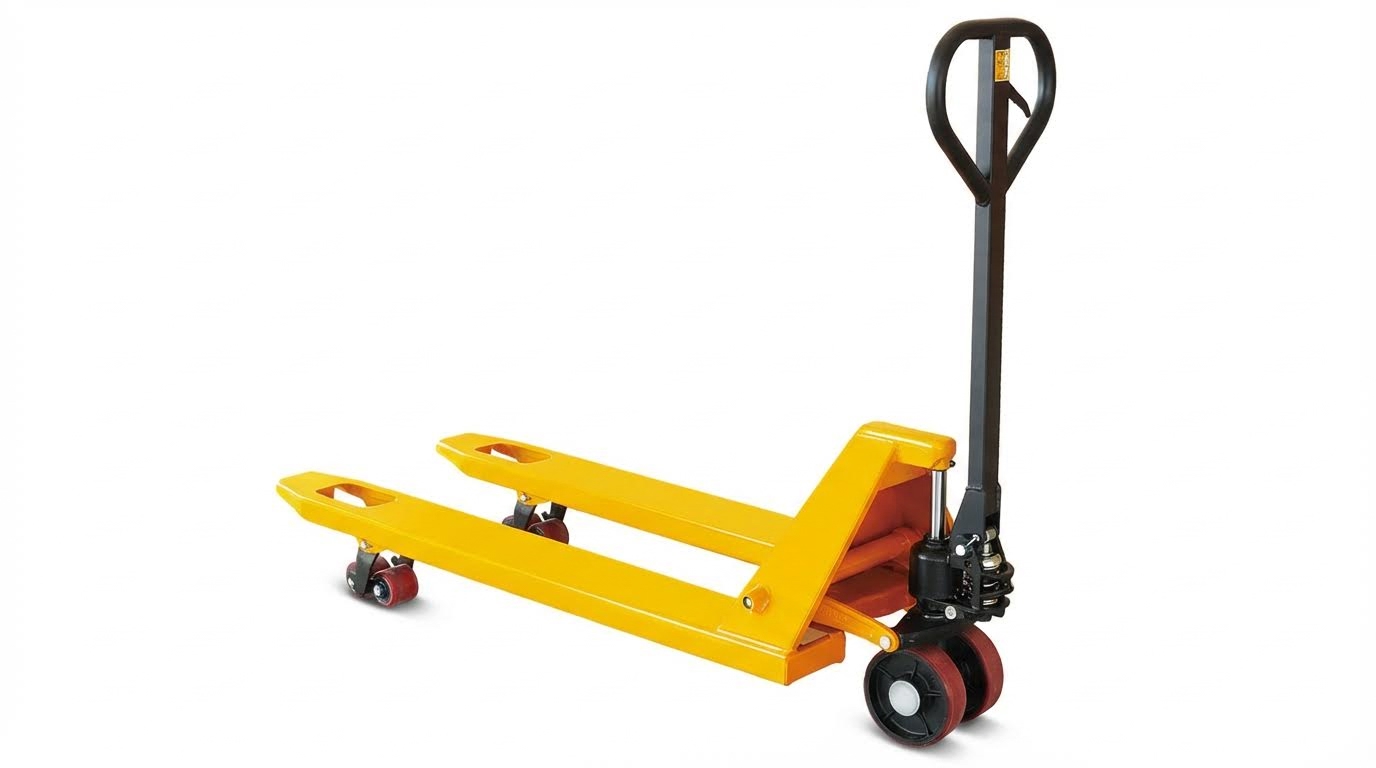
ระบบการเคลือบและวัสดุพื้นฐานควบคุมอายุการใช้งานด้านการป้องกันการกัดกร่อนและสุขอนามัย โดยเฉพาะอย่างยิ่งในโรงงานอาหาร ยา และโรงงานที่ใช้กระบวนการเปียก
- เกรดเหล็กพื้นฐาน: เหล็กโครงสร้าง Q235 หรือเหล็กโครงสร้างที่คล้ายคลึงกันที่มีความแข็งแรงดึง ≥400 MPa ให้ความแข็งแกร่งที่ดี – มันช่วยต้านทานการงอของปลายส้อมภายใต้แรงกดสูง อ้างอิง: เหล็กกล้า Q235 และความแข็งแรง
- ขั้นตอนก่อนการรักษา: การล้างด้วยกรดและการเคลือบฟอสเฟตช่วยทำความสะอาดและเตรียมพื้นผิวให้พร้อมสำหรับการยึดเกาะ – พวกมันช่วยให้สารเคลือบยึดเกาะและต้านทานการเกิดสนิมใต้ฟิล์ม อ้างอิง: การดองด้วยกรดและการเคลือบฟอสเฟต
- ความหนาและประเภทของสารเคลือบ: การเคลือบด้วยผงหรืออีพ็อกซี่ที่มีความหนาประมาณ 80 ไมโครเมตร ให้การปกป้องที่แข็งแรงทนทาน – สารเหล่านี้ช่วยชะลอการเกิดสนิมในโกดังและท่าขนถ่ายสินค้าที่มีความชื้นสูง บางรุ่นสามารถทนต่อการทดสอบการพ่นละอองเกลือได้นานกว่า 480 ชั่วโมง ตามมาตรฐาน ASTM B117 อ้างอิง: การเคลือบ 80 ไมโครเมตร และการทดสอบการพ่นละอองเกลือ 480 ชั่วโมง
- รุ่นสแตนเลสหรือชุบสังกะสี: สำหรับพื้นที่ที่ต้องล้างทำความสะอาดหรือพื้นที่ที่มีฤทธิ์กัดกร่อน รถบรรทุกที่ทำจากสแตนเลสหรือชุบสังกะสีแบบจุ่มร้อนจะช่วยป้องกันการเกิดสนิมได้ ช่วยปกป้องสุขอนามัยและลดความเสี่ยงจากการปนเปื้อน อ้างอิง: รถบรรทุกสแตนเลสและชุบสังกะสี
| การตกแต่ง/วัสดุ | สภาพสิ่งแวดล้อม | ระดับต้นทุน | ผลกระทบในการดำเนินงาน |
|---|---|---|---|
| การเคลือบผงมาตรฐาน (~80 ไมโครเมตร) | คลังสินค้าแห้งในร่ม | ระดับฐาน | อายุการใช้งานที่เหมาะสมหากมีการกระแทกและรอยขีดข่วนน้อยที่สุด |
| การเคลือบอีพ็อกซี่ขั้นสูง พร้อมการเตรียมพื้นผิวอย่างครบถ้วน | ท่าเรือชื้นแฉะ ใช้งานกลางแจ้งเป็นครั้งคราว | กลาง | ทนทานต่อสนิมได้ดีกว่า สีไม่ลอกเป็นรอยถลอกง่าย |
| เหล็กชุบสังกะสี | การเก็บรักษาภายนอกอาคารในที่ชื้นและมีฤทธิ์กัดกร่อนเล็กน้อย | สูงกว่า | ทนทานต่อการหลุดลอกและการกัดกร่อนใต้ฟิล์มในสภาวะเปียกชื้น |
- การออกแบบที่เน้นสุขอนามัย: รอยเชื่อมที่เรียบเนียน ส่วนประกอบที่ปิดสนิท และจุดดักจับสิ่งสกปรกน้อยที่สุด ช่วยให้ทำความสะอาดได้ง่ายขึ้น มีความสำคัญในอุตสาหกรรมอาหารหรือยา เนื่องจากไม่สามารถยอมรับเศษสนิมและสิ่งสกปรกที่ติดอยู่ได้
- มาตรฐานและการรับรอง: รถบรรทุกที่ผลิตภายใต้มาตรฐาน ISO 9001:2015 และผ่านการทดสอบตามมาตรฐาน EN ISO 3691 หรือมาตรฐานที่คล้ายคลึงกัน บ่งชี้ถึงกระบวนการควบคุม – โดยทั่วไปแล้ว สิ่งนี้จะสัมพันธ์กับคุณภาพการเคลือบและการเชื่อมที่สม่ำเสมอ อ้างอิง: ใบรับรอง ISO และ CE
💡 หมายเหตุจากวิศวกรภาคสนาม:ในสภาพแวดล้อมที่เปียกชื้นหรือมีเกลือ รถบรรทุกที่ทาสีราคาถูกมักจะดูดีในช่วง 6-12 เดือนแรก จากนั้นจะเกิดฟองและลอกล่อนอย่างรวดเร็ว เมื่อสนิมเริ่มแทรกซึมเข้าไปใต้ชั้นเคลือบ การซ่อมแซมมักจะไม่คุ้มค่า ดังนั้นควรเลือกใช้สีที่มีความทนทานต่อการกัดกร่อนสูงตั้งแต่แรกจะดีกว่า
ความต้านทานการกัดกร่อนเทียบกับ ฉันจะหาข้อเสนอที่คุ้มค่าสำหรับรถยกพาเลทแบบใช้มือได้จากที่ไหน
หากสถานที่ปฏิบัติงานของคุณแห้งและอยู่ภายในอาคาร คุณสามารถให้ความสำคัญกับราคาและการเคลือบสีฝุ่นพื้นฐานได้ แต่ในสภาพแวดล้อมที่เปียกชื้น เย็น หรือต้องการความสะอาดถูกสุขอนามัย “ข้อเสนอที่คุ้มค่า” ควรหมายถึงแพ็คเกจป้องกันการกัดกร่อนที่ดีที่สุดต่อราคา ไม่ใช่ตัวเลขเริ่มต้นที่ต่ำที่สุดในใบเสนอราคา
การเลือกประเภทรถบรรทุกให้เหมาะสมกับการใช้งานและงบประมาณ
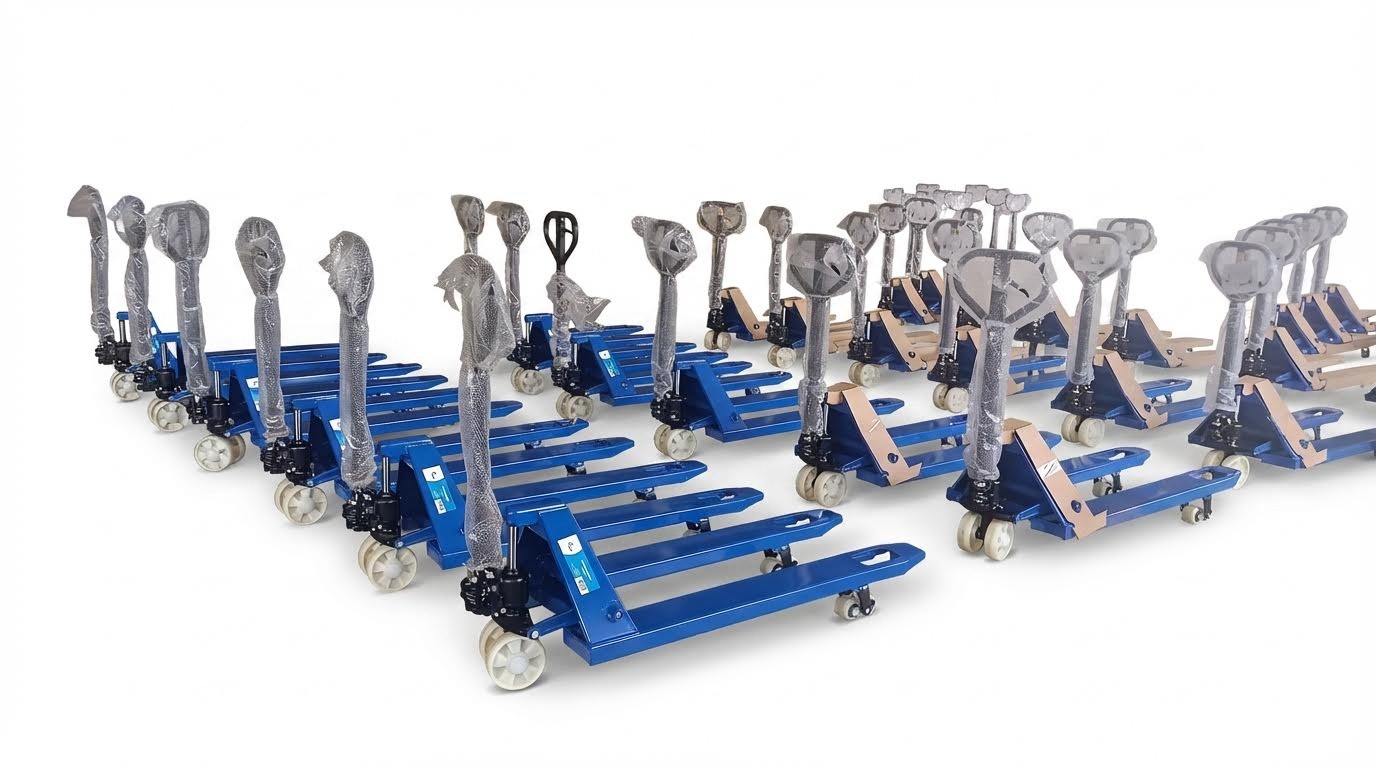
การเลือกใช้รถยกพาเลท แบบใช้มือหรือแบบใช้ไฟฟ้า ขึ้นอยู่กับระยะทาง ปริมาณพาเลท และค่าแรง ไม่ใช่แค่ราคาซื้อเท่านั้น ส่วนนี้จะช่วยให้คุณเลือกประเภทรถยกให้เหมาะสมกับขั้นตอนการทำงาน และเข้าใจถึงปัจจัยที่ส่งผลต่อต้นทุนรวมในการเป็นเจ้าของอย่างแท้จริง
เมื่อคุณเปรียบเทียบตัวเลือกต่างๆ และสงสัยว่าจะหาซื้อรถยกพาเลทแบบใช้มือในราคาที่แข่งขันได้จากที่ไหน ก่อนอื่นให้กำหนดรอบการใช้งานและระยะทางของคุณก่อน จากนั้นคุณจะสามารถเลือกซื้อได้อย่างมั่นใจ แทนที่จะไล่ตามราคาที่ต่ำที่สุดแล้วต้องจ่ายค่าแรงแพงเกินไปในภายหลัง
| ปัจจัย | รถยกพาเลทแบบใช้มือ | รถบรรทุกแท่นวางสินค้าไฟฟ้า | ผลกระทบในการดำเนินงาน |
|---|---|---|---|
| การใช้งานทั่วไปในชีวิตประจำวัน | น้อยกว่า 4 ชั่วโมงต่อวัน แนะนำ | ทำงานหลายกะ เส้นทางไกล | เครื่องจักรกลเหมาะสำหรับงานเบาและงานที่ทำเป็นครั้งคราว ส่วนเครื่องจักรกลเหมาะสำหรับการใช้งานต่อเนื่อง |
| ระยะทางโดยทั่วไปต่อการขนย้ายแต่ละครั้ง | วิ่งระยะสั้น < 60–70 เมตร (≈200 ฟุต) | ดีที่สุด > 60–90 เมตร โดยเฉพาะอย่างยิ่ง > 90 เมตร (300 ฟุต) เพื่อผลตอบแทนจากการลงทุน (ROI) | การเดินทางระยะไกลช่วยประหยัดแรงงานได้มากขึ้นจากการใช้ระบบขับเคลื่อนด้วยไฟฟ้า |
| จำนวนพาเลทที่ยกได้ต่อชั่วโมง | ประมาณ 15 พาเล็ตต่อชั่วโมง | ประมาณ 27 พาเล็ตต่อชั่วโมง ตั้งข้อสังเกต | ไฟฟ้าช่วยเพิ่มประสิทธิภาพการทำงานได้ประมาณ 45% ในช่วงเวลาที่มีงานยุ่ง |
| ปริมาณพาเลทที่เหมาะสม | < 20 พาเล็ต/ชั่วโมง | ผลิตได้ประมาณ 50 พาเล็ตต่อชั่วโมง คืนทุนภายใน 18 เดือน ข้อมูลกรณี | ปริมาณการใช้งานน้อยเหมาะกับการใช้ระบบมือหมุน ปริมาณการใช้งานมากเหมาะกับระบบไฟฟ้า |
| ลักษณะการรับน้ำหนักโดยทั่วไป | ภาระเบาถึงปานกลาง มีช่วงที่มีภาระสูงสุดเป็นครั้งคราว | น้ำหนักบรรทุกประจำวันที่มาก > ≈1,350 กก. (3,000 ปอนด์) ได้รับประโยชน์มากขึ้น | การยกและเคลื่อนย้ายสิ่งของที่มีน้ำหนักมากและบ่อยครั้งนั้นจำเป็นต้องใช้ระบบยกและขับเคลื่อนด้วยมอเตอร์ |
| ความเหนื่อยล้าของคนงาน | ความเหนื่อยล้าและความตึงเครียดที่สูงขึ้น อัตราความเหนื่อยล้าสูงขึ้น 23% และรายงานการบาดเจ็บของระบบกล้ามเนื้อและกระดูกเพิ่มขึ้น 18% ในการศึกษา | ภาระทางกายภาพลดลงอย่างมาก | ระบบไฟฟ้าช่วยลดแรงผลักและแรงดึง รวมถึงลดความเสี่ยงต่อการบาดเจ็บ |
| เหมาะสมกับงบประมาณที่สุด | ต้นทุนเริ่มต้นต่ำที่สุด เหมาะสำหรับงบประมาณลงทุนที่จำกัด | ต้นทุนเริ่มต้นสูงกว่า แต่ต้นทุนต่อพาเลทจะต่ำกว่าเมื่อซื้อในปริมาณมาก | เลือกแบบแมนนวลสำหรับการเริ่มต้นใช้งาน และเลือกแบบไฟฟ้าสำหรับเว็บไซต์ที่มีความเสถียรและรองรับปริมาณงานสูง |
💡 หมายเหตุจากวิศวกรภาคสนาม:ผมมักเห็นไซต์งานหลายแห่งซื้อแต่รถบรรทุกแบบใช้เกียร์ธรรมดาเพื่อ "ประหยัดเงิน" แล้วสุดท้ายก็ต้องเสียค่าใช้จ่ายมากกว่าเดิมในเรื่องการโหลดช้า ค่าล่วงเวลา และการเรียกร้องค่าสินไหมทดแทนจากอุบัติเหตุภายใน 12-24 เดือน ซึ่งมากกว่าราคาของรถบรรทุกไฟฟ้าเสียอีก
แรงงานคนเทียบกับไฟฟ้า: ประสิทธิภาพการทำงานและต้นทุนรวมในการเป็นเจ้าของ
รถยกพาเลทแบบใช้มือและแบบใช้ไฟฟ้าแตกต่างกันมากที่สุดในด้านปริมาณงาน ต้นทุนแรงงาน และต้นทุนการเป็นเจ้าของในระยะยาว ไม่ใช่แค่ราคาซื้อเท่านั้น
| ต้นทุน / รายการประสิทธิภาพ | รถยกพาเลทแบบใช้มือ | รถบรรทุกแท่นวางสินค้าไฟฟ้า | ผลกระทบจากโลกแห่งความเป็นจริง |
|---|---|---|---|
| ราคาเริ่มต้นโดยทั่วไป | ≈1,200–2,500 ดอลลาร์ พิสัย | ≈3,500–5,000 ดอลลาร์ | การจัดการด้วยตนเองได้เปรียบในวันแรก ส่วนการจัดการด้วยระบบไฟฟ้าจะได้เปรียบหากมีการใช้จ่ายในปริมาณมาก |
| การบำรุงรักษาประจำปี | ประมาณ 300–600 ดอลลาร์สหรัฐต่อปี | ประมาณ 150–400 ดอลลาร์สหรัฐต่อปี รายงาน | จริงๆ แล้ว การใช้พลังงานไฟฟ้าอาจมีค่าใช้จ่ายถูกกว่า |
| ส่วนแบ่งของต้นทุนรวมในการเป็นเจ้าของ (TCO) จากการบำรุงรักษา | ประมาณ 40% ของต้นทุนรวมในการเป็นเจ้าของ (TCO) ในระยะเวลา 10 ปี | ประมาณ 25% ของต้นทุนรวมในการเป็นเจ้าของ (TCO) ในระยะเวลา 10 ปี | คู่มือต่างๆ “กิน” งบประมาณของคุณมากกว่าในด้านการบำรุงรักษาในระยะยาว |
| ค่าพลังงาน | ไม่มี (พลังมนุษย์) | ค่าไฟฟ้าประมาณ 120 ดอลลาร์สหรัฐต่อปี ตามแบบฉบับ | การประหยัดพลังงานนั้นเป็นเรื่องเล็กน้อยเมื่อเทียบกับการประหยัดแรงงาน |
| ค่าใช้จ่ายในการดำเนินงาน (ค่าบำรุงรักษา ชิ้นส่วนขนาดเล็ก) | มีรายงานในบางการศึกษาว่ามีค่าใช้จ่ายประมาณ 50 ดอลลาร์สหรัฐต่อปี | ประมาณ 300 ดอลลาร์สหรัฐต่อปี รวมค่าแบตเตอรี่และค่าบำรุงรักษา | รถยนต์ไฟฟ้าลงทุนกับตัวรถมากกว่า และใช้เงินกับบุคลากรน้อยกว่า |
| การผลิต | ≈15 พาเล็ตต่อชั่วโมงต่อพนักงานหนึ่งคน | ≈27 พาเล็ตต่อชั่วโมง (เพิ่มขึ้นประมาณ 45%) | ไฟฟ้าสามารถยกพาเลทได้เกือบสองเท่าต่อกะ |
| เวลาต่อรอบ (วิ่ง 100 เมตร) | baseline | เร็วกว่าเดิมประมาณ 22 วินาทีต่อ 100 เมตร วัด | ประหยัดค่าใช้จ่ายได้มากเมื่อต้องเดินทางไปมาระหว่างท่าเทียบเรือและชั้นวางสินค้าทั้งวัน |
| การประหยัดแรงงานเมื่อเดินทางไกล | ถูก จำกัด | ลดต้นทุนแรงงานได้ประมาณ 18–22% เมื่อระยะทางต่อเที่ยวมากกว่า 90 เมตร (300 ฟุต) รายงาน | ทางเดินยาวและกระบวนการขนถ่ายสินค้าข้ามท่าเอื้อประโยชน์ต่อรถยนต์ไฟฟ้ามากกว่า |
| อาการบาดเจ็บและความเหนื่อยล้า | ความเหนื่อยล้าเพิ่มขึ้น 23% การบาดเจ็บของระบบกล้ามเนื้อและกระดูกเพิ่มขึ้น 18% รวมถึงการหยุดพักงานและการเรียกร้องค่าสินไหมทดแทนโดยเฉลี่ยประมาณ 15,000 ดอลลาร์สหรัฐต่อคน ที่ติดตาม | แรงกดลดลงอย่างมาก การเร่งความเร็วและการเบรกราบรื่นยิ่งขึ้น | เหมาะสำหรับพนักงานที่มีอายุมากหรือพนักงานที่มีอัตราการลาออกสูง |
| ตัวอย่างการคืนทุน | เหมาะที่สุดเมื่อผลิตได้น้อยกว่า 20 พาเล็ตต่อชั่วโมง และเป็นการผลิตในปริมาณน้อย | คืนทุนประมาณ 18 เดือน ที่อัตราการผลิตประมาณ 50 พาเล็ตต่อชั่วโมง กรณีศึกษา | ศูนย์บริการที่มีการใช้งานหนาแน่นจะสามารถชดเชยค่าไฟฟ้าได้อย่างรวดเร็ว |
- รถกระบะเกียร์ธรรมดาที่ลงตัวที่สุด: ปริมาณพาเลทน้อย การผลิตจำนวนน้อย งบประมาณจำกัด – เหมาะสำหรับโรงงานขนาดเล็ก ห้องเก็บสินค้าด้านหลังร้าน หรือการขนถ่ายสินค้าเป็นครั้งคราว
- จุดเด่นของรถบรรทุกไฟฟ้า: ปริมาณพาเลทสูง เส้นทางขนส่งยาว ทำงานหลายกะ – เหมาะอย่างยิ่งสำหรับศูนย์กระจายสินค้าและโรงงานผลิต
- กลยุทธ์การใช้กองเรือแบบผสมผสาน: ใช้คู่มือในการบรรจุ/การผลิต และใช้คู่มือด้านไฟฟ้าสำหรับการขนย้ายระยะไกล – ช่วยลดต้นทุนการขนย้ายพาเลทได้ประมาณ 19% ในคลังสินค้าที่มีการทำงานหลายกะ ตามข้อมูลที่รายงาน.
สิ่งนี้ส่งผลต่อการหาข้อเสนอที่แข่งขันได้สำหรับรถยกพาเลทแบบใช้มืออย่างไร
ขั้นแรก ให้ตัดสินใจว่าคุณจำเป็นต้องใช้รถยนต์ไฟฟ้าจริงหรือไม่ โดยพิจารณาจากจำนวนพาเลทต่อชั่วโมงและระยะทางในการเดินทาง จากนั้นเปรียบเทียบต้นทุนรวมในระยะเวลา 5-10 ปี ไม่ใช่แค่ราคาที่ติดป้ายไว้ วิธีนี้จะช่วยให้คุณมองเห็นข้อเสนอที่คุ้มค่าอย่างแท้จริงเมื่อพบเจอ
รอบการทำงาน ระยะทางในการเดินทาง และความเหนื่อยล้าของผู้ปฏิบัติงาน
รอบการทำงานและระยะทางในการเดินทางจะเป็นตัวกำหนดว่ารถบรรทุกเกียร์ธรรมดานั้นสามารถใช้งานได้หรือไม่ หรือเป็นปัญหาด้านการยศาสตร์และต้นทุนที่ซ่อนอยู่
- รอบการทำงาน (ชั่วโมงต่อวัน): รถบรรทุกแบบใช้เกียร์ธรรมดาเหมาะสำหรับการใช้งานต่อเนื่องไม่เกิน 4 ชั่วโมงต่อวัน หากใช้งานเกินกว่านั้น ความเหนื่อยล้าและเวลาหยุดพักจะเพิ่มขึ้นอย่างมาก รถบรรทุกไฟฟ้าสามารถรับมือกับการทำงานต่อเนื่องหรือการทำงานหลายกะได้ดีกว่ามาก วิธีนี้จะช่วยปกป้องผู้ปฏิบัติงานและรักษาระดับผลผลิตให้คงที่
- จำนวนเที่ยวต่อกะ: การขนย้ายสิ่งของระหว่างท่าเทียบเรือและพื้นที่จัดเก็บสินค้าบ่อยครั้ง ส่งผลให้เกิดแรงดึงและแรงผลัก แม้ในระยะทางปานกลาง การเดินทางระยะสั้นหลายๆ ครั้งก็คุ้มค่ากับการใช้รถยนต์ไฟฟ้า
- ระยะทางในการเดินทางต่อทริป: เมื่อระยะทางเกิน 60–90 เมตร การดึงด้วยมือจะกลายเป็นปัญหาคอขวด รถไฟฟ้าช่วยลดเวลาในการทำงาน 100 เมตรลงประมาณ 22 วินาที ทำให้ความเร็วคงที่ตลอดทั้งกะ วิธีนี้ช่วยขจัดผลกระทบ "ช่วงชั่วโมงสุดท้ายที่ช้าลง" ออกไปได้
- สภาพพื้นและระดับความลาดชัน: พื้นลาดเอียงหรือพื้นขรุขระจะทำให้แรงที่ต้องใช้ในการเริ่มและหยุดการเคลื่อนที่เพิ่มขึ้นเป็นทวีคูณ รถบรรทุกไฟฟ้าช่วยลดการสูญเสียจากแรงเสียดทานเหล่านี้ ซึ่งเป็นสิ่งที่ส่งผลเสียต่อผู้ใช้รถบรรทุกแบบใช้แรงคน
- ข้อมูลส่วนตัวของผู้ให้บริการ: ผู้ที่มีรูปร่างเล็กหรือผู้สูงอายุจะเหนื่อยล้าเร็วกว่าเมื่อต้องทำงานหนักด้วยมือ ระบบช่วยขับเคลื่อนด้วยไฟฟ้าช่วยลดความเหลื่อมล้ำและลดความเสี่ยงต่อการบาดเจ็บ
มีรายงานว่า รถยกพาเลทไฮดรอลิกแบบใช้มือทำให้เกิดความเหนื่อยล้าเพิ่มขึ้น 23% การบาดเจ็บของระบบกล้ามเนื้อและกระดูกเพิ่มขึ้น 18% และเวลาหยุดทำงานเพิ่มขึ้นประมาณ 45 ชั่วโมงต่อหน่วยต่อปี เมื่อรวมเวลาในการบำรุงรักษาและการซ่อมแซมไว้ในการวิเคราะห์เดียวกันสำหรับสถานที่ทำงานที่มีพนักงานจำกัด เวลาที่สูญเสียไปนั้นจะมากกว่าการประหยัดเพียงเล็กน้อยจากตัวรถเองอย่างรวดเร็ว
- ขั้นตอนที่ 1: กำหนดเส้นทางหลักของคุณโดยใช้หน่วยเมตร – จากท่าเทียบเรือไปยังชั้นวางสินค้า จากชั้นวางสินค้าไปยังสายการผลิต ฯลฯ ระยะทางใดๆ ที่มากกว่า 60-90 เมตรอย่างสม่ำเสมอ ถือเป็นสัญญาณบ่งชี้ว่าควรใช้ระบบไฟฟ้า
- ขั้นตอนที่ 2: นับจำนวนพาเลทต่อชั่วโมงและต่อกะการทำงาน – หากผู้ปฏิบัติงานรายใดรายหนึ่งสามารถยกพาเลทได้เกิน 20 พาเลทต่อชั่วโมงเป็นประจำ แสดงว่าคุณกำลังอยู่ในพื้นที่ที่มีรถยกไฟฟ้าหรือรถยกแบบผสม
- ขั้นตอนที่ 3: โปรดสังเกตความลาดชัน ทางลาด และจุดที่ขรุขระ – บริเวณเหล่านี้เป็นจุดเริ่มต้นของความเมื่อยล้าและอาการบาดเจ็บ โดยเฉพาะอย่างยิ่งเมื่อต้องยกของหนัก
- ขั้นตอนที่ 4: ตรวจสอบข้อมูลการขาดงานและการบาดเจ็บ – ปัญหาเกี่ยวกับหลัง ไหล่ หรือข้อมือที่เกิดขึ้นบ่อยครั้งจากการยกพาเลท เป็นตัวบ่งชี้ที่ชัดเจนว่าการใช้แรงงานคนเพียงอย่างเดียวนั้นหนักเกินไป
- ขั้นตอนที่ 5: คำนวณผลตอบแทนจากการลงทุน (ROI) อย่างง่าย – เปรียบเทียบชั่วโมงการทำงานเพิ่มเติมและค่าใช้จ่ายจากการบาดเจ็บกับค่าเช่าหรือค่าผ่อนชำระเครื่องใช้ไฟฟ้าในระยะเวลา 3-5 ปี
💡 หมายเหตุจากวิศวกรภาคสนาม:หากผู้ปฏิบัติงาน "โกง" โดยการบรรทุกน้ำหนักเกินในรถยกแบบใช้แรงงานคน หรือลากรถไปด้านข้างเพื่อรับมือกับความเหนื่อยล้า คาดได้เลยว่าจะเกิดงาโก่งงอ ระบบไฮดรอลิกรั่ว และความเสียหายที่มองไม่เห็นบนพาเลท พฤติกรรมดังกล่าวเป็นสัญญาณบ่งบอกว่ารอบการทำงานเกินกว่าอุปกรณ์แบบใช้แรงงานคนแล้ว
รายการตรวจสอบอย่างรวดเร็วก่อนขอใบเสนอราคา
เตรียมพร้อมแล้ว:
- น้ำหนักบรรทุกเฉลี่ยและสูงสุดต่อพาเลท (กก.)
- ระยะทางเฉลี่ยในการขนย้ายแต่ละครั้ง (เมตร)
- จำนวนพาเลทที่เคลื่อนย้ายต่อพนักงานต่อกะ
- จำนวนกะต่อวันและจำนวนวันต่อสัปดาห์
- ทางลาด พื้นเอียง หรือพื้นขรุขระทุกชนิด
ผู้จำหน่ายจะสามารถเสนอราคาที่แข่งขันได้อย่างแท้จริงสำหรับรถยกพาเลทแบบใช้มือก็ต่อเมื่อคุณแบ่งปันข้อมูลนี้เท่านั้น ข้อมูลนี้ช่วยให้พวกเขาสามารถเสนอส่วนผสมที่เหมาะสมระหว่างรถยกแบบใช้มือและแบบไฟฟ้า แทนที่จะขายสินค้าเกินความจำเป็นหรือสินค้าที่ระบุคุณสมบัติไม่ครบถ้วน
ข้อควรพิจารณาสุดท้ายก่อนซื้อ
การเลือกใช้รถยกพาเลทแบบใช้มือเป็นเรื่องของการตัดสินใจทางวิศวกรรม ไม่ใช่แค่การตรวจสอบราคาเพียงอย่างเดียว ความสามารถในการรับน้ำหนัก รูปทรงของงา และความสูงในการยก ต้องเหมาะสมกับพาเลทที่หนักที่สุด รูปแบบของทางเดิน และคุณภาพของพื้น หากคุณเลือกสเปคที่ไม่เหมาะสม คุณจะเพิ่มความเสี่ยงไปสู่การงอของงา การยกของที่ไม่มั่นคง และการบาดเจ็บของผู้ปฏิบัติงาน
ระบบไฮดรอลิก ล้อ และสารเคลือบผิว จะเป็นตัวกำหนดพฤติกรรมของรถบรรทุกหลังจากใช้งานไปหลายปี ปั๊มที่สร้างมาอย่างดีพร้อมซีลคุณภาพสูงและชิ้นส่วนที่ผ่านการกลึงอย่างแม่นยำ จะช่วยลดแรงยกและรักษาปริมาณน้ำมันภายในระบบ วัสดุและรูปแบบของล้อที่เหมาะสมจะช่วยลดแรงผลักและเสียงรบกวน พร้อมทั้งปกป้องพื้น สารเคลือบผิวที่เหมาะสม และหากจำเป็น การใช้วัสดุสแตนเลสหรือเหล็กชุบสังกะสี จะช่วยป้องกันการกัดกร่อนจนทำให้รถบรรทุกราคาถูกกลายเป็นเศษเหล็ก
สุดท้ายนี้ ควรเลือกใช้รถบรรทุกแบบใช้เกียร์ธรรมดาหรือไฟฟ้าให้เหมาะสมกับปริมาณงานและระยะทาง รถบรรทุกแบบใช้เกียร์ธรรมดาเหมาะสำหรับเส้นทางระยะสั้นและปริมาณงานน้อย ส่วนรถบรรทุกไฟฟ้าจะคืนทุนได้เร็วในเส้นทางระยะไกลที่มีปริมาณงานมาก โดยช่วยลดความเหนื่อยล้า การบาดเจ็บ และการทำงานล่วงเวลา สถานที่หลายแห่งจะได้ประโยชน์จากการใช้รถบรรทุกแบบผสมผสาน
ทีมปฏิบัติการและวิศวกรรมควรวางแผนปริมาณการขนส่ง เส้นทาง ชั้น และสภาพแวดล้อม จากนั้นจึงเปรียบเทียบข้อเสนอต่างๆ กับความต้องการเหล่านี้ ใช้ข้อมูลนั้นเพื่อเปรียบเทียบต้นทุนตลอดอายุการใช้งานที่แท้จริง ไม่ใช่แค่ราคาซื้อ เมื่อคุณทำเช่นนี้ “ข้อเสนอที่แข่งขันได้” จะชี้ไปยังรถบรรทุกที่ปลอดภัย ขับเคลื่อนได้ง่าย และช่วยให้พาเลทของคุณเคลื่อนย้ายได้อย่างต่อเนื่องในทุกกะการทำงาน โดยเฉพาะอย่างยิ่งเมื่อคุณทำงานกับผู้จำหน่ายเฉพาะทางอย่าง Atomoving
คำถามที่พบบ่อย (FAQs)
ฉันจะหาซื้อรถยกพาเลทแบบใช้มือในราคาที่แข่งขันได้จากที่ไหน?
หากต้องการหาข้อเสนอที่คุ้มค่าสำหรับรถยกพาเลทแบบใช้มือ โปรดพิจารณาตัวเลือกต่อไปนี้:
- ตลาดออนไลน์: เว็บไซต์อย่าง Amazon หรือ Alibaba มักมีรถยกพาเลทแบบใช้มือให้เลือกมากมายในราคาที่แตกต่างกัน ควรเปรียบเทียบราคาเพื่อหาข้อเสนอที่ดีที่สุด
- ซัพพลายเออร์อุตสาหกรรมท้องถิ่น: ไปเยี่ยมชมหรือติดต่อผู้จำหน่ายอุปกรณ์ขนถ่ายวัสดุในพื้นที่ของคุณ พวกเขาอาจเสนอส่วนลดหรือมีรุ่นที่ได้รับการปรับปรุงใหม่ให้เลือกซื้อ
- ส่วนลดจากผู้ผลิต: ตรวจสอบกับผู้ผลิตว่ากำลังจัดโปรโมชั่นหรือลดราคาสินค้าอยู่หรือไม่ การสมัครรับจดหมายข่าวจะช่วยให้คุณได้รับทราบข้อมูลเกี่ยวกับโปรโมชั่นเหล่านี้
- สถานที่ประมูล: แพลตฟอร์มอย่าง eBay หรือเว็บไซต์ประมูลสินค้าอุตสาหกรรมบางครั้งนำรถยกพาเลทแบบใช้มือมาขายในราคาที่ลดลง
หากคุณกำลังมองหาตัวเลือกมือสอง พื้นที่อุตสาหกรรมหรือประกาศขายสินค้าในท้องถิ่นก็เป็นแหล่งข้อมูลที่ดีเช่นกัน ตรวจสอบให้แน่ใจเสมอว่าอุปกรณ์นั้นได้มาตรฐานความปลอดภัยก่อนซื้อ
มีที่ไหนบ้างที่แจกพาเลทฟรี?
บางธุรกิจอาจแจกพาเลทไม้ฟรีเป็นครั้งคราว สถานที่ที่ควรตรวจสอบได้แก่:
- ซูเปอร์มาร์เก็ตและห้างสรรพสินค้า: สถานที่เหล่านี้มักได้รับสินค้าที่จัดส่งมาในพาเลท และอาจยินดีที่จะส่งมอบสินค้าเหล่านั้นให้คุณ
- สถานที่ก่อสร้าง: พาเลทที่ไม่ได้ใช้แล้วหรือถูกทิ้งแล้ว อาจมีให้ใช้งานได้ หากคุณสอบถามผู้จัดการสถานที่
- เขตอุตสาหกรรม: โรงงานหรือโกดังสินค้ามักมีพาเลทไม้เหลือใช้ที่ไม่ได้ใช้งานแล้ว
ก่อนรับพาเลท โปรดตรวจสอบกับทางธุรกิจว่ามีพาเลทพร้อมให้รับหรือไม่ สำหรับรายละเอียดเพิ่มเติม โปรดดู ที่ เคล็ด ลับการจัดหาพาเลท