
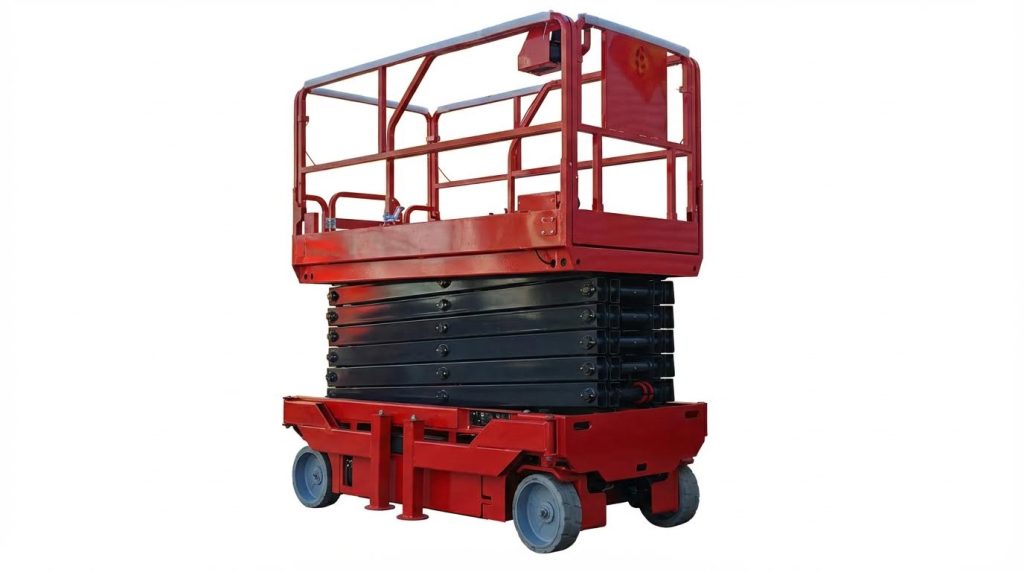
Using scissor lift tables with standard pallets means matching platform size, geometry, and safety systems so pallets load, lift, and unload without damage or instability. This article explains whether and how can scissor lifts work with standard pallets in real warehouses, not just in spec sheets. You will see how pallet standards, platform dimensions, low-profile vs pit-mounted designs, and U-shaped vs rectangular platforms affect fit, ergonomics, and throughput. Finally, we translate regulations and inspection routines into practical best practices so you can specify, install, and operate pallet scissor lifts safely and efficiently.
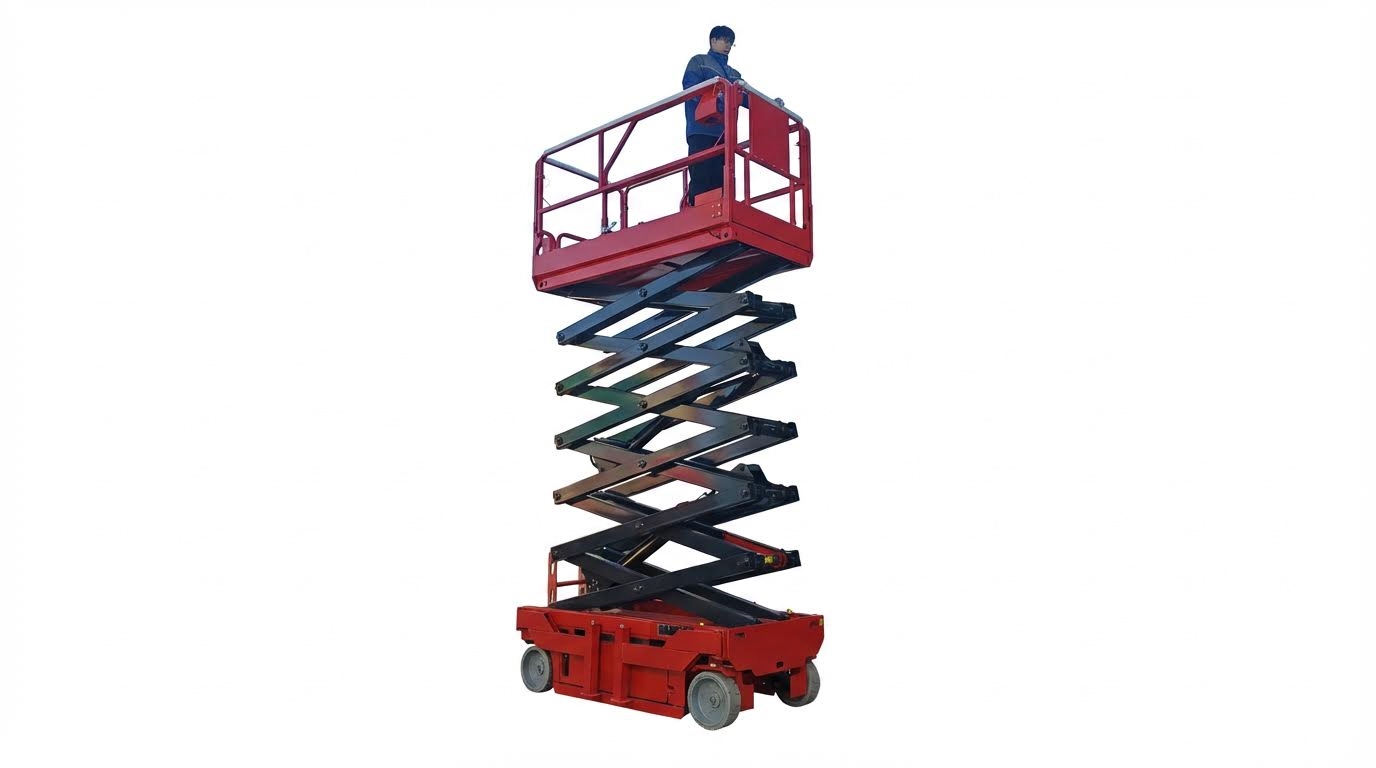
How Scissor Lift Tables Interface With Standard Pallets
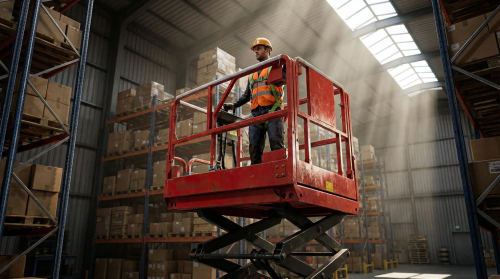
Scissor lift tables interface with standard pallets by matching platform size and geometry to pallet footprints, while preserving clearances, stability, and ergonomic access for pallet trucks, forklifts, and AGVs.
💡 Field Engineer’s Note: When people ask “can scissor lifts work with standard pallets,” the real issue is not just footprint fit; it’s whether operators can load them cleanly without heel-kicking ramps, catching pallet edges, or overloading corners.
Pallet standards and required clearances
Pallet standards and clearances define whether scissor lift platforms safely accept common pallet sizes with enough edge margin to absorb steering errors, skewed placement, and pallet overhang without losing stability.
| Item | Typical Value / Example | Why It Matters | Field Impact |
|---|---|---|---|
| Common pallet sizes | EUR: 800 × 1,200 mm; CHEP: 1,000–1,100 × 1,200 mm pallet examples | Defines the minimum usable platform area. | Ensures pallets sit fully supported with no deckboard hanging in mid-air. |
| Typical pallet-compatible platform size | ≈ 1,420 × 1,140 mm for Euro/CHEP pallets example platform | Provides full pallet support plus side clearance. | Operators do not need perfect alignment; normal steering drift is tolerated. |
| Recommended side clearance | ≥ 50 mm on all sides clearance guidance | Compensates for misplacement and truck steering deviations. | Reduces pallet edge damage and avoids catching on toe guards or railings. |
| Load capacity range for pallet work | ≈ 1,000–3,000 kg typical industrial tables capacity examples | Must exceed pallet gross mass including worst‑case stacking. | Prevents structural overstress when handling dense loads like liquids or metal parts. |
| Closed height for floor-level access | ≈ 80–90 mm low-profile designs low-profile spec | Determines ramp length and entry angle for pallet jacks. | Shorter, shallower ramps mean lower push forces and quicker loading cycles. |
| Ergonomic lift range | Example: 85–860 mm lift height height range | Allows keeping work between 750–1,200 mm from floor for ergonomics ergonomic guidance | Reduces bending and shoulder reach, cutting musculoskeletal risk and errors. |
| Regulatory standard | EN 1570:2011 for lift tables standard reference | Sets safety and design requirements for industrial lift tables. | Helps satisfy insurer and safety-audit expectations for palletizing lines. |
These dimensional rules are the backbone of answering “can scissor lifts work with standard pallets” in a given facility. If the platform footprint, capacity, and clearances match your pallet mix, the interface is usually straightforward.
How to quickly check an existing lift against your pallets
Measure your largest pallet (including any typical overhang), then confirm the platform is at least 100 mm longer and wider. Verify the lift’s rated capacity exceeds your heaviest pallet stack by a sensible margin (often ≥25%) and check that ramps or U‑cutouts align with your pallet truck wheelbase.
Platform geometry and load footprint
Platform geometry and load footprint determine how the pallet actually sits on the scissor lift, influencing stability, deflection, and whether different pallet types can be loaded by pallet jack, forklift, or AGV without special adapters.
| Geometry / Feature | Typical Implementation | Why It Matters | Field Impact |
|---|---|---|---|
| Platform size band | ≈ 1,120 × 1,220 mm to 1,270 × 1,370 mm for standard pallets platform range | Ensures full deckboard support and clearance around the pallet footprint. | One lift can handle both EUR 800 × 1,200 mm and 1,016 × 1,219 mm pallets in mixed operations. |
| U-shaped vs rectangular platforms | U-shaped for open-bottom Euro pallets; rectangular for closed-bottom CHEP/GKN pallets platform comparison | Matches platform support lines to pallet base style and truck entry path. | Wrong geometry leads to pallet truck wheels “dropping” or pallets bridging over gaps. |
| Beveled edges and ramps | Chamfered leading edge; low-angle ramp < 10–12° for floor access ramp guidance | Reduces impact and rolling resistance as pallet jacks or AGVs cross the transition. | Lower push forces, fewer pallet snags, and less wear on wheels and bearings. |
| Low-profile vs pit-mounted | Low-profile: 80–90 mm closed height with ramp or U‑cutout; pit-mounted: flush with floor configuration options | Defines how pallets are introduced—over a ramp or straight-on at floor level. | Pit-mounted units integrate cleanly with AGVs and conveyors; low-profile units retrofit easily without civil work. |
| Load distribution and deflection | Design limits platform bending under 1,000–3,000 kg loads load guidance | Controls rocking and tilt, especially with tall stacks and high center of gravity. | Operators feel a firm, stable surface instead of a “trampoline” at full height. |
| Toe protection and stops | Toe-kick plates, safety trip bars, mechanical end stops safety features | Prevents foot crush and uncontrolled pallet roll-off. | Trip bars stop descent on contact; stops define a hard limit for pallet travel. |
From a practical standpoint, can scissor lifts work with standard pallets reliably comes down to matching platform geometry to your exact pallet base (open vs closed), handling method, and approach path.
- Open-bottom Euro pallets with pallet jacks: Best served by U-shaped low-profile lifts where the jack rolls into the cutout and the pallet rests on the two outer legs, avoiding the need for a long ramp. U-platform example
- Closed-bottom CHEP/GKN pallets or plastic pallets: Better on full rectangular platforms where the entire base is supported and pallet trucks do not have to bridge gaps. rectangular platform
- AGV and conveyor interfaces: Typically use pit-mounted rectangular platforms flush with the floor to keep approach geometry simple and avoid ramp transitions. pit-mount guidance
💡 Field Engineer’s Note: Most “mysterious” pallet rocking problems at height trace back to platform deflection and narrow support lines, not the scissor mechanism itself—overspec the deck stiffness if you run tall, unstable loads.
Checking floor and foundation for pallet lifts
For ultra-thin or pit-mounted tables, ensure concrete thickness is about 160 mm for slabs and 150 mm for pit bottoms and walls, using at least C25 concrete and keeping level within ±3 mm across the support area to avoid uneven leg loading and platform tilt. foundation requirements
Key Design Choices For Pallet-Compatible Lift Tables
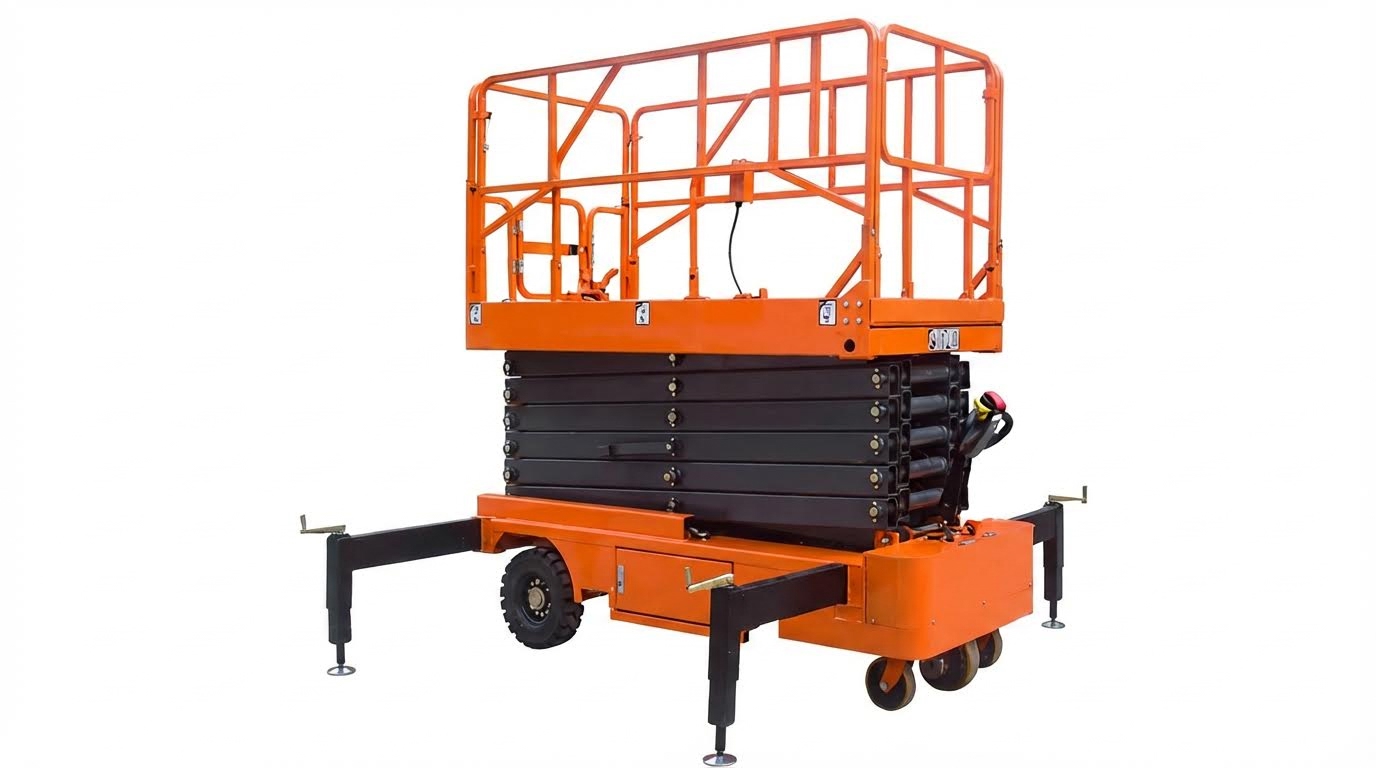
Key design choices for pallet-compatible lift tables determine whether scissor lifts can work with standard pallets safely, ergonomically, and without damaging floors, trucks, or product during everyday warehouse operations.
💡 Field Engineer’s Note: When clients ask “can scissor lifts work with standard pallets,” the real answer depends less on the scissor mechanism and more on platform geometry, approach method, and how the load is restrained at full height.
Low-profile vs pit-mounted configurations
Low-profile vs pit-mounted configurations define how operators and manual pallet jack access the platform, what civil works are required, and how smoothly standard pallets transfer on and off the lift table.
| Design Choice | Typical Spec / Characteristic | Operational Pros / Cons | Field Impact for Standard Pallets |
|---|---|---|---|
| Low-profile surface-mounted | Closed height around 80–90 mm, e.g. 85 mm closed height reference | + No pit or civil work + Ideal for retrofits − Requires ramp or U-shaped platform − Slight push/pull penalty up the ramp | Lets manual pallet jacks handle standard pallets on existing floors; ramp angle must stay low to keep push forces within ergonomic limits. |
| Pit-mounted (flush floor) | Platform top flush with floor; pit base/side walls typically ≥150–160 mm thick C25 concrete with ±3 mm level tolerance concrete requirement | + No ramps, smooth roll-on + Best for AGVs/conveyors − Requires accurate pit construction & drainage − Harder to relocate later | Ideal for high-throughput pallet lines; standard pallets roll straight across with minimal shock, improving stability of tall stacks. |
| Ramp-access package | Steel ramp roughly 1,140 mm × 905 mm × 85 mm for pallet truck access ramp reference | + Fast to install + No building work − Consumes floor space − Steeper ramps increase strain | Works well where you handle a few pallets per hour; for heavy manual jacking, keep ramp angle below about 10–12° to protect operators. |
| Floor-level low-profile with U-platform | Closed height still ~80–90 mm but with central opening for pallet jack entry U-platform description | + No separate ramp + Shorter approach distance − Only suits certain pallet types − Less support under deck | Allows direct loading of open-bottom pallets using standard manual pallet jacks while keeping overall footprint compact. |
Why concrete grade and flatness matter for pit-mounted lifts
Pit-mounted scissor lifts transfer pallet loads into the concrete slab through concentrated leg and base loads. Concrete grade C25 or higher and a leveling tolerance within ±3 mm across the support area prevent uneven leg loading and platform tilt, which otherwise can cause pallets to lean and increase tip risk at full height. Foundation guidance
💡 Field Engineer’s Note: On older slabs, I often specify low-profile surface lifts instead of pits—variable concrete thickness and poor drainage around pits are common failure points that only show up after thousands of pallet cycles.
U-shaped vs rectangular platforms
U-shaped vs rectangular platforms determine how the pallet truck or forklift interfaces with the lift and which pallet deck styles (open vs closed) can be supported safely during lifting.
| Platform Type | Best Suited For | Key Characteristics | Field Impact for Standard Pallets |
|---|---|---|---|
| U-shaped platform | Open-bottom Euro pallets and fork-entry loads U-platform suitability | Central opening allows pallet jack or AGV to roll into the “U”; pallet rests on two outer legs, often combined with low-profile design to avoid a separate ramp. | Excellent when you mainly handle Euro 800 mm × 1,200 mm open-deck pallets; reduces approach distance and speeds changeover but is not ideal for heavy closed-deck CHEP pallets. |
| Rectangular full deck | Closed-bottom CHEP/GKN pallets and pallet trucks rectangular platform use | Continuous platform supports the entire pallet footprint; typically used with a ramp or pit-mount; suited to a wider mix of pallet types and uneven loads. | Best answer when a facility asks “can scissor lifts work with standard pallets of all types?”—a rectangular platform with correct dimensions covers Euro, CHEP, and many custom pallets. |
| Platform dimensioning | Standard Euro and CHEP pallets | Example: 1,420 mm × 1,140 mm platform can take Euro 800 mm × 1,200 mm and CHEP 1,000–1,100 mm × 1,200 mm pallets while maintaining clearance on all sides dimension example. Engineers should keep ≥50 mm edge clearance to absorb steering and placement errors clearance recommendation. | Correct sizing prevents pallet overhang, which can snag on guards or ramps and destabilize stacked loads, especially at full lift height. |
| Beveled edges and ramps | Pallet jacks and AGVs | Beveled or chamfered leading edges and low-angle ramps reduce impact and rolling resistance at the transition to the platform edge treatment. | Improves operator comfort and protects pallet stringers from impact damage; critical when using manual pallet jacks with heavy loads. |
How to choose platform style by pallet mix
If more than ~70% of your volume is open-bottom Euro pallets moved by manual pallet jacks, a U-shaped low-profile lift usually maximizes throughput. If you run a mixed pool (Euro + CHEP/GKN + plastic pallets) or use pallet trucks that support the pallet fully, a rectangular platform is safer and more flexible, even if it needs a ramp or pit.
💡 Field Engineer’s Note: When in doubt, I default to a rectangular deck sized for your largest pallet plus at least 50 mm clearance all round—this future-proofs the lift when pallet standards or suppliers change.
Hydraulics, safety circuits, and structural stability
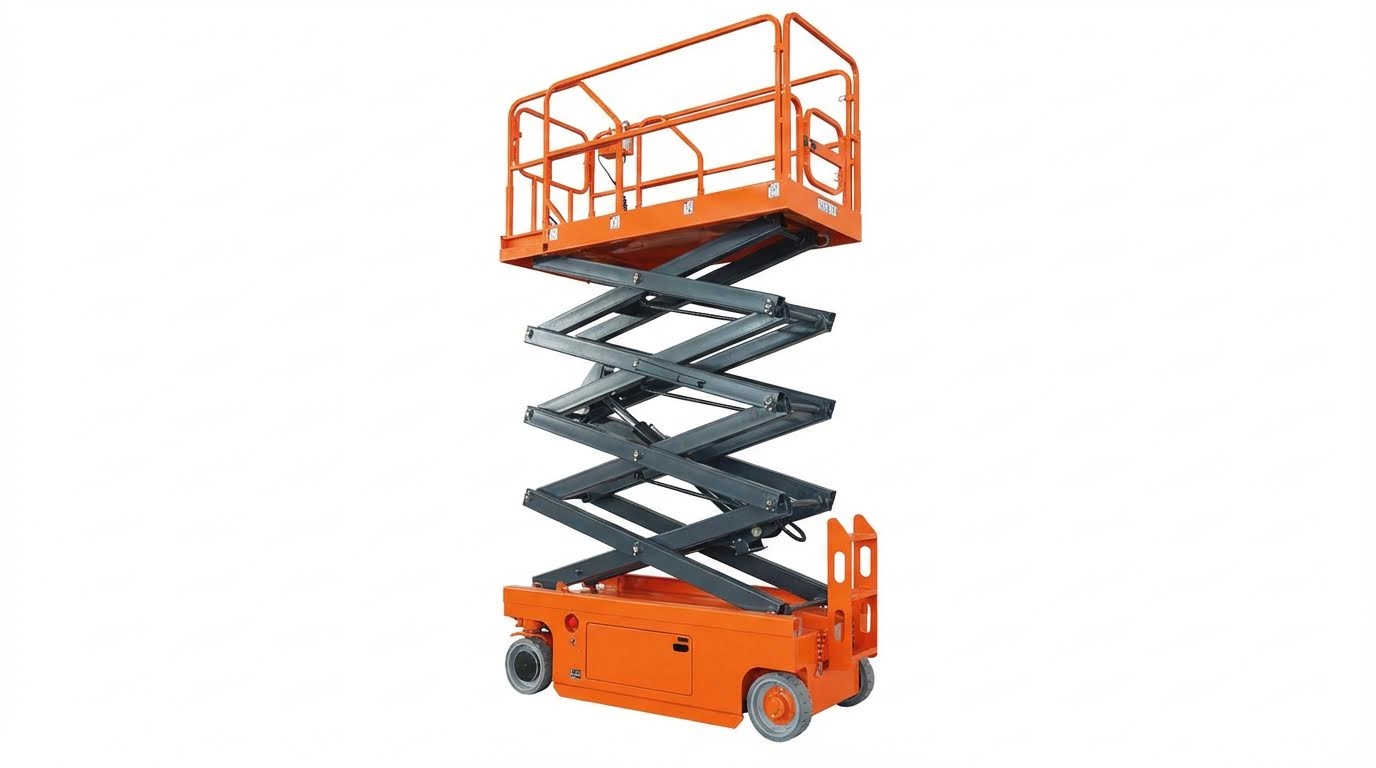
Hydraulics, safety circuits, and structural stability govern whether a pallet scissor lift maintains controlled motion, resists overloads, and keeps stacked pallets stable across the full stroke in real-world warehouse duty.
| Design Aspect | Typical Feature / Range | Safety / Performance Role | Field Impact for Pallet Handling |
|---|---|---|---|
| Rated capacity & stroke | Example: 1,000 kg capacity, lift from ~85 mm to ~860 mm in about 18 s capacity and stroke | Ensures the table can raise a fully loaded standard pallet to ergonomic working height without overstressing cylinders or structure. | Covers most single-pallet applications; operators can keep the top layer between roughly 750–1,200 mm for low musculoskeletal strain ergonomic range. |
| Hydraulic power unit | Typically 220–240 V single-phase or 380–415 V three-phase supply power unit reference | Supplies flow and pressure to raise the platform at a controlled speed while limiting current draw and heat build-up. | Choice of supply voltage affects where the lift can be installed (e.g., near conveyors vs in picking cells) without expensive electrical upgrades. |
| Relief valves & pressure limits | Integrated into hydraulic circuit | Cap maximum pressure under overload, preventing structural damage or hose bursts when someone attempts to lift an overweight pallet. | Provides a controlled “refusal to lift” when pallets exceed rating, protecting both equipment and operators from catastrophic failure. |
| Flow control & hose burst valves | Adjustable flow control for lowering; hose burst valves lock cylinder if a line fails safety valve details | Keep descent speed stable and stop sudden free-fall if a hose ruptures. | Critical when lifting tall or unstable pallet stacks—prevents shock loading and product collapse if a hydraulic component fails. |
| Mechanical safety trip bar & toe protection | Trip bar halts descent on obstruction; toe guards around platform edge safety bar reference | Stops the platform if it contacts an object or foot, reducing crush risk at floor level. | Important in pallet zones where operators work close to the platform edge while picking or building loads. |
| Structural stiffness & deflection control | Industrial tables commonly rated 1,000–3,000 kg; design limits platform deflection and checks stability under eccentric loads stability guidance | Maintains a level surface under load so pallets do not rock or slide, even at max height. | Reduces risk of tall pallet stacks tipping when a corner is heavier or when loads are not perfectly centered on the platform. |
| Regulatory compliance | Example: EN 1570:2011 and related safety directives EN1570 compliance | Defines safety factors, control logic, and guarding requirements for lifting tables. | Gives assurance that the lift is engineered for repetitive pallet handling in line with recognized safety standards. |
| Predictive and scheduled maintenance | Daily visual checks, monthly functional tests, annual oil/filter changes, and component replacement after high cycle
Best Practices For Safe, Ergonomic Pallet HandlingSafe, ergonomic pallet handling means setting lift height, ramps, inspections, and loading patterns so operators move standard pallets with low strain and low risk, proving that can scissor lifts work with standard pallets reliably.
Ergonomic working heights and ramp designErgonomic working heights and ramp design keep pallet handling within safe reach and push-force limits by holding the top layer between about 750–1,200 mm and using low-angle ramps or U-shaped platforms for smooth pallet jack entry.
Why ramp angle and surface finish matter in the fieldOn smooth but slightly dusty concrete, a steep ramp dramatically increases the horizontal force needed to start a loaded pallet jack moving. Keeping the angle shallow and the surface high-friction reduces slip risk and keeps push forces within ergonomic guidelines. Pre-use inspections, loading, and operating conditionsPre-use inspections, correct pallet loading, and controlled operating conditions prevent most scissor lift incidents by catching defects early, enforcing center-loaded pallets within capacity, and keeping people and obstacles out of the platform’s travel envelope.
Final Considerations For Specifying Pallet Scissor LiftsFinal specification choices determine whether scissor lifts genuinely work with standard pallets day-to-day, by aligning platform geometry, structure, power, and maintenance with your actual handling patterns and safety rules. From a design standpoint, the core answer to “can scissor lifts work with standard pallets” is yes, provided you engineer platform size, clearances, and access correctly. Typical pallet‑compatible platforms span roughly 1,120–1,370 mm in length and width, which comfortably fits EUR 800 × 1,200 mm and North American 1,016 × 1,219 mm pallets when you maintain at least 50 mm clearance on each side for steering and placement error. Engineering guidance consistently recommends this margin to avoid edge impacts and side loading that can twist the scissor pack. Vertical travel and closed height must also match your process. A low‑profile lift with a closed height around 80–90 mm allows surface mounting and ramp or U‑shaped entry, while still reaching ergonomic working zones between roughly 750–1,200 mm above floor level for manual picking and stacking. Representative models with lift ranges from about 85 mm up to 860 mm and capacities around 1,000 kg prove sufficient for most single‑pallet applications, but multi‑pallet stacks or heavy loads may require 2,000–3,000 kg rated units. Installation method is another final filter. Surface‑mounted, low‑profile tables avoid civil work and suit retrofit projects, at the cost of using a ramp or U‑platform and consuming a bit more floor length. Pit‑mounted designs sit flush with the floor, which is ideal for AGVs, conveyors, and high‑throughput pallet lanes, but they demand correctly built foundations: slab or pit concrete thickness around 150–160 mm in grade C25 or better, with levelness within ±3 mm to prevent uneven leg loading and platform tilt. Construction guidance stresses these tolerances because small floor errors amplify into visible rocking at full height. Power and safety circuits must align with your facility’s infrastructure and risk profile. Typical pallet scissor lifts run either on 220–240 V single‑phase or 380–415 V three‑phase supplies, with hydraulic power units incorporating pressure relief valves to cap overload pressure, flow controls to stabilize lowering speed, and hose‑burst valves that mechanically lock the platform if a line fails. Typical hydraulic schematics show these as standard elements, and European‑market tables commonly comply with EN 1570:2011 and related safety directives for machinery and low‑voltage equipment. Compliance statements are a useful proxy when comparing suppliers.
Lifecycle planning is the last major consideration. Daily and monthly maintenance routines—checking for hydraulic leaks, inspecting hoses and cylinders, testing safety edges, emergency stops, and limit switches, and listening for abnormal noises—extend service life and reduce unexpected downtime. Maintenance schedules typically call for hydraulic oil changes and filter replacement after about 1,000 operating hours or 50,000 lift cycles, and replacement of key valves and bearing bushes after roughly 200,000 cycles. For high‑volume palletizing lines, pairing this with digital monitoring of pressure, cycle counts, and component temperatures enables predictive maintenance, letting you schedule interventions into planned downtime windows rather than reacting to failures. Predictive strategies are especially valuable once lifts become bottlenecks feeding pallet wrappers or outbound docks. When you pull these threads together, the practical specification checklist looks like this: confirm that platform dimensions and clearances match your pallet mix; choose low‑profile or pit‑mounted based on site constraints and equipment interface; verify that power, hydraulics, and safety circuits match your electrical and safety standards; and lock in a realistic maintenance regime that reflects your cycle counts. Under those conditions, the operational answer to “can scissor lifts work with standard pallets” is not only yes—they become one of the most efficient, ergonomic, and controllable vertical interfaces in the entire material flow. For additional tools, consider integrating equipment such as a manual pallet jack, low profile pallet jack, or even specialized solutions like a drum dolly. These options enhance flexibility and efficiency in material handling workflows.  Final Considerations For Specifying Pallet Scissor LiftsUsing scissor lift tables with standard pallets works well when engineering, operations, and maintenance pull in the same direction. Correct platform geometry, clearances, and access paths do more than “make it fit.” They prevent edge impacts, rocking, and side loading that cause real-world incidents and product damage. Choosing between low-profile and pit-mounted designs shapes both safety and throughput. Low-profile units retrofit quickly and suit manual pallet jacks. Pit-mounted units give the cleanest interface for AGVs and conveyors, but only if the concrete base is strong and flat. In both cases, stable floors and controlled ramp angles protect operators from high push forces and unexpected tilt. Hydraulics, safety circuits, and structural stiffness then control what happens under load. Relief and hose-burst valves, guarded edges, and compliance with standards like EN 1570 turn a simple table into a predictable, fail-safe machine. Without these, tall pallet stacks become much harder to control. The best practice for engineering and operations teams is clear. Start with your pallet mix and handling method. Size the platform to that mix with defined clearances. Match configuration and power to your building. Then lock in routine inspections and planned maintenance. Under those conditions, Atomoving pallet scissor lifts deliver safe, ergonomic, and reliable vertical handling for standard pallets. Frequently Asked QuestionsCan scissor lifts work with standard pallets?Scissor lifts are not typically designed to handle standard pallets like forklifts. Their primary function is to provide a stable elevated platform for workers or materials. However, some scissor lifts come with attachments or modifications that allow them to carry pallets. These attachments must comply with safety standards and load capacities specified by the manufacturer.
What are the OSHA rules for scissor lifts?OSHA requires workers to be trained and certified before operating a scissor lift. Training must cover safe operation, recognizing hazards, and following OSHA standards to prevent accidents and ensure workplace compliance. OSHA Certification Guide.
|