Pallet positioners and lift tables are engineered platforms that raise, lower, and often rotate pallets so operators always work at a safe, waist-height level. They answer the core question “what is a pallet pal lift for” by eliminating bending, reaching, and manual heaving during pallet loading and unloading. In this guide, you’ll see how self-leveling, U-shaped, ground-level, and pneumatic designs work, where they fit in real warehouses, and how they cut injuries and hidden manual-handling costs. Use it as a practical sizing and selection reference before you invest in any ergonomic pallet handling equipment.
What A Pallet Positioner Or Lift Table Actually Does
A pallet positioner or lift table keeps pallets at a comfortable working height so operators can load and unload without constant bending, reaching, or climbing. In simple terms, it turns heavy pallet work into waist-height bench work, which is the real answer to “what is a pallet pal lift for”.
Core function in pallet loading and unloading
The core function is to raise, lower, and often rotate a pallet so every layer of product is always within easy reach on the near side of the pallet. This directly cuts cycle time and operator fatigue in palletizing and depalletizing.
| Function | How It Works | Typical Data / Range | Operational Impact |
|---|---|---|---|
| Height positioning | Scissor or air-spring mechanism lifts pallet to ergonomic height | Approx. 85–860 mm working range for some tables U-shaped lift platform | Keeps work near elbow height, avoids bending to floor level |
| Self-leveling | Spring or air system automatically lowers as load increases and rises as load is removed | Self-leveling from about 180–1,588 kg, up to 1,815 kg max capacity automatic pallet positioner data | No manual height adjustment; top layer always at a consistent level |
| Rotation | Turntable or rotating ring on top of the lift | 360° near-side access rotating ring feature | Operator stays in one spot; no walking around pallet |
| Access from pallet jack | U-shaped or ground-level platform accepts pallets from low-lift trucks | U-shaped tables down to about 85 mm; ground lifts to about 13 mm (1/2 in) from floor U-shaped table ground lift table | Lets you load pallets with manual pallet jack when forklifts are not available |
| Cycle time reduction | Less walking, bending, and repositioning during palletizing | Up to 40% faster loading/unloading times in some systems time efficiency data | Higher throughput at the same staffing level |
In practical terms, what is a pallet pal lift for in your process? It is for turning floor-level pallet work into controlled, repeatable, waist-height work so one operator can safely build or break down many pallets per shift without slowing down.
- Loading pallets: The operator sets an empty pallet on the positioner, which then keeps the top deck at the same height as each layer is added – no climbing or bending to the floor.
- Unloading pallets: As product is removed, the table automatically rises, keeping the pick point constant – ideal for feeding lines or packing benches.
- Near-side working: A rotating ring or turntable lets the operator stay on one side – less travel distance and fewer trip hazards.
- Non-forklift environments: Ground-level or U-shaped lift tables accept pallets from a manual pallet jack – you still get ergonomic height even without a fork truck.
How a self-leveling pallet positioner “feels” in use
With a self-leveling unit, you do not touch any controls during normal loading. Springs or an air bag compress as you add weight so the deck sinks slowly. As you remove cartons, the stored energy lifts the deck back up. The top layer stays roughly at elbow height the entire time, which is what makes these units so efficient for repetitive pallet work.
💡 Field Engineer’s Note: When you size a pallet positioner, always think about the heaviest pallet plus packaging, not just average weight. Undersized units bottom out early, forcing operators to bend to floor level again, which defeats the ergonomic purpose and often leads to the machine being “abandoned” in real-world use.
Ergonomics, injury reduction, and safety compliance
Ergonomically, pallet positioners and lift tables remove most of the high-risk bending, twisting, and reaching that cause back and shoulder injuries in pallet work. This directly supports compliance with manual handling and workplace safety guidelines.
- Reduced bending and reaching: Keeping loads at an optimal ergonomic height dramatically cuts the number of deep bends and overhead reaches per shift ergonomic support – lower spinal load and fatigue.
- Less pushing and pulling: Near-side loading and rotating rings mean products are always close to the body near-side loading – reduced strain on shoulders and elbows.
- Lower injury rates: Fewer awkward lifts and twists mean fewer strains, sprains, and crush injuries, which are common in manual pallet handling manual pallet injuries – direct reduction in lost-time incidents.
- Workforce inclusivity: By taking most of the heavy lifting out of the job, more people can safely perform pallet tasks workforce inclusivity – easier staffing and lower turnover.
- Compliance and liability: Safer, more controlled handling reduces worker’s compensation claims and helps demonstrate due diligence to regulators safety and compliance – lower insurance premiums and legal exposure.
Manual pallet handling carries a heavy “safety tax”: back injuries, crush incidents, and fatigue-related mistakes often cost tens of thousands in medical bills, lost wages, and higher insurance rates per incident hidden safety tax. A correctly specified pallet positioner directly attacks those root causes by redesigning the task, not just retraining the worker.
How this ties into ROI and total cost
Every avoided back injury and strain is avoided overtime, recruitment, and training cost. Studies of automated pallet handling showed that when you add together reduced injury costs, faster cycles, and less product damage, capital equipment like pallet positioners and inverters often paid back in roughly 12–24 months in intensive operations ROI example. The same logic applies to lift tables and pallet “pal” lifts used at every packing or receiving station.
💡 Field Engineer’s Note: When you justify a pallet positioner, do not just count labor minutes. Pull your last 2–3 years of musculoskeletal injury claims around palletizing and shipping. When you annualize those costs, the ergonomic hardware usually looks cheap, and safety teams become powerful allies in getting the project approved.
Inside The Design: Types, Mechanics, And Performance
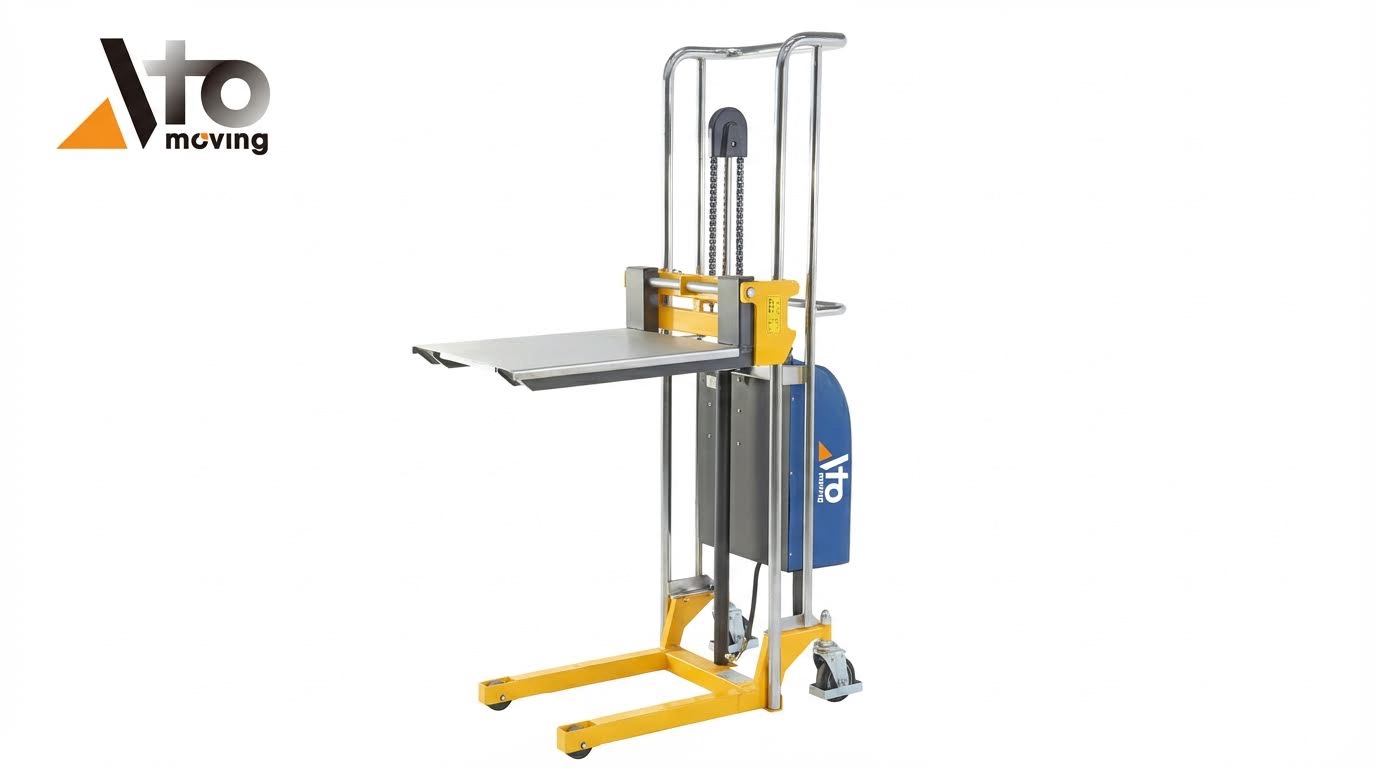
This section explains how pallet positioners and lift tables are built, how they move, and how to size them correctly for safe, ergonomic pallet work. If you ask “what is a pallet pal lift for,” this is the engineering answer.
At a high level, all these devices do the same thing: bring a pallet load into a safe working envelope and keep it there with minimal bending, reaching, or walking. The differences are in how they sense load, how they generate lift, and how they interface with pallet jacks, forklifts, or conveyors.
Self-leveling, rotating rings, and air systems
Self-leveling pallet positioners automatically keep the top layer of the pallet at a constant height, often with a rotating ring on top and an internal air or spring system underneath. This turns heavy pallet work into short, repeatable reaches within the operator’s power zone.
- Self-leveling mechanism: A spring or air bellows compresses as you add weight – the deck sinks just enough to hold the work height nearly constant.
- Rotating ring (turntable): A circular top ring rotates 360° – the operator stays in one spot instead of walking around the pallet.
- Air system: Compressed air replaces hydraulics – simpler maintenance and no oil leaks on the floor.
- Ergonomic envelope: The system targets about 700–1,000 mm working height – reduces bending, twisting, and shoulder strain.
A typical automatic pallet positioner uses a self-leveling system to maintain ergonomic height and cut bending, stretching, and reaching, which directly reduces fatigue and speeds up work. One design self-levels loads from about 180–1,588 kg with a maximum capacity of 1,815 kg, while cutting pallet load/unload time by up to 40% compared with manual floor work according to published specifications.
| Feature | Typical Spec / Range | Operational Impact |
|---|---|---|
| Self-leveling load range | ≈180–1,588 kg (400–3,500 lbs) with max 1,815 kg (4,000 lbs) | Covers most standard pallet loads in warehousing and light manufacturing for pallet positioners. |
| Height control | Automatic, via spring or air pressure | Hands-free adjustment as layers are added/removed; no constant button pressing. |
| Rotating ring | 360° manual rotation | Near-side loading only; operator rarely walks around pallet, reducing travel and twist. |
| Air system type | Self-contained air pack | No need for permanent airline; unit can be moved between workstations where self-contained air is used. |
| Productivity impact | Up to 40% faster loading/unloading | Direct throughput gain at packing and palletizing cells. |
From an ergonomics standpoint, this is the core of “what is a pallet pal lift for”: it is for automatically presenting each layer of cartons at a consistent, waist-height working plane, so the operator’s spine and shoulders never see the worst angles.
💡 Field Engineer’s Note: On air-actuated positioners, keep a close eye on air pressure and leaks. In low-pressure situations the table may sit too low, forcing operators back into deep bending without anyone realizing why complaints and minor back strains are creeping up.
U-shaped, ground-level, and pneumatic lift tables
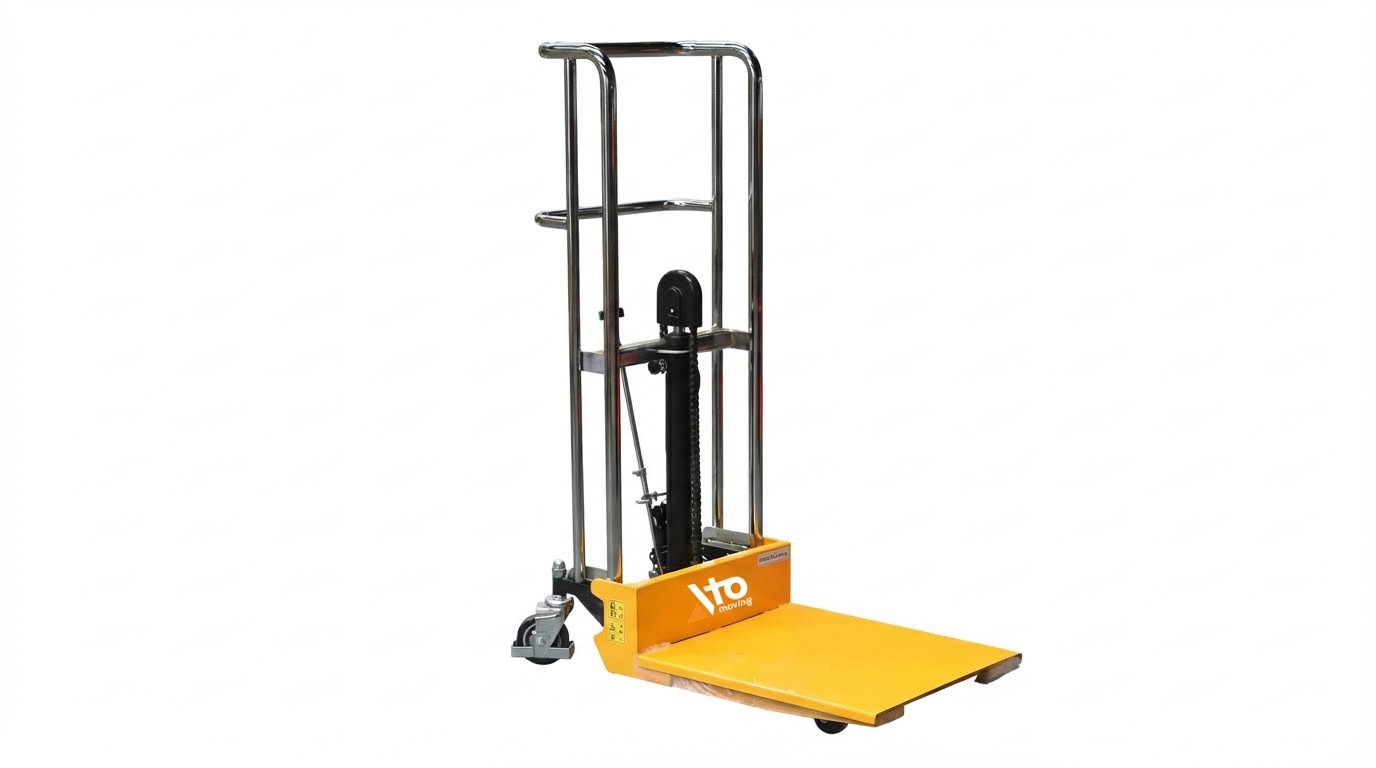
U-shaped, ground-level, and pneumatic lift tables are all about how the pallet gets on and off the platform and what power source you use. The right design depends on whether you feed with pallet jacks, need near-floor access, or work in hazardous (explosive) areas.
- U-shaped lift tables: Open center so a pallet jack can drop a pallet between the “legs” – no ramp or pit needed.
- Ground-level scissor tables: Extra-low collapsed height – pallet trucks can roll on with a short ramp.
- Pneumatic lift tables: Air-powered scissor mechanisms – ideal where electrical sparks are a risk.
A U-shaped lift platform uses an open-front configuration that lets you load directly with a pallet jack or forklift tines, making it well suited as a feeding table or workstation on assembly lines according to manufacturer data. One such design supports about 1,000 kg and lifts from roughly 85 mm to 860 mm, with a worktable around 1,450 × 1,140 mm and a self-weight of 240 kg for stability as specified.
Ground lift tables, by contrast, are scissor lifts designed to sit almost on the floor. Typical units lower to about 12–13 mm (½ inch) and raise up to roughly 1,220 mm (48 inches), so you can load with a pallet truck and still reach a comfortable working height per published specs.
Pneumatic lift tables, such as PHW-series units, run entirely on compressed air instead of electric motors or hydraulic power packs. They are used in automotive workshops, flour mills, chemical plants, and oil & gas facilities where eliminating electrical spark risk is critical. A typical pneumatic table has a platform around 1,300 × 820 mm and reaches full elevation in about 20–30 seconds on air supply as described in product data.
| Design Type | Key Specs (Typical) | Best For… |
|---|---|---|
| U-shaped lift table | Capacity ≈1,000 kg; lift 85–860 mm; table ≈1,450 × 1,140 mm; electric power 220/380 V per spec sheet. | Lines using pallet jacks where pits are not allowed and you want fast “drive-in” loading. |
| Ground-level scissor table | Lowered height ≈12–13 mm; raised height ≈1,220 mm; hydraulic system with dual cylinders and 3,000 psi components according to published data. | Loading with pallet trucks when fork trucks are not available, and you still need full ergonomic height. |
| Pneumatic lift table | Platform ≈1,300 × 820 mm; full lift in 25 ± 5 s; air-powered only per PHW series specs. | Hazardous zones where you must avoid electrical ignition sources. |
How ground-level lift tables stay safe
Industrial ground lift tables typically use two hydraulic cylinders, electric pinch-point protection, a velocity fuse to hold height if a hose fails, a hinged maintenance prop, and an upper travel limit switch for safe stops as listed in product literature. These engineered features mitigate the crush and drop risks that would otherwise exist near floor level.
💡 Field Engineer’s Note: When you install a ground-level or U-shaped table, think about pallet jack wheel size and floor flatness. If the lowered height plus ramp is more than about 60–70 mm and the floor has dips, operators will start “ramming” loads to get on, which bends forks and damages bearings over time.
Load capacity, lift range, and duty cycle sizing
Correctly sizing load capacity, lift range, and duty cycle is what makes a pallet positioner or lift table safe and productive over years of use. Undersizing leads to slow, overheating equipment and rising injury risk; oversizing wastes capital but is usually safer.
- Load capacity: The maximum kg rating the table or positioner can safely support – must exceed your heaviest realistic pallet plus a safety margin.
- Lift range: The minimum and maximum platform heights – must cover both pallet truck entry and ergonomic working height.
- Duty cycle: How many lifts per hour/shift the unit can handle – drives motor, pump, and structural sizing.
Self-leveling pallet positioners often handle 180–1,588 kg working self-leveling range with a hard maximum around 1,815 kg per available specs. U-shaped electric tables may be rated to about 1,000 kg, while ground-level scissor tables and heavy pneumatic units can be specified higher depending on model.
| Sizing Parameter | Typical Numbers from References | Practical Sizing Rule |
|---|---|---|
| Load capacity | Positioner: up to 1,815 kg; U-shaped: ≈1,000 kg for positioners and for U-shaped tables. | Take your heaviest pallet (kg) × 1.25 as a minimum rating to allow for overload and uneven loading. |
| Lift range | U-shaped: 85–860 mm; ground lift: ≈12–1,220 mm for U-shaped and for ground lifts. | Lowered height must work with your pallet truck and floor; raised height must put the top layer near 900 mm for most operators. |
| Cycle time | Pneumatic table: full lift in ≈25 ± 5 s per PHW series. | Check that total up/down time fits your takt time so the table never becomes the bottleneck. |
| Safety features | Overload bypass valves, velocity fuses, E-stop, pinch-point protection, limit switches for U-shaped tables and for ground lifts. | Align with your risk assessment and relevant standards (e.g., guarding pinch points and setting safe upper limits). |
How duty cycle links to ROI
In high-throughput lines, the “duty cycle” of a pallet positioner or lift table (how many cycles per hour and hours per day) directly affects motor, pump, and bearing life. Undersized equipment runs hot and fails early, driving hidden costs in downtime and repairs. Correctly sized units support automation-level consistency, which is why
Where They Fit: Applications, ROI, And Selection
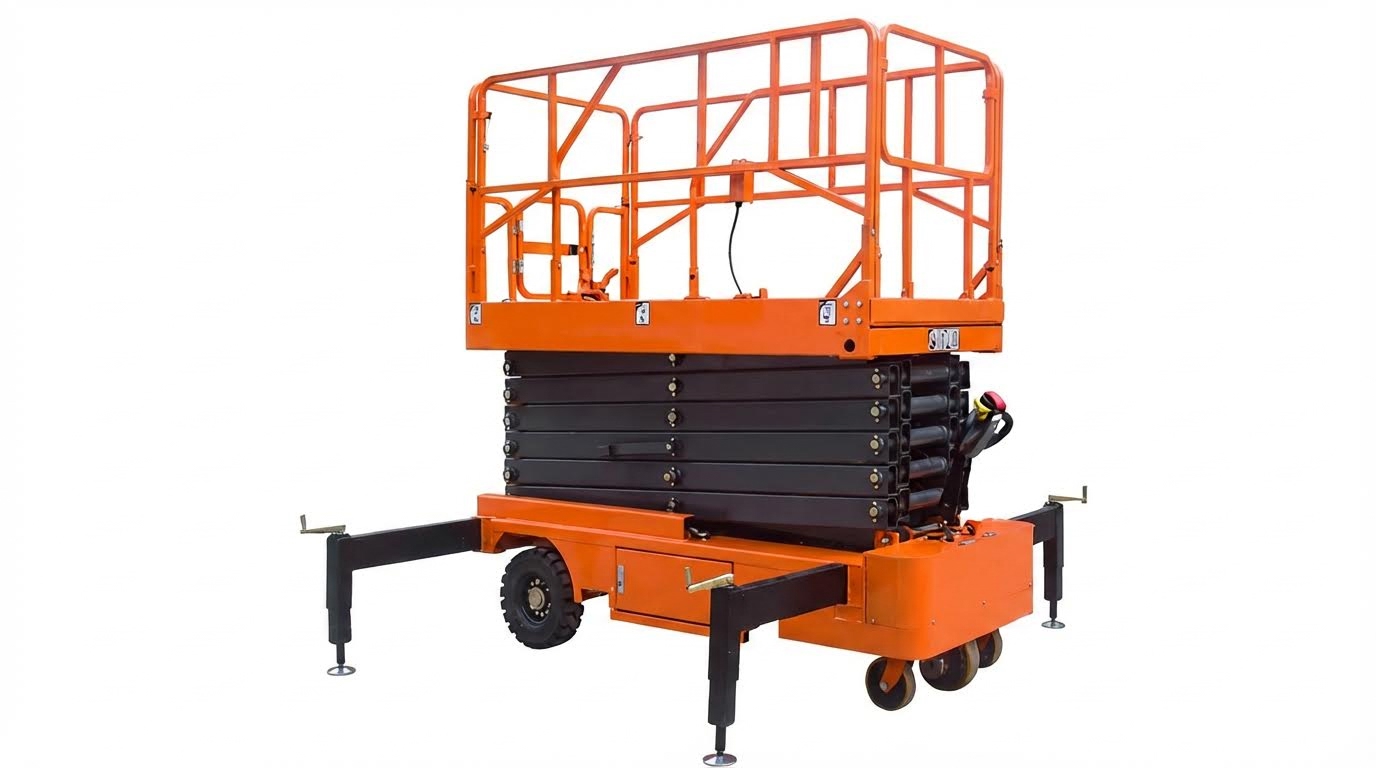
Pallet positioners and lift tables fit best where pallets are loaded all day, labour is tight, and back injuries or bottlenecks are driving up costs. This section shows where they work, how they pay back, and how to size the right unit.
Typical use cases in warehousing and production
The direct answer is that pallet positioners and lift tables belong at any fixed point where operators repeatedly build, strip, or rework pallets. If you are asking what is a pallet pal lift for, it is for keeping the pallet at the right height so people can work faster with less strain.
- Case picking to pallet: Building mixed pallets for retail orders – Reduces bending when stacking cartons to 1.6–1.8 m high.
- End-of-line packing: Taking cartons off a conveyor and loading pallets – Keeps the top layer in the operator’s “elbow zone,” cutting fatigue.
- Component feeding to assembly: Presenting parts in bins or on pallets at workstations – Improves takt time and consistency on assembly lines.
- Rework and quality inspection: Breaking down and rebuilding suspect pallets – Makes slow, awkward rework safer and much quicker.
- Where no forklifts are allowed: Food, pharma, or clean zones using pallet trucks only – Ground-level and U-shaped tables accept loads directly from manual pallet jack.
| Use Area | Best Equipment Type | Key Feature | Operational Impact |
|---|---|---|---|
| High-frequency pallet loading | Self-leveling pallet positioner | Automatic height adjustment and rotating ring | Up to 40% faster loading and unloading, less walking around the pallet per manufacturer data |
| Assembly line feeding | U-shaped lift table | Open front for pallet jacks | Lets pallet trucks drop loads straight into the table, ideal as a feeding table or workstation as described for U-shaped platforms |
| Packing where no fork truck access | Ground lift table | Lowers to near floor level | Can be loaded with pallet trucks when forklifts are not available or not allowed per ground lift table applications |
| Hazardous or explosive areas | Pneumatic lift table | Air-powered, no electrics in the lift | Removes ignition risk from electrical sparks in chemical, flour, or oil & gas plants per pneumatic table description |
How a pallet positioner changes a manual station
In a manual station, operators bend to floor level for the first layers and reach overhead for the top layers. A self-leveling positioner keeps the work band between roughly 700–1,100 mm, automatically rising or sinking as layers are added or removed. The rotating ring lets the worker stay on one side instead of walking laps around the pallet, which saves time and reduces trip hazards.
💡 Field Engineer’s Note: In real warehouses, the highest gains came where operators handled more than 80–100 pallets per shift at a single spot. Below that, people tolerate poor ergonomics; above it, fatigue and minor strains explode. That is where a pallet positioner or lift table usually pays for itself quickest.
Calculating ROI versus manual pallet handling
The key ROI point is that pallet positioners and lift tables replace hidden costs of manual pallet handling—injuries, product damage, and slow throughput—with predictable, one-time capital spend. When you quantify these “safety and efficiency taxes,” payback often lands within 12–24 months, similar to pallet inverters in intensive operations as documented for pallet inverters.
| Cost Category | Manual Pallet Handling | With Positioners / Lift Tables | Operational Impact |
|---|---|---|---|
| Injury and safety | High risk of back strain, sprains, crush injuries, and forklift accidents, driving medical costs and insurance premiums per manual pallet work analysis | Self-leveling height and ergonomic posture reduce bending, stretching, pulling, and lifting as ergonomic support data notes | Fewer injuries, lower workers’ compensation, better compliance with ergonomic guidelines. |
| Product damage | Dragging, tipping, and unstable loads cause damage and rework, sometimes exceeding machine capex over time per manual handling damage examples | Stable, controlled vertical motion and near-side loading reduce drops and rough handling | Less scrap, fewer customer complaints, more reliable shipping quality. |
| Throughput and labour | Workers slow down from fatigue; the 100th pallet is much slower and riskier than the first per efficiency tax description | Self-leveling systems can cut loading/unloading time by up to 40% per manufacturer performance data | Higher pallets-per-hour with the same staff, or same output with fewer people. |
| Labour and turnover | Physically demanding, repetitive tasks drive high turnover and recruiting costs per labour and turnover analysis | Ergonomic aids allow a broader workforce to handle pallets and create safer, higher-value roles per workforce inclusivity discussion | Lower churn, easier hiring, less overtime and temporary labour spend. |
To mirror the ROI logic used for pallet inverters, you can treat the pallet positioner or lift table the same way. Add up monthly savings from lower injuries, reduced damage, and higher throughput, then divide the equipment cost by that figure to get a simple payback period as outlined for automated pallet inverters.
Example ROI thought process
Suppose a packing line handles 120 pallets per shift, 2 shifts per day. If a self-leveling positioner reduces handling time by even 25% (conservative versus the up to 40% claim) and lets you avoid adding one extra worker or overtime, the labour savings alone can reach thousands per month. Add avoided back injury claims and reduced product damage, and the pattern seen with pallet inverters—12–24 month payback—often repeats for pallet positioners in high-intensity stations.
💡 Field Engineer’s Note: When you build your business case, pull 12 months of injury, overtime, and scrap data around your worst pallet stations. Management usually approves the spend once they see that “cheap” manual handling has been quietly burning more cash than the lift equipment would cost.
Key selection criteria and integration with equipment
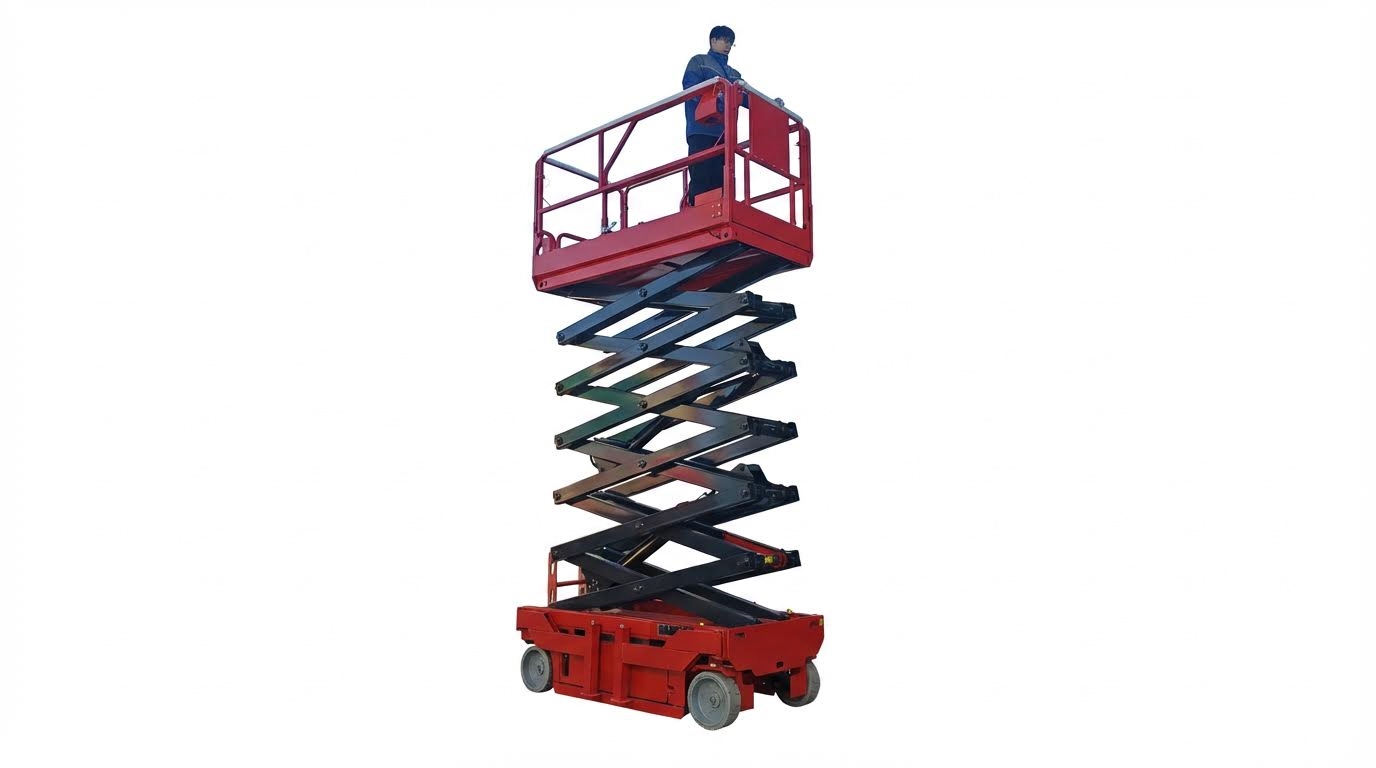
The right pallet positioner or lift table is chosen by matching capacity, height range, and power type to your pallets, handling equipment, and environment. Get these wrong and you either underutilise the unit or create new bottlenecks.
- Load capacity and range: Check minimum and maximum self-leveling range and absolute capacity in kg – Prevents overloads and keeps the work band ergonomic.
- Platform geometry: Choose solid-top, U-shaped, or ground-level designs – Ensures compatibility with pallet jacks, stackers, or conveyors.
- Power source: Decide between electric-hydraulic, air-only, or spring/airbag – Matches site utilities and any ATEX or hazardous area needs.
- Duty cycle: Confirm cycle time and number of lifts per hour – Avoids overheating and premature wear in multi-shift use.
- Safety and controls: Specify guarding, E-stops, toe protection, and control location – Supports OSHA/ISO-style safety practices and reduces misuse.
| Parameter | Example Spec from Sources | What It Means in Practice |
|---|---|---|
| Self-leveling load range | Approx. 180–1,588 kg self-leveling, 1,815 kg max capacity for an automatic pallet positioner per manufacturer data | Covers most standard pallet loads; below 180 kg the table may not move smoothly, above 1,815 kg you risk overload. |
| Lift range (U-shaped table) | From 85 mm to 860 mm for a U-shaped platform per product data | Low enough for pallet trucks to load; high enough to bring the top of the pallet into a 700–1,100 mm ergonomic zone. |
| Platform size | Typical sizes around 1,450 × 1,140 mm (U-shaped) or 1,300 × 820 mm (pneumatic table) for U-shaped for pneumatic | Must comfortably fit your pallet footprint (usually 1,200 × 1,000 mm or similar) with some clearance. |
| Ground-level capability | Ground lift tables can lower to about 13 mm (1/2 inch) from the floor per ground-table specs | Allows direct loading with low-profile pallet trucks where pits are not possible. |
| Power and environment | Pneumatic tables run entirely on compressed air, eliminating electrical spark risk in hazardous areas per PHW series description | Best choice for explosive dust or vapour zones; electric-hydraulic is fine in normal warehousing. |
Integrating with pallet jacks, forklifts, and conveyors
For pallet jacks, U-shaped or ground-level tables are easiest because they avoid the need for pits and ramps. For forklifts, solid-top positioners or scissor tables work well, as the truck can place the pallet directly on the platform. At conveyor ends, choose a table with a platform height that matches the conveyor top height to avoid step changes that cause snags and damage.
💡 Field Engineer’s Note: Before signing off on any pallet positioner or lift table, walk the route with a loaded pallet jack or forklift and measure clearances in mm. Many “paper-perfect” installations fail because no one checked turning space, ramp angles, or how the
“”Final Thoughts On Adopting Pallet Positioners
Pallet positioners and lift tables work when engineering detail matches real-world use. Geometry, load capacity, and lift range keep pallets inside a safe, waist-height band. Self-leveling decks, rotating rings, and near-floor entry turn hard pallet work into short, repeatable reaches that operators can sustain all shift.
Correct sizing is non‑negotiable. Engineers must rate capacity on the heaviest pallet plus packaging, add margin, and confirm that lowered height suits pallet jacks and floor flatness. They must also match power type and duty cycle to cycle counts and environment, then lock in safety features such as velocity fuses, toe protection, and clear controls.
When you do this, you cut the “safety tax” of manual pallet handling: back injuries, fatigue, damage, and overtime. Throughput rises without pushing people harder, and more of the workforce can safely run the station.
The best practice is simple. Treat each pallet station as an engineered cell. Define loads, heights, takt time, and surrounding traffic, then select a self-leveling positioner, U-shaped, ground-level, or pneumatic table to fit. If you want a starting point, use Atomoving’s pallet handling range as your reference, and design around the operator, not just the pallet.
Frequently Asked Questions
What is a pallet jack, and how is it used in material handling?
A pallet jack, also known as a pallet truck or pallet pump, is a tool used to lift and move pallets. It is essential for transporting heavy loads in warehouses and distribution centers. The device typically includes forks that slide under the pallet and a hydraulic mechanism to lift it off the ground.
- Pallet jacks are operated manually or powered for heavier loads.
- They improve efficiency by reducing manual labor in moving goods.
What are common misconceptions about pallet-related terms?
There is often confusion between terms like “pallet,” “palette,” and “palate.” A pallet refers to a wooden platform used for moving goods, while a palette is a tool used by artists to mix paints. Palate refers to the roof of the mouth or sense of taste. Understanding these distinctions ensures clear communication in both industrial and artistic contexts.