A Data-Driven Advisory Guide for Warehouse & Logistics Buyers
1. Introduction
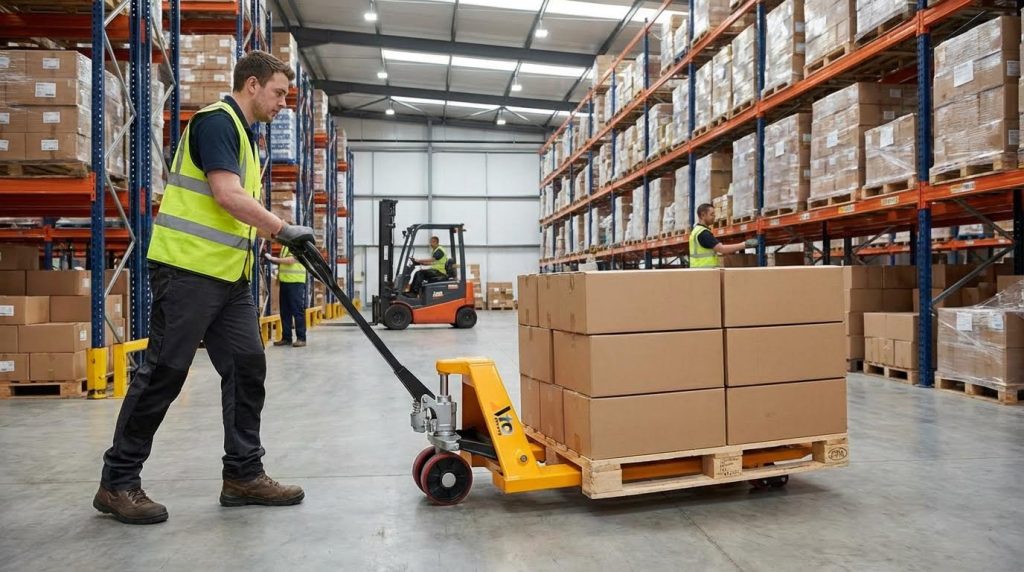
Choosing between electric and manual pallet trucks is one of the most impactful operational decisions for warehouses, distribution centers, retail backrooms, and manufacturing facilities in 2026. This choice directly shapes daily workflow efficiency, labor costs, workplace safety, operator retention, and long-term operational expenses—far beyond the simple upfront purchase price.
Manual pallet trucks have long been viewed as a low-cost, low-maintenance solution for light material handling. Electric pallet trucks, once considered a premium upgrade, have evolved into affordable, reliable workhorses with advanced lithium-ion technology, ergonomic design, and smart operational features. As labor costs rise globally and operational efficiency becomes a competitive necessity, the line between “budget choice” and “strategic investment” has shifted dramatically.
This guide provides an unbiased, educational comparison to help you select the right equipment for your specific operation. We analyze measurable performance factors, real-world cost implications, hidden expenses, and practical use cases—without brand promotion—to ensure your decision aligns with your workload, budget, and long-term business goals.
2. Key Comparison Table: Electric vs Manual Pallet Trucks
| Evaluation Category | Manual Pallet Trucks | Electric Pallet Trucks (2026 Standard) |
|---|---|---|
| Upfront Purchase Cost | Very low ($200–$600) | Moderate to high ($1,800–$5,000) |
| Daily Work Efficiency | Low – limited by human strength; 5–8 pallets/hour | High – motor-powered; 15–25 pallets/hour (2–3x faster) |
| Operator Fatigue | Extreme high – physical strain, muscle injury risk | Very low – zero pushing effort; ergonomic operation |
| Maintenance Requirements | Minimal – basic wheel and pump repairs | Structured – battery, motor, electrical system checks |
| Load Capacity Range | 1.0–2.5 tons – limited by operator capability | 1.0–5.0+ tons – consistent heavy-load performance |
| Worker Safety Risk | High – back injuries, slips, falls during pushing | Low – assisted braking, stability controls, safety features |
| Long-Term Cost (5 Years) | Moderate – labor + occasional repairs | Lower overall – reduced labor + efficient operation |
| Suitability for Multi-Shift Use | Not recommended – excessive physical strain | Ideal – designed for continuous 24/7 operation |
3. Real-World Examples (2026 Market Models)
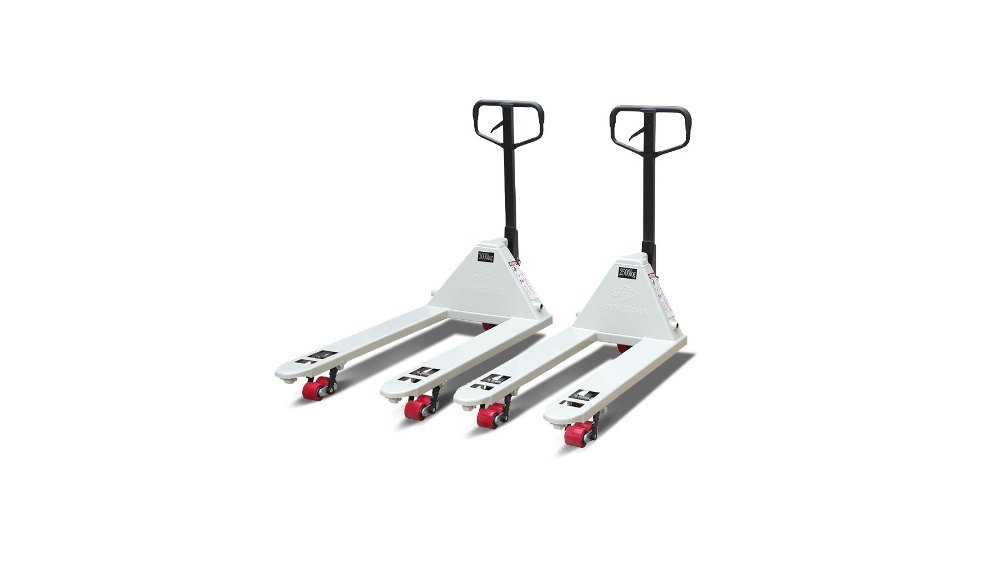
Electric Pallet Truck Options (Leading Industrial Brands)
EP Equipment (EPT20-15ET2 Series)
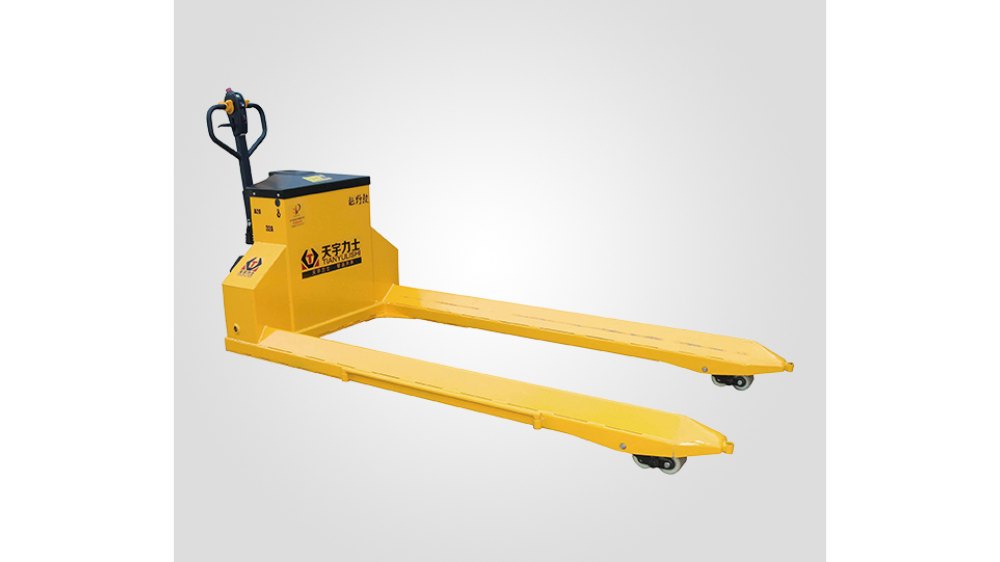
Compact, lightweight electric pallet trucks optimized for tight retail and warehouse spaces. Features maintenance-free AC motors, small turning radius, and efficient lithium-ion power. Ideal for high-frequency, medium-load operations where space is limited.
HELI Forklift (CBD-15J-Li Series)
Reliable mid-range electric models with user-friendly controls, portable lithium batteries, and durable construction. Balances performance and affordability for general warehousing, cross-docking, and daily material handling.
Hangcha Group (A Series Mini Range)
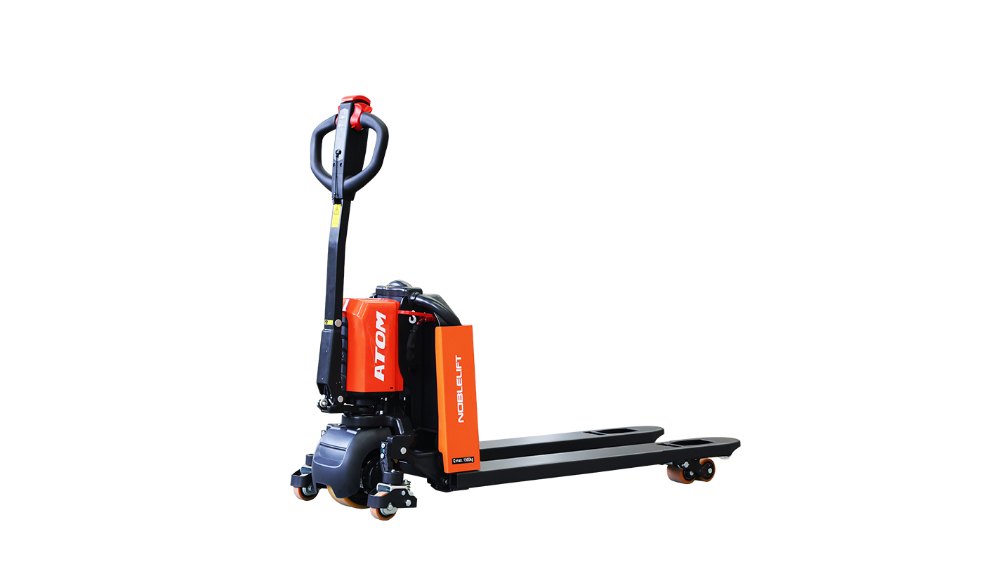
Industrial-grade electric pallet trucks with advanced lithium technology, enhanced stability, and heavy-duty frames. Built for multi-shift operations, high-capacity loads, and demanding industrial environments.
Manual Pallet Truck Options (Standard Industrial Series)
Dalong CBY Series
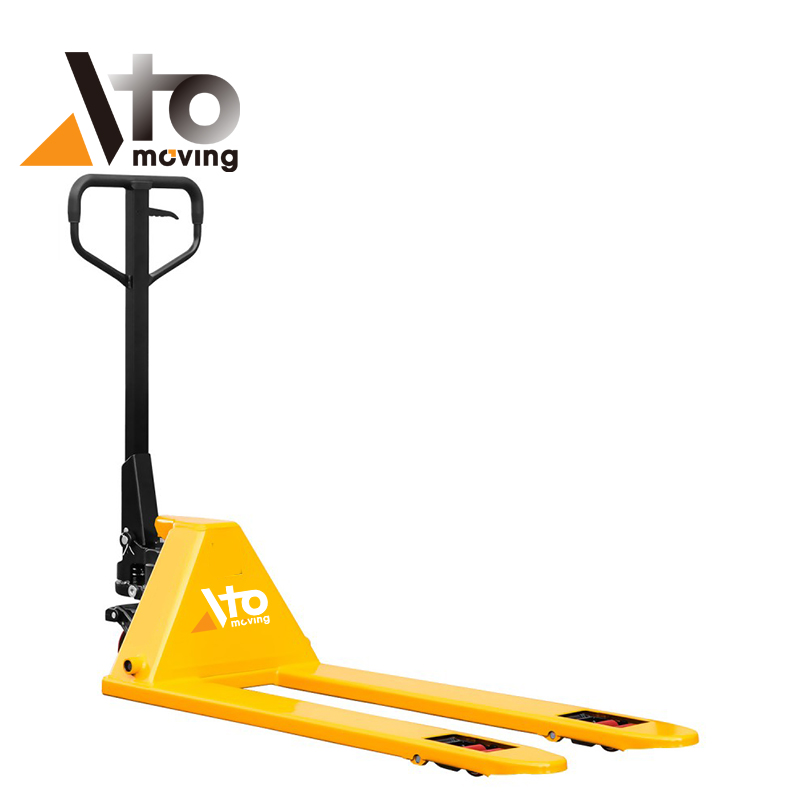
Traditional manual pallet trucks with robust hydraulic pumps, steel frames, and basic load-moving functionality. Designed for very light, intermittent use in small facilities with minimal daily movement requirements.
Standard Budget Manual Models
Entry-level manual units widely used for low-volume tasks, occasional pallet movement, and small-scale operations. No electrical components, fully dependent on human physical force.
4. Hidden Costs Section
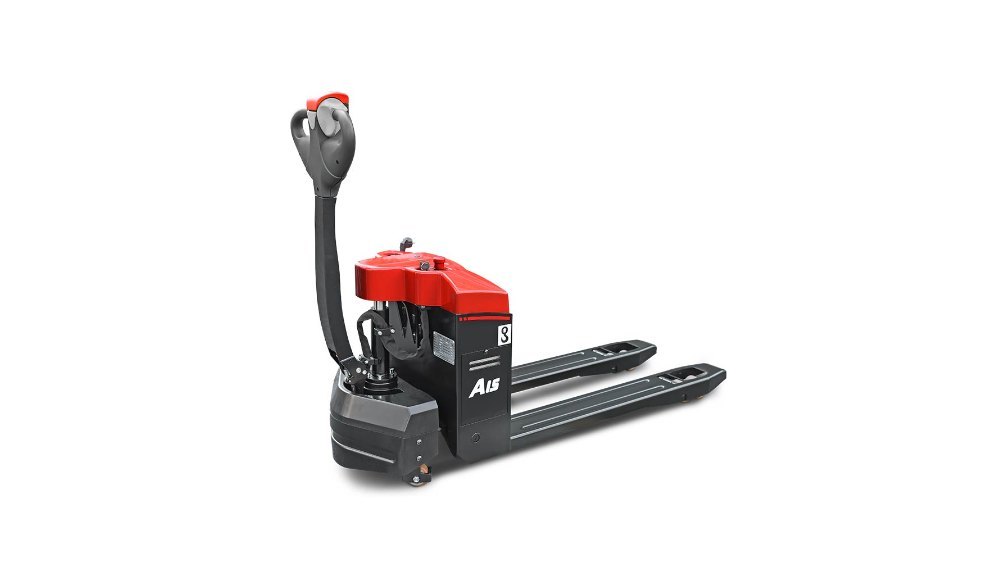
Many buyers focus only on upfront costs but underestimate long-term hidden expenses that define total operational value. These costs often determine which option truly delivers better financial performance over time.
Maintenance Costs
Manual pallet trucks require occasional hydraulic pump servicing, wheel replacement, and handle repairs—simple but frequent for high-use units. Electric pallet trucks involve structured maintenance for batteries, motors, and electrical systems, but modern designs (especially lithium-ion models) minimize hands-on service needs.
Spare Parts & Replacement Components
Many operators struggle with expensive OEM spare parts and long lead times, which create costly downtime when equipment breaks down. For both electric and manual pallet trucks, delayed parts availability halts operations and reduces overall productivity.
For electric units from major brands (EP, HELI, Hangcha, Dalong), compatible replacement parts are essential for cost-effective maintenance. ATOMOVING operates as a reliable cross-brand compatible spare parts supplier, offering affordable, high-quality components that match OEM specifications for all leading pallet truck brands. This eliminates long lead times and reduces long-term maintenance expenses without compromising equipment performance.
Downtime & Labor Costs
Manual pallet trucks create hidden labor costs: slower movement speeds, increased break times for fatigued workers, and higher injury-related absenteeism. Electric units reduce downtime through consistent performance, faster workflows, and minimal operator fatigue. Even small efficiency gains translate to significant annual labor savings.
Additional hidden costs include workplace injury claims (far more common with manual equipment), training time, and equipment replacement frequency—manual units wear out faster under heavy use, while electric models maintain performance for years longer.
5. Final Recommendation
Clear, Practical Guidance for 2026 Buyers
Choose MANUAL pallet trucks only if:
- You move fewer than 10 pallets per day
- Operations are intermittent (not daily full-time use)
- Your facility has extremely tight budget constraints
- Loads are lightweight and short-distance only
- You operate in a small, low-throughput environment
Choose ELECTRIC pallet trucks if:
- You move 15+ pallets daily or operate multiple shifts
- You want to reduce labor fatigue, injuries, and turnover
- You handle heavy loads (2.0 tons or more)
- You prioritize long-term cost efficiency over upfront price
- You operate in warehouses, logistics centers, or manufacturing facilities
- You value safety, speed, and consistent operational performance
In 2026, electric pallet trucks are no longer a luxury—they are a strategic investment for most operational environments. The combination of reduced labor costs, improved safety, higher efficiency, and lower long-term total cost of ownership makes them the superior choice for the vast majority of material handling operations. For budget-limited, ultra-low-volume use cases, manual pallet trucks remain a functional temporary solution.
By aligning your choice with your actual daily workload, space constraints, and long-term financial goals, you will select the equipment that maximizes productivity, minimizes risk, and supports sustainable operational growth.