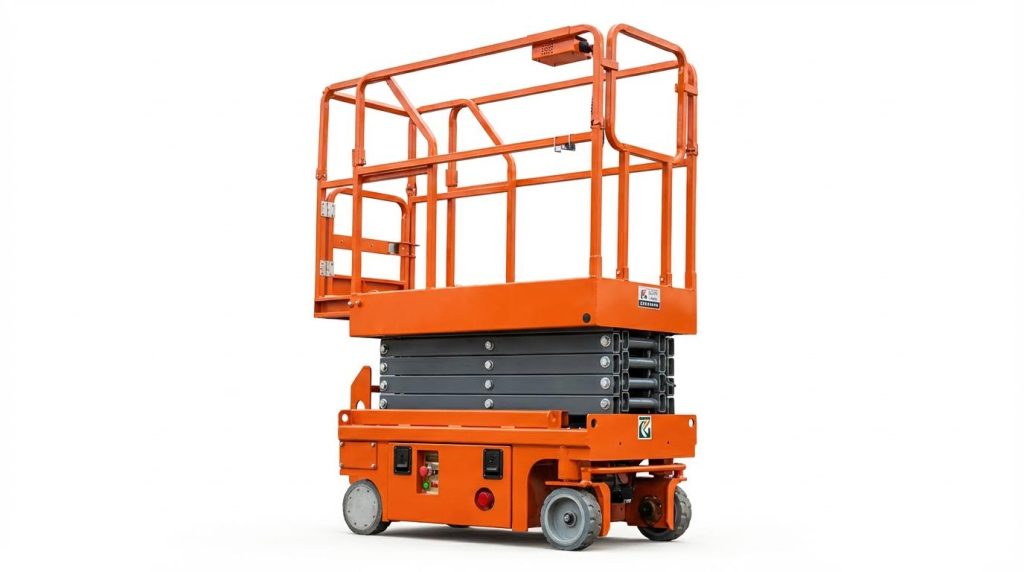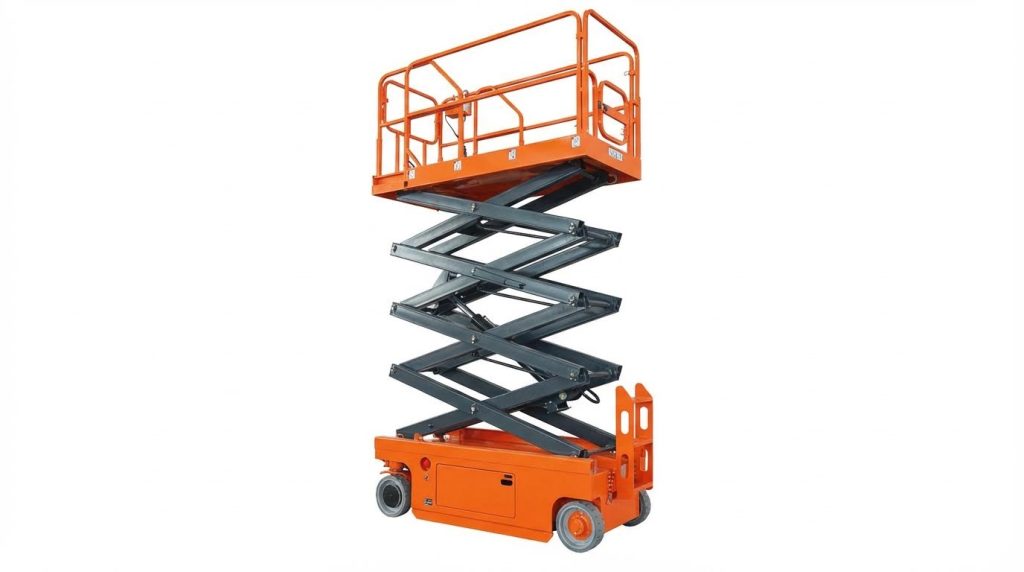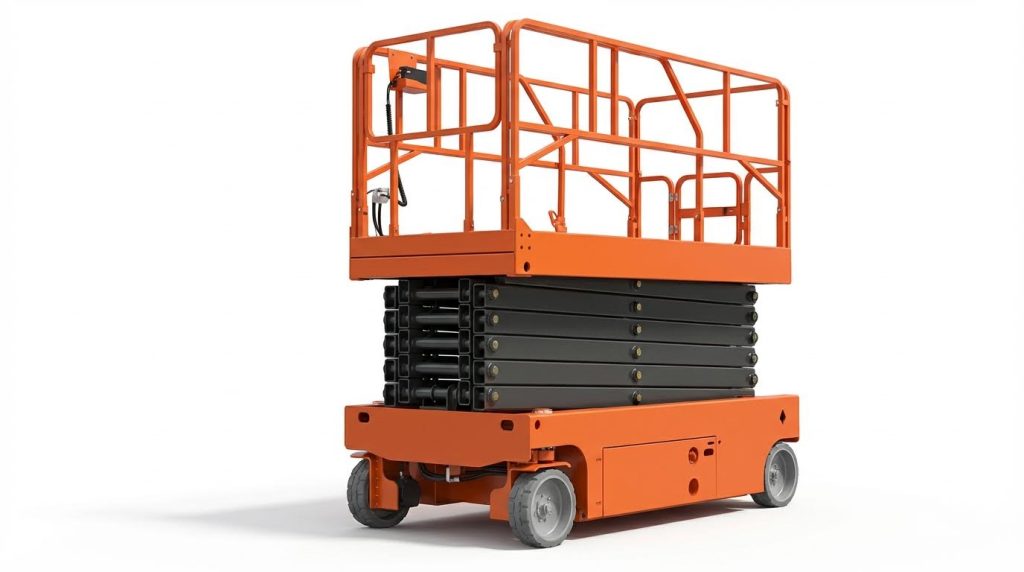
Aerial work platform inspection records define how often you inspect, what you document, and how long you keep those records to stay compliant and safe. This guide explains inspection types, checklists, and exactly how long should inspections on aerial platforms be kept for audits, investigations, and lifecycle decisions.
What To Capture In Aerial Work Platform Inspection Records

Aerial work platform inspection records must capture component condition, test results, defects, repairs, and environmental and operator data so you can prove safe use, support investigations, and decide how long inspections on aerial platform should be kept.
Well-structured records turn every daily, frequent, annual, and event-driven inspection into usable engineering data. They also give a defendable answer when auditors ask how long should inspections on scissor platform be kept for each inspection type. Reference
| Inspection Layer | Key Data To Capture | Typical Retention Window | Operational Impact |
|---|---|---|---|
| Daily / Pre‑use | Visual checks, functional tests, simple measurements | 1–3 years | Proves operators actually checked the machine before every shift. |
| Frequent (≈3 months / 150 h) | Deeper mechanical and structural checks, fluid samples | Several years | Supports failure investigations and warranty or liability claims. |
| Annual (≤13 months) | Full compliance inspection across all systems | ≥5 years | Forms the backbone of compliance and audit trails. |
| Event‑driven / Structural | Post‑repair, overload, damage, or long idle inspections | Equipment life | Critical evidence if a later structural or stability failure occurs. |
Daily, frequent, annual, and event‑driven inspections all feed the same record set, but with different depth and retention expectations. Your forms should be modular so you can scale from a quick pre‑use check to a full structural investigation. Reference
💡 Field Engineer’s Note: Build one master checklist, then “switch on” sections (e.g., structural NDT, event‑driven root cause) only when needed. This avoids missing critical fields under time pressure after an incident.
Mechanical, Hydraulic, And Structural Checklist Items
Mechanical, hydraulic, and structural items in aerial work platform inspection records must document component condition, measured values, and defects so you can prove the machine stayed within its design and load limits over time.
These entries are the hard engineering backbone of the record: they show whether the platform was mechanically capable of safely carrying its rated load with the required safety factor of four at the time of use. Reference
| Subsystem | Typical Items To Record | Measured / Observed Data | Operational Impact |
|---|---|---|---|
| Engine / Power | Engine start/stop, idle, abnormal noise, exhaust, battery/charger | Hour meter (h), battery voltage (V), charging status | Confirms enough power to raise, travel, and hold loads without stalling. |
| Drive & Steering | Drive motors, steering cylinders, axles, wheel hubs | Tire condition, wheel nut torque status, steering free play | Prevents loss of control on slopes or tight aisles. |
| Brakes | Service brake, parking brake, emergency brake | Pass/fail on incline test, pedal travel, warning lights | Shows stopping ability with full rated load and tools. |
| Hydraulic Power | Pumps, valves, hoses, fittings, filters, reservoir | Fluid level (mm on sight glass), contamination, visible leaks | Detects leaks that can cause sudden descent or boom drift. |
| Lift Cylinders | Boom/scissor cylinders, seals, rods, pins | Rod scoring, seal condition, pin wear, end‑play | Prevents cylinder failure that could drop the platform. |
| Structure – Boom / Scissor | Arms, knuckles, welds, pins, bushings | Cracks, deformation, corrosion, excessive clearance | Evidence that the load path remains within design assumptions. |
| Platform & Floor | Deck, extension, floor openings, toeboards (≥100 mm high) | Openings ≤50 mm, toeboard height, damage, corrosion | Prevents small tools from falling and injuring people below. |
| Chassis & Outriggers | Frame, outrigger beams, jacks, pads | Cracks at welds, bent members, pad condition, oil leaks | Critical for stability on uneven or soft ground. |
| Suspension / Attachment | Wire rope bridle, rods, bars, anchor points | Correct configuration, broken wires, secure pins, level ride | Ensures the platform stays level and cannot detach in use. |
Inspection documents should not just say “OK” or “Defective.” They should capture measurable values where possible: fluid levels in mm, wear limits in mm, and operating hours, plus clear defect descriptions and repair references. Reference
- Component Identification: Tag each entry with machine ID, subsystem, and component – this links recurring issues to specific parts, not just “the lift.”
- Condition Codes: Use standardized codes (OK, Monitor, Repair Before Use, Remove From Service) – this speeds decisions and avoids vague “check later” notes.
- Measurement Fields: Reserve fields for mm wear, pressure, and fluid levels – this allows trend analysis instead of one‑off judgments.
- Defect Description: Require a short, factual description – this supports root cause analysis and warranty claims.
- Repair Linkage: Include work order or repair reference – this proves defects were corrected before returning to service.
💡 Field Engineer’s Note: For structural welds and critical components, add a field to record the inspection method (visual, magnetic particle, liquid penetrant, ultrasonic) and inspector certification. This aligns with CSA/CGSB expectations and avoids disputes over inspection quality.
Controls, Safety Devices, And Emergency Systems Data
Inspection records for controls, safety devices, and emergency systems must show that every control and interlock worked as designed, and that any malfunction was fixed before the scissor platform lift went back into service.
Most serious incidents trace back to bypassed interlocks, ignored alarms, or non‑functional emergency lowering systems. Your records are the only proof that these systems were tested and functional at the time of use. Reference
| System | What To Record | Result / Data Fields | Operational Impact |
|---|---|---|---|
| Platform Controls | Joystick, switches, speed control, function enable | Pass/fail, abnormal behavior, dead zones | Confirms operators can safely position the platform at height. |
| Ground / Base Controls | All base functions, priority override | Full function list tested, override behavior | Allows ground rescues if the operator is incapacitated. |
| Emergency Stop | E‑stop at platform and base | Stops all motion, resets correctly | Prevents runaways from control faults or unintended input. |
| Tilt / Level Sensors | Incline alarms, cut‑outs | Tilt angle at alarm, cut‑out function, reset | Stops unsafe elevation on excessive slope. |
| Load‑Sensing / Overload | Platform load sensors, cut‑outs | Alarm and cut‑out behavior at test load | Prevents overload beyond rated kg and safety factor. |
| Interlocks | Outrigger, gate, and drive interlocks | Verified logic (e.g., no elevate without outriggers) | Stops operation in unsafe configurations. |
| Alarms & Indicators | Audible and visual alarms, indicator lamps | Sound level presence, lamp function | Warns of tilt, overload, motion, or faults. |
| Emergency Lowering | Manual or powered emergency descent | Time to lower from full height, smoothness | Ensures safe recovery if main power or hydraulics fail. |
| Decals & Signage | Capacity, passenger count, PPE notices | Legibility, correct ratings, missing labels | Informs operators of limits and mandatory fall protection. |
- Functional Test Steps: Document the exact sequence used to test each safety device – this proves you did more than a quick visual check.
- Fault Codes: Capture any diagnostic codes from the control system – this accelerates troubleshooting and pattern detection.
- Bypass / Override Status: Record whether any safety was bypassed for testing or repair – this prevents “temporary” overrides from becoming permanent.
- Corrective Action Confirmation: Add a checkbox “Defect corrected before return to service” – this is critical during audits and legal reviews.
- Inspector Identity: Include name, ID, and qualification level – this shows a competent person signed off on safety‑critical systems.
💡 Field Engineer’s Note: On older machines without telematics, I recommend recording the exact test load used for overload and tilt checks. A simple 100 kg calibration error can completely invalidate your defense after an incident.
Environment, Operator Qualification, And PPE Details

Environment, operator qualification, and PPE details in AWP inspection records provide context for each inspection and help prove that a competent, properly equipped operator used the manual pallet jack in a safe environment.
These fields are often ignored, yet they are what investigators look at first when reconstructing an incident: who was on the machine, where it was, what the ground and weather were like, and whether PPE actually matched the hazards. Reference
| Category | Fields To Capture | Example Data | Operational Impact |
|---|---|---|---|
| Location & Task | Site, building, area, task description | “Warehouse A, aisle 4, racking install at 8 m” | Links risk level to height, congestion, and task type. |
| Ground & Surroundings | Ground bearing, slope, surface type, obstacles | Concrete slab, 1.5% slope, no overhead lines | Shows the platform was used within stability assumptions. |
| Weather & Visibility | Rain, wind, temperature, lighting | Dry, 5 m/s wind, 10°C, artificial lighting | Supports decisions on wind‑sensitive booms outdoors. |
| Traffic & Nearby Equipment | Pedestrian traffic, forklifts, cranes | Forklift traffic separated by barriers | Demonstrates segregation of moving equipment. |
| Operator Identity | Name, ID, employer, shift | Operator ID 12345, contractor | Connects incidents to specific training and discipline records. |
| Training Verification | Training date, type, certificate reference | AWP theory + practical, completed 2025‑06‑10 | Proves the operator was trained and evaluated as competent. |
| PPE Used | Harness, lanyard, helmet, footwear, hi‑vis | Harness with 1.8 m lanyard, inspected, in date | Shows fall‑protection compliance, especially on low guardrails. |
| PPE Condition | Inspection status, expiry, defects | No cuts, labels legible, expiry 2027‑03 | Prevents use of degraded harnesses or lanyards. |
| Authorizations / Permits | Work at height permit, isolation status | Permit #2026‑045, valid for shift | Links equipment checks to the wider permit‑to‑work system. |
- Environmental Snapshots: Record conditions at the time of inspection or use – this explains why certain controls (e.g., wind alarms) were critical.
- Operator‑to‑Machine Match: Link operator ID to specific machine ID – this avoids the “someone used a lift” ambiguity in investigations.
- Training Cross‑Reference: Add a field for training record or certificate number – this speeds
How Often To Inspect And How Long To Keep AWP Records
Aerial work platforms must be inspected on daily, frequent, annual, and event-driven cycles, and their records kept from 1 year to the full equipment life. This section explains exact intervals and how long inspection documents should be retained.
Daily, Frequent, Annual, And Event-Driven Intervals
AWP inspections follow a layered schedule: daily pre-use, frequent technical checks every 3 months or 150 hours, annual compliance inspections every 12–13 months, plus event‑driven inspections after damage, repair, or long idle periods. This cadence minimizes sudden failures and legal exposure.
Inspection Type Typical Interval Who Performs It Main Focus Operational Impact Daily / Pre‑Use Before each shift or use Trained operator Visual condition, controls, brakes, steering, alarms, emergency stop and lowering Catches obvious hazards before work; prevents in‑shift breakdowns and accidents. Daily checks reference Weekly / Monthly Checks Weekly and monthly Operator or in‑house tech Battery, hydraulic fluid, tire pressure, lubrication, booms, scissor stacks, guardrails, decals, emergency lowering Maintains baseline reliability; feeds data into frequent and annual inspections. Frequent Inspection Every 3 months or 150 operating hours Qualified mechanic Chains, cables, hydraulic and engine oil, coolant, filters, lubrication, structural members Reduces unplanned outages; supports warranty and failure investigations. Frequent inspection reference Annual Compliance Inspection At intervals not exceeding 12–13 months Qualified person / service provider Full structural review, welds, bolted joints, suspension, electrical, controls, hydraulics, safety decals Demonstrates compliance with OSHA/ANSI‑style requirements and local codes; required before continued use. Annual inspection reference Structural / Major Inspection Every 10 years after factory ship date, then every 5 years Specialist with NDT capability Welds and critical components via VT, MT, PT, UT per CSA/CGSB certifications Identifies fatigue and hidden cracks; often drives rebuild or retirement decisions. Structural interval reference Event‑Driven Inspection After damage, overload, major repair, modification, or idle > 3 months Qualified person Verification of structural integrity, controls, and safety systems after abnormal events Resets risk after incidents; essential for defending decisions after accidents. Event-driven reference - Daily / Pre‑Use Focus: Quick visual and functional checks – Stops obviously unsafe machines from ever leaving the yard.
- Frequent Focus: Deeper mechanical and structural review – Prevents wear‑out failures that daily checks cannot see.
- Annual Focus: Full compliance and structural review – Creates a legal “snapshot” of condition for regulators and insurers.
- Structural Focus: NDT on welds and key members – Mitigates long‑term fatigue and catastrophic collapse risk.
- Event‑Driven Focus: Post‑incident verification – Ensures the platform is safe after abnormal loading or damage.
How these intervals tie back to standards
Daily and frequent inspections align with OSHA 1910.67 and 1926.453 expectations for pre‑use checks, while annual and structural inspections follow ANSI/CSA‑style requirements for 13‑month and 10‑year / 5‑year structural reviews. Local regulations may tighten these intervals.
💡 Field Engineer’s Note: In rental fleets that see heavy use, I treat “3 months or 150 hours” as “whichever comes first, with a 30‑day buffer.” Telematics hours often show machines hit 150 hours far sooner than planners expect.
Record Retention By Inspection Type And Use Case
The practical answer to “how long should inspections on aerial platforms be kept” is 1–3 years for daily checks, at least 4–5 years for periodic and annual inspections, and for life for structural or incident‑related records. Longer retention always reduces legal and engineering risk.
Inspection Record Type Typical Retention Period Reason / Best Practice Operational Impact Daily / Pre‑Use Checklists 1–3 years Often kept until replaced by later inspections; sources recommend at least 1 year, many fleets keep 1–3 years. Daily retention reference Shows that operators checked the unit on the day of an incident; critical for defending supervisors and safety programs. Weekly / Monthly Check Records 1–3 years Treated similarly to daily checks; supports trend analysis and warranty discussions. Helps prove that recurring defects were being monitored, not ignored. Frequent (3‑month / 150‑hour) Inspection Reports Several years (min. 4 years recommended) Sources note periodic inspections are typically retained “several years” or “minimum four years” to support failure investigations and audits. Periodic retention reference Provides a maintenance history that engineers and insurers rely on when serious incidents occur. Annual Compliance Inspection Records At least 4–5 years Guidance points to ≥5 years retention for annual inspections to meet regulatory and legal expectations. Annual retention reference Forms the core compliance file during audits and after serious injuries or fatalities. Structural / Major Inspection Reports Full equipment life Structural inspection data informs rebuild vs. retire decisions; sources recommend life‑of‑equipment retention for structural or safety‑critical modifications. Life-of-equipment reference Allows engineers to trace fatigue issues back across decades, avoiding repeat failures on sister units. Event‑Driven / Incident‑Related Inspections Full equipment life (and often beyond) Guidance states that inspections linked to structural repairs, modifications, or incidents should be kept for the machine’s service life. Event retention reference Becomes key evidence in litigation and root‑cause analysis years after the event. - Short‑Cycle Records: Daily and weekly logs – Kept 1–3 years to prove routine diligence without overloading storage.
- Medium‑Cycle Records: Frequent and annual inspections – Kept ≥4–5 years to span most statute‑of‑limitation windows.
- Long‑Cycle Records: Structural and event‑driven reports – Kept for the asset’s full life because failures here are catastrophic and litigated heavily.
Aligning retention with HR and training files
Operator training and qualification records are usually kept for the duration of employment, sometimes longer, so they can be cross‑referenced with inspection logs during audits and investigations. Training retention reference
💡 Field Engineer’s Note: When clients ask me “how long should inspections on aerial platforms be kept,” I advise: keep everything digital for at least 10 years, and never delete structural or incident‑related files. Storage is cheap; missing records are not.
Digital Tools, Telematics, And Predictive Maintenance

Digital checklists, telematics, and analytics make it realistic to keep AWP inspection records for many years without clutter, while also turning them into predictive maintenance data instead of dead paper. This boosts uptime and simplifies audits.
Digital Tool / Practice What It Does Best Use in AWP Inspections Operational Impact Digital Checklists (Mobile / Tablet) Capture inspections electronically with time, date, unit ID, and user ID Daily, frequent, and annual inspections with mandatory fields and photo uploads Eliminates illegible paper; enforces completion and allows 10+ years of low‑cost retention. Digital checklist reference Centralized Record Repositories Store all inspections, repairs, and incidents in one system Link each AWP’s serial number to its entire inspection and repair history Lets safety and maintenance teams answer “who checked this and when” in seconds during audits. Telematics (Engine Hours, Fault Codes, Location) Feeds real‑time usage and health data into maintenance planning Trigger frequent inspections at true 150‑hour points and flag machines with repeated fault codes Aligns inspection intervals with real use, not calendar guesses; reduces unexpected failures. Telematics reference Analytics / Dashboards Analyze inspection outcomes and repair histories Track failure rates, mean time between failures, and recurring defects by model or site Turns retention from a pure compliance cost into an engineering tool for lowering total cost of ownership. AI‑Assisted Monitoring Correlate inspection notes with sensor data Flag units where repeated “minor” issues signal an emerging structural or hydraulic problem Supports predictive maintenance, allowing planned downtime instead of mid‑shift failures. AI monitoring reference - Digital‑First Policy: Scan or capture all inspections digitally – Makes long‑term retention trivial and searchable.
- Telematics‑Linked Scheduling: Tie inspections to engine hours – Prevents under‑inspecting high‑use machines.
- Analytics Feedback Loop: Use dashboards to adjust intervals – Shorten or extend checks based on real failure data, not gut feel.
Using records for lifecycle and replacement decisions
Inspection and repair logs feed lifecycle cost analysis, helping estimate total cost of ownership and remaining useful life. Recurring issues like hydraulic leaks or structural cracks signal when to retire
“”
Final Thoughts On Optimizing AWP Inspection Records For Safety And Compliance
Effective aerial work platform inspection records do more than tick regulatory boxes. They prove that each unit stayed within its design limits, that trained people used it in a suitable environment, and that defects were fixed before someone worked at height. When you combine mechanical data, safety system tests, and environmental and operator details, you create a full picture of risk at the moment of use.
Clear intervals and strong retention rules turn that picture into long-term protection. Daily and frequent inspections show day-to-day control. Annual and structural inspections document deeper engineering judgment. Long-life retention of structural and incident-related records protects your company when old events resurface years later. Digital tools make this depth and duration realistic without drowning teams in paper.
The best practice for operations and engineering teams is simple. Build one master, digital checklist that scales from pre-use to structural review. Link every record to unit ID, operator, environment, and repair history. Trigger inspections from both calendar and telematics hours. Keep short-cycle records at least 3 years, and never delete structural or incident files. Treated this way, AWP inspection records become a core safety system and a strategic asset for Atomoving customers, not just paperwork for audits.
Frequently Asked Questions
How long should inspection records for aerial platforms be retained?
Inspection records for aerial platforms must generally be kept for at least one year or until the work is repeated or superseded, according to industry standards. Certain critical records, such as total time in service and status of life-limited parts, may need to be retained indefinitely and transferred with the equipment when sold. Aircraft Maintenance Records Guide.
Are there specific regulations for retaining inspection reports of aerial lifts used in warehouses?
For aerial lifts, including those used in warehouse settings, OSHA mandates that all maintenance and inspection records should be retained for a minimum of one year. This ensures compliance with safety protocols and helps track the equipment’s condition over time. Additionally, if any major repairs are performed, related documentation must be kept until the work is repeated or superseded. Maintenance Records Guidelines.
Do OSHA regulations require annual inspections of aerial lifts?
Yes, OSHA requires annual inspections of aerial lifts to ensure they meet safety standards. These inspections help identify potential issues before they lead to accidents. It’s also important to note that workers operating these lifts must undergo recertification every three years. OSHA Aerial Lift Certification.