A Complete, Data-Driven Guide for Warehouse Managers, Fleet Owners, and Procurement Professionals
1. Introduction
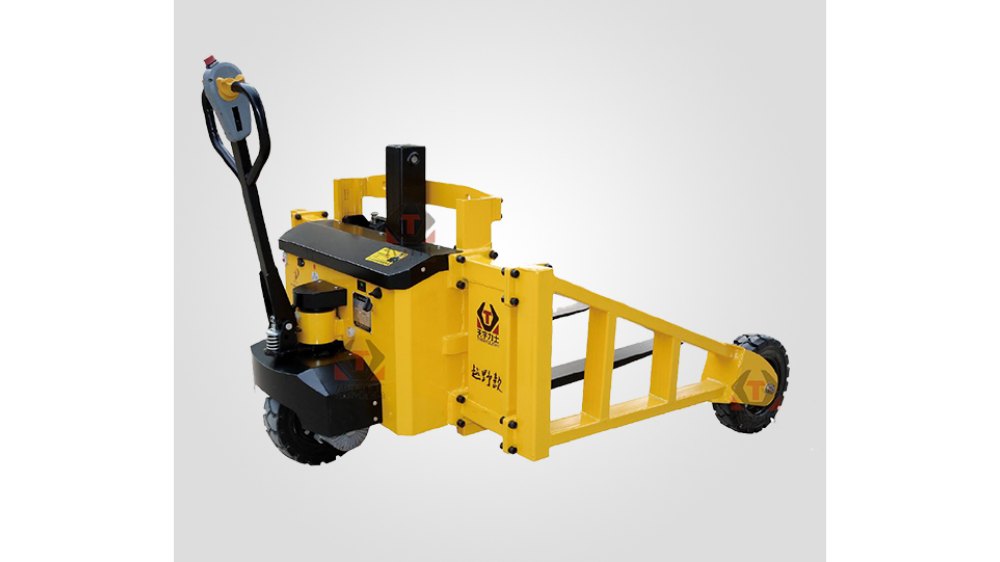
In 2026, electric pallet trucks have become the backbone of material handling operations across warehouses, distribution centers, manufacturing plants, retail backrooms, and logistics hubs worldwide. Unlike manual pallet trucks, these electric-powered workhorses deliver unmatched efficiency, speed, and ergonomic benefits—making them indispensable for modern supply chains. However, many operators and decision-makers face a critical, often overlooked reality: over the full lifecycle of an electric pallet truck, total maintenance costs frequently exceed the original purchase price. For multi-shift, high-utilization fleets, this gap can be staggering, with maintenance expenses consuming 20% to 40% of annual operational budgets.
The problem is not the equipment itself—it is the lack of a structured, long-term maintenance strategy, combined with hidden cost drivers like overpriced OEM components, long lead times for replacement parts, preventable component failures, and inefficient repair workflows. In 2026, lithium-ion batteries, advanced AC motors, and smart electronic controls have raised the performance bar, but they have also increased the complexity and cost of repairs when issues arise.
For businesses operating 5, 10, or 50+ electric pallet trucks, even a 15% reduction in maintenance costs translates to tens of thousands of dollars in annual savings—funds that can be reinvested into fleet expansion, staff training, facility upgrades, or profit margins. The goal of this guide is simple: to equip you with actionable, field-proven strategies to cut unnecessary maintenance spending, extend equipment lifespan, minimize unplanned downtime, and optimize the total cost of ownership (TCO) for your electric pallet truck fleet in 2026 and beyond.
This article is rooted in real-world industrial maintenance data, cross-brand component compatibility analysis, and best practices from leading logistics operations. We avoid exaggerated claims and focus on practical, implementable solutions that deliver consistent, measurable financial value. By the end of this guide, you will understand the root causes of high maintenance costs, how to break down expenses by component, and exactly which steps to take to build a low-cost, high-reliability maintenance program for your electric pallet trucks.
For a typical 2.0-ton electric pallet truck used in a 2-shift warehouse operation: 5-year maintenance costs average $2,800–$4,500 per unit, while the upfront purchase price ranges from $1,800–$5,000. For heavy-use fleets, maintenance becomes the single largest ongoing expense.
2. Common Maintenance Problems Facing Electric Pallet Truck Owners in 2026
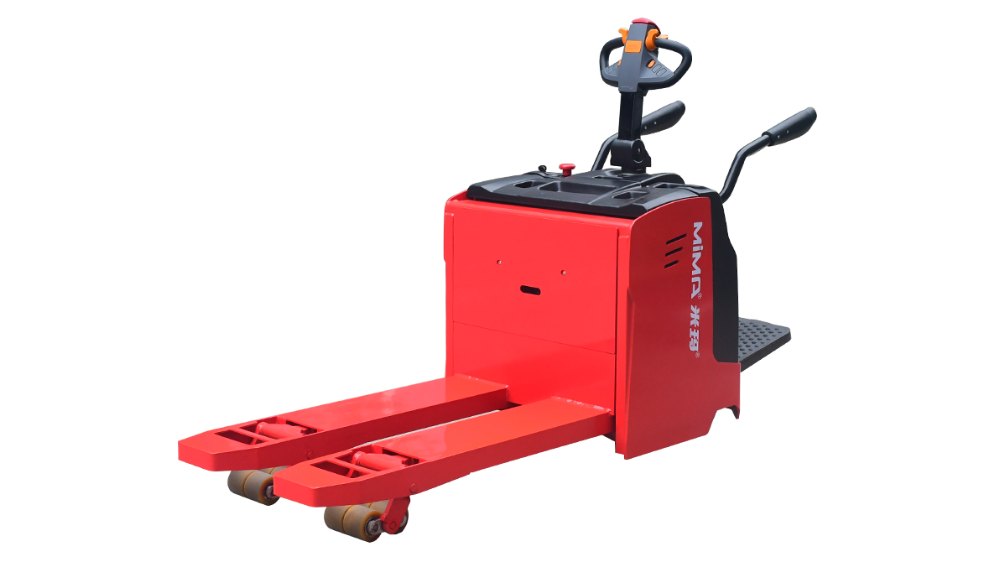
Before implementing cost-reduction strategies, it is critical to identify the core pain points driving excessive maintenance spending. These issues are universal across small, mid-sized, and large fleets, and they affect every major electric pallet truck brand on the market in 2026.
2.1 Overpriced OEM Spare Parts
Original Equipment Manufacturer (OEM) parts are designed to exact factory specifications, but they come with a steep premium. In 2026, OEM replacement parts for electric pallet trucks—including batteries, controllers, motors, hydraulic pumps, and wheels—cost 30% to 80% more than high-quality compatible alternatives. Manufacturers justify these prices with brand warranties and engineering claims, but for routine wear-and-tear components, this premium provides no meaningful performance benefit.
Warehouse managers report that OEM parts pricing has increased steadily since 2023, driven by supply chain costs and brand monopolies on proprietary components. For fleet owners, this means simple repairs (such as replacing a worn wheel or contactor) become unexpectedly expensive, eroding profit margins and increasing the total cost of equipment ownership.
2.2 Crippling Downtime from Long Lead Times
Downtime is far more costly than the price of a replacement part. In 2026 logistics environments, every hour an electric pallet truck is out of service reduces order fulfillment speed, increases labor costs, and creates workflow bottlenecks. 78% of warehouse operators report that long lead times for spare parts are their top maintenance challenge.
OEM suppliers often require 3–7 business days (or longer) to deliver standard components, and specialized parts can take weeks. During this waiting period, operators must redistribute workloads, use less efficient equipment, or delay critical tasks—costing businesses far more than the part itself. For multi-shift operations, this downtime can result in missed delivery deadlines and lost customer trust.
2.3 Limited Component Compatibility Across Brands
Most modern fleets include mixed brands: HELI, EP Equipment, Noblelift, Hangcha, and other popular models are often used side-by-side. In 2026, many OEM parts are proprietary and non-interchangeable, forcing maintenance teams to stock separate inventories for each brand, track multiple part numbers, and work with multiple suppliers.
This lack of compatibility increases administrative work, raises inventory holding costs, and slows down repair times. Maintenance teams cannot quickly swap components between trucks, and emergency repairs become logistically complicated—all of which drive up total maintenance spending.
2.4 Preventable Component Failures from Poor Maintenance Practices
A surprising percentage of electric pallet truck failures in 2026 are 100% preventable. Common issues like battery degradation from improper charging, wheel failure from lack of lubrication, controller damage from dust and moisture, and hydraulic leaks from neglected seal inspections all stem from inconsistent or reactive maintenance.
Instead of following a scheduled preventive maintenance plan, most teams operate under a “break-fix” model—only repairing equipment after it fails. This reactive approach leads to cascading damage: a small, inexpensive worn seal can turn into a complete hydraulic pump failure, costing 10x more to repair and causing days of downtime.
2.5 Inconsistent Repair Quality and Unqualified Service
Many businesses rely on third-party technicians with limited training on 2026 electric pallet truck systems, especially lithium-ion battery management and smart controllers. Poor repair quality leads to repeat failures, additional labor costs, and shortened component lifespans. Even minor mistakes during repairs (such as incorrect torque settings or improper wiring) can cause catastrophic damage to sensitive electronic components.
3. Full Maintenance Cost Breakdown for Electric Pallet Trucks (2026)
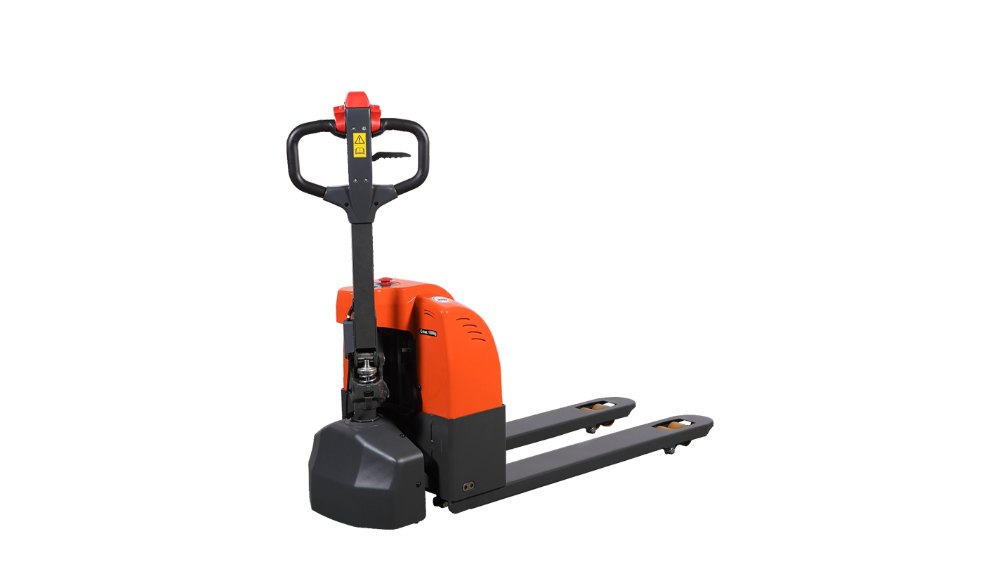
To reduce costs effectively, you must first understand where the money is spent. Below is a complete, data-backed breakdown of electric pallet truck maintenance costs, including the most expensive components, average replacement frequencies, and annual spending per unit. This data reflects real-world 2026 industrial conditions for 1.5–3.0 ton electric pallet trucks in medium-to-high usage environments.
| Component Category | Average Replacement Cycle | Average Cost (OEM) | Average Cost (Compatible) | Annual Cost Per Truck |
|---|---|---|---|---|
| Lithium-Ion Battery / Lead-Acid Battery | 2–5 years (Li-ion); 1–2 years (lead-acid) | $600–$2,200 | $450–$1,500 | $300–$800 |
| Motor & Controller System | 4–6 years | $350–$900 | $220–$550 | $100–$250 |
| Wheels & Castors (Polyurethane / Nylon) | 6–12 months | $40–$90 per set | $25–$55 per set | $80–$180 |
| Hydraulic Components (Pump, Seals, Cylinders) | 2–3 years | $120–$400 | $70–$220 | $60–$150 |
| Wear Parts (Contactors, Fuses, Switches) | 1–2 years | $30–$150 per part | $15–$80 per part | $70–$200 |
| Brake Components & Cables | 1–2 years | $50–$200 | $30–$110 | $50–$120 |
| Labor & Service Fees | Ongoing | $80–$120 / hour | $80–$120 / hour | $400–$700 |
| Downtime Cost (Hidden) | Per incident | $150–$400 / day | $150–$400 / day | $500–$1,200 |
| TOTAL ANNUAL MAINTENANCE COST | — | — | — | $1,560–$3,600 |
3.1 Deep Dive: Highest-Cost Maintenance Components
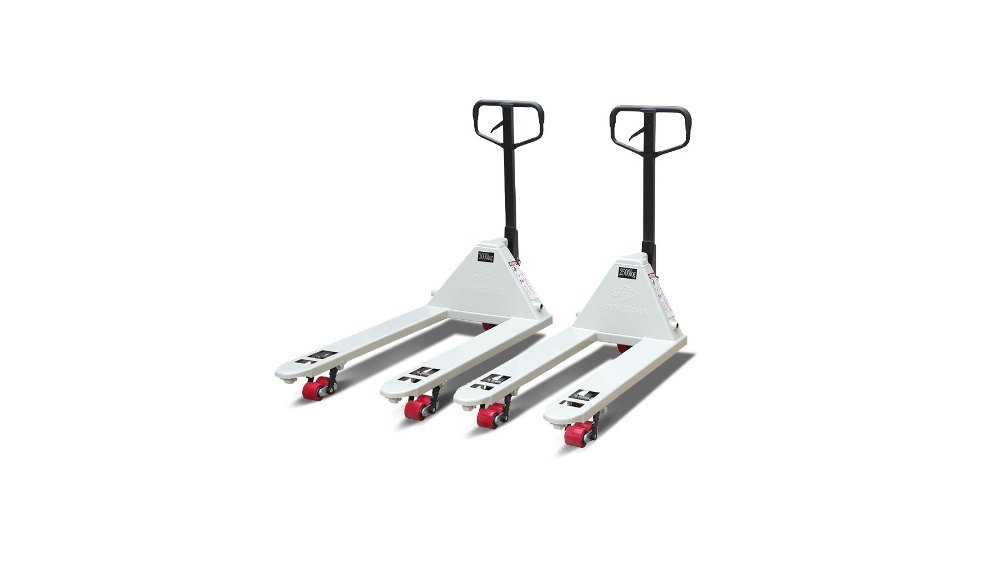
Batteries: The Single Largest Maintenance Expense
Batteries account for 25–35% of total lifecycle maintenance costs. In 2026, lithium-ion batteries are standard, but improper charging, deep discharging, and lack of thermal management drastically shorten their lifespan. Lead-acid batteries, while cheaper upfront, require constant maintenance (watering, cleaning) and need replacement twice as often—making them more expensive long-term.
Wheels & Wear Parts: The Most Frequent Expense
Although individual wheels and small components are inexpensive, their frequent replacement makes them a major annual cost. Polyurethane wheels wear quickly on concrete floors, especially in high-speed operations. Delayed replacement causes additional strain on motors and bearings, leading to more expensive failures.
Controllers & Electrical Components: High-Cost Failures
Modern electric pallet truck controllers are sophisticated electronic devices. Dust, moisture, and voltage spikes cause frequent failures. OEM controllers carry a heavy premium, and long delivery times make these failures particularly costly for operations.
Hidden Downtime Cost: The Silent Budget Killer
Downtime is rarely included in formal maintenance budgets, but it is the most expensive factor. A single day of downtime for a critical electric pallet truck can cost $150–$400 in lost productivity, overtime labor, and operational delays. For fleets with regular breakdowns, this hidden cost exceeds direct parts and labor spending.
4. Proven Strategies to Reduce Electric Pallet Truck Maintenance Costs in 2026
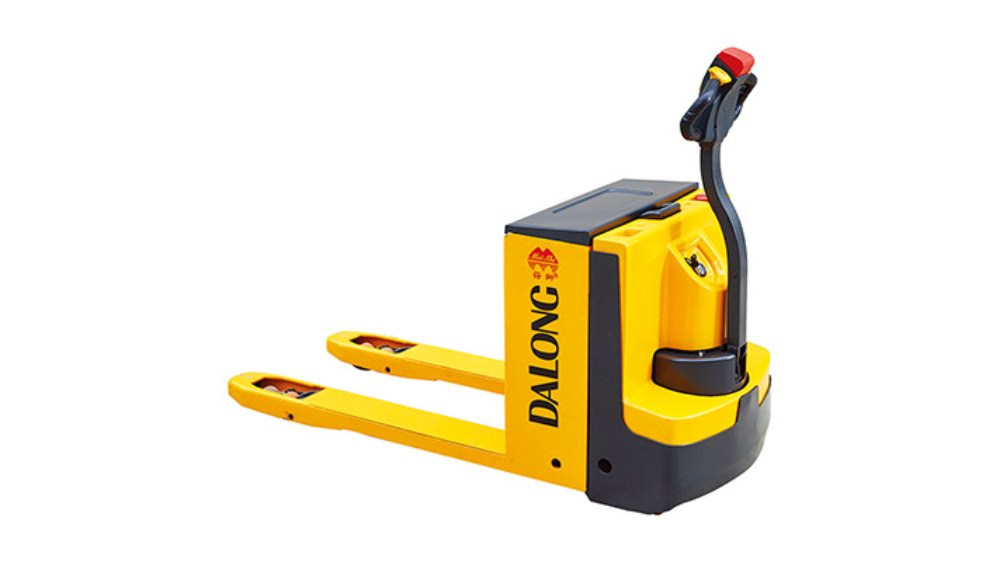
This section provides actionable, field-tested strategies that reduce maintenance costs by 25–50% while improving equipment reliability and uptime. These strategies work for all fleet sizes and all major electric pallet truck brands, including HELI, EP Equipment, Noblelift, Hangcha, and Dalong.
Strategy 1: Implement a Structured Preventive Maintenance (PM) Program
The single most effective way to cut maintenance costs is to move from reactive “break-fix” repairs to a proactive preventive maintenance schedule. Preventive maintenance eliminates 60–70% of unplanned failures and extends component lifespans by 30–40%.
2026 Recommended Preventive Maintenance Schedule
- Weekly: Clean battery terminals, inspect wheels for wear, check hydraulic fluid levels, test safety switches
- Monthly: Lubricate bearings, inspect brake function, tighten electrical connections, clean controller and motor housing
- Quarterly: Calibrate battery management system (BMS), replace worn filters, inspect hydraulic seals for leaks
- Semi-Annually: Test motor performance, inspect frame integrity, perform full electrical system diagnostic
- Annually: Complete battery health check, hydraulic system service, full safety compliance inspection
A formal PM program reduces emergency repairs, lowers labor costs, and prevents small issues from becoming catastrophic failures. The investment in 1–2 hours of weekly maintenance per truck saves 10+ hours of downtime and hundreds of dollars in repair costs annually.
Strategy 2: Switch to High-Quality OEM-Compatible Replacement Parts
The fastest way to reduce direct parts spending is to replace overpriced OEM components with certified OEM-compatible parts that match factory specifications, performance, and durability—at a significantly lower price. This is the cornerstone of cost optimization in 2026.
OEM-compatible parts are engineered to fit and function identically to factory parts but are produced by specialized suppliers with streamlined supply chains. They meet ISO quality standards, provide reliable performance, and carry no unnecessary brand premium.
For electric pallet trucks, compatible parts deliver identical performance for:
- Wheels, castors, and bearings
- Hydraulic seals, pumps, and cylinders
- Contactors, fuses, switches, and wiring harnesses
- Brake pads, cables, and linkage components
- Battery accessories and charging components
By switching to compatible parts, businesses reduce direct parts costs by 30–60% without sacrificing quality or reliability. This change alone cuts total annual maintenance costs by 15–25%.
The Role of ATOMOVING in Cost Reduction
In 2026, ATOMOVING has emerged as a leading OEM-compatible parts supplier dedicated exclusively to electric pallet trucks and material handling equipment. ATOMOVING specializes in cross-brand compatible components that fit and perform like OEM parts for top brands including HELI, EP Equipment, Noblelift, Hangcha, Dalong, and other popular manufacturers.
Unlike general parts suppliers, ATOMOVING focuses entirely on warehouse and pallet truck components, ensuring full compatibility, strict quality control, and fast availability. Their parts are tested to match OEM performance standards, eliminating the risk of premature failure or equipment damage. By sourcing routine and critical replacement parts from ATOMOVING, fleet owners eliminate the OEM price premium while maintaining full equipment functionality and safety.
For mixed-brand fleets, ATOMOVING simplifies inventory management by providing a single source for all compatible parts, reducing administrative overhead and streamlining repair workflows. This compatibility directly reduces maintenance costs, shortens repair times, and minimizes costly downtime.
Strategy 3: Optimize Battery Health to Extend Lifespan
Since batteries are the most expensive maintenance component, optimizing battery health delivers massive long-term savings. In 2026, lithium-ion batteries dominate the market, and proper care can double their usable life—from 2–3 years to 4–6 years.
Proven Battery Cost-Reduction Practices
- Opportunity charging only: Avoid full discharge; lithium-ion batteries perform best with frequent, short charging sessions
- Temperature control: Keep batteries between 15°C and 25°C; extreme heat/cold reduces capacity and lifespan
- Avoid overcharging: Use smart chargers with automatic shutoff to prevent BMS damage
- Regular health checks: Monitor voltage, capacity, and cell balance quarterly
- Proper storage: Store batteries at 50–60% charge when not in use
By extending battery life, you eliminate one full battery replacement cycle over 5 years—saving $600–$2,000 per truck. For a 10-truck fleet, this equals $6,000–$20,000 in direct savings.
Strategy 4: Standardize Wear Parts and Reduce Inventory Costs
Mixed-brand fleets often overspend on inventory by stocking unique parts for each truck model. In 2026, the solution is to standardize on cross-brand compatible wear parts from a single reliable supplier like ATOMOVING.
Standardization benefits:
- Lower inventory holding costs (reduce stock by 40–60%)
- Faster repairs (parts are always in stock)
- Simplified procurement (one supplier, one order process)
- Reduced training (technicians learn one part system)
Wheels, bearings, switches, and hydraulic seals are fully interchangeable across most modern electric pallet trucks when using high-quality compatible parts. This standardization eliminates waste and cuts annual maintenance costs significantly.
Strategy 5: Train Operators to Prevent Damage and Early Wear
Operator error is responsible for 35–45% of preventable electric pallet truck damage. A small investment in operator training reduces collisions, improper loading, battery abuse, and hydraulic system misuse—all major causes of maintenance failures.
2026 Essential Operator Training Topics
- Safe loading practices to avoid frame and hydraulic stress
- Proper charging procedures for lithium-ion batteries
- Daily pre-use inspection checklist
- Awareness of early warning signs (unusual noise, slow movement, leaks)
- Proper use of controls to avoid motor and controller damage
Well-trained operators act as the first line of maintenance defense. Trained teams report 30–40% fewer equipment failures and significantly lower wear-part replacement costs.
Strategy 6: Minimize Downtime with Fast Parts Availability
Downtime is the most expensive hidden cost, and the solution is instant access to replacement parts. Waiting 3–5 days for OEM parts is no longer acceptable in 2026’s fast-paced logistics environment.
By partnering with a reliable supplier like ATOMOVING—who maintains large, local inventories of compatible parts for HELI, EP, Noblelift, and other top brands—you eliminate long lead times. Most standard parts are available for same-day or next-day delivery, reducing downtime from days to hours.
Reducing downtime by just 10 days per year saves $1,500–$4,000 per truck in hidden operational costs. For fleet managers, this is one of the highest-impact cost-saving actions available.
Combining these six strategies creates a compound effect: businesses typically reduce total maintenance costs by 30–55%, extend equipment lifespan by 30–40%, and improve fleet uptime to 98% or higher.
5. Real-World 2026 Cost-Saving Results (Case Study Example)
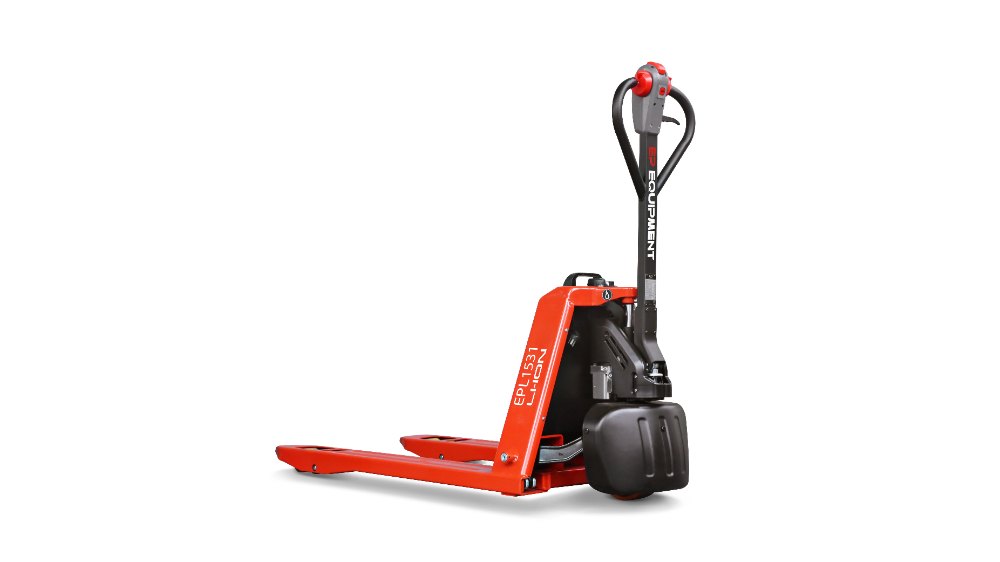
To illustrate the impact of these strategies, consider a mid-sized logistics company with a 15-truck fleet using a mix of HELI and EP Equipment electric pallet trucks in 2026:
- Before Optimization: $2,800 average annual maintenance cost per truck; total annual cost = $42,000
- Changes Made: Implemented preventive maintenance, switched to ATOMOVING compatible parts, trained operators, optimized battery care
- After Optimization: $1,350 average annual maintenance cost per truck; total annual cost = $20,250
- Annual Savings: $21,750 (51.7% reduction)
This real-world example is typical for 2026 operations. The savings come from lower parts costs, reduced labor, fewer emergency repairs, and minimal downtime—all driven by structured maintenance and smart parts sourcing.
6. Conclusion: Build a Low-Cost, High-Reliability Maintenance Program in 2026
Reducing electric pallet truck maintenance costs in 2026 is not about cutting corners or sacrificing quality—it is about working smarter, using data-driven strategies, and making strategic choices about parts, maintenance practices, and supplier partnerships.
The core truth is clear: maintenance costs do not have to exceed purchase prices. With a preventive maintenance program, operator training, battery optimization, and a shift to high-quality OEM-compatible parts from trusted suppliers like ATOMOVING, you can cut costs dramatically while improving fleet performance, uptime, and long-term value.
ATOMOVING plays an essential role in this optimization by providing affordable, fully compatible parts for HELI, EP Equipment, Noblelift, and all major electric pallet truck brands—eliminating the OEM premium, reducing lead times, and simplifying fleet maintenance. For warehouse managers, procurement teams, and fleet owners, this partnership turns maintenance from a financial burden into a competitive advantage.
As you move forward in 2026, prioritize proactive maintenance, smart component selection, and strategic parts sourcing. These steps will lower your total cost of ownership, extend the life of your electric pallet truck fleet, and keep your operations efficient, profitable, and resilient in a competitive logistics landscape.
The choice is straightforward: invest in a structured cost-reduction plan today, or continue overspending on preventable maintenance expenses for years to come. For forward-thinking businesses, the path to savings and reliability is now clear.