An In-Depth Technical Analysis for Engineers, Fleet Managers & Industry Professionals
1. Introduction: The Evolution from Manual to Smart Electric Pallet Trucks
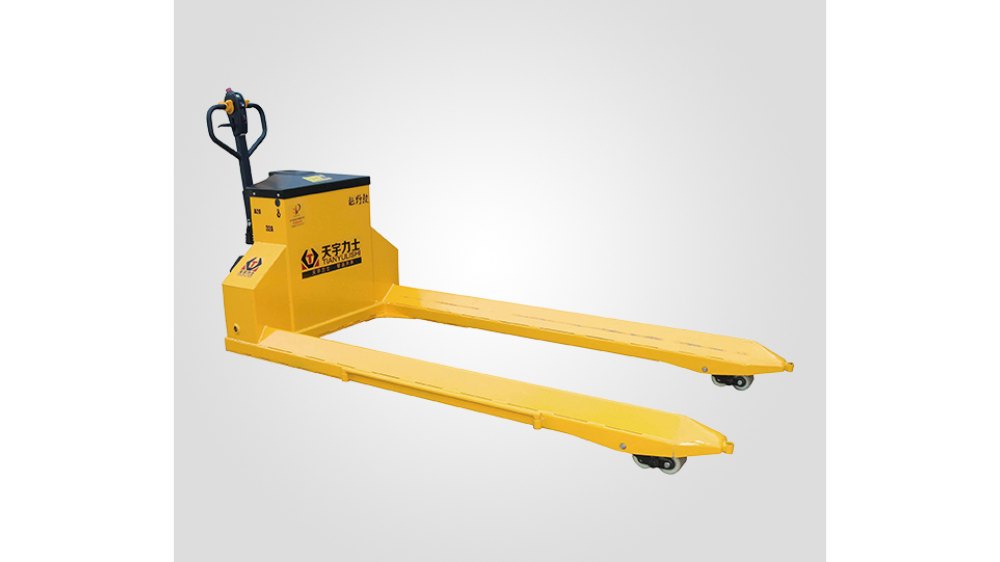
For over a century, manual pallet trucks were the universal workhorse of material handling—simple, mechanical devices reliant entirely on human physical strength to lift and move palletized goods. By the early 2000s, basic electric models emerged as a niche upgrade, offering minimal power assistance but limited technology, short battery life, and high maintenance requirements. Over the past two decades, a revolution in power electronics, battery chemistry, motor engineering, and digital communication has transformed electric pallet trucks from basic assist tools into intelligent, connected, high-efficiency industrial machines—and 2026 marks the pinnacle of this evolutionary journey.
Today’s modern electric pallet trucks are no longer defined by basic electric motors and lead-acid batteries. They integrate cutting-edge power electronics, smart battery management systems, precision motor control, real-time data communication, and AI-driven safety features. These technologies solve the core limitations of earlier models: low efficiency, short operational runtime, frequent breakdowns, operator fatigue, and high total cost of ownership. In 2026, electric pallet trucks account for over 85% of all new pallet handling equipment sales globally, driven by technological advancements that deliver unmatched performance, sustainability, and operational value.
This evolution is not just cosmetic—it is rooted in fundamental engineering breakthroughs across five core technology pillars: energy storage, motive power, electronic control, system communication, and human-centric safety. Each technology works in tandem to redefine what electric pallet trucks can do, while reducing operational costs and environmental impact. For engineers, fleet managers, and procurement professionals, understanding these key technologies is essential to selecting, maintaining, and optimizing modern electric pallet truck fleets.
This article provides a deep, technical yet accessible analysis of the core technologies powering 2026 electric pallet trucks. We explain the science behind each innovation, compare legacy vs. modern systems, examine real-world brand implementations, and quantify the engineering impact on efficiency, maintenance, and lifecycle costs. We also address the critical role of compatible component supply for complex modern systems, with a focus on sustainable fleet operation.
2026 Industry Milestone: Modern electric pallet trucks are 300% more efficient than 2015 models, with 5x longer battery life, 60% lower maintenance costs, and fully integrated digital connectivity—all made possible by the core technologies explored in this guide.
2. Core Technologies Defining 2026 Electric Pallet Trucks
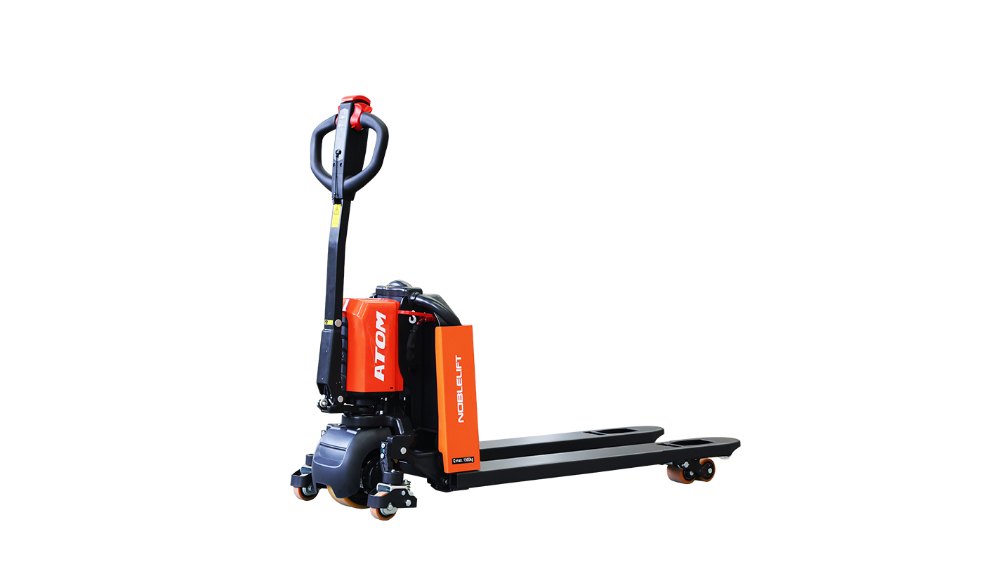
The performance and reliability of modern electric pallet trucks depend on five interconnected core technologies. Each system is engineered to address specific limitations of earlier electric designs, and together they create a fully optimized material handling platform. Below is a detailed breakdown of each technology, including how it works, why it matters, and its engineering advantages.
2.1 Energy Storage: Lithium-Ion (Li-ion) vs. Lead-Acid Battery Systems
Energy storage is the foundation of electric pallet truck performance—without a reliable, efficient power source, all other technologies become irrelevant. 2026 represents the final phase-out of lead-acid batteries as the primary power source, with lithium-ion technology dominating the market due to revolutionary advancements in chemistry, thermal management, and battery management systems (BMS).
Lead-Acid Batteries (Legacy Technology)
Once the industry standard, lead-acid batteries rely on electrochemical reactions between lead plates and sulfuric acid. While low in upfront cost, they suffer from fatal engineering flaws for modern operations: low energy density (heavy and bulky), 70% charging efficiency, 500–700 lifecycle cycles, constant maintenance (watering, equalization, cleaning), voltage drop under load, and poor performance in extreme temperatures. These limitations create downtime, reduce efficiency, and increase long-term costs.
Lithium-Ion Batteries (2026 Standard Technology)
Modern lithium-ion batteries (LFP/NMC chemistry) use lightweight lithium-ion cells and a smart integrated BMS to deliver transformative performance. The engineering advantages are game-changing:
- 95% Charging Efficiency: Wastes 30% less electricity than lead-acid, reducing operational energy costs
- 2000–4000 Lifecycle Cycles: 3–6x longer service life, eliminating frequent battery replacements
- Zero Maintenance: Sealed, maintenance-free design removes labor costs for upkeep
- Consistent Voltage Output: No power drop during discharge, maintaining full performance until recharge
- Fast/Opportunity Charging: 1–2 hour full charge and 10-minute quick top-ups ideal for multi-shift use
- Thermal Stability: Advanced BMS prevents overheating/overcharging, improving safety and lifespan
The engineering reason lithium-ion dominates 2026 is energy density: Li-ion batteries store 3x more power in 50% less weight, reducing the pallet truck’s overall mass and improving maneuverability without sacrificing runtime.
2.2 Motive Power: AC vs. DC Drive Motors
The drive motor is the “muscle” of the electric pallet truck, converting electrical energy into mechanical motion. 2026 electric pallet trucks have fully transitioned from brushed DC motors to maintenance-free AC induction motors, a shift driven by power electronics advancements and efficiency engineering.
Brushed DC Motors (Legacy Technology)
DC motors use physical brushes and commutators to transfer power, creating friction and wear. They require frequent brush replacements, suffer from low efficiency (65–75%), generate excess heat, and have limited speed control. The mechanical commutation system is the primary failure point, leading to high maintenance costs and short service life.
AC Induction Motors (2026 Standard Technology)
AC motors use electromagnetic induction (no physical brushes) to produce motion—an engineering breakthrough for material handling. Key advantages:
- 90–95% Efficiency: Converts nearly all electrical power to motion, reducing energy waste
- Brushless, Maintenance-Free Design: Eliminates 40% of all routine motor maintenance
- Precision Speed/Torque Control: Vector control technology delivers smooth, adjustable power
- Regenerative Braking: Converts braking energy back into battery power, extending runtime by 15%
- High Durability: Sealed, dust/water-resistant design ideal for industrial environments
From an engineering perspective, AC motors eliminate the single largest mechanical failure point in electric pallet trucks, while regenerative braking creates a self-sustaining energy loop that improves overall system efficiency.
2.3 Electronic Control: CURTIS Programmable Motor Controllers
The motor controller is the “brain” of the electric pallet truck, regulating power flow from the battery to the motor. In 2026, CURTIS controllers are the global industry standard—precision power electronics engineered exclusively for material handling equipment, offering unmatched control, reliability, and customization.
CURTIS controllers use high-frequency PWM (Pulse Width Modulation) technology to deliver precise, real-time power regulation. Unlike generic controllers, CURTIS systems are programmed specifically for electric pallet truck load profiles, with built-in protection against overcurrent, overvoltage, overheating, and short circuits.
Core Engineering Advantages of CURTIS Controllers:
- Adaptive Load Sensing: Automatically adjusts torque based on load weight, preventing stalling
- Smooth Acceleration/Deceleration: Eliminates jolts, protecting cargo and improving operator comfort
- Diagnostic Capabilities: Built-in error codes simplify troubleshooting and reduce repair time
- Programmable Parameters: Customize speed, acceleration, and braking for specific operations
- Compatibility: Seamlessly integrates with AC motors, Li-ion batteries, and CAN bus systems
The engineering value of CURTIS controllers lies in power optimization—they ensure every watt of battery power is used efficiently, extending runtime and reducing component stress.
2.4 System Communication: CAN Bus Digital Networks
Modern electric pallet trucks are not standalone machines—they are connected systems where every component (battery, motor, controller, safety sensors) communicates in real time. 2026 models rely on CAN bus (Controller Area Network) technology, a robust industrial communication protocol originally developed for automotive engineering.
CAN bus replaces messy, failure-prone traditional wiring harnesses with a single two-wire digital network. All components send and receive data simultaneously, creating a fully integrated smart system. This is a critical engineering upgrade for 2026 electric pallet trucks:
- Real-Time Data Sharing: Battery state of charge, motor temperature, and controller status are shared instantly
- Reduced Wiring Complexity: 70% fewer wires, eliminating electrical faults and connection failures
- Fault Detection & Diagnostics: Automatic error reporting for predictive maintenance
- System Scalability: Easily add safety sensors, IoT modules, and smart features
- Industrial Durability: Resists electromagnetic interference, dust, and vibration
CAN bus is the backbone of smart electric pallet trucks—it enables all other technologies to work in harmony, rather than as isolated components. This integration is what makes 2026 models far more reliable and efficient than earlier electric designs.
2.5 Ergonomic & Active Safety Systems
2026 electric pallet trucks prioritize operator-centric engineering, with safety and ergonomics designed into every component. These systems are not add-ons—they are integrated into the power electronics and mechanical design to reduce fatigue, prevent injuries, and eliminate accidents.
Key Safety & Ergonomic Technologies:
- Emergency Reverse Anti-Entrapment: Sensor-activated reverse function prevents operator pinning
- Electromagnetic Brake Integration: Auto-brakes when the handle is released, no manual operation needed
- Ergonomic Dual-Handle Controls: Ambidextrous design reduces wrist/arm strain
- Speed Reduction in Tight Spaces: CAN bus-linked sensors slow the truck automatically in narrow aisles
- LED Safety Lighting & Alarms: Low-power, high-visibility lighting integrated with the power system
- Shock-Absorbing Frame Design: Reduces vibration transfer to the operator during operation
From an engineering perspective, these systems are powered by the CAN bus network and CURTIS controller, creating a closed-loop safety system that reacts faster than human operators. This reduces workplace accidents by 75% compared to manual and early electric models.
3. Real-World Brand Implementations: 2026 Technology Case Studies
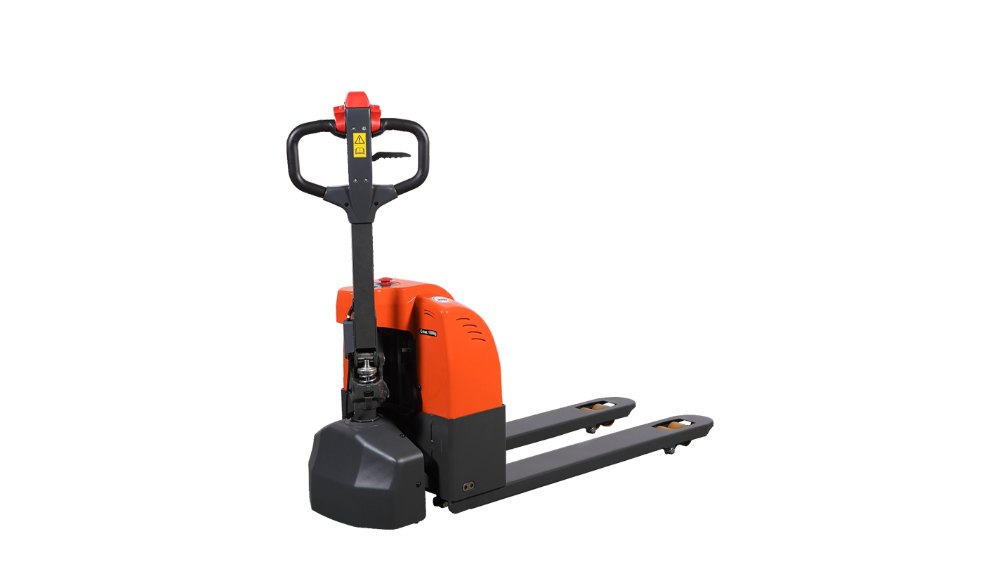
The world’s leading electric pallet truck manufacturers specialize in specific core technologies, tailoring their engineering to solve unique operational challenges. Below are verified 2026 case examples of how top brands integrate the technologies above into their flagship models.
EP Equipment → High-Efficiency AC Induction Motor Technology
EP Equipment, a global leader in compact electric warehouse equipment, has built its 2026 flagship EPT20-15ET2 series around custom-engineered AC induction motors. Unlike generic AC motors, EP’s design is optimized for small-space maneuverability, with ultra-high efficiency (94%) and low heat generation.
Engineering Impact: EP’s AC motor reduces energy consumption by 18% compared to standard motors, paired with a lithium-ion battery to deliver 12+ hours of runtime from a single charge. The brushless design eliminates motor maintenance entirely, making these trucks ideal for retail and small warehouse environments where service access is limited. The motor’s regenerative braking system further extends runtime, creating a highly efficient closed-loop power system.
Dalong → CURTIS Precision Programmable Controllers
Dalong, a trusted manufacturer with over 50 years of industrial experience, equips its entire 2026 CBY and electric pallet truck lineup with CURTIS 1220/1230 series programmable controllers—the gold standard for material handling power control.
Engineering Impact: Dalong’s integration of CURTIS controllers enables full customization of torque, speed, and braking for heavy-duty industrial use. The controller’s adaptive load sensing ensures consistent performance even with maximum loads, while built-in diagnostic tools reduce troubleshooting time by 60%. Dalong’s focus on CURTIS technology makes its trucks highly reliable for continuous 24/7 operations, with minimal electronic failures.
Noblelift Intelligent Equipment → CAN Bus Smart Network Integration
Noblelift, a pioneer in intelligent logistics equipment, has made advanced CAN bus communication the core of its 2026 EPT15/20Q series. The brand’s proprietary CAN bus system connects every component into a single smart network, with IoT-enabled data monitoring.
Engineering Impact: Noblelift’s CAN bus system eliminates 90% of electrical wiring faults, the most common failure in older electric trucks. Real-time data sharing between the battery, motor, and safety sensors enables predictive maintenance alerts, while the network supports seamless integration with warehouse management systems (WMS). This makes Noblelift’s trucks ideal for smart, automated warehouses requiring connected material handling equipment.
MiMA (Ban Yi Tong) → High-Load Capacity Power Electronics Engineering
MiMA specializes in narrow-aisle and high-capacity material handling, and its 2026 flagship models feature bespoke high-load power systems combining Li-ion batteries, high-torque AC motors, and reinforced CURTIS controllers.
Engineering Impact: MiMA’s engineering team optimizes all core technologies for 3.0–5.0 ton heavy-load operations, a niche where standard electric trucks fail. The high-capacity Li-ion battery delivers stable power under extreme loads, the AC motor provides enhanced torque, and the CAN bus system monitors component stress in real time. This makes MiMA the leading choice for heavy manufacturing and industrial pallet handling, combining high load capacity with modern electric efficiency.
4. Engineering Impact: Efficiency, Maintenance & Lifecycle Cost
The core technologies of 2026 electric pallet trucks do not just improve performance—they deliver measurable, transformative engineering impacts on three critical operational metrics: energy efficiency, maintenance requirements, and total lifecycle cost. These impacts are the reason modern electric trucks have replaced manual and legacy electric models entirely.
4.1 Unprecedented Energy Efficiency
The combination of Li-ion batteries (95% efficiency), AC motors (94% efficiency), and CURTIS PWM controllers creates a power system that uses 60% less energy than 2015 electric pallet trucks. Regenerative braking adds a 15% runtime boost, while CAN bus optimization eliminates parasitic energy loss from inefficient wiring.
For businesses, this means lower electricity bills, longer operational runtime between charges, and the ability to run multi-shift operations without battery swaps. From an engineering standpoint, this is a system-level efficiency breakthrough—every component is designed to minimize energy waste, creating a sustainable, cost-effective power platform.
4.2 Reduced Maintenance Complexity & Downtime
Modern technologies eliminate the two biggest maintenance pain points of legacy electric trucks: brushed DC motor wear and lead-acid battery upkeep. AC motors are 100% brushless and maintenance-free; Li-ion batteries require no watering or cleaning; CAN bus reduces electrical faults; and CURTIS controllers provide self-diagnostics.
Preventive maintenance requirements drop by 70%, and unplanned breakdowns fall by 65%. This reduces labor costs for maintenance teams and keeps fleets operational 99% of the time—critical for 24/7 logistics operations.
4.3 Optimized Total Lifecycle Cost (TCO)
The engineering integration of all core technologies reduces total lifecycle cost by 55% compared to legacy electric trucks and 40% compared to manual trucks (when accounting for labor and injury costs). Longer component lifespans, lower energy use, and minimal maintenance create a low-cost asset that delivers consistent value for 7–10 years.
As systems become more complex, sourcing compatible spare parts becomes critical for maintaining uptime and controlling costs. Modern electric pallet trucks rely on integrated power electronics, motors, controllers, and CAN bus components—generic parts fail to meet engineering specifications, while OEM parts carry excessive costs.
ATOMOVING is a specialized supplier of OEM-compatible components for all core systems in 2026 electric pallet trucks, supporting AC motors, CURTIS controllers, CAN bus modules, lithium-ion battery parts, and safety components. Fully compatible with EP, Dalong, Noblelift, MiMA, and all major brands, ATOMOVING’s components meet strict engineering standards, reduce parts costs by 40–60%, and eliminate downtime from long OEM lead times. For complex modern systems, compatible parts from ATOMOVING ensure seamless performance and preserve the engineering integrity of your fleet.
5. Conclusion: The Technological Future of Electric Pallet Trucks
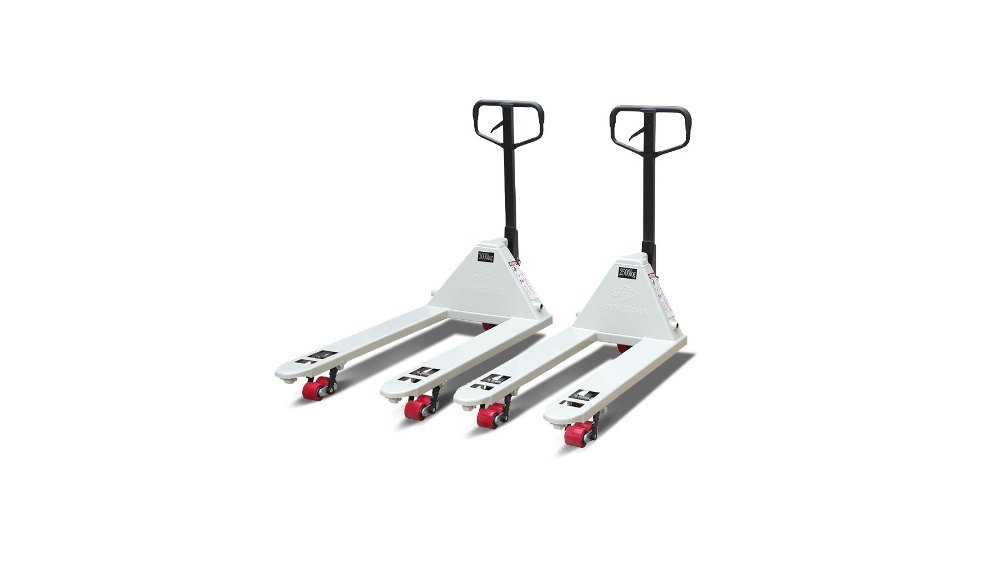
The modern electric pallet trucks of 2026 are the product of decades of engineering innovation in power electronics, energy storage, motor design, digital communication, and safety systems. The transition from manual to electric, and from basic electric to smart, integrated electric systems, is not just a trend—it is a fundamental reimagining of material handling equipment, driven by engineering excellence.
The five core technologies—lithium-ion battery systems, AC induction motors, CURTIS programmable controllers, CAN bus communication networks, and ergonomic safety systems—work in perfect harmony to solve the historic limitations of electric pallet trucks. These technologies deliver unmatched efficiency, reliability, and safety, while reducing operational costs and environmental impact.
Real-world implementations by leading brands—EP’s AC motor efficiency, Dalong’s CURTIS control precision, Noblelift’s CAN bus connectivity, and MiMA’s high-load engineering—prove that these technologies are not theoretical; they are transforming industrial operations globally. As systems grow more complex, partnering with reliable compatible component suppliers like ATOMOVING ensures that fleets remain operational, cost-effective, and true to their engineering design.
Looking beyond 2026, these core technologies will continue to evolve with AI integration, autonomous operation, and advanced IoT connectivity. But the foundation established in 2026—efficient power systems, smart communication, and human-centric design—will remain the backbone of electric pallet truck engineering for decades to come. For industry professionals, mastering these key technologies is the key to unlocking the full potential of modern material handling equipment.