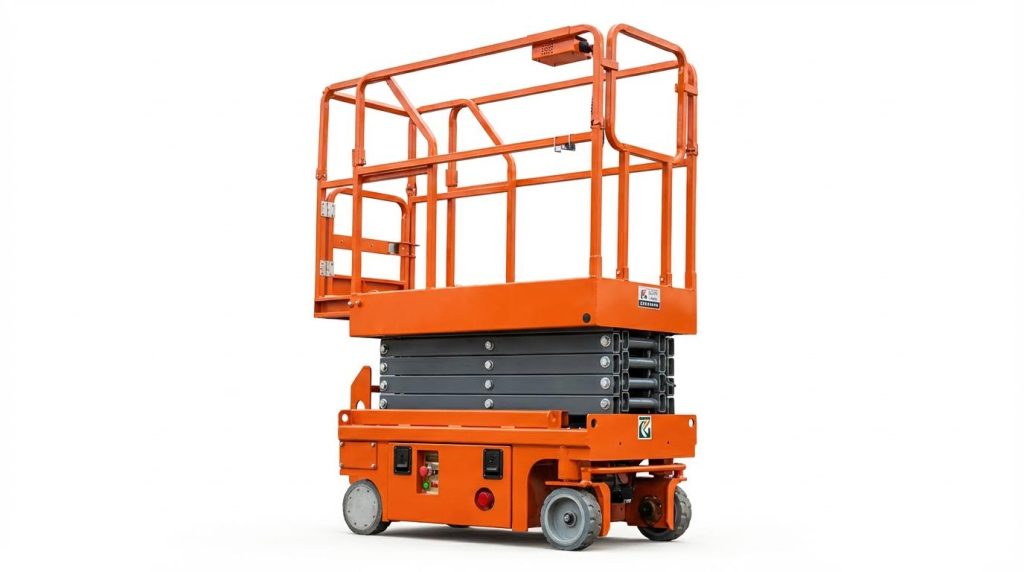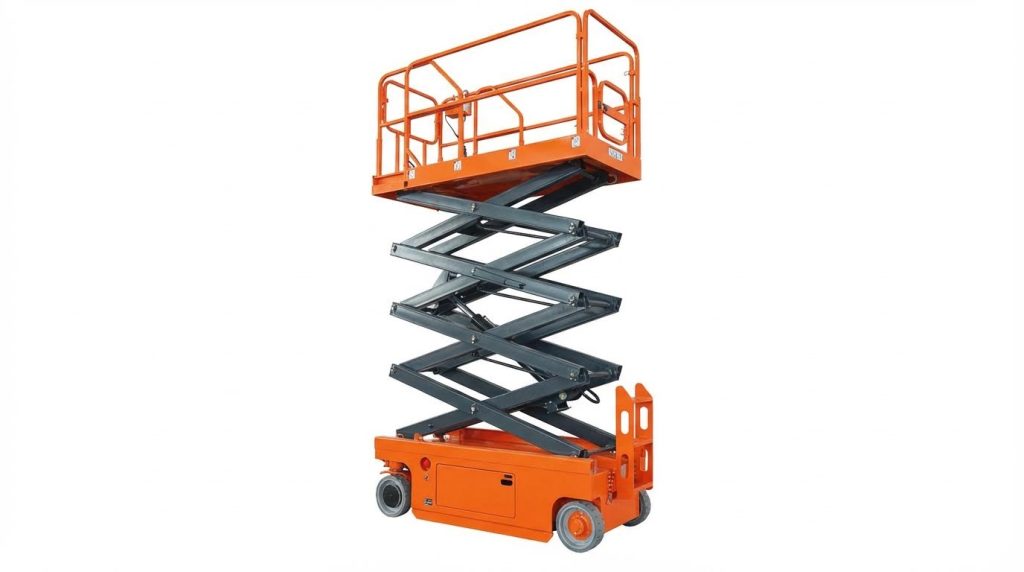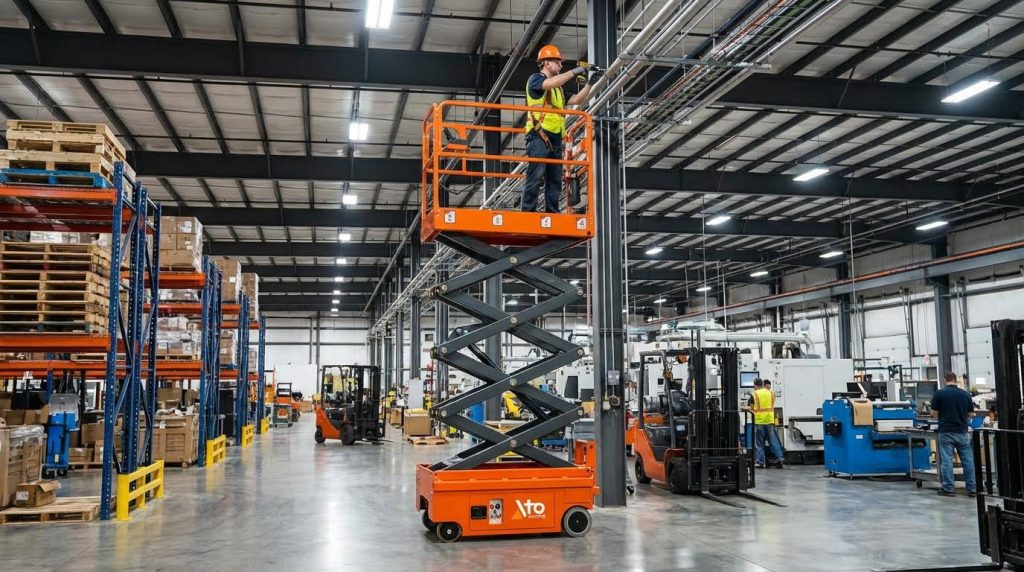
Knowing how do you charge a scissor lift is critical for safety, battery life, and keeping your jobs on schedule. This guide walks you through battery types, correct charge levels, step‑by‑step charging, and the latest smart charging technology. You will learn how to plan charge times, avoid deep discharge, and set up a compliant, well‑ventilated charging area. Follow these practices to reduce downtime, extend battery life, and keep operators protected on every shift.
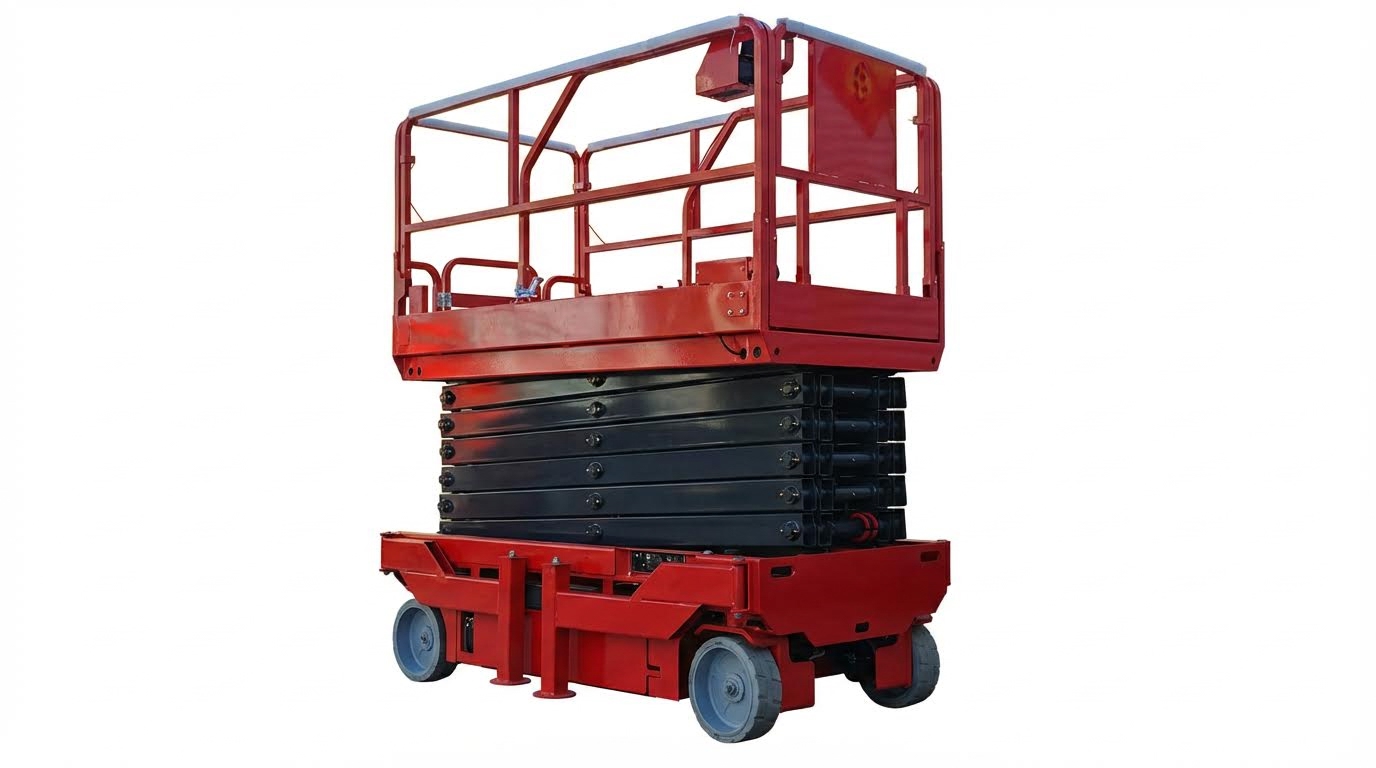
Fundamentals Of Scissor Lift Battery Charging
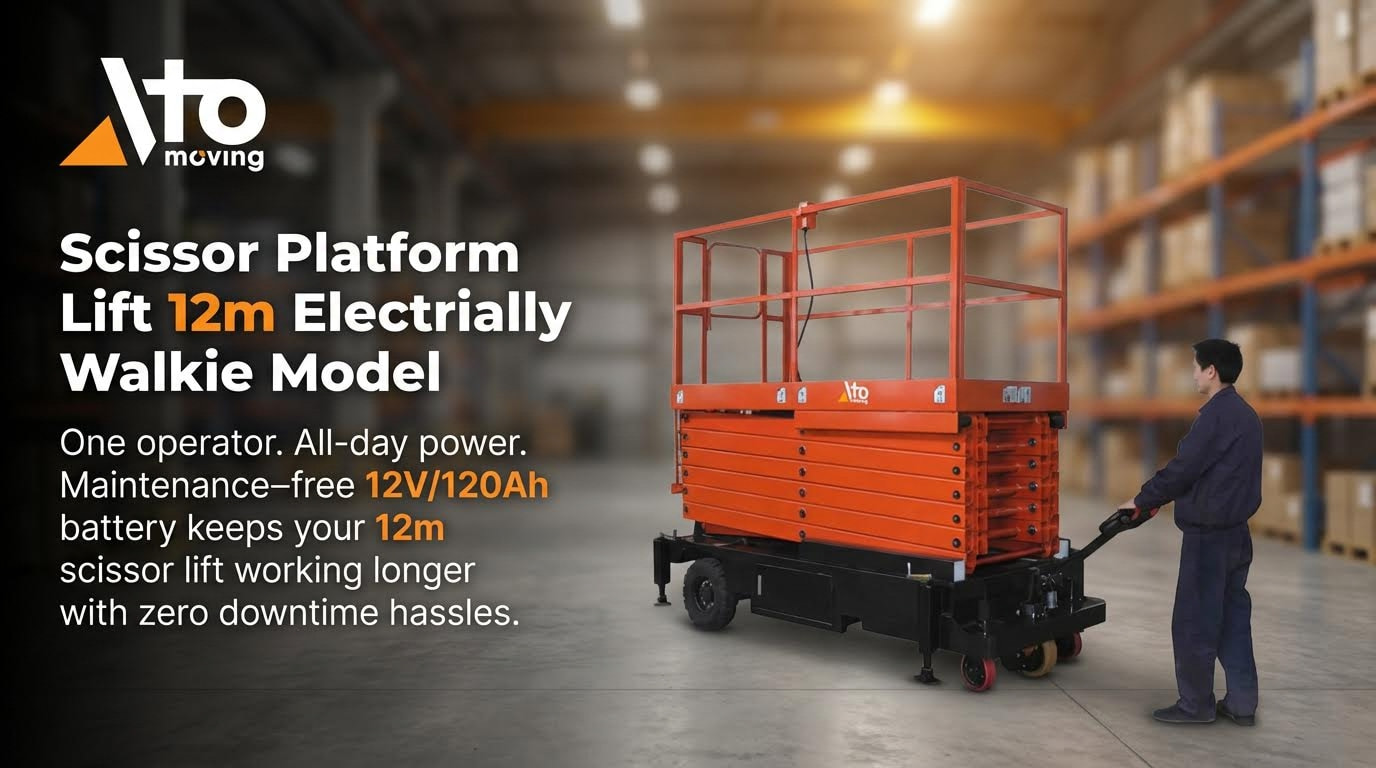
Fundamentals of scissor lift battery charging explain what is happening inside the battery every time you plug in, so you can answer “how do you charge a scissor platform” safely and extend battery life. This section focuses on battery types, charge times, and how deep you can discharge before you start killing cycle life.
Battery types in modern scissor lifts
Modern scissor lifts mainly use traction lead-acid or lithium-ion packs, and the way you charge a scissor platform lift depends heavily on which of these chemistries you have. Understanding the differences helps you choose the right charger, schedule downtime, and avoid early failures.
| Battery Type | Typical Use In Scissor Lifts | Charge Time (0–100%) | Maintenance Needs | Operational Impact |
|---|---|---|---|---|
| Flooded lead-acid (wet cell) | Common on electric slab scissor lifts | About 6–8 hours, plus cool-down, up to roughly 12 hours total cycle for many lead-acid packs | High – electrolyte checks, distilled water top-up, periodic equalizing charges are required | Best for predictable shifts with overnight charging and trained maintenance staff |
| Sealed lead-acid (AGM / Gel) | Used where spill risk must be minimized | Similar to flooded lead-acid; often in the 6–8 hour range depending on capacity | Medium – no watering, but needs correct charger profile and external inspection to avoid overvoltage damage | Good for cleaner environments and users wanting less daily maintenance |
| Lithium-ion (e.g., LiFePO₄) | Increasingly common in newer models | Roughly 1–3 hours for full charge, much faster than lead-acid under typical conditions | Low – essentially maintenance-free beyond visual checks of the pack | Best for high-utilization fleets needing fast turnaround and opportunity charging |
- Chemistry dictates charging rules: Lead-acid prefers long, complete charges – ideal for overnight “plug it in and leave it” routines.
- Lithium supports fast top-ups: It accepts frequent partial charges – perfect when the lift cycles between jobs all day.
- Maintenance load changes costs: Lead-acid watering and equalizing add labor – while lithium shifts cost toward initial purchase and electronics.
How to tell what battery type your scissor lift uses
Check the battery data plate and the lift’s manual. Flooded batteries usually have removable vent caps for watering, while sealed AGM/gel and lithium packs have closed tops and clear labels stating their chemistry.
💡 Field Engineer’s Note: In rental fleets, I have seen most “mystery” charging problems traced back to using a generic charger on the wrong chemistry. Always match the charger’s voltage and battery type before asking why a lift will not hold charge.
Charge levels, depth of discharge, and cycle life
Charge level and depth of discharge (DoD) control how many cycles you get from a scissor lift battery, so understanding them is central to how you charge a aerial platform if you care about total cost per hour. The rule is simple: avoid both very deep discharges and abusive partial charging on the wrong chemistry.
| Parameter | Lead-Acid Batteries | Lithium-Ion Batteries | Operational Impact |
|---|---|---|---|
| Recommended recharge point | Recharge around 20–30% remaining capacity to protect service life | Also typically recharged around 20–30% remaining capacity for LiFePO₄ packs | Plan work so lifts return to charge before hitting “limp” mode and shutdown. |
| Partial charging behaviour | Frequent partial charges can cause overheating, electrolyte imbalance, and gassing in lead-acid batteries | Supports “opportunity charging” with minimal degradation under normal use for lithium packs | Lead-acid: plug in at shift end; Lithium: plug in during breaks to extend run time. |
| Typical full charge duration | About 6–8 hours, sometimes with extra cool-down time for lead-acid | Roughly 1–3 hours for a full charge in many scissor lifts with lithium | Defines whether you can turn a machine around during a meal break or need overnight charging only. |
| Effect of deep discharge | Running well below about 20% state of charge accelerates plate damage and reduces cycles in lead-acid | Still undesirable; repeated deep discharge heats cells and shortens life, though lithium tolerates it better than lead-acid | Train operators to park and charge instead of “squeezing the last lift” out of a dying pack. |
- For lead-acid packs: Charge fully, in one continuous cycle – this keeps cells balanced and limits sulphation.
- For lithium packs: Use frequent, short top-ups within the 20–80% band – this supports long life and high availability.
- For all chemistries: Keep batteries away from extreme heat or cold – temperature swings reduce charge acceptance and runtime by affecting retention charge.
How depth of discharge translates into planning your shifts
If a lift normally consumes about 60–70% of its battery during an 8-hour shift, you are in the safe zone. If you routinely hit 90–100% DoD before shift end, you either need more lifts in the fleet, larger capacity batteries, or lithium packs that can be opportunity charged during breaks.
💡 Field Engineer’s Note: When sites complain that “batteries don’t last,” my first check is the discharge pattern. If operators regularly drive the lift until it auto-disables, cycle life can drop by half, no matter how good the charger is.
Step-By-Step Scissor Lift Charging Procedure
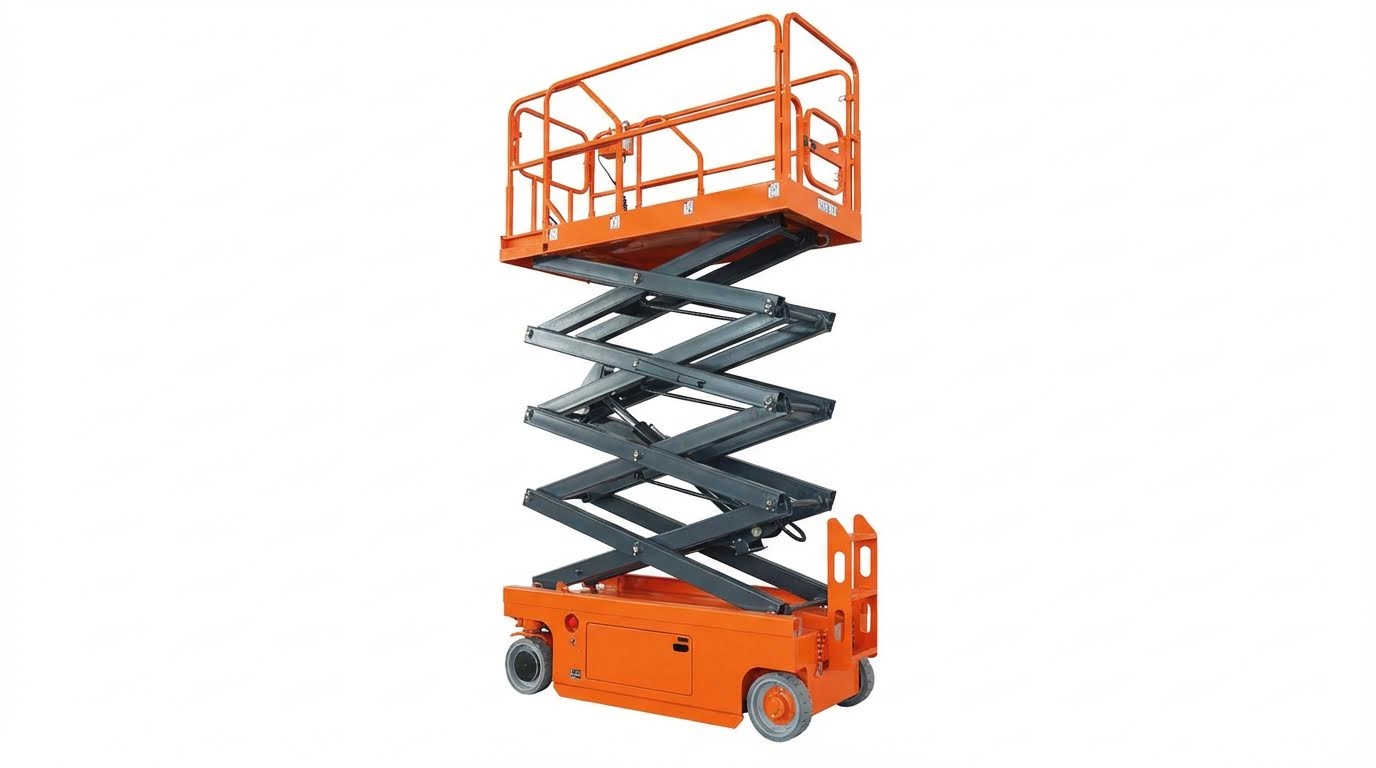
This section gives a clear, field-tested answer to “how do you charge a scissor platform” so operators can work safely, protect batteries, and avoid downtime.
- Core idea: Treat every charge as an energy transfer job – you manage the work area, the machine, and the charger in a fixed, repeatable sequence.
- Outcome: Safe connection, full charge, and cool-down – without gassing incidents, cable damage, or premature battery failure.
💡 Field Engineer’s Note: Most charging incidents I have seen started with “just a quick top‑up.” Commit to a full, planned charge cycle instead of ad‑hoc opportunity charging, especially on lead‑acid machines.
Pre-charge inspection and work area setup
The pre-charge phase is where you remove fire, shock, and corrosion risks before a single ampere flows.
- Step 1: Park and secure the lift: Park on level ground, lower the platform fully, apply the brake, and switch the key off – this prevents unintended movement and isolates most control circuits.
- Step 2: Choose a safe charging area: Move the lift to a clean, dry, well‑ventilated zone away from combustibles and ignition sources – this reduces hydrogen explosion and short‑circuit hazards for lead-acid batteries that vent gas during charge.
- Step 3: Set up safety signage and fire protection: Ensure “No Smoking” signs, suitable fire extinguishers, and neutralizing materials are present – this aligns with good practice for designated battery charging areas where hydrogen and acid are present.
- Step 4: Put on PPE: Wear safety goggles or a face shield, acid‑resistant gloves, and protective clothing – this protects you from acid splashes and arc flash at terminals as recommended for battery handling.
- Step 5: Ventilate the battery compartment: Open battery covers or trays if required by the manual and keep vent caps in place and functional – this lets hydrogen disperse while still controlling acid spray on flooded lead-acid packs.
- Step 6: Visual battery and cable inspection: Check cases, terminals, and interconnects for cracks, leaks, or heavy corrosion and confirm cables are intact – damage here can cause arcing and hot spots during long charge cycles so defects should be fixed before charging.
- Step 7: Check electrolyte level on flooded lead-acid (if applicable): Confirm electrolyte just covers the plates; add distilled water only if plates are exposed – this prevents plate sulphation without causing overflow during charge expansion and avoids mineral contamination from tap water.
Why this pre-charge checklist matters
Most “mystery” battery failures trace back to poor environment, damaged cables, or low electrolyte. Fixing these upfront usually adds months of life to a traction pack and keeps your answer to “how do you charge a scissor platform lift” aligned with both safety and cost control.
Connecting the charger and starting the cycle
This phase ensures the charger, voltage, and chemistry all match before you energize the circuit.
- Step 8: Verify charger compatibility: Confirm the charger is approved for your battery chemistry and matches the pack voltage – wrong voltage or profile can overheat cells and shorten life because charge algorithms differ between lead-acid and lithium.
- Step 9: Confirm AC power rating: Check that the wall supply voltage matches the charger rating plate – this mitigates overheating and electrical faults during 6–8 hour charge windows as recommended for approved chargers.
- Step 10: Connect DC side first: With the lift switched off, plug the charger’s DC connector into the machine’s charge port, ensuring a firm, clean connection – this reduces arcing and ensures efficient energy transfer by minimizing resistance at the contacts.
- Step 11: Then connect AC power: Plug the charger into the mains outlet only after the DC plug is seated – this keeps live pins away from your hands and avoids live “stabbing” into the battery port.
- Step 12: Start the charge cycle: Turn on the charger if it is not automatic and confirm that status lights or the display show “charging” – this verifies output and helps you log start time for shift planning.
- Step 13: Respect chemistry-specific rules: For lead-acid, plan for a full, uninterrupted cycle and avoid frequent partial top‑ups – repeated short charges increase plate sulphation and reduce capacity because these batteries are designed for complete cycles. For lithium, opportunity charging is acceptable within the manufacturer’s limits.
| Battery Type | Typical Full Charge Time | Best Practice When Charging | Operational Impact |
|---|---|---|---|
| Flooded / sealed lead-acid | About 6–8 hours, plus cool-down (up to ~12 hours total) | Run full cycles, avoid frequent partial charges | Plan overnight charging; machine usually available once per 24‑hour cycle |
| Lithium-ion | About 1–3 hours | Supports opportunity charging without major degradation | Allows mid‑shift top‑ups and higher daily utilization |
These times come from typical traction battery guidance for aerial platform, where lead-acid packs need 6–8 hours plus cool-down and lithium-ion can reach full in 1–3 hours under normal conditions.
💡 Field Engineer’s Note: If you routinely “just plug it in for an hour” on lead-acid, expect to lose 20–30% of capacity long before the mechanical parts of the lift wear out. Schedule full overnight charges instead.
Monitoring charge progress and proper shutdown
The monitoring phase is where you protect the battery from overheating and ensure the charger stops cleanly at full.
- Step 14: Check initial indicators: After a few minutes, confirm that charger LEDs or display show normal charging, not a fault code – this catches wiring or connection issues early, before a long unattended cycle.
- Step 15: Observe temperature and ventilation: Periodically feel the battery compartment area (without touching terminals) and confirm ventilation remains adequate – excessive temperature rise or poor airflow indicates overcharge or internal resistance issues that modern chargers try to mitigate with temperature compensation.
- Step 16: Let automatic chargers finish: For smart chargers with auto-cutoff, allow the algorithm to run until it signals “full” or switches to float – this prevents chronic undercharging and maximizes cycle life by avoiding early disconnect.
- Step 17: Typical end-of-shift planning: For lead-acid, start charging at the end of the shift so the 6–8 hour window completes before next use – this keeps you away from deep discharges below about 20% state of charge, which accelerate wear and lead to premature replacements.
- Step 18: Shut down in the correct order: When charging is complete, first switch off the charger if it has a power switch, then unplug the AC cord, and finally disconnect the DC plug from the lift – this sequence avoids live connector separation and reduces arcing.
- Step 19: Final visual check before return to service: Close battery covers, confirm no tools or debris remain on the pack, and verify that the lift’s battery indicator shows full or near‑full – this ensures mechanical and electrical readiness for the next duty cycle.
Using “how do you charge a scissor lift” as a daily checklist
You can turn this section into a laminated A4 card: one side with Steps 1–13 (setup and connection), the other with Steps 14–19 (monitoring and shutdown). That way, any operator asking “how do you charge a scissor platform lift correctly?” has a simple, repeatable process tied directly to battery life and safety.
Safety, Maintenance, And Advanced Charging Technology
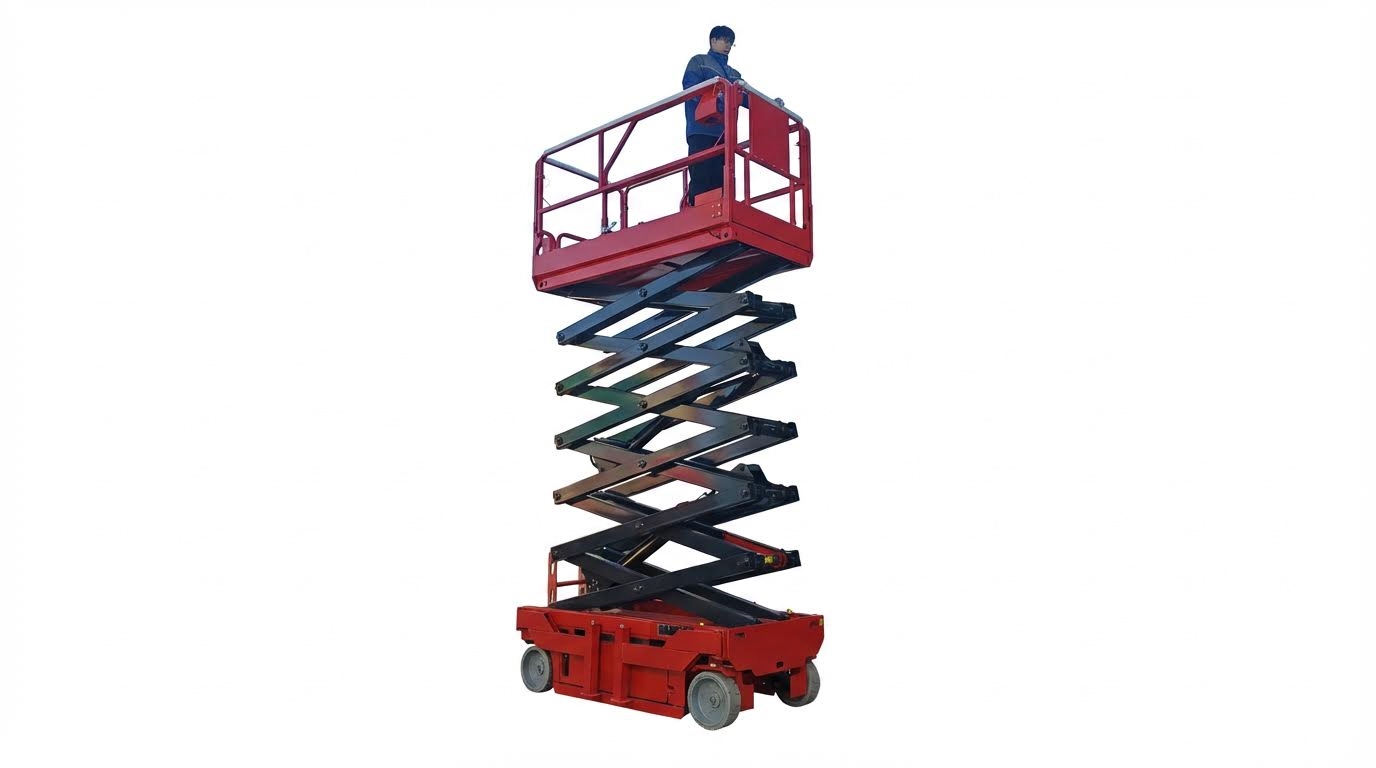
Safe, efficient scissor lift charging depends on ventilation, correct PPE, battery-specific practices, and modern smart chargers that control temperature, voltage, and charge history. If you ask “how do you charge a scissor platform” properly, this is the section that keeps people safe and batteries alive.
Ventilation, PPE, and OSHA/ANSI compliance
Safe charging starts with a controlled, ventilated area, correct PPE, and procedures that align with OSHA/ANSI intent for battery handling and powered industrial trucks.
- Ventilated charging zone: Charge in a designated area with good airflow to disperse hydrogen from lead-acid batteries – Reduces explosion risk from gas buildup. Safe charging environment
- No ignition sources: Prohibit smoking, welding, grinding, and open flames in the charging area – Prevents hydrogen ignition during gassing. Ventilation and gas management
- Battery compartment position: Keep battery covers open if specified so gas can escape – Improves natural ventilation around cells. Battery covers open
- Mandatory PPE: Use face shield or goggles, acid-resistant gloves, and apron when handling batteries – Protects eyes and skin from electrolyte splashes. PPE requirements
- Jewelry and tools control: Remove rings and metal jewelry and keep tools off live terminals – Prevents short circuits and arc burns. Personal protective equipment
- Spill response kit: Keep neutralizing material (e.g., baking soda solution) and water available – Allows fast control of small acid spills. Spill neutralization
- Fire protection: Provide suitable extinguishers and keep combustibles away – Limits escalation if a fault or fire occurs. Fire protection in charging areas
- Clean, dry floor: Keep the charging zone free of moisture and debris – Reduces slip, trip, and short-circuit hazards. Environmental influence on charging efficiency
How ventilation ties into “how do you charge a scissor lift” correctly
When planning how do you charge a scissor lift indoors, always start by checking air changes per hour, nearby doors, and any exhaust fans. Treat the charging bay like a small battery room, not just a parking space.
💡 Field Engineer’s Note: In tight warehouses I always position scissor lift charging points near cross-ventilated doors, not dead corners. Hydrogen is lighter than air; if it collects under mezzanines or low roofs, one static spark can turn a minor overcharge into a major incident.
Lead-acid vs. lithium-ion charging practices
Lead-acid and lithium-ion scissor lift batteries charge very differently, so matching your method to the chemistry is critical for life, uptime, and safety.
| Aspect | Lead-acid traction batteries | Lithium-ion batteries | Operational impact |
|---|---|---|---|
| Typical full charge time | About 6–8 hours, plus cool-down (up to ~12 hours total) Lead-acid charging time | Roughly 1–3 hours for full charge Lithium-ion charging time | Determines whether overnight-only charging works or if fast turnarounds between shifts are possible. |
| When to start charging | Recharge around 20–30% state of charge (SOC) to protect life Recharge threshold | Also recommended around 20–30% SOC for best life Recharge threshold | Helps planners size shifts so lifts return to the bay before deep discharge. |
| Partial / “opportunity” charging | Not recommended; frequent partial charges can cause overheating, electrolyte imbalance, and more gassing Partial charging practices | Supports opportunity charging with minimal degradation Lithium partial charging | Lead-acid suits fixed shifts; lithium suits multi-shift or on-demand top-ups. |
| Routine maintenance | Requires electrolyte checks, distilled water top-up, and periodic equalizing charges Lead-acid maintenance | Generally maintenance-free aside from visual inspections Lithium maintenance | Affects technician workload and planned downtime windows. |
| Gas release during charge | Releases hydrogen and oxygen, needs strong ventilation Hydrogen release | Very low gas release under normal operation | Lead-acid is harder to manage in small rooms; lithium is easier indoors. |
| Charger compatibility | Must match battery voltage and lead-acid profile; auto-cut chargers prevent overcharge Charger compatibility and auto-cut | Requires dedicated lithium charger with correct algorithm and BMS integration | Wrong charger choice is one of the fastest ways to destroy a pack. |
- Equalizing for lead-acid: Follow manufacturer guidance for periodic equalizing charges – Balances cells and reduces sulfation.
- Watering flooded cells: Use only distilled water and avoid overfilling before charge – Prevents plate exposure and overflow corrosion. Electrolyte checks
- Sealed lead-acid (AGM/gel): No watering; rely on the correct charger profile and monitor for bulging or leaks – Prevents valve damage and dry-out. Sealed battery considerations
- Temperature awareness: Watch for unusual battery heating during charge – Can indicate overcharging or internal faults. Temperature monitoring
How chemistry choice changes “how do you charge a scissor lift” day to day
With lead-acid, how do you charge a scissor lift correctly usually means one long, uninterrupted overnight charge and strict avoidance of top-ups. With lithium, the same lift can be plugged in during lunch or shift changes without the same penalty on battery life.
💡 Field Engineer’s Note: If your site runs more than one shift and still uses lead-acid, do not let operators “just plug in for an hour at lunch.” Those partial charges slowly kill plates. Either redesign the schedule or move high-use units to lithium where opportunity charging is part of the design.
Smart chargers, telematics, and predictive maintenance
Smart chargers, telematics, and analytics transform charging from a blind routine into a controlled process that extends battery life and cuts downtime.
- Multi-stage smart charging: Modern chargers run bulk, absorption, and float phases tuned to the battery – Improves charge completeness and limits overcharge. Smart chargers
- Automatic cut-off: Auto-stop on full charge prevents continuous overcharging – Reduces gassing, heat, and water loss in lead-acid. Auto-cutting functions
- Charge data logging: Smart chargers record duration, ampere-hours, and faults – Helps spot undercharging, chronic deep discharge, and misuse. Smart chargers and fleet analytics
- Telematics integration: Linking chargers and lifts to cloud platforms gives real-time state-of-charge and error visibility – Enables central control of when and how each unit charges. Fleet analytics
- Pattern analysis: Analytics correlate frequent opportunity charging, overcharging, or deep discharges with early failures – Supports training and policy changes.
Final Thoughts On Optimizing Scissor Lift Charging
Safe, efficient scissor lift charging depends on matching battery chemistry, charging method, and work planning into one clear system. Lead-acid packs need long, complete overnight charges, strict ventilation, and regular maintenance. Lithium packs support fast, partial top-ups with less daily care but demand correct electronics and charger pairing. Depth of discharge links operations to battery life. If operators routinely run below about 20% charge, cycle life falls and unplanned downtime rises. When planners schedule shifts around the 20–30% recharge window, lifts stay productive and packs last closer to their design life.
Worksites must also control the charging environment. Good airflow, PPE, clean floors, and correct connection order reduce fire, shock, and corrosion risk. Smart chargers and telematics turn charging into a measured process. They log faults, enforce proper profiles, and warn you before batteries fail in the field. The best practice is simple: standardize one written procedure, train every operator, and align shift planning with the battery chemistry on each Atomoving lift. Do that, and charging stops being a daily headache and becomes a quiet, reliable part of your access strategy.
Frequently Asked Questions
How do you charge a scissor lift?
To charge a scissor lift, first ensure the equipment is turned off and the key is removed for safety. Locate the battery charger, typically found on the side or rear of the lift’s base. Plug the charger into an AC outlet using an extension cord if necessary. Once connected, the charging process will begin automatically. Scissor Lift Charging Guide.
Can you overcharge a scissor lift battery?
Yes, overcharging can permanently damage the battery or even cause a fire. Always monitor the charging process and disconnect the charger once the battery is fully charged. This ensures both safety and longevity of the battery. Battery Charging Safety Tips.
Can you operate a scissor lift while it’s charging?
Yes, some models allow operation while charging. To do this, pull the red emergency shut-off button out and ensure the extension cord is clear of the wheels. However, always check the manufacturer’s guidelines before attempting this. Safe Operation During Charging.