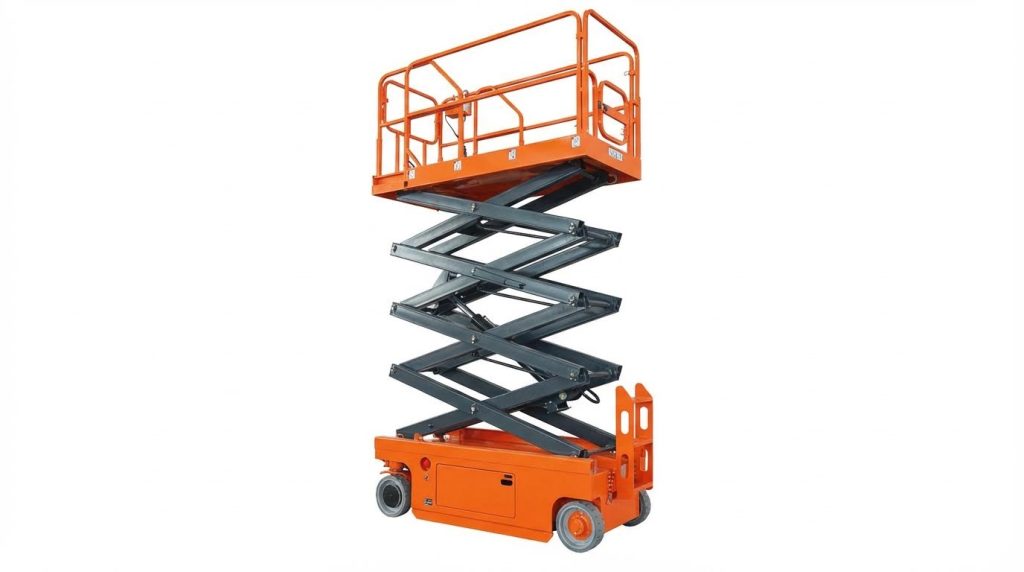
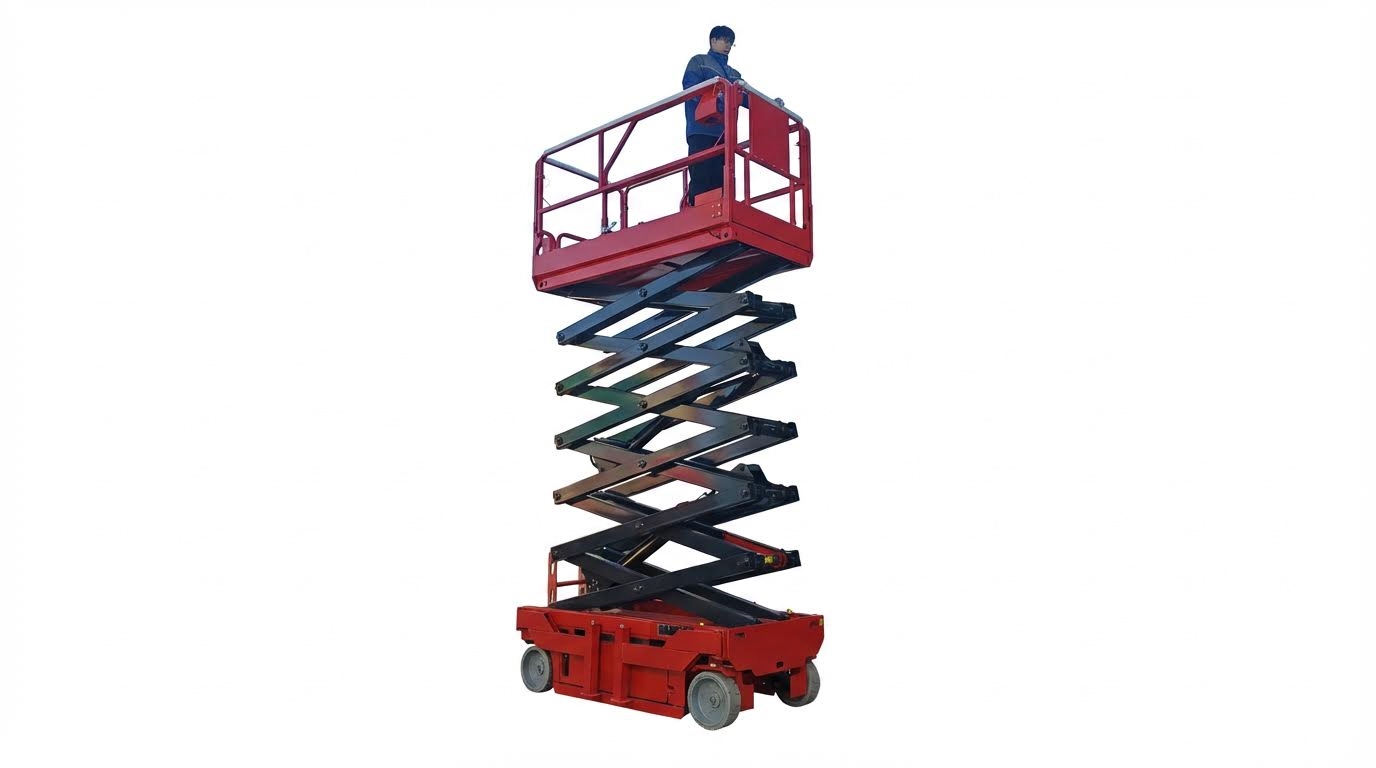
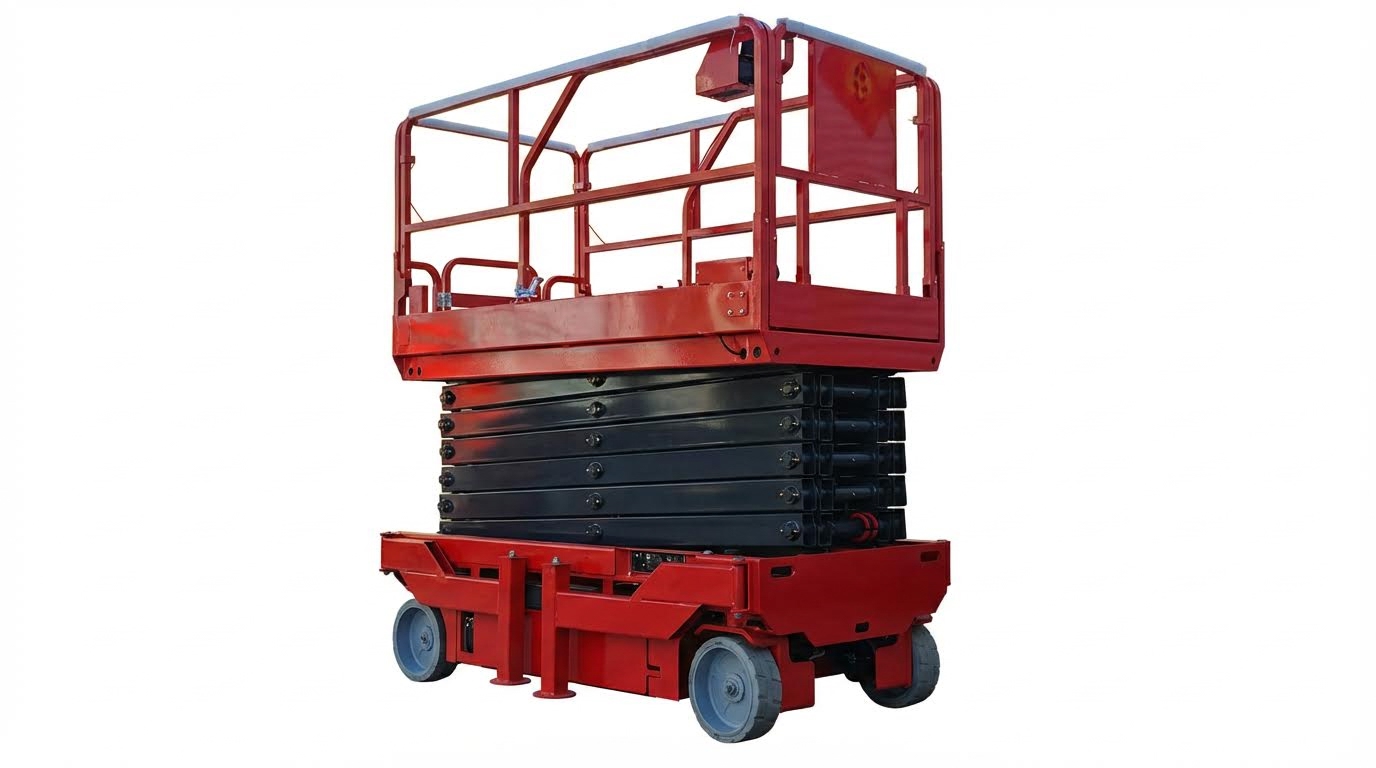
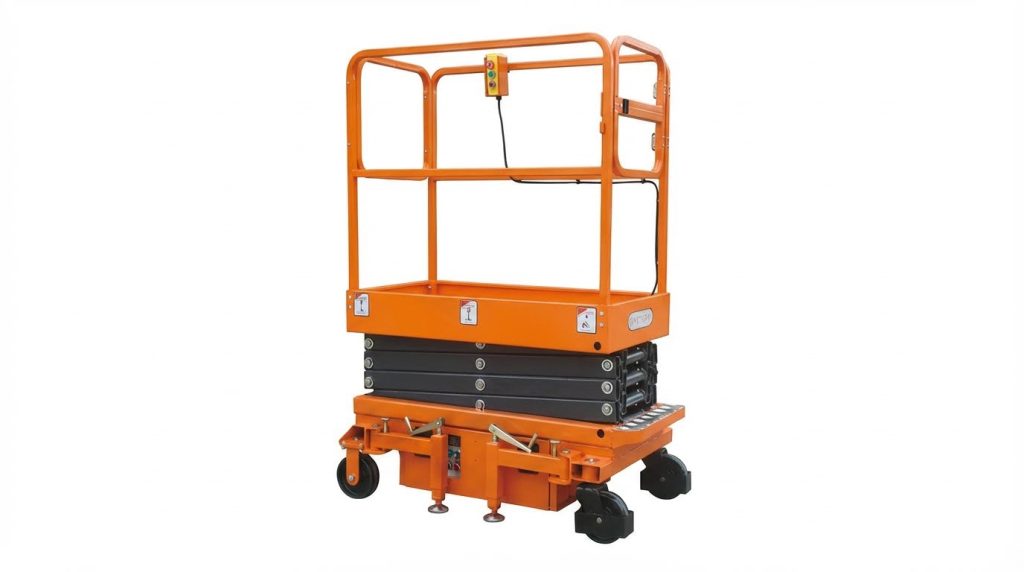
Scissor lifts are mobile elevating work platforms (MEWPs), but some safety rules treat them differently from traditional aerial lifts and booms. This guide explains how standards answer “is a scissor lift an aerial work platform,” and what that means for selection, training, and compliance on real jobsites.
How Scissor Lifts Fit Into MEWP And OSHA Definitions
Scissor lifts are technically Mobile Elevating Work Platforms (MEWPs), but OSHA regulates them as mobile scaffolds, not as “aerial lifts.” This split answer explains why the question “is a scissor lift an aerial platform” confuses many safety programs.
💡 Field Engineer’s Note: When writing site procedures, always separate “MEWPs (including scissor lifts)” from “OSHA aerial lifts.” Mixing the terms leads to wrong fall‑protection rules and failed audits during inspections.
MEWP definition and where scissor lifts belong
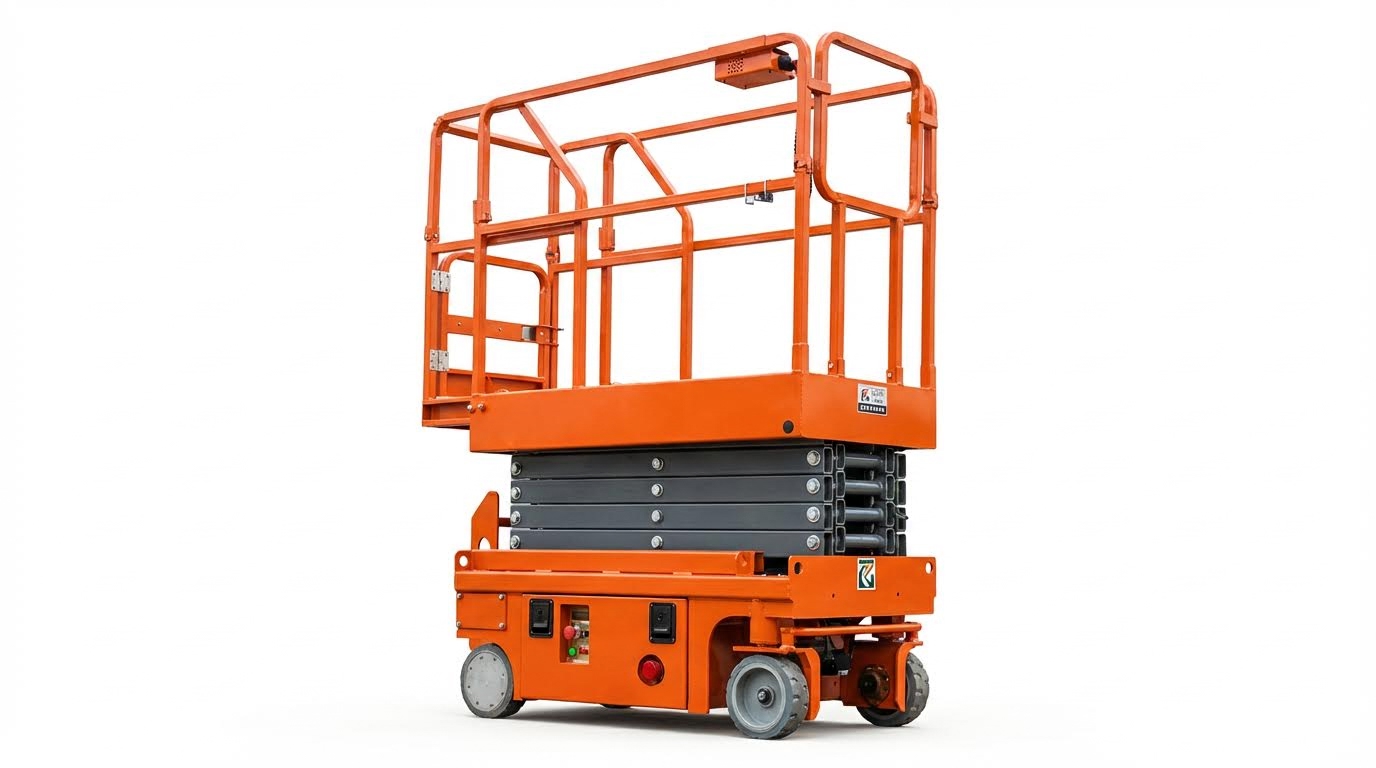
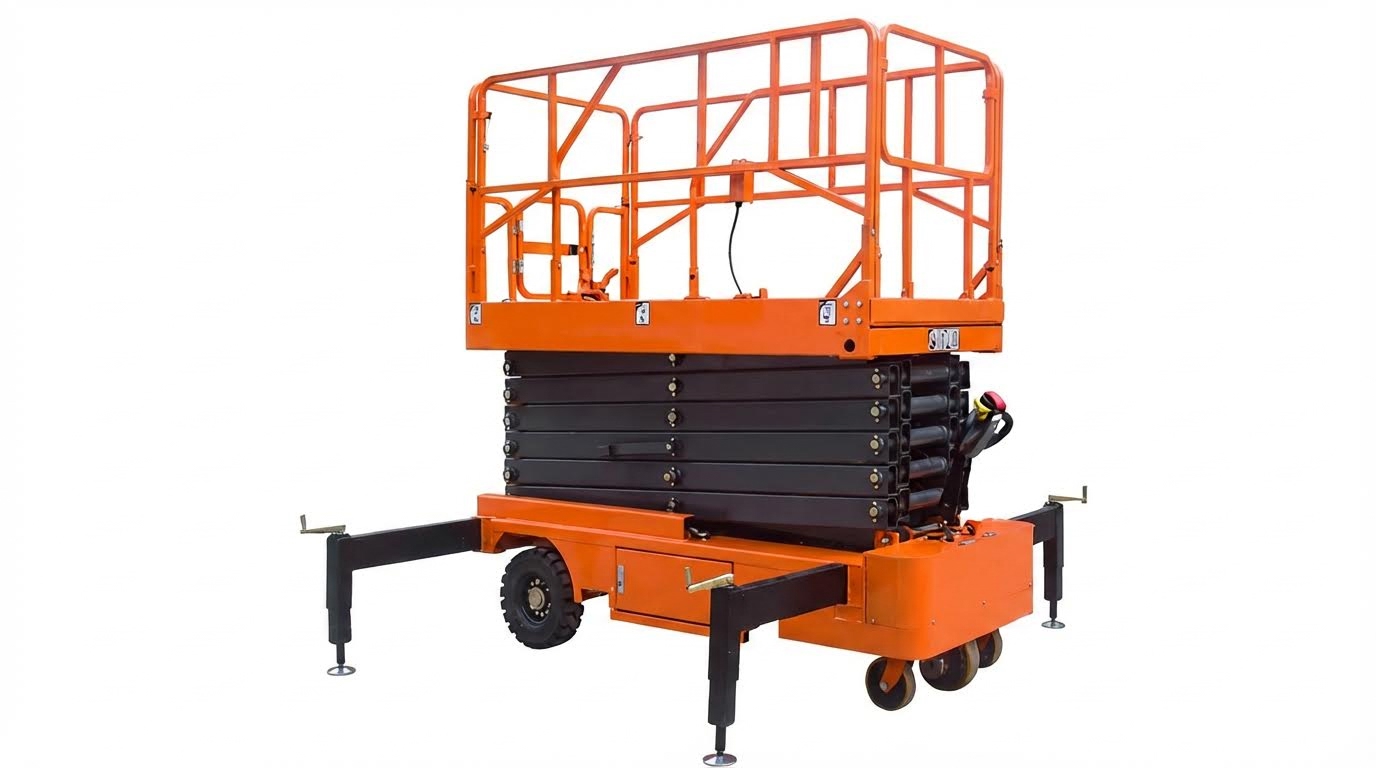
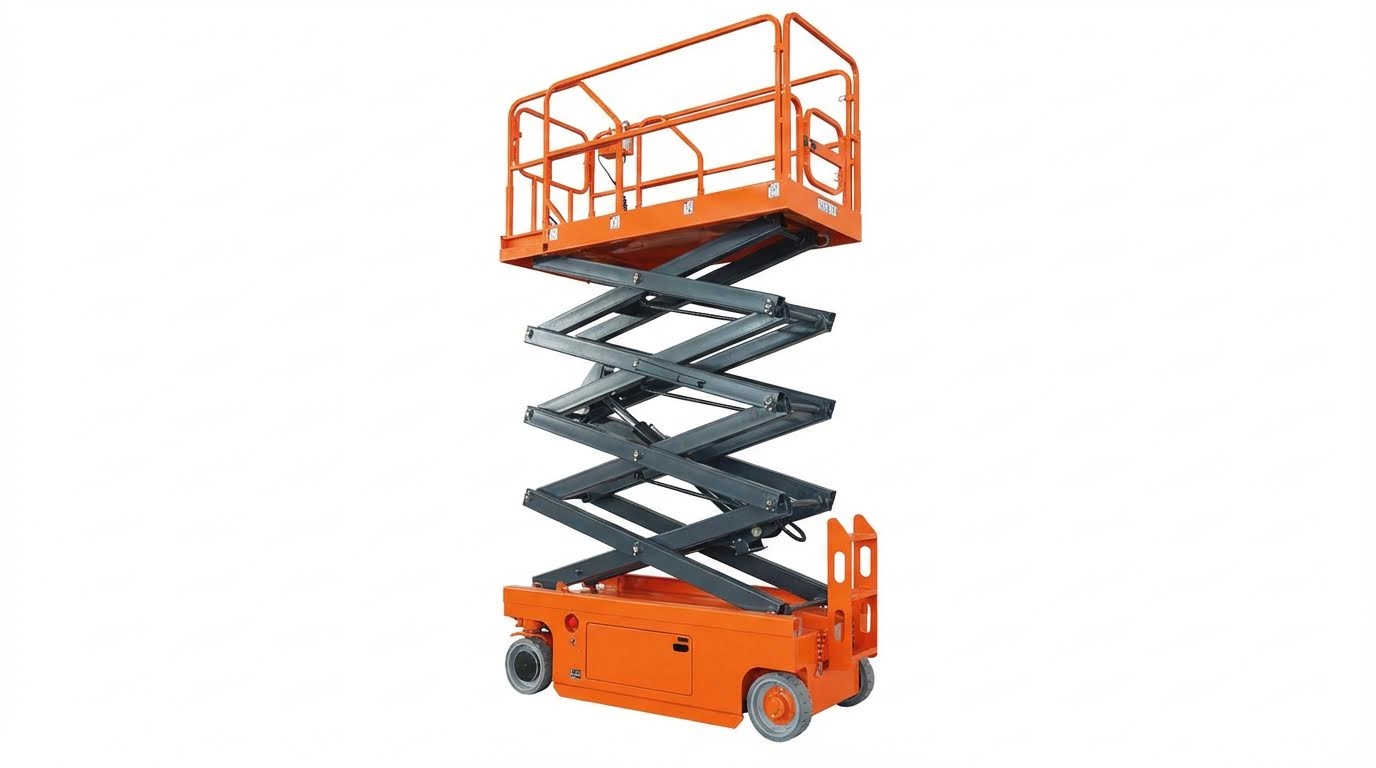
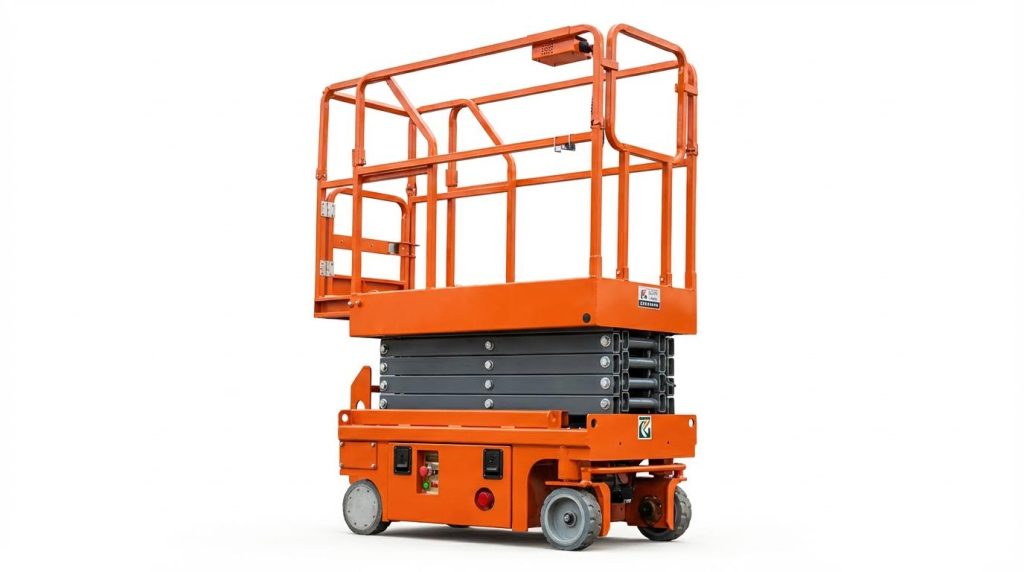
Under modern access equipment standards, scissor lifts are Group A MEWPs whose platforms move only vertically within the machine’s tipping lines. That means they are absolutely a type of aerial platform in the MEWP sense, even if OSHA uses different wording.
Current MEWP standards classify machines first by how the platform moves relative to the chassis, then by how they travel when elevated. Group A covers platforms that stay within the footprint of the chassis, which is exactly how a scissor mechanism behaves. Group B covers machines where the platform can extend beyond the tipping lines, such as boom-type lifts. This Group A / Group B split is now the global baseline for MEWP classification.
Feature
Group A MEWP (Scissor Lift)
Group B MEWP (Boom-Type)
Operational Impact
Platform position vs chassis
Stays inside tipping lines
Can extend beyond chassis
Scissor lifts are simpler to place in tight aisles and flat slabs.
Typical movement
Vertical only
Vertical + horizontal outreach
Scissor lifts suit straight-up access like racking or ceilings.
Fall protection
Guardrails are primary protection
Guardrails plus likely PFAS
Harness policies differ by type and local rules.
Common environments
Warehouses, factories, indoor fit‑out
Facade work, utilities, outdoor construction
Choose based on need for outreach vs pure height.
MEWPs are also divided into Types 1–3 based on whether they can move while elevated and where the controls are. Type 1 can only travel with the platform stowed. Type 2 can travel elevated but is controlled from the chassis. Type 3, which includes most modern self‑propelled scissor lifts, can travel while elevated with controls on the platform. This Group/Type matrix is the formal MEWP “family tree”.
Group A, Type 3: Self‑propelled scissor lifts – Best for indoor maintenance and construction where operators need to reposition while elevated.
Group A, Type 1: Push-around vertical lifts – Suited to very light maintenance with manual repositioning.
Group B, Type 3: Self‑propelled booms – Used where horizontal outreach and obstacle clearance are critical.
Why this matters when asking “is a scissor lift an aerial work platform”
MEWP standards and manufacturers treat scissor lifts as scissor platform and apply requirements like active load sensing, tilt monitoring, and guardrail rules accordingly. OSHA’s different label (mobile scaffold) does not change the MEWP engineering classification, but it does change which OSHA section you must comply with.
OSHA: scissor lifts as mobile scaffolds, not aerial lifts
OSHA explicitly classifies scissor lifts as mobile scaffolds, not as “aerial lifts,” so they fall under the scaffolding rules in 29 CFR 1926.451 and 1926.452(w). This is the core reason many safety managers struggle to map MEWP language to OSHA compliance.
OSHA’s own guidance states that scissor lifts are “mobile supported scaffold work platforms” and not aerial lifts, because the platform rises straight up on a scissor mechanism instead of on an extensible or articulating boom. They are therefore regulated under the Scaffolding standard, not the Aerial Lifts standard. OSHA’s scissor lift eTool confirms this classification and points to 29 CFR 1926.451.
Regulatory Question
OSHA View for Scissor Lifts
Practical Outcome On Site
Are scissor lifts “aerial lifts” under OSHA?
No, they are mobile scaffolds under §1926.451 / §1926.452(w).
Use scaffold rules, not aerial-lift rules, for citations and audits.
Primary fall protection
Guardrail system required; workers stay on the platform deck.
Harnesses may be added by company policy but are not the default OSHA requirement.
Key design/usage controls
Guardrails, toe boards, stability on firm level ground, correct loading.
Daily checks focus on guardrails closed, ground conditions, and load placement.
Guardrails: Must be intact and closed – Prevents falls without relying on personal fall arrest systems.
Wind and stability: Respect outdoor wind limits, typically below about 12.5 m/s (28 mph) – Reduces tip‑over risk on exposed sites.
Ground conditions: Use firm, level surfaces and mats where needed – Stops local sinking and sudden tilt.
So, how should you answer on a safety form?
If a form or training material asks “is a scissor lift an aerial work platform,” the technically accurate, standards-based answer is: “Yes, in MEWP/aerial work platform standards it is a Group A MEWP; under OSHA it is regulated as a mobile scaffold, not as an OSHA ‘aerial lift’.” That wording keeps both engineering reality and OSHA compliance aligned.
Global Standards And Technical Classification Of Scissor Lifts
This section explains how standards worldwide classify scissor lifts within the broader MEWP family and what that means when you ask “is a scissor lift an aerial platform” in different regions.
MEWP groups and types: Group A, Types 1–3
Scissor lifts sit in MEWP Group A and are usually Type 2 or Type 3 machines, which defines how the platform moves and where the controls are located.
Modern standards treat the question “is a scissor lift an aerial platform” by putting scissor lifts inside the Mobile Elevating Work Platform (MEWP) framework and then classifying them by group and type. Group and type are not marketing labels; they are engineering shorthand for platform geometry and how the machine can travel while elevated.
Classification Element
Option
What It Means Technically
Typical Scissor Lift Status
Operational Impact
MEWP Group
Group A
Platform always stays within the tipping lines of the chassis
Operator can creep the machine along a 1.2–2.5 m wide aisle while staying at working height.
Group A classification: Platform movement is almost purely vertical – this simplifies stability calculations and guardrail design.
Type 3 capability: Platform controls travel when elevated – this cuts cycle time for ceiling or racking work along a run.
Clear separation from Group B: No outreach beyond chassis – reduced risk envelope compared with booms, but also less reach flexibility.
💡 Field Engineer’s Note: When planning work in 2.4–2.7 m wide warehouse aisles, verify that your scissor platform is Group A, Type 3. Group A ensures the platform footprint stays inside the truck width; Type 3 ensures you can inch along at height without constant lowering.
ANSI A92, EN280/ISO 16368 and regional differences
Different regions answer “is a scissor lift an aerial platform” in slightly different legal language, but ANSI A92 and EN280/ISO 16368 converge on treating scissor lifts as Group A MEWPs with strict rules on stability, wind and safety devices.
In North America, the ANSI/SAIA A92 family defines how MEWPs, including scissor lifts, are designed, tested and operated, while OSHA separately classifies scissor lifts as mobile scaffolds for regulatory enforcement. In Europe and many other regions, EN280 and ISO 16368 provide a harmonized technical basis for MEWPs, and national regulations then reference these standards.
Scissor lifts are MEWPs with particularly strict stability and wind load checks.
Stability under wind, structural safety factors, guardrail height, and control reliability.
Machines often ship with conservative outdoor ratings and detailed wind and load charts.
US dual view: ANSI calls them MEWPs; OSHA calls them mobile scaffolds – you design and buy as MEWPs but enforce safety as scaffolds plus manufacturer rules.
EN280/ISO 16368 alignment: Focus on stability and wind – important for 8–12 m platform heights on exposed facades.
Training standards: ANSI A92.24 and similar documents in other regions – formalize what operators, supervisors and occupants must know.Training content is defined for each role.
💡 Field Engineer’s Note: On multinational projects, I specify compliance with EN280/ISO 16368 plus local ANSI or regional equivalents. That way, any scissor lift on site meets the strictest stability and wind criteria, reducing arguments between safety teams from different countries.
Design rules: load sensing, tilt sensors, wind and guardrails
Current MEWP standards enforce design rules for scissor lifts such as active load sensing, chassis tilt monitoring, defined wind ratings and upgraded guardrail systems, all of which directly affect how and where you can safely use them as aerial platforms.
Under updated ANSI A92.20 and comparable EN/ISO rules, scissor lifts are no longer “dumb” platforms; they actively monitor load, slope and sometimes wind to prevent unsafe operation. These engineering controls answer “is a scissor lift an aerial platform” with a clear “yes, but only within tightly controlled limits.”
Scissor lifts use angle sensors on the scissor stack, pressure transducers on lift cylinders and/or load pins to infer actual load as detailed in MEWP design guidance.
If you exceed rated kg capacity, the lift will alarm and refuse to raise or drive until you remove weight.
Scissor lifts may now be rated for two persons indoors (0 m/s wind) but only one person outdoors at about 12.5 m/s (28 mph) wind speed.
You cannot assume the same rated kg capacity indoors and outdoors; planning must consider wind and headcount.
Guardrails, gates and toe boards
Platforms must have secure entrance gates and toe boards; chains are largely replaced by solid gates under modern MEWP standards.
Compact electric scissors use folding or swinging guardrails and integrated toe boards to prevent falls and dropped objects as described in design updates.
Operators rely on guardrails as primary fall protection; you must keep gates closed and never stand on rails to reach.
Overload lockout: If your team stacks materials to guardrail height, the load-sensing system may immobilize the lift – forcing better load distribution and preventing top‑heavy conditions.
Tilt lockout: A slight crossfall over a trench or dock edge can be enough to trigger the tilt alarm – this is by design to prevent tipping.
Wind derating: A lift that feels stable at 8 m platform height indoors can become marginal outdoors in 10–12 m/s gusts – hence the reduced outdoor person rating.
Improved guardrails: Taller, folding rails on compact scissors allow passage through 2.0–2.1 m doors while still meeting minimum guardrail height – critical for indoor fit‑out work.
Why foam-filled tires matter for rough-terrain scissor lifts
New stability testing under ANSI A92.20 is pushing rough-terrain scissor lifts toward foam-filled tires instead of air-filled. Foam fill reduces deflection and sidewall “squirm,” which improves stability margins on uneven ground and under wind load, especially at platform heights above roughly 10 m. Stability requirements are explicitly linked to tire behavior, so tire choice is now a design-critical decision, not just a maintenance item.
💡 Field Engineer’s Note: On older sites, supervisors sometimes bypass load or tilt alarms to “get the job done.” Under modern MEWP standards, that is a red flag. Those interlocks are sized against real stability tests with wind and slope; defeating them removes the engineered safety margin that keeps a 500–900 kg platform from going over..
Engineering And Operational Considerations For Selecting Scissor Lifts
Engineering and operational considerations decide whether a scissor platform is safe and efficient for your job, regardless of how you answer “is a scissor lift an aerial work platform” in legal terms. You must match wind rating, ground conditions, loading, inspections, and training to your specific site risks and standards.
Indoor-only vs indoor/outdoor and wind load limits
Indoor-only versus indoor/outdoor rating and wind limits determine where a aerial platform can legally and safely operate. You choose the category based on wind exposure, building envelope, and task height.
Indoor-only MEWPs: Designed for zero-wind environments – Ideal for malls, warehouses, and factories with stable climates.Indoor-only MEWPs description
Indoor/outdoor MEWPs: Rated for specified wind speeds – Suited to external facades, yards, and partially open structures.Wind and capacity changes
Typical outdoor wind limit: About 12.5 m/s (≈28 mph) – Beyond this, most scissor lifts must be lowered and parked.OSHA wind speed guidance
Guardrail and gate design: Higher rails, solid gates, and toe boards – Reduce fall and dropped-object risk in gusty outdoor conditions.Guardrail changes
Load vs wind trade-off: New standards often reduce outdoor person capacity – Example: two persons indoors, one person outdoors at the same height and wind.Wind load requirement example
Selection Factor
Typical Indoor-Only Scissor
Typical Indoor/Outdoor Scissor
Operational Impact
Wind rating
0 m/s (no wind)
Up to ≈12.5 m/s (≈28 mph)
Outdoor-rated units can work on exposed sites; indoor-only must stay inside.
Machine weight
Lighter chassis
Heavier, wider chassis
Indoor-only is better for mezzanines and low floor loadings.
Max occupants (example under new rules)
2 persons indoors
2 indoors, often 1 outdoors at same height
Plan crew size differently for facade vs interior work.
Guardrail configuration
Folding, high rails for doorways
Robust rails and gates, toe boards
Outdoor models better at controlling dropped tools and materials.
How to verify indoor-only vs indoor/outdoor rating
Check the MEWP data plate and manual for wind rating, indoor-only marking, and maximum occupants for indoor and outdoor use. Do not rely on appearance alone; similar-looking scissors can have very different wind approvals. Always treat “0 m/s” as indoor-only.
💡 Field Engineer’s Note: For work near large roller doors or open sides, I treat the zone as “outdoor” even if it is technically inside the building. Wind funnelling through openings can hit outdoor-rated limits long before workers feel “unsafe,” so I always specify outdoor-rated scissor lifts for these bays.
Stability, ground conditions and platform loading
Stability, ground conditions, and platform loading control whether a scissor platform lift stays upright when elevated. You must respect load ratings, surface bearing capacity, and slope limits to prevent tip-overs.
Platform load rating: Never exceed the manufacturer’s kg rating – Overload directly reduces stability and can trigger load-sensing shutdown.Load management guidance
Active load sensing: New MEWPs monitor platform weight and lock out motion when overloaded – Prevents “just a bit more” loading that quietly pushes past design limits.Load sensing overviewANSI A92.20 load sensing
Load placement: Keep heavy items central and below guardrail height – Reduces overturning moment and avoids a high centre of gravity.Load placement rules
Ground firmness and level: The surface must be firm, level, and free of voids – Soft ground or hidden trenches can cause a leg to sink and the unit to tip.OSHA stability guidance
Use of mats or pads: Outrigger pads or spreader mats may be required on soft ground – Spreads the wheel load and keeps point pressure within soil capacity.Ground condition advice
Tilt / chassis angle sensors: Many modern MEWPs lock out drive or elevation on excessive slope – Protects against operating on gradients beyond design.Tilt sensor explanation
Crush and entrapment controls: Interlocked gates, emergency stops, and limiters – Reduce the risk of trapping operators against structures as the platform moves.Entrapment risk controls
Stability Factor
Key Requirement
Operational Impact
Platform load
Do not exceed rated kg capacity; respect person + tools total
Plan task so all tools and materials stay within rating; avoid ad-hoc additions.
Load distribution
Centre loads, keep below guardrail height
Improves tipping resistance and reduces sway at height.
Ground bearing
Firm, level, free from voids and debris
May need mats on gravel, backfill, or asphalt over trenches.
Slope / tilt
Operate within manufacturer slope limit; rely on tilt alarms
Plan travel routes avoiding ramps or dock edges when elevated.
Wind + load combo
Respect reduced outdoor capacity under wind
Limit number of workers and materials outdoors even if indoor rating is higher.
Quick pre-use stability checklist
Before elevating, confirm: (1) platform load within rating; (2) heavy items central; (3) ground firm and level; (4) no holes, pits, or edges nearby; (5) tilt alarm silent at base position; (6) wind below rated limit.
💡 Field Engineer’s Note: On slab-on-grade warehouses, I always ask for floor loading data when scissors exceed roughly 5000 kg gross weight. Fresh concrete, mezzanines, and service trenches can look solid but deflect under concentrated wheel loads, especially with rough-terrain models.
Inspection, maintenance and operator training requirements
Inspection, maintenance, and operator training keep a scissor platform lift safe over its life and legally compliant. Even when OSHA calls it a mobile scaffold instead of an aerial lift, MEWP-style controls and hazards demand structured programs.
Pre-use (daily) inspections: Operators must check structure, hydraulics, tires, guardrails, and all safety devices before work – Finds leaks, cracks, and faults before elevation.Daily inspection items
Frequent inspections: Required before placing a MEWP into service and after long idle periods – Deeper check than daily walk-around, aligned with manufacturer lists.Frequent vs annual inspections
Annual inspections: Must occur at least every 12 months, covering structural and functional items – Formal “MOT-style” check before another year of service.Annual inspection requirements
Recordkeeping: Keep inspection records for at least five years – Proves due diligence during audits or incident investigations.Record retention rules
Routine maintenance: Daily fluid checks, weekly lubrication, and periodic structural inspections – Extends life and keeps hydraulic and mechanical systems reliable.Maintenance guidance
Supervisors and occupants: Must also be trained in selection, hazard recognition, and emergency procedures – Prevents misuse and ensures effective rescue.Roles and responsibilities
Rescue plans: Document self-rescue, assisted rescue, and emergency-service rescue – Minimizes suspension time after a fall or control failure.Rescue planning
Cert
Final Thoughts On Scissor Lifts As Aerial Work Platforms
Scissor lifts sit at the intersection of MEWP engineering and scaffold-style regulation. Engineers design them as Group A MEWPs with strict limits on load, tilt, and wind. OSHA, however, enforces scaffold rules that focus on guardrails, ground conditions, and platform loading. Operations teams must respect both views at the same time.
In practice, safe use depends on three pillars. First, match the machine to the job: indoor-only or indoor/outdoor rating, platform height, and aisle width. Second, protect stability: keep loads within rating, use firm level ground, obey tilt and wind alarms, and never bypass interlocks. Third, sustain the asset: follow structured inspections, planned maintenance, and formal MEWP training for operators, supervisors, and occupants.
When a form asks “is a scissor lift an aerial work platform,” treat the question as operational, not academic. Yes, it is a MEWP-type aerial work platform, but you must run it under scaffold-style rules plus the manufacturer’s MEWP limits. The best practice is clear: standardize your fleet on compliant scissor lifts from suppliers such as Atomoving, write procedures that reflect both MEWP and OSHA language, and train your teams to plan every lift around geometry, stability, and environment. That approach keeps work efficient and keeps people alive.
Frequently Asked Questions
Is a scissor lift an aerial work platform?
Yes, a scissor lift is considered a type of aerial work platform (AWP). It is a motorized device designed to lift people to heights that would otherwise be inaccessible. Scissor lifts are known for their crisscrossing metal braces that raise or lower the platform. They are lightweight, easy to move, and provide a stable working area. Aerial Lift Basics.
What are the main differences between a scissor lift and other aerial work platforms?
Scissor lifts differ from other aerial work platforms primarily in their design and functionality. Scissor lifts typically have larger platforms, allowing multiple workers to operate on them simultaneously. They are also more affordable and easier to store compared to other aerial lifts. However, unlike boom lifts or other types of aerial platforms, scissor lifts can only move vertically and cannot extend over obstacles. Scissor Lift Differences.
Are scissor lifts classified as elevating work platforms (EWP)?
Yes, scissor lifts are classified as a type of elevating work platform (EWP). EWPs include various types of equipment designed to lift personnel to elevated work areas safely. Examples include scissor lifts, self-propelled boom lifts, and others. These platforms are commonly used in construction, maintenance, and warehouse operations. EWP Overview.