Warehouse order picking sat at the core of fulfillment performance, linking inventory storage to on-time, accurate shipment. This article defined the fundamental concepts of picking, including processes, documents, storage terminology, and key performance indicators. It then compared major picking methods and their engineering trade-offs, before examining how layout, automation, and control systems influenced pick rates and error levels. Finally, it summarized how engineers could integrate methods, technology, and metrics into coherent, future-ready warehouse picking systems.
Core Warehouse Picking Concepts And Definitions
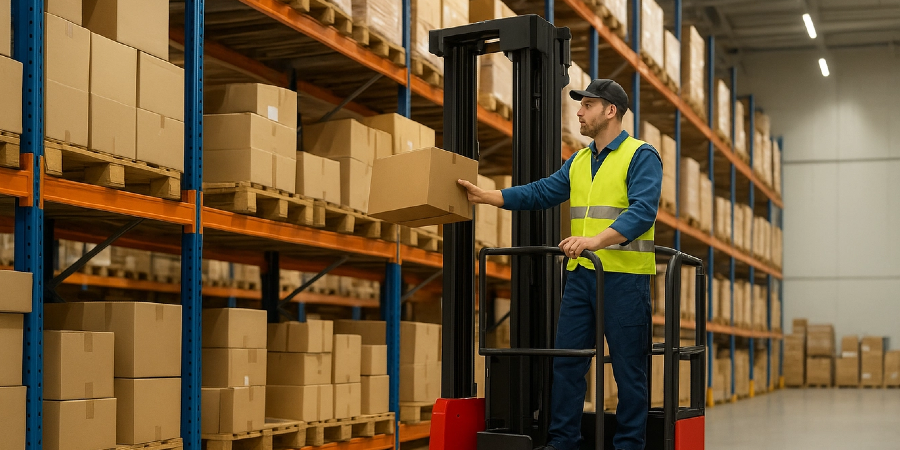
Warehouse order picking was the process of extracting stock-keeping units (SKUs) from storage locations to satisfy customer or production orders. It sat between inventory storage and packing/shipping, and directly influenced lead time, labor cost, and service level. Engineers defined this process using standard terminology to enable consistent design, measurement, and optimization of warehouse systems.
What Is The Warehouse Picking Process?
The warehouse picking process covered all steps from receiving a pick instruction to delivering items to a consolidation or packing point. Operators or automated systems interpreted pick lists, traveled to storage locations, identified the correct SKU, and retrieved the required quantity. The process also included confirmation steps such as barcode scanning or RFID reads to validate item, location, and quantity. Engineering design focused on minimizing travel distance, touch points, and decision complexity while maintaining accuracy and traceability.
Different warehouses implemented variations such as piece picking, case picking, or pallet picking depending on unit loads and order structure. The process interacted tightly with replenishment, since empty pick faces required timely restocking from reserve storage. A well-defined picking process provided the backbone for applying methods like batch, zone, or goods-to-person strategies.
Pick Lists, Pick Tickets, And Their Data Fields
Pick lists or pick tickets were structured instructions that specified which items to retrieve, in what quantities, and from which locations. Historically these documents existed on paper; by 2024 most operations used digital pick lists on handheld terminals or voice systems. Core data fields included order identifiers, customer details, shipping service, and time constraints such as ship-by or dock assignment. Item-level lines contained SKU codes, product descriptions, required quantities, and storage coordinates such as zone, aisle, bay, level, and position.
Advanced pick lists also displayed remaining stock levels, container IDs, and handling notes like hazardous material flags, temperature requirements, or fragility indicators. Digital systems linked pick tickets to the Warehouse Management System (WMS), enabling real-time validation and automatic status updates. Engineers configured list structure differently for discrete, batch, or zone picking to reduce line count per operator and align with route optimization algorithms. Well-designed pick tickets reduced cognitive load, picking errors, and search time at the location.
Defining Pick Faces In Storage Design
A pick face was the accessible side or opening of a storage location from which an operator or robot could directly pick items. In pallet racking, the pick face could be a lower-level pallet position; in shelving or carton flow, it was the front of each carton location. Engineering design treated pick faces as the active interface between storage and picking labor, distinct from reserve or bulk storage behind or above. Increasing the number of pick faces for a high-demand SKU, for example by duplicating locations, could reduce congestion and travel distance if properly slotted.
However, more pick faces consumed floor frontage and could fragment inventory, so designers balanced frontage against storage density. Carton flow racks and dynamic shelves expanded effective pick faces by presenting cartons to the aisle while reserve stock fed from the rear. The arrangement of pick faces by velocity class, family grouping, and ergonomic reach zone strongly influenced achievable pick rates. Clear labeling, lighting, and physical access at pick faces were also critical for accuracy and safety.
Understanding Pick Rate As A Performance KPI
Pick rate was a primary KPI that measured the output of the picking operation over time. Warehouses typically expressed it as order lines picked per hour, items picked per hour, or complete orders per hour, depending on the process design. Engineers used pick rate together with error rate, overtime hours, and utilization to evaluate layout, methods, and technology investments. Higher pick rates indicated better use of travel paths, slotting, and support systems such as WMS routing and pick-to-light.
Interpreting pick rate required context, because unit load size, SKU diversity, and order complexity affected feasible benchmarks. For example, high-SKU e-commerce piece picking inherently produced lower items-per-hour than full-case pallet picking. Continuous monitoring of pick rate by zone, shift, and operator allowed detection of bottlenecks and training needs. Combining pick rate with cost per line and customer lead-time metrics supported data-driven decisions on automation, staffing levels, and process redesign.</p
Picking Methods And Their Engineering Trade-Offs
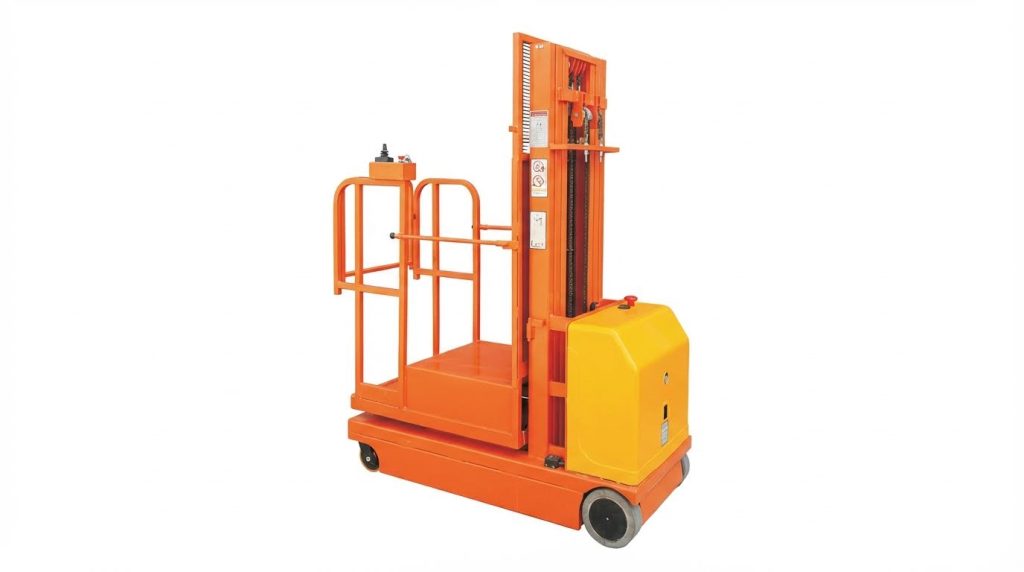
Engineers evaluated picking methods by balancing travel distance, labor utilization, system complexity, and capital cost. As order volumes and SKU counts increased, the choice of method strongly influenced pick rate, error rate, and fulfillment lead time. Each strategy imposed different constraints on layout, information systems, and material-handling equipment. Selecting and combining methods therefore became a core warehouse design decision rather than a purely operational choice.
Discrete, Batch, And Zone Picking Compared
Discrete picking, also called single-order picking, processed one order per picker trip. It offered simple control logic, straightforward training, and high order accuracy, but it generated long travel distances and low pick density at higher order volumes. Batch picking grouped lines from multiple orders into a single route, which increased lines per stop and reduced walking per line, especially when orders shared SKUs. However, it required a downstream sortation or consolidation step, which introduced extra touches and potential mis-sorts without robust labeling and scanning. Zone picking divided the warehouse into zones with dedicated pickers, reducing individual walking distance and enabling specialization in product families or equipment. It added coordination complexity because multi-zone orders needed either sequential passes (progressive zoning) or a consolidation buffer, which increased WMS logic requirements and buffer space.
Wave, Goods-To-Person, And Hybrid Strategies
Wave picking released groups of orders together based on shipping cut-offs, carrier schedules, or resource constraints. This approach synchronized picking with packing and loading, smoothing dock utilization and allowing engineered labor planning. It required accurate demand forecasting and WMS control to define wave size, composition, and release timing. Goods-to-person strategies inverted the traditional model by moving totes, trays, or pallets to stationary pickers via ASRS, shuttles, or conveyors. These systems significantly reduced travel time and enabled high, repeatable pick rates but demanded substantial capital expenditure and careful throughput sizing of storage and conveyance subsystems. Hybrid strategies combined elements such as zone-batch picking, wave release into goods-to-person modules, or manual picking for slow movers with automated handling for fast movers. Hybrids allowed incremental automation and better fit to SKU velocity profiles, but they increased integration complexity and required precise interface definitions between subsystems.
Matching Picking Methods To Order Profiles
Engineers matched picking methods to order profiles using measurable characteristics such as average order lines, line-item commonality, SKU count, and demand variability. Discrete picking suited low-volume operations, high order variability, or environments where training simplicity and flexibility outweighed travel efficiency. Batch picking worked best when orders shared SKUs and line counts were moderate, because higher item overlap maximized travel savings per batch. Zone and wave approaches aligned with high-volume operations that shipped at defined cut-off times and supported investment in WMS optimization logic. Goods-to-person and automation-heavy hybrids fit dense SKU sets, high labor costs, and stable or growing demand that justified amortizing capital. Designers typically piloted or simulated multiple strategies against historical order data, comparing pick rate, labor hours, and error risk before committing to a configuration.
Designing For Higher Pick Rates And Fewer Errors
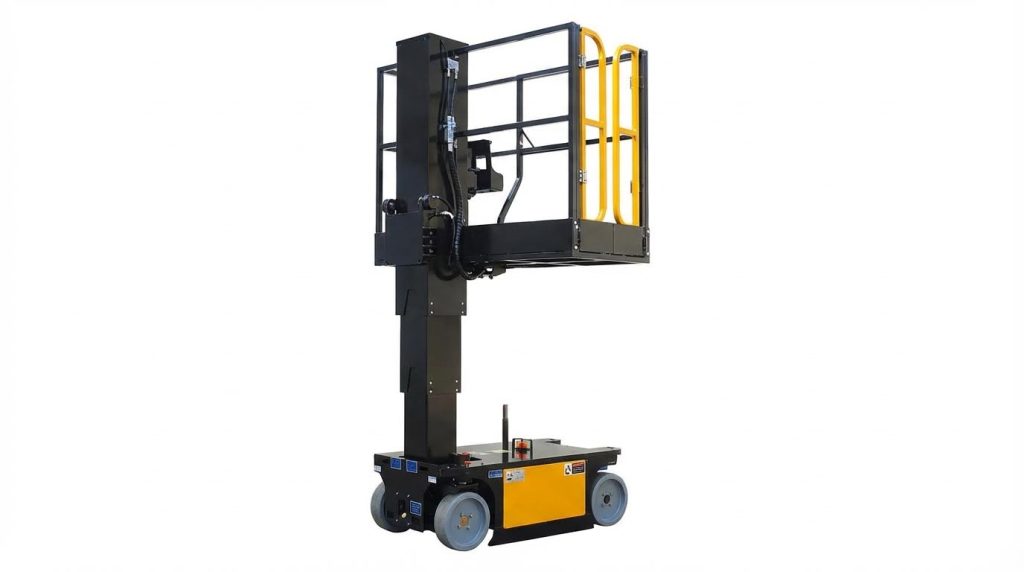
Engineering higher pick rates required a holistic view of layout, technology, and labor practices. Leading operations treated picking as a flow system, not a set of isolated tasks. They combined optimized slotting, advanced guidance systems, and automation with disciplined KPI tracking. The goal was to shorten travel, simplify decisions, and prevent errors at the source rather than correcting them downstream.
Slotting, Pick Faces, And Layout Optimization
Engineers optimized slotting by placing high-frequency SKUs closest to packing and along primary travel corridors. ABC analysis supported this, with A-items occupying ergonomic, waist-to-shoulder locations to minimize motion and fatigue. Pick faces were sized and multiplied to balance travel distance against replenishment effort; fast movers often used wider or duplicated pick faces to support higher pick rates. Layouts separated picking from returns and bulk storage, maintained clear, wide aisles for equipment, and exploited vertical space with appropriate access equipment while controlling reach distances.
Efficient slotting strategies leveraged real order history, not static assumptions, and were periodically recalculated using WMS data. Engineers minimized SKU intermixing on a single cart or pallet to reduce mis-picks, especially for multi-order batch picking. Dynamic shelving and carton flow racks increased available pick faces per meter of aisle and reduced operator walking. Route-optimized paths, supported by software, further cut travel time by sequencing locations and avoiding backtracking.
WMS, Pick-To-Light, Voice, RFID, And ASRS
A Warehouse Management System (WMS) served as the control layer for high-performance picking systems. It generated digital pick lists, enforced picking strategies, and synchronized replenishment to keep pick faces stocked. Pick-to-light systems used location-mounted LEDs and numeric displays to indicate quantity, which reduced search time and visual confusion in dense storage. Voice-directed picking provided hands-free, eyes-up operation, which improved safety and pick accuracy in environments with frequent movement.
Barcode scanning and RFID closed the loop by verifying SKU and quantity at the point of pick. RFID tags and readers enabled real-time inventory visibility for high-value or fast-moving items, especially in large or complex facilities. Automated Storage and Retrieval Systems (ASRS) and shuttle systems implemented goods-to-person principles, delivering totes or trays directly to ergonomic pick stations. These systems drastically reduced walking and standardized pick motions, but required careful throughput modeling to match system capacity with order peaks.
Cobots, AGVs, And Goods-To-Person Automation
Collaborative robots (cobots) and Autonomous Guided Vehicles (AGVs) complemented human pickers rather than fully replacing them. Cobots often handled repetitive pick-and-place tasks at stations, while humans managed exception handling and quality checks. AGVs or AMRs transported totes, carts, or pallets between storage, picking, and packing, which removed non-value-adding walking from human workflows. Engineers sized fleet counts using order volumes, average trip distances, and required cycle times to avoid transport bottlenecks.
Goods-to-person automation extended beyond ASRS to include conveyor-fed put walls and sortation systems. These solutions concentrated picking activity into compact, ergonomically designed cells, enabling high pick rates with fewer operators. Integration with WMS ensured that robots, conveyors, and humans shared a single task queue and priority logic. Safety engineering remained critical, with clearly defined cobot collaboration zones, speed and separation monitoring, and visual signaling to comply with applicable machinery and workplace regulations.
KPIs, Labor Management, And Continuous Improvement
High-performing warehouses treated pick rate, order accuracy, and lines-per-labor-hour as primary KPIs. They measured these at operator, zone, and shift levels using WMS and labor management modules. Engineers correlated KPIs with layout, method, and technology changes to validate design decisions quantitatively. Additional indicators such as order cycle time, re-pick rate, and return rate due to picking errors supported root cause analysis.
Labor management systems balanced workloads across zones and shifts, reducing bottlenecks and idle time. Cross-training programs allowed staff to move between picking, packing, and replenishment to handle demand spikes. Continuous improvement frameworks, often based on lean logistics, targeted non-value-adding travel, double handling, and documentation errors. Gamification and incentive schemes used real-time KPI dashboards to motivate staff while keeping safety and quality targets non-negotiable.
Summary: Engineering Better Warehouse Picking Systems
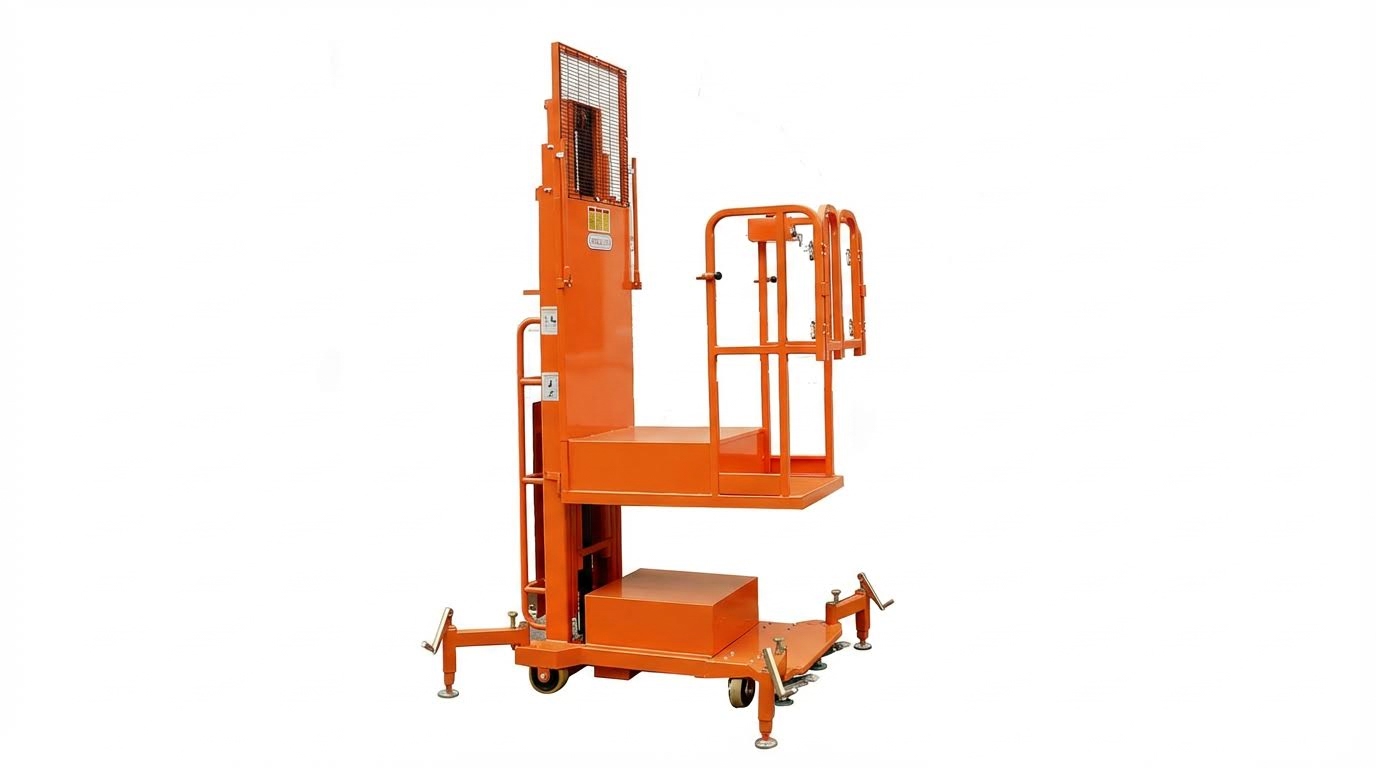
Engineering high‑performance warehouse picking systems required a precise blend of process design, layout engineering, and technology. Core concepts such as pick lists, pick faces, and pick rate defined how information, storage geometry, and labor productivity interacted. Clear, well-structured pick lists or digital pick tickets reduced cognitive load and guided operators, while engineered pick faces and slotting strategies shortened travel and handling time.
Comparative analysis of discrete, batch, zone, wave, and goods-to-person methods showed that no single strategy fit every operation. Engineers evaluated order profiles, SKU velocity, cube, and service-level requirements to select or hybridize methods. Technological enablers such as WMS, pick-to-light, voice systems, RFID, ASRS, AGVs, and cobots shifted constraints from labor and travel time toward system integration, data quality, and capital utilization.
Future trends pointed toward deeper WMS/ERP integration, predictive analytics for slotting and labor planning, and broader deployment of goods-to-person and robotic picking cells. These trends implied higher baseline pick rates, tighter order cycle times, and more stable quality, but also greater dependency on resilient IT infrastructure and cybersecurity. Engineers needed to design for graceful degradation, allowing manual or semi-automated fallback modes during outages.
Practical implementation required phased rollouts, robust change management, and rigorous KPI frameworks. Metrics such as pick rate, order accuracy, labor utilization, and cycle time supported continuous improvement and lean initiatives. A balanced perspective treated automation as a tool, not a goal: the most resilient warehouses combined ergonomic manual processes, disciplined layout and slotting, and selectively applied automation. Well-engineered systems remained flexible, scalable, and capable of adapting to changing demand, SKU assortments, and service expectations.