Warehouse order picking design dictated overall performance, labor cost, and service levels in distribution facilities. This guide covered core manual and hybrid strategies such as discrete, batch, cluster, zone, pick‑and‑pass, cross picking, case versus piece picking, and cross‑docking. It then examined automation layers including goods‑to‑person systems, ASRS, shuttles, AMRs, AGVs, robotic cells, pick‑to‑light, put‑to‑light, voice systems, and WMS/API integration with digital twins. Finally, it provided engineering criteria and a practical roadmap to select, justify, and implement the right combination of methods for a given layout, SKU profile, and growth plan.
Core Warehouse Order Picking Strategies
Core order picking strategies defined the performance envelope of a warehouse. Engineers selected methods based on layout, SKU mix, order profiles, and required service levels. The following subsections compared the principal manual and semi-automated strategies and showed how they affected travel time, labor productivity, and error rates.
Discrete, Batch, Cluster, and Wave Picking
Discrete picking processed one customer order at a time from start to finish. It minimized order mixing risk and suited low-volume facilities with short pick paths and limited SKU counts. Travel distance per order remained high, so discrete picking scaled poorly when order lines and daily order counts increased.
Batch picking grouped multiple orders that shared SKUs into a single pick mission. Engineers designed batches to maximize SKU commonality and minimize backtracking, which reduced travel distance and raised lines-per-hour. After picking, a secondary sort or put-wall separated items back into individual orders, adding a controlled consolidation step.
Cluster picking used a cart or AMR carrying multiple totes or cartons, each representing an order or order group. The picker visited each location once and distributed picked quantities directly into the correct containers, often guided by RF, pick-to-light, or voice systems. This approach reduced both travel and downstream consolidation effort compared with pure batch picking.
Wave picking organized work into time-phased waves based on shipping cutoffs, carrier schedules, or dock availability. Within a wave, operations could use discrete, batch, or cluster logic while maintaining synchronized release to packing and shipping. Wave configuration determined short-term workload leveling and congestion; engineers tuned wave size and frequency to balance picker utilization with dock and sorter capacity.
Zone, Pick-and-Pass, and Cross Picking
Zone picking divided the storage area into fixed zones, assigning each picker to a specific region. Orders passed physically or virtually between zones, or the system consolidated zone picks at a central point. This method reduced travel distance per operator and allowed specialization in SKU families, improving familiarity and pick accuracy.
Pick-and-pass was a sequential variant of zone picking. An order container entered the first relevant zone, received all required SKUs, then moved to the next zone that held remaining lines. Orders bypassed zones with no required SKUs, which reduced unnecessary handling and conveyor load. Engineers needed to balance zone workloads to avoid bottlenecks in heavily loaded areas.
Cross picking used adjacent or overlapping zones with a side-by-side conveyor or roller system. Operators picked from their zone and placed items into order containers traveling on one or more conveyors. In dual-lane designs, a picker could feed two flows simultaneously, effectively doubling their active workload without increasing walking.
Compared with classical zone or pick-and-pass methods, cross picking focused on maximizing pick density along a short line of travel. It worked well in high-velocity SKU bands and consolidation walls, especially where the same SKUs fed multiple downstream processes. Controls and WMS logic had to sequence containers to maintain ergonomic reach and avoid picker overload.
Case vs. Piece Picking: When Each Makes Sense
Case picking handled full cases or cartons, usually containing a single SKU. It suited store replenishment, wholesale distribution, and high-volume SKUs where order quantities approached full-case multiples. Because each pick moved more units, case pick productivity measured in units per hour significantly exceeded piece picking for the same travel profile.
Piece picking, or each picking, selected individual units. It supported e-commerce, spare parts, and retail fulfillment with large SKU assortments and small line quantities. Piece picking was inherently more labor intensive, so engineers relied heavily on slotting optimization, high-density pick modules, and picking aids to maintain acceptable productivity.
Hybrid facilities often combined case and piece picking in separate zones or levels. High-demand SKUs shipped as both cases and pieces, so designers provided dual-location strategies, such as full pallets in reserve and broken cases in forward pick faces. The decision boundary between case and piece picking depended on order quantity distributions, handling equipment, and packaging constraints.
From an engineering perspective, the key metric was cost per line and cost per shipped unit. Case picking minimized handling touches but required more storage volume and stronger handling equipment. Piece picking maximized assortment flexibility but drove requirements for advanced WMS logic, ergonomic workstations, and sometimes automation such as goods-to-person systems.
Cross-Docking as a Fulfillment Strategy
Cross-docking bypassed long-term storage by transferring inbound goods directly to outbound staging or shipping. It functioned as an order fulfillment strategy when inbound shipments
Automation Technologies in Order Picking
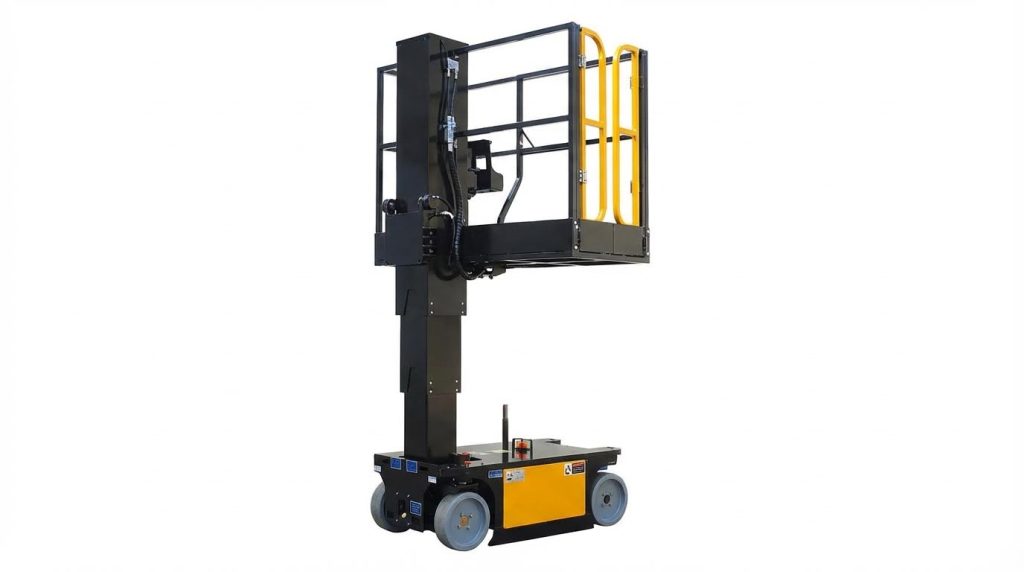
Automation technologies in order picking increased throughput, reduced errors, and stabilized labor requirements. Engineers evaluated these solutions by matching technical capabilities to SKU profiles, order patterns, and legacy infrastructure constraints.
Goods-to-Person, ASRS, and Shuttle Systems
Goods-to-Person (GTP) systems brought totes or cartons to stationary operators, eliminating walking and manual searching. Automated Storage and Retrieval Systems (ASRS) and shuttle systems stored high-density inventory and delivered it on demand. Mature GTP platforms, including shuttle-based solutions and robotic systems such as Exotec Skypod, achieved up to five times the throughput of manual picking and retrieved any tote within roughly two minutes. These systems required substantial capital expenditure, precise slotting strategies, and robust WMS integration but delivered consistent, ergonomic workflows with low error rates. Engineers sized ASRS by peak line-per-hour requirements, storage density targets, and required service levels, then validated designs using simulation and throughput modeling.
AMRs, AGVs, and Robotic Picking Cells
Autonomous Mobile Robots (AMRs) and Automated Guided Vehicles (AGVs) automated horizontal transport between storage, picking, and packing zones. Third-generation AMRs supported batch cart picking and mixed case pick-to-pallet workflows, with payload capacities around 1 500 kg and missions handling up to 30 concurrent orders. These platforms typically reduced walk time by about 50% and increased picker productivity by 50–100%, depending on layout and batching logic. Robotic picking cells combined AMRs or conveyors with vision-guided manipulators to execute pick and place tasks for cartons, totes, and, in advanced systems, individual items. Multi-purpose robots such as Brightpick Autopicker handled aisle picking, buffering, and GTP station feeding, achieving over 500 order lines per hour per station and enabling 24/7 operation in low-light environments. Engineers compared AMR and AGV solutions using metrics such as missions per hour, mean time between failures, and integration effort with existing racking and floor traffic.
Pick-to-Light, Put-to-Light, and Voice Systems
Pick-to-light (PTL), put-to-light, and voice systems functioned as picking assistance technologies that layered onto manual or semi-automated processes. PTL displays with push-button confirmation directed operators to exact locations and quantities, supporting high-density fast-moving SKU zones and sort-by-light walls. Well-engineered PTL systems in consolidation walls batched up to 32 orders simultaneously and supported line rates above 300 picks per hour at GTP workstations. Put-to-light walls improved order consolidation accuracy by guiding operators where to place items arriving from batch or wave picking. Voice-directed picking, using wearable computers, headsets, and camera-based scanners, typically improved pick rates by 20–30% over RF terminal workflows while keeping operators’ hands and eyes free. Engineers selected between PTL, put-to-light, and voice based on SKU density, lighting conditions, noise levels, and required confirmation modes, often combining technologies in different zones for optimal performance.
WMS, APIs, and Digital Twin Integration
Warehouse Management Systems (WMS) orchestrated all order picking automation by managing inventory, work release, and task interleaving. Modern WMS platforms exposed REST-based APIs to integrate AMRs, ASRS, PTL, and voice systems while maintaining a single source of truth for orders and stock. Advanced rule engines supported directed putaway, smart and scheduled picking jobs, walking-path optimization, and zone-based routing, as implemented in digital warehousing modules such as those used for DTC fulfillment. Digital twin models of warehouse operations allowed engineers to simulate order waves, congestion, and resource utilization before physical deployment. These twins incorporated real-time telemetry from automation assets to calibrate travel times, pick rates, and failure modes. By coupling WMS logic, API-connected subsystems, and a validated digital twin, organizations reduced commissioning time, optimized wave and batch strategies, and de-risked capacity upgrades or layout changes over the system lifecycle.
Engineering Criteria for Method Selection
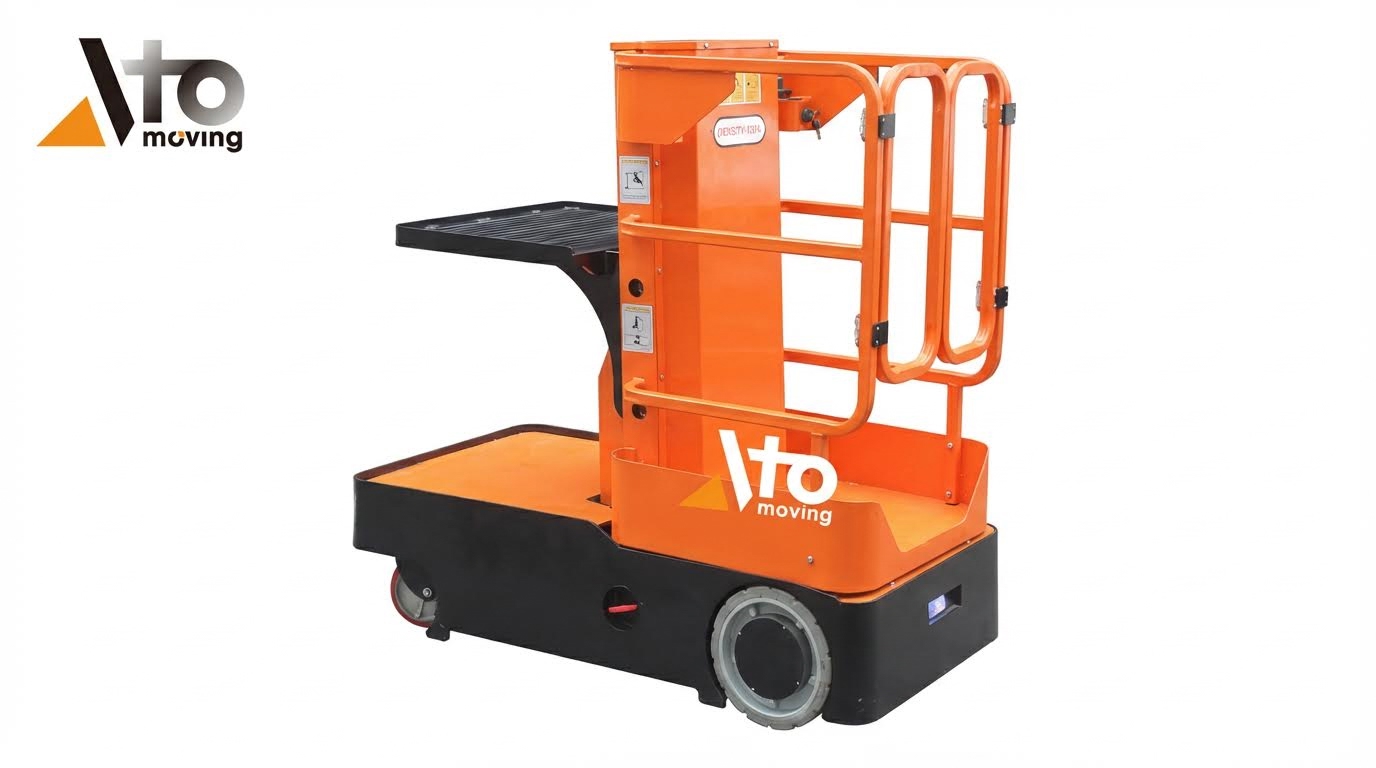
Engineering teams evaluated order picking methods using a structured set of design criteria. The objective was to align process choice with physical layout, demand profile, labor model, and automation roadmap. A disciplined engineering approach reduced retrofit risk and avoided stranded automation assets. The following criteria framed most brownfield and greenfield warehouse designs.
Layout, SKU Profile, and Flow-Path Design
Engineers first mapped building geometry, clear heights, and structural constraints. They overlaid SKU velocity, cube, and handling characteristics to define storage classes and pick zones. High-velocity, small-cube SKUs suited forward pick faces near consolidation or packing. Slow movers and bulky items fit reserve or case-pick areas with longer travel allowances.
Flow-path design minimized cross-traffic and deadheading. Designers modeled one-way picker aisles, dedicated replenishment aisles, and conveyor or AMR corridors. Methods like zone picking and pick-and-pass aligned well with linear or U-shaped flows, while goods-to-person suited dense, vertical storage footprints. Engineers validated concepts with travel-time simulations and heat maps of pick density. They checked that proposed paths supported evacuation routes and material handling equipment turning radii.
Throughput, Labor, and Lifecycle Cost Analysis
Throughput analysis started from peak-hour order lines, not daily averages. Engineers translated these into required picks per hour per resource and compared them to achievable rates for discrete, batch, wave, or automated picking. Technologies such as pick-to-light, voice, AMRs, and ASRS delivered documented pick-rate uplifts, which teams used as input assumptions. They accounted for order mix, cartonization rules, and consolidation complexity.
Lifecycle cost models included capital expenditure, software licenses, maintenance, energy, and IT support. Labor models captured headcount, skill levels, shift patterns, and training time. Engineers compared manual, semi-automated, and fully automated options on cost per order line over 5–10 years. Sensitivity analyses tested demand growth, wage inflation, and service-level changes. This approach often justified hybrid solutions, such as manual case picking combined with automated goods-to-person for small-item piece picking.
Safety, Ergonomics, and Regulatory Compliance
Safety and ergonomics criteria strongly influenced method selection. Engineers evaluated manual picking for repetitive motions, reach distances, lift frequencies, and push–pull forces. They favored goods-to-person, put-to-light, and voice systems to reduce walking, bending, and cognitive load. Cobots and automated transport reduced manual handling of heavy or awkward loads. Designers placed work surfaces at ergonomic heights and limited carton weights according to national guidelines.
Compliance reviews considered machinery directives, electrical codes, and local occupational safety regulations. Automated systems such as ASRS, AMRs, and conveyors required risk assessments, guarding, emergency stops, and safe interaction zones. Vision, scan-weigh, and audit systems supported traceability and error reduction, which helped with customer and regulatory requirements. Engineers also specified lighting, ventilation, and housekeeping standards around pick modules and cross-docking buffers. Regular inspection and maintenance plans formed part of the engineered solution.
Scalability, Modularity, and Retrofit Options
Scalability requirements drove preference for modular storage and automation. Engineers specified pick modules, shuttle aisles, and AMR fleets that could expand in discrete capacity steps. Software platforms, including WMS and API layers, needed to support additional zones, devices, and picking methods without re-architecture. Digital rule engines for order release and routing allowed future reconfiguration of picking logic as volumes or service promises changed.
Retrofit feasibility was critical in brownfield sites. Teams assessed floor loading, mezzanine options, and existing racking compatibility with shuttle, GTP, or robotic systems. They favored technologies that integrated with standard shelving and required minimal building modification. Phased implementation plans maintained operations while new modules came online. Engineers also ensured that failure modes remained localized, avoiding single points of failure by distributing automation across zones or redundant equipment. This modular mindset kept options open for future technologies and evolving customer requirements.
Summary and Practical Implementation Roadmap
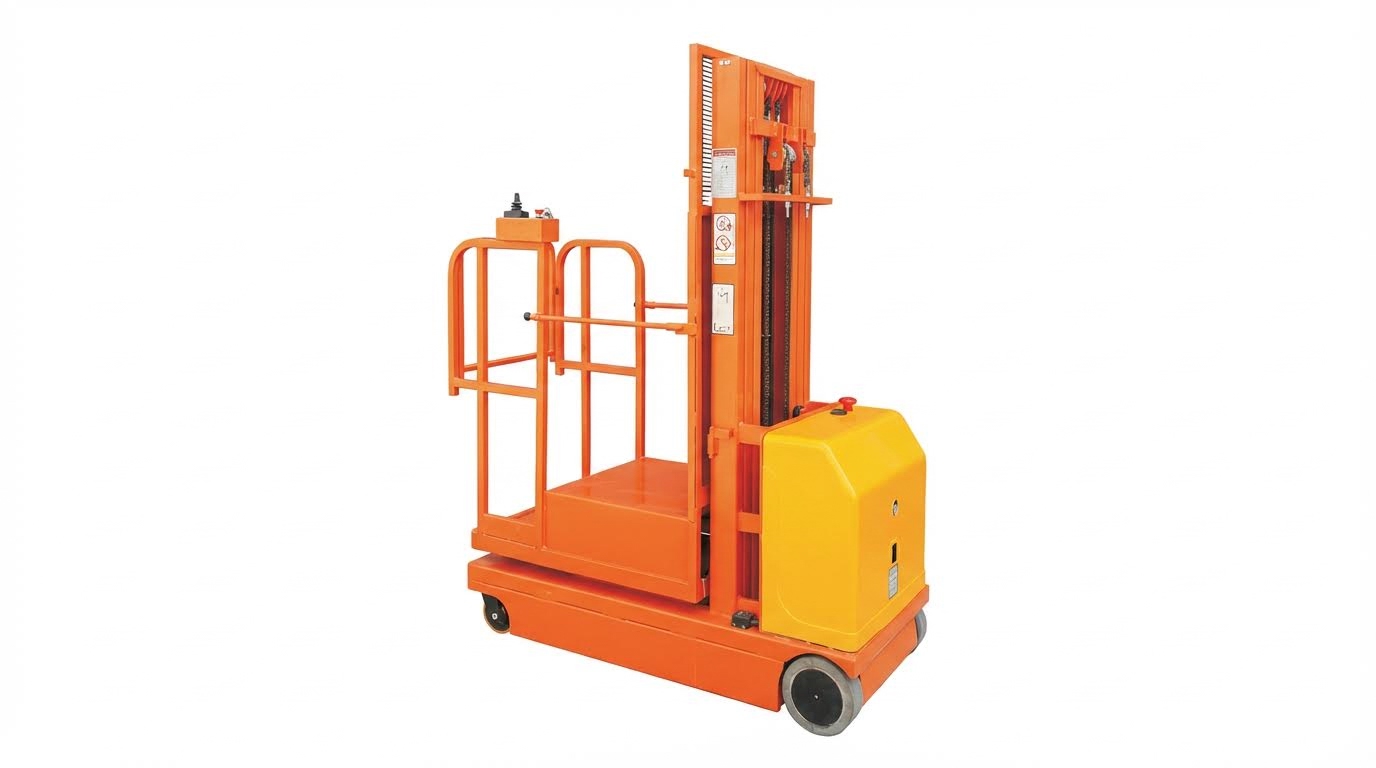
Warehouse order picking design required a structured, engineering-led approach. Operations teams evaluated core picking strategies such as discrete, batch, cluster, wave, zone, pick-and-pass, and cross picking, plus case versus piece picking and cross-docking. Engineers then overlaid automation options, including goods-to-person systems, ASRS, shuttles, AMRs, AGVs, robotic picking cells, and guidance technologies like pick-to-light, put-to-light, and voice systems, all orchestrated by a WMS and API-based integrations, potentially supported by a digital twin.
From an industry perspective, the trend moved toward hybrid solutions that combined manual and automated picking. High-throughput nodes increasingly used robotic goods-to-person and shuttle systems, while mid-volume zones adopted AMRs and voice or light-directed picking to raise lines per hour and reduce walking. Digital warehousing platforms, exposed via REST APIs, became central for coordinating order release, cartonization, and routing logic, enabling flexible combinations of methods as product mixes and service levels evolved.
Practically, implementation followed a staged roadmap. First, teams baseline-measured current performance: order lines per hour, error rates, travel distance, labor hours, and ergonomic risk indicators. Second, they segmented SKUs and flows, assigning appropriate strategies, for example, batch picking for high-overlap e-commerce orders, zone or pick-and-pass for wide assortments, and cross-docking for fast movers. Third, they selected enabling technologies based on throughput targets, building constraints, and lifecycle cost, including maintenance and software upgrades.
A balanced roadmap usually started with low-disruption changes: WMS optimization, pick-path redesign, and introduction of voice or RF-directed picking. Subsequent phases added light-directed walls, AMRs, or goods-to-person modules in clearly defined zones, validated through pilots and supported by digital twin simulations where available. Throughout, engineers maintained focus on safety and ergonomics, ensuring that automation reduced manual handling and awkward postures while complying with applicable occupational safety standards. This progressive approach allowed warehouses to scale capacity, control risk, and adapt to future technology advances without locking into brittle, single-vendor architectures.