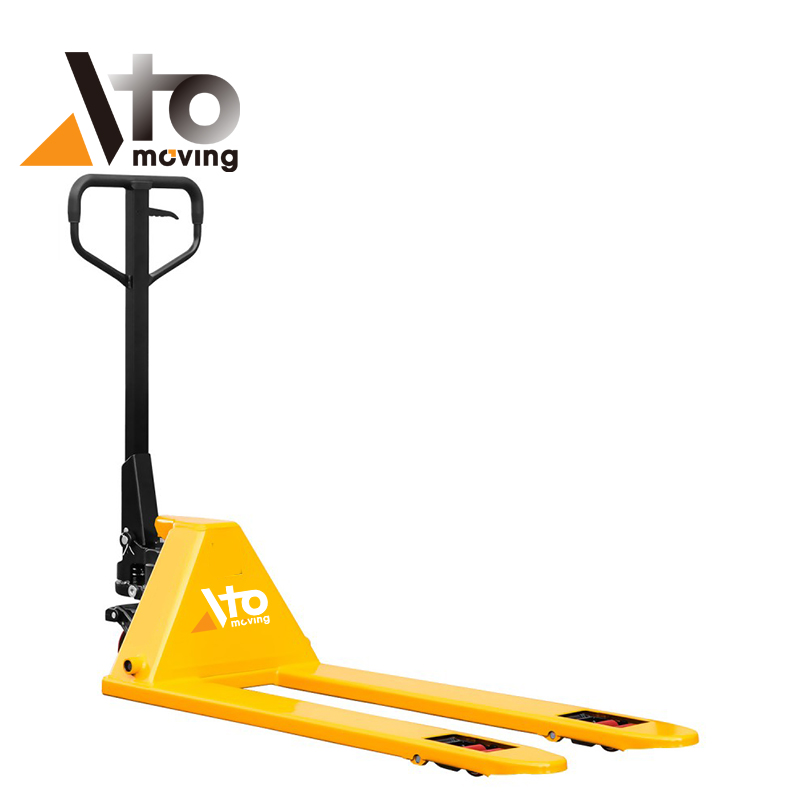
Pallet trucks operated in warehouses and logistics facilities required structured inspections to control safety risks, comply with regulations, and maintain availability. This article outlined how PUWER, OSHA, ISO 21262, and FEM 4.004 defined minimum inspection and maintenance expectations, including legally binding annual checks.
It then detailed practical daily and weekly checklists covering structure, wheels, floor conditions, hydraulics, and electrical and safety systems. The following sections described the scope of annual professional inspections, hydraulic oil service, bleeding, component renewal, and defect tag-out and repair protocols. Finally, the article connected these requirements to safety performance, uptime, and lifecycle cost, enabling engineers and supervisors to design robust inspection regimes.
Regulatory Standards For Pallet Truck Inspections
PUWER, OSHA, ISO 21262 And FEM 4.004 Overview
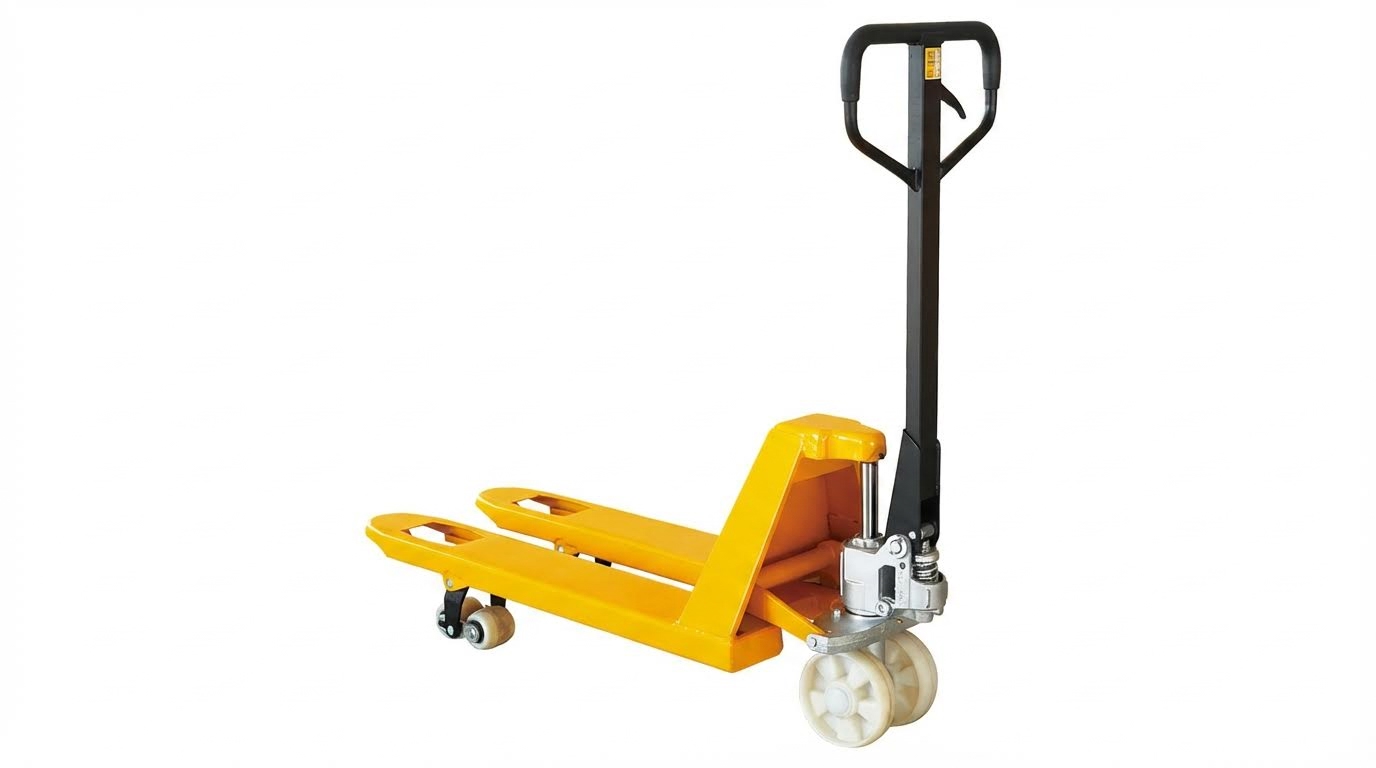
Pallet trucks were classified as work equipment and machinery under multiple regulatory frameworks. In the United Kingdom, the Provision and Use of Work Equipment Regulations 1998 (PUWER) required employers to ensure pallet trucks were suitable, maintained, and inspected at defined intervals. In the United States, Occupational Safety and Health Administration (OSHA) rules required operators to inspect industrial trucks for defects before each shift and remove unsafe units from service. ISO 21262:2020 defined harmonized safety requirements for application, operation, and maintenance of industrial trucks, including manual and powered pallet trucks. FEM 4.004 specified inspection principles for material handling equipment in Europe and required at least one documented safety inspection per year.
These frameworks complemented each other rather than competing. PUWER and OSHA defined employer duties and inspection frequency at workplace level. ISO 21262 and FEM 4.004 provided technical criteria, test items, and acceptance conditions for inspectors and manufacturers. Together they covered design, safe use, periodic inspection, and documentation. Compliance required aligning internal procedures, checklists, and training materials with all applicable standards.
Inspection Intervals: Daily, Weekly, Annual
Regulations and good practice distinguished between daily, weekly, and annual inspections. OSHA guidance required pre-use or pre-shift checks of pallet trucks, focusing on visible damage, hydraulic leaks, wheels, forks, and control functions. Industry guidance recommended daily visual walk‑around inspections for manual and powered trucks to catch cracks, bent forks, oil traces, and brake or steering issues. Weekly checks went deeper and assessed overall technical condition, including hydraulic oil level, wheel and roller running behavior, and electric components on powered units.
Annual inspections followed PUWER and FEM 4.004 principles and had to be performed by a competent person. These inspections verified structural integrity, lifting performance, braking, travel functions, safety devices, and compliance with capacity markings. High-lift pallet trucks and trucks lifting above 300 millimetres also fell under LOLER in the UK, which required thorough examinations at prescribed intervals. Documented inspection intervals reduced failure risk and improved logistics readiness.
Manual Vs. High-Lift And Powered Truck Obligations
Regulatory obligations differed by truck type and lifting characteristics. Standard manual pallet trucks typically lifted loads up to roughly 200 millimetres and were treated as work equipment under PUWER or equivalent frameworks. They required daily operator checks, periodic maintenance, and at least annual professional inspection, but not LOLER thorough examination in the UK. High-lift pallet trucks, which raised loads above 300 millimetres, were classed as lifting equipment and triggered LOLER duties in addition to PUWER. This meant more stringent inspection scope and sometimes shorter examination intervals.
Powered pallet trucks introduced further obligations due to electrical and drive components. Inspectors had to test travel controls, braking performance, emergency stop devices, horns, warning beacons, and battery condition. Standards such as ISO 21262:2020 covered these powered functions explicitly. However, all categories shared core requirements: adherence to rated capacity, removal from service when defects were found, and proper documentation. Risk assessments had to consider truck type, load, lift height, and operating environment when defining inspection programs.
Legal, Financial, And Incident Risk Of Non-Compliance
Non-compliance with inspection requirements carried significant legal and financial exposure. Under PUWER, OSHA, and similar laws, employers were responsible for ensuring pallet trucks were safe and inspected. Failure to inspect or to act on identified defects could lead to enforcement notices, fines, or prosecution after an incident. Civil liability also increased if injured parties could show that inspections were missed or records were incomplete. Industry data indicated that more than 4 500 pallet truck-related injuries occurred annually, highlighting the real incident risk.
From an operational perspective, neglected inspections increased unplanned downtime, accelerated component wear, and raised repair costs. Undetected cracks, overloading damage, or hydraulic leaks could lead to sudden failures, damaged goods, and disrupted material flows. Insurance providers often required documented inspection and maintenance histories to support claims. By contrast, implementing structured daily, weekly, and annual inspections, aligned with ISO 212
Daily And Weekly Pallet Truck Inspection Checklists
Visual Structural Checks: Frame, Forks, And Welds
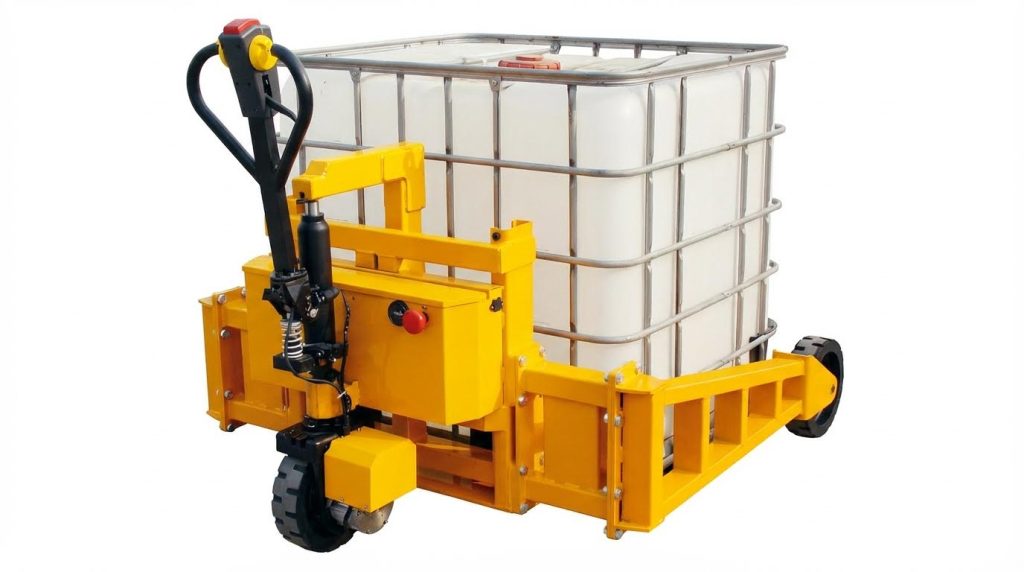
Operators inspected pallet trucks visually before every shift to detect damage early. They examined the chassis and handle base for cracks, bends, deformations, or corrosion that reduced structural stability. Fork blades required checks for warping, tip damage, or spreading that altered load distribution and reduced rated capacity. Inspectors looked closely at weld seams on the frame, fork heels, and mounting brackets for hairline cracks or porosity. Any visible crack, permanent bend, or significant corrosion pitting triggered immediate removal from service and formal defect reporting. Weekly checks included closer scrutiny of paint loss, impact marks, and misalignment that indicated overloading or collision history.
Wheels, Rollers, And Floor Condition Assessment
Daily inspections covered all wheels and load rollers because they carried concentrated loads and affected stability. Operators checked tread surfaces for flat spots, chunking, cracking, and embedded debris that increased rolling resistance or vibration. They verified that wheels rotated freely without binding, excessive side play, or uneven running, which indicated worn bearings or bent axles. For pneumatic or elastomeric tyres, they confirmed proper inflation and removed stones or metal fragments from treads. Weekly checks included measuring wear against manufacturer limits and lubricating specified pivot points. Inspectors also assessed floor conditions in operating areas, ensuring surfaces were clean, dry, and free of oil, loose wrap, or pallets splinters. They flagged broken concrete, ramps, and rough surfaces that required trucks rated for tough terrain or local floor repairs.
Hydraulic System: Leaks, Drift, And Function Tests
Before use, operators scanned the hydraulic unit, lift cylinder, and hose connections for external oil traces or wet spots. Any leak, even minor weeping, required tagging, spill control, and maintenance notification due to slip and environmental risks. They cycled the handle to raise the forks smoothly to full stroke and then held the load or empty forks raised for at least 30 seconds. Any noticeable fork drift during this period indicated internal leakage or valve wear. Lowering had to be smooth, controllable, and free from jerks or unusual noises. Weekly checks included verifying oil level against manufacturer marks and topping up only with specified hydraulic fluid. If lifting or lowering felt spongy, technicians bled air from the system by operating the control lever in the lowering position while pumping multiple times. Persistent malfunctions triggered detailed inspection, possible oil change, and O-ring replacement rather than continued operation.
Electric Systems, Brakes, And Safety Devices
For powered pallet trucks, daily checks started with the battery, connectors, and charging plug. Operators verified the state of charge, looked for damaged cables, exposed conductors, corrosion, and secure terminal covers. They confirmed that the truck powered up correctly and that all display or indicator lights operated as intended. Travel controls had to respond proportionally in forward and reverse, with smooth acceleration and deceleration. Brake tests occurred in a clear area by driving at moderate speed and releasing the throttle to confirm controlled stopping. Where fitted, parking or handbrakes were tested on a slight incline. Safety devices such as horns, emergency stop buttons, belly switches, tiller cut-off functions, and warning beacons required positive functional checks. Weekly inspections added closer review of wiring looms for chafing, loose grommets, and moisture ingress. Any failure of a safety function or braking anomaly resulted in immediate tag-out and prohibition of use until a competent person completed repairs.
Annual Professional Inspection And Preventive Maintenance

FEM 4.004 And LOLER-Compliant Inspection Scope
Annual professional inspections verified that pallet trucks met statutory and normative safety requirements. FEM 4.004 defined minimum inspection content for industrial trucks, including manual and powered pallet trucks. Inspectors examined load-bearing structures, welds, forks, and frames for cracks, deformation, and corrosion that could reduce rated capacity. They also checked wheels, axles, steering linkages, and load rollers for wear, flat spots, and loose fixings.
Where trucks qualified as lifting equipment, such as high-lift pallet trucks above 300 millimetres, LOLER applied in addition to PUWER. In those cases, competent persons assessed lifting mechanisms, chains if fitted, and stability under rated load. Documentation included a written report, defect categorisation, and confirmation of residual safe working load. This report supported regulatory compliance and internal safety audits.
Functional Testing: Travel, Braking, And Lifting
Professional inspections included structured functional tests under no-load and rated-load conditions. For travel, inspectors verified smooth forward and reverse motion, correct response to speed controls, and full steering range without binding. They assessed tracking stability and checked that travel stopped predictably when controls returned to neutral. For powered units, they confirmed that acceleration and deceleration matched specification.
Brake testing covered service brakes, parking brakes, and tiller-actuated braking where fitted. Tests occurred on level floors and, where safe, on slight inclines to confirm holding capability. Lifting tests involved raising forks from fully lowered to maximum height, checking for jerks, abnormal noise, or stall. Inspectors measured drift by holding a rated load at height for a defined period, typically at least 30 seconds, and recorded any unacceptable fork settlement.
Hydraulic Oil Service, Bleeding, And Component Renewal
During annual service, technicians compared hydraulic oil levels with manufacturer specifications and inspected for external oil traces at cylinders, hoses, and fittings. Low oil levels or milky, contaminated fluid indicated leaks or ingress of moisture and dirt, triggering an oil change. The service procedure drained old oil into a suitable container, replaced damaged sealing rings, and refilled with compatible hydraulic fluid of the correct viscosity grade. After refilling, they bled the system by cycling the pump and control lever 10 to 20 times.
Persistent lifting or lowering malfunctions after bleeding suggested internal wear or valve issues. Technicians then adjusted the lowering valve using specified tools, such as spanner wrenches and screwdrivers, following manufacturer torque and rotation guidance. If performance remained outside tolerance, they scheduled replacement of wear components, including pump cartridges, lift cylinders, or control valves. Load rollers, fork rollers, and steering wheels that showed chipping, excessive wear, or uneven running were renewed and lubricated to restore stable tracking.
Defect Classification, Tag-Out, And Repair Protocols
Annual inspections relied on structured defect classification to control risk. Inspectors typically separated findings into minor defects, which allowed restricted use, and critical defects, which compromised immediate safety. Critical issues included cracked forks, severe hydraulic leaks, inoperative brakes, or failed emergency stops. On discovery, they tagged the truck “OUT OF SERVICE,” removed keys if applicable, and moved it to a designated repair area.
Minor defects, such as early-stage wheel wear or light seepage without pressure loss, still required documentation and scheduled rectification. Inspectors recorded each defect, its risk level, and recommended corrective actions on the inspection report and maintenance log. Repair work on hydraulic and electrical systems followed manufacturer procedures and site-specific lockout and tag-out rules. Only qualified personnel or authorised workshops performed complex repairs, particularly on powered trucks with live electrical components, to ensure that the unit re-entered service in a demonstrably safe condition.
Summary: Optimizing Safety, Uptime, And Lifecycle Cost
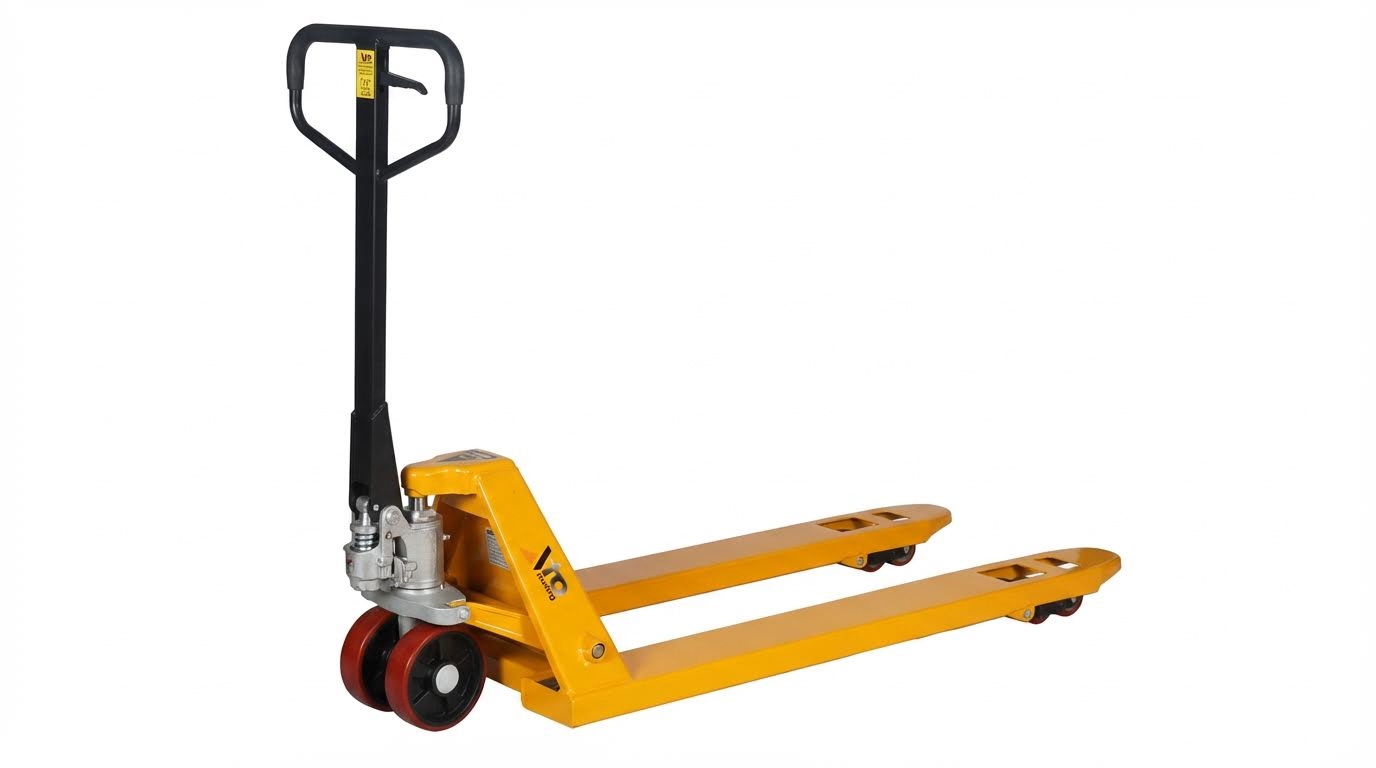
Pallet truck inspection regimes directly influenced safety performance, legal compliance, and asset lifetime. Daily and weekly checks detected visible damage, hydraulic leaks, wheel wear, and control malfunctions before they escalated. Structured inspections, combined with proper documentation, supported traceability and enabled pattern recognition of recurring faults.
Regulatory frameworks such as PUWER, OSHA requirements, ISO 21262:2020, and FEM 4.004, together with LOLER for high-lift units, defined minimum inspection and testing obligations. Annual professional inspections verified structural integrity, braking efficiency, lifting performance, and safety device functionality against these standards. Organizations that aligned internal checklists with these norms reduced incident frequency and avoided penalties, claims, and unplanned outages.
From an industry perspective, the trend moved toward preventive and condition-based maintenance. Regular hydraulic oil service, bleeding, and contamination control extended cylinder and valve life and reduced failure rates. Planned replacement of load rollers, steer wheels, and seals at defined wear thresholds lowered total lifecycle cost compared with reactive repairs after breakdowns.
Practical implementation required clear roles, standardized checklists for daily, weekly, and annual levels, and a robust defect classification and tag-out process. Minor defects triggered scheduled maintenance; critical defects required immediate removal from service and controlled repair. A balanced strategy combined operator pre-use inspections, periodic technical maintenance, and third-party certification. This approach optimized uptime while ensuring pallet trucks operated within design limits and evolving safety expectations.