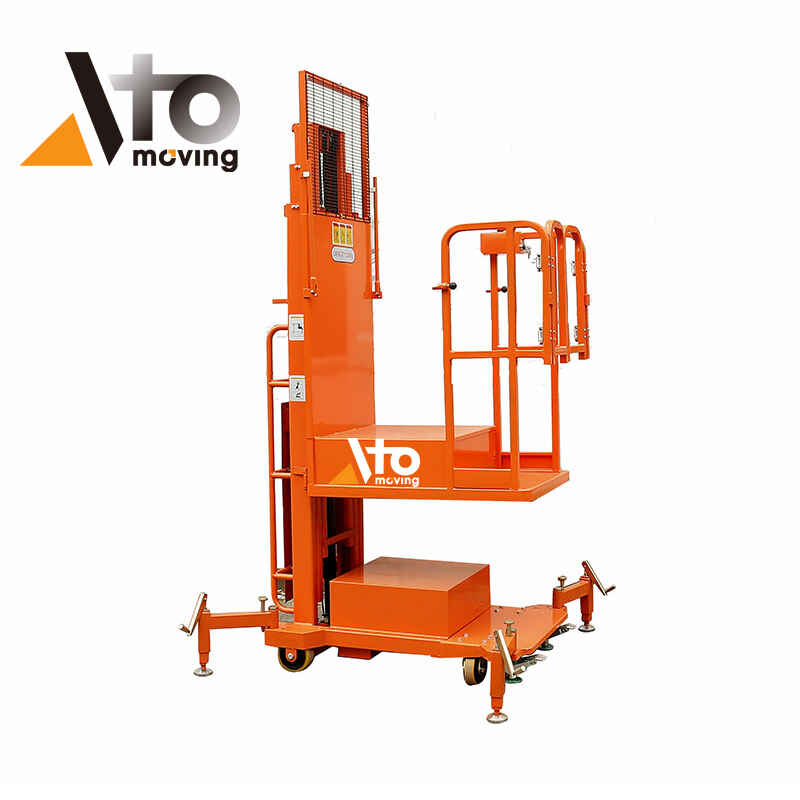
Order picker machine maintenance underpins safe, reliable, and cost-effective warehouse operations. This article examines core maintenance strategy, from daily and planned tasks to predictive approaches aligned with total cost of ownership. It then details practical daily and weekly inspection routines across mechanical, electrical, hydraulic, and stability subsystems. Planned service, upgrades, and structured troubleshooting methods are discussed, including the role of digital twins and IoT in predictive care. The article concludes with an integrated summary of engineering best practices for keeping order pickers safe, reliable, and efficient over their full life cycle.
Core Maintenance Strategy For Order Pickers

A robust maintenance strategy for order pickers combined structured inspection routines with regulatory compliance and cost control. Engineers defined clear maintenance types, matched them to duty cycles, and embedded them in total cost of ownership (TCO) models. Safety legislation and OEM instructions constrained these strategies and set minimum maintenance standards. The following subsections outlined how to structure maintenance types, align them with utilization, and remain compliant in industrial environments.
Maintenance Types: Daily, Planned, Predictive
Order picker maintenance fell into three main categories: daily operator checks, planned preventive service, and predictive or condition-based care. Operators performed pre-shift inspections that covered forks, mast, tires, wheels, battery, safety controls, and fall protection devices, removing defective units from service immediately. Planned maintenance followed OEM hour-based or calendar intervals and included hydraulic oil checks, lubrication of chains and mast rails, electrical inspections, and six‑monthly professional service. Predictive strategies used logged fault codes, hour meters, battery telemetry, and vibration or temperature trends to anticipate failures, reducing unplanned downtime and extending service life beyond 10 years where utilization allowed.
Aligning Maintenance With Duty Cycle And TCO
Maintenance intensity had to match the machine’s duty cycle, environment, and load profile to optimize TCO. High-throughput e‑commerce facilities with multi-shift operation required tighter service intervals, upgraded components, and more frequent hydraulic and battery inspections than single-shift wholesale sites. Engineers modeled TCO by combining acquisition cost, scheduled maintenance, unscheduled repairs, energy use, tires, hydraulic fluids, training, and downtime losses. By correlating failure modes with duty cycles, sites could justify investments in higher-spec batteries, regenerative braking, or enhanced cooling, which reduced energy cost per pick and deferred replacement, improving lifecycle economics.
OSHA, PUWER, LOLER And OEM Compliance
Regulatory frameworks defined the minimum maintenance and inspection baseline for order pickers. In the United States, OSHA rules required formal operator training, documented pre-use checks, and immediate lockout of unsafe equipment. In the United Kingdom and Europe, PUWER governed safe work equipment use, while LOLER covered lifting operations, mandating periodic thorough examinations of masts, platforms, forks, and fall protection. OEM manuals specified inspection intervals, approved lubricants, hydraulic fluids, and modification limits; engineers had to treat these as design constraints to preserve structural integrity and warranty. Integrating OSHA or PUWER/LOLER requirements with OEM schedules into a single documented maintenance plan ensured legal compliance, consistent safety performance, and auditable maintenance records.
Daily And Weekly Technical Inspection Routines
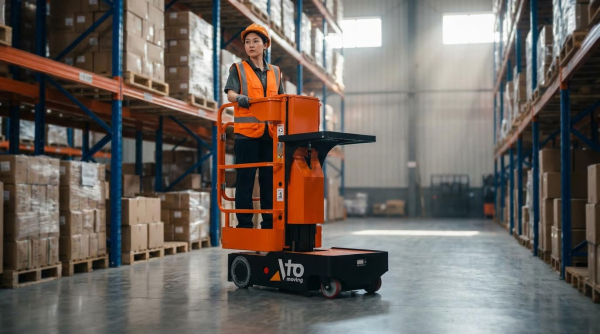
Daily and weekly inspection routines structured around checklists created a repeatable safety baseline for order pickers. Engineers and supervisors used these routines to detect emerging defects long before functional failure. Effective programs combined operator pre‑shift checks with more detailed weekly engineering inspections. The result was higher availability, lower life-cycle cost, and demonstrably safer warehouse operations.
Pre-Shift Mechanical And Safety Checks
Pre-shift checks focused on fast, visual, and functional verification of critical components. Operators inspected forks, carriage, and platform for cracks, bends, wear, or deformation, and confirmed correct locking and positioning. They examined the mast, rollers, chains, and hydraulic hoses for loose or missing fasteners, leaks, corrosion, or abnormal wear. The overhead guard and any Falling Object Protective Structure had to be intact, without dents that might indicate impact damage.
The operator compartment needed to be clean, with all labels, warning decals, and capacity plates readable and understood. Controls, switches, and indicators had to operate clearly, without sticking or ambiguity. Operators function-tested horn, emergency stop, deadman devices, and any backup alarm before entering service. Any defect found during these checks required immediate lockout and escalation to maintenance personnel.
Battery, Electrical, And Regenerative Systems
Battery and electrical checks ensured reliable power delivery and reduced fire and breakdown risks. Before each shift, operators verified that the traction battery was fully charged or within the allowable discharge window, typically above 20% state of charge. They confirmed that the battery was correctly restrained, connectors latched, and electrolyte or water level within the manufacturer’s marks. Terminals and cables had to be free from corrosion, damaged insulation, or loose lugs.
Weekly, technicians inspected wiring looms, contactors, and visible control electronics for overheating marks, abrasion, or loose fixings. They validated charger output voltage and charging profiles against specification and checked that interlocks disabled drive during charging. On trucks with regenerative braking, they confirmed smooth deceleration, absence of warning codes, and correct energy recovery indications on the display. Any error codes from the truck control system were logged and investigated rather than routinely cleared.
Hydraulics, Chains, Mast, And Fork Assemblies
Hydraulic and lifting structure inspections protected against catastrophic load-handling failures. Weekly routines included checking hydraulic oil level in the reservoir, then examining hoses, fittings, and cylinders for sweating, drips, or damaged outer sheathing. Lift, lower, and tilt functions had to operate smoothly across full stroke without chatter, sticking, or visible leaks. Technicians also listened for cavitation or abnormal pump noise that indicated air ingress or fluid degradation.
Chains and mast rails required systematic cleaning and lubrication according to the OEM schedule. Maintenance staff brushed chains with a wire brush, removed packed dirt, then applied approved chain lubricant while checking for elongation, rust, cracked links, or tight spots. They inspected mast welds, rollers, and guide rails for cracks, flat-spotted rollers, or misalignment. Forks were wire-brushed, then checked for heel wear, cracks, and correct alignment, with any fork below the allowable wear limit removed from service.
Wheels, Brakes, Steering, And Stability Controls
Wheel and running-gear inspections ensured predictable handling and preserved structural integrity. Daily, operators checked drive and load wheels for chunking, bond failure, cuts, and embedded debris that could affect traction or steering. Weekly, maintenance personnel verified wheel fastener torque, assessed tread wear patterns, and, where applicable, checked alignment and balancing. They also evaluated the floor condition in operating zones, noting cracks or surface defects that could compromise stability.
Functional brake tests verified that service and parking brakes stopped the machine within the specified distance without pulling or noise. Steering had to operate smoothly from lock to lock, with no excessive free play or unusual resistance. Technicians checked stability-related systems such as speed reduction with elevated mast, tilt or height interlocks, and overload or tilt alarms for correct activation. Confirming that all these systems worked as designed significantly reduced tip-over risk during high-level picking operations.
Planned Service, Upgrades, And Troubleshooting
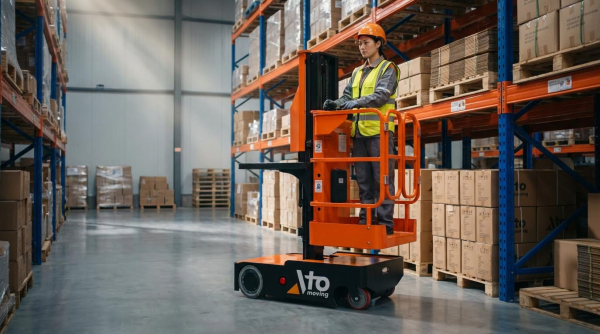
Planned service structured by operating hours and calendar intervals stabilized lifecycle cost and uptime. Engineers scheduled tasks from monthly lubrication to annual strip-downs to control wear. Upgrades and retrofits extended useful life and allowed compliance with evolving safety and data standards. Robust troubleshooting methods, supported by digital tools, reduced repeat failures and unplanned downtime.
Monthly To Annual Preventive Service Tasks
Monthly tasks typically included detailed cleaning, lubrication of chains, mast rails, and pivot points, and functional testing of all safety interlocks. Technicians checked hydraulic oil level, inspected hoses and fittings for seepage, and verified that lift and lower speeds stayed within specification. Quarterly work usually covered full electrical checks, including torqueing power connections, testing chargers, and verifying battery capacity under load. Annual service frequently involved oil and filter changes where applicable, comprehensive structural inspection of mast welds and forks, and recalibration of limit switches, overload sensors, and travel speed maps.
Engineers used OEM hour-based intervals, for example every 500 operating hours, to refine monthly and annual task groupings. They documented brake lining thickness, wheel condition, and bearing clearances to trend wear rates. Where trucks operated in corrosive or freezer environments, they shortened intervals for mast chain inspection and seal replacement. A formal preventive maintenance checklist, tied to asset ID and hour meter readings, ensured regulatory compliance and consistent work quality.
Professional Service, Retrofits, And Software
Professional maintenance every six to twelve months allowed certified technicians to inspect electrical, hydraulic, and mechanical systems in depth. They used diagnostic tools to read fault histories, verify sensor calibration, and test motor insulation resistance. Retrofit programs added modern safety features such as improved fall protection attachments, enhanced guard structures, or updated overload detection where compatible with the original design. Engineers evaluated structural capacity and OEM approvals before accepting any retrofit to avoid undermining stability or certification.
Software maintenance covered controller firmware, battery management systems, and interfaces to warehouse management software. Updates corrected latent faults, improved regenerative braking logic, and optimized speed profiles by lift height. Change control processes recorded software versions and rollback plans to meet quality and audit requirements. When integrating accessories such as pick-to-light or onboard scales, engineers verified that new data paths did not introduce latency or conflicts in existing control networks.
Root-Cause Troubleshooting For Common Faults
Root-cause troubleshooting started with clear symptom definition, such as “no lift,” “intermittent travel cut-out,” or “unstable feeling at height.” Technicians first verified basics, including battery state of charge, emergency stop status, visible hydraulic leaks, and active fault codes. For lift failures, they checked hydraulic pump operation, relief valve settings, and cylinder seals before replacing components. For instability, they examined load weight versus capacity chart, load distribution, floor flatness, tire integrity, and mast or chassis damage.
Structured methods such as the 5-Why technique and fault tree analysis helped separate primary causes from secondary effects. Teams recorded each significant failure with cause, corrective action, and verification test in a maintenance database. They used recurring patterns, for example repeated chain stretch or connector corrosion, to justify design changes or environmental controls. This disciplined approach reduced unscheduled downtime and avoided repeated part swapping without resolving underlying issues.
Using Digital Twins And IoT For Predictive Care
IoT-enabled order pickers streamed data on hour count, lift cycles, motor currents, battery voltage profiles, and shock events. Engineers processed these signals to predict component wear, such as chain elongation, brake lining loss, or battery capacity fade. Digital twins, virtual models of the machines, allowed simulation of stress on masts, chassis, and drive systems under actual duty cycles. By comparing predicted degradation with real measurements, maintenance teams refined inspection intervals and part replacement thresholds.
Predictive dashboards flagged anomalies, for example rising hydraulic oil temperature at constant load or increased current draw on a drive motor. Planners converted these alerts into work orders scheduled during low-demand windows, reducing disruption. Integration with WMS and fleet management systems aligned maintenance timing with operational priorities and spare parts availability. Over time, this data-driven strategy lowered total cost of ownership while sustaining high safety margins and regulatory compliance.
Summary: Safe, Reliable, And Efficient Order Pickers
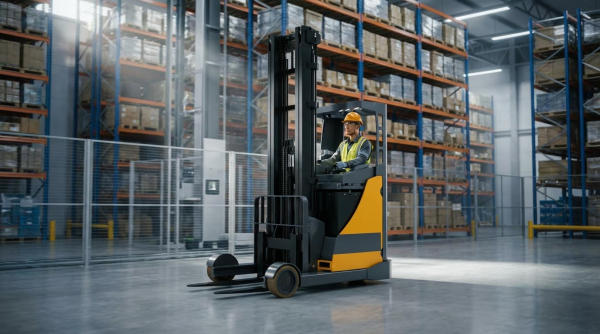
Engineering-led maintenance of order pickers required a structured mix of daily checks, scheduled preventive work, and data-informed predictive care. Operators carried out pre-shift inspections of forks, mast, wheels, batteries, and safety controls, removing defective units from service to comply with OSHA, PUWER, and LOLER. Technicians supplemented this with weekly hydraulic inspections, systematic cleaning and lubrication, and six‑monthly professional servicing of electrical, hydraulic, and mechanical systems. This multilayered regime extended equipment life, reduced unplanned downtime, and kept residual risk within acceptable limits.
Industry practice increasingly integrated order pickers with warehouse management systems, onboard diagnostics, and in some cases IoT telemetry and regenerative braking data. These technologies enabled predictive maintenance, tighter alignment of service intervals with duty cycle, and more accurate total cost of ownership forecasting. At the same time, formal operator training and periodic refreshers remained essential, especially for fall protection, stability limits, and correct response to alarms or fault codes. Organizations that combined strong technical maintenance with accredited training typically recorded fewer picking errors, fewer safety incidents, and higher fleet availability.
Looking ahead, wider use of digital twins, advanced batteries, AR-based guidance, and richer sensor suites will further shift maintenance from reactive to predictive. Engineers will need to manage software updates, cybersecurity of connected systems, and obsolescence of older fleets that lack modern safety and diagnostic features. Practical implementation will still rely on disciplined checklists, clear defect reporting, and adherence to manufacturer documentation. The most resilient operations will balance adoption of new technology with robust fundamentals: clean equipment, correct lubrication, verified safety systems, and operators who understand both the machine’s limits and the regulatory framework governing its use.