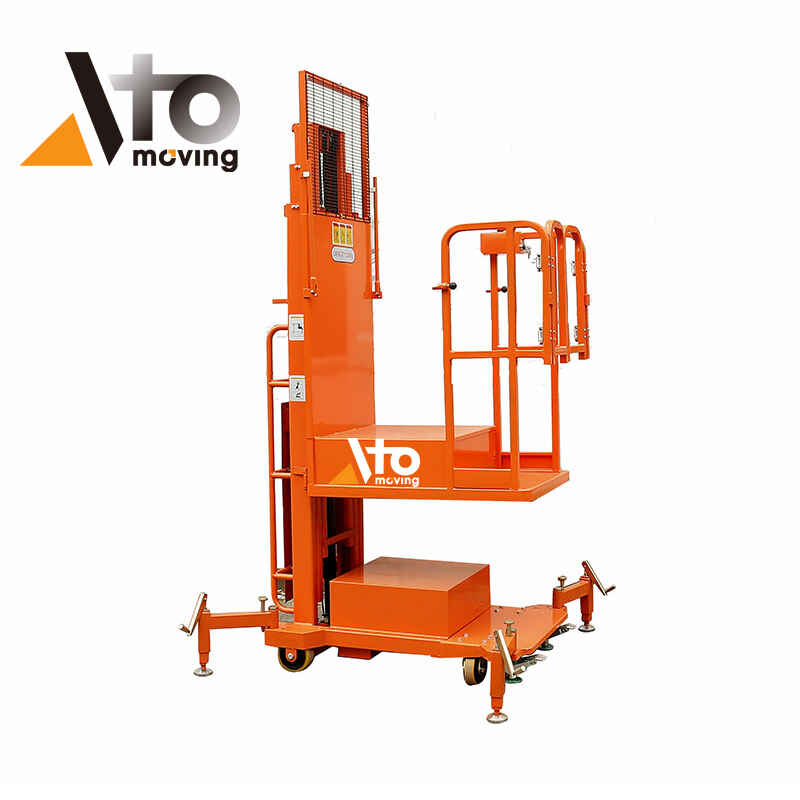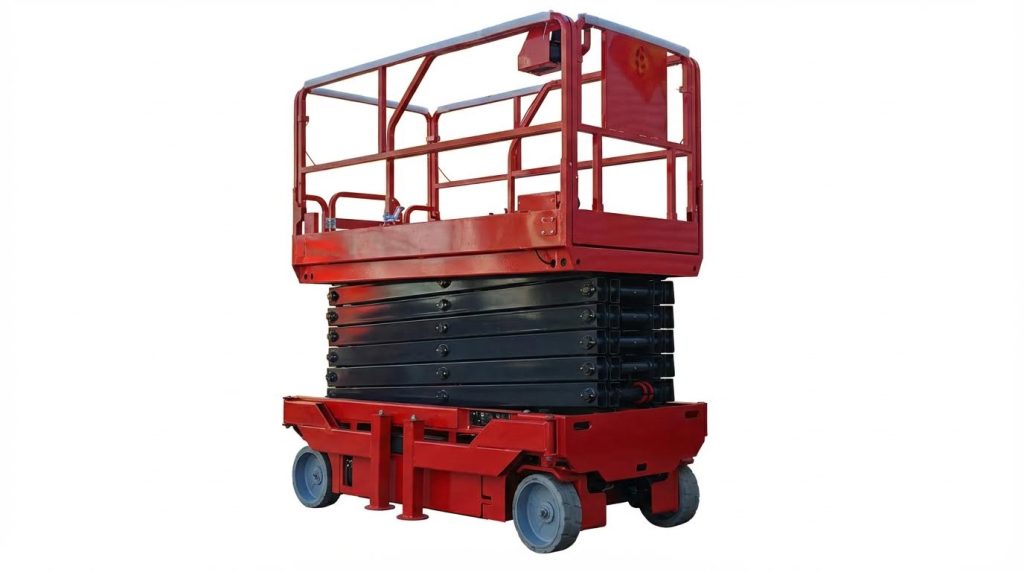
Warehouse cherry pickers introduced elevated fall, crush, and electrocution risks that engineers and supervisors needed to control systematically. This guide addressed core safety principles, from regulatory competency and PPE through power line clearance, load rating compliance, and tipping prevention. It then detailed pre-use inspection and functional testing, including structural, hydraulic, electrical checks, and formal defect escalation using checklists. Finally, it covered driving, positioning, and work practices, along with lifecycle issues such as maintenance, storage, and long-term reliability planning for aerial work platforms.
Core Safety Principles For Cherry Picker Use
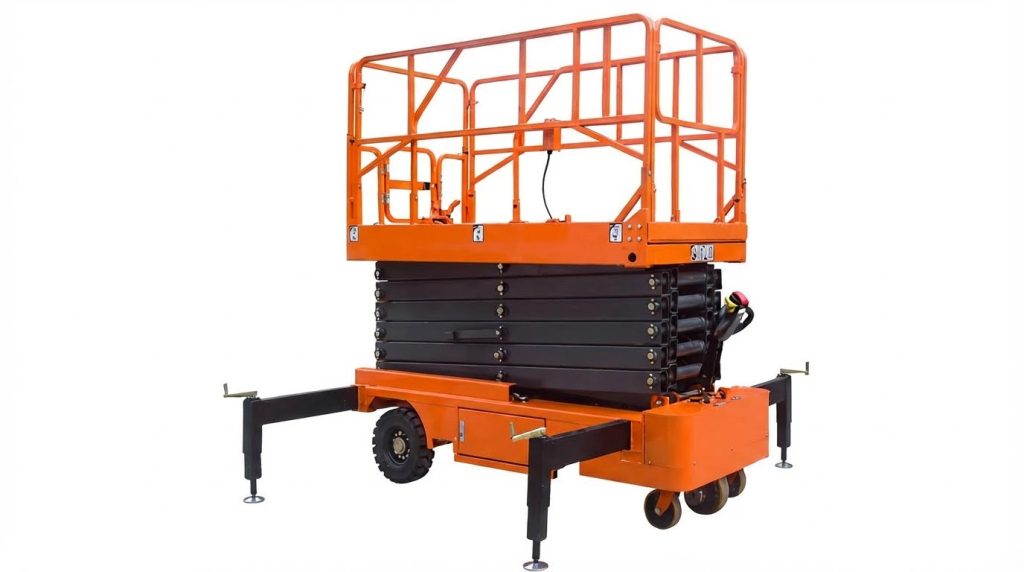
Core safety principles for warehouse cherry pickers relied on a systems approach. Engineering controls, operator competency, and disciplined work practices worked together to reduce risk. Operators followed manufacturer instructions, site rules, and regulatory requirements as a unified framework. The objective was to maintain predictable machine behavior and a controlled work envelope at all times.
Regulatory Standards And Operator Competency
Regulatory standards for cherry pickers historically required formal training, evaluation, and documented authorization before operation. Training covered hazard recognition, daily inspections, safe driving, emergency procedures, and model-specific controls. Competent operators could interpret load charts, understand stability limits, and apply lockout/tagout during maintenance. Employers had to verify competency periodically and retrain after incidents, near misses, or significant equipment changes. Written safe operating procedures and quizzes reinforced knowledge and demonstrated regulatory due diligence.
PPE, Fall Protection, And Anti-Entrapment Practices
Warehouse cherry picker operators wore task-appropriate PPE, typically helmets, safety shoes, gloves, and high-visibility clothing. Fall protection used a full-body harness with an energy-absorbing lanyard or restraint system anchored to approved points on the basket or boom. Workers stood firmly on the platform floor; they did not climb rails, use planks, or place boxes to extend reach. Anti-entrapment practices included maintaining distance from overhead beams, racks, and structures, and avoiding positions where the basket could crush the torso or head. Supervisors briefed workers on entrapment scenarios and ensured emergency lowering procedures were understood and rehearsed.
Power Line Clearance And Overhead Obstruction Risks
Safe operation required strict separation from electrical conductors and overhead obstructions. Industry guidance typically mandated a minimum clearance of 3 m from energized power lines, with larger distances for higher voltages. Operators treated all overhead lines as live, even if downed or apparently insulated, and kept conductive tools and materials outside the exclusion zone. Pre-job walkdowns identified low beams, sprinkler pipes, lighting, and racking that could strike or trap the platform. During elevation, operators moved slowly, using spotters where sightlines were poor, and avoided driving elevated near structural steel to reduce collision and entrapment risk.
Load Ratings, Stability, And Tipping Prevention
Cherry picker stability depended on respecting rated load, center of gravity, and support conditions. Operators calculated total platform load, including personnel, tools, and materials, and ensured it remained below the manufacturer’s stated capacity. They distributed weight evenly on the platform and avoided sudden movements that could induce dynamic overload. Ground conditions had to be firm, level, and capable of supporting wheel loads; operators deployed outriggers or stabilizers where fitted and verified their contact with the ground before elevation. Speed reduction near edges, ramps, and obstacles, combined with prohibition on unauthorized modifications or overriding safety devices, significantly reduced tipping and structural failure risk.
Pre-Use Inspection And Functional Testing
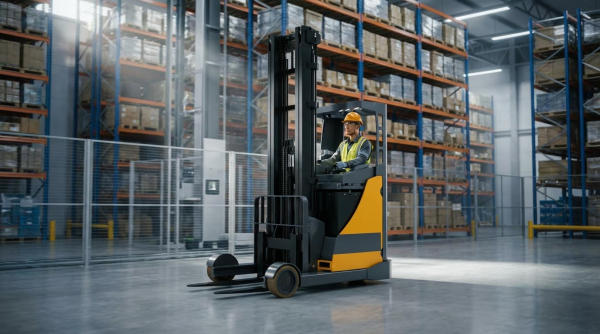
Pre-use inspection and functional testing created the first safety barrier against cherry picker failures. Engineers and supervisors relied on structured walkaround checks, ground condition verification, and control tests to detect defects before loading personnel. Consistent documentation and escalation processes supported regulatory compliance and reduced unplanned downtime. This section focused on what a competent operator needed to verify at the start of every shift.
Structural, Hydraulic, And Electrical Walkaround Checks
The operator started with a 360-degree walkaround, looking for structural damage to chassis, mast, boom, basket, and welds. Cracks, corrosion, bent guardrails, or deformed anchor points indicated removal from service until a competent person assessed the unit. Hydraulic checks included inspecting cylinders, hoses, fittings, and manifold blocks for leaks, abrasion, blistering, or kinks, and confirming that all connections remained tight. The operator also verified that hydraulic oil levels stayed within the manufacturer’s sight gauge range and that no oil contamination appeared. Electrical inspections covered cables, connectors, limit switches, and emergency stop devices for damage, exposed conductors, or loose mounting. All lights, alarms, and interlocks needed to operate correctly, because these systems supported safe maneuvering and fault indication. Any missing labels, unreadable load charts, or unmarked controls required correction before operation to maintain compliance and operator clarity.
Ground Stability, Tires, And Outrigger Verification
Before elevating, the operator evaluated ground conditions for bearing capacity, levelness, and slip risk. Concrete slabs, warehouse floors, and loading docks needed to support the machine’s gross weight plus rated load without excessive settlement. The operator inspected tires for cuts, embedded debris, low pressure, or flat spots, and checked wheels for cracked rims or loose fasteners. Solid tires still required checks for chunking and separation, which could destabilize the platform during travel. Where outriggers or stabilizers were fitted, the operator deployed them fully according to the manufacturer’s procedure and confirmed all indicator lights or mechanical locks engaged. Outriggers had to rest on firm, level support, using spreader pads if the surface strength was uncertain. If the floor showed signs of voids, trenching, or covers over pits, the operator either relocated or obtained an engineering assessment before use.
Control Function Tests: Ground And Platform Stations
Functional tests occurred after the visual inspection confirmed no obvious defects. The operator first used the ground controls to verify power-up sequence, emergency stop reset, and basic lift and lower motions. He or she checked that emergency lowering systems operated smoothly, because these functions became critical during power loss events. From the platform station, the operator tested drive, steer, lift, lower, and slew (if applicable) across low speed ranges, confirming proportional control response and absence of jerks. Limit switches for travel, lift height, and tilt had to stop motion at prescribed positions without override. Audible alarms, flashing beacons, and interlocks such as tilt or overload cut-outs needed to trigger correctly when simulated. The operator documented any abnormal noise, vibration, or lag in hydraulic or electric response and removed the machine from service if safety devices did not function as designed.
Checklists, Documentation, And Defect Escalation
Structured checklists supported consistent inspections and reduced reliance on memory. Operators completed a standardized daily pre-use form that covered structural, hydraulic, electrical, control, and ground condition items, signing and dating each entry. Supervisors filed these records to demonstrate compliance with occupational safety regulations and manufacturer recommendations. When an operator identified a defect, he or she tagged the machine out of service, recorded the issue in the log, and notified maintenance or a competent technician. Lockout/Tagout procedures applied if the defect related to electrical, hydraulic, or mechanical energy sources, preventing inadvertent startup during repair. Maintenance personnel then diagnosed the fault, performed corrective actions, and signed off the return-to-service section of the documentation. Tracking recurring defects enabled engineering teams to identify systemic problems, adjust maintenance intervals, or update operating procedures to improve reliability and safety.
Driving, Positioning, And Work Practices
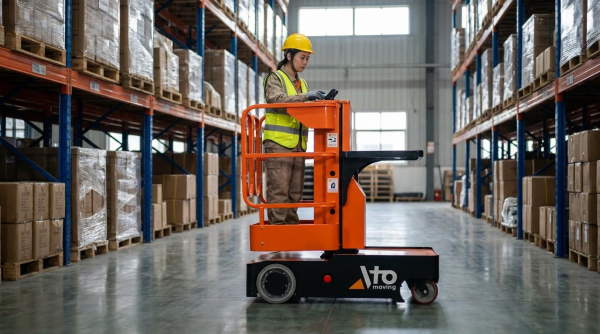
Driving practices for warehouse cherry pickers required strict control of speed, smooth inputs, and continuous situational awareness. Operators followed manufacturer instructions for start-up, travel, and elevation sequences to reduce mechanical stress and human error. Effective positioning minimized reach, avoided overhead hazards, and maintained a safe buffer from racking, structures, and pedestrians. Integrated work practices combined communication, emergency readiness, and disciplined tool handling to keep operations both productive and compliant.
Start-Up, Mode Selection, And Speed Control
Operators began start-up with a 360° area check, confirming clear surroundings and stable ground. They followed the manufacturer’s sequence: power on, indicator light verification, control test, and emergency stop confirmation. Mode selection included choosing travel versus elevation modes and, where fitted, indoor versus outdoor or “creep” modes for fine positioning. Operators limited speed, especially near people, structures, or in confined aisles, and avoided abrupt acceleration, braking, or steering inputs. They matched travel speed to floor conditions, load height, and visibility, using the lowest practicable speed when elevated. The machine remained unattended only when fully lowered, powered down, and parked in a designated, stable storage area with keys removed.
Steering, Maneuvering, And Visibility Management
Cherry picker steering characteristics depended on wheelbase, rear-steer geometry, and articulation, so operators practiced in open areas before entering live traffic zones. They maintained slow, deliberate steering near racking, columns, and pedestrians to prevent struck-by or crushed-by incidents. Travel occurred with the platform at the lowest safe height that preserved visibility and clearance. When visibility reduced, operators used a spotter, mirrors, and, where available, cameras and alarms to maintain awareness of blind spots. They avoided tight turns on slopes or near dock edges and maintained safe separation distances from other mobile equipment. All maneuvers respected marked pedestrian routes, one-way systems, and defined danger zones around the machine.
Platform Positioning, Reach Limits, And Tool Handling
Operators positioned the platform directly below or beside the work area to minimize horizontal reach and body overextension. They stayed firmly on the basket floor and did not stand on boxes, planks, or other improvised supports to gain extra height. Movement of the boom or mast occurred slowly, with checks for overhead beams, sprinkler lines, and power cables before each motion. Operators respected manufacturer reach and load limits, accounting for workers, tools, and materials, and never used the machine to push or brace against structures. Tools and small parts were secured using tool lanyards, bins, or trays to prevent dropped objects. Housekeeping inside the basket remained strict; loose tools, packaging, or debris were removed to avoid trip hazards and interference with controls.
Communication With Spotters And Emergency Procedures
Operators and spotters agreed on standard hand signals or radio call phrases before starting work, including stop, raise, lower, and emergency commands. The spotter stayed outside the machine’s crush zones and monitored overhead and ground-level hazards, including other vehicles and pedestrians. Clear communication protocols supported controlled movement through congested areas and during close-approach tasks near racking or structures. Emergency procedures included practicing manual lowering for power loss, response steps for electrocution risk, and evacuation routes from the work area. Operators knew how to use ground controls to lower an incapacitated worker safely and how to raise alarms using site-specific systems. Regular drills and quizzes reinforced these procedures, ensuring that both operators and ground personnel reacted quickly and consistently during incidents.
Summary Of Best Practices And Lifecycle Considerations
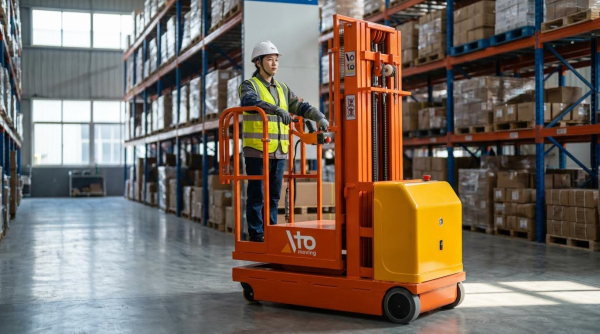
Safe warehouse cherry picker operation depended on a closed-loop system of training, inspection, and disciplined work practices. Competent operators received formal instruction on regulations, manufacturer guidance, daily checks, and emergency procedures, then demonstrated proficiency through assessments or quizzes. Daily pre-use inspections, including structural, hydraulic, and electrical checks plus full control function tests, identified defects before they created incidents. Operators documented findings, tagged out unsafe units, and triggered maintenance workflows under a defined lockout/tagout (LOTO) procedure.
Throughout the service life, organizations integrated OEM maintenance schedules with internal preventive maintenance programs. This included periodic professional inspections of hydraulic, mechanical, and electrical systems, along with battery care, fluid management, and systematic replacement of wear components. Cleanliness, corrosion control, and correct storage on stable ground extended component life and preserved safety margins. Lifecycle cost planning considered downtime risk, parts availability, and obsolescence, supporting timely refurbishment or replacement decisions.
From an industry perspective, cherry picker safety management continued to shift from reactive repair toward predictive and condition-based approaches. Checklists, digital logs, and telematics data supported trend analysis of recurring defects such as hydraulic leaks, worn tires, or faulty limit switches. Future systems were expected to integrate more interlocks, anti-entrapment features, and automated diagnostics, reducing dependence on operator judgment alone while still requiring strong competency. Implementing these technologies required careful change management, updated procedures, and refresher training.
A balanced approach treated the cherry picker as a critical asset and a high-consequence hazard source. Engineering controls, administrative procedures, and PPE worked together to control compressed air, electrical, fall, and crushing risks. Organizations that standardized inspections, enforced load and reach limits, and maintained clear communication protocols with spotters achieved lower incident rates and longer equipment life. Aligning daily practice with manufacturer instructions and applicable standards provided a robust framework for safe, economical operation over the full lifecycle of the equipment.