Forklift engineering requirements changed significantly between controlled indoor warehouses and unpredictable outdoor yards. Designers and operators needed to account for weather, terrain, and duty cycles when specifying equipment. This article examined core differences in indoor versus outdoor use, engineering selection criteria, and maintenance strategies, including emerging digital technologies for fleet optimization. It concluded with practical guidelines to help warehouse teams balance safety, performance, and lifecycle cost across mixed indoor–outdoor operations.
Core Differences Between Indoor And Outdoor Forklift Use
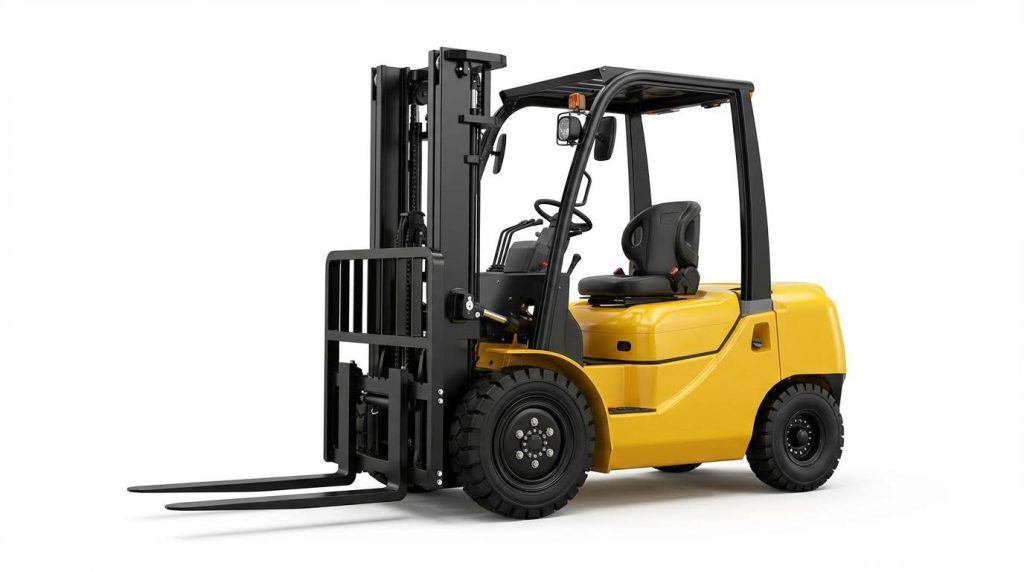
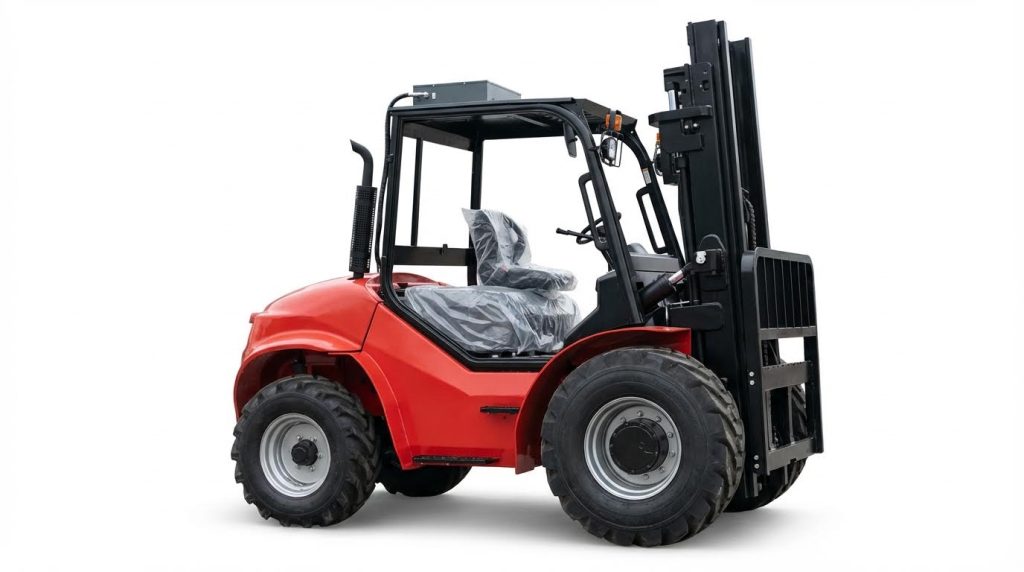
Indoor and outdoor forklift applications differed significantly in load profiles, travel distances, and exposure conditions. Warehouses and manufacturing plants typically used forklifts for short, repetitive cycles on smooth floors, moving palletized goods between racking, staging, and docks. Outdoor operations at construction sites, ports, and container yards handled heavier, often unpalletized loads, with longer travel distances and higher peak loads on structures and drivetrains. Engineering teams needed to size components, select powertrains, and define maintenance regimes based on these distinct use patterns rather than a generic “forklift” label.
Typical Applications And Duty Cycles
Indoor forklifts usually operated in controlled environments with predictable routes, fixed racking, and defined traffic rules. Duty cycles featured frequent starts and stops, moderate lift heights, and limited grades, which suited electric trucks with tight turning radii. Outdoor forklifts worked on variable terrain, including gravel, asphalt, and compacted soil, often with ramps, dock approaches, and uneven yards. These trucks experienced higher shock loads, longer idle periods with engine running, and more variable loading, which accelerated fatigue in chassis and mast structures. Engineering specifications therefore considered average and peak duty cycles, including hours per shift, typical load mass in kilograms, and maximum lift heights, to avoid oversizing or premature failures.
Environmental Loads: Weather, Dust, And Corrosion
Indoor operations exposed forklifts to relatively stable temperatures and low humidity, with limited airborne contaminants beyond warehouse dust. Outdoor fleets operated under rain, snow, hail, and solar radiation, which increased thermal cycling and moisture ingress into electrical enclosures and bearings. Dust, mud, and road salts adhered to chassis and undercarriages, promoting corrosion and degrading heat transfer surfaces on radiators and motors. Engineers addressed these loads by specifying higher IP-rated enclosures, sealed connectors, corrosion-protected coatings, and appropriate coolants and antifreeze for expected ambient ranges. Maintenance plans included seasonal checks of coolant concentration, inspection of rubber seals, and periodic washing to remove corrosive deposits and restore airflow through cooling packages.
Terrain, Stability Margins, And Tip-Over Risk
Indoor floors were usually flat, with high friction concrete and minimal surface defects, which simplified stability analysis. Outdoor yards introduced slopes, potholes, soft spots, and transitions between surfaces, which shifted the combined center of gravity of truck and load. Operators needed training in speed control, braking, and steering on slopes to maintain stability margins and prevent lateral or longitudinal tip-over. Engineering design accounted for higher lateral accelerations, dynamic load shifts, and reduced friction coefficients on wet or loose surfaces. Tire selection, track width, and mast tilt limits all influenced stability; pneumatic or solid pneumatic tires with deeper tread improved grip on dirt and gravel but changed ride height and rollover thresholds. Risk assessments therefore differentiated indoor and outdoor routes, specifying reduced speeds and stricter grade limits outdoors.
Lifecycle, Downtime, And Total Cost Of Ownership
Outdoor forklifts historically exhibited shorter service life than indoor units due to harsher mechanical and environmental loads. Components such as tires, bushings, pins, and hydraulic hoses wore faster under shock, contamination, and UV exposure. This increased unplanned downtime and required more frequent scheduled servicing, including tire pressure checks, oil and coolant inspections, and corrosion repair. Indoor fleets typically achieved longer intervals between overhauls and lower parts consumption, but still incurred costs from battery replacement and electronic failures if maintenance lagged. When calculating total cost of ownership, engineers and fleet managers combined acquisition cost, energy or fuel consumption, scheduled maintenance, and expected residual value. Outdoor applications often justified higher initial specification and protective options, such as enclosed cabins and heavy-duty tires, because these reduced lifetime downtime and safety incidents, offsetting the upfront premium.
Engineering Selection Criteria For Indoor Vs. Outdoor Fleets
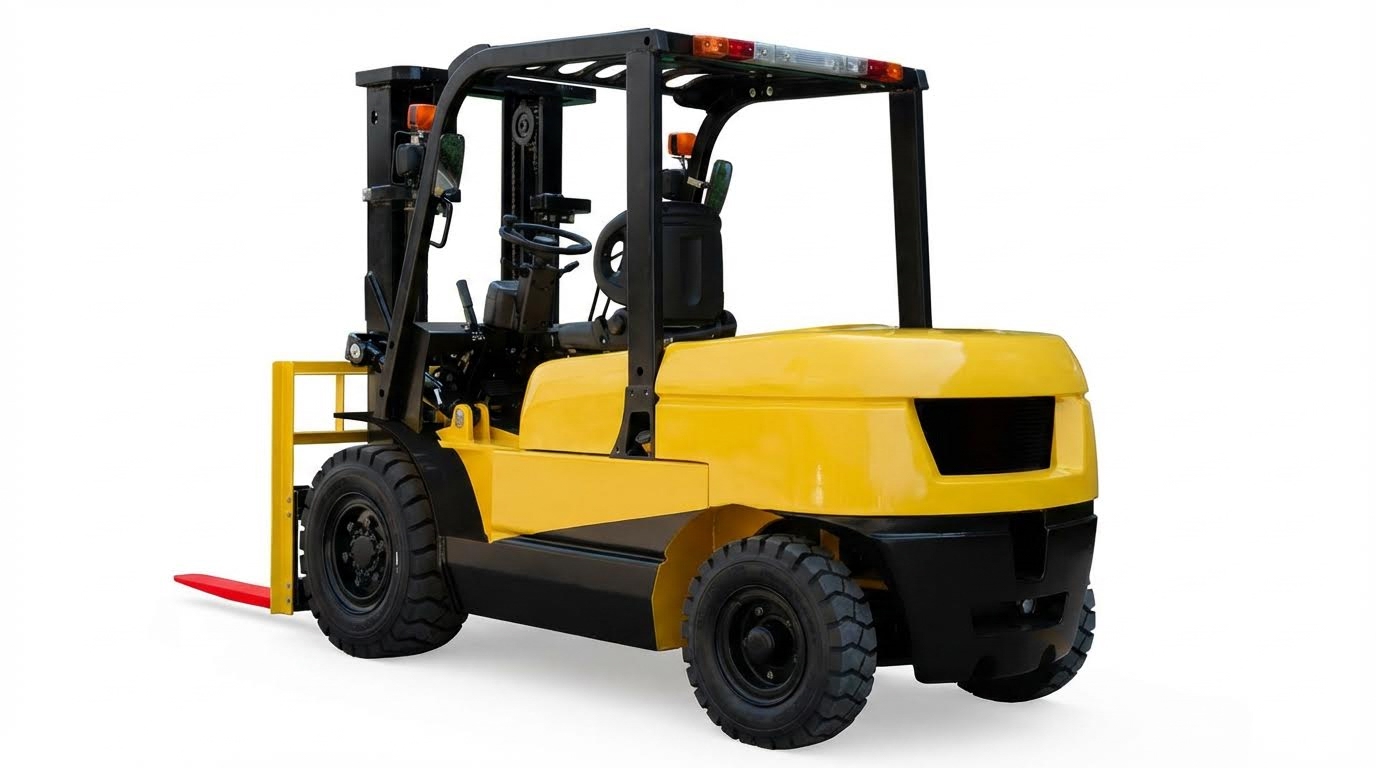
Engineering teams needed a structured framework when specifying forklifts for mixed indoor–outdoor duty. Selection decisions affected safety margins, throughput, lifecycle cost, and regulatory compliance. The criteria below linked environmental conditions and duty cycles to powertrain, tire, cab, and safety technology choices. A consistent engineering approach reduced unplanned downtime and incident rates across the fleet.
Power Source: Electric Vs. ICE For Mixed Use
Indoor warehouses historically favored electric forklifts due to zero local exhaust emissions and lower noise levels. Outdoor yards and construction areas often used internal combustion engine (ICE) trucks because they tolerated rain, temperature extremes, and long continuous shifts with fast refuelling. For mixed use, engineers compared duty cycles, ventilation, and grade profiles against battery capacity and engine torque curves. Electric trucks performed well on paved yards with predictable shift patterns, provided that charging infrastructure and spare batteries existed. ICE trucks remained advantageous where loads were heavy, terrain was uneven, and exposure to water or mud risked electrical faults. Regulatory constraints on emissions and noise inside buildings usually limited ICE operation or required strict zoning and ventilation design.
Tire Technologies For Floor And Yard Conditions
Floor and yard conditions strongly influenced tire selection and therefore safety and operating cost. Cushion tires worked best on smooth, dry indoor concrete, where low rolling resistance improved energy efficiency and maneuverability. Pneumatic or solid pneumatic tires outperformed cushion designs on outdoor gravel, asphalt, or compacted dirt, where deeper tread patterns improved traction and shock absorption. On muddy or soft ground, shallow treads could spin and destabilize the truck, so engineers specified deep-lug pneumatic or solid pneumatic tires with adequate load ratings. Mixed-use sites often selected solid pneumatic or hybrid tires to avoid punctures while maintaining acceptable ride quality. OSHA required pre-shift tire inspections for wear, cuts, and underinflation; engineers therefore integrated easy-access valve positions, standardized inflation pressures, and checklists to maintain compliance and extend tire life.
Cabin, Ergonomics, And Operator Protection
Indoor-only forklifts typically used open cabs with basic weather shielding, prioritizing visibility and tight turning in racking aisles. Outdoor and mixed-duty trucks required more robust operator protection against rain, dust, low temperatures, and solar load. Heated enclosed cabins, wipers, demisters, and high-visibility glazing improved safety during snow, hail, or heavy rain. In hot climates, solar control glazing, fans, or air conditioning reduced heat stress and related incidents. Engineers evaluated seat suspension, control placement, and vibration levels because rough outdoor surfaces increased whole-body vibration exposure. Protective clothing requirements, such as gloves and insulated jackets, influenced control sizing and feedback. Cab structures also needed to integrate ROPS/FOPS where falling objects or roll-over risks existed, without compromising sightlines in congested warehouse zones.
Safety Systems, Telematics, And OSHA Compliance
Safety system requirements differed between controlled indoor aisles and unpredictable outdoor yards. Indoors, engineers focused on speed limiting, proximity warning, and visual alerts to protect pedestrians in high-traffic rack areas. Outdoors, systems had to cope with obstructed sightlines, variable grip, slopes, and obstacles such as rocks, branches, or stray materials. Standard features included seat belts, horns, lights, back-up alarms, and mast tilt indicators; advanced options added cameras, radar or ultrasonic sensors, and stability control. Telematics platforms tracked speed, impacts, pre-shift inspections, and utilization, enabling data-driven enforcement of OSHA-compliant practices. Integration with access control ensured only trained and certified operators could start trucks, and periodic refresher training addressed outdoor-specific hazards like changing gradients and weather. Engineers specified checklists and electronic logging that aligned with OSHA requirements for daily inspections of tires, brakes, hydraulics, and safety devices, improving audit readiness and reducing incident probability.
Maintenance, Reliability, And Emerging Technologies
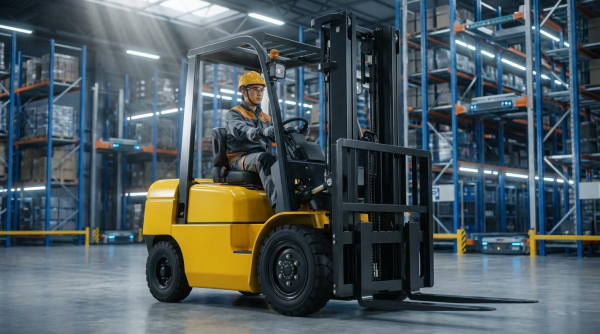
Maintenance strategies for warehouse forklifts differed markedly between indoor and outdoor fleets. Outdoor units experienced higher mechanical and environmental loads, so engineers specified shorter service intervals, more robust components, and tighter monitoring of wear items. Indoor fleets operated in cleaner, more controlled environments, but high utilization and tight aisle layouts still demanded disciplined maintenance to avoid unplanned downtime and safety incidents.
Preventive And Predictive Maintenance Programs
Preventive maintenance programs scheduled tasks by calendar time, engine hours, or traction hours. Typical activities included inspections of brakes, steering linkages, mast chains, forks, hydraulics, cooling systems, and electrical connections. Outdoor forklifts required additional checks of tire integrity, corrosion-prone structures, and cooling capacity because dust, mud, and temperature swings accelerated degradation. Predictive maintenance built on this by using telematics and sensor data to estimate remaining useful life of components, such as tires or hydraulic pumps, based on vibration, temperature, and duty cycle profiles. Mixed indoor–outdoor fleets benefited from condition-based oil changes and targeted component replacement, which reduced downtime and avoided premature overhauls while maintaining regulatory compliance.
Daily Inspections: Tires, Fluids, And Critical Systems
Daily pre-shift inspections were mandatory under OSHA regulations for powered industrial trucks. Operators checked tire condition, tread depth, cuts, and inflation, with particular focus on pneumatic tires used outdoors on gravel, asphalt, or uneven yards. They verified fluid levels for engine oil, hydraulic oil, brake fluid, coolant, and, for electric trucks, electrolyte levels where applicable. Inspectors also tested brakes, steering, horn, lights, alarms, and safety interlocks before placing the truck into service. Outdoor operations added checks for mud buildup in wheel arches, damage from rocks or debris, and contamination of mast rails or chains. Documented inspection findings fed maintenance systems, allowing planners to schedule repairs before defects evolved into failures or incidents.
Cleaning, Contamination Control, And Corrosion
Cleaning practices played a direct role in forklift reliability and safety. Outdoor forklifts accumulated mud, dust, and road salt on chassis members, masts, and undercarriages, which promoted corrosion and reduced tire grip. Regular washing removed abrasive particles that could enter bearings, hydraulic cylinders, or chain links and accelerate wear. Engineers specified corrosion-resistant coatings, sealed connectors, and appropriate ingress protection ratings for electrical components in humid or dirty environments. Indoors, contamination control focused on fine dust, packaging debris, and oil films on warehouse floors, which affected traction and braking distance. Structured cleaning schedules, combined with spill control and floor maintenance, preserved both component life and predictable handling characteristics across the fleet.
Digital Twins, Data Analytics, And Fleet Optimization
Telematics and data analytics transformed forklift maintenance from reactive to data-driven. Sensors captured utilization, travel distances, lift counts, impact events, and environmental parameters for each truck. Engineers used these data to build digital representations of fleet usage patterns, sometimes called digital twins at the system level, to simulate wear, energy consumption, and capacity constraints. Analytics identified underutilized assets, high-impact zones, and operators or shifts with elevated incident rates. For mixed indoor–outdoor fleets, algorithms compared failure modes between environments and refined service intervals, tire choices, and training priorities. Integration with warehouse order picker management and fleet management systems enabled load balancing, right-sizing of fleets, and timely retirement or redeployment of units, improving total cost of ownership and uptime.
Summary And Practical Guidelines For Warehouse Teams
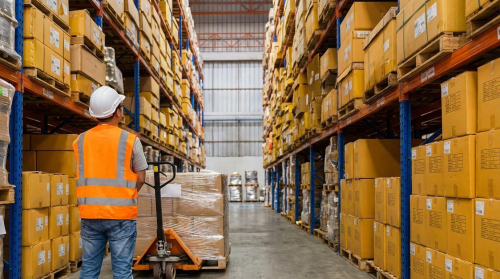
Warehouse teams needed a structured approach when deploying forklifts across indoor and outdoor areas. Engineering decisions around powertrain, tires, stability margins, and protection systems directly affected safety, lifecycle cost, and productivity. Environmental factors such as weather, dust, surface roughness, and corrosion loads drove different specifications and maintenance regimes for indoor versus outdoor fleets. Effective programs integrated equipment selection, operator training, inspections, and data-driven fleet management into a single safety-first framework.
From a technical standpoint, indoor operations favored electric forklifts with cushion or non-marking tires, optimized for smooth concrete, tight aisles, and controlled climates. Outdoor and mixed-use operations required robust chassis, pneumatic or solid pneumatic tires, higher ground clearance, and cabins or weather protection for heat, cold, rain, and snow. Teams reduced tip-over risk by matching capacity to worst-case gradients, enforcing speed limits, and training operators for uneven terrain and changing traction. Lifecycle and total cost of ownership depended on correct tire choice, scheduled servicing of brakes, hydraulics, and cooling systems, and rigorous pre-shift inspections aligned with OSHA requirements.
In practice, managers should segment their sites into clearly defined indoor, yard, and transition zones, then specify forklifts, tires, and attachments for each zone rather than relying on a single generic truck type. Standardized checklists for daily inspections, cleaning, and contamination control limited unplanned downtime, especially outdoors where dirt and moisture accelerated wear. Telematics, sensors, and fleet analytics supported predictive maintenance, speed and impact monitoring, and utilization optimization, while digital tools helped right-size fleets and reduce congestion. Looking ahead, tighter safety regulations, higher energy costs, and broader automation would push warehouses toward more electric fleets, advanced driver-assistance features, and data-centric maintenance, but the fundamentals would remain: correct engineering specification, disciplined maintenance, and a strong safety culture.