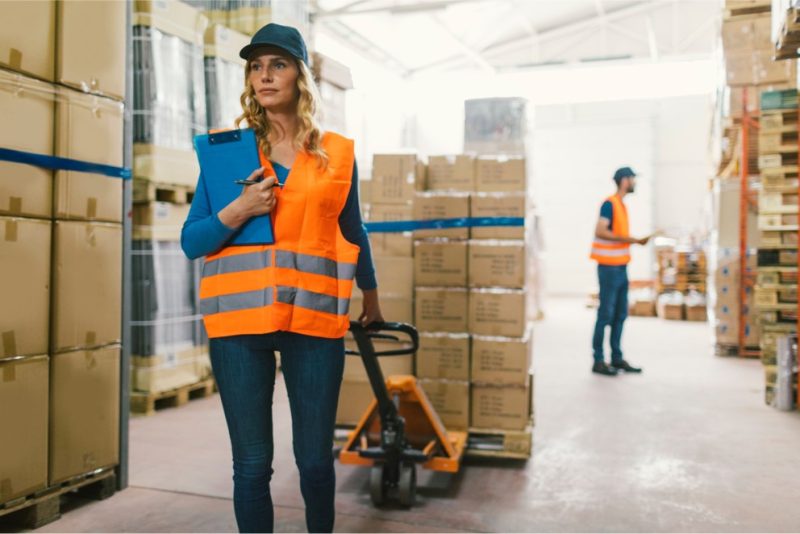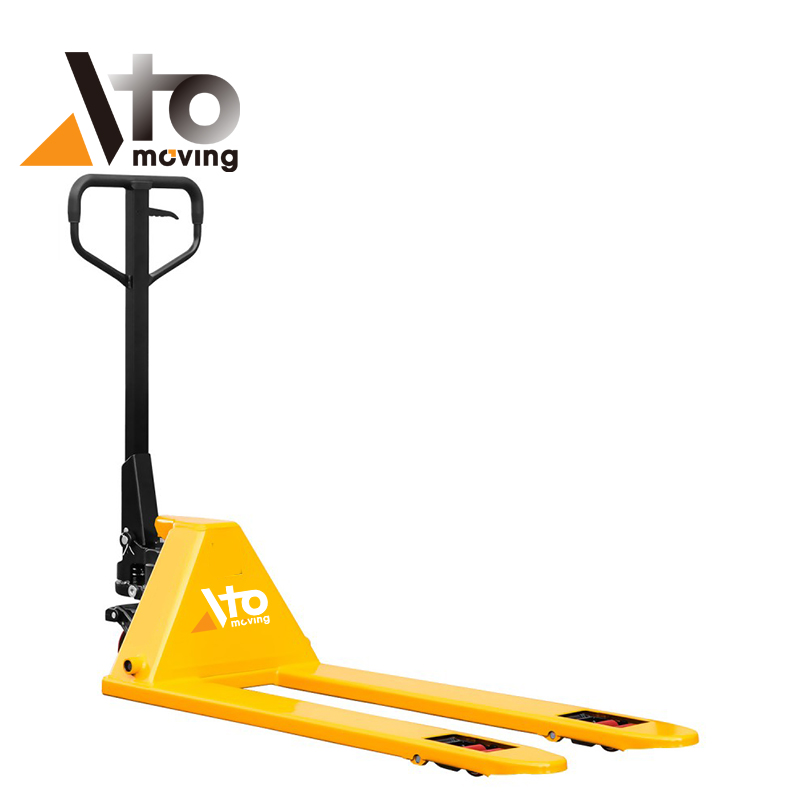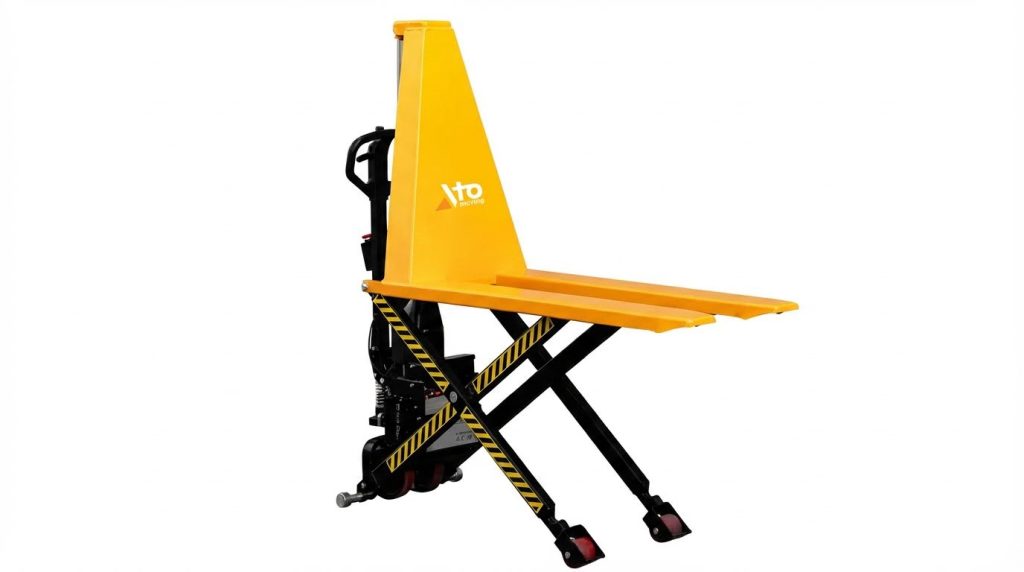
Pallet lifting safety relied on a combination of sound engineering controls, disciplined operation, and structured maintenance. This article examined how risk assessment and equipment design shaped safe pallet handling systems, from racks and docks to travel paths and robotic palletizers. It then addressed operator training, inspection routines, and ergonomic techniques for stackers, forklifts, and manual pallet trucks. Finally, it explored maintenance strategies, monitoring technologies, and practical implementation guidelines that reduced failures, injuries, and lifecycle costs in pallet-handling operations.
Engineering Controls For Safe Pallet Lifting
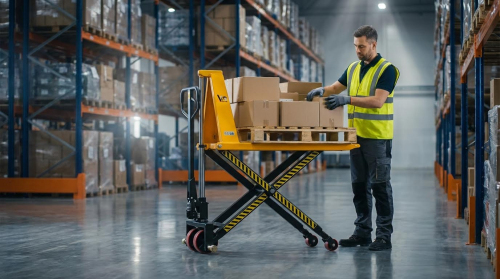
Engineering controls shaped pallet lifting safety by addressing hazards at the source. Designers structured racks, docks, and equipment to keep loads stable and operators separated from high-risk zones. Modern facilities integrated ergonomic and NIOSH-based criteria to reduce musculoskeletal disorders while maintaining throughput. The following subsections described how to translate risk assessments into concrete design and equipment choices.
Risk Assessment For Pallet Lifting Operations
Risk assessment for pallet lifting operations started with a task-level analysis of each handling step. Engineers mapped load paths from receiving to storage, picking, and shipping, identifying manual lifts, push–pull forces, and stacking heights. They evaluated likelihood and severity of events such as overbalancing, falling loads, collisions, and hydraulic failures, using incident data and MSD statistics. Quantitative tools such as the NIOSH Lift Equation and Composite Lifting Index supported decisions on acceptable case weights and lift frequencies. The assessment also considered environmental factors including floor conditions, lighting, temperature extremes, and congestion from pedestrian traffic or cross-aisles. Output from the assessment fed directly into equipment selection, rack layout, and administrative controls like job rotation and maximum load specifications.
Design Of Pallet Racks, Docks, And Travel Paths
Safe rack design relied on verified load ratings, impact-resistant uprights, and appropriate beam spacing for the pallet type. Engineers placed heavier loads on lower levels and limited stack heights to shoulder or eye level where manual case handling occurred. Dock areas required level, non-slip surfaces, secured dockboards with handholds, and visual edge warnings to prevent run-off incidents. Travel paths for pallet trucks and forklifts used sufficient aisle widths, controlled gradients, and clear separation from pedestrian walkways with barriers or marked zones. Designers minimized tight turns and blind intersections, adding mirrors and designated horn-use points at cross aisles. Regular structural inspection criteria for racking and dock equipment formed part of the design documentation, ensuring damage detection before collapse or instability occurred.
Selecting Trucks, Stackers, Hoists, And Cobots
Equipment selection followed the principle of minimizing manual handling while matching capacity and duty cycle to the application. Manual pallet trucks remained suitable for short horizontal moves with moderate loads on good floors, provided ergonomic handle heights and low rolling resistance. Electric pallet stackers and forklifts handled vertical lifting and higher throughputs, with rated capacities that always exceeded the heaviest expected pallet plus attachment mass. Hoists and overhead handling systems supported loads where floor space was constrained or where precise placement reduced operator effort. Semi-automated and robotic palletizing cells, including collaborative robots, reduced repetitive lifting and awkward postures while still requiring engineered safeguards and defined human–robot interaction zones. Selection decisions considered battery technology, braking systems, visibility, and integration with existing racks and docks, as well as regulatory requirements for operator licensing.
Applying NIOSH And Ergonomic Design Criteria
Engineers used NIOSH and ergonomic criteria to convert generic safety goals into measurable design limits. For manual case handling, they targeted individual package masses near or below 16 kg and applied the NIOSH Lift Equation to check vertical, horizontal, and asymmetry multipliers. Layouts raised pallets on stands or lift tables to keep frequent lifts between mid-thigh and elbow height, reducing trunk flexion and static postures. They limited reach distances, provided access to multiple pallet sides, and capped stacking heights around shoulder level to avoid overhead work. For walking and pushing tasks, designers specified smooth floors, low rolling-resistance wheels, and gradients that kept push–pull forces within ergonomic guidelines. Where full compliance with ideal criteria was impossible, teams introduced mechanical aids, job rotation, anti-fatigue mats, and administrative limits on exposure duration to keep the overall ergonomic risk index within acceptable ranges.
Safe Operation Of Stackers, Forklifts, And Manual Trucks
Operator Training, Certification, And Procedures
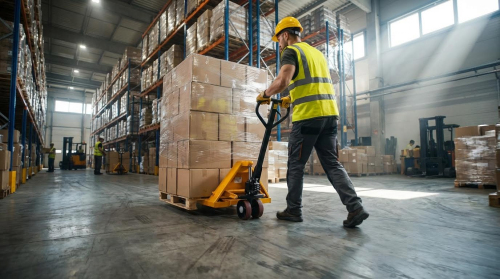
Operators needed formal training before using powered industrial trucks or electric stackers. In jurisdictions following OSHA, only trained and evaluated operators could drive forklifts, and no worker under 18 could operate them. Training covered equipment-specific controls, rated capacity, stability limits, and site rules for speed, horns, and right-of-way. Facilities also implemented written procedures for starting, operating, parking, and isolating equipment that showed defects.
Refresher training typically occurred every three years, or sooner after incidents, near misses, or changes in equipment or layout. Programs emphasized recognizing ergonomic limits, especially during manual pallet handling or walkie-stacker use. Operators learned to avoid unsafe practices such as riding on forks, bypassing interlocks, or pushing loads with raised forks. Documented assessments and sign-offs demonstrated competence and supported regulatory compliance.
Pre-Use Inspection And Functional Safety Checks
Pre-use inspections reduced the probability of mechanical failure during operation. For electric pallet stackers, operators checked visible damage, wheel condition, hydraulic oil levels, battery charge, and secure battery fastening. They verified horn, emergency stop, lift and lower functions, and travel controls before moving a load. Surrounding areas required checks for uneven floors, spills, and pedestrian traffic.
Maintenance guidance typically assumed 8 hours of operation per day, about 200 hours per month, and defined daily, weekly, monthly, and quarterly tasks. Daily checks included hydraulic oil volume matched to lift height, battery indicators, and leaks. Weekly inspections at roughly 50 hours included brake function, tiller operation, and cleaning dust or oil from steering gear. Any defect such as abnormal noise, vibration, or weak braking required immediate tagging out and reporting through a defined system.
Load Ratings, Stability, And Handling Techniques
Safe load handling depended on respecting equipment nameplate capacity and load center distance. Operators assessed load mass, center of gravity, and pallet integrity before lifting. They ensured forks were fully inserted, spaced correctly, and positioned so the load sat centered and stable. Exceeding rated capacity or lifting with an off-center load increased tipping and structural stress on masts and forks.
During travel, operators kept loads as low as practicable, typically just clear of the floor, to maintain a low center of gravity. They avoided sudden acceleration, sharp turns, or braking with raised loads, especially on slopes or dockboards. Manual handling guidelines recommended limiting individual case weights to about 16 kg to 20 kg and keeping lifts between knee and shoulder height. Engineering controls such as hoists, powered pallet trucks, and semi-automated palletizers reduced manual lifting frequency and cumulative musculoskeletal load.
PPE, Workplace Layout, And Pedestrian Safety
Personal protective equipment complemented, but did not replace, engineering and administrative controls. Typical PPE for pallet lifting areas included safety footwear with reinforced toes, high-visibility clothing, and, where required, hard hats, gloves, and eye protection. Charging areas for electric trucks or stackers required additional PPE, ventilation, and fire safety provisions due to battery hazards. Facilities handling chemicals or cryogenic freezing systems implemented chemical-resistant PPE and oxygen monitoring where applicable.
Workplace layout strongly influenced incident rates. Clear, well-marked travel paths, dry floors, and adequate lighting reduced collision and slip risks. Designers placed pedestrian walkways away from main truck routes and used guardrails, mirrors, and visual warnings near dock edges and blind corners. Employers maintained racking, dockboards, and floor conditions to prevent collapses and overrun at edges. Combined with strict right-of-way rules and horn use at intersections, these measures created a layered defense for pedestrians and operators.
Maintenance, Monitoring, And Lifecycle Management
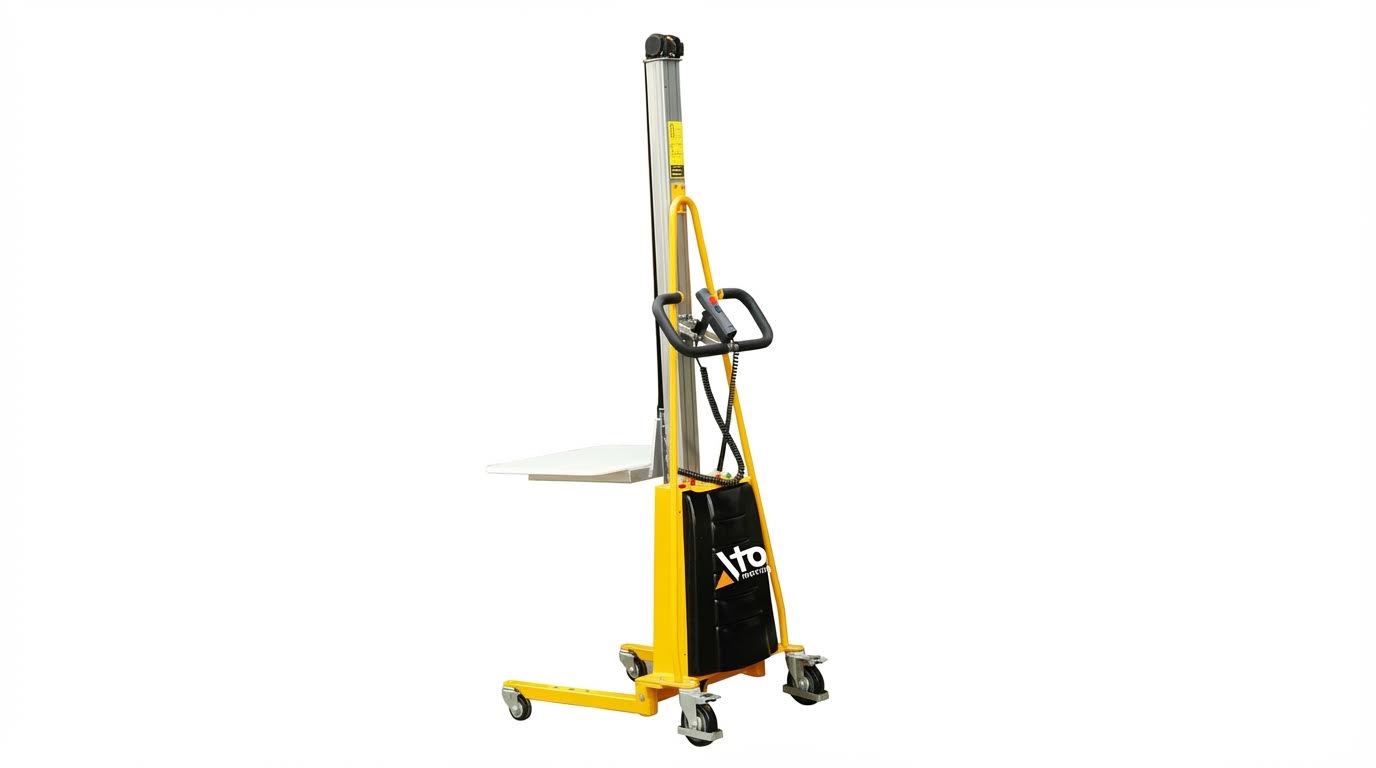
Maintenance, monitoring, and lifecycle management determined the long-term safety, availability, and cost of pallet lifting equipment. Engineering teams structured these activities around risk, duty cycle, and regulatory obligations. Effective programs integrated preventive maintenance, condition monitoring, and clear fault reporting workflows. Digital tools increasingly supported data-driven decisions on repairs, replacements, and upgrades.
Preventive Maintenance For Stackers And Trucks
Preventive maintenance for electric stackers and manual trucks relied on structured intervals tied to operating hours. A typical schedule assumed 8 hours of operation per day, or about 200 hours per month. Daily tasks included visual damage checks, hydraulic oil level verification, battery charge checks, and cleaning high-contamination areas. Weekly activities at roughly 50 operating hours included verifying brake function, cleaning steering gear, and confirming brake clearance between 0.2 mm and 0.8 mm.
Monthly maintenance at about 200 hours covered horn function, tiller operation, chassis integrity, fork and linkage condition, hydraulic hose leaks, and electrical components. Quarterly tasks at roughly 600 hours repeated monthly checks and added inspection of contactors, carbon brushes, and commutators, including polishing or replacement of worn parts. For manual pallet trucks, engineers emphasized lubrication of wheels and joints, inspection of forks and handles for cracks, and hydraulic system checks. Facilities with high usage or harsh environments reduced these intervals and used maintenance logs to track task completion and findings.
Battery, Hydraulic, And Brake System Care
Battery care for electric stackers focused on charge management and electrolyte control. Operators checked charge levels daily and followed manufacturer instructions on charging frequency and duration to avoid deep discharge or chronic partial charging. Maintenance staff inspected electrolyte levels, topped up with purified water, and verified specific gravity after full charge, for example around 10.67 lb/gal for typical lead-acid batteries. They also controlled ambient temperature, because extreme heat or cold accelerated degradation and reduced capacity.
Hydraulic systems required correct oil grade and volume, matched to lifting height. For example, recommended quantities were 5 L at 2.5 m, 5.5 L at 3.0 m, 5.7 L at 3.3 m, and 6 L at 3.5 m. Technicians inspected cylinders, hoses, and fittings for leaks and monitored lifting performance for signs of internal bypass. Brake systems on powered stackers needed regular verification of clearance in the 0.2–0.8 mm range, consistent pedal or tiller response, and clean, dry friction surfaces. Documented checks of these three subsystems reduced unplanned downtime and mitigated catastrophic failure modes.
Fault Detection, Reporting, And Troubleshooting
Operators played a frontline role in early fault detection. Training programs taught recognition of abnormal noises, vibrations, sluggish lifting, or changes in steering and braking response. Clear reporting channels, such as tagged defect forms or digital work orders, ensured issues reached maintenance teams quickly. Facilities removed unsafe units from service immediately and logged each defect with date, symptoms, and corrective actions.
Common faults in electric stackers included no-drive conditions caused by blown fuses, faulty power switches, loose battery connections, or failed contactors. Lifting failures often traced to overload, low overflow valve pressure, internal leakage in the lifting cylinder, insufficient hydraulic oil, low battery voltage, damaged pump motors, or defective lifting switches. For manual trucks, difficult maneuvering frequently indicated debris in wheels or insufficient lubrication. Maintenance teams followed structured troubleshooting trees, starting with power supply, controls, and safety interlocks, then progressing to hydraulic and mechanical subsystems. Only qualified personnel handled complex electrical or hydraulic repairs to maintain compliance with safety regulations.
Metrics, Digital Twins, And Predictive Maintenance
Engineering groups increasingly used metrics and digital tools to optimize lifecycle management of pallet lifting equipment. Key performance indicators included mean time between failures, maintenance-related downtime, repair cost per operating hour, and defect recurrence rates. Operator feedback and incident reports provided qualitative data on ergonomics and perceived reliability. These metrics supported justification for design changes, equipment replacement, or additional training.
Predictive maintenance approaches combined sensor data, maintenance histories, and operating profiles. Parameters such as motor current, battery voltage trends, lift cycle counts, and brake actuation frequency helped forecast wear. In advanced facilities, digital twin models represented stackers or fleets virtually, allowing simulation of degradation under different loads and duty cycles. These models supported decisions on inspection intervals and component redesign. Even
Summary And Practical Implementation Guidelines
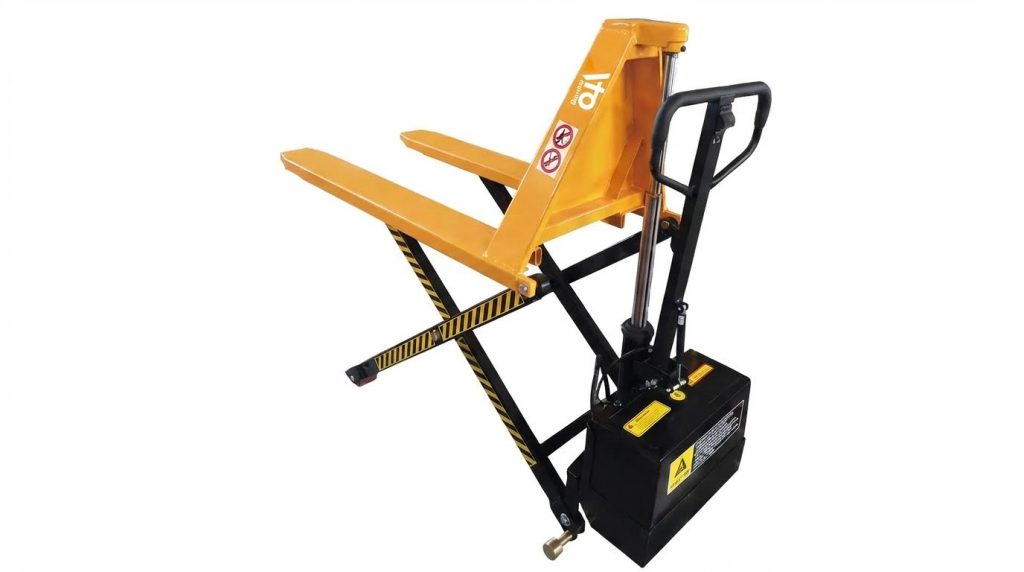
Pallet lifting safety depended on aligned engineering controls, operating discipline, and structured maintenance. Risk assessments and ergonomic design reduced manual handling exposure and guided the selection of stackers, forklifts, hoists, and palletizing automation. Proper rack, dock, and travel-path design supported stable loads, controlled gradients, and clear separation of pedestrians and vehicles. Applying NIOSH lifting criteria and MSD data helped engineers justify automation and semi-automation where manual limits were exceeded.
Safe operation required trained and certified operators, especially for forklifts, with refresher training approximately every three years. Daily pre-use inspections, functional safety checks, and strict adherence to rated capacities limited tip-over and dropped-load risks. Facilities enforced PPE policies, controlled pedestrian access, and maintained clear, well-lit aisles and docks to comply with OSHA and similar regulations. Emergency procedures, including equipment shutdown and evacuation, had to integrate with site-wide emergency action plans.
Lifecycle management combined preventive maintenance, condition monitoring, and structured fault reporting. Time-based maintenance intervals used operating hours, with daily checks, 50-hour, 200-hour, and 600-hour tasks for electric stackers, including hydraulic oil volumes, brake clearances, and battery electrolyte checks. For manual pallet trucks, regular lubrication, wheel inspection, and hydraulic checks preserved maneuverability and lifting performance. Maintenance logs, defect tags, and removal-from-service rules reduced the likelihood of catastrophic failures.
Facilities increasingly adopted digital tools, such as telematics, maintenance metrics, and digital twins, to move from reactive to predictive maintenance. These tools supported decisions on fleet right-sizing, replacement timing, and targeted ergonomic interventions. In practice, organizations implemented a layered approach: eliminate or automate hazardous lifts where possible, engineer safer systems for remaining tasks, enforce robust operating procedures, and continuously monitor performance and incident data. This balanced strategy allowed incremental technology adoption while maintaining regulatory compliance and improving worker health outcomes over time.