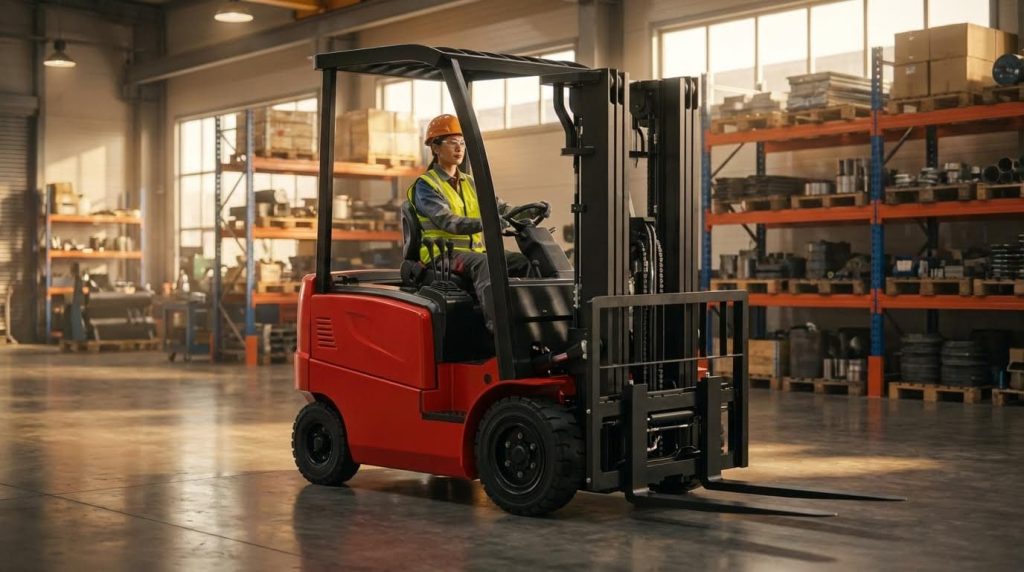
Forklift operational safety in modern plants relied on structured inspections, disciplined driving rules, and robust maintenance programs. The complete framework covered pre-operation OSHA-compliant checks, stable load handling and travel behavior, and tiered maintenance intervals from daily to annual tasks. Plants increasingly integrated telematics, sensors, and fleet management software to monitor condition, operator behavior, and compliance in real time. The article concluded with a consolidated set of best practices and practical implementation steps to embed forklift safety into everyday operations and long-term asset management.
Pre-Operation Inspection And Compliance Checks
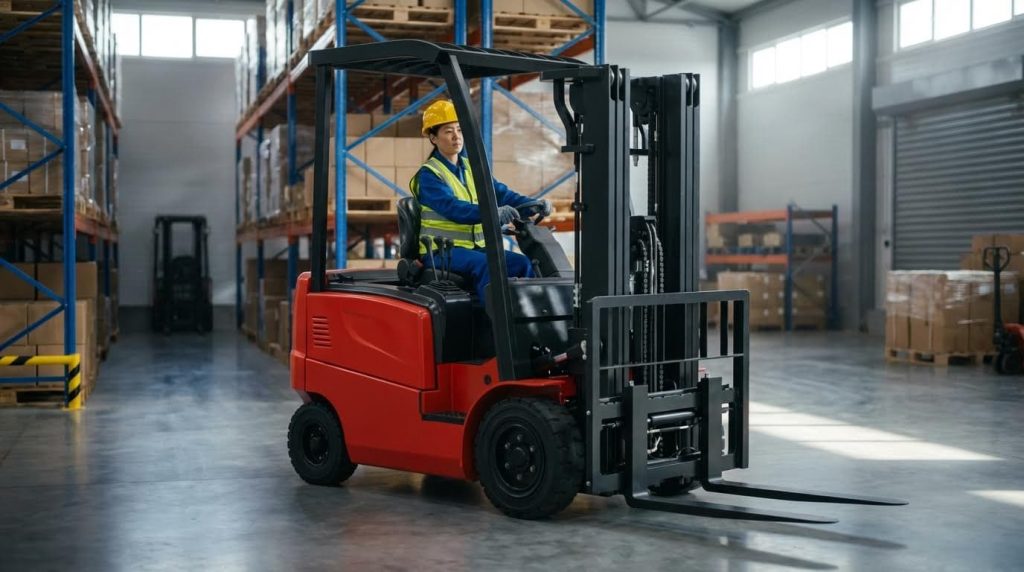
Pre-operation inspection and compliance checks formed the foundation of safe forklift operation in modern plants. These checks ensured legal compliance, reduced unplanned downtime, and prevented mechanical failures before they escalated into incidents.
OSHA Daily Inspection Requirements
OSHA 29 CFR 1910.178 required that powered industrial trucks be examined at least once per day before use. For multi-shift operations, plants performed inspections at the start of each shift. Operators inspected critical systems including brakes, steering, tires, mast, forks, hydraulics, and safety devices before placing the truck in service. The inspection covered both visual and functional checks and followed manufacturer recommendations. Any truck showing conditions that affected safe operation had to be removed from service until repaired by authorized personnel. OSHA also expected documented evidence of these checks to demonstrate compliance during audits or incident investigations.
Detailed Pre-Start And Running Checks
Pre-start checks occurred with the key off and focused on structural and fluid-related conditions. Operators verified fluid levels for engine oil, coolant, hydraulic oil, and brake fluid, and looked for leaks, cracks, or damaged hoses, mast chains, and fittings. They examined tires for cuts, chunking, low pressure, or separation, and inspected forks for heel wear, cracks, bends, and correct retaining pins. They confirmed that safety decals, nameplates, and the operator manual were present and legible, and that the operator compartment was clean and free of debris. For electric trucks, operators checked cables, connectors, battery restraints, electrolyte level, and hood latches, while internal combustion and LP units required engine, fuel system, and tank integrity checks. Running checks followed with the engine on and included testing steering response, service and parking brakes, inching control, drive controls, mast lift and tilt, attachments, horn, lights, and alarms. Any unusual noise, vibration, overheating, or exhaust sparks triggered immediate withdrawal from service.
Documenting Defects And Lockout Criteria
Plants needed clear criteria defining when a defect required immediate lockout rather than deferred repair. Typical lockout triggers included inoperative brakes or steering, non-functioning seat belts or warning devices, hydraulic leaks exceeding one drop per minute, cracked forks or mast components, fuel system leaks, and elevated operating temperatures indicating potential overheating. Supervisors documented each defect on standardized inspection forms or digital checklists linked to the truck ID and hour meter reading. Systems logged defect type, severity, time reported, and responsible technician, creating a traceable maintenance history. Trucks that failed inspection were tagged “Out of Service,” keys removed, and in some facilities physically locked or isolated until repairs were completed and verified. This documentation supported OSHA 1910.178(q) requirements, enabled trend analysis for recurring failures, and fed into preventive maintenance planning and fleet replacement decisions.
Load Handling, Stability, And Travel Rules
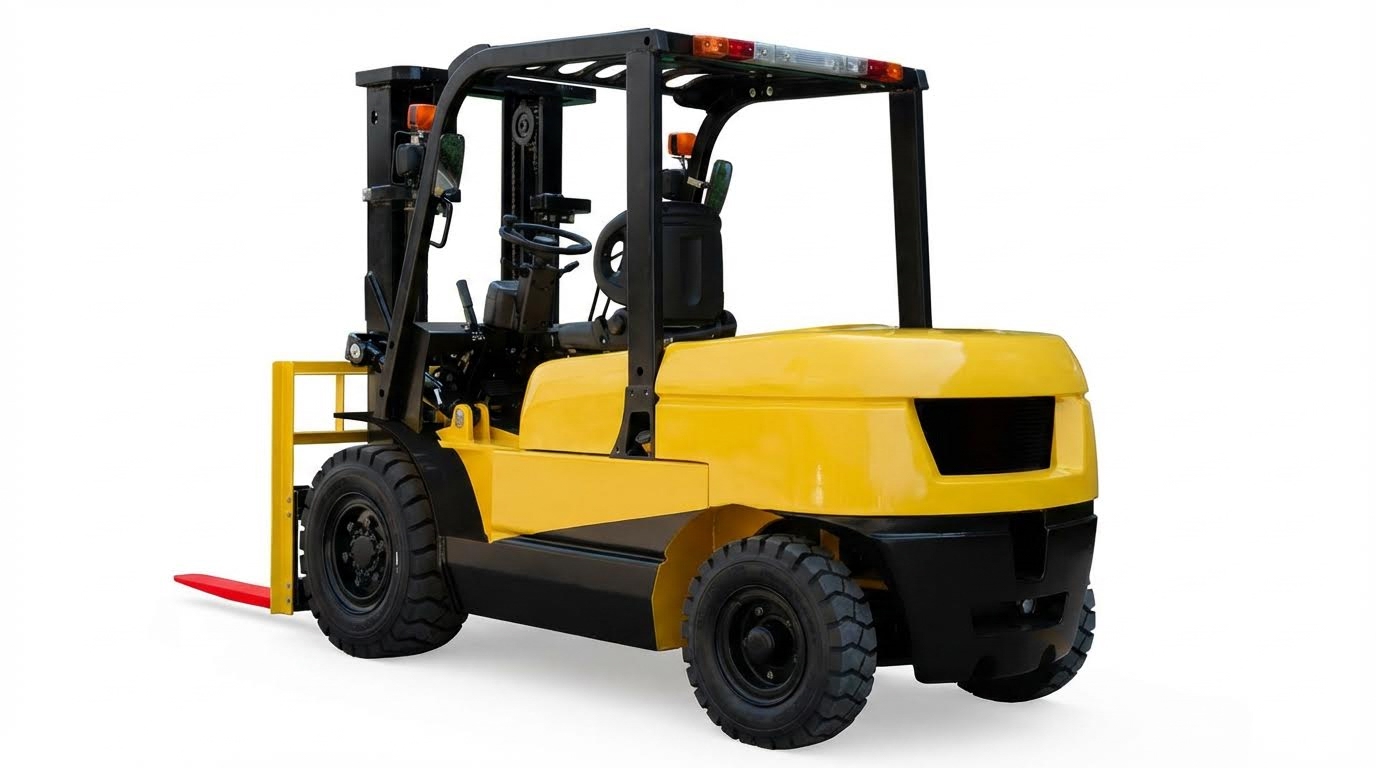
Safe load handling depended on understanding forklift stability limits, correct load positioning, and controlled travel behavior. Modern plants defined standard operating rules for speeds, routes, ramps, and interactions with pedestrians to reduce collision and tip-over risks. Operators followed these rules consistently to keep the combined center of gravity within the stability envelope during lifting, travel, and stacking.
Forklift Stability Triangle And Center Of Gravity
The stability triangle described the basic stability geometry of a counterbalanced forklift. It was defined by the two front drive wheel contact points and the center pivot of the rear steer axle. For the truck to remain upright, the vertical projection of the combined center of gravity (truck plus load) had to stay inside this triangle. As load weight increased or the mast tilted forward, the combined center of gravity shifted toward the front axle and reduced the stability margin. Side slopes, turning, and lateral forces also shifted the center of gravity toward the triangle edges, which increased tip-over risk. Training programs therefore emphasized slow, deliberate movements when lifting, tilting, or turning with elevated loads.
Rated Capacity, Load Positioning, And Mast Tilt
Operators had to verify that the load never exceeded the rated capacity shown on the data plate for the specific mast height and attachment configuration. Exceeding this capacity moved the combined center of gravity outside the stability triangle and could cause a forward tip-over. Forks needed correct spacing, full insertion under the pallet, and centering under the load to avoid unbalanced side moments. Loads were kept low during travel and the mast was tilted slightly backward to seat the load against the carriage, improving longitudinal stability. When stacking, operators approached slowly, raised the load only as high as necessary, leveled the mast, and neutralized tilt after placement to restore a stable center of gravity.
Travel Speeds, Ramps, And Pedestrian Interaction
Travel rules limited speed so that the truck could stop safely within the visible distance and surface conditions. Plants typically set lower speed limits in congested aisles, intersections, and dock areas, and enforced them through supervision and telematics. Operators sounded the horn at blind corners, doorways, and intersections, and maintained at least three truck lengths of following distance from other powered industrial trucks. On ramps and grades, the heavy end of the truck always faced uphill to maintain longitudinal stability. This meant traveling uphill forward and downhill in reverse when loaded, and the opposite when unloaded, while avoiding turns on inclines to prevent lateral tip-over.
Parking, Shutdown, And Fuel System Safety
Correct parking and shutdown procedures reduced unintended movement and fire hazards. At the end of a task, operators fully lowered forks to the floor, neutralized all hydraulic controls, applied the parking brake, and turned the key to the off position. Keys were removed, and wheels were chocked if the truck was parked on a grade or near ramps. Trucks were parked only in designated areas, clear of pedestrian walkways, doors, and emergency exits. Any truck showing fuel leaks, abnormal exhaust flames or sparks, or overheating beyond normal operating temperature had to be removed from service until repaired. These rules aligned with OSHA requirements that unsafe powered industrial trucks not be operated until defects were corrected by authorized personnel.
Maintenance Programs And Enabling Technologies
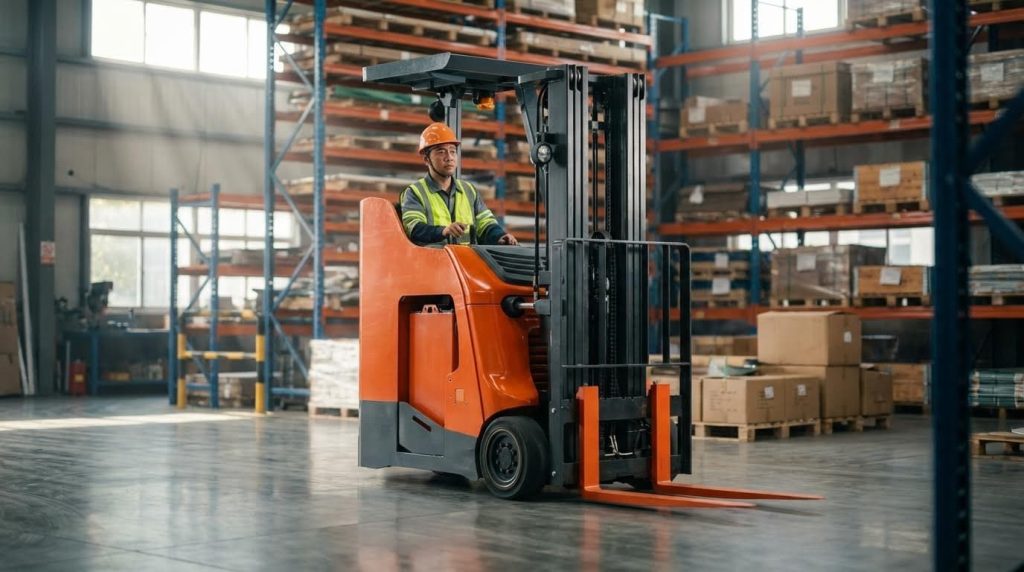
Structured maintenance programs kept forklifts within safe operating limits and minimized unplanned downtime. Modern plants typically defined daily, weekly, monthly, and annual tasks aligned with OEM recommendations and OSHA 1910.178 requirements. A documented schedule, combined with trained personnel and parts availability, reduced both failure rates and lifecycle cost. Digital tools such as telematics and fleet management software increasingly supported compliance tracking and predictive maintenance.
Daily To Annual Maintenance Intervals
Daily checks occurred at the start of each shift and focused on safety-critical items. Operators inspected tires, forks, mast chains, hydraulic hoses, fluid levels, warning devices, and controls, removing any defective truck from service. Weekly activities typically included closer inspection of mast structures, chains, rollers, hydraulic hoses, and engine or motor compartments for wear, leaks, or damage. Monthly tasks expanded to hydraulic fluid condition, filter changes at defined hour intervals, and verification of battery or fuel system performance under load.
Quarterly and annual intervals addressed deeper structural and drivetrain integrity. Plants performed transmission fluid changes, strainer cleaning, and detailed inspections of overhead guards, frames, and mast welds using non-destructive testing where required. Maintenance plans referenced OEM hour-based intervals, for example 250-hour fuel filter changes or 1 000-hour hydraulic oil replacement. High-duty or harsh environments required increasing task frequency, such as more frequent greasing or cooling system cleaning. A master schedule that tied calendar time to operating hours ensured no truck exceeded safe service limits unnoticed.
Tires, Hydraulics, And Powertrain Service
Tire condition directly affected stability, braking distance, and load capacity. Plants monitored cushion tires for chunking, separation, or exposed reinforcement and replaced them when wear reached roughly 50 % of original thickness. Pneumatic tires required pressure checks, typically in the 200–350 kPa range, rotation by operating hours, and alignment if feathering or cupping appeared. Unequal tire wear or underinflation shifted the center of gravity and reduced the effective stability margin.
Hydraulic systems demanded leak-free operation and smooth cylinder motion. Technicians inspected hoses for bulges, cracks, or abrasion and enforced removal from service for leaks exceeding a minimal drip rate. Filters with 10 μm absolute ratings were changed on schedule, and hydraulic oil was replaced based on hours or oil analysis results. Powertrain service included transmission fluid and filter changes, axle and differential inspections, and verification of brake performance against OEM deceleration criteria. Systematic attention to these components reduced lift failures, mast drift, and drive-train overheating, all of which increased incident risk in production environments.
Electric Battery And LP/IC Engine Management
Electric forklift batteries required disciplined charging and watering practices to maintain capacity and safety. Operators ensured full charge cycles, avoided opportunity charging outside OEM guidance, and waited at least 30–45 minutes post-charge before adding distilled water to maintain electrolyte 5–7 mm below the fill tube base. Plants equipped battery rooms with ventilation, eyewash stations, spill kits, and appropriate PPE to manage hydrogen evolution and acid exposure. Equalization charges, typically monthly, balanced cell voltages and reduced sulfation, extending service life and maintaining consistent run time.
Internal combustion (IC) and liquid propane (LP) trucks relied on fuel and ignition system integrity for safe operation. Maintenance programs specified intervals for fuel filter replacement, injector cleaning, air filter changes, and cooling system checks, including antifreeze concentration verification with a refractometer. LP systems required inspection of cylinders, relief valve orientation, hoses, connectors, and mounting brackets, with any dents, cracks, or leaks triggering immediate removal from service. Engine oil and brake reservoir levels were checked daily, while belt and hose condition was reviewed at longer intervals. Correct management of both electric and IC power sources minimized breakdowns and reduced emissions and heat load in enclosed plant spaces.
Telematics, Sensors, And Predictive Maintenance
Telematics systems provided continuous visibility into forklift usage, impacts, and operator behavior. They recorded key parameters such as operating hours, travel speed profiles, lift counts, and fault codes, enabling maintenance teams to trigger service based on actual duty cycles rather than fixed calendar intervals. Impact sensors and access control features supported accountability by linking events to specific operators and time stamps. Plants used this data to refine training, enforce speed limits, and reduce structural damage to racks and docks.
Sensors and camera systems enhanced situational awareness and fed data into predictive maintenance algorithms. Condition monitoring of hydraulic pressure, motor current, battery temperature, or engine parameters allowed early detection of abnormal trends. Fleet management platforms aggregated this information across trucks, generating work orders automatically when thresholds were exceeded or regulatory inspections were due. Over time, these technologies shifted maintenance strategies from reactive to predictive, improving availability while maintaining strict compliance with safety standards and OEM limits.
Summary Of Best Practices And Implementation Steps
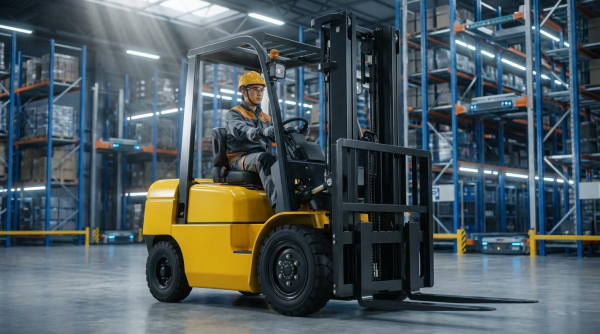
Forklift operational safety in modern plants relied on disciplined inspections, controlled operation, and structured maintenance. Daily pre-shift inspections, as required by OSHA 1910.178, ensured brakes, steering, hydraulics, mast, forks, tires, and safety devices were serviceable before use. Operators removed any truck with leaks, structural defects, or inoperable safety systems from service and reported issues for corrective action. Plants that enforced written inspection checklists and lockout criteria reduced unplanned downtime and incident rates.
Safe load handling practices centered on the stability triangle and rated capacity on the data plate. Operators verified load weight, fully engaged and centered the forks, kept travel height around 100–150 mm, and used slight back-tilt to secure loads. They adjusted speed to conditions, maintained safe following distances, and followed strict rules on ramps, pedestrian routes, and intersections. Standardized parking and shutdown procedures, including lowering forks, neutralizing controls, setting the brake, and removing the key, minimized unintended movement and unauthorized use.
Effective maintenance programs combined daily, weekly, monthly, and annual tasks aligned with OEM schedules. Plants structured service around critical systems: tires, hydraulics, powertrain, and energy systems such as traction batteries or LP/IC engines. They documented all work, tracked hours, and used condition-based triggers like hydraulic leak rates or fork heel wear limits to schedule repairs. Facilities with high utilization shortened service intervals and adapted fluids and procedures to environmental conditions such as cold or dusty environments.
Enabling technologies such as telematics, access control, impact sensors, and fleet management software supported compliance and continuous improvement. These systems logged inspections, captured operating behavior, and flagged overloads, overspeed, and harsh braking events. Implementation required a phased approach: assess the fleet, define standard operating procedures, train and certify operators, then layer in technology and digital record-keeping. Plants that treated forklift safety as a core part of their safety culture, with regular training refreshers and management oversight, achieved lower incident rates, longer asset life, and more predictable operating costs.