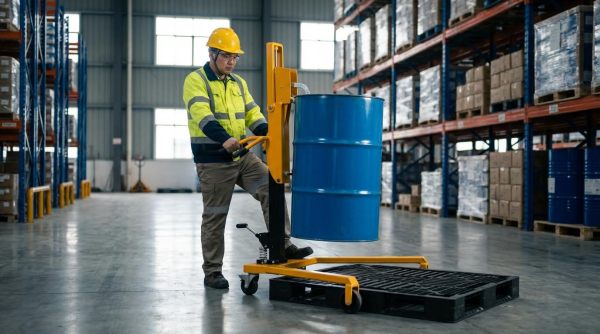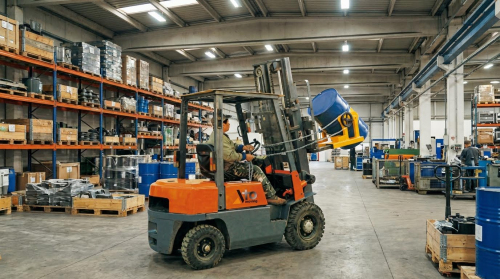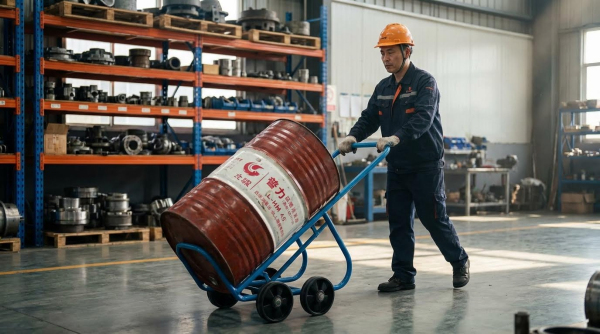
Drum and barrel hand trucks played a central role in safely moving 30 to 55-gallon containers in industrial plants. This guide examined manual, spring-assist, and powered designs, their compatibility with steel, plastic, and fiber drums, and the capacities required for typical material flows. It then analyzed structural design, wheel and axle engineering, drum retention systems, and ergonomic performance factors that governed safe operation. Finally, it covered selection, regulatory safety, and maintenance practices, before outlining future trends in engineered drum handling solutions.
Key Drum Hand Truck Types And Use Cases
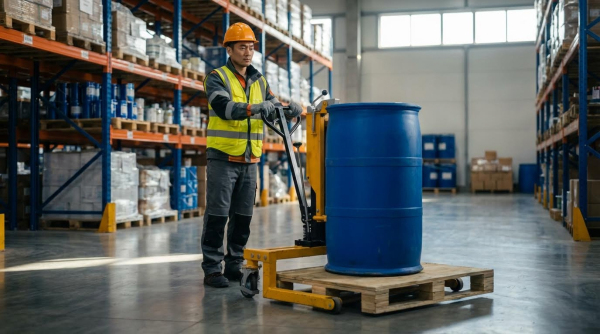
Drum and barrel hand trucks supported safe internal logistics in chemical, food, and manufacturing plants. Engineers evaluated designs based on drum mass, frequency of moves, and floor topology. They also considered operator exposure to hazardous contents and the need for tilting, pouring, or simple transport. The following subsections outlined the main design families and their practical applications.
Manual, Spring-Assist, And Powered Designs
Manual drum hand trucks used a simple lever frame and wheels to tilt and roll drums. Operators provided all lifting and propulsion force, which limited safe use to moderate duty cycles and level floors. Spring-assist models integrated a mechanical spring linkage that reduced the effort to tip a full 55-gallon drum. This feature became critical when handling 1 000 kg-class drums or when operators performed frequent tilting for loading or decanting.
Powered drum hand trucks used an electric drive, typically a 24 V DC motor with differential drive and variable speed up to about 1.1 m/s. These units transported 800 lb-class drums with minimal push force and precise control in tight aisles. They suited long internal routes, ramps, or facilities enforcing strict ergonomic limits on push–pull forces. Engineers balanced higher capital cost against reduced injury risk, higher throughput, and better control on uneven floors.
Steel, Plastic, And Fiber Drum Compatibility
Hand truck geometry and retention hardware determined compatibility with steel, plastic, or fiber drums. Steel drums tolerated rigid hooks and narrow chime-engaging claws, as their rolled rims resisted localized contact stresses. Plastic drums required broader contact surfaces, adjustable cradles, or specific hook profiles to avoid rim deformation or cracking under clamping loads. Fiber drums demanded particularly gentle retention, often using strap systems or padded saddles.
Manufacturers therefore offered separate steel-only and plastic-capable variants, with different hook bars and chime interfaces. Locking cover chime hooks accommodated closed-head drums and prevented axial slip during acceleration or braking. Engineers specified compatibility explicitly in procurement documents to avoid field modifications that compromised safety. Mixed fleets with steel and plastic drums typically used universal retention systems with interchangeable hooks.
Common Drum Sizes And Load Capacities
Most industrial hand trucks targeted 208 L (55-gallon) drums, which dominated chemical and lubricant distribution. Designs also supported 114 L (30-gallon) drums, often with adjustable saddles or secondary contact points to maintain stability. Typical rated capacities ranged from 360 kg to 450 kg for manual units and up to about 450 kg for powered trucks. Some spring-assist and heavy-duty manual designs carried 1 000 lb (≈454 kg) safely, provided operators followed tilt-angle limits.
Engineers selected capacity with at least a 20 % margin over the maximum filled drum mass, including contents and drum shell. They also considered dynamic loads from starting, stopping, and negotiating minor floor irregularities. Overrating a truck for expected use reduced fatigue damage in welds and axles and extended service life. Under-rating, by contrast, increased structural risk and voided typical manufacturer warranties.
Typical Plant Layouts And Material Flows
Drum hand truck selection depended strongly on plant layout and material flow paths. Short, straight moves between a receiving dock and nearby storage racks often justified robust manual or spring-assist trucks. Long routes between bulk storage, production lines, and packaging areas benefited from powered units, especially where operators moved drums continuously through shifts. Narrow aisles and dense racking required compact frames, small turning radii, and precise steering control.
Facilities with concrete indoor floors favored solid rubber or polyurethane wheels for low rolling resistance and durability. Outdoor transfers across expansion joints or rough asphalt required larger-diameter or pneumatic wheels and careful speed control. Engineers mapped typical drum routes, including door thresholds, slopes, and congestion points, before finalizing equipment specifications. This route-based approach reduced handling bottlenecks and minimized manual repositioning or unsafe shortcuts by operators.
Critical Design Features And Performance Factors
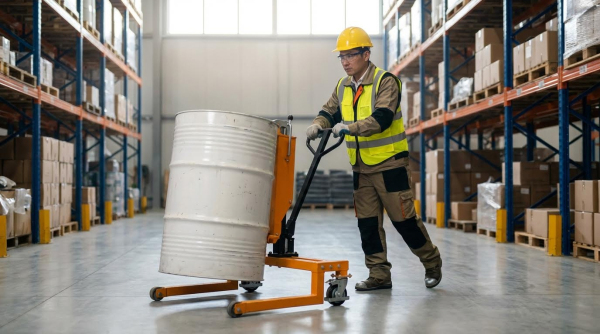
Drum and barrel hand trucks relied on specific design features that governed safety, durability, and throughput. Engineers evaluated frame geometry, weld quality, and structural limits to prevent overload failures under dynamic handling. Wheel and axle choices interacted with floor conditions, influencing rolling resistance, vibration, and control on concrete, ramps, or rough surfaces. Retention systems such as hooks, chime grabs, and clamps determined how reliably the truck held steel, plastic, or fiber drums during starts, stops, and turns. Ergonomics and stability directly affected operator effort, injury risk, and compliance with safety regulations in high-frequency drum handling environments.
Frame Geometry, Weld Quality, And Structural Limits
Frame geometry defined how loads transferred from the drum into the wheels and ground. Powered drum trucks used four-wheel layouts with low centers of gravity to balance 30 to 55 gallon drums up to about 360 kg. Manual and spring-assist trucks typically used two main wheels and small rear casters, relying on a tilting motion to bring the drum over the axle line. Engineers sized tube or channel sections in 14 gauge or thicker steel and specified continuous welds at high-stress joints to avoid crack initiation. Structural limits depended on both static capacity and dynamic factors such as tilting, curb negotiation, and emergency braking, so design safety factors above 2.0 were common for industrial duty.
Wheel Materials, Axle Design, And Floor Conditions
Wheel material directly affected traction, noise, and floor wear. Solid rubber wheels around 250 mm diameter provided shock absorption and quiet running on indoor concrete, while polyurethane treads carried high loads with low rolling resistance and minimal marking. For powered drum trucks, engineers enclosed 25 mm steel axles in housings with sealed bearings to protect against dust and moisture and to extend service life. Manual and spring-assist trucks used similar wheel diameters, typically 10 inch by 2.5 inch, with either mold-on-rubber or poly-on-steel constructions. Matching wheels and axles to floor conditions was critical; smooth concrete supported hard polyurethane, whereas rough or damaged floors benefited from softer elastomer wheels or even pneumatic tires on specialized carts.
Drum Retention: Hooks, Chimes, And Clamps
Retention systems ensured that drums stayed secured during transport, even under sudden stops or uneven surfaces. Spring-assist drum trucks used removable hook bars that engaged the drum chime and sometimes integrated bung nut wrenches for field adjustments. Powered hand trucks used locking cover chime hooks that accommodated steel, plastic, and fiber drums, preventing vertical slip when the truck tilted. Engineers sized hooks and clamps for both radial and axial loads, considering worst-case impact when crossing thresholds or small steps. Adjustable cradles or multi-position hooks increased compatibility across 30 and 55 gallon drums, reducing the need for multiple dedicated trucks. Properly designed retention minimized spill risks, which was essential when handling hazardous chemicals under OSHA and environmental regulations.
Ergonomics, Stability, And Operator Effort
Ergonomic design reduced operator fatigue and musculoskeletal injury risk during repetitive drum handling. Twin rubber-grip handles or full loop handles allowed neutral wrist positions and better leverage during tilting. Spring-assist mechanisms reduced the initial effort required to tip a 55 gallon drum weighing up to 450 kg onto the wheels, keeping push and pull forces within recommended ergonomic thresholds. Powered units with 24 V DC drives and variable speed up to roughly 1.1 m/s removed most manual pushing, leaving operators to steer and brake. Stability depended on wheelbase width, drum tilt angle, and center-of-gravity position; typical practice maintained a tilt of about 15 to 20 degrees during motion to balance steering control and load security. Designers also considered brake placement and handle geometry so operators could maintain three points of contact while controlling speed on ramps or uneven floors.
Selection, Safety, And Maintenance Practices
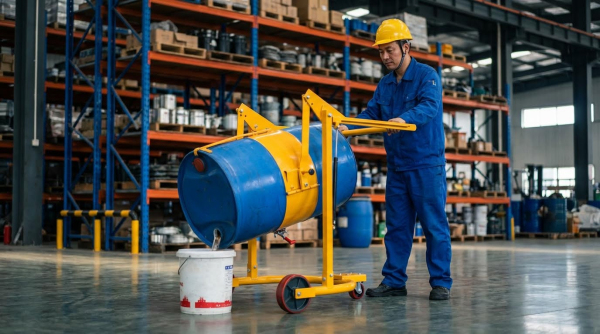
Matching Capacity, Drum Type, And Duty Cycle
Engineers selected drum hand trucks by matching rated capacity, drum construction, and expected duty cycle. Typical industrial units handled 30-gallon and 55-gallon drums with capacities between 800 kilograms and 1 000 kilograms. Powered drum trucks with 24 V DC drives supported high-frequency use in multi-shift facilities, while manual spring-assist models suited intermittent handling. Steel frames with 14-gauge sections and continuous welds provided adequate stiffness for repetitive 800-pound loads.
Designers considered drum material when specifying chime hooks and cradles. Steel drum models used narrower engagement profiles, while plastic and fiber drum trucks required broader, contoured hooks to avoid local wall damage. Product data from Beacon and Vestil showed separate SKUs for steel versus plastic drums, reflecting geometry and grip-force differences. Engineers also evaluated wheel type against floor conditions and cycle rate, selecting mold-on-rubber or polyurethane wheels to balance rolling resistance and wear.
Duty cycle analysis included travel distance, ramp frequency, and average load factor. High-duty applications favored powered differential drives with variable speed up to about 1.1 metres per second. Lower-duty tasks in packaging or maintenance areas justified lighter manual trucks in the 25–75 kilogram tare mass range. Correct matching reduced operator strain, extended component life, and minimized overload events that could exceed structural limits.
OSHA, Hazardous Materials, And PPE Considerations
Design and operation of drum hand trucks had to align with OSHA material handling requirements and, when applicable, hazardous materials regulations. OSHA incident data showed that manual lifting contributed to roughly 36% of workplace injuries, so facilities used drum trucks to reduce back strain and crush risks. When drums contained hazardous chemicals or fuels, secure retention systems with locking chime hooks or clamps became critical to prevent tipping and spills. Operators followed facility-specific spill control and emergency response procedures in addition to general handling rules.
Regulatory frameworks such as OSHA 29 CFR 1910 and HAZCOM standards required clear labeling, hazard communication, and training. For flammable or reactive contents, plants assessed ignition sources around powered drum trucks, including battery systems and electrical components. In classified areas, facilities either restricted powered units or specified equipment that met relevant electrical classification standards. Route planning also considered ventilation and segregation of incompatible materials during drum movement.
PPE selection depended on drum contents and handling environment. For non-hazardous contents, steel-toed safety shoes, work gloves, and high-visibility garments were typical. For corrosive or toxic chemicals, operators used chemical-resistant gloves, splash goggles or face shields, and sometimes aprons or coveralls. Safety programs emphasized correct tilting angles, typically about 15–20 degrees during movement, to maintain control without overloading the operator. Training and periodic refreshers ensured that personnel applied these practices consistently.
Inspection, Lubrication, And Corrosion Control
Effective maintenance programs treated drum hand trucks as critical lifting devices rather than simple carts. Daily pre-use inspections checked wheels and tires for cracks, flat spots, and foreign objects. For pneumatic wheels, operators verified inflation pressure against manufacturer specifications because under-inflation increased rolling resistance and failure risk. Frames and handles were inspected for dents, bends, weld cracks, and visible corrosion, especially around load-bearing joints and axle mounts.
Lubrication of axles, bearings, and pivot points followed usage intensity. Residential or light-duty applications typically used monthly lubrication intervals, while industrial duty cycles required weekly servicing. Technicians used appropriate greases for sealed bearings and avoided contamination of braking surfaces. Worn tires showing missing tread chunks, bulges, or exposed reinforcement were replaced immediately to prevent sudden failures under load.
Corrosion control extended truck life and preserved structural capacity. Maintenance teams cleaned frames periodically to remove chemicals, moisture, and abrasive debris. Rust spots were treated with wire brushing, rust converter, and touch-up coatings compatible with original powder coat finishes. Deep pitting or section loss around welds triggered engineering review and potential component replacement. Storage practices supported corrosion control by keeping hand trucks in dry, covered areas away from standing water or aggressive atmospheres.
Predictive Maintenance And Digital Tracking
Modern facilities increasingly integrated drum hand trucks into broader asset management and predictive maintenance systems. Operators recorded inspection results and defect reports in digital checklists or computerized maintenance management systems. Usage metrics such as load count, travel distance, and operating hours for powered units informed condition-based maintenance intervals. Abnormal indicators, including unusual noises, higher push or pull force, or slow powered response, triggered targeted inspections.
Some plants applied simple sensor technologies to high-value powered drum trucks. Battery monitors, wheel rotation counters, or vibration sensors provided data for trend analysis. Maintenance teams used this information to schedule bearing replacements, tire changes, or brake adjustments before failure occurred. Bi-annual professional inspections supplemented in-house checks, especially for welded structures and safety-critical components.
Digital tracking also improved regulatory compliance and operator accountability. Training records, pre-use inspection logs, and repair histories were linked to specific truck identifiers. This traceability supported audits and incident investigations. Over time, aggregated data revealed patterns in wheel wear, frame damage, or corrosion hotspots, allowing engineers to refine equipment selection, storage layouts, and floor maintenance practices for safer, more reliable drum handling operations.
Summary And Future Trends In Drum Handling
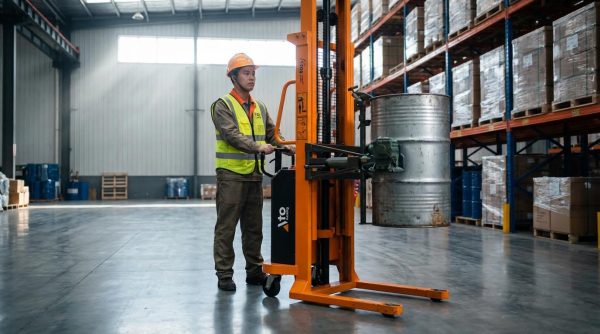
Drum and barrel hand trucks evolved into specialized tools that reduced manual lifting and improved containment. Designs covered manual, spring-assist, and powered units, with capacities between roughly 360 kg and 450 kg and compatibility with 30-gallon and 55-gallon steel, plastic, and fiber drums. Engineering decisions around frame geometry, weld quality, wheel materials, and drum retention systems determined structural limits, maneuverability, and safety on real plant floors. Effective use also depended on matching capacity to duty cycle, complying with OSHA and hazardous-materials rules, and enforcing disciplined inspection and maintenance practices.
Future drum handling solutions will likely integrate more powered and semi-powered trucks, especially in facilities with high drum throughput or aging workforces. Electric differential drives, onboard battery monitoring, and variable speed control will support tighter ergonomics targets and lower recordable injury rates. Designers will probably expand options for corrosive and cleanroom environments, including stainless or coated frames and non-shedding wheel materials. Digital tracking of utilization, overload events, and maintenance history through barcodes or low-cost IoT sensors will enable predictive maintenance instead of purely calendar-based service.
Practically, facilities should standardize on a limited set of drum truck types aligned with drum materials, floor conditions, and handling frequency, then build procedures, checklists, and training around those baselines. Engineering teams need to define allowable grades, turning radii, and maximum drum mass per route, and verify that chosen trucks meet these constraints with safety factors consistent with internal standards and applicable regulations. Over the next decade, the sector will likely move toward integrated drum handling cells, where trucks interface with palletizers, spill-containment stations, and automated storage, while still relying on robust mechanical fundamentals: strong frames, reliable wheels, positive drum restraint, and systematic maintenance.