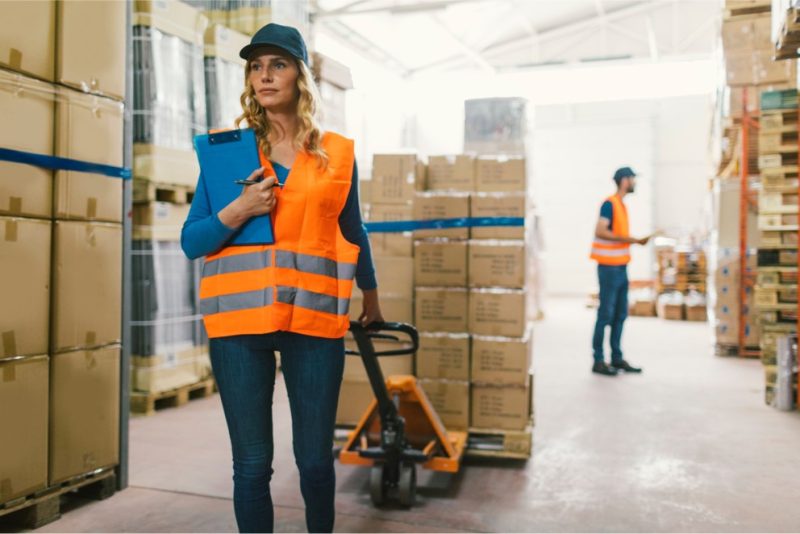
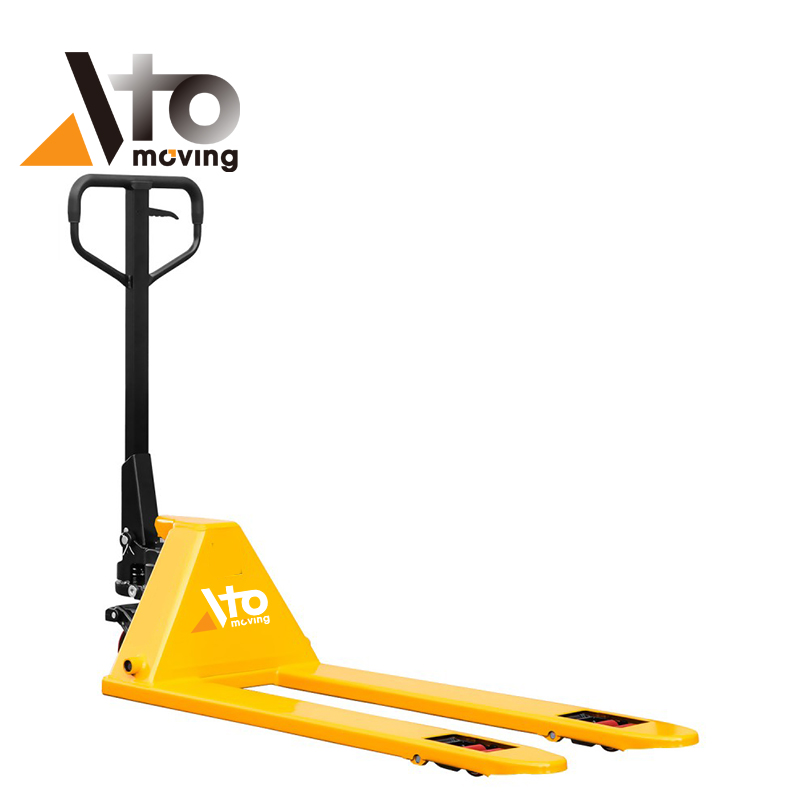
Forklift and pallet truck certification had become a regulatory and safety cornerstone for warehouses, factories, and logistics hubs. This guide explained how to get a pallet truck and fork lift certiication in a way that aligned with OSHA, CSA, and employer liability requirements. It walked through the complete process from online theory to hands-on evaluation, including validity periods, refresher training, and recordkeeping. The article also connected certification with engineering-based safety practices and emerging technologies so operations teams could design safer, more efficient material handling systems.
OSHA And Legal Requirements For Operators
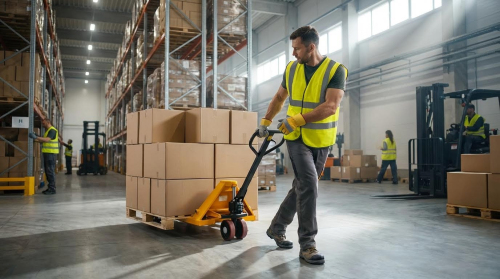
Understanding OSHA and related legal requirements is the first step in how to get a pallet truck and fork lift certification. Regulations defined in OSHA 29 CFR 1910.178 and CSA standards set the minimum legal framework for training and evaluation. Employers must align internal programs with these rules to avoid liability and reduce incident rates. This section explains who can operate equipment, what employers must do, and when recertification becomes mandatory.
Age Limits, OSHA 1910.178, And CSA Standards
Federal law required operators of powered industrial trucks to be at least 18 years old. This age limit applied to both forklifts and powered pallet trucks used in general industry. OSHA 29 CFR 1910.178 laid out mandatory training, evaluation, and safe-use requirements for these vehicles. The standard defined a three-part process: formal instruction, practical training, and performance evaluation at the workplace. CSA standards in Canada established similar obligations, requiring classroom-style theory plus hands-on evaluation. Together, these regulations formed the legal backbone for how to get a pallet truck and fork lift certification that would withstand an audit or incident investigation. Operators needed training specific to each truck class and application, not a generic license. Daily pre-use inspections and adherence to manufacturer limits, such as rated capacity and speed, were also regulatory expectations.
Employer Responsibilities And Liability
Employers held primary responsibility for ensuring only trained and evaluated operators used forklifts and pallet trucks. Even when workers completed an external or online course, the employer still had to provide site-specific hands-on training and sign the certification. OSHA expected employers to reference the machine’s Operation and Maintenance Manual during training and to document evaluations. Records typically included operator name, training dates, equipment type, evaluator identity, and test results. Failure to maintain compliant training and documentation exposed employers to citations, fines, and civil liability after accidents. Employers also had to enforce safe operating rules, such as no passengers, no horseplay, and adherence to designated travel routes and speed limits. Written safety programs, periodic workplace inspections, and corrective actions after near-misses formed part of a defensible due-diligence strategy. For companies asking how to get a pallet truck and fork lift certification program in place, aligning internal procedures with these responsibilities was essential.
When Recertification And Retraining Are Mandatory
Under OSHA 1910.178, operator evaluation had to occur at least once every three years. This three-year cycle effectively set the maximum validity period for a forklift or pallet truck certification under federal rules. However, OSHA also required immediate refresher training and re-evaluation in specific situations. These included accidents, near-miss incidents, or observed unsafe operation by a certified driver. Changes in workplace conditions, such as new layouts, different load types, or added traffic patterns, could also trigger mandatory retraining. Operating a new truck type or significantly different model required additional training and evaluation focused on the new equipment. CSA frameworks followed similar principles, combining time-based recertification with event-driven retraining. For organizations planning how to get a pallet truck and fork lift certification process that remained compliant over time, integrating both scheduled refreshers and incident-based retraining was critical. Accurate recordkeeping of all retraining events helped demonstrate regulatory compliance and continuous improvement.
Certification Process: From Online Course To Wallet Card
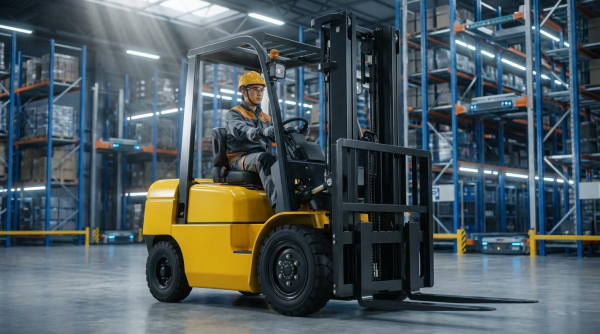
Understanding how to get a pallet truck and fork lift certiication requires a clear view of the full process. Certification combined theory, hands-on practice, and employer evaluation under OSHA 1910.178 and relevant CSA rules. The steps differed slightly by provider, but the structure remained consistent across the industry. Operators who followed each step correctly obtained a valid wallet card recognized by employers and regulators.
Choosing The Right Forklift Or Pallet Truck Class
The first step in how to get a pallet truck and fork lift certiication was selecting the correct equipment class. OSHA defined powered industrial truck classes, including counterbalanced trucks, high-lift trucks, and powered pallet trucks. Operators needed training that matched the specific class and typical attachments used on site. Employers usually identified which classes applied to their fleet and job tasks. Training that covered the wrong class did not satisfy OSHA or CSA requirements for that equipment. For multi-equipment roles, operators often completed combined or sequential courses covering each relevant class.
Formal Instruction: Online, Classroom, And Hybrid Options
Formal instruction formed the core theory component of how to get a pallet truck and fork lift certiication. OSHA and CSA allowed flexibility in delivery format, as long as content met 29 CFR 1910.178 and equivalent Canadian requirements. Online courses used videos, animations, and quizzes to cover physics of lifting, load charts, stability, inspections, and site hazards. Classroom courses allowed direct interaction, group discussions, and site-specific case studies. Hybrid models combined self-paced online theory with short in-person sessions focused on regulations, local procedures, and written testing. Most programs required a passing score, often 70% or higher, on a written or online exam before moving to practical training.
Hands-On Training, Evaluation, And Employer Sign-Off
Hands-on training addressed the practical side of how to get a pallet truck and fork lift certiication. OSHA required three elements: formal instruction, practical training, and operator evaluation in the actual or simulated workplace. Practical sessions covered pre-use inspections, starting and stopping, maneuvering in tight aisles, stacking and unstacking, and handling different load types. Evaluators observed operators performing tasks such as traveling with a raised load, approaching docks, and working on ramps, then scored performance against a checklist. Critically, the employer had to verify that the operator could safely run the specific models at that site. The employer’s authorized person signed the evaluation and certification record; without this sign-off, online certificates alone did not meet OSHA or CSA obligations.
Validity Period, Refresher Training, And Recordkeeping
Understanding validity and documentation was essential for managing how to get a pallet truck and fork lift certiication and keep it current. Under OSHA, evaluations had to occur at least every three years, and refresher training became mandatory after incidents, unsafe operation, or changes in equipment or conditions. Typical wallet cards and certificates listed the operator’s name, equipment class, training date, evaluator, and expiration date. Employers maintained training records for each operator, often in digital systems, to demonstrate compliance during audits or investigations. CSA and provincial rules followed a similar three-year cycle, though some jurisdictions or corporate policies adopted shorter intervals. Effective recordkeeping also supported internal safety metrics and helped plan group refresher sessions efficiently.
Safety, Technology, And Engineering Best Practices

Safety engineering sat at the core of how to get a pallet truck and fork lift certiication. Operators needed to understand not only rules but also the physics behind stability and braking. Certification programs therefore integrated daily inspection routines, layout design, and digital tools into one coherent system of best practices.
Core Operating Safety Rules And Daily Inspections
Certified operators followed a structured pre-shift inspection before starting any forklift or pallet truck. They checked tires, forks, hydraulic hoses, mast, chains, brakes, steering, horn, lights, and safety devices such as seat belts or interlocks. OSHA required that operators removed defective trucks from service until a qualified technician repaired them. Daily inspections reduced mechanical failure risk and supported compliance records for audits.
Core operating rules focused on speed control, visibility, and separation from pedestrians. Operators kept forks low while traveling, never raised or lowered loads when moving, and obeyed posted speed limits. They avoided sharp turns, sudden braking, and horseplay, which had caused past tip-overs and collisions. When parking, they lowered forks, neutralized controls, set the parking brake, and shut power off, especially on slopes.
For anyone researching how to get a pallet truck and fork lift certiication, mastering these rules was mandatory for passing both written and practical evaluations. Training providers emphasized checklists, scenario-based questions, and demonstration of proper shutdown procedures. Employers typically retained completed inspection forms as part of their OSHA-compliant recordkeeping systems.
Load Stability, Stability Triangle, And Tip-Over Prevention
Engineering best practice centered on the stability triangle concept for counterbalanced trucks. The triangle connected the two front drive wheels and the pivot point of the steer axle. As long as the combined center of gravity of truck and load stayed within this triangle, the truck remained stable. Lateral or longitudinal shifts outside this region created a tip-over risk.
Operators learned to keep the load close to the mast, tilted slightly back, and within the rated capacity at the specified load center distance. Exceeding capacity, using incorrect pallets, or lifting damaged loads moved the center of gravity forward and upward. Traveling with an elevated load or turning on ramps increased lateral forces and could push the center of gravity outside the triangle. Certification courses used diagrams and worked examples to illustrate these effects.
Practical training required operators to position loads squarely on forks, distribute weight evenly, and avoid off-center or stacked unstable loads. They approached loads slowly, aligned the truck, inserted forks fully, and lifted only to the minimum safe height. For pallet trucks, the same principles applied, although the geometry differed; operators still had to respect rated capacity and avoid sudden directional changes. Understanding these mechanical fundamentals helped candidates pass the evaluation phase of how to get a pallet truck and fork lift certiication.
Integrating PPE, Site Design, And Traffic Management
Effective safety programs combined personal protective equipment with engineered controls and administrative rules. Operators typically wore high-visibility vests, safety shoes with toe protection, and hard hats where overhead hazards existed. Hearing and eye protection depended on site-specific risk assessments. PPE reduced injury severity but did not replace proper layout and traffic control.
Site design addressed line-of-sight, separation, and surface conditions. Facilities installed mirrors at blind corners, guardrails at elevated edges, and physical barriers to segregate pedestrians from powered industrial trucks. Marked aisles, crossing points, and loading zones defined predictable paths. Adequate lighting and non-slip floor finishes improved traction and visibility. Engineering teams also considered turning radii, rack clearances, and gradient limits during layout.
Traffic management plans defined right-of-way rules, speed zones, and communication protocols such as horn use at intersections and dock doors. Supervisors enforced one-way systems in congested areas and restricted access for non-essential personnel. During certification, instructors linked these site rules directly to OSHA expectations and employer liability. Candidates studying how to get a pallet truck and fork lift certiication needed to demonstrate that they could interpret signage, obey designated routes, and coordinate with spotters during high-risk maneuvers.
Emerging Tech: Telematics, AI, And Digital Training Tools
Telematics systems had become a key element of advanced safety programs for forklifts and pallet trucks. They recorded impacts, travel speeds, access control events, and utilization data. Safety managers used these metrics to identify high-risk behaviors, schedule targeted retraining, and optimize fleet size. Access control features ensured that only certified operators could start specified trucks, directly supporting regulatory compliance.
AI-driven analytics and computer vision technologies started to augment traditional monitoring. Some systems detected pedestrians, restricted speeds automatically in defined geofenced zones, or alerted operators to collision risks. Others analyzed impact patterns and near-miss data to predict where incidents were likely to occur. These tools helped employers prioritize engineering changes, such as installing additional barriers or revising traffic routes.
Digital training tools supported the learning path for how to get a pallet truck and fork lift certiication. Online modules delivered theory content, quizzes, and microlearning refreshers accessible on mobile devices. Virtual reality and 3D simulators allowed trainees to practice hazard recognition and maneuvering in a controlled environment before operating real equipment. Integration between learning management systems and telematics data enabled continuous improvement: high-risk operators could automatically receive refresher content focused on their specific error patterns.
Summary: Key Steps To Safe, Compliant Certification
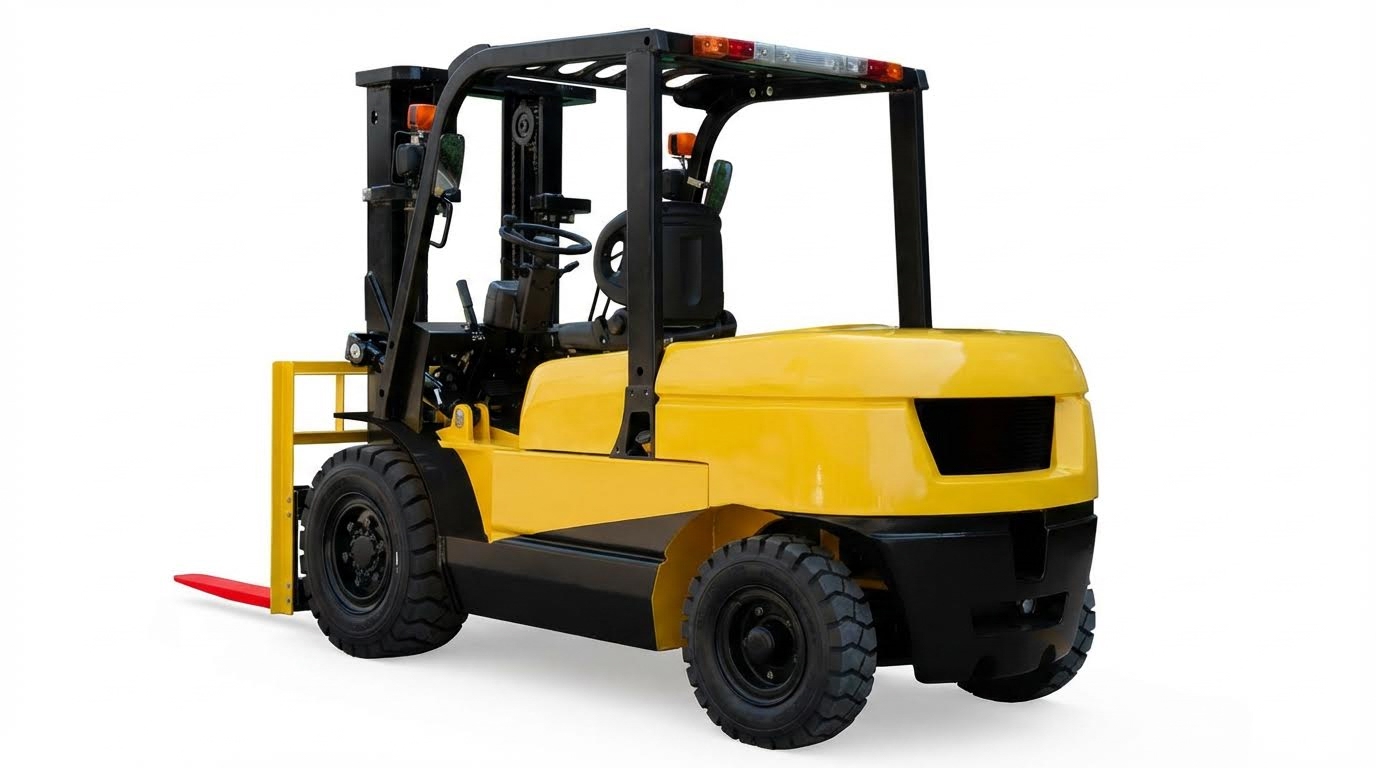
To understand how to get a pallet truck and fork lift certiication, operators and employers must align training with OSHA 1910.178 and applicable CSA standards. The process historically combined formal theory, hands‑on evaluation, and documented employer sign‑off to create a defensible compliance trail. Safety engineering principles, such as stability control, load management, and structured site design, underpinned every certification decision. Together these elements defined a repeatable, auditable pathway from first training contact to safe daily operation.
From a technical standpoint, the key steps included selecting the correct truck class, completing formal instruction, and passing written and practical assessments. Certification stayed valid for about three years, with mandatory refresher training after incidents, unsafe operation, or equipment or task changes. Employers carried the legal duty to adapt training to specific models, reference the official operating manuals, and maintain records for each operator. This framework reduced tip‑overs, struck‑by incidents, and mechanical failures by enforcing pre‑shift inspections and strict adherence to rated capacities and the stability triangle.
Industry practice moved toward blended learning: online modules for theory, followed by structured on‑site evaluation using checklists and standard test maneuvers. Telematics, digital checklists, and learning platforms started to support continuous monitoring, targeted retraining, and automated recordkeeping. Organizations that integrated PPE policies, traffic management plans, and engineered controls with operator certification achieved better safety performance and lower lifecycle costs. Going forward, AI‑driven analytics and immersive simulators will likely tighten the link between training quality, quantified risk, and regulatory compliance, while the core three‑step structure of instruction, practice, and evaluation remains stable.