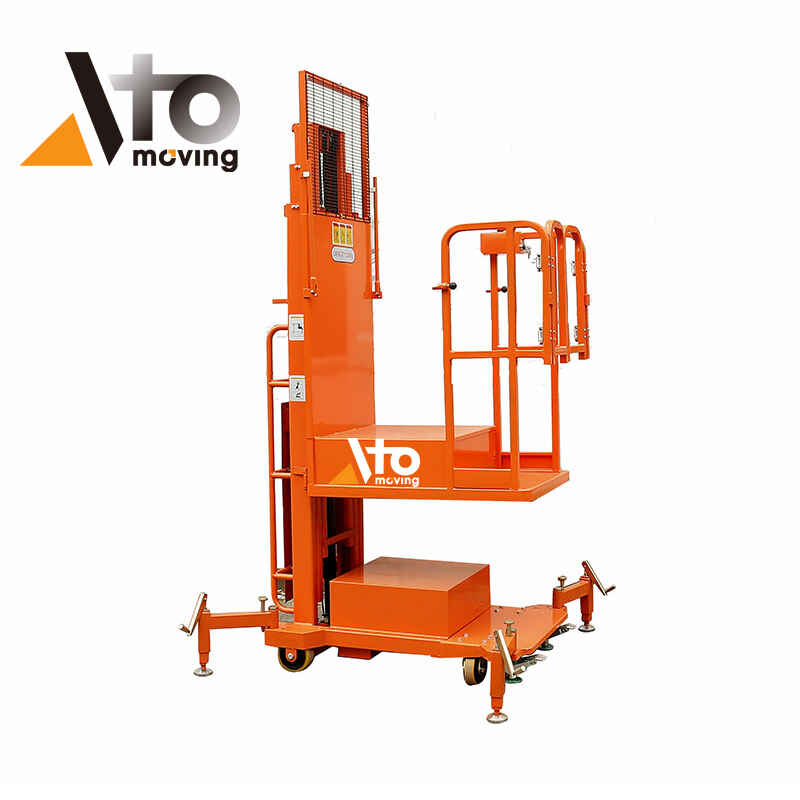
Cherry picking in warehouses, often searched as “what is cherry picking in warehouse,” describes item-level order picking within complex fulfillment systems. This article explains how cherry picking fits into broader warehouse operations, compares it with other picking strategies, and traces typical material flows from order release to dispatch.
It then examines operational risks around accuracy, throughput, cost, ergonomics, and scissor platform lift safety. Finally, it outlines engineering controls, technology choices, and best-practice procedures that help industrial engineers and operations managers systematically control cherry picking risks in modern distribution centers.
Defining Cherry Picking In Warehouse Operations
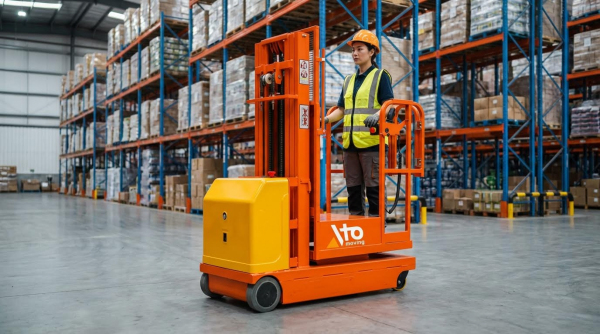
Cherry picking in warehouse operations describes the targeted retrieval of specific stock-keeping units (SKUs) from storage locations to satisfy individual order lines. It forms the core of order fulfillment performance because it links inventory accuracy, material flow, and customer service levels. Understanding what cherry picking is in warehouse environments requires comparing it with other picking strategies and mapping how operators, equipment, and information move through the system. This section defines the concept, contrasts it with alternative methods, and outlines typical workflows and material flows used in modern distribution centers.
What Cherry Picking Means In Order Fulfillment
When practitioners ask “what is cherry picking in warehouse operations,” they usually refer to discrete item-level picking. An operator receives a pick list or digital task, travels through the storage area, and selects individual units or cases from designated locations. The process starts after the warehouse management system (WMS) releases an order and assigns locations based on inventory records, barcodes, or RFID tags. The picker then follows a defined route, confirms each SKU and quantity, and places items into a tote, carton, or pallet for downstream packing.
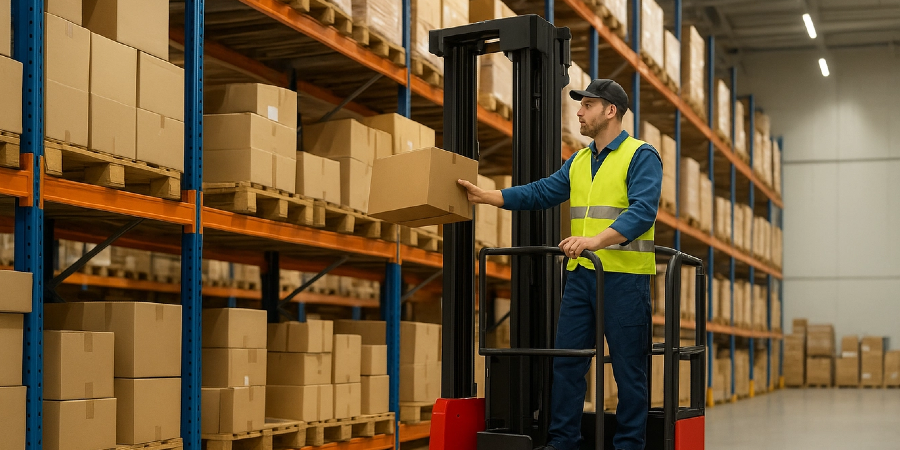
Cherry picking emphasizes accuracy at line-item level because each pick directly affects a customer order. It typically uses handheld scanners, voice terminals, or pick-to-light devices to verify item identity and reduce mispicks. In high-bay or pallet-rack environments, operators may use manual equipment or mobile elevating work platforms to access elevated storage positions. After picking, a verification step checks counts and item codes before the order moves to packing, labeling, and dispatch. This direct linkage between pick action and shipment makes cherry picking a critical control point for service quality.
Cherry Picking Vs. Other Picking Strategies
Cherry picking differs from other warehouse picking strategies primarily in how it groups orders and organizes travel. In discrete or single-order cherry picking, one operator completes one order at a time, which simplifies control but can increase travel distance. Batch picking, by contrast, groups multiple orders and lets a picker collect common SKUs in one pass, then sorts them later. Zone picking assigns operators to specific zones so each person only works within a limited area, reducing travel but increasing coordination needs between zones.
Wave and cluster picking extend these concepts by sequencing work based on carrier cut-off times, shipping waves, or order profiles. In those methods, the WMS optimizes routes and release timing to balance dock capacity, labor availability, and equipment utilization. Cherry picking can still exist inside these advanced schemes as the basic action of selecting individual items, but the surrounding planning logic changes. Compared with pallet picking or full-case picking, cherry picking usually handles higher order variability and smaller order sizes. As a result, it tends to be more labor-intensive and benefits strongly from engineered standards and technology support.
From an engineering standpoint, the choice between pure cherry picking and alternative strategies depends on SKU count, order lines per order, and required service time. High-SKU, low-line orders often justify discrete cherry picking with strong WMS support. High-line or highly repetitive orders favor batch, zone, or wave approaches that compress travel and standardize paths. A hybrid design may combine case-level picking in bulk zones with cherry picking in forward pick areas to balance throughput and flexibility.
Typical Workflows And Material Flows
Typical cherry picking workflows start with order release and task generation in the WMS. The system allocates inventory, assigns a picker, and defines an optimal route through aisles, zones, or mezzanine levels. The picker retrieves a cart, manual pallet jack, or other suitable carrier and follows the route, stopping at each location indicated on the device. At each stop, the operator scans the location and item, picks the required quantity, and places it into the assigned container or compartment.
Material flows in cherry picking operations usually follow a forward-pick and reserve-storage concept. High-velocity SKUs sit in easily accessible forward pick faces near packing stations, while reserve pallets remain in higher or deeper storage. Replenishment tasks move stock from reserve to forward locations based on min–max or demand-driven rules. Picked items flow from the pick path to consolidation or packing areas via carts, conveyors, or autonomous transport units. There, staff or automated systems verify counts, perform quality checks, and prepare shipments.
Information flow mirrors the physical movement. Real-time confirmations update inventory balances, trigger replenishment, and feed performance dashboards for KPIs such as pick accuracy and units per hour. Engineering teams analyze these data to refine slotting, route design, and labor planning. Well-designed cherry picking workflows minimize backtracking, congestion, and double handling, while maintaining ergonomic reach and safe access to elevated storage locations using tools like scissor platform lift or aerial platform.
Operational Risks: Accuracy, Throughput, And Costs
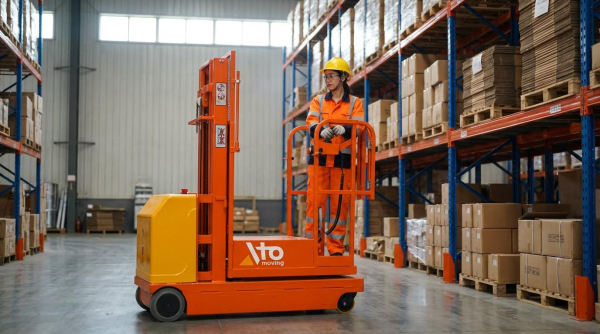
When engineers ask what is cherry picking in warehouse operations, they usually focus on risk. Cherry picking, as an item-level picking activity, concentrates human decision-making, travel, and MEWP usage into a single workflow. This concentration amplifies error probability, ergonomic load, and safety exposure per order line. The following subsections analyze how these risks translate into quality losses, constrained throughput, and elevated lifecycle cost.
Error Modes: Mispicks, Short Picks, And Delays
Cherry picking in warehouse order picker fulfillment exposes operations to distinct error modes. Mispicks occur when a picker selects the wrong SKU, batch, or unit of measure despite visiting the correct location. Short picks arise when the picker retrieves fewer units than required, usually due to inaccurate inventory, poor labeling, or partial case handling. Delays emerge when pickers cannot locate stock, must re-verify items, or wait for MEWP repositioning or congestion clearance.
These error modes propagate downstream. A single mispick can trigger rework in packing, extra quality checks, and additional shipping cost for replacements. Short picks often create backorders or split shipments, which extend order cycle time and increase handling touches. Delays at the picking stage reduce available capacity for later waves and disrupt carrier cut-off adherence. From a mechanical engineering perspective, each extra search, lift, or travel cycle represents additional non-value-added motion, higher energy use, and increased wear on MEWPs and ancillary equipment.
Data from high-performing facilities showed that implementing WMS-guided cherry picking with barcode or RFID validation increased pick accuracy from roughly 92% to above 99%. This reduction in mispicks and short picks directly lowered customer complaints and reverse logistics volumes. However, without disciplined process design, cherry picking remained vulnerable to rush-induced mistakes, especially during seasonal peaks with high order line density.
Ergonomic And MEWP-Related Safety Hazards
Cherry picking in warehouse environments imposes repetitive biomechanical loads. Pickers often perform high-frequency reaching, bending, and twisting while handling cartons or eaches. OSHA guidance indicated that repetitive hand, wrist, and shoulder motions during intensive picking increased musculoskeletal disorder risk. Recommended controls included slotting high-volume SKUs at standing elbow height, limiting pinch-grip item mass to about 1 kg to 5 kg, and keeping tote mass below approximately 16 kg.
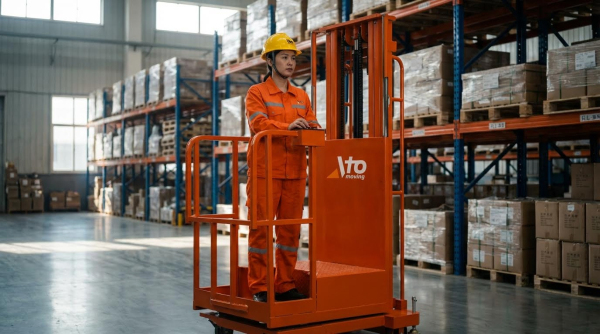
When cherry picking required elevated access, aerial platform introduced additional hazards. Fall protection incidents remained a leading cause of serious injury in MEWP tasks. Typical failure modes included inadequate harness use, incorrect lanyard anchoring, and platform overreaching. Mechanical risks also arose from uncontrolled ascent or descent, abrupt travel, or operating on unsuitable floor conditions that compromised stability. Load mismanagement, such as exceeding platform capacity in the 200 kg to 450 kg range or allowing tools to shift, increased tip-over and dropped-object risk.
Engineering controls depended on stable floor design, sufficient aisle clearances, and collision avoidance around racking, conveyors, and pedestrians. Site-specific risk assessments evaluated slab flatness, surface friction, and traffic patterns before deploying MEWPs for cherry picking. Wind and airflow effects were relevant near loading docks or high bays, where elevated wind speeds could destabilize platforms. Regular inspections of hydraulic systems, structural components, and safety interlocks reduced the probability of catastrophic mechanical failures during picking cycles.
Impacts On KPIs, Labor Utilization, And Lifecycle Cost
Cherry picking directly influenced key warehouse KPIs. Pick accuracy, usually defined as correctly picked order lines divided by total shipped lines, dropped quickly when mispicks and short picks were not controlled. Order cycle time increased when pickers spent excessive time traveling, searching, or waiting for scissor platform lift, congestion relief, or inventory confirmation. Units per hour, a primary productivity metric, decreased when ergonomic strain or unsafe practices forced conservative speeds or frequent micro-breaks.
Labor utilization suffered when engineers designed layouts or methods that required long travel paths or frequent vertical repositioning. High-variation cherry picking, with many low-line-count orders, often produced significant idle time between tasks and underused MEWP capacity. Conversely, poorly controlled batching could overload pickers cognitively, increasing error rates. From a cost engineering viewpoint, cherry picking affected both direct labor cost per order line and indirect costs such as supervision, quality control, and safety management.
Lifecycle cost analysis showed that aggressive, high-speed cherry picking without ergonomic and safety controls accelerated equipment wear. MEWPs, racking, and floor surfaces experienced higher impact loads and more frequent minor collisions. This pattern increased maintenance frequency, shortened overhaul intervals, and elevated unplanned downtime. Facilities that integrated engineered slotting, WMS-guided routes, and strict MEWP protocols typically reduced rework, improved labor utilization, and extended equipment service life. As a result, the cost per shipped unit decreased, even when initial investments in controls and training were higher.
Engineering Controls And Best-Practice Design
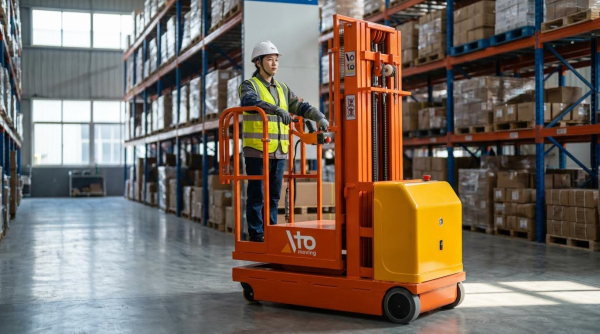
Engineering controls define how warehouses design systems that limit the risks of what is cherry picking in warehouse operations. Good design reduces mispicks, cuts travel distance, and lowers ergonomic and MEWP exposure. This section focuses on layout, digital control, and human factors that stabilize cherry picking performance and safety.
Layout, Slotting, And Method Selection For Picking
Layout and slotting determine how far and how often pickers travel to retrieve items. Engineers place high-velocity stock near packing or consolidation zones and at standing elbow height to reduce reach and walking distance. Slow movers shift to higher or more remote locations, often served by MEWPs under controlled procedures. Slotting tools use order history, cube data, and weight to group SKUs that appear together and to separate similar-looking items that drive mispicks. Method selection links layout to process: discrete picking suits low volume, while batch, cluster, or pick-and-pass methods reduce repeat travel in higher-volume cherry picking. The chosen method should minimize touches per order line and maintain clear material flow from storage to packing without backtracking.
WMS, Scanning, And Advanced Picking Technologies
A Warehouse Management System (WMS) orchestrates what is cherry picking in warehouse by generating optimized pick lists and routes. The WMS assigns work by zone, priority, and carrier cut-off, which stabilizes order cycle time. Barcode or RFID scanning at each pick location enforces item and quantity verification and sharply reduces mispicks and short picks. Advanced technologies such as pick-to-light, put-to-light, and voice-directed picking guide operators step by step, limiting cognitive load and reading errors. Engineers integrate these systems with real-time inventory updates so that stock discrepancies surface early through cycle counting. Data from scanners and WMS logs support continuous improvement, because engineers can analyze dwell times, travel paths, and error patterns to refine layout, slotting, and picking methods.
Training, PPE, And MEWP Safety Protocols
Even with strong engineering controls, cherry picking in warehouse environments still depends on trained operators. Training covers order picking methods, device use, scanning discipline, and ergonomic techniques such as neutral wrist posture and two-handed lifts when possible. For MEWP-based cherry picking, operators complete accredited courses that address platform controls, emergency lowering, and fall-arrest systems. PPE typically includes safety footwear with slip-resistant soles, high-visibility garments, gloves matched to load characteristics, and where required, full-body harnesses with shock-absorbing lanyards. Standard operating procedures specify pre-use checks, three-point contact when accessing platforms, and speed limits during travel. Refresher training and toolbox talks use recent incident data and near-miss reports to keep risk awareness high.
Maintenance, Inspections, And Risk Assessment
Structured maintenance and inspections keep engineering controls reliable over the lifecycle of warehouse assets. Racking inspections verify upright alignment, beam locking, and damage from impacts that could compromise load capacity. MEWPs and other powered equipment undergo daily pre-use checks for hydraulics, controls, brakes, tires, and guardrails, supported by scheduled preventive maintenance according to manufacturer instructions. Lockout/tagout procedures isolate energy sources during repairs, which protects technicians and operators. Formal risk assessments map typical cherry picking tasks, identify hazards such as working at height, congestion, and manual handling, and assign controls using a hierarchy from elimination to PPE. Engineers review these assessments when layouts change, volumes shift, or new technology is introduced, ensuring that controls remain aligned with actual workflows and current regulatory requirements.
Summary: Controlling Cherry Picking Risks In Warehouses
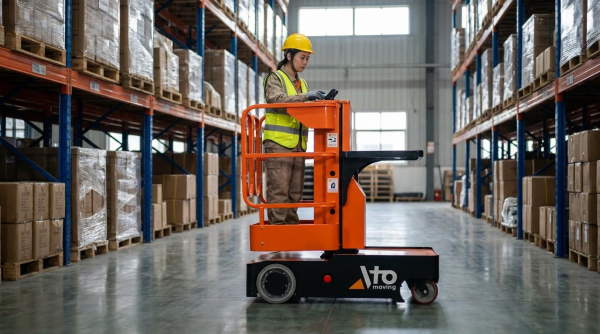
Cherry picking in warehouse operations, or order picking, answered the question “what is cherry picking in warehouse” as the core activity of retrieving specific items from storage to fulfill customer orders. It directly influenced order accuracy, throughput, and operating cost because it concentrated labor, travel distance, and error potential in a single process step. As warehouses scaled, cherry picking created systematic risks: mispicks, short picks, delays, and congestion, along with ergonomic strain and Mobile Elevating Work Platform (MEWP) hazards where high-level picking occurred.
Engineering controls addressed these risks at layout, system, and equipment levels. Optimized slotting placed high-turnover SKUs near packing and at ergonomic pick heights, reducing travel and musculoskeletal load. Warehouse Management Systems with guided picking, barcodes, or RF scanners reduced human decision load and improved traceability, while advanced technologies such as voice, pick-to-light, or put-to-light increased pick rates and accuracy. Structured training, PPE, and MEWP protocols aligned operations with OSHA and relevant standards, reducing fall, struck-by, and overexertion incidents.
From an industry perspective, cherry picking design shifted from purely manual, picker-driven decisions toward data-driven, system-directed workflows. Future trends pointed to tighter WMS–automation integration, use of real-time location systems, and analytics-based labor planning. These developments would not eliminate manual picking but would reframe it as a controlled, exception-focused activity, with autonomous or semi-autonomous systems handling repetitive movements.
Practical implementation required phased deployment: baseline KPI measurement, pilot trials in selected zones, and iterative refinement of layouts, methods, and safety procedures. Operators needed continuous coaching as technology and workflows evolved. A balanced approach recognized that while automation and advanced WMS functions reduced cherry picking risk, they introduced new failure modes such as system outages and human–machine interface issues. Robust maintenance, inspections, and formal risk assessments ensured that the net effect remained positive: higher accuracy, safer workstations, and lower lifecycle cost per order.