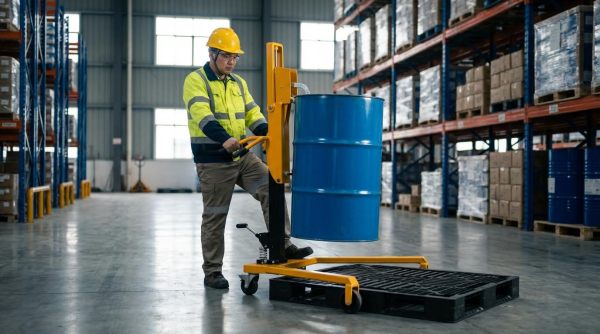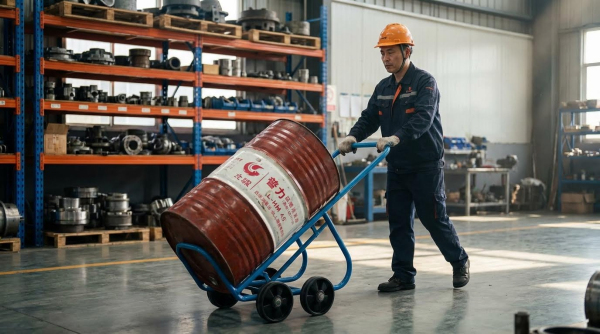
Manual handling of chemical drums poses combined risks from load weight, drum instability, and hazardous contents. This article explains regulatory limits, engineering controls, and safe manual techniques that apply when planning how to move drums of chemicals by hand. It sets out when manual handling is prohibited, which mechanical aids to choose, and how to design compliant storage and emergency arrangements. The final section consolidates these elements into a concise summary of safe, legally defensible drum handling practice for industrial sites.
Regulatory Rules For Manual Drum Handling
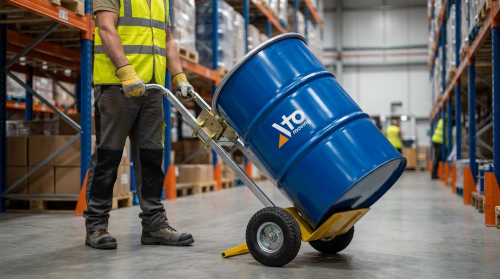
Regulators treated the question of how to move drums of chemicals by hand as a high‑risk manual handling and hazardous substances issue. Rules in most jurisdictions required employers to avoid manual lifting of full drums wherever reasonably practicable and to control both ergonomic and chemical exposure risks when any hand movement remained. Compliance depended on structured risk assessment, correct labeling and SDS use, and clear allocation of duties to employers and workers.
When Manual Handling Is Prohibited Or Restricted
Regulatory frameworks classified a full 205‑litre chemical drum as a load that exceeded safe manual handling limits. Typical guidance limited single‑person manual lifting to 25 kg for adult males and 16 kg for adult females, while full drums could reach 350 kg. As a result, safety laws required elimination of manual lifting and carrying of such drums, except for controlled rolling or positioning tasks. Codes of practice discouraged practices such as dragging drums off pallets, two‑person tipping, or catching falling drums because these created crushing and overexertion risks. Regulations also required employers to substitute mechanical aids or redesign the process whenever operators would otherwise need to lift, support, or steady a drum’s full weight by hand.
Weight, Stability, And Chemical Hazard Assessment
Before deciding how to move drums of chemicals by hand, employers had to assess weight, center of gravity, and contents hazards. Guidance documents stated that a 55‑gallon drum could weigh 180–360 kg, depending on density, which far exceeded safe lifting capacity for a single person. Risk assessments needed to consider drum stability during tilting, rolling on the chime, or upending, especially for high‑specific‑gravity liquids or partially filled drums that sloshed. Assessors also evaluated the chemical classification: flammable, corrosive, toxic, or reactive substances required stricter controls, including ignition prevention and spill containment. Where combined ergonomic and chemical risks were high, regulations pushed employers toward engineered handling systems instead of manual positioning.
Labeling, SDS Review, And Unknown Contents
Regulatory guidance required workers to read the drum label before any movement and to treat unlabeled drums as hazardous by default. Labels needed to display hazard pictograms, signal words, and key risk phrases so operators could select suitable PPE and handling methods. Supervisors had to ensure that the relevant Safety Data Sheet was available, reviewed, and understood, especially sections on physical hazards, incompatibilities, and emergency measures. Rules for unknown or buried drums required conservative handling: operators isolated the area, used remote inspection methods where possible, and sampled contents under a site‑specific health and safety plan. Until testing confirmed low risk, procedures treated such drums as containing the most dangerous plausible substances, with manual contact reduced to the absolute minimum.
Legal Duties Of Employers And Employees
Occupational safety laws placed the primary duty on employers to prevent injury during manual handling of chemical drums. They had to provide safe systems of work, including mechanical aids, spill control, and clear procedures for rolling, tilting, and stacking drums. Regulations also required information, instruction, and training so workers understood both musculoskeletal risks and chemical exposure pathways. Employees had legal duties to follow those procedures, use provided PPE, and avoid improvising unsafe methods such as freehand lifting or uncontrolled tipping. Consultation duties meant employers had to involve health and safety representatives when designing drum‑handling tasks, ensuring that controls met both ergonomic and chemical safety requirements.
Engineering Controls And Equipment Selection
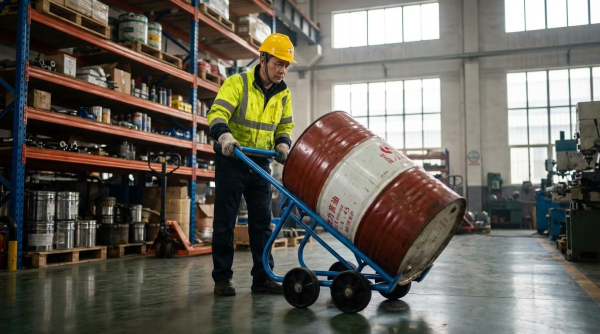
Engineering controls are the primary way to reduce the risks associated with how to move drums of chemicals by hand. Proper selection of containers and drum handling equipment limits manual exertion, controls spill risk, and supports regulatory compliance. This section explains when to upgrade from drums to bulk systems and how to choose purpose-designed drum movers, attachments, and vacuum lifters for chemical service.
When To Replace Drums With IBCs Or Fixed Systems
Full 205-litre drums often weighed up to 350 kg, which exceeded safe manual handling limits by a wide margin. Where routine transfer volumes were high, replacing drums with intermediate bulk containers (IBCs) or fixed pipework systems significantly reduced manual drum handling. IBCs with bottom outlets, taps, or pumps allowed gravity or pumped transfer, eliminating tilting and upending actions. Fixed systems with hard piping, metering, and closed transfer reduced spill probability and operator exposure to vapours or splashes. Engineers evaluated changeover triggers such as drum handling frequency, incident history, and ergonomic assessments to justify capital investment.
Drum Trucks, Lifters, Dollies, And Tippers
When operations still used drums, mechanical aids became essential controls for how to move drums of chemicals by hand. Drum trucks and dollies carried the drum weight on wheels, so operators only provided guidance and limited push or pull force. Drum lifters and cradles supported controlled tilting for decanting, avoiding the hazardous practice of dropping drums into a horizontal position or two-person tipping. Integrated tippers or rotators allowed operators to pour from a stable, supported drum, keeping hands away from pinch points at the chime. Selection considered drum size, floor conditions, chemical compatibility of contact parts, and whether the device needed braking, bunding, or integrated spill trays.
Forklift And Overhead Handling Attachments
Forklift and overhead crane attachments enabled mechanical handling of drums where floor transport distances or lift heights were significant. Drum clamp attachments gripped the drum body or chime and allowed vertical lifting without manual stabilisation by workers. Rotating or tipping attachments let operators lift, move, and decant drums while remaining in the forklift seat or at a pendant control station. Overhead beam or gantry systems with drum grabs provided coverage over sumps, filling stations, or storage rows, minimising the need to drag drums by hand. Engineers verified attachment load ratings, drum geometry compatibility, and the need for spark-resistant or corrosion-resistant materials in chemical areas.
Vacuum Lifters And ATEX-Compliant Solutions
Vacuum lifters provided a highly ergonomic option for lifting and positioning drums with minimal physical effort. These systems used suction pads and a vacuum pump to grip the drum, allowing single-operator handling while keeping an upright posture. Quick-change tooling enabled the same system to handle drums, canisters, and bags, which reduced the number of manual lifting tasks. In hazardous zones with flammable vapours, ATEX-compliant vacuum lifters used grounded components, conductive hoses, and pneumatic pumps to eliminate ignition sources. Engineers integrated these systems with ceiling-mounted rails or jib cranes to cover storage areas, while ensuring that seals, filters, and materials were compatible with the specific chemical service.
Safe Work Methods For Manual Drum Operations
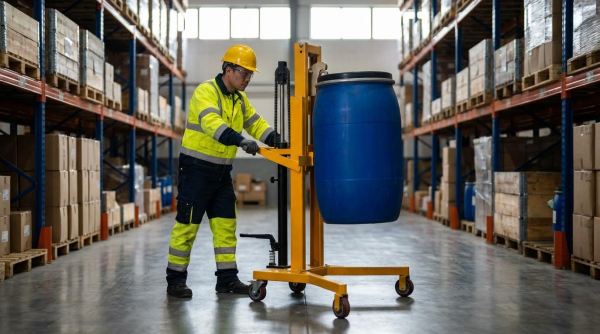
Safe manual handling of chemical drums depends on structured inspections, controlled body mechanics, and disciplined storage practices. When organizations understand exactly how to move drums of chemicals by hand, they can reduce musculoskeletal injuries and chemical exposure while remaining compliant with regulatory expectations.
Pre-Use Inspection, Leaks, And Bung Integrity
Before any attempt to move a drum by hand, operators should perform a systematic visual and tactile inspection. They should confirm that labels are legible and check for corrosion, dents at the chimes, bulging, or distortion that may indicate internal pressure. The surface around the drum must be dry and free of residue, since wet or crystalline deposits may signal leaks or previous spills. Operators should examine all seams and welds, then focus on bungs and lids, confirming that threads engage fully and gaskets are present and undamaged.
If a bung or lid is missing or loose, workers must secure a compatible replacement before moving the drum. Any sign of leakage requires escalation to a spill response procedure, using absorbents and containment sized for the full drum volume. The appropriate Safety Data Sheet should guide decisions on ventilation, ignition control, and compatible absorbent types. Unlabeled or poorly labeled drums should be treated as containing hazardous chemicals, isolated, and sampled under a site-specific plan rather than moved routinely by hand.
Correct Techniques For Rolling, Tilting, And Upending
When evaluating how to move drums of chemicals by hand, rolling on the chime is usually the least hazardous manual option, provided the drum is intact and the floor is even. The operator should stand in front of the drum, place both hands on the far side of the top chime, and pull the drum towards themselves until it balances on the lower chime. Hands must never cross or reach underneath the drum, which reduces crush risk if the drum slips. The back should remain straight while the knees and hips flex, maintaining the load close to the body to limit spinal torque.
To lower a vertical drum to the floor for rolling, the worker should shift their grip to the sides of the chime, keeping fingers clear of pinch points, and control the descent with leg strength rather than back flexion. Upending a horizontal drum into a vertical position should use a barrel lifter or lever where available, converting lifting into controlled rotation. If no mechanical lever exists and manual upending is still permitted on site, the operator should crouch with feet apart, grasp both sides of the chime, and use leg extension to initiate rotation while guiding the drum onto the lower chime, not dead-lifting its full mass.
Storage Layout, Stacking Limits, And Inspection Access
Storage design strongly influences how safely workers can move drums of chemicals by hand. Rows should allow direct visual access to every drum surface, including bungs and labels, without requiring operators to climb over other containers. For 200–220 litre drums, a conservative practice is to stack no more than two drums high and two drums wide on pallets, which limits instability and keeps all outer surfaces inspectable from floor level. Higher stacks increase overturning moments and make it difficult to detect corrosion or slow leaks at mid-height drums.
Aisle widths should accommodate both manual rolling paths and mechanical aids such as drum dolly, while maintaining clear egress routes in case of a spill or fire. Incompatible chemicals should not share the same secondary containment or pallet positions, so that a single leak does not create a dangerous reaction. Outdoor storage requires level, well-drained foundations and protection from vehicle impact, for example with barriers or curbs. Planned inspection routes should allow operators to check bungs, chimes, and pallet condition without stretching, twisting, or standing on improvised platforms.
PPE, Training, And Site-Specific Emergency Plans
Personal protective equipment provides the final barrier when moving drums of chemicals by hand, but it cannot compensate for poor technique or inadequate planning. As a baseline, operators should wear safety footwear with toe protection, chemically compatible gloves, and eye protection; additional items such as chemical splash goggles, face shields, aprons, or respirators depend on the specific hazard classification. Fit, compatibility, and decontamination procedures must match the chemicals stored, especially for corrosives, oxidizers, or volatile organics. PPE selection should align with the Safety Data Sheet and any occupational exposure limits that apply.
Training programs should combine classroom instruction on chemical hazards with hands-on practice in rolling, tilting, and upending using dummy or water-filled drums. Workers need clear criteria for when manual handling stops and mechanical aids or powered equipment become mandatory, for example above defined mass thresholds or when drums show damage. Site-specific emergency plans must describe how to isolate a leaking drum, deploy absorbents, notify supervisors, and protect drainage systems and the environment. Regular drills help ensure that operators respond consistently under stress and that supervisors can verify that manual drum handling practices remain safe, controlled, and compliant.
Summary Of Safe, Compliant Drum Handling Practices
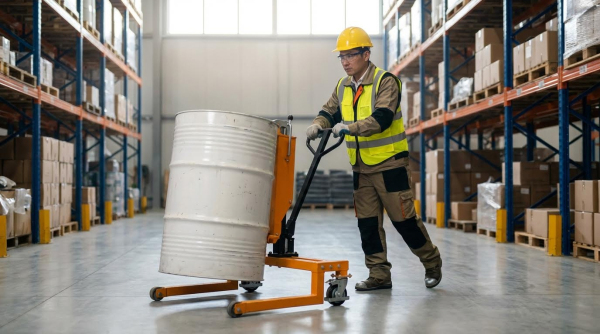
Safe, compliant manual handling of chemical drums requires strict limits on manual effort and strong reliance on engineered aids. Industrial drums often weigh between 180 kg and 350 kg, so direct lifting or carrying by hand does not meet modern ergonomics or regulatory expectations. Instead, organizations should treat “how to move drums of chemicals by hand” as a question of controlled rolling, tilting, and positioning, combined with appropriate mechanical assistance and robust spill preparedness.
Key technical controls start with hazard identification. Operators must verify labels, review the Safety Data Sheet, and treat unlabeled drums as hazardous until analysis confirms contents. Before any movement, personnel should inspect the drum for corrosion, deformation, leaks, missing bungs, or loose lids, and secure closures to prevent releases. Workplaces should limit manual operations to low‑risk tasks such as short‑distance chime rolling on good surfaces, and only when weight, stability, and chemical properties allow. For heavier drums or higher hazard classes, dedicated drum trucks, carts, and other handling devices should be mandatory.
Industry practice has shifted towards minimizing manual handling through process redesign. Preferred solutions include receiving product in intermediate bulk containers, integrating fixed transfer systems, or using powered drum movers, tippers, and overhead or forklift attachments. These approaches reduce musculoskeletal load and lower the probability of catastrophic leaks or drum drops. Storage systems should keep stacks to a maximum of two drums high and two wide, allow clear aisle access, and support regular inspection for deterioration and spills.
Future developments will likely tighten regulatory limits on manual load handling and expand expectations for closed transfer, remote sampling, and continuous monitoring of chemical storage areas. Facilities planning how to move drums of chemicals by hand should therefore adopt a conservative, forward‑looking strategy. That means prioritizing elimination or substitution of manual tasks, embedding mechanical aids into standard operating procedures, and maintaining strong training, PPE, and emergency response arrangements. This balanced approach recognizes that while some manual interaction with drums will remain, safe operations depend on engineering controls, disciplined methods, and continuous improvement rather than physical strength or improvisation.