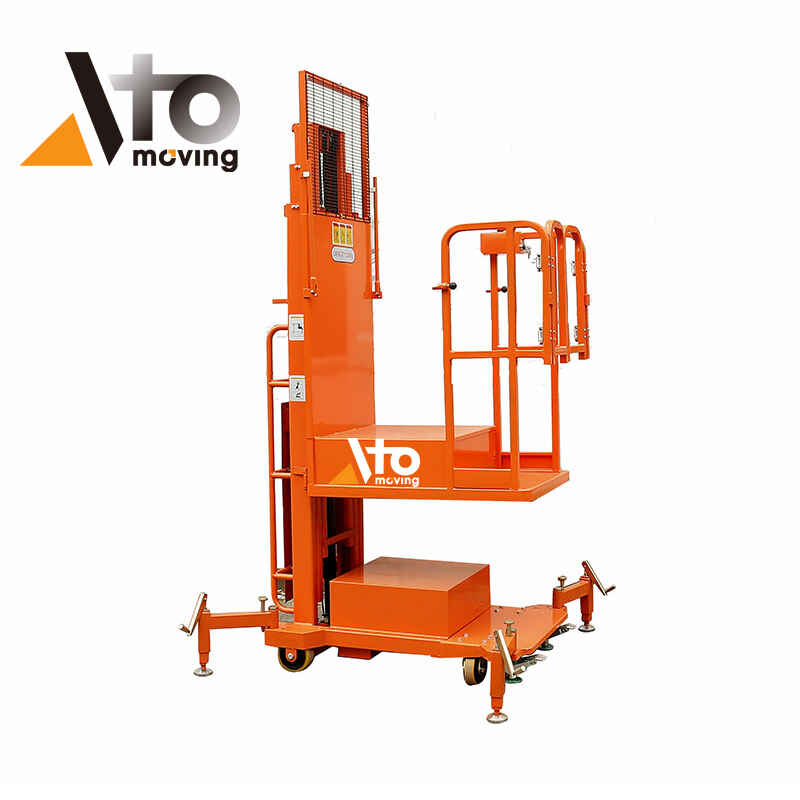
Warehouses that ask how to reduce warehouse picking errors need a combined process and systems approach. This article explains how to map current picking errors and waste, then apply Lean tools and Warehouse Management Systems (WMS) to stabilize and improve accuracy.
You will see how 5S, standardized work, DMAIC, and Kaizen link with slotting, routing, barcode, RFID, and voice-directed picking. The article also shows how to quantify error costs, build a reliable KPI baseline from WMS data, and configure WMS so Lean workflows run every shift.
The final section summarizes how Lean thinking and modern WMS, including voice and hands-free warehouse order picker, create reliable, repeatable order accuracy without adding headcount. Engineers, operations leaders, and continuous improvement teams can use this structure to design practical, low-waste picking systems.
Mapping Current Picking Errors And Waste

Warehouses that study how to reduce warehouse picking errors need a clear starting point. Mapping current errors and waste creates that baseline. This section explains how to identify root causes, map the value stream, quantify error costs, and use WMS data to see the real performance gap.
Common Root Causes Of Picking Errors
Most picking mistakes come from a small set of repeatable causes. Typical drivers include poor location labeling, similar SKU packaging, and unstable layouts. Paper lists and manual keying add transcription errors and skipped lines. Fatigue and overload increase when walking distance and search time stay high.
To understand how to reduce warehouse picking errors, classify defects in a simple matrix. Common types are wrong item, wrong quantity, wrong unit of measure, and missed line. Link each type to a cause category such as method, machine, man, or material. A short Pareto chart then shows which causes create most mispicks. Focus first on high-volume SKUs and fast-moving zones because these amplify every weakness.
Value Stream Mapping Of The Picking Process
Value Stream Mapping (VSM) helps teams see the full pick flow end to end. The map shows each step from order release to confirmation at packing. Mark value-added steps, such as actual picking, and non-value steps, such as searching or waiting. Time each step with a stopwatch study or WMS timestamps.
For clarity, split the map into three lanes: information flow, material flow, and error detection points. Highlight rework loops where incorrect picks come back from packing or shipping. These loops reveal how long errors stay hidden. Add basic data for each step, such as average time, defect rate, and work-in-process volume. The final VSM makes waste visible and guides where Lean tools and WMS rules should change first.
Quantifying Error Costs And Performance KPIs
Technical teams must translate picking errors into measurable cost. Each mispick usually drives extra handling, extra freight, and sometimes returns or write-offs. Create a simple cost model that includes:
- Direct labor to correct the error
- Transport and packaging for reshipment
- Customer service time and potential penalties
Then connect this model to key performance indicators. Core KPIs for how to reduce warehouse picking errors include order accuracy rate, lines picked per labor hour, cost per order, and inventory record accuracy. Track first-pass yield at packing to see how many orders leave error free. Use rolling weekly charts to show trends, not single snapshots. This data turns quality talks from opinion into fact-based decisions.
Building A Baseline Using WMS Data
A WMS already holds most data needed for an accuracy baseline. Start by extracting order lines, pick confirmations, corrections, and returns over a defined period. Filter by zone, shift, picker, and SKU family. This segmentation reveals where error density is highest.
Next, align WMS events with physical checks. Compare system inventory to cycle count results to expose hidden mismatches. Use simple dashboards to show pick accuracy by route, by customer, and by storage type such as manual pallet jack or bin shelving. Avoid custom logic at first; use standard WMS reports where possible. The goal is a stable, repeatable baseline that shows current accuracy, typical walking distance, and rework volume. This baseline becomes the reference when Lean changes and WMS configuration updates start to cut errors and waste.
Applying Lean Tools To Stabilize Picking
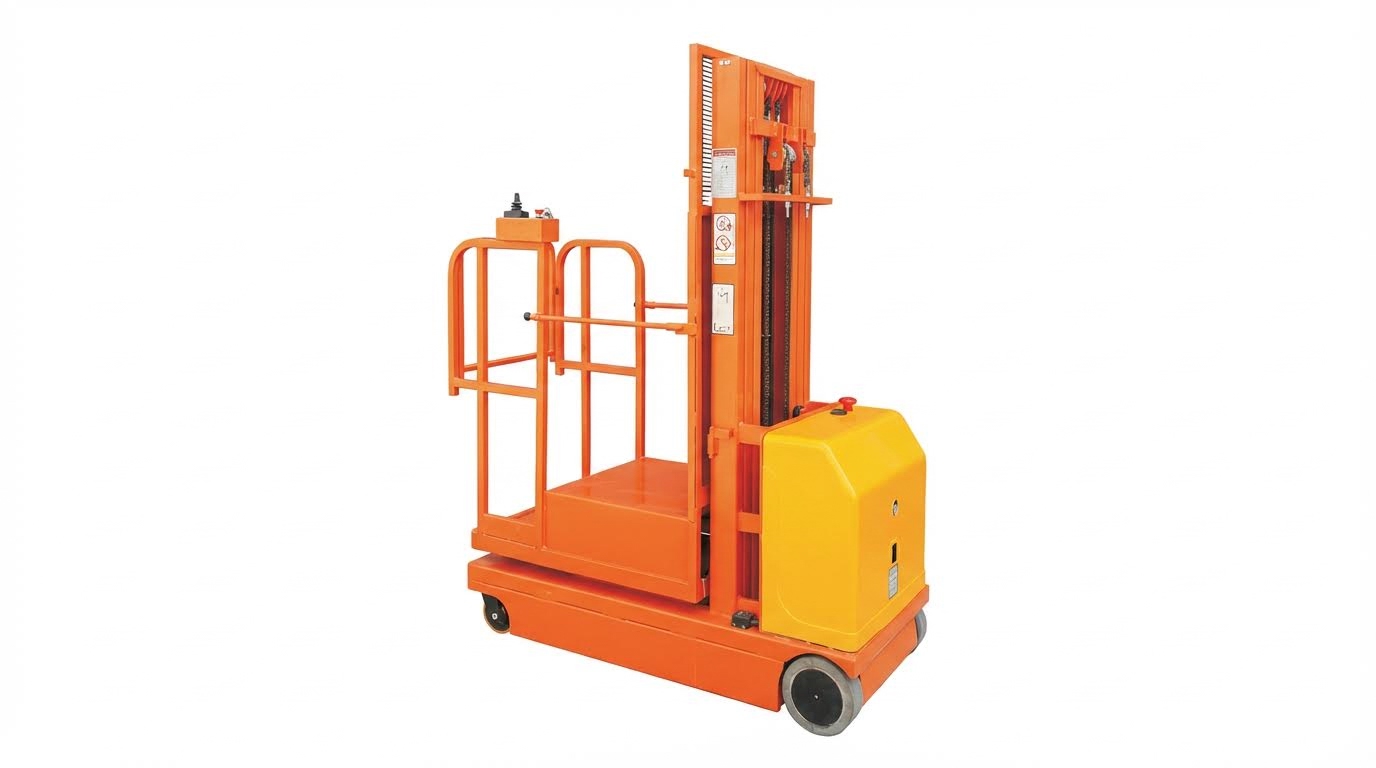
Lean tools give engineers a structured answer to how to reduce warehouse picking errors. They remove variation, stabilize workflows, and expose problems early. In a warehouse, stable picking comes from clear layouts, standard tasks, and fast feedback when errors appear. This section explains how 5S, standardized work, DMAIC, Five Whys, and Kaizen events work together to build reliable, low-error picking.
5S And Visual Controls In Picking Zones
5S is a direct way to cut search time and mispicks in picking aisles. Sort removes unused bins, duplicate labels, and obsolete SKUs that confuse operators. Set in Order defines fixed homes for SKUs, tools, and packaging so pickers follow a clear visual logic. Shine keeps locations clean so labels, barcodes, and floor markings stay readable.
Standardize and Sustain lock these gains with simple rules. Engineers can link 5S to error data by comparing mispick rates before and after each 5S step. Useful visual controls in picking zones include:
- Color-coded zones by product family or velocity class
- Large bin labels with SKU, unit of measure, and image
- Floor markings for main routes and no-go areas
- Andon-style boards that show daily picking errors by area
These controls let supervisors see at a glance where errors cluster and where layouts drift from the standard. Over time, disciplined 5S supports shorter walking paths, fewer wrong-bin picks, and safer movement.
Standardized Work For Repetitive Pick Tasks
Standardized work gives one best-known method for each pick pattern. It reduces variation between operators and shifts, which is a major source of picking errors. Engineers document the sequence, takt expectations, and work-in-process limits for core tasks such as single-line picks, batch picks, and replenishment.
Effective standardized work for picking usually includes:
- Clear start and end points for each task
- Defined verification steps, such as scan-point locations
- Visual job aids at the point of use
- Simple checklists for new operators
Standardized work also speeds training. New staff can reach stable accuracy in days instead of weeks. When a WMS is present, task prompts, scans, and confirmations should mirror the documented standard. Any change to the WMS flow should trigger an update to the work standard and vice versa. This tight link keeps digital instructions and physical practice aligned, which is critical for consistent order accuracy.
Using DMAIC And Five Whys On Error Hotspots
DMAIC gives a step-by-step method to attack high-error zones instead of guessing. In the Define step, teams set a clear problem statement, such as “picking errors in aisle B exceed 1%.” Measure uses WMS data and manual checks to map error types by SKU, picker, time, and location. Analyze looks for patterns using tools like Pareto charts and cause-and-effect diagrams.
Five Whys fits inside DMAIC as a simple root cause tool. Teams pick a specific defect, for example “wrong size picked for SKU 1234,” then ask “why” repeatedly until they reach a process cause, not a person. Typical root causes include similar packaging, poor bin labeling, or unclear unit-of-measure settings. Improve then tests countermeasures such as label redesign, bin separation, or extra scans. Control locks in gains with control charts, audits, and WMS alerts. This disciplined cycle turns vague complaints about errors into measurable, sustainable fixes.
Kaizen Events Focused On Order Accuracy
Kaizen events are short, focused workshops that target a defined picking problem. They work well when leaders want to know how to reduce warehouse picking errors without large capital spend. A typical event runs for several days and moves through preparation, analysis, redesign, trial, and follow-up.
For picking accuracy, a Kaizen team often includes engineers, supervisors, pickers, and quality staff. They walk the gemba, time each step, and map the current process. Common improvements from these events include:
- Re-slotting high-error SKUs to clearer locations
- Adding simple verification steps at pack-out
- Reducing batch sizes that overload pickers with lines
- Clarifying label formats and units of measure
After the event, leaders must track order accuracy KPIs weekly and compare them to the pre-Kaizen baseline. Successful changes become new standards and feed into training and WMS configuration. Repeating Kaizen cycles on different zones builds a culture where operators expect steady error reduction, not occasional big projects.
Leveraging WMS And Voice Tech To Cut Errors
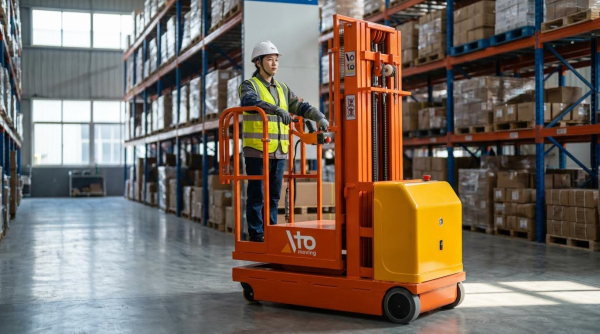
Modern WMS and voice systems answer a core question for operations teams: how to reduce warehouse picking errors at scale. These tools turn Lean rules into daily habits by guiding pickers, enforcing checks, and feeding live data back into improvement loops. The focus shifts from blaming people to designing a process that makes the right pick the easiest pick every time.
Slotting, Routing, And Tasking In Modern WMS
Modern WMS engines reduce picking errors by controlling where items sit, how pickers move, and which task they do next. Slotting rules place high runners in fast-pick zones and keep look‑alike SKUs apart, which cuts visual confusion and mis-picks. Routing logic then builds pick paths that minimize walking and backtracking, so workers stay focused on verification instead of navigation.
Tasking functions break orders into small, clear assignments. The system pushes work to pickers based on zone, skill, and priority, which prevents ad‑hoc decisions on the floor. To understand how to reduce warehouse picking errors with WMS controls, operations teams often compare three design levers:
| Design lever | Impact on errors |
|---|---|
| ABC / velocity slotting | Reduces search time and mis-identification |
| Separation of similar SKUs | Lowers risk of look‑alike picks |
| Optimized routing and tasking | Limits fatigue and rushed decisions |
Lean teams use WMS reports to test slotting changes, then track order accuracy and pick rate before and after. This closed loop turns the WMS into a continuous improvement tool, not just a storage locator.
Barcode, RFID, And Real-Time Inventory Control
Barcode and RFID checks give a simple, robust answer to how to reduce warehouse picking errors at the bin. The WMS issues each pick with an expected item and location. The picker scans the bin and product; the system compares codes and blocks confirmation if they do not match. This replaces memory-based picking with system-verified picking.
Real-time inventory updates then keep stock figures aligned with the physical world. Each scan posts movements instantly, so the next picker does not walk to an empty bin because of a late update. Typical control steps include:
- Location scan on arrival at the bin
- Item or case scan before removal
- Optional second scan at packing or staging
RFID can extend this by reading tags automatically in high-volume zones, but it needs careful antenna layout and tag selection. From a Lean view, these technologies remove rework, stockouts, and emergency cycle counts caused by bad data.
Voice-Directed Picking And Hands-Free Operation
Voice-directed picking answers how to reduce warehouse picking errors while also lifting speed. Workers wear headsets linked to the WMS. The system speaks each step: travel location, slot check, quantity, and any verification digits. Pickers confirm verbally, so their hands and eyes stay on the product and surroundings.
This format cuts errors in three ways. First, it removes paper lists and screen scrolling, which often cause line skips. Second, it forces a structured confirm step at each location, which reduces wrong-slot picks. Third, it keeps walking patterns smooth, which lowers fatigue and distraction late in the shift.
Modern voice systems support multiple languages and work in noisy areas with noise-cancelling headsets. Training time usually drops because new staff follow prompts instead of memorizing layouts. Operations teams often see higher picks per hour and lower rework, especially in fast-moving consumer goods and e‑commerce warehouses.
Integrating Lean Workflows Into WMS Configuration
The biggest gains come when Lean workflows shape the WMS setup from day one. Teams first map the process, define standard work, and agree on checks at each step. They then configure the WMS so the software enforces these standards. For example, the system can require a scan at every high-risk SKU, or block packing if a count check is missing.
To align WMS with how to reduce warehouse picking errors, engineers and supervisors typically:
- Translate error modes into system rules and alerts
- Design pick paths that match standardized work
- Embed visual and voice cues for critical steps
- Use dashboards to track KPIs like order accuracy and rework rate
Kaizen teams review these metrics in daily or weekly meetings. They adjust slotting, prompts, and task rules, then watch for changes in defects and lead time. Over time, the WMS becomes the backbone that holds Lean improvements in place, even as staff, volumes, and product mixes change.
Summary: Lean And WMS For Reliable Picking Accuracy
Operations teams that ask how to reduce warehouse picking errors need a combined Lean and WMS approach. The earlier sections showed how to map error causes, stabilize processes with Lean tools, and use WMS and voice technology to control execution. This summary links those ideas into a practical roadmap for reliable accuracy.
Technically, Lean methods created stable, repeatable picking flows. 5S, standardized work, value stream mapping, and DMAIC reduced search time, motion, and process variation. Case studies showed error reductions above 90% when sites paired these methods with structured problem solving and visual management. At the same time, modern WMS platforms delivered real-time inventory visibility, location control, and system-driven tasking. Sites reported inventory accuracy near 99.9% and cycle time cuts above 30% after full deployment.
For industry, this meant fewer misshipments, lower logistics cost per line, and higher throughput with the same headcount. Voice-directed picking, barcodes, and RF devices supported hands-free work and faster training. Continuous improvement loops used WMS data and Lean tools to keep tightening routes, slotting, and verification steps. Future trends pointed to AI-driven slotting, predictive analytics, and closer links between Lean workflows and WMS configuration.
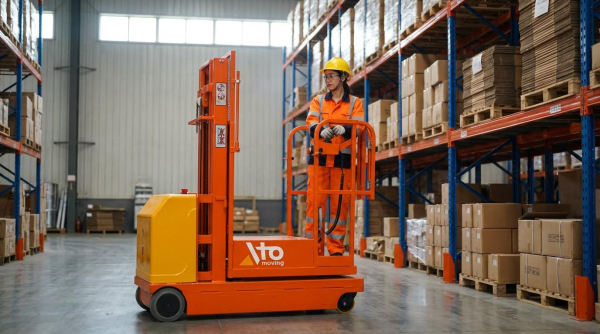
Implementation still required disciplined change management. Teams had to standardize pick methods, clean and label locations, and configure WMS rules around Lean standards. Leaders needed daily gemba walks, KPI boards, and structured Kaizen to hold gains. The direction of technology was clear, but stable basics remained critical: clear locations, accurate master data, simple standards, and engaged operators. Together, Lean and WMS gave a scalable answer to how to reduce warehouse picking errors without constant extra labor or firefighting. For operations involving material handling equipment like warehouse order picker, scissor platform lift, and manual pallet jack, integrating Lean and WMS ensures optimal efficiency and accuracy.