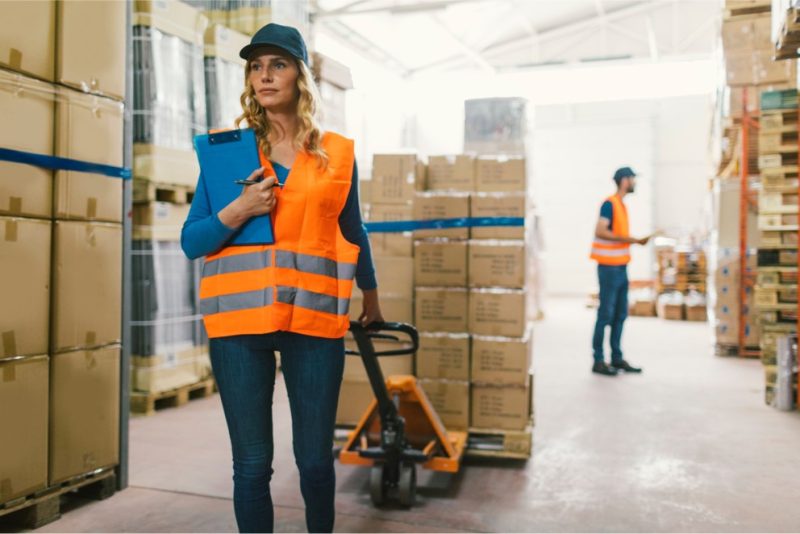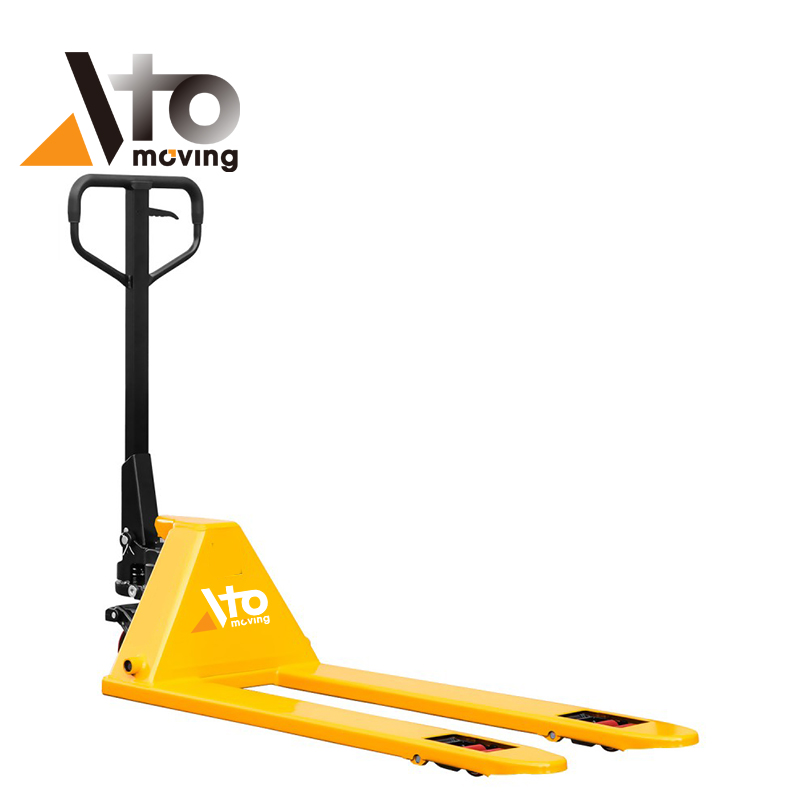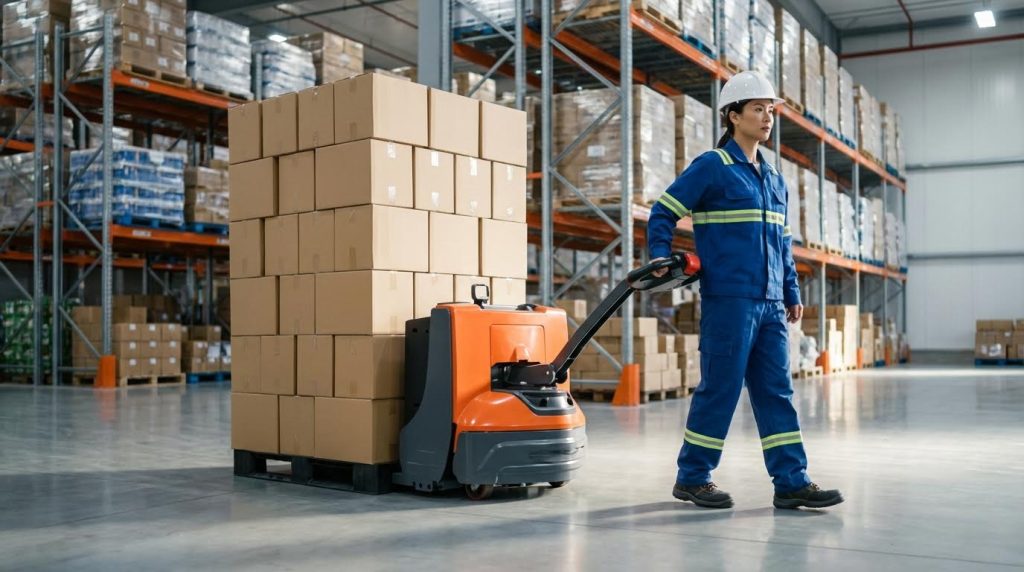
Operators who search for how to fix a pallet jack that won’t lift usually face a mix of hydraulic, mechanical, and safety questions. This guide explains how to read failure modes, assess risk, and decide if repair still makes sense over replacement across the full lifecycle of a manual pallet jack.
You will see a structured diagnosis workflow, from simple visual checks and bleeding trapped air to isolating valve and linkage faults with basic shop tools. The repair section then moves down to component level, including seals, O-rings, cartridges, and full hydraulic power unit work, followed by fluid selection and verification tests.
The final part links technical findings to repair-versus-replace decisions, budget planning, and maintenance schedules that keep fleets reliable. Throughout, the focus stays on practical engineering logic that a technician or maintenance engineer can use on the shop floor the next time a pallet jack will not lift under load.
Failure Modes When a Pallet Jack Won’t Lift
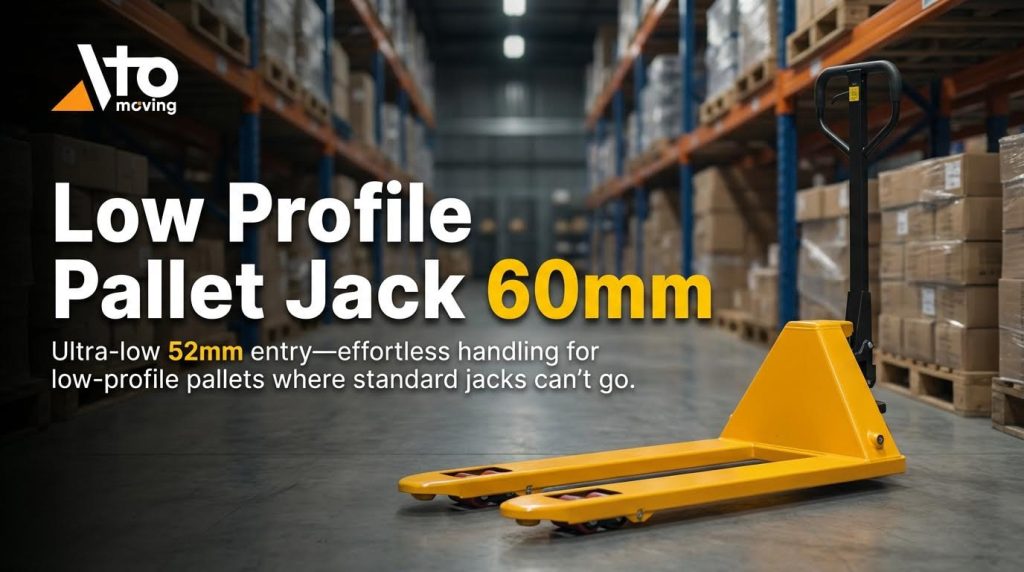
This section explains why a pallet jack will not raise a load, even when the operator pumps the handle correctly. It gives engineers and technicians a clear view of hydraulic and mechanical failure modes before they decide how to fix a pallet jack that won’t lift. The focus stays on root causes, safety risk, and when repair stops making sense compared with replacement.
Typical Hydraulic And Mechanical Faults
Most non-lifting cases start in the hydraulic circuit. Trapped air, low oil, and leaking seals reduce effective pressure and stroke. Air in the pump creates a spongy feel and poor lift, which guides recommend fixing first by bleeding the circuit with repeated handle strokes and the release lever held open.
If bleeding does not restore lift, fluid level and condition become the next checks. A level well below the reservoir top, dark color, or visible contamination suggest leaks or internal wear. Common hydraulic faults include:
- Worn O-rings in the valve cartridge that let pressure bypass.
- Damaged pump pistons or scored cylinder walls.
- Loose fittings or hose damage that cause external leaks.
Mechanical issues also stop lifting. Bent or cracked forks can bind under load and prevent full stroke. Worn linkage pins or a misadjusted control handle can hold the valve slightly open, so the pump cannot build pressure. Engineers should separate handle and linkage faults from pump faults by disconnecting the linkage and testing pump action directly.
Safety Risks And Lockout Considerations
A pallet jack that will not lift often has hidden structural or hydraulic damage. Continuing to use it can create sudden failure modes, such as rapid fork drop, load shift, or wheel lock. Before investigating how to fix a hydraulic pallet truck that won’t lift, technicians should isolate the unit.
Lockout and safety steps usually include:
- Removing the jack from service and tagging it as defective.
- Lowering forks fully and removing any load.
- Chocking wheels on sloped floors to prevent movement.
Personal protective equipment matters during hydraulic work. Gloves protect against oil exposure and sharp edges near axles or linkage. Safety shoes protect against dropped components or fork impacts. Engineers should avoid working under raised forks supported only by the jack’s own hydraulics; use rigid blocking if elevation is required. Oil spills from leaks increase slip risk, so absorbent material and cleanup should follow any inspection.
Shops should keep clear rules. Only trained staff should open hydraulic circuits, replace seals, or adjust overload valves. This control reduces the chance that an incorrect “fix” creates a later accident under load.
When Repair Is No Longer Economical
Not every non-lifting pallet jack justifies a full rebuild. When planning how to fix a pallet jack that won’t lift, engineers should compare repair scope, parts cost, and remaining life. Several technical signs point toward retirement instead of further work.
Replacement is often more rational when:
- Forks show permanent bending, twisting, or cracking.
- Hydraulic oil leaks persist after seal and O-ring changes.
- Steer wheels or load rollers wobble even after axle and bearing work.
Severe corrosion on the frame, pump housing, or handle base also reduces confidence in long-term integrity. Rebuilding a badly worn hydraulic unit demands skilled labor, special tools, and careful cleaning. In lower-cost manual pallet jacks, that labor often approaches the price of a new unit, especially when combined with new wheels, bearings, and hardware.
A lifecycle view helps. If a jack has already reached high operating hours, shows repeated failures, or no longer matches current load or duty requirements, replacement improves reliability and reduces unplanned downtime. In contrast, units with sound structure and localized hydraulic faults usually justify targeted repairs and a renewed preventive maintenance plan.
Stepwise Diagnosis Of A Non-Lifting Pallet Jack
This section explains how to fix a pallet jack that won’t lift using a structured diagnostic path. The aim is to separate quick on-site checks from faults that need parts or specialist repair. Each step moves from simple visual checks to targeted hydraulic tests so technicians avoid random part changes.
Initial Checks, Visual Inspection, And Tools
Start with the jack unloaded on a flat, clean floor. Confirm the control lever moves freely between lift, neutral, and lower. Check that the overload valve is not engaged if the model has one. Look for bent forks, cracked welds, or twisted push rods that can block movement.
Inspect the floor under the jack for oil spots. Oil marks often indicate a leak near the pump, cylinder, or fittings. Verify the wheels roll without binding because jammed wheels can feel like a lift fault. For a basic diagnostic kit, prepare:
- Metric and imperial spanners or a ratchet set
- Flat and Phillips screwdrivers
- Needle-nose pliers and an adjustable wrench
- Clean rags, a drain pan, and safety gloves
- The service manual or parts diagram
If the hydraulic pallet truck still will not lift after these checks, move to hydraulic bleeding.
Bleeding Air From The Hydraulic Circuit
Air in the hydraulic unit was a frequent reason a pallet jack would not lift. It caused spongy pump feel and little or no fork movement. Bleeding is therefore the first real hydraulic step when deciding how to fix a pallet jack that won’t lift. Always remove any load before bleeding.
Most guides recommended a simple method. Place the lever in the lower or release position. Then pump the handle 10–20 times through the full stroke. This cycles the internal valves and pushes air back to the reservoir. Some models also have a bleed screw near the pump body. In that case, open it slightly, pump until fluid flows without bubbles, then close it.
After bleeding, switch the lever to lift and test fork travel. If the forks now rise smoothly and hold, the fault was air ingress. If lifting remains weak or absent, the next check is fluid level and leakage.
Verifying Fluid Level, Leaks, And Contamination
Low or degraded oil often sits behind repeat lifting complaints. Place the jack on level ground and lower the forks fully. Locate the fill plug on the reservoir and remove it carefully. Most manuals specified a level roughly 20–30 millimetres below the top of the reservoir, but always follow the specific model data.
Look at the oil condition. Good hydraulic oil appears clear or slightly amber. Milky oil indicates water. Dark, burnt-smelling oil suggests overheating or long service. In both cases, plan a drain and refill. While the plug is open, scan the pump body, cylinder, and hose joints for wet surfaces. Track any streaks downwards to find the highest wet point; that is usually the leak source.
After topping up with the correct hydraulic oil grade, reinstall the plug and wipe all surfaces dry. Then test lift again. If the jack still fails, the problem likely sits in the mechanical linkage or the pump valve block.
Isolating Handle, Linkage, And Pump Valve Faults
This step separates external control issues from internal pump faults. First, watch the pump rod and linkage while someone pumps the handle. All joints should move through full travel without delay or side play. Excessive slack or binding means worn pins, bent links, or a mis-set release rod.
To isolate further, disconnect the linkage from the release lever at the pump. Move the pump lever by hand and check for smooth motion and positive spring return. Then pump the handle with the linkage still disconnected. Three outcomes guide the next action:
- If the jack lifts with the linkage disconnected, adjust or repair the handle and linkage.
- If the jack does not lift and the handle feels soft, suspect air, low oil, or internal seal wear.
- If the jack does not lift but the handle feels firm, suspect stuck or worn check valves.
When valve problems are likely, technicians usually remove the valve cartridge for inspection. Worn O-rings or damaged seats can prevent the check valves from sealing, so pressure cannot build. At that point, the decision shifts from diagnosis to repair or cartridge replacement, which the next section covers in detail.
Repair Methods And Component-Level Fixes

Engineers who search how to fix a pallet jack that won’t lift usually arrive at the same conclusion. Most root causes sit inside the hydraulic group and its seals, valves, and fluid. This section focuses on component-level fixes that restore safe lifting without guesswork. It links field symptoms to specific repair actions and test steps.
O-Ring, Seal, And Valve Cartridge Replacement
Internal leakage past worn O-rings and seals is a primary reason a pallet jack will not hold or gain height. When the handle pumps but the forks stay down, the check valve or lowering valve cartridge often bypasses oil. A structured approach reduces teardown time and rework.
Typical steps include:
- Secure the jack, chock wheels, and support the frame so drive wheels hang free.
- Drain hydraulic oil into a pan through the reservoir plug or cover screw.
- Remove the lower control lever and valve cartridge as shown in the service manual.
- Extract old O-rings with needle-nose pliers and clean grooves with a lint-free rag.
- Install new O-rings of the correct size and material, then reassemble the cartridge.
Correct O-ring sizing is critical. Undersized rings leak; oversized rings cut during assembly. Engineers should match dimensions and hardness to the original specification. After refilling with oil, a lift test under a medium load confirms sealing performance.
Rebuilding Or Replacing The Hydraulic Power Unit
When a hydraulic pallet truck still will not lift after bleeding and valve service, the pump group may be worn. Typical failure points include pump pistons, cylinder bores, and check valve seats. Scoring or corrosion reduces volumetric efficiency and prevents pressure build-up.
Engineers usually compare two options.
| Option | Advantages | Limitations |
|---|---|---|
| Rebuild existing unit | Lower part cost; reuse housing; learning value for in-house technicians | Requires clean workspace; more downtime; success depends on wear level |
| Replace complete unit | Predictable performance; shorter downtime; factory-tested assembly | Higher upfront cost; may need mounting adaptations |
A rebuild kit typically includes pistons, seals, springs, and valve parts. During rebuild, inspect cylinder surfaces, pump rods, and seats for pitting. If metal loss or deep scoring appears, replacement of the complete hydraulic unit is usually more economical over the life of the truck.
Correct Fluid Selection, Filling, And System Testing
Wrong or degraded oil often sits behind vague complaints like slow lift, noisy pump, or poor height. Correct fluid choice also matters for operators who search how to fix a low profile pallet jack that won’t lift after basic checks. Engineers should follow the service manual for viscosity and additive type.
Key considerations include:
- Use hydraulic oil with the specified ISO viscosity grade, not engine or cooking oil.
- Keep water, dirt, and fibers out during filling by using clean funnels and containers.
- Fill to the stated level, often slightly below the top of the reservoir to allow expansion.
After filling, bleed air by cycling the handle with the release lever open and no load on the forks. Several guides recommended 10–20 full strokes to purge air. A proper test sequence then checks lift speed, maximum height, and whether the forks drift down under a static load. Any spongy feel or height loss points back to residual air or internal leakage.
Preventive Maintenance To Avoid Repeat Failures
Once a non-lifting fault is fixed, the goal shifts to avoiding the same failure next quarter. Field data showed that basic routines prevent most hydraulic problems. Engineers should build a simple schedule that operators can follow without special tools.
A practical structure is:
- Daily: Quick visual check for oil on the floor, bent forks, and jerky handle motion.
- Weekly: Lubricate pivot pins and wheels, tighten visible fasteners, and perform a short lift test.
- Monthly: Inspect seals and O-rings for sweating or cracks and clean around the pump body.
- Annually: Replace hydraulic oil, check for internal rust streaks, and review overall wear.
Training matters as much as hardware. Overloading, shock impacts, and using the jack as a pry bar all shorten hydraulic life. A documented maintenance log, with dates and actions, helps decide later whether to repair again or replace the unit as it ages.
Summary, Repair Decisions, And Lifecycle Planning
Maintenance teams often search for how to fix a pallet jack that won’t lift. The core steps are now well defined. First, bleed trapped air and confirm correct hydraulic oil level. Then isolate whether the fault sits in the handle, linkage, or pump valves.
From an engineering view, repair decisions should follow a simple logic path. Choose repair when faults are limited to items like O-rings, seals, or cartridges. These parts are low cost and quick to replace. Replacement becomes more attractive when several high-value items fail at once.
Key triggers for end-of-life include bent forks, chronic hydraulic leaks, or worn frames. Frequent wheel failures and sinking under static load also signal structural fatigue. In these cases, a new pallet jack often has lower lifecycle cost than repeated repairs.
Future practice will rely more on standard checklists and short diagnostic routines. A 30-second pre-use inspection, monthly hydraulic checks, and annual fluid changes already prevent most failures. Simple digital logs or tags can track service history and lift issues over time.
Operators and technicians should keep a balanced view of technology. Manual pallet jacks remain robust and low risk when maintained well. Better seals, cleaner fluids, and disciplined inspection usually matter more than added features. The most reliable fleets combine conservative loading, clear scrap criteria, and structured troubleshooting.