When teams search how to fix a pallet jack that won’t lift, they usually face tight schedules and safety pressure. This article turns that urgent question into a structured engineering process that runs from fault diagnosis to long-term reliability.
You will see how to distinguish handle and linkage faults from hydraulic failures, measure fluid condition, and spot air in the circuit. The middle sections walk through safe pump and cylinder repair steps, including seal work, bleeding, and correct use of tools and manuals.
The final part converts these repair insights into preventive maintenance routines, inspection intervals, and operator practices. By the end, technicians and engineers can move from a no-lift complaint to a repeatable, documented reliability standard for hydraulic pallet trucks in busy facilities.
Diagnose Why the Pallet Jack Will Not Lift
Technicians who search for how to fix a pallet jack that won’t lift need a structured diagnostic path. Correct diagnosis reduces downtime and prevents repeated seal or pump failures. This section explains how to separate mechanical linkage faults from hydraulic problems, assess oil level and condition, recognize air in the system, and spot external leaks or structural damage before starting repairs.
Distinguish Handle, Linkage, and Pump Failures
Start with a no-load test on a flat floor. Observe what the handle and forks do with the control lever in the lift position. This simple check often shows if the fault is mechanical or hydraulic.
Use this sequence to separate causes:
- If the handle moves freely with no resistance and the forks do not rise, suspect a disconnected or bent linkage between handle, control lever, and pump actuating rod.
- If the handle feels normal but the forks rise only a few millimetres and then drop, suspect internal pump bypass due to worn check valves or seals.
- Disconnect the lifting link from the handle, then pump the handle. If the pump now builds pressure and the ram extends, the problem sits in the handle or link geometry, not in the pump.
- If the pump still does not build pressure with the link removed, the fault is inside the pump or cylinder group.
This split saves time and avoids unnecessary pump teardown when the fault is only a bent pin or worn clevis.
Check Hydraulic Fluid Level and Condition
Low or degraded oil is one of the main reasons a manual pallet jack will not lift or lifts very slowly. Place the jack in the fully lowered position before opening the fill plug to avoid spray and false readings. The reservoir is usually in the pump housing.
Apply these checks step by step:
| Check | What to look for | Engineering impact |
|---|---|---|
| Oil level | Surface about 20–30 mm below fill hole, not brim-full | Too low reduces available stroke volume; too high can cause aeration |
| Oil appearance | Clear, uniform colour, no foam or milky streaks | Milky fluid indicates water; foam indicates air entrainment |
| Viscosity feel | Slick, not gummy or very thin | Wrong viscosity changes pump efficiency and response |
If level is low, top up with the fluid grade specified in the service manual. Mixing unknown fluids can swell seals and shorten pump life. If the oil is dark, milky, or contaminated, plan a full drain and refill after leak checks.
Identify Symptoms of Air in the Hydraulics
Air in the circuit prevents the pump from building stable pressure. The jack may move but will not hold load or reach full height. This issue is common after transport, seal replacement, or low-oil operation.
Typical air-related symptoms include:
- Spongy feel at the handle, with travel but little fork movement per stroke.
- Forks start to rise then sink back without external leakage.
- Grinding, whining, or gurgling noise from the pump body during strokes.
- Fork height that drops suddenly near the top of travel.
If these signs appear and the oil level is correct, bleed the system before assuming pump damage. Place the lever in the release position and pump the handle several times to cycle the valve and purge trapped air. If the design includes a dedicated bleed screw, follow the service manual sequence so you do not introduce new air pockets.
Inspect for External Leaks and Damage
Visible leaks or bent structures often explain why a hydraulic pallet truck will not lift or will not hold a load. Wipe the pump body, cylinder, and hose connections with a clean rag before inspection. Fresh oil on a clean surface shows active leakage paths.
During inspection, focus on:
- Seal areas at the pump piston, main lift cylinder rod, and control valve stem.
- Cracks in the pump housing or cylinder base caused by overload or impact.
- Loose fittings at hoses, banjo bolts, and bleed screws.
- Fork arms, handle base, and linkage plates for bending, which can change geometry and reduce effective stroke.
If the jack slowly sinks under load but shows no external leak, suspect internal bypass at seals or check valves. Document each finding before repair. A clear leak and damage map helps you plan whether to reseal, rebuild, or replace assemblies and supports a repeatable approach to how to fix a pallet jack that won’t lift in busy warehouse fleets.
Hydraulic Pump and Cylinder Repair Steps
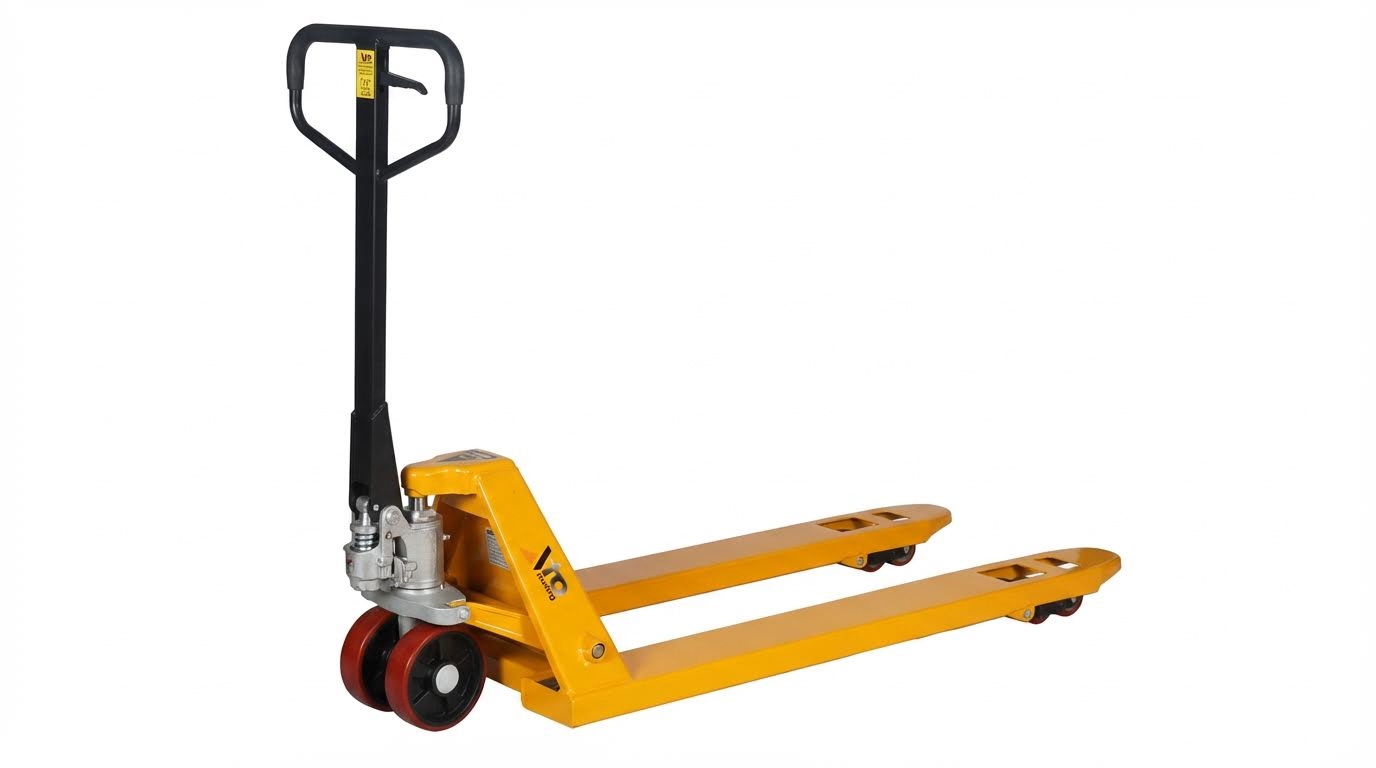
When you plan how to fix a pallet jack that won’t lift, focus on the hydraulic pump and cylinder first. These parts create and hold pressure. A structured repair sequence reduces repeat failures and safety risks. The steps below assume the jack is clean, empty, and blocked on a flat floor.
Safely Bleed and De-Aerate the Pump Circuit
Air in the circuit often caused a pallet jack to stop lifting even when fluid was full. Always secure the jack with the forks lowered before you bleed the pump. Place the control lever in the release or lower position and then pump the handle 8–12 strokes. This cycling moved air from valves back to the reservoir in most designs.
If the jack design used a dedicated bleed screw, technicians first placed a tray under the valve. They then opened the valve slightly, pumped the handle to push air out with fluid, and closed it once the flow looked steady and bubble free. After bleeding, they checked fluid level against the service mark and topped up with the specified hydraulic oil. A short load test confirmed that lift speed and maximum height returned to normal.
Fix Common Hydraulic Leaks and Seal Failures
Visible oil around the pump base, cylinder rod, or fittings usually pointed to seal damage. Technicians first cleaned the area so fresh seepage became easy to see. They then cycled the handle and watched joints, hose connections, and the rod wiper for new wet spots.
Typical corrective actions included:
- Replacing rod seals, dust wipers, and O-rings on the main lift cylinder.
- Installing new copper or bonded washers on leaking banjo bolts and ports.
- Changing cracked hoses and distorted compression fittings.
- Refilling fluid to the correct level and retesting under a moderate load.
Minor sweating at old joints often stopped after seal replacement and correct torque. Any leak that returned during a load test indicated pitted rods or damaged bore surfaces that needed deeper repair.
Rebuild or Replace Worn Pump and Cylinder Parts
If you still ask how to fix a hydraulic pallet truck that won’t lift after bleeding and leak repair, the pump or cylinder likely had internal wear. Common signs included a handle that moved freely with no lift, or forks that crept down under load with no external leak. In these cases, technicians disassembled the unit on a clean bench.
A typical rebuild process followed this sequence:
- Drain hydraulic oil into a pan and plug open ports.
- Remove the pump unit and cylinder following the service manual steps.
- Inspect pistons, check balls, springs, and valve seats for scoring or cracks.
- Measure rod and bore surfaces; any deep scoring or rust pitting required replacement, not reuse.
- Install new seals and wear rings from a matched kit, using assembly lube compatible with the fluid.
Reassembly always used new sealing elements and clean components. If the body casting or rod showed heavy damage, full replacement of the pump or cylinder was usually more economical than machining.
Tools, Torque Specs, and Use of Service Manuals
Repair quality depended strongly on the tools and data used. A basic kit for hydraulic work on manual pallet jacks included:
- Metric and imperial spanners and sockets for frame and pump fasteners.
- A torque wrench to apply specified clamp loads on critical joints.
- Soft-jaw or padded vise grips to hold rods without scratching.
- Picks and small screwdrivers for removing O-rings and back-up rings.
- A drain pan, lint-free rags, and a simple parts tray for cleanliness.
Technicians always checked the service manual before they decided how to fix a pallet jack that won’t lift. Manuals listed correct hydraulic oil type, fill volume range, and torque values for pump and cylinder bolts. Exploded diagrams reduced assembly errors and helped keep check balls, springs, and shims in the right order. The troubleshooting chart in the manual linked symptoms such as no lift, slow lift, or sinking forks to likely root causes. Following those steps in sequence cut downtime and avoided repeated disassembly.
Preventive Maintenance and Reliability Practices
Preventive maintenance is the cheapest way to avoid a manual pallet jack that will not lift. A simple checklist stops small issues from turning into full hydraulic failures. Good routines also give clear data when you troubleshoot how to fix a pallet jack that won’t lift. This section explains practical schedules, care tasks, fluid control, and operator roles that raise reliability.
Daily, Weekly, and Monthly Inspection Routines
Structured inspection intervals keep faults small and visible. Daily checks focus on safety and basic function. Weekly checks look at wear. Monthly checks verify structural and hydraulic health.
A practical schedule is:
- Daily: Quick visual scan, handle and lift test, leak check under the pump and forks.
- Weekly: Short lubrication, bolt and nut tightening, wheel spin and steering check.
- Monthly: Detailed fork inspection, pump and cylinder check, wheel and bearing condition review.
Daily routines should confirm that the jack lifts and holds a moderate load without sinking. Weekly checks should catch loose fasteners and noisy wheels that can overload the pump. Monthly inspections should look for bent forks, rust on the pump rod, and any recurring wet spots that suggest slow hydraulic leaks.
Lubrication, Fastener Checks, and Wheel Care
Correct lubrication lowers friction and protects the hydraulic system. Dry pivot points make the operator use more force on the handle. That extra force stresses the pump and linkage. Over time this can lead to complaints that the hydraulic pallet truck will not lift even though the pump is still sealed.
A simple care routine works well:
- Use light oil on pivot joints at the handle base and linkage pins.
- Use suitable grease on the main steering pivot and load wheel axles.
- Wipe off excess lubricant to avoid attracting dust and grit.
Fastener checks should target fork-to-frame bolts, wheel axle nuts, and the handle mounting hardware. Loose parts change geometry and can limit stroke on the pump. Wheel care includes removing debris, checking for flat spots, and replacing cracked polyurethane treads. Smooth rolling reduces shock loads into the hydraulic unit.
Hydraulic Fluid Management and Contamination Control
Hydraulic health is central when you look at how to fix a low profile pallet jack that won’t lift. Low fluid level, wrong fluid type, or dirty oil all reduce lift performance. Regular fluid checks prevent most of these faults.
Good practice includes:
- Check fluid level at the reservoir plug and keep it within the range in the manual.
- Use only the specified hydraulic oil grade for the jack model.
- Inspect fluid color; milky fluid suggests water, dark fluid suggests wear or heat.
Contamination control means cleaning around the fill plug before opening it and using clean funnels or bottles. Dirt in the oil can damage seals and pump surfaces. That damage later shows up as slow lifting, sinking under load, or the need to bleed air more often. Scheduled fluid changes based on service hours or calendar time keep viscosity and additives within design limits.
Operator Training and Safety Compliance Checks
Even the best maintenance plan fails if operators abuse the pallet jack. Training should cover maximum load, correct fork placement, and how to park the jack with forks lowered. Operators should also know the first steps on how to fix a pallet jack that won’t lift, such as checking the release lever position and looking for obvious leaks before use.
Safety compliance checks verify that inspections are done and recorded. Supervisors should review logs for repeated notes about sinking forks, noisy pumps, or difficult steering. These patterns point to hydraulic or structural issues that need planned repair. Regular toolbox talks can refresh rules on housekeeping, spill cleanup, and tag-out of damaged jacks. Well-trained operators report small leaks early, which protects seals, reduces downtime, and extends the service life of the hydraulic pump and cylinder.
Summary: From No-Lift Fault to Reliable Operation
This section closes the engineering checklist for how to fix a pallet jack that won’t lift. It links fault symptoms, root causes, and repair steps into one practical path. Technicians can move from first diagnosis to a stable, long-term maintenance plan.
Field experience and search data showed repeat patterns. Most no-lift faults traced to three groups: low or contaminated hydraulic fluid, air trapped in the pump circuit, and worn seals or mechanical linkages. A structured approach worked best. Start with simple checks and bleeding. Then verify fluid level and condition. Finally inspect seals, cylinders, and pump parts for wear, leaks, or cracks.
These practices had clear operational impact. Sites that used daily micro-inspections and monthly deep checks reduced unexpected hydraulic pallet truck failures and downtime. Simple routines, like a 30-second visual scan and a short hydraulic test, stopped minor leaks from becoming pump rebuild jobs.
Future reliability work will combine this mechanical discipline with better training and digital logs. QR-linked service manuals, torque data, and parts lists already helped reduce assembly errors. However, the core fix for a pallet jack that will not lift stayed the same. Use the manual, follow the bleed–inspect–repair sequence, control contamination, and document every intervention for trend analysis.