Warehouse teams that ask what is a warehouse order picker usually face space, labor, and safety pressures at the same time. This article explains how different order picker designs support fast piece picking, dense storage, and compliant operations across modern distribution centers.
You will see how low-level and high-level order pickers compare on reach, capacity, aisle width, and cost, and how they differ from reach trucks that focus on pallet handling. The guide then walks through engineering choices for aisle layout, load envelopes, and automation links, followed by OSHA-driven rules for training, fall protection, and maintenance.
The final section condenses best practices into clear takeaways so engineering, operations, and safety leaders can align on a single, defensible standard for specifying, operating, and maintaining order pickers, including solutions from Atomoving where appropriate.
Core Functions And Types Of Order Pickers
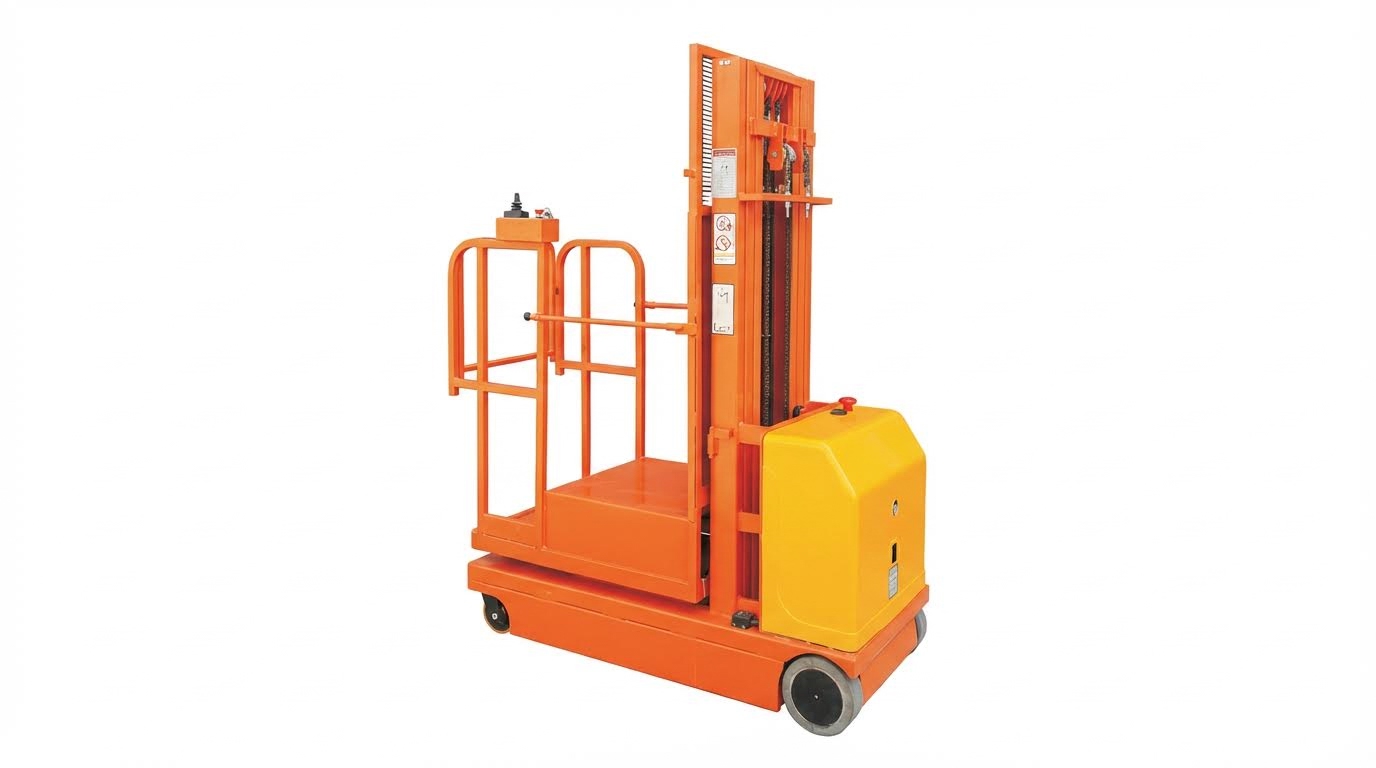
Order pickers sit at the center of modern piece-picking operations. Engineers use them to link storage design, labor planning, and safety rules into one system. This section explains what a warehouse order picker is, how low-level and high-level models differ, and when a reach truck is a better fit. It gives a clear engineering view that supports layout design, equipment selection, and safety planning.
What Defines A Warehouse Order Picker
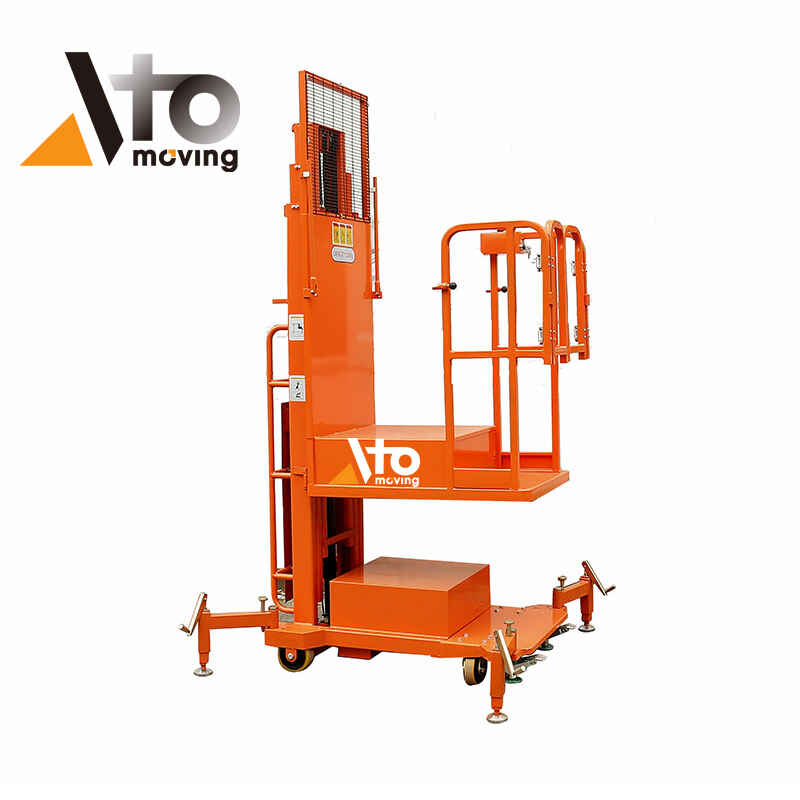
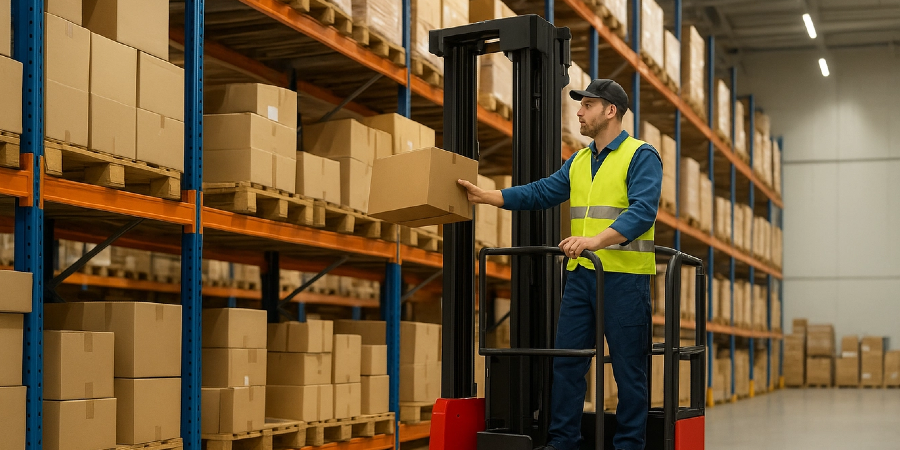
When people ask what is a warehouse order picker, they refer to a powered lift truck that raises the operator to the pick face. The machine lets the operator stand on a platform and travel through aisles while picking single items or cases. It sits in OSHA Class II as an electric narrow aisle truck. Typical rated capacities range from a few hundred kilograms up to about 1 360 kilograms, including the operator and tools.
Order pickers differ from pallet forklifts because they focus on piece picking, not full pallet moves. The operator rides with the load and stops at each storage location to pick units into totes, pallets, or carts. Engineers size the truck based on rack height, aisle width, and average pick weight. They also check that the warehouse floor, rack beams, and pick platforms can handle the combined live load at height.
Low-Level Order Pickers: Design And Use Cases
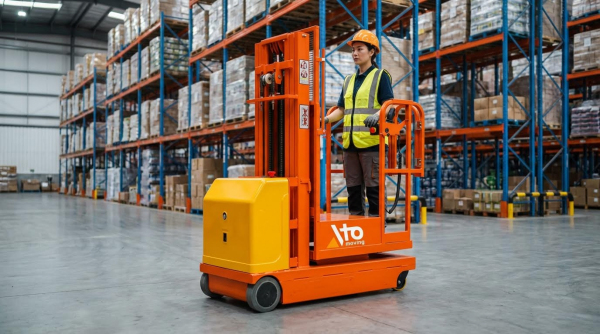
Low-level order pickers work from floor level up to about 2.5 metres. Most designs use a stand-on operator platform with forks that carry pallets or cages. The mast is short, so the operator either picks from ground locations or from the first beam level while standing on the platform.
These trucks suit high-volume, fast-moving SKUs stored in the bottom levels of selective racking or on floor lanes. Travel speed at low height is usually high, which cuts travel time between picks. Training demands stay modest because the operator does not work at significant height, and fall risk is lower.
Key engineering trade-offs include:
- Higher horizontal footprint because stock must stay in low levels.
- Limited vertical cube use compared with high-level designs.
- Lower purchase cost and simpler maintenance needs.
Operations with wide aisles, simple layouts, and heavy focus on ground-level picks often standardize on low-level units for best cost per line picked.
High-Level Order Pickers: Design And Use Cases
High-level order pickers lift operators to upper rack levels, often up to about 12 metres. The operator platform and load carrier rise together, so the picker stands directly at the target location. These machines usually run in narrow aisles to maximize storage density.
Designers select high-level units when the warehouse uses tall racking or has tight floor space. Vertical storage lets teams hold more SKUs in the same footprint. However, the taller mast and complex control system raise both capital cost and maintenance complexity.
High-level picking also raises risk. Operators need strong training in fall protection, load handling, and mast sway awareness. Travel speed at height stays lower to keep stability and comfort. When engineering these systems, teams verify:
- Rack strength and beam deflection at design loads.
- Clearances between truck, rack, and overhead services.
- Rescue and evacuation plans for operators at height.
High-level order pickers fit best where storage density and vertical cube use outweigh higher equipment and safety costs.
Order Pickers Versus Reach Trucks
Order pickers and reach trucks often work in the same racking but serve different tasks. Order pickers raise the operator to pick single items or cases. Reach trucks stay at floor level and move full pallets into and out of rack positions.
Typical reach trucks handle heavier loads, often in the 1 100 to 2 500 kilogram range. Their masts and reach mechanisms place pallets up to roughly 9 to 12 metres high and sometimes two pallets deep. Aisle widths are narrow, which improves storage density but limits space for pedestrians.
Order pickers, by contrast, usually handle lighter loads and sometimes need slightly wider aisles to allow operator clearance and picking motions. They work best when order profiles have many small lines per order. Engineers compare the two using factors such as:
| Criterion | Order Picker | Reach Truck |
|---|---|---|
| Main task | Piece or case picking | Full pallet handling |
| Typical load | Lighter, mixed items | Heavier, unitized pallets |
| Operator position | Elevated with load | On floor, below load |
| Best fit | High pick frequency | High pallet turnover |
In practice, engineers often deploy both. Order pickers serve forward pick faces, while reach trucks replenish those locations from reserve storage. This split keeps each machine type working where it is most efficient and safe.
Application Engineering And Equipment Selection
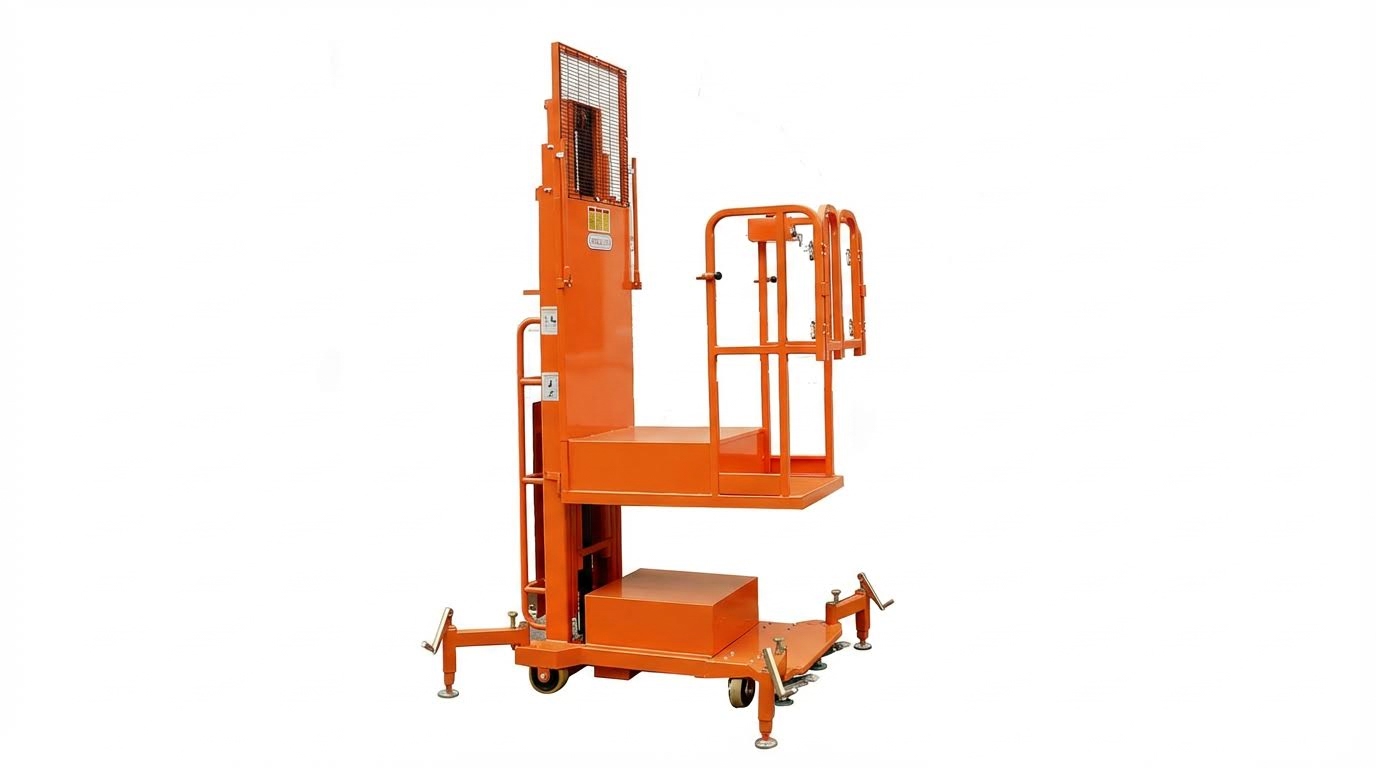
Application engineering links the question what is a warehouse order picker to how it fits a specific site. Engineers translate storage strategy, SKU profile, and building limits into clear picker specifications. Good selection avoids under‑utilized machines, bottlenecks, and unsafe layouts. This section explains how to match picker type, aisle geometry, capacity, and automation level to real warehouse needs.
Matching Picker Type To Storage Strategy
Storage strategy answers where items sit; order pickers answer how people reach them. Low-level order pickers suit ground and first-level picking up to about 2.5 m. High-level order pickers fit tall racking where operators pick across several levels in one trip. The choice depends on pick profile, not only ceiling height.
Use low-level machines when most order lines come from the first two beam levels. They work well with wide-aisle, high-throughput case picking and zone-routing systems. Use high-level machines when you run narrow aisles, high storage density, and a broad SKU mix at height. Mixed strategies often place high movers low for low-level pickers and slower movers high for high-level units.
Aisle Width, Height, And Load Capacity Criteria
Engineers must first lock in aisle width, racking height, and floor capacity. These constraints define which picker families are even possible. Order pickers need clearance for chassis, platform, and steering swing. They also need reserve space for rack deflection, pallet overhang, and safety offsets.
| Criterion | Low-level picker | High-level picker |
|---|---|---|
| Typical picking height | Up to ~2.5 m | Up to ~10–12 m |
| Preferred aisle type | Standard or wide aisle | Narrow aisle |
| Load range | Several hundred kg | Similar, but capacity derates at height |
| Floor flatness need | Moderate | High for stability at height |
Engineers must check rated capacity against the combined weight of operator, load, and accessories. They must also apply manufacturer derating curves for higher lift heights. Floor slabs and mezzanines must support concentrated wheel loads with margin. Clearance to sprinklers, lighting, and building services must respect fire and building codes.
Throughput, Labor, And Lifecycle Cost Analysis
Throughput and cost models should drive the final selection. A clear definition of what is a warehouse order picker includes its role as a labor and time multiplier. Engineers should compare options using cost per order line, not only purchase price. This needs realistic travel, lift, and pick times for each concept.
A structured comparison can include:
- Lines picked per hour per operator for low-level and high-level units
- Number of pickers and shifts to hit peak demand
- Energy use, battery changes, and charging infrastructure
- Maintenance hours, spare parts, and expected service life
Low-level pickers usually win on short travel cycles and simple training. High-level pickers can cut total truck count by improving vertical cube use. Lifecycle analysis should include accidents avoided, damage to racking, and ergonomic benefits. These factors often shift the decision more than the initial machine cost.
Integrating Order Pickers With Automation
Modern designs rarely treat order pickers as stand‑alone machines. Engineers combine them with conveyors, put-walls, AMRs, or shuttle systems. The key is to define clear handoff points between manual and automated flows. Poor integration can trap operators in congestion or starve automation of work.
When planning automation, engineers should map:
- How picked items transfer from picker to consolidation or packing
- Traffic rules between order pickers, AGVs, and pedestrians
- Data links between truck terminals, WMS, and automation controls
- Battery and charging strategy so trucks align with automated uptime
High-level pickers often pair well with semi-automated case transport at ground level. Low-level pickers fit zone-pick with conveyor or cart-based batch picking. In all cases, the control system must track picker location, task queues, and priority orders. This turns the basic idea of what is a warehouse order picker into a coordinated element of a lean, semi-automated picking system.
Safety, Training, And Maintenance Best Practices
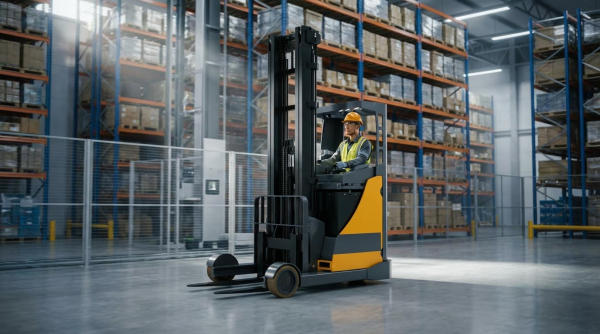
Safe use of warehouse order pickers depends on rules, skills, and reliable machines. Engineers and managers must link OSHA standards, fall protection, and maintenance into one system. This section explains how to control risk while keeping high picking throughput. It answers safety questions that arise whenever teams ask what is a warehouse order picker and how to run it safely.
OSHA Class II Rules And Operator Certification
OSHA classified warehouse order pickers as Class II electric motor narrow aisle trucks. This classification applied to most low-level and high-level picker models. Employers had to treat them like powered industrial trucks, not like ladders or platforms.
Certification followed a fixed pattern. Employers had to:
- Provide formal training on hazards, controls, and load limits.
- Deliver hands-on practice on the exact truck type.
- Evaluate each operator and document results.
OSHA required refresher training at least every three years. Retraining also applied after incidents, near misses, or unsafe behavior. Engineers should design picking processes so certified operators always handle Class II equipment. This reduces misuse and supports a clear answer to what is a warehouse order picker in policy terms: a powered truck that only trained staff may use.
Fall Protection, Traffic Control, And PPE
High-level order pickers raised operators up to roughly 10–12 metres. At these heights, fall protection moved from optional to essential. Most facilities used full-body harnesses with lanyards anchored to approved points on the truck.
Good practice included three layers of control:
- Physical: guardrails, gates, and interlocks on the platform.
- Procedural: no climbing on racking or stepping off elevated platforms.
- Personal: correctly adjusted harnesses and secure tie-off.
Traffic control mattered even for low-level units that stayed near the floor. Marked lanes, speed limits, and pedestrian-only zones reduced impact risk. PPE standards usually required safety shoes, high-visibility vests, and eye protection. Hard hats were common in high-bay storage or where overhead loads moved. Clear PPE rules helped standardize what is a warehouse order picker job role and how operators should dress for it.
Inspection, Preventive, And Predictive Maintenance
Order pickers combined electrical, hydraulic, and structural systems. Failures in any of these could cause dropped loads or platform instability. Daily pre-shift inspections were the first safety barrier. Operators checked brakes, steering, lift functions, alarms, forks or platforms, and any visible damage.
Preventive maintenance programs scheduled tasks by hours of use or calendar time. Typical work included:
- Battery checks and charging discipline.
- Hydraulic oil level and leak inspection.
- Chain, mast rail, and bearing lubrication.
- Fastener torque checks on critical joints.
Predictive maintenance used sensors and data to trigger service based on condition. Examples included monitoring drive motor temperature or battery health trends. This approach cut unplanned downtime and supported stable picking capacity. When planners define what is a warehouse order picker fleet strategy, they should balance preventive schedules with sensor-based insights to keep units safe and available.
Using Digital Tools For Compliance And Uptime
Digital tools turned safety and maintenance from paper tasks into live systems. Many sites used software to log inspections, schedule service, and track OSHA training records. This reduced missed checks and lost forms.
Useful functions included:
- Pre-shift checklists on handheld devices or truck-mounted tablets.
- Automatic work orders when operators reported defects.
- Dashboards showing certification status and upcoming renewals.
Some fleets added telematics to record impacts, travel paths, and lift heights. These data points helped engineers refine traffic layouts and speed limits. They also showed where operators ignored rules or where congestion created risk. When companies ask what is a warehouse order picker in a modern warehouse, the answer now includes its digital footprint. The truck becomes a data source for safety, reliability, and process improvement, not just a lifting tool.
Summary: Key Takeaways For Safer, Leaner Picking
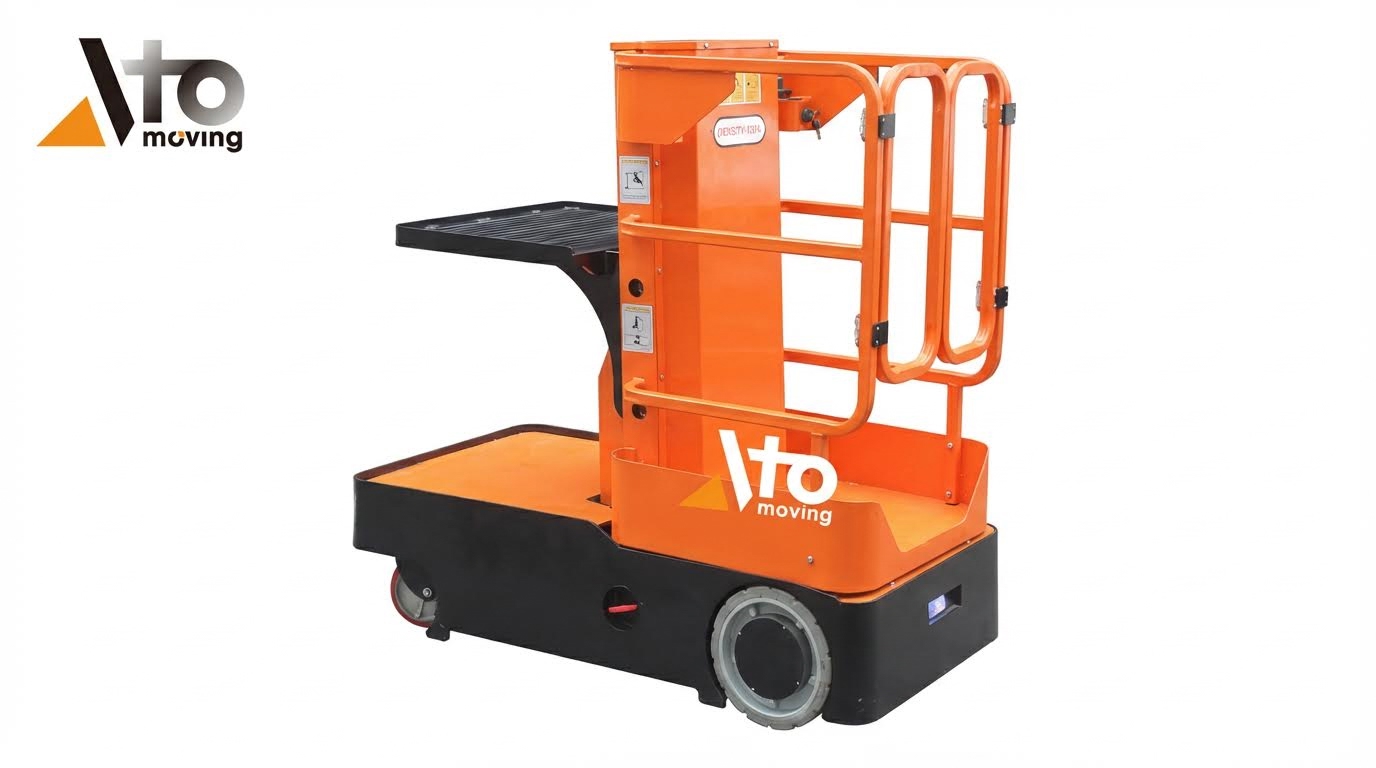
Warehouse teams that ask what is a warehouse order picker usually want both clarity and a roadmap. This summary links the main engineering, safety, and cost lessons into a practical checklist for design and operations. It covers picker types, layout choices, OSHA rules, and maintenance strategies that keep uptime high and risk low.
From an engineering view, order pickers are Class II electric narrow aisle trucks for piece picking. Low-level units work best up to about 2.5 metres and favour fast ground-level picks. High-level machines reach roughly 10–12 metres and unlock dense vertical storage in narrow aisles. Selecting between them should follow storage height, aisle width, SKU profile, and load range, not price alone.
Safety and compliance remain non‑negotiable. Operators need OSHA‑compliant training, evaluation, and recertification. Fall protection, traffic zoning, and clear PPE rules reduce serious incidents, especially at height. Digital tools that track certifications, inspections, and near misses now support stronger safety cultures and cleaner audit trails.
Planned maintenance underpins both safety and lean flow. Daily checks, preventive work, and predictive monitoring cut downtime and extend equipment life. Modern sites combine these practices with automation, WMS integration, and, where justified, semi‑automated picking aids. The most resilient operations treat order pickers as engineered systems, not just vehicles, and keep design, training, and maintenance evolving together with the warehouse.
Frequently Asked Questions
What is a warehouse order picker?
A warehouse order picker, also known as an order selector, is responsible for selecting and retrieving items from shelves or bins to fulfill customer orders. They often use specialized equipment like order picker forklifts to reach items stored at various heights. Order Picker Guide.
What are the main duties of a warehouse order picker?
The primary responsibilities of an order picker include:
- Picking items using barcodes, serial numbers, or other identifiers.
- Operating material handling equipment safely.
- Loading delivery vehicles and updating inventory counts.
- Ensuring accuracy and quality of picked orders.
This role can involve walking up to 10 miles per day and lifting heavy loads, making it physically demanding. Warehouse Hiring Challenges.
Is working as a warehouse order picker difficult?
Working as a warehouse order picker can be challenging due to:
- High order volumes requiring quick and efficient picking.
- Variability in item sizes, weights, and storage locations.
- Physical demands, such as walking long distances and lifting heavy loads.
However, many find it rewarding due to its stability and growth opportunities. Career Starter Insights.
What skills are important for a warehouse order picker?
To excel as an order picker, you should have:
- Strong attention to detail for accurate order fulfillment.
- Good communication skills for team coordination.
- Problem-solving abilities to handle unexpected issues.
- Physical fitness to manage the demands of the job.