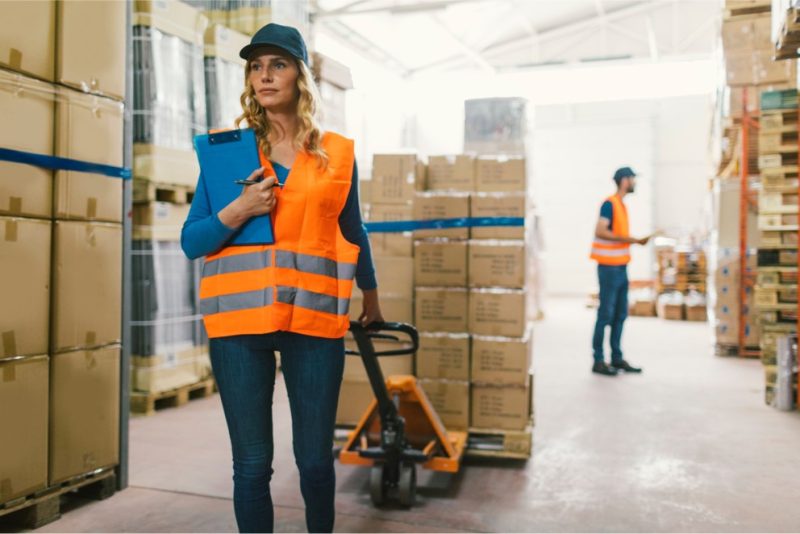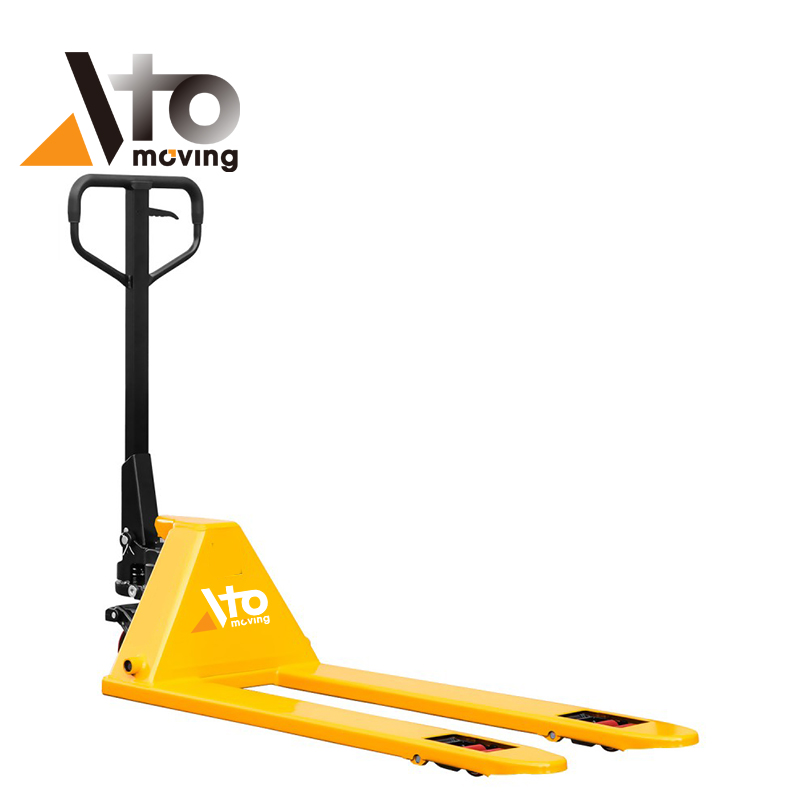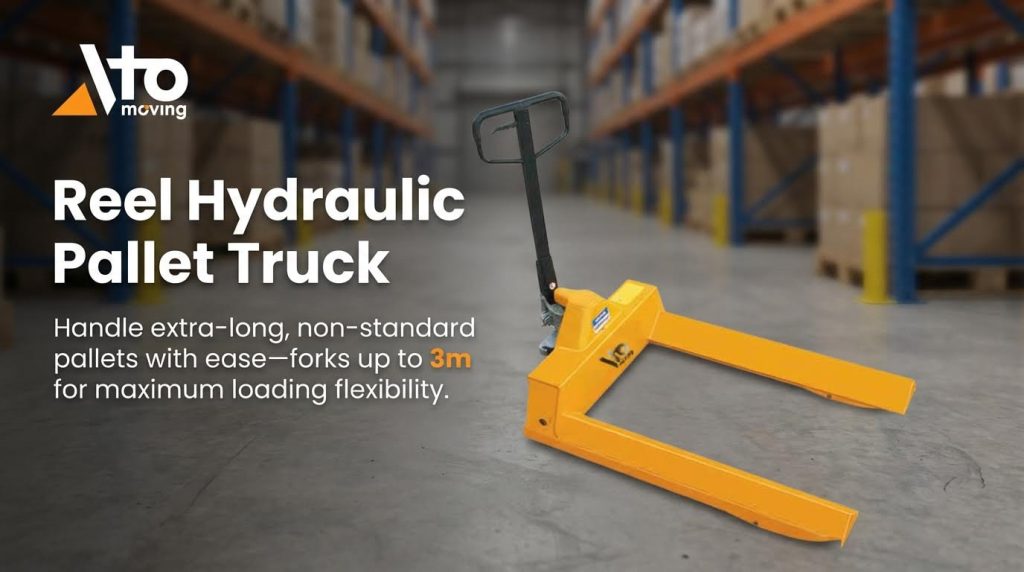
Operations teams asking what is a powered pallet truck usually want a clear link between equipment choice, throughput, and operator safety. This article explains how powered and manual pallet trucks differ in design, load capacity, and aisle performance across typical warehouse and factory layouts defined in the full outline.
You will see how walkie units, rider platforms, and high-lift stacker variants affect pallet flow, energy use, and ergonomic risk over full shifts. The middle sections compare duty cycles, temperature limits, hazardous zones, and lifecycle cost to show when powered trucks outperform manual jacks. The closing guidance turns these engineering and cost factors into simple selection rules that help you match truck type to volume, environment, and return on investment targets.
Core Types Of Powered And Manual Pallet Trucks
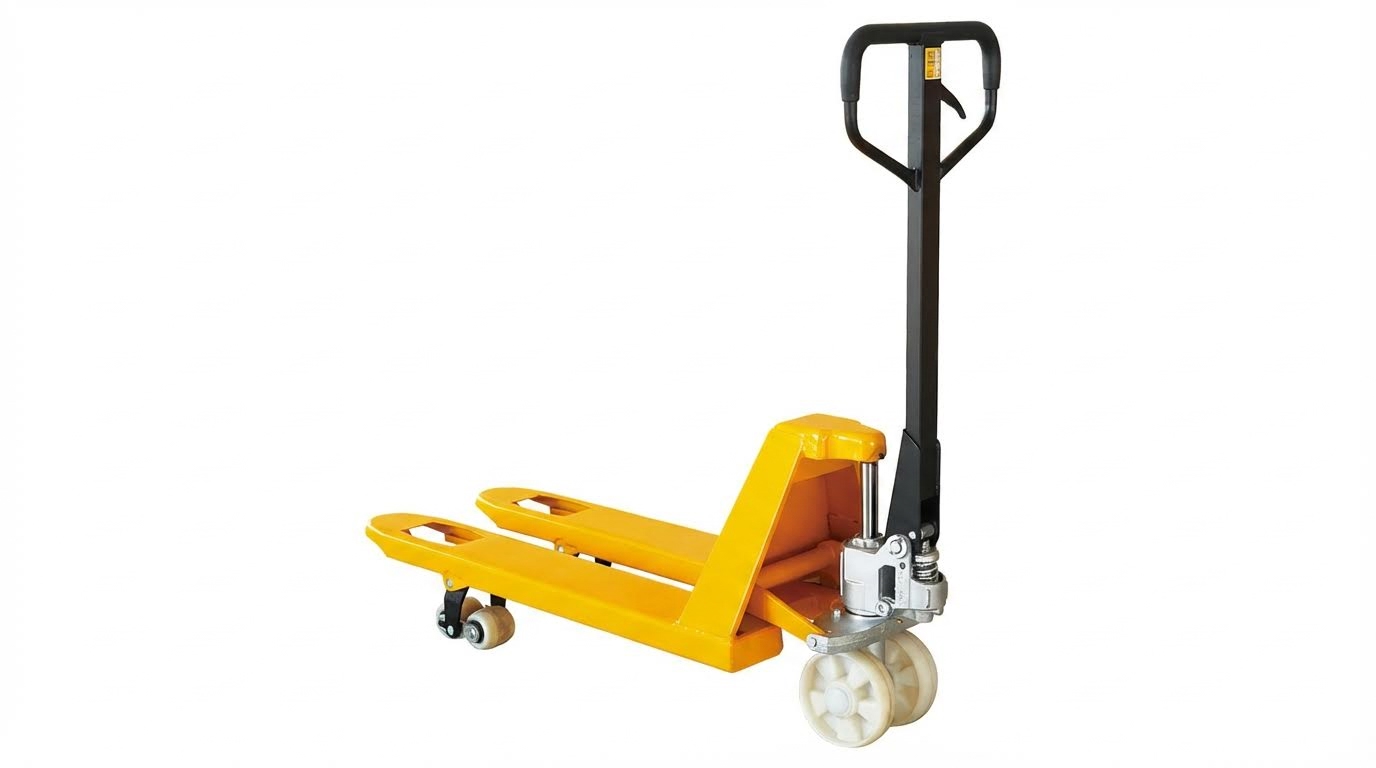
This section explains what a powered pallet truck is in practice and how it compares to manual units. It links core truck types to load ranges, aisle layouts, and duty cycles. Engineers and warehouse planners can match each design to throughput, shift length, and safety goals. The sub-sections cover manual jacks, walkie units, rider platforms, and high-lift or stacker variants.
Manual Pallet Jacks: Design And Limits
Manual pallet jacks use a hand pump and simple linkage. The operator pumps the drawbar to pressurize a small hydraulic cylinder. Typical capacity ranges from about 2 000 kilograms to 2 500 kilograms. The jack lifts only enough to clear the floor, usually around 100 millimetres.
These jacks work best over short distances and low pallet counts. They suit tight aisles down to about 1.8 metres because the chassis is compact and the steering angle is large. Limits appear when operators move heavy loads for long periods. Fatigue rises, walking time increases, and strain injuries become more likely.
Manual units need little care. Annual work often stays under three hours for greasing, wheel checks, and seal inspection. They remain a low-cost option where labor is cheap and daily pallet volume stays modest.
Walkie And Pedestrian Electric Pallet Trucks
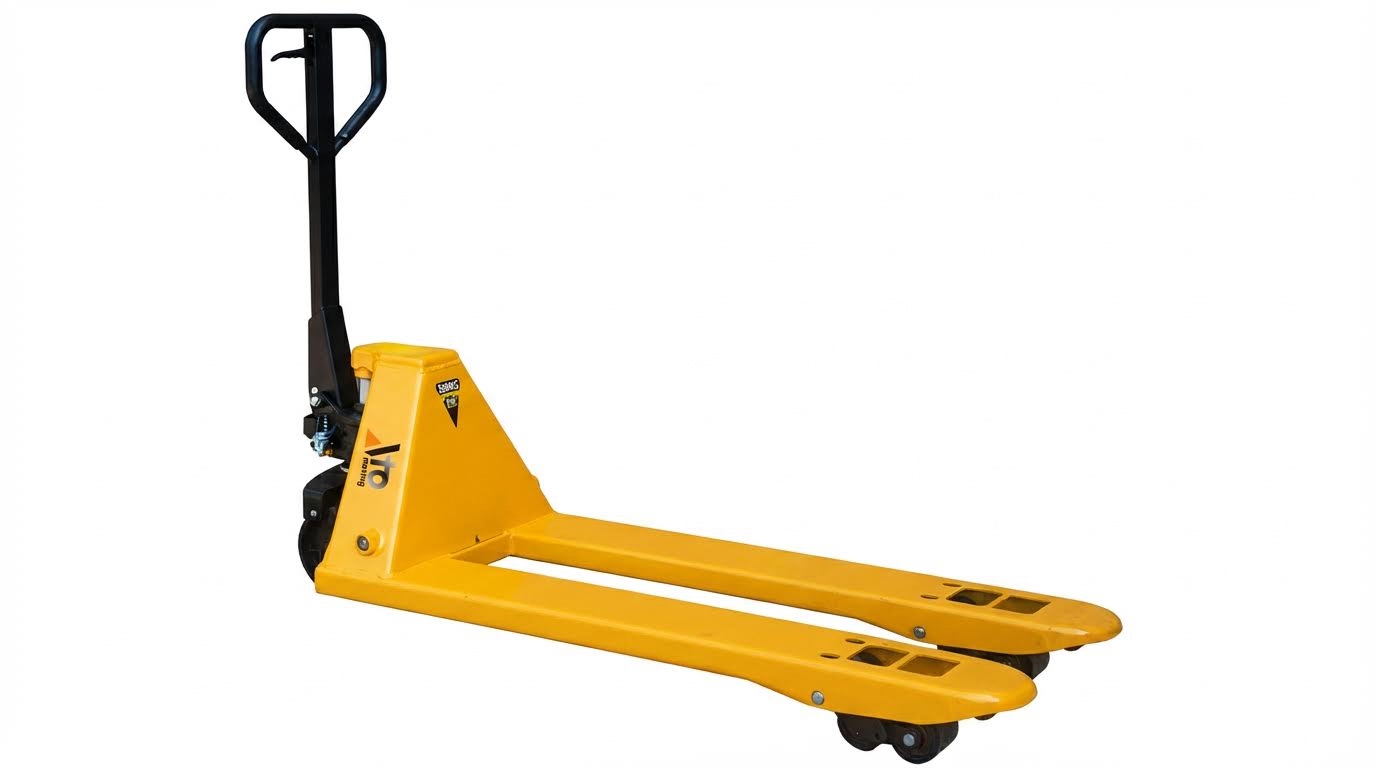
Walkie powered pallet trucks are the entry point to powered handling. They keep a pedestrian operator but add an electric drive motor and electric lift. Typical load ratings align with manual units, around 2.0 to 3.0 tonnes. Travel and lift speeds are higher, so they move more pallets per hour.
These trucks answer the core question “what is a powered pallet truck” for most buyers. It is a pallet mover that uses a battery, not muscle, for traction and lifting. The operator walks behind or beside the truck and steers with a tiller arm. Electric braking, horn, and emergency stop reduce risk during busy shifts.
Walkies fit standard warehouse aisles near 2.2 metres wide. They suit cross-dock lines, retail back rooms, and production in-feeds. They also support cold-store duty when fitted with insulated batteries and sealed electrics.
Stand-On, Rider, And Platform Configurations
Stand-on and rider powered pallet trucks extend the walkie idea for longer runs. They add a fold-down or fixed platform so the operator rides instead of walking. This change cuts travel time between zones and lowers fatigue. It also supports higher pallet flows per hour in large sites.
Key configuration options include:
- Pedestrian walkie with no platform for short, dense areas.
- Fold-down platform for mixed walk and ride tasks.
- Fixed stand-on rider for long, repeat routes.
These designs still use low-lift forks around 120 millimetres. They do not replace reach trucks or forklifts for high racking. Their strength is fast horizontal transport of heavy pallets in standard-height storage.
Engineers must confirm aisle width, turning radius, and dock slope. Speed reduction in turns, guarded platforms, and clear line of sight are critical safety factors.
High-Lift, Stacker, And Multi-Level Access Units
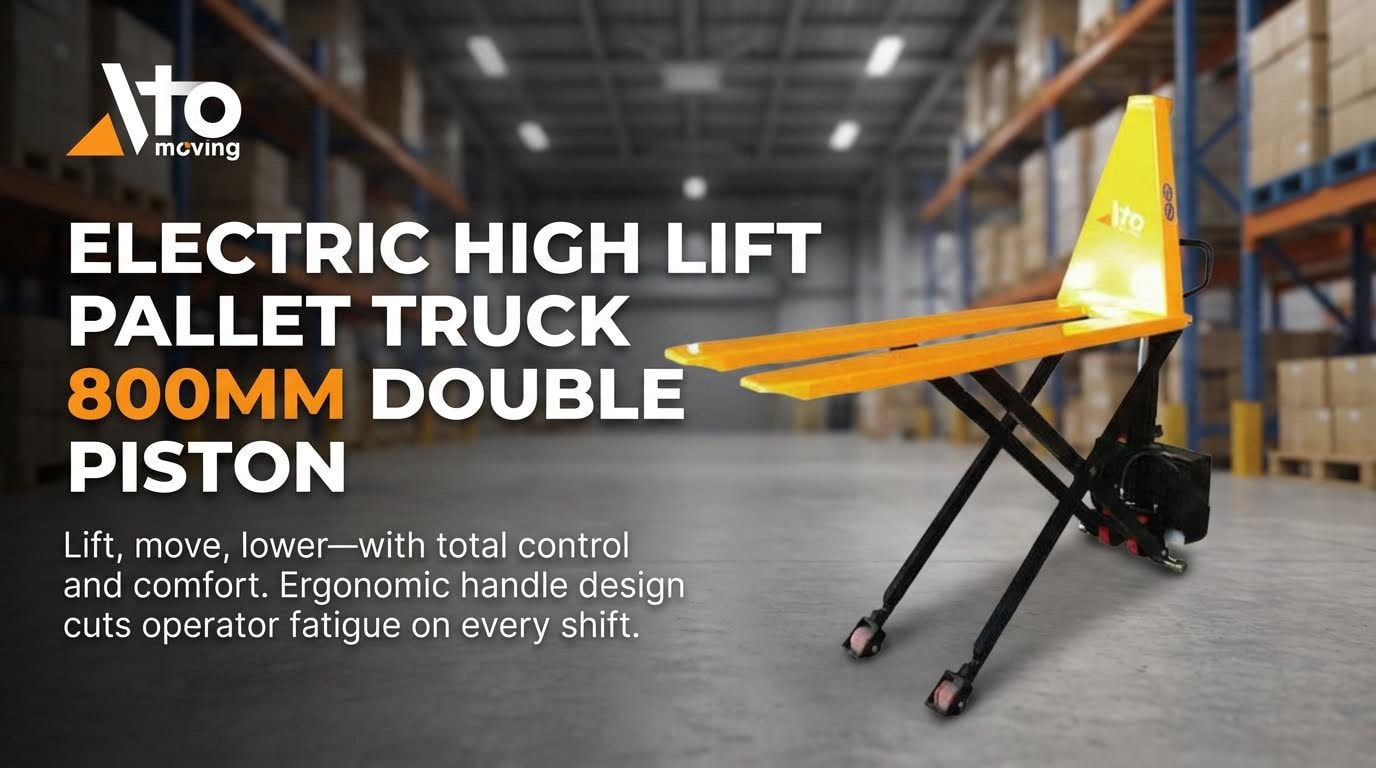
High-lift pallet trucks and stackers add vertical reach to the powered pallet truck family. Lift heights can exceed 3 metres in stacker form. This allows loading of second or third rack levels without a separate forklift. Capacities often step down as lift height increases to limit mast bending and stability risk.
Designs split into several groups:
- Scissor high-lift pallet trucks for lifting pallets to work height.
- Pedestrian stackers for low to mid rack levels.
- Ride-on stackers for higher throughput and longer runs.
These units combine electric traction, electric lift, and safety features like dead-man brakes and guarded masts. They suit order preparation zones, buffer storage near production, and dock staging where multi-level access is needed.
Selection must consider floor flatness, rack design, and rated load at maximum lift. Integration with other powered pallet trucks and with systems from suppliers such as Atomoving helps create a coherent handling fleet with clear role boundaries.
Performance, Safety, And Ergonomic Considerations
When teams ask what is a powered pallet truck, they usually care about performance, safety, and operator strain. This section explains how powered units compare with manual pallet jacks in capacity, speed, safety systems, and ergonomics. It links those factors to aisle layout, battery choice, and injury risk in real warehouses.
Load Capacity, Throughput, And Aisle Geometry
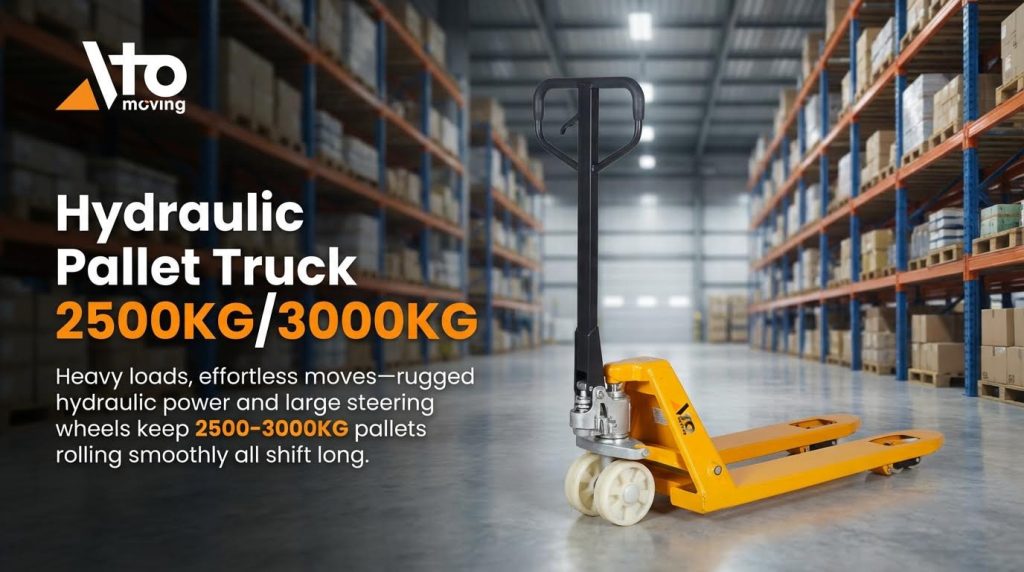
Manual pallet jacks typically handle about 2,000–2,500 kilograms. Powered pallet trucks often work between 2,000 and 3,000 kilograms, and some designs go higher. This higher rating lets one powered unit replace several manual moves.
Throughput is the main performance gain. Manual jacks usually move about 30 pallets per hour. Powered pallet trucks often reach 60–70 pallets per hour in suitable layouts. Case studies reported throughput jumps above 50% when sites switched high‑volume lanes to powered transfer.
Aisle width also shapes the answer to what is a powered pallet truck in practice. Manual jacks can turn in aisles near 1.8 metres. Powered walkies and rider trucks work best in 2.2 metre standard aisles or wider. Longer wheelbases and platforms need more turning space, but they move faster on straight runs.
| Aspect | Manual pallet jack | Powered pallet truck |
|---|---|---|
| Typical capacity | 2.0–2.5 t | 2.0–3.0 t |
| Pallets per hour | ≈30 | 60–70 |
| Recommended aisle | ≈1.8 m | ≈2.2 m |
Engineers should match truck type to route length and pallet volume. Short, low‑volume moves often suit manual units. Long runs between docks and storage zones usually justify powered trucks.
Energy Systems, Batteries, And Regenerative Braking
Powered pallet trucks rely on electric drive systems. Most units used lead‑acid or lithium‑ion batteries. Lead‑acid packs had lower upfront cost but needed daily watering and 6–8 hour charges. Lithium‑ion packs charged in about 2–3 hours and allowed opportunity charging during breaks.
Regenerative braking became a key feature. During deceleration, the drive motor acted as a generator. Typical systems recovered a share of kinetic energy and returned it to the battery. Some sources reported energy recovery around 15% under suitable duty cycles.
Battery choice tied directly to duty cycle. Single‑shift light work could run on lead‑acid with overnight charging. Multi‑shift operations often chose lithium‑ion plus battery management systems. These systems monitored temperature, voltage, and charge state to extend service life.
Regeneration also improved control. It reduced brake wear and gave smoother stops on ramps. For engineers explaining what is a powered pallet truck to non‑technical staff, it helped to frame it as a self‑charging brake that both slows the truck and feeds the battery.
Safety Standards, Controls, And Accident Reduction
Powered pallet trucks had to meet strict safety standards. Typical references included EN ISO 3691‑1 and ANSI B56.1, plus CE, UL, or ETL marks by region. These standards covered braking, stability, controls, and warning devices.
Modern powered units used layered controls. Common elements included:
- Emergency stop buttons that cut traction and lift power.
- Dead‑man brakes that applied when the operator released the tiller.
- Emergency reverse or “belly” switches on walkie handles.
- Auto speed reduction in tight turns or when forks were raised.
Compared with manual jacks, powered trucks reduced certain accident types. Studies and field data showed fewer manual lowering injuries and fewer back strain cases. Some reports linked powered handling to safety incident shares under 2%, versus double‑digit shares for manual lowering events.
However, powered units introduced new risks at higher speeds. Clear travel paths, marked pedestrian zones, speed limits, and training remained essential. Engineers should treat safety features as aids, not replacements, for site rules.
Ergonomics, Fatigue, And Injury Risk Management
Understanding what is a powered pallet truck also means understanding its ergonomic role. Manual pallet jacks required full human effort for pushing, pulling, and steering. Over long shifts, this raised fatigue and musculoskeletal risk.
Powered pallet trucks cut peak push and pull forces. Electric traction and power steering handled the heavy work. Operators mainly guided the tiller or stood on a platform. This reduced wrist, shoulder, and lower‑back loading.
Studies reported up to 40% fewer wrist and back injuries when sites moved high‑volume lanes to powered equipment. Operators also reported less end‑of‑shift fatigue. This helped maintain consistent throughput across long shifts.
Ergonomic design details mattered. Good trucks used low‑effort tillers, intuitive control heads, and stable ride platforms with vibration damping. Correct handle height, neutral wrist posture, and clear visibility further reduced strain. Safety teams should include these points in specification sheets and operator training.
When To Choose Powered Over Manual Pallet Trucks
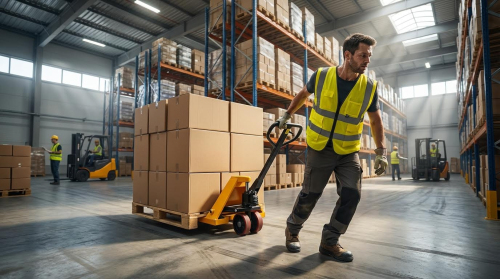
Operations that ask what is a powered pallet truck usually face a scale or intensity change. The move from manual to powered units often starts when pallet counts, distances, or shift hours rise beyond safe manual handling. This section explains how to judge duty cycle, environment, cost, and digital integration before switching.
Duty Cycle, Pallet Volume, And Shift Patterns
A powered pallet truck uses an electric drive and lift system. It moves and raises palletized loads faster and with less effort than manual jacks. This design suits high pallet volumes and long duty cycles.
Manual pallet jacks usually work best when daily volume stays below roughly 60–100 pallets per operator. They fit single-shift, short-distance moves, and loads below about 1,500 kilograms when travel is limited. As volume rises, labor fatigue and cycle time grow fast.
Electric pallet trucks typically move 60–70 pallets per hour. Manual units often reach about 30 pallets per hour under similar conditions. In three-shift operations, powered trucks can cut labor time by up to about 65% compared with manual units.
Choose powered trucks when you see these patterns:
- Multiple shifts or long walking routes between docks and storage
- Frequent handling of heavy pallets near the truck’s rated capacity
- Peak periods where manual jacks create backlogs at docks or staging lanes
In mixed fleets, many sites keep a few manual jacks for short, ad-hoc tasks and use powered units for core flow.
Environment, Temperature, And Hazardous Areas
Working conditions strongly affect whether powered or manual pallet trucks fit better. Temperature, moisture, dust, and explosion risk all matter.
Manual pallet jacks handle low temperatures well. Freeze-resistant hydraulic oil can work down to about −25 °C. They also suit power-restricted zones such as fuel stations or chemical plants where electric ignition risks or strict zoning rules apply.
Electric pallet trucks need batteries and electronics that match the environment. Typical cold store designs support continuous work near −15 °C with insulated batteries and sealed controls. For wet or outdoor use, only models with suitable ingress protection and corrosion resistance are appropriate.
In clean industries such as pharmaceuticals or food, powered stainless steel pallet trucks help. Smooth welds, hygienic lubricants, and quiet drives support GMP and noise rules. For dusty sites, IP-rated manual or powered units with sealed bearings and anti-static wheels reduce dust ingress and ignition risk.
Use this simple guide: choose manual in strict no-spark zones or extreme cold without charging rooms. Choose powered where long refrigerated aisles, dock ramps, or frequent vertical lifts exist.
Lifecycle Cost, TCO, And ROI Calculations
Powered pallet trucks cost more to buy but can cut total cost over the life of the asset. The key is to compare equipment cost plus labor, not purchase price alone.
Manual pallet trucks often have about 40% lower capital cost than electric units. Their annual maintenance is short, often under three hours, with simple work on wheels and hydraulics. However, they require more operators or longer shifts to move the same pallet volume.
Electric pallet trucks reduce labor hours through higher throughput and less fatigue. Case data showed manual handling 30 pallets per hour while electric units moved 60–70. With a wage of 15 US dollars per hour and 200 pallets per day, annual labor could drop from about 27,300 to about 18,330 US dollars per operator. That gave savings near 8,970 US dollars per year.
In several studies, payback for powered units fell between about 5 and 8 months. Some stacker cases even showed payback under one month when labor savings were high. When estimating TCO, include:
- Purchase price, financing, and expected life (about 5–10 years manual, 7–12 years powered)
- Energy and battery replacement costs for electric units
- Injury reduction and lower absenteeism due to better ergonomics
Choose powered pallet trucks when labor is expensive, pallet flows are steady and high, and you can use the truck near full capacity each shift.
Integration With Smart, AI, And Digital Systems
Modern powered pallet trucks increasingly link with digital systems. This matters when sites ask what is a powered pallet truck in the context of Industry 4.0 or AI-enabled logistics.
Electric units can include onboard controllers that talk to warehouse management systems. Options such as built-in scales, load ID input, and route tracking help measure real throughput and travel paths. Fleet managers can then balance truck use and reduce idle time.
Some powered fleets use AI-based health monitoring. Sensors track current draw, temperature, and vibration. Algorithms predict failures in drive motors, pumps, or batteries. This allows planned downtime instead of sudden breakdowns in peak periods.
Integration also supports safety and compliance. Speed limits can link to geofenced zones. Access control can tie to operator training records. Data logs help investigate near misses and refine aisle layouts.
Choose powered pallet trucks with smart functions when you run multi-shift operations, rely on WMS or MES platforms, or plan to benchmark performance across sites. Manual trucks remain adequate where digital tracking is not needed and handling volumes stay low.
Summary And Practical Selection Guidelines

Most engineers asking what is a powered pallet truck want a clear decision path, not theory. A powered pallet truck uses an electric drive and lift system to move palletized loads faster and with less effort than manual jacks. It suits heavy loads, long travel distances, and multi-shift work where labor fatigue and throughput limits are real constraints. This section condenses the key engineering and economic points into simple selection rules.
From a performance view, manual trucks fit light to medium loads, short runs, and daily volumes below roughly 60–100 pallets.,
Frequently Asked Questions
What is a powered pallet truck?
A powered pallet truck, also known as a pallet jack or pallet pump, is a tool used to lift and move palletized loads. It is commonly used in warehouses, distribution centers, and retail stores. Powered pallet trucks are ideal for moving heavy loads with ease and precision. They often use hydraulic systems to lift pallets. Pallet Jack Overview.
How does a powered pallet truck work?
Powered pallet trucks typically use a hydraulic lifting system to raise and lower loads. To operate, the lever is pushed down to the lift position, closing the lowering valve so hydraulic oil remains in the lifting cylinder. This mechanism allows the truck to lift heavy loads effortlessly. Hydraulic Pallet Truck Guide.
What is the weight capacity of a typical powered pallet truck?
The weight capacity of a powered pallet truck varies depending on the model. A common capacity is around 2500 kg, allowing it to transport heavy loads with ease. These trucks are built with sturdy construction to handle demanding material handling tasks.