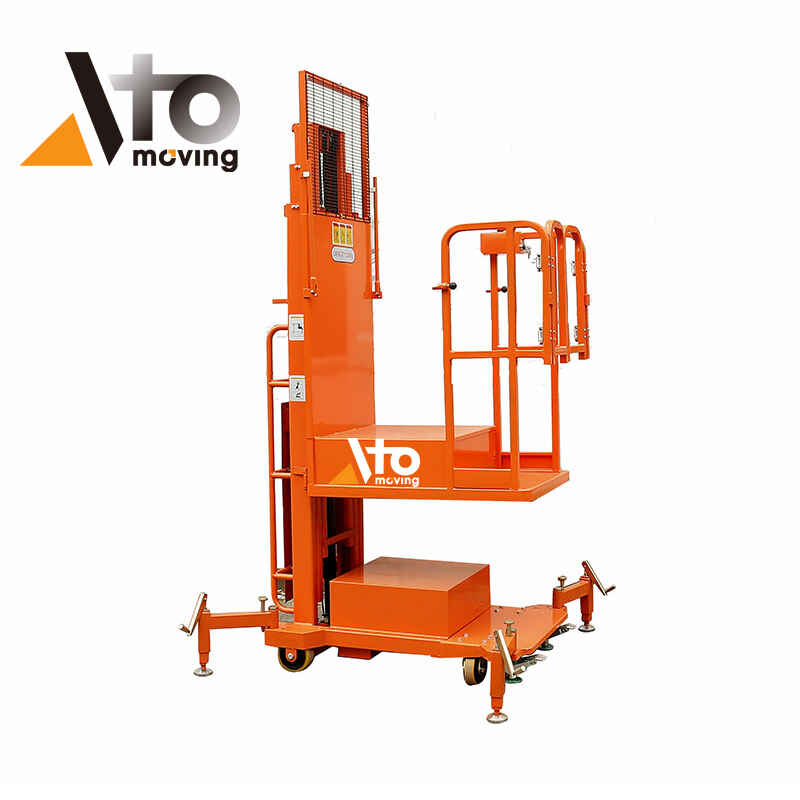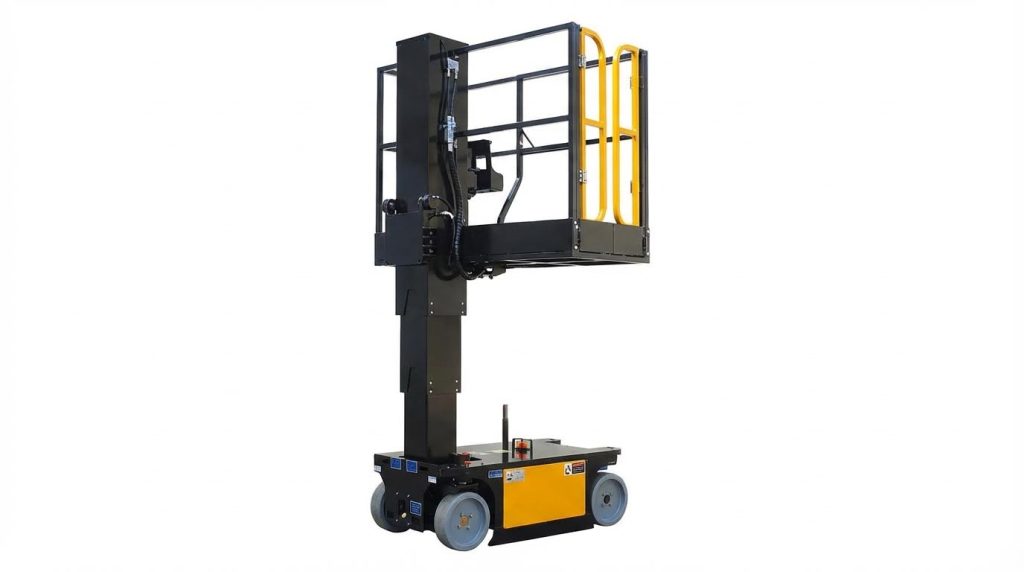
Understanding what is an order picking machines is critical if you want to improve pick rates, safety, and space utilization in a modern warehouse. This article explains where warehouse order picker fit in the material handling ecosystem, how their core components and power systems work, and which safety and ergonomic factors matter most in daily use. You will also see how different order picker classes and height ranges align with real-world applications and lifecycle cost decisions. Use it as a practical, engineering-focused guide when specifying new equipment or upgrading an existing fleet.
What An Order Picker Machine Is And Where It Fits
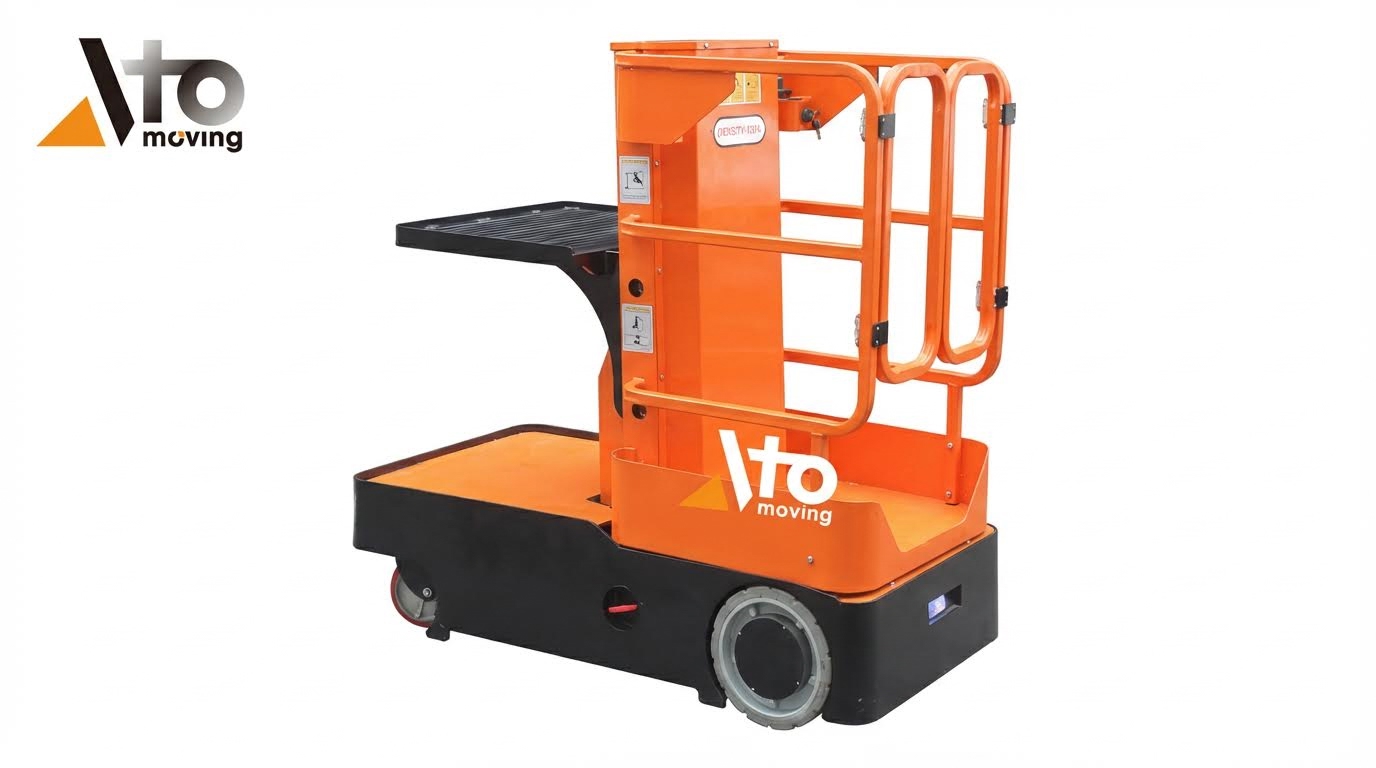
Definition And Core Function In The Warehouse
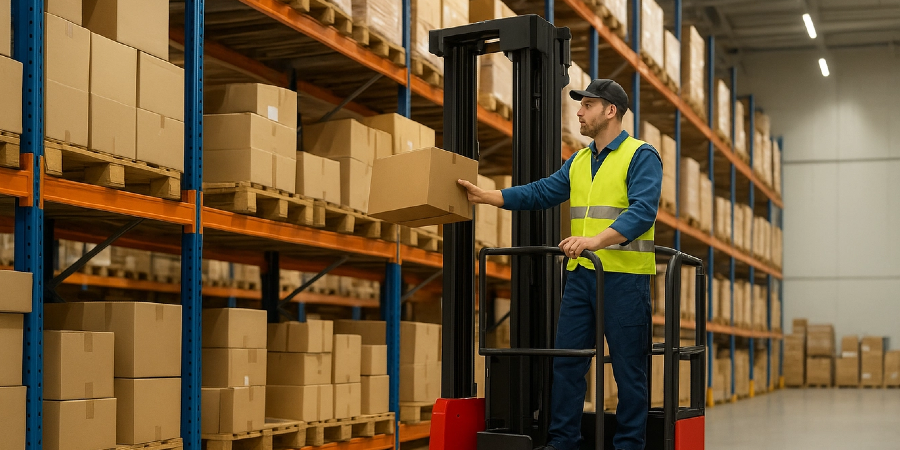
When operators ask “what is an order picker machine,” they usually mean a powered truck that lifts both the person and the load into the rack so they can pick individual items or cases directly from storage locations. An order picker is a specialized piece of material handling equipment designed for case- and piece-picking rather than moving full pallets. It allowed operators to retrieve items straight from warehouse racking at defined picking levels. The truck’s platform and controls moved with the operator, so they could travel, lift, and pick in one cycle instead of walking long distances on the floor. Modern machines lifted operators up to about 12.1 m, covering multiple rack levels in high-bay warehouses. In a typical workflow, the warehouse management system sent a pick list, the operator drove the truck to the aisle, raised to the target level, picked the SKU into a pallet or cage on the forks, and then lowered and transported the completed order to consolidation or shipping.
Order pickers fit best in operations where:
- Orders contained many different SKUs in small quantities (e.g., e‑commerce, spare parts, retail replenishment).
- Vertical space was heavily used, with racking above standard reach truck or person‑to‑goods limits.
- Travel distances between picks needed to be minimized to protect productivity and labor costs.
How order pickers differ from other trucks
Compared with pallet trucks and standard forklifts, order pickers were optimized for:
- Operator-up picking instead of ground-level pallet movement.
- Narrow aisles and higher racking densities.
- Frequent stop‑start cycles and precise positioning at pick faces.
Order Picker Classes, Levels, And Height Ranges
Within the formal forklift classification system, an order picker fell under Class II: Electric Motor Narrow Aisle Trucks, designed for efficient stock retrieval in tight warehouse aisles.This class focused on maneuverability and space-efficient storage. In practice, users grouped order pickers by working height into low-, medium-, and high-level machines. The “level” described the highest pick face the operator could safely reach, not just the mast height. Low-level units typically worked from floor up to roughly 2.5–2.8 m, while high-level models reached significantly higher.
| Order picker type | Typical picking height range | Best-fit applications |
|---|---|---|
| Low-level | Ground level to around 2.5 m and up to about 2.8 m | Fast-moving SKUs on lower racks, case-picking, grocery and retail |
| Medium-level | Above low-level range, bridging to high-level (often mid-rack positions) | Mixed-height picking where some SKUs sit mid-rack |
| High-level | Up to about 12 m, with platforms around 10.5 m | High-bay storage, narrow aisles, maximum vertical cube utilization |
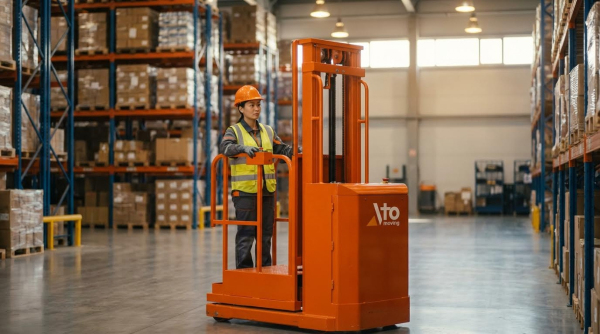
Low-level machines sometimes included a small platform lift so the operator could rise roughly 1.2 m above the floor for ergonomic access to second-tier loads without climbing the racking. This platform lift, often controlled by a foot switch, kept hands free for picking. High-level units, by contrast, lifted both the operator and the pallet to upper rack positions, trading higher capital and training demands for much greater storage density. They maximized vertical space but were slower and more complex at low heights. When deciding what is an order picker machine that fits your site, the main variables were class (narrow-aisle electric truck), level (low, medium, high), and the actual platform or picking height range required by your racking and SKU profile.
How Order Picker Machines Are Designed And Operate
Key Components, Drive Train, And Lift System
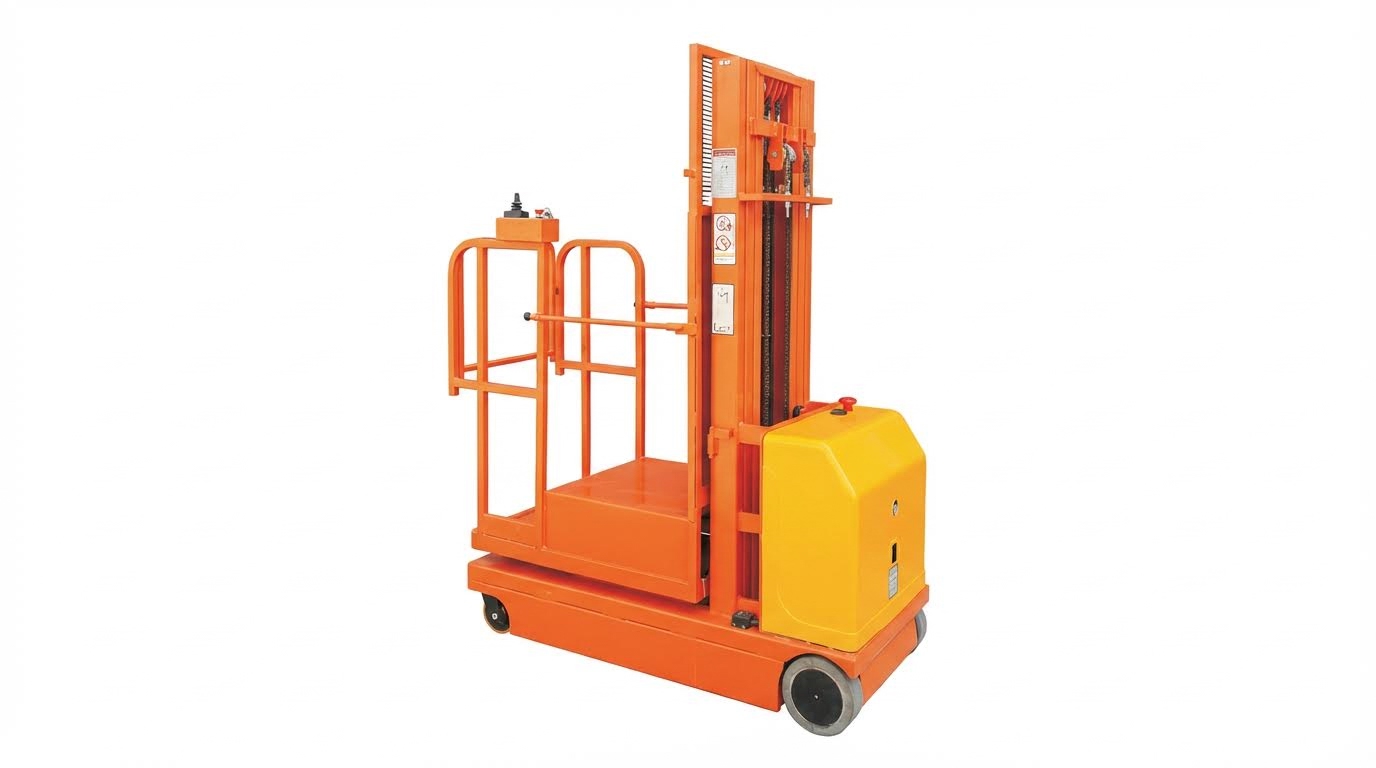
To understand what is an order picker machine in engineering terms, start with its main structural modules. A typical unit combines a chassis with drive axle, an operator platform, a lifting mast, and forks or load carrier. Low-level machines pick from floor to roughly 2.5–2.8 m, while high-level designs can lift the operator platform up to about 12 m for case picking in upper racking. High-level models reach platform heights around 10.5–12.1 m. The drive train usually uses an AC traction motor sized around a few kilowatts, delivering travel speeds close to 10 km/h on the ground and automatically limited when the platform is raised. One representative configuration uses a 3 kW AC motor with up to 10 km/h travel speed and about 5 km/h when elevated. Braking systems are typically electromagnetic and engage automatically when the travel switch is released or an emergency stop is pressed. The lift system uses hydraulic cylinders driven by a dedicated lift motor and pump; mast rails, chains, and rollers guide the platform and forks to maintain stability at height. Fork configurations vary by load: standard forks handle pallets and cages, and scissor forks can raise loads to an ergonomic working height of about 800 mm to reduce operator bending and reaching when picking from pallets. Modern machines also integrate electronic vehicle controllers and CAN-bus wiring so technicians can tune acceleration, braking, and lift performance and access diagnostics through a front service panel while keeping the traction motor sealed against dust and moisture.
Battery Technologies And Power Management
Because an order picking machines is a Class II electric narrow-aisle truck, battery selection and power management strongly affect uptime and total cost. Traditional lead-acid batteries still work in light-duty, single-shift applications, but intensive two- or three-shift operations benefit from lithium-ion technology. Lithium-ion batteries charge faster and support opportunity charging, so operators do not need mid-shift battery changes. Typical systems use 24 V class traction circuits with battery capacities sized to duty cycle; some designs specify dual 12 V modules connected for 24 V with capacities around 150 Ah and matching chargers rated about 24 V/15 A to support both drive and lift motors. In cold stores or freezers, heated lithium-ion packs help prevent condensation and maintain performance when the truck moves between temperature zones reducing battery-related downtime. Good power-management practice keeps state of charge above roughly 20%, schedules charging during breaks, and monitors battery temperature and voltage through the truck’s control system. This combination of chemistry, sizing, and control ensures the machine can lift loads of 1,000–2,500 kg throughout the shift without performance drop-off even in high-throughput environments.
Safety, Ergonomics, And Compliance Standards
Safety and ergonomics are central to how what is an semi electric order picker translates into a compliant, productive tool in real warehouses. From a safety standpoint, machines integrate automatic speed reduction in corners, auto-braking when controls are released, and emergency-stop circuits that cut traction and lift power instantly often using electromagnetic brakes and proportional lift valves. Operator platforms use non-slip, cushioned mats and guarded side rails, and high-level units may require full-body harnesses with energy-absorbing tethers to manage fall risk especially when the platform rises with the operator. Ergonomic design features include adjustable controls, anti-fatigue flooring, and clear sightlines to forks and racking to reduce strain during long shifts while improving precision at height. Advanced models add automatic speed adjustment in turns, load-stability monitoring, and real-time condition monitoring so maintenance teams can act before a component failure creates a safety hazard supporting both regulatory compliance and internal safety KPIs. Regular daily inspections of forks, mast, tires, and safety controls, combined with scheduled hydraulic and battery maintenance, complete the safety system by ensuring the machine’s mechanical condition matches its design intent and keeps risk levels within acceptable limits.
Matching Order Pickers To Your Application
Low-, Medium-, And High-Level Picker Use Cases
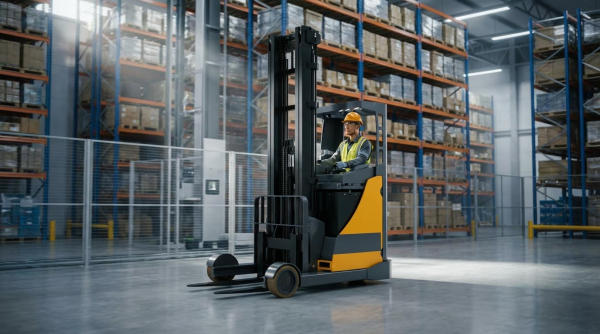
When you ask what is an order picking machines, in practice you are choosing between low-, medium-, and high-level models to match your racking and SKU profile. Low-level order pickers typically work from floor level up to about 2.5–2.8 m, ideal for fast-moving SKUs on lower shelves in grocery, e‑commerce, and cross-dock operations. Low-level order pickers are designed for picking stock from ground level up to roughly 2.5 meters and some models raise the operator platform about 1.2 m for second-level picks. Low-level order pickers feature a platform lift that elevates the operator approximately 1.2 meters above the floor Medium- and high-level machines extend this concept, taking the operator up through multiple rack levels to maximize vertical cube. High-level order pickers can reach up to about 10.5 m platform height and 12 m picking height, making them suitable for narrow-aisle, high-bay warehouses with dense storage. Order pickers are available in different models catering to low-level (up to 2.8 meters), medium-level, and high-level picking (up to 12.1 meters)High-level order pickers are engineered to reach heights of up to 12 meters
- Use low-level units where travel distance between picks is high, SKU velocity is high, and picks are from the first 1–2 rack levels.
- Use medium-level where you frequently pick from mid-rack locations but do not need full high-bay coverage.
- Use high-level where storage density and vertical space utilization are critical, and operators must pick across many levels in one trip.
Each level has trade-offs: low-level units are faster at ground picks and usually cheaper, while high-level units provide better space utilization but require stricter safety controls and more operator training. Low-level order pickers offer rapid movement between pick points at low heights and are cost-effective, while high-level order pickers maximize vertical space and storage density
Selection Criteria, TCO, And Maintenance Strategy
To decide what is an warehouse order picker machine that fits your site, you need to align technical specs, lifecycle cost, and maintenance capability. From a technical standpoint, match lift height and capacity to your top beam level and load profile; typical machines cover 1,000–2,500 kg loads across different models. Available models support load capacities ranging from 1,000 kg to 2,500 kg Consider maneuverability in your aisles; Class II narrow-aisle order pickers with very small turning radii are suited to tight layouts. An order picker is classified as Class II: Electric Motor Narrow Aisle Trucks Featuring a zero-degree turning radius, order pickers offer superior maneuverability in tight spaces Battery choice also affects both uptime and TCO: lithium-ion suits multi-shift, opportunity-charging operations and reduces battery-change labor, while lead-acid may fit lighter duty at lower initial cost. Lithium-ion batteries are recommended for intensive use, particularly in 2 to 3-shift operations
| Decision Area | Key Questions |
|---|---|
| Application fit | Required picking height, aisle width, load type (pallets, cages, cases)? |
| Throughput | Picks per hour, shifts per day, travel distance per pick? |
| Power & runtime | Single vs multi-shift, charging windows, cold-store use? |
| Safety & ergonomics | Fall protection, speed control, operator fatigue risk? |
TCO analysis should include purchase price, energy use, labor productivity, maintenance, and downtime over the full life of the machine. Lifecycle cost analysis encompasses initial investment, operation, maintenance, downtime, and end-of-life value A structured maintenance strategy starts with daily operator checks on forks, mast, tires, brakes, and emergency stops, plus battery and hydraulic inspections on a defined schedule. The operator must inspect forks, mast, tires, battery terminals, and safety controls at the start of each shift Combine these with periodic professional servicing, typically at about six-month intervals, to keep critical electrical, hydraulic, and mechanical systems within spec and to protect both uptime and asset life. Professional servicing is advised every six months
Final Thoughts On Specifying Order Pickers For Modern Warehouses
Order picker machines sit at the intersection of layout, loads, and labor. Their geometry, drive system, and mast design must match aisle width, racking height, and pallet type, or you lock in wasted space and slow picks. Battery choice and power management then decide whether that design can run full shifts without forced pauses or unsafe low-voltage conditions. Safety features such as speed reduction at height, guarded platforms, and reliable braking only work if they align with your actual travel speeds, pick heights, and operator behavior.
The best practice is to start with data, not catalog pages. Map SKU velocity by level, measure real aisle clearances, and quantify picks per hour and shifts per week. Use this to choose low-, medium-, or high-level machines, set capacity and height, and select lead-acid or lithium-ion. Build safety, ergonomics, and maintenance into the specification, not as add-ons. Daily checks and planned service must support the loads and duty cycle you expect. When you follow this engineering-led approach, and partner with a specialist like Atomoving, your order pickers will deliver higher throughput, safer work at height, and a lower total cost over their full life.
,
Frequently Asked Questions
What is an order picker machine?
An order picker machine is a type of forklift designed to help operators retrieve items from warehouse shelves. It belongs to Class II – Electric Motor Narrow Aisle Trucks. Learn More About Order Pickers.
How does an order picker machine work?
The machine lifts the operator up to high storage racks so they can manually pick items. This is ideal for warehouses with narrow aisles and tall shelves. Key features include:
- Electric-powered lift mechanism.
- Narrow design for tight spaces.
- Platforms or cages to safely elevate operators.
What are the challenges of using order picker machines?
Order picking can be physically demanding due to factors like lifting heavy loads and walking long distances. Challenges include:
- Handling high order volumes efficiently.
- Managing variability in item sizes and weights.
- Ensuring operator safety at elevated heights.