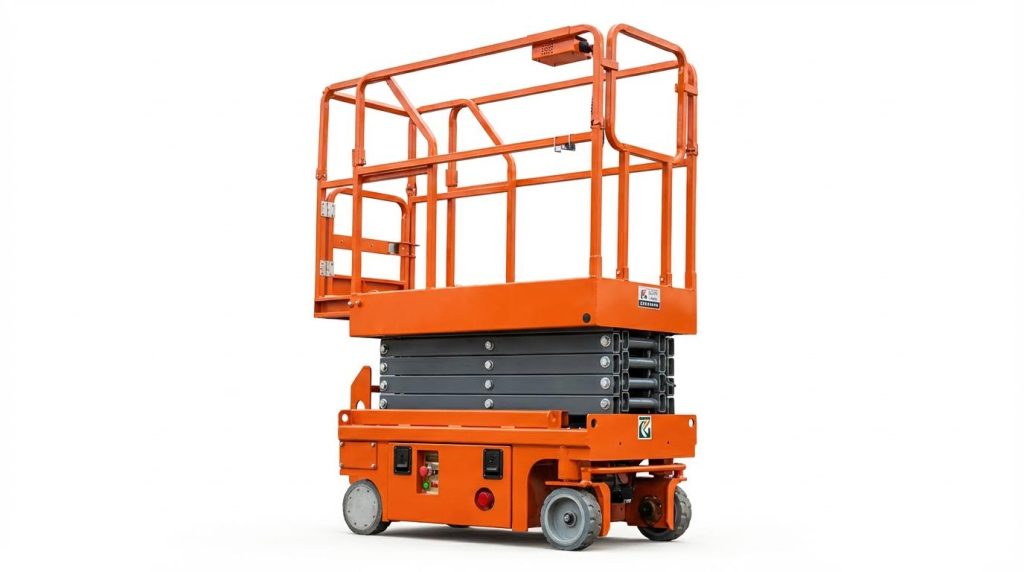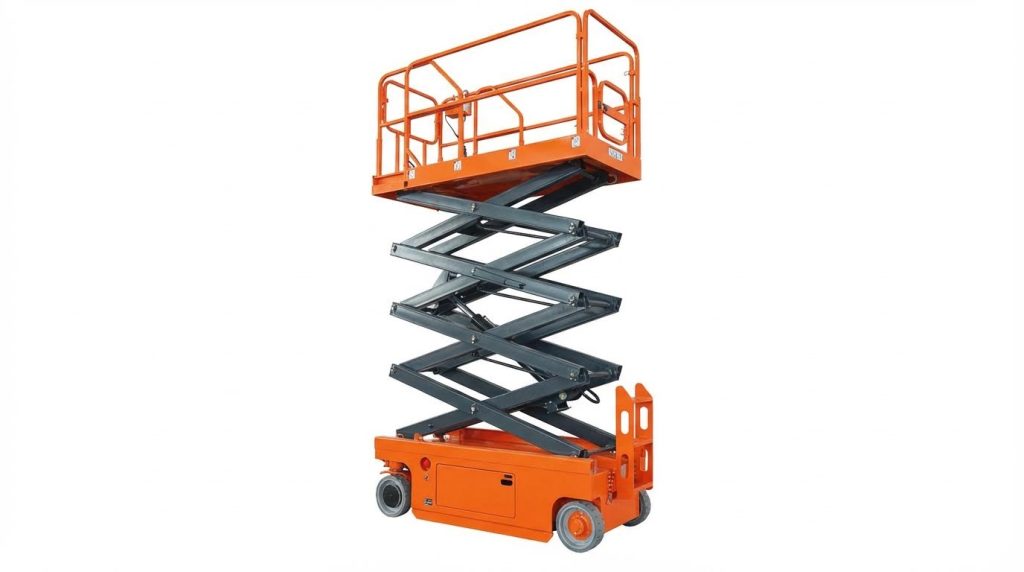
Electric scissor lift maintenance is critical for keeping people safe at height, controlling lifecycle costs, and maximizing fleet uptime. This guide walks through core maintenance principles, detailed component checklists, and practical test procedures you can apply on any site. You will also see how to organize preventive inspections, training, and documentation so lifts stay compliant and available when you need them. Use this as a structured reference to standardize your electric scissor lift maintenance program across all locations.
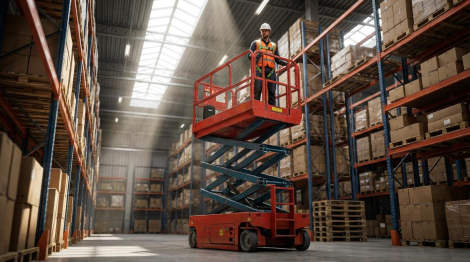
Core Maintenance Principles For Electric Scissor Lifts
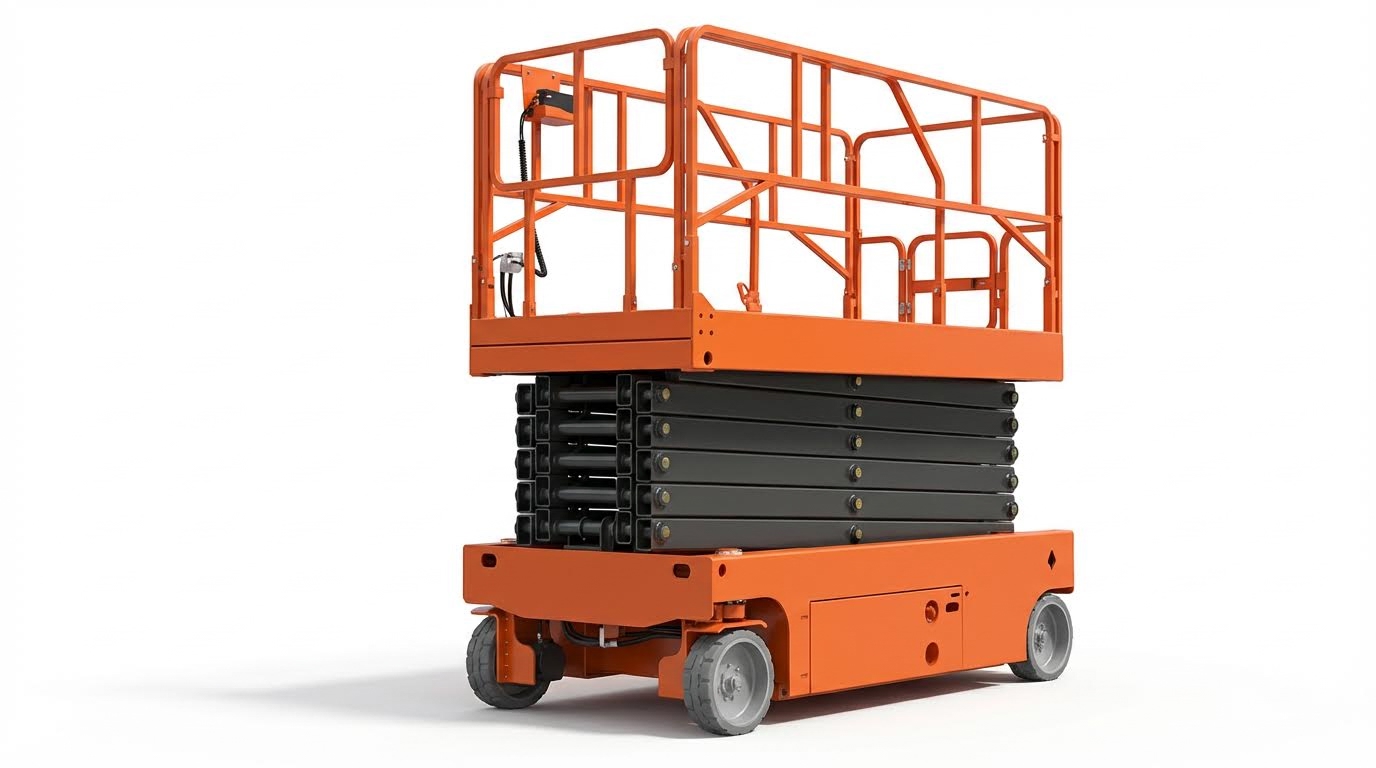
Regulatory standards and service intervals
Electric scissor lift maintenance must align with national standards such as ANSI/SAIA A92 (North America) or equivalent local regulations. These standards require that owners perform frequent (daily/shift) and periodic inspections, plus documented annual evaluations by a qualified person. In practice, this translates into a layered maintenance schedule that combines daily checks, monthly functional tests, and deeper structural and systems inspections at 3–12 month intervals, depending on duty cycle and environment. Regular inspections should cover hydraulic, electrical, and structural components to catch leaks, loose connections, and damaged parts before they escalate into major failures. Regular inspections help prevent costly repairs. Planned service intervals for electric scissor lift maintenance typically include:
- Daily/each shift: Pre-start inspection and function test, visual structural and leak check, basic power and safety device check. Daily inspection and function tests are required before use.
- Weekly to monthly: More detailed checks of hydraulic oil condition, electrical connections, tire/wheel integrity, and lubrication of pivot points and rollers. Lubrication of scissor arms, pivot points, and rollers reduces premature wear.
- Quarterly to semiannual: Electrical system cleaning, sensor and limit switch checks, platform level verification, and hydraulic drift monitoring to detect seal or valve wear. Periodic electrical, sensor, and drift checks extend service life.
- Annual: Comprehensive load testing and structural inspection by a certified technician, including safety locks, scissor arms, platforms, and control functions. Annual load tests verify safe performance under controlled load.
Professional servicing at these intervals supports compliance and minimizes unplanned downtime. Scheduled professional servicing helps prevent major breakdowns. Documenting all inspections and repairs also supports regulatory audits and internal reliability metrics such as MTBF and MTTR, which are key when optimizing fleet availability and lifecycle cost. MTBF and MTTR are standard indicators for maintenance effectiveness.
Daily pre-start and function inspections
Daily pre-start checks are the foundation of safe electric scissor lift maintenance. Before each shift, operators should walk around the unit and systematically check for leaks, visible damage, and missing components. The focus is to identify conditions that could compromise stability, lifting performance, or electrical safety before the platform ever leaves the ground. A structured checklist improves consistency and makes it easier to train operators and audit compliance.
Key daily walk-around inspection points include: Daily inspections and function tests are required before each shift and operational maintenance covers fluids, leaks, tires, steering, brakes, and controls:
- Fluids and leaks
- Inspect for oil or battery fluid leakage under the machine and around the power unit.
- Verify batteries are free from corrosion and obvious damage.
- Structure and decals
- Check scissor arms, centering links, and platform structure for dents, deformation, weld cracks, or missing fasteners.
- Confirm guardrails, gates, and toe boards are secure and that the platform gate closes and latches correctly.
- Ensure all decals, placards, and warning labels are present and legible, and that manuals are on the machine. Guidelines highlight decals, placards, and manuals as mandatory items.
- Power, drive, and tires
- Verify battery charge is sufficient for the planned shift.
- Inspect tires for cuts, sidewall cracks, bubbles, and tread damage, and check wheels for structural damage.
- Check steering and brakes during a low-speed maneuver test.
- Safety and emergency systems
- Test emergency stop buttons, horns, lights, gauges, and alarms.
- In a clear area, raise the platform part way and verify tilt alarm, pothole protection (if equipped), descent alarm, and emergency descent system work correctly. Daily safety checks include emergency descent, tilt, pothole, and overload systems.
The final step is a full function test in an obstruction-free area, cycling lift, lower, drive, and steering from both ground and platform controls. Any defect found during the pre-start inspection must be logged and corrected before the lift is returned to service. This disciplined daily routine significantly reduces in-shift failures and is one of the lowest-cost ways to extend component life while maintaining a high safety standard for electric scissor lift maintenance programs.
Detailed Component Checklist And Test Procedures
Structural and scissor assembly inspections
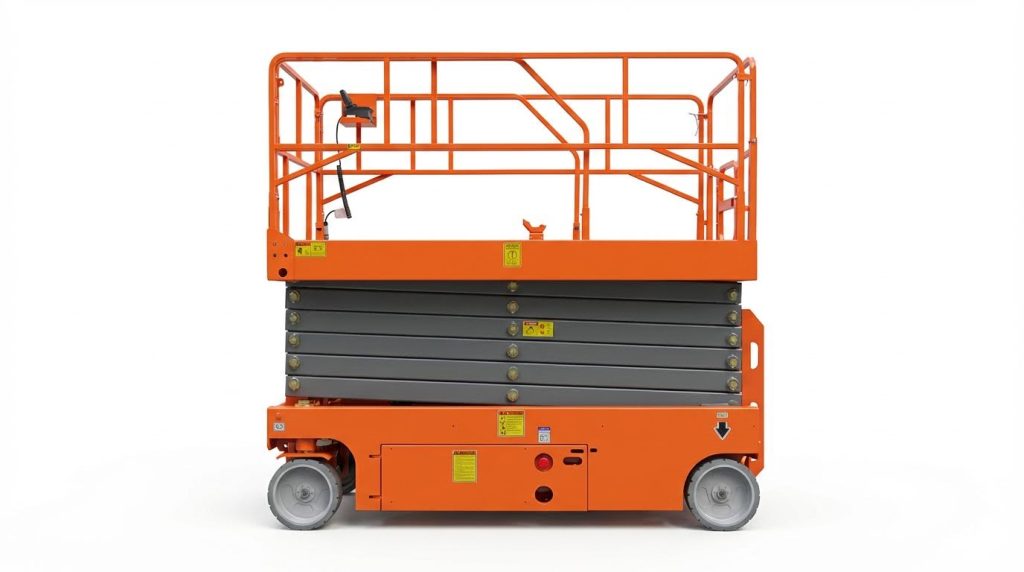
For safe and efficient electric scissor lift maintenance, start with a consistent structural and scissor assembly routine. Inspect all scissor arms for dents, deformation, weld cracks, or signs of metal fatigue, and lock the machine out if you find any damage. Check pins, pivot points, slide blocks, rollers, and bushings for security, excessive play, and proper lubrication, since wear here directly affects platform stability. Verify that guardrails, platform gates, centering links, and safety arms are intact and close correctly, and that decals, warnings, and placards remain clean and legible for operators. A structured checklist should also include visual checks for loose or missing fasteners, damaged cables or wiring, and any cracked or bent structural members before each shift. Daily structural inspections and scissor assembly checks are a core part of safe operation.
- Look for leaks around cylinders and hoses that may indicate internal damage.
- Confirm all locking pins and safety props engage fully before anyone works under the raised structure.
- Record defects immediately and tag out the lift until repaired by a qualified technician.
Powertrain, hydraulics, and electrical systems
Powertrain, hydraulic, and electrical checks keep the lift reliable and reduce unplanned downtime. For hydraulic systems, verify oil level is within the marked range and examine hoses, fittings, and cylinders for leaks, abrasion, or bulging, then confirm the pump and motor assemblies are securely mounted. During function tests, raise and lower the platform in an obstruction-free area and listen for unusual noises, monitoring for hydraulic drift or uneven motion that can indicate internal valve or seal wear. Daily power system inspections typically include hydraulic oil level, leak checks, and secure mounting of hydraulic components.
- Check wheels and tires for structural damage, sidewall cracks, bubbles, and correct inflation to maintain stability. Tire condition and PSI checks are standard items on operational maintenance lists.
- Test steering, brakes, and drive controls for smooth, predictable response at low and full travel.
- Inspect electrical control boxes and wiring for loose connections, heat discoloration, or damaged insulation, and clean dust using dry compressed air. Quarterly electrical checks help prevent erratic control behavior.
- Verify all emergency systems—emergency stops, descent, tilt alarm, pothole protection, and overload protection—operate correctly with the platform partially elevated. Emergency system tests are recommended with the platform raised to mid-height.
Batteries, Li-ion tech, and monitoring systems
Battery care is central to electric scissor lift maintenance because it directly affects runtime and component life. For lead-acid batteries, inspect electrolyte levels where applicable, clean terminals to remove corrosion, and keep the battery tops dry and free from debris to prevent surface discharge. Use a quality digital tester to perform amp-draw and charge tests so weak batteries are identified before they cause downtime. Well-maintained batteries typically last up to about three years, while neglected units may fail in roughly one year.
- Follow the manufacturer’s charge profile and avoid repeated deep discharges to extend cycle life.
- On machines with lithium-ion packs, check the battery management system (BMS) display or telematics for state-of-charge, temperature warnings, and fault codes.
- Use advanced monitoring systems where available to log charge history, fluid levels (for flooded cells), and usage patterns, enabling predictive maintenance and fewer surprise failures. Remote battery monitoring solutions provide real-time state-of-charge and charging history data.
- For next-generation all-electric units, note that fewer components and sealed systems reduce routine service, but you should still verify self-diagnostics, charging time, and any energy recovery features are working as specified. Some all-electric lifts use a single lithium-ion battery designed for long life with reduced power consumption.
Optimizing Uptime, Costs, And Fleet Strategy
Preventive vs reactive maintenance economics
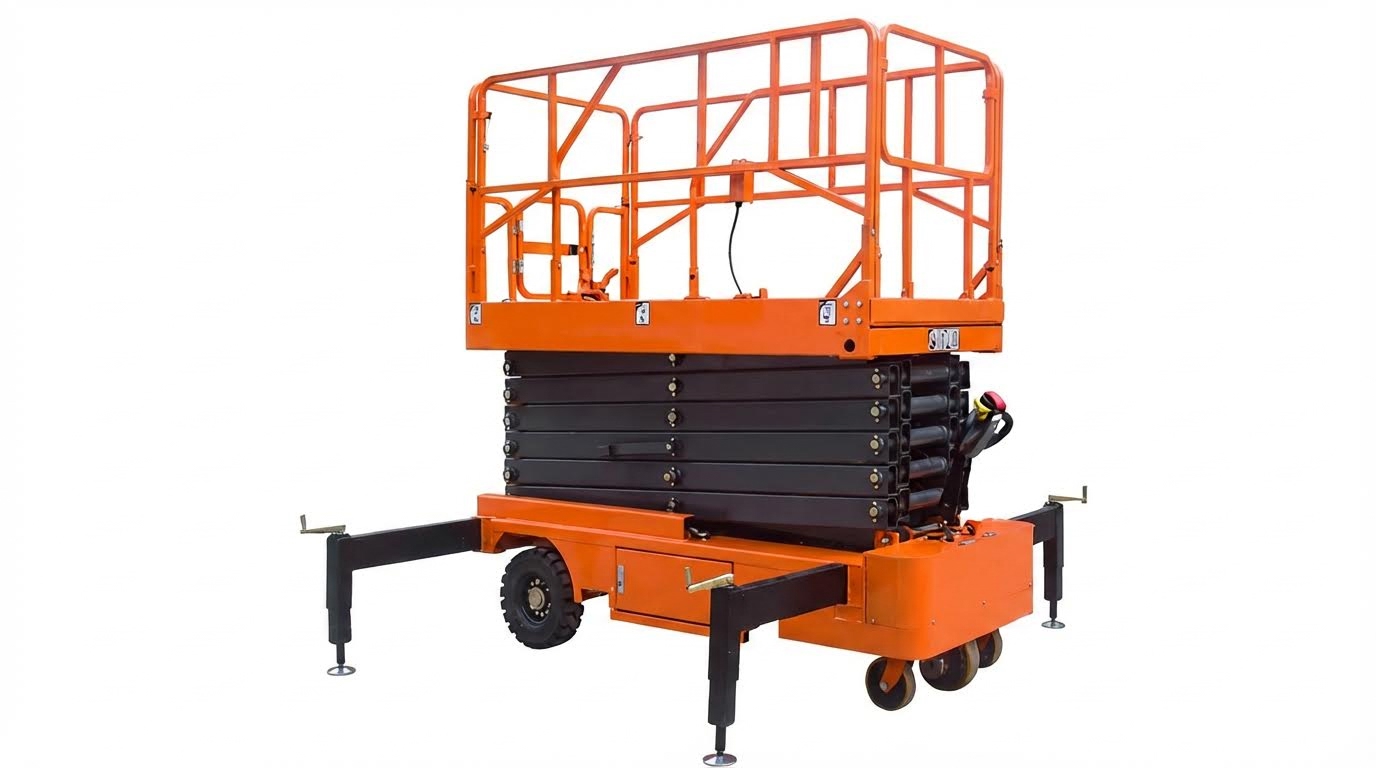
For scissor platform maintenance, preventive work almost always costs less than running to failure. Unplanned breakdowns create direct repair costs and hidden losses from idle operators, delayed jobs, and rescheduling. A structured preventive program combines daily checks, scheduled inspections, and periodic component replacements to reduce the frequency and severity of failures. This approach increases equipment lifespan and overall uptime, lowering lifecycle cost per operating hour. Scheduled maintenance yielded long-term rewards by increasing equipment lifespan and uptime.
- Reactive maintenance leads to higher parts prices, overtime labor, rental replacements, and safety risk after sudden failures.
- Preventive maintenance uses planned downtime, standard labor hours, and bulk parts purchasing to control costs.
- Key reliability metrics like Mean Time Between Failures (MTBF) and Mean Time To Repair (MTTR) help quantify the economic benefit of a strong maintenance program. Higher MTBF and lower MTTR indicate more reliable and cost‑effective fleets.
- Battery care is a major cost lever: well-maintained batteries typically last up to three years, while neglected ones may fail in about one year, tripling replacement frequency and associated downtime. Battery life varied from roughly one to three years depending on maintenance quality.
Cost elements to include in your maintenance business case
When comparing preventive and reactive strategies for scissor platform lift maintenance, include: technician labor (regular vs overtime), parts and consumables, rental or replacement units during downtime, lost production hours, and potential incident or damage costs from in‑service failures. Adding these factors usually shows preventive programs have the lower total cost of ownership.
Scheduling, documentation, and technician training
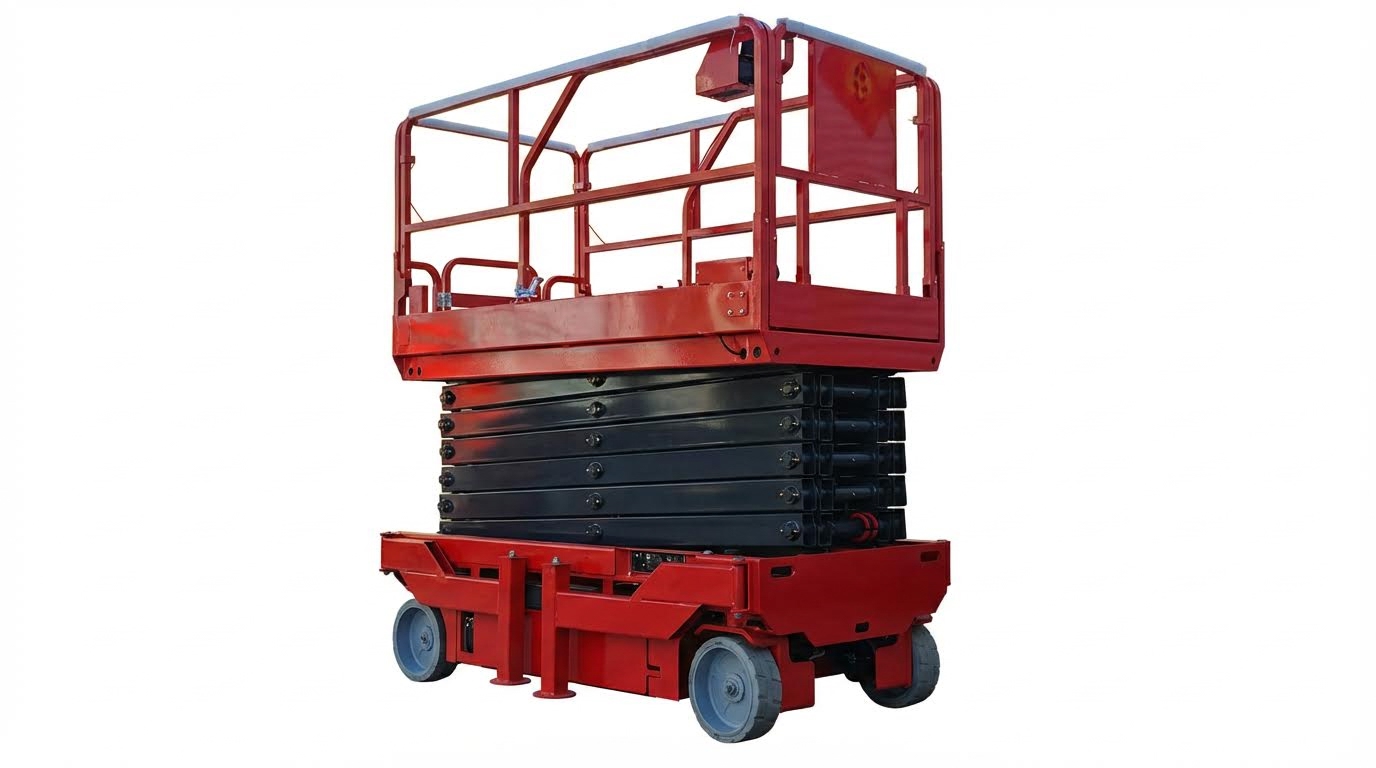
Strong scheduling and recordkeeping turn maintenance from ad‑hoc repairs into a controlled reliability program. A calendar-based plan should align daily pre‑start inspections, weekly checks, and deeper monthly or quarterly inspections with manufacturer guidance and local regulations. Regular inspections of hydraulic, electrical, and structural components were recommended to catch issues before they became costly repairs.
- Scheduling: Use a centralized calendar or CMMS to assign and track recurring tasks such as daily checks, lubrication, battery testing, and annual load tests. Usage scheduling that alternated lifts helped balance wear and extend lifespan.
- Documentation: Standardized checklists for pre‑start, operational, and structural inspections ensure consistency across the fleet. Checklists covering fluids, tires, controls, and safety devices supported systematic inspections. Detailed records of findings, repairs, and parts replacements build a history that supports warranty claims and replacement timing decisions.
- Technician and operator training: Well‑trained operators prevent misuse and report faults early, while technicians follow correct test procedures and torque, fluid, and adjustment specifications. Proper training reduced accidents and maintenance costs associated with misuse.
- Professional servicing: Periodic inspections by qualified service providers complement in‑house manual pallet jack maintenance, catching deeper hydraulic, structural, or control issues before they drive major downtime. Professional servicing at regular intervals helped prevent major breakdowns and high repair bills.
How documentation supports fleet strategy
Good records let you compare lifts by annual repair cost, downtime hours, and MTBF. Units with rising failure rates or repeated battery and hydraulic issues can be prioritized for overhaul or replacement, while well‑performing lifts stay in service longer. This data-driven approach keeps your electric scissor lift fleet reliable at the lowest practical ownership cost.
“”
Final Thoughts On Electric Scissor Lift Care
Electric scissor lift care is not just a checklist exercise. It is a safety and cost-control system that links standards, structure, power, and people. When teams follow layered inspections, they catch leaks, cracks, and weak batteries before they threaten stability or stop a job. Structural checks protect the load path. Hydraulic and electrical tests protect motion control. Battery and BMS care protect runtime and component life.
Planned maintenance also shapes fleet economics. Sites that favor preventive work see higher MTBF, lower MTTR, and less scramble for rental units. Clear schedules, standard forms, and traceable records turn every inspection into usable data. That data then guides replacement timing and capital planning.
The best approach is simple and disciplined. Align your program with regulations and the Atomoving manual. Make daily pre-start inspections mandatory. Lock out any lift with structural or safety defects. Train operators and technicians on the same procedures. Use monitoring tools where available and review maintenance history at least yearly. When you treat electric scissor lift maintenance as a core process, you protect people at height, keep projects on schedule, and get the full value from every unit in your fleet.
Frequently Asked Questions
How often should electric scissor lifts be maintained?
Electric scissor lifts require regular maintenance to ensure optimal performance and safety. A well-maintained scissor lift can last between 500-750 operational hours. To achieve this, it is recommended to follow these maintenance practices:
- Inspect the lift before each use for any visible damage or wear.
- Check hydraulic fluid levels and top up if necessary.
- Ensure all control systems are functioning correctly.
- Lubricate moving parts regularly to prevent friction and wear.
- Schedule professional servicing at least once a year. Scissor Lift Maintenance Tips
What factors affect the lifespan of an electric scissor lift?
The lifespan of an electric scissor lift depends on several factors, including usage frequency, environmental conditions, and adherence to maintenance schedules. Proper care can extend the equipment’s operational life significantly. Key considerations include:
- Avoiding overloading the lift beyond its rated capacity.
- Storing the lift in a dry, sheltered area to prevent rust and corrosion.
- Regularly replacing worn-out parts such as tires and batteries.
- Training operators to use the equipment correctly and safely.