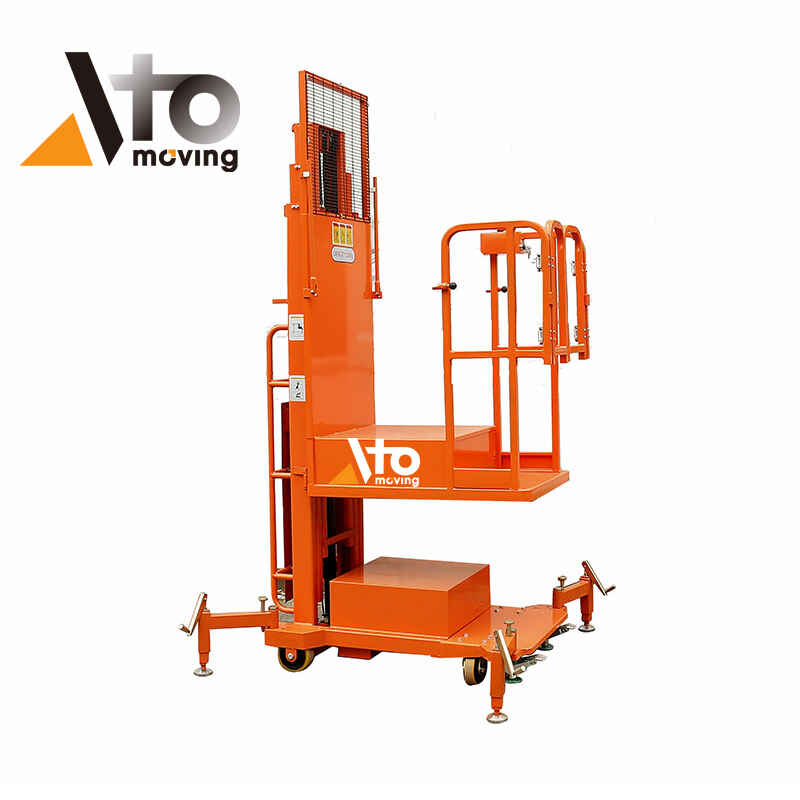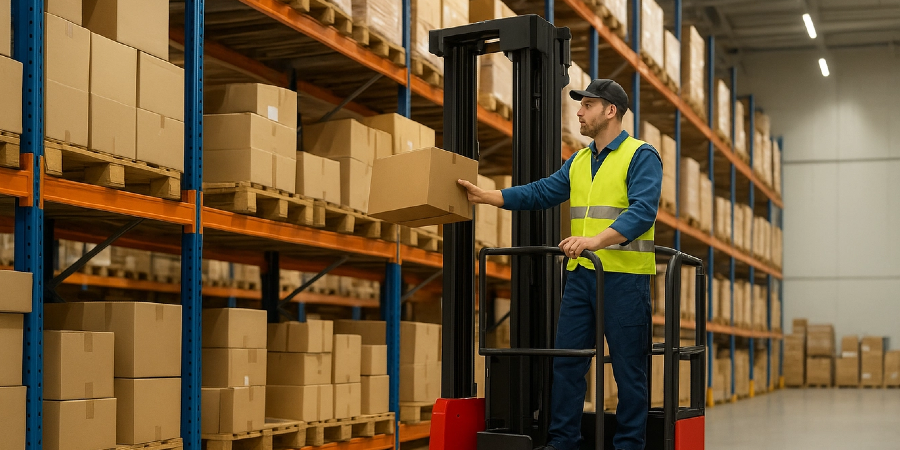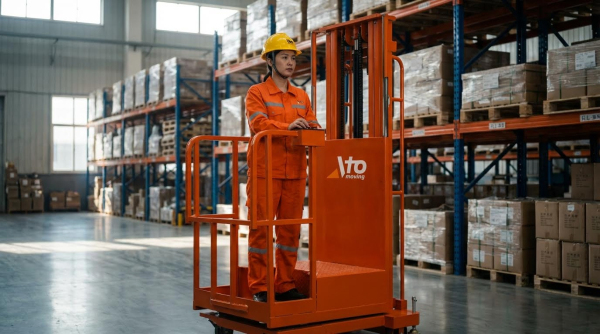
Order picking machines are central to warehouse performance, affecting labor costs, safety, and customer service levels. This article explains the main types of warehouse order picker, from manual and electric units to AGVs, AMRs, and goods-to-person systems. You will see how they compare technically, what they cost over their life cycle, and how to match them to your throughput and SKU profile. Use it as a practical guide to choose, justify, and optimize semi electric order picker for your warehouse operations.
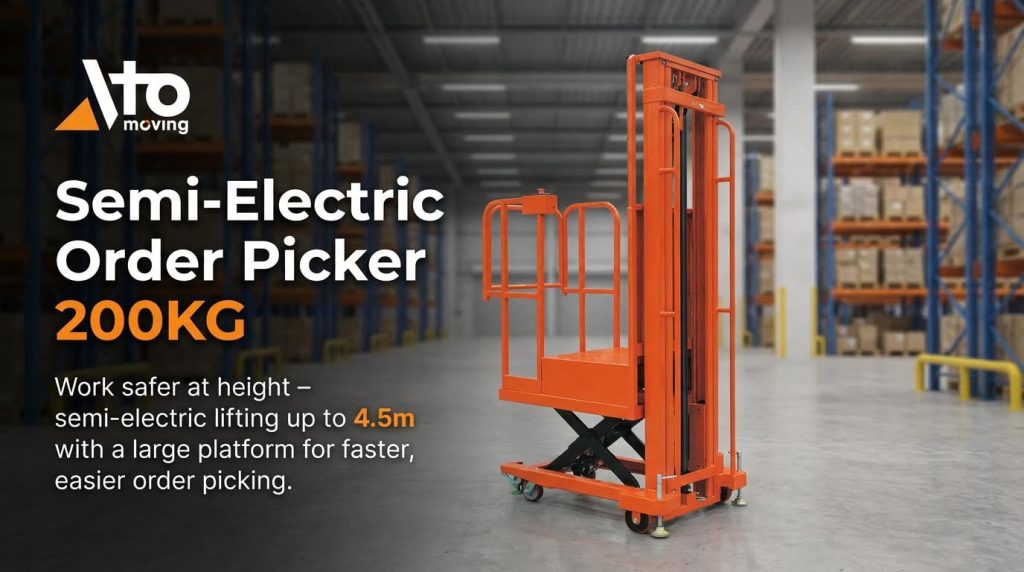
What Order Picking Machines Are And How They Differ
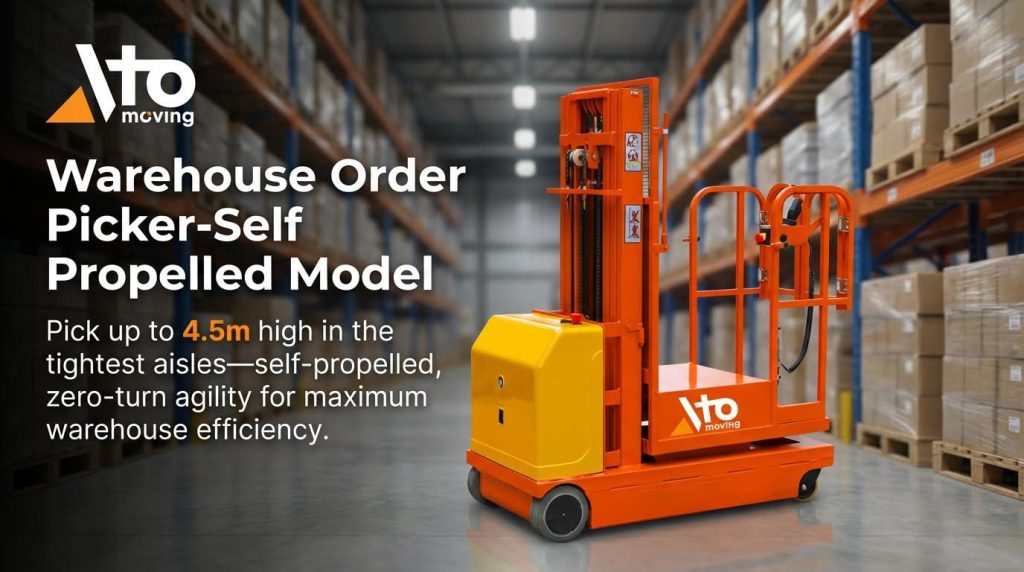
Core functions of order picking equipment
Order picking machines are material handling devices that help operators retrieve items directly from warehouse racking and staging locations. Their core function is to move people, pallets, or totes efficiently between storage positions and shipping or consolidation areas while minimizing travel time and physical strain. In practice, they support key processes such as case picking, piece picking, and pallet breakdown, and they link storage systems with packing, value‑add, and dispatch zones. Well-specified order picking machines also improve inventory accuracy and safety by giving operators stable platforms, controlled travel speeds, and better ergonomics compared with purely manual methods.
Different types of order picking machines are optimized for different height ranges and pick profiles. Low-level order pickers typically operate up to about 2.5 m and are suited to fast-moving SKUs on lower shelves, enabling rapid travel between pick faces with minimal operator training. High-level order pickers can reach up to around 12 m and often work in narrow aisles, allowing warehouses to use more vertical space and increase storage density. Low-level order pickers and high-level order pickers differ significantly in reach, training needs, and space utilization, which strongly influences system design and layout.
From an operations perspective, order picking machines must balance four core goals: productivity, accuracy, safety, and flexibility. Productivity comes from reducing walking distance and lift time, and from enabling batch or multi-order picking. Accuracy improves when operators have clear access to the correct pick face and can handle loads securely, while integrated scanning or WMS guidance further reduces mis-picks. Safety depends on stable platforms, fall protection, clear work zones, and, in advanced systems, sensors that slow or stop the machine when people or obstacles are detected. Flexibility means the same equipment can support changing SKU mixes, seasonal peaks, and future automation upgrades without major rework.
Manual, electric, and robotic picking systems
Order picking machines span a spectrum from manual to fully robotic systems. Manual picking relies on carts, pallet jacks, and ladders, with people providing all movement and lifting; this keeps capital cost low but increases physical strain and limits throughput. Electric order picking machines introduce powered lift and travel, allowing operators to reach multiple levels quickly and move heavier loads with less effort. Compared with manual solutions, electric order pickers typically improve productivity and safety by reducing walking distance and repetitive lifting, while still giving good maneuverability in tight aisles. Electric order pickers reduce physical handling and associated injury risk relative to manual pickers, which is important in high-volume operations.
Robotic order picking machines automate either the movement, the picking action, or both. Automated Guided Vehicles (AGVs) typically follow predefined routes using floor guides or markers and are effective for repetitive transport between fixed points. Autonomous Mobile Robots (AMRs) use sensors and onboard intelligence to navigate more freely around people, racks, and temporary obstacles, making them suitable where layouts or flows change frequently. Goods-to-person systems move shelves or totes to stationary operators, while piece-picking robots use vision and AI to grasp individual items of varying shapes, sharply cutting travel time and manual touches.
When comparing manual, electric, and robotic order picking machines, the trade-offs center on labor, safety, and scalability. Manual systems have the lowest equipment cost but the highest ongoing labor content and ergonomic risk, which can become a bottleneck as volumes grow. Electric order picking machines offer a middle ground: they raise pick rates and reduce strain without the complexity and integration effort of full automation. Robotic systems require the largest upfront investment and careful integration with Warehouse Management Systems, but they can operate for extended hours, stabilize output, and significantly reduce labor dependency over time. Well-designed automated solutions convert part of fixed labor cost into more predictable maintenance and system costs while improving space utilization and throughput, which is why many high-volume warehouses now evaluate robotic options alongside conventional order picking machines.
Technical Comparison Of Key Order Picking Solutions
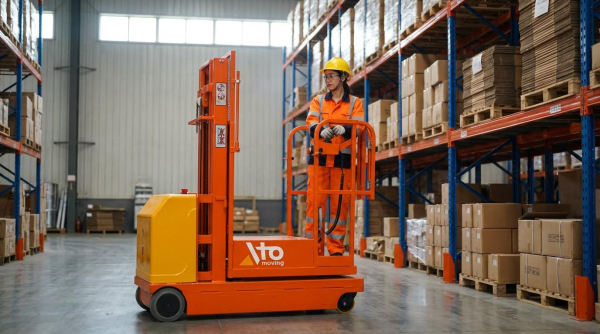
Low-level vs high-level order pickers
Low-level and high-level order picking machines serve different storage strategies and risk profiles. Low-level order pickers typically operate up to about 2.5 m, making them suitable for fast picking from ground and first-level locations low-level order pickers operate at heights up to 2.5 meters. High-level order pickers can reach up to around 12 m and are used to exploit vertical cube in narrow-aisle layouts high-level order pickers can reach up to 12 meters. The choice affects racking design, aisle width, and the balance between horizontal travel and vertical lifting.
- Low-level order pickers: Stand-on or walk-behind units, optimized for frequent, short-distance picks at low heights, with quick operator onboarding and low fall risk stand-on or walk-behind models… ideal for fast, frequent picking of low-shelf goods.
- High-level order pickers: Operator platform rises with the load, enabling dense vertical storage but requiring advanced training, strict harness use, and more complex rescue procedures operator platform that rises with the load… used in narrow aisle warehouses.
- Cost and space trade-offs: Low-level units are cheaper to buy and run, but need more floor area because they cannot use high rack positions efficiently, while high-level machines reduce footprint by using vertical space at higher equipment and maintenance cost low-level order pickers have a lower purchase price… high-level order pickers require less floor space by utilizing vertical storage.
- Safety profile: Low-level order pickers carry lower fall hazard, while high-level units demand engineered fall protection, clear exclusion zones, and sensors or barriers around the travel path increased height raises fall risks… safety measures such as clearly defined work zones, barriers, and sensors.
Manual vs electric variants
Within both height classes, manual order picking machines minimize capital cost but rely on operator effort, increasing fatigue and injury risk. Electric order pickers improve vertical reach and cycle times and reduce strain, but introduce battery management and higher unit price electric order pickers enhance productivity and safety… manual pickers are cost-effective but require physical handling.
AGVs, AMRs, and goods-to-person systems
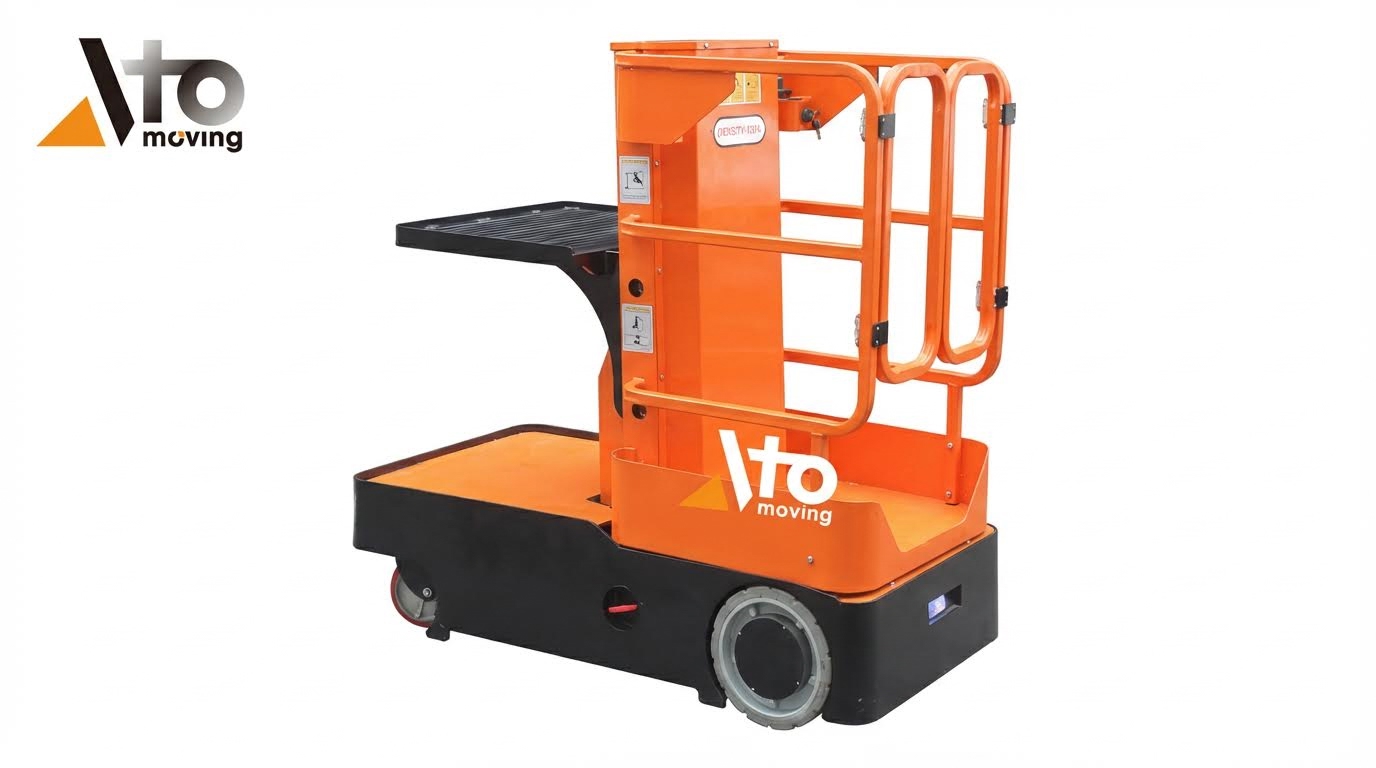
Automated mobile technologies shift order picking machines from person-to-goods to goods-to-person or hybrid concepts. AGVs, AMRs, and goods-to-person (GTP) systems mainly differ in navigation method, flexibility, and the degree of process redesign required. Their selection should align with SKU velocity, layout dynamics, and IT maturity.
- AGVs: Follow fixed paths using magnetic tape, QR codes, or guide rails. They suit stable, repetitive flows such as pallet or tote transfer with predictable routes, offering relatively low engineering complexity but limited adaptability to layout changes AGVs follow predefined routes using magnetic tape or guide rails.
- AMRs: Use sensors, cameras, and onboard computing to map the environment and dynamically reroute around obstacles, making them suitable for sites that change frequently or share aisles with people and forklifts AMRs use sensors, cameras, and AI for navigation… offering flexibility in environments with layout changes.
- Goods-to-person and piece-picking robots: GTP shuttles or robots bring shelves or totes to static pick stations, cutting walking time and enabling very high pick rates, while piece-picking robots on these stations use vision and AI to handle mixed SKUs and small items Goods-to-Person robots transport entire shelves… piece picking robots use advanced image recognition and AI.
Performance and integration aspects
Well-designed robotic picking solutions have achieved pick-rate improvements of more than 170% compared with manual operations, and in some cases over 300% when combined with intelligent order allocation and batching strategies 179% increase in pick rates… improved pick rates by over 300%. These order picking machines rely on tight integration with WMS/WCS for task allocation, inventory accuracy, and congestion management, and they require defined safety zones, emergency stops, and regular inspections before and after commissioning integration with existing WMS… safety measures include designated work areas, barriers, emergency stop buttons.
Cost, TCO, and ROI considerations
Comparing order picking machines requires a full life-cycle view that goes beyond purchase price. Capital costs for robotic GTP or shuttle-based systems can range from several million to hundreds of millions of local currency units, depending on scope, storage height, and degree of automation initial investments for robotic systems range from millions to hundreds of millions of yen. In contrast, fleets of low-level or high-level pickers have lower entry cost but higher ongoing labor exposure. A structured TCO model should include building modifications, fire protection, electrical upgrades, software, integration, IT, training, and five-year projections for maintenance, energy, spare parts, and supervision additional costs include retrofitting facilities… ongoing costs should be projected over five years.
| Aspect | Manual / Low Automation | Automated / Robotic |
|---|---|---|
| Upfront investment | Low–medium (primarily trucks and racking) | High (mechanical systems, software, integration) |
| Labor cost profile | High, sensitive to wage inflation and hiring risk | Lower, with labor converted to maintenance and supervision |
| Space utilization | Conventional racking, lower density | High-density designs; storage capacity gains above 40–80% are achievable in some projects high-density racking systems… can increase storage density by over 80% |
| Throughput & accuracy | Dependent on staffing and shift patterns | 24/7 capability, near-zero mis-picks in well-tuned systems automated systems operate continuously… reduce mis-picks and incorrect shipments to near zero |
ROI should follow a transparent formula: (Annual savings − Annual costs) ÷ Investment × 100, with baselines built from current labor, error rates, maintenance, and energy ROI = (Annual Savings – Annual Costs) ÷ Investment × 100. Typical medium-scale automation projects in the tens of millions can see payback in roughly 6–8 years, while very large programs may extend to about 10 years when both financial and qualitative benefits are included return on investment typically takes six to eight years… larger projects… approximately ten years. To maximize ROI, operators should phase deployments with pilots, choose modular systems, and use WMS/WES analytics to refine slotting, batching, and machine utilization over time initiating pilot projects… leveraging data-driven insights… implementing effective change management.
Matching Order Picking Machines To Warehouse Use Cases
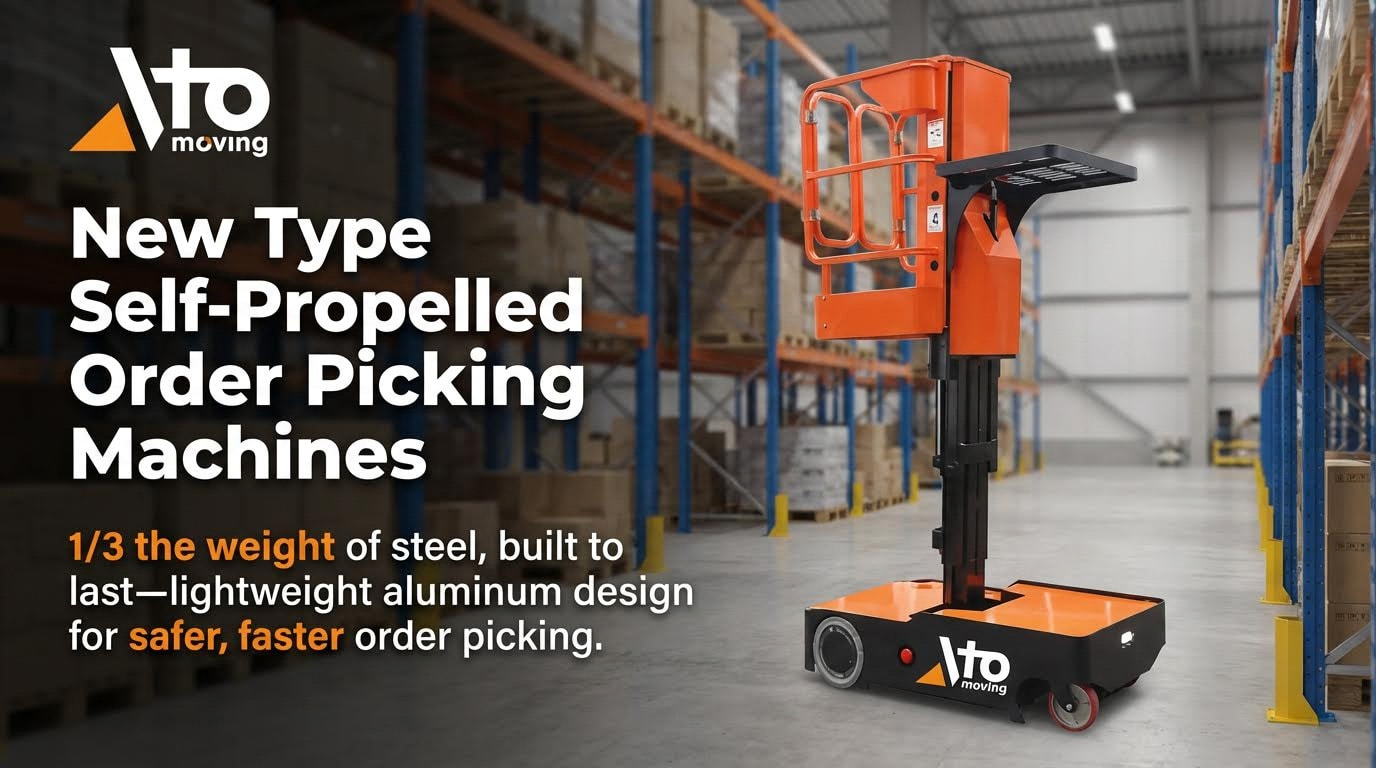
Application scenarios by throughput and SKU profile
Choosing the right order picking machines starts with understanding order volume and SKU behavior. For low to medium throughput with many fast‑moving SKUs at ground level, low-level order pickers are often the most economical option. They support rapid travel between pick faces and frequent stops, making them suitable for case or pallet picking in FMCG, retail replenishment, and e‑commerce “fast lane” zones. Their lower purchase and running costs compared with high‑level units help keep TCO under control in manually focused operations. Low-level machines also require less training and present reduced fall risk, which suits sites with higher staff turnover or seasonal labor.
High-level order pickers fit medium to high throughput with deeper SKU ranges stored vertically. They are common in narrow-aisle warehouses where operators need to access locations up to around 10–12 m while maximizing storage density. This profile suits spare parts, industrial components, or e‑commerce fulfillment centers with many slow and medium movers stored high, while fast movers stay low for efficiency. Because high-level units are more expensive to buy and maintain than low-level models, they are typically justified where land costs are high and vertical storage significantly reduces building footprint. Using vertical height reduces floor space needs, which can delay or avoid facility expansion.
For very high throughput or labor-constrained sites, automated options such as AGVs, AMRs, and goods-to-person systems become attractive. AGVs work well in stable, repeatable flows, for example shuttling pallets between receiving, buffer, and pick tunnels, because they follow fixed paths and are cost-effective on repetitive routes. AMRs and goods-to-person systems suit dynamic SKU profiles and frequent layout changes; they navigate with onboard sensors and move shelves or totes to stationary pickers, which cuts walking time and boosts pick rates. Goods-to-person and piece-picking robots can handle varied item sizes and shapes, making them suitable for e‑commerce and 3PL environments with wide SKU ranges.
Automation is also a lever when labor cost or availability is a primary constraint. Automated storage and retrieval or shuttle-based solutions can shift costs from headcount to equipment and maintenance, enabling more stable long-term cost structures. These systems support unmanned or low-manned operation and improve space utilization by more than 80% in high-density racking layouts, which is valuable where rent is high. Sites with strong seasonality often combine manual order picking machines for peak flexibility with a core automated backbone that carries base volume efficiently.
Selection criteria: space, safety, and future automation
When selecting warehouse order picker, space constraints are usually the first filter. Low-level pickers need more horizontal aisle and storage length because they only access lower levels, so they fit wide-aisle layouts and operations where building expansion is still possible. High-level machines, by contrast, are designed for narrow aisles and tall racking; they compress footprint by using vertical height. High-level order pickers increase storage density but require careful aisle design and guidance systems. For dense storage with very limited floor space, shuttle systems, ASRS, or goods-to-person robots can raise storage capacity by more than 40–80% compared with conventional layouts. Examples include double-depth racks that increased capacity by over 40%, paired with automated handling.
Safety is the next critical lens. Low-level order pickers reduce working-at-height exposure and are easier to secure with simple traffic rules and pedestrian segregation. High-level order pickers introduce higher fall risk and need more robust procedures, including harness use, platform guarding, and strict speed and lift interlocks. Clearly marked work zones, barriers, and presence-detection sensors that stop the machine when people approach are important for both manual and automated fleets. For robotic systems, the safety concept also covers fenced or virtual zones, emergency stop circuits, and safe charging areas; for example, dedicated charging rooms with temperature monitoring and automatic power cut-off above 55°C help mitigate fire risk.
Future automation plans should influence today’s equipment choice. If a warehouse expects to add AGVs or AMRs, it is wise to design racking, aisle widths, and traffic flows with robot navigation in mind, even when starting with manual order picking machines. AGVs depend on fixed routes, while AMRs use sensors and AI to adapt to changing layouts, so flexibility requirements drive the choice. Integration with WMS and WCS is another key factor; systems that already manage inventory at location level and support task interleaving will later orchestrate robots and manual pickers together. Data from these systems improves decision-making, ROI tracking, and continuous improvement, regardless of whether the underlying picking is manual, semi-automated, or fully robotic.
Finally, sites should balance immediate needs with lifecycle economics. Manual and electric order picking machines require lower upfront investment and suit operations with uncertain volumes or short contract horizons. Robotic and goods-to-person solutions have higher capital costs, often ranging from millions to hundreds of millions of yen depending on scale, but they can deliver strong gains in labor productivity, space utilization, and accuracy over time. These systems reduce picking errors and support continuous 24/7 operation, which is valuable for high-service-level contracts. Selecting the right mix of technologies, and ensuring they can evolve together, is the most robust path to long-term performance.
Final Thoughts On Optimizing Warehouse Order Picking
Order picking machines sit at the center of warehouse performance, so each choice has long-term impact on cost, safety, and service. Height capability, aisle geometry, and storage density drive the basic layout, while the degree of automation sets your labor and maintenance profile. Low-level and high-level pickers, AGVs, AMRs, and goods-to-person systems are not rivals but tools that you should combine to match SKU velocity, throughput, and building limits.
Engineering teams should start with clear design data: order profiles, peak rates, SKU distribution by height, and land or rental costs. From there, they can size manual or electric order pickers for flexibility, and add automation only where flows are stable enough to justify it. Safety must stay embedded in every concept. That means stable platforms, fall protection, defined traffic rules, and engineered safety zones for robotic fleets.
The most robust strategy is usually hybrid. Use manual or electric order picking machines from Atomoving where demand is uncertain or highly seasonal. Deploy AGVs, AMRs, or goods-to-person systems on stable, high-volume lanes. Review TCO and ROI over at least five years, and design today’s racking, IT, and traffic flows so future automation can plug in without major rework.
Frequently Asked Questions
What are order picking machines and how do they work?
Order picking machines, also known as order pickers, are specialized material handling equipment designed to retrieve and move items from shelving or pallet racks to gather orders in warehouses or distribution centers Order Picker Safety Guide. They provide a safer and more efficient alternative to ladders and scissor lifts when accessing stock manually.
- They are typically battery-powered and operated by a person standing on a platform
- Can reach heights of 20 feet or more
- Allow operators to move forward, backward, and side-to-side
What are the main differences between order pickers and forklifts?
While both are used for lifting and moving materials, order pickers are specifically designed for retrieving items from high shelves. Technically, order pickers are classified as a type of forklift under Class II – Electric Motor Narrow Aisle Trucks Order Picker Types and Uses.
- Order pickers allow operators to be lifted with the load
- Typically have a capacity of around 1,360 kg (3,000 lbs)
- Are optimized for narrow aisle operations
What safety considerations should be kept in mind when using order picking machines?
Like all material handling equipment, order pickers require proper training and adherence to safety protocols. Operators must maintain the “3-foot rule” – focusing on a 3-foot radius to better control their surroundings and prevent accidents Forklift Safety Guidelines.
- Always wear appropriate PPE including harnesses when required
- Be aware of overhead clearance and potential tip-over risks
- Maintain safe speeds, especially at intersections
How long does it typically take to become certified to operate an order picker?
Most order picker training courses can be completed in one day or less. Additional time may be available for new operators who need extra practice Order Picker Training Details.
- Training includes both theoretical and practical components
- Covers safe operation procedures
- Includes pre-shift inspection protocols