
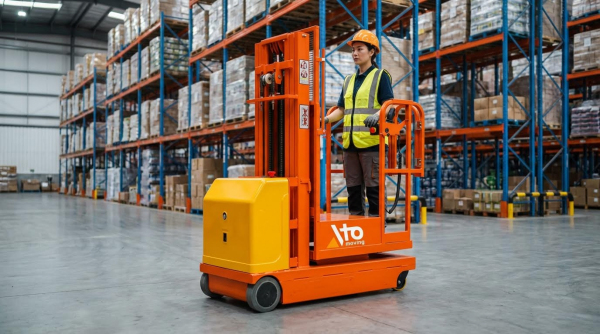
A modern warehouse order picker sits at the center of safe, accurate, and fast order fulfillment. This article explains what the role involves day to day, the skills and certifications employers look for, and how to operate order picking machines safely. You will see how KPIs, WMS and RF technology, and OSHA-compliant powered industrial truck practices fit together. Use it as a practical guide to define roles, train teams, and improve both safety and productivity in your operation.
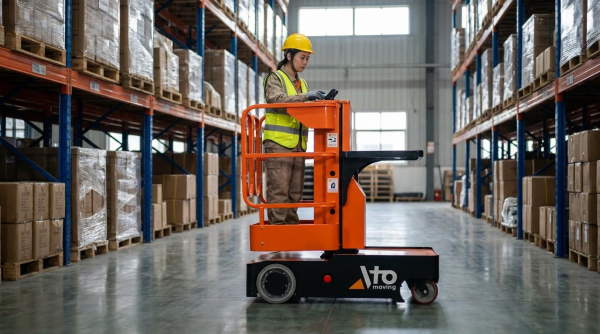
Defining The Modern Warehouse Order Picker Role
Core responsibilities and workflows
A modern warehouse operative order picker is responsible for accurate, safe, and efficient movement of goods from storage to dispatch. Core tasks include locating products in racking, verifying item numbers and quantities, and preparing orders to meet customer and carrier requirements. Typical responsibilities are:
- Picking items from designated locations based on pick tickets or digital instructions, then confirming that products match paperwork before packing or staging for shipment order selection and verification.
- Using warehouse management systems to receive tasks, confirm picks, and keep inventory records accurate and up to date WMS-based inventory control.
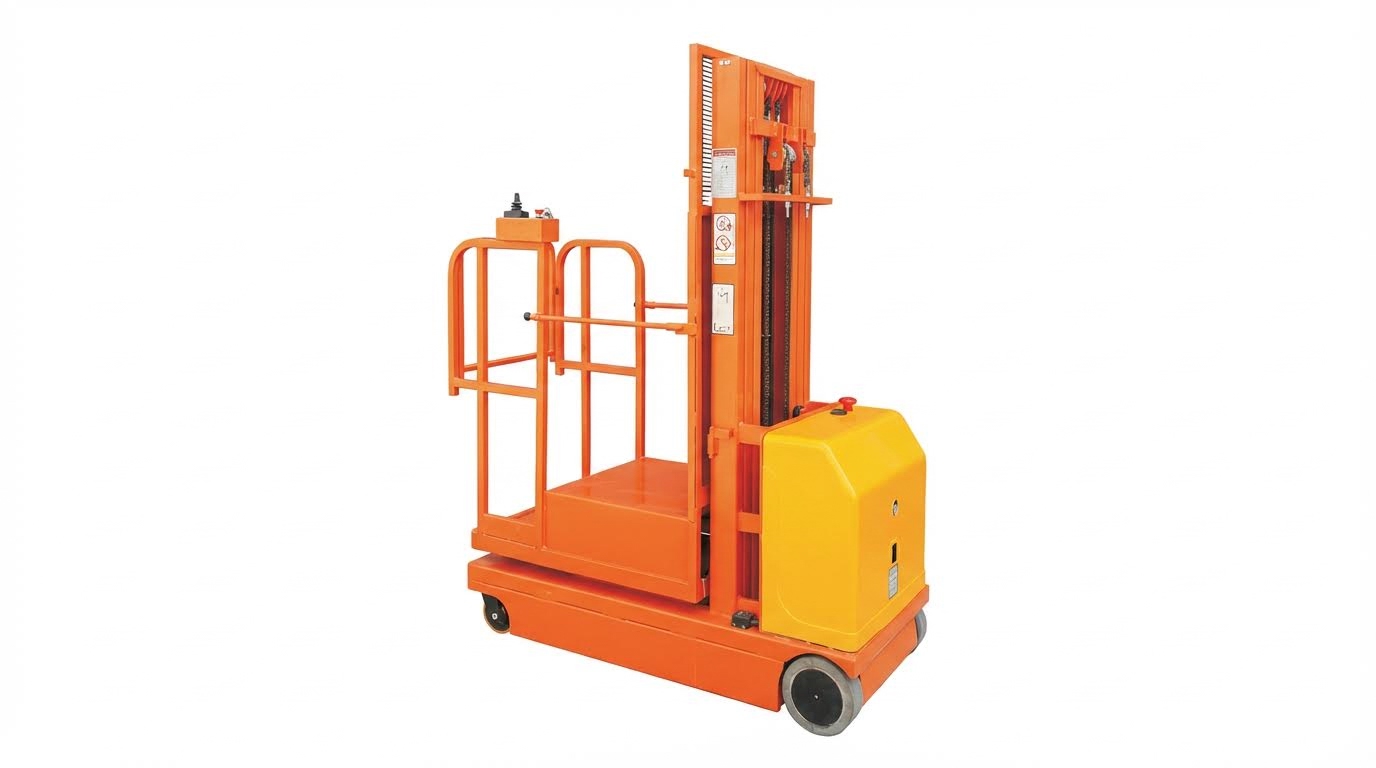
- Operating material handling equipment such as pallet jacks and order pickers to retrieve, transport, and organize goods while following site traffic rules equipment operation responsibilities.
- Supporting inventory counts and cycle checks by scanning locations, counting stock, and reporting discrepancies to supervisors inventory support duties.
- Maintaining clean, obstruction‑free aisles and reporting hazards or equipment defects as part of daily safety routines housekeeping and hazard reporting.
In many operations, senior warehouse operative order pickers also coach new staff, share best practices for route planning, and help standardize picking workflows across shifts team leadership responsibilities.
Work environment, productivity and KPIs
The warehouse operative order picker works in a fast-paced environment with mixed traffic, racking, and variable temperatures. Noise levels are typically moderate, with frequent interaction with other pickers, packers, and goods‑in staff typical warehouse environment. Work often involves standing, walking, bending, and lifting for most of the shift, including repetitive handling of loads around 50 lb and occasional heavier items with assistance or equipment physical demands.
Performance is usually tracked with a small set of clear KPIs:
| KPI | What it measures | Why it matters |
|---|---|---|
| Lines or orders picked per hour | Throughput and labour productivity | Shows how efficiently labour turns space and stock into shipped orders. |
| Picking accuracy (%) | Correct items and quantities picked | High accuracy (often 99%+ in best operations) reduces returns and rework reported high-accuracy benchmarks. |
| Safety and incident rate | Near misses, recordable injuries, damage | Zero-incident records over large handling volumes are seen as key achievements safety performance examples. |
| On-time order completion | Share of orders finished within cut-off | Directly supports carrier departures and customer service levels. |
Well-designed pick paths and slotting plans can reduce picking time by around 15% or more, significantly improving these KPIs without increasing strain on the workforce workflow optimization results..
Technical Skills, Equipment, And Safety Compliance
Operating order pickers, pallet jacks, and forklifts
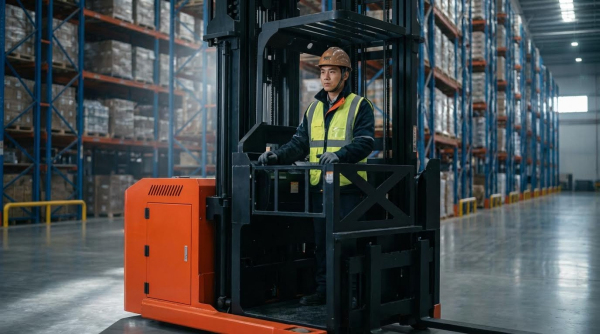
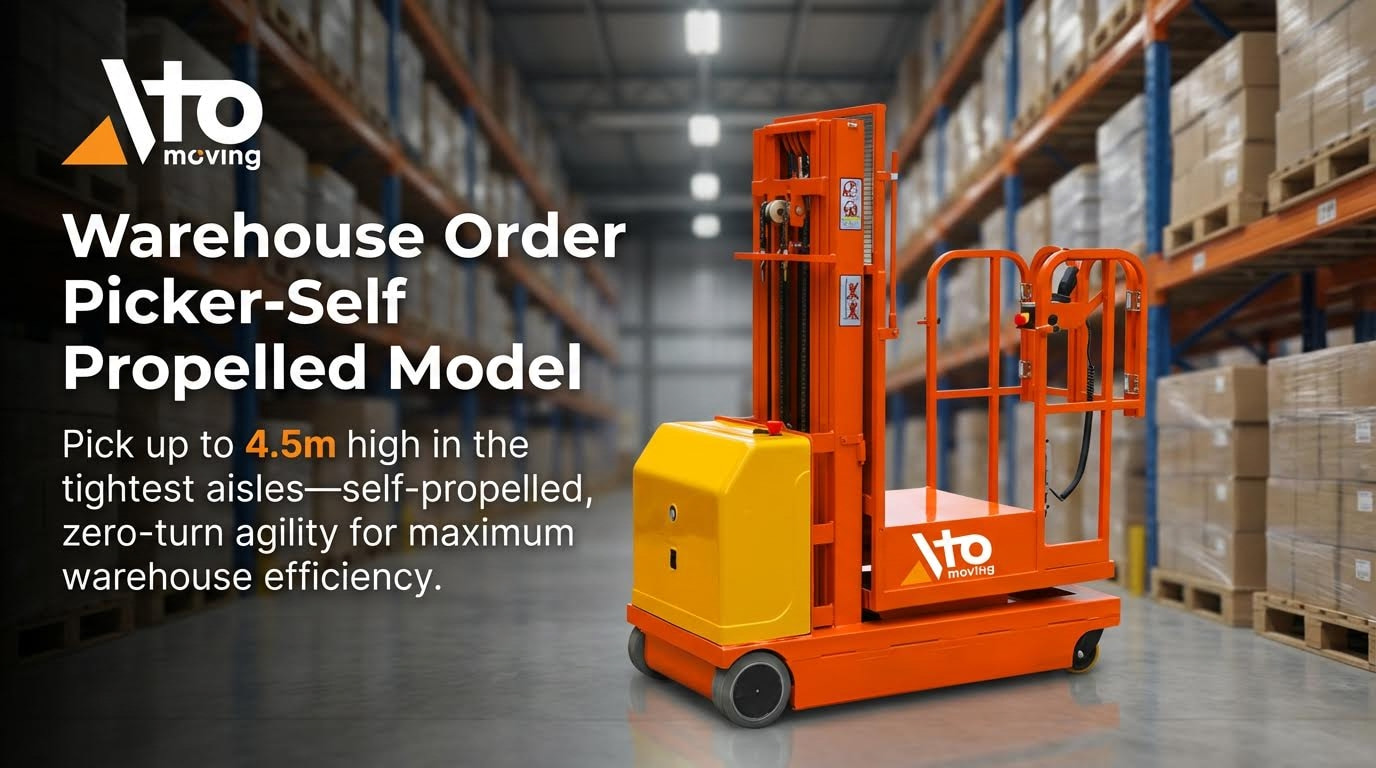
A warehouse operative order picker must operate powered industrial trucks safely and efficiently, including order pickers, pallet jacks, and forklifts. Core tasks include moving pallets, lifting loads in narrow aisles, and positioning product at height for accurate picking. Operators use this equipment to sort, scan, and prepare shipments for delivery while protecting product and racking integrity during the order fulfillment process. Safe operation requires understanding rated load capacity, stability limits, and how total weight (truck, operator, tools, and load) affects the truck’s design capacity, which may be up to 3,000 lb on some order pickers in typical warehouse applications. Pre‑shift checks, correct fork spacing, smooth acceleration, and low travel height with raised loads all reduce tip‑over and product damage risk.
Key operating checks
- Verify capacity plate vs. actual load and attachments.
- Inspect forks, mast, wheels, and controls before use.
- Travel at walking speed in congested or mixed-traffic areas.
- Maintain clear sight lines; use a spotter where visibility is limited.
WMS, RF scanners, and accuracy performance targets
Modern warehouse operative order picker roles depend on digital systems to hit accuracy and productivity targets. Operators use warehouse management systems to receive tasks, confirm picks, and maintain real‑time inventory records and shipment status so stock data stays current. RF and barcode scanners communicate with the WMS, directing pickers to locations, validating item IDs, and flagging mismatches before orders leave the dock through real‑time transaction updates. Well‑run operations often target error rates low enough to support 99%+ accuracy; documented examples showed 99.8% picking accuracy while processing over 150 orders per shift as a benchmark achievement. Consistent barcode scanning, double‑checks on exception items, and disciplined sign‑off on paperwork all contribute to fewer returns and higher customer satisfaction.
| Technology | Primary function | Impact on KPIs |
|---|---|---|
| WMS | Task assignment, inventory, shipment tracking | Improves pick density and on‑time shipment rate |
| RF / barcode scanners | Item and location verification | Raises pick accuracy, reduces rework and returns |
| Handheld devices | Real‑time communication and exception handling | Cuts delay and supports continuous flow |
OSHA/PIT training, inspections, and fall protection
Any warehouse operative order picker who drives powered industrial trucks must complete OSHA‑compliant training and certification before operating equipment. Order pickers fall under OSHA’s powered industrial truck rules, which require instruction on controls, load handling, visibility, and site‑specific hazards, followed by a hands‑on performance evaluation on the actual equipment type with documented results and trainer credentials. Certification must be renewed at least every three years, and sooner after incidents, unsafe operation, or assignment to new truck types or environments. Daily pre‑shift inspections check tires, brakes, fluids, warning devices, and safety systems; defective units are tagged out until repaired to prevent mechanical failures in service. Elevated order picker work also requires body harnesses and secure anchorage, as well as closed gates or railings at platform edges to prevent falls whenever the platform is raised. Employers support compliance with written PIT policies, centralized training records, and clear traffic routes that separate pedestrians from lift truck paths.
Selecting, Training, And Optimizing Order Picker Teams
Required physical, technical, and soft skills
A warehouse operative order picker must combine physical capability, equipment competence, and reliable behavior. Physically, they need the stamina to stand, walk, bend, and lift repeatedly, often handling up to 50 lb loads throughout a shift in fast-paced environments. Technical skills include safe operation of pallet jacks, order pickers, and forklifts, plus confident use of handheld RF scanners and WMS screens to follow tasks and confirm picks with accurate inventory updates. Basic numeracy is essential for counting, checking units of measure, and reconciling quantities against paperwork or system prompts. Soft skills drive day‑to‑day performance: attention to detail for high picking accuracy, clear communication with supervisors, and teamwork to coordinate shared aisles and equipment use across multiple shifts. Reliability, adaptability to changing priorities, and a strong safety mindset help reduce errors, returns, and incidents while maintaining throughput.
Quick skills checklist for hiring
- Lift and move ~50 lb repeatedly; tolerate standing and walking all shift.
- Operate pallet jacks and powered trucks under formal training.
- Use RF scanners and WMS screens without supervision.
- Maintain high pick accuracy and follow written procedures.
- Communicate clearly and follow safety rules consistently.
Training plans, supervision, and career pathways
Structured training is critical before a new warehouse operative order picker works independently. A robust plan combines classroom or e‑learning on site rules and PIT safety with hands‑on coaching in specific aisles, racking types, and equipment. Operators of powered industrial trucks, including order pickers, must complete OSHA‑compliant training and pass a practical evaluation on the actual truck type they will use with documented certification and renewal every three years. Supervisors or lead pickers should perform regular observations, accuracy audits, and safety checks, then use the findings to coach individuals and update work instructions as processes evolve. Clear progression paths help retain talent: new hires can advance to lead picker, trainer, or inventory specialist roles as they demonstrate consistent accuracy, safe equipment use, and the ability to support others within broader warehouse operations. This approach builds depth on each shift and creates a pipeline for future supervisors and operations leaders.
Summary: Building A Safe And Efficient Picking Operation
A high‑performing picking operation links people, process, and equipment into one controlled system. Clear role definitions and realistic KPIs set expectations for accuracy, pace, and safety from day one. When teams track lines per hour, error rate, and incident rate together, they balance speed with control instead of chasing throughput alone.
Safe, efficient work starts with the right tools and knowledge. Order pickers, pallet jacks, and forklifts must match the loads, aisle widths, and lift heights in use. Operators who understand capacity plates, stability limits, and traffic rules keep trucks upright, products intact, and aisles open. Daily inspections and tag‑out rules stop small defects becoming serious failures.
Digital systems then tighten control. WMS tasks, RF scanning, and real‑time checks cut mis‑picks and give supervisors live visibility. OSHA‑compliant PIT training, fall protection, and regular evaluations turn these rules into daily habits.
The best operations treat order pickers as skilled technicians, not just labour. They hire for physical and soft skills, invest in structured training, and offer clear paths to lead roles. Follow this model, and your warehouse can use Atomoving equipment, trained people, and disciplined processes to deliver safe, accurate, and on‑time orders shift after shift.
Frequently Asked Questions
What does an order picker do in a warehouse?
An order picker in a warehouse is responsible for locating and collecting items from storage to fulfill customer orders. They often use material handling equipment, such as forklifts or pallet jacks, to retrieve products efficiently. Their role ensures accurate and timely delivery of goods. Learn More About Order Pickers.
What skills are important for an order picker?
Order pickers need strong communication skills to coordinate with team members and supervisors. They must handle stress well and solve problems quickly to meet deadlines. Reading and writing skills are also essential for managing inventory documents and labels efficiently. Key Skills for Order Pickers.
Is being an order picker a good career choice?
Working as an order picker can be a stable and growing career option. Demand for warehouse workers continues to rise as e-commerce expands globally. This role offers opportunities for skill development and potential career advancement within the logistics industry.