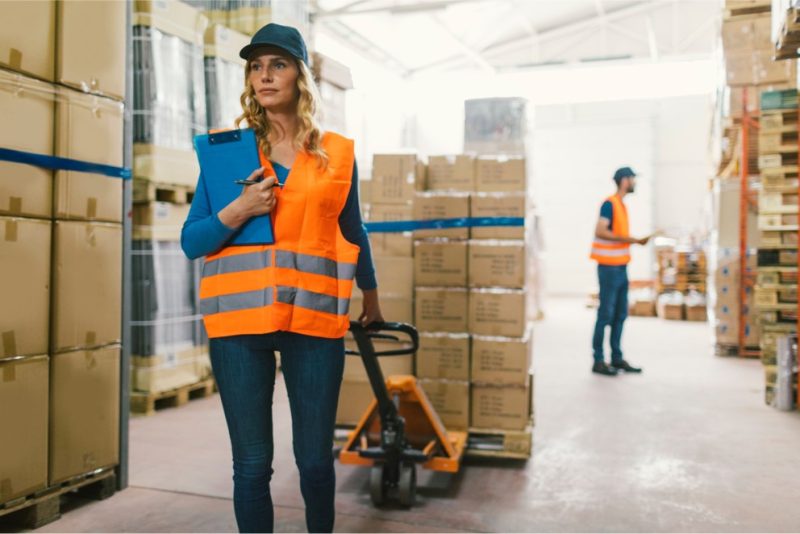
Moving a loaded pallet without standard equipment can be done, but only if you respect weight limits, floor conditions, and basic physics. This guide walks through safe, practical options for anyone asking “how do you lift a pallet without a jack,” from lever bars and dollies to dragging methods and team handling. You will see where manual methods are acceptable, how to choose the right technique for your load, and what safety and ergonomic rules to follow. Use these methods to reduce strain, protect your team, and move pallets efficiently when a pallet jack is not available.
Understanding Manual Pallet Handling Limits
Typical pallet weights and load ratings
Before you ask how do you lift a pallet without a manual pallet jack, you need to know what the pallet itself weighs and how much load it carries. Empty pallets are already a significant manual load, and stacked product multiplies the risk quickly.
| Item | Typical range | Notes |
|---|---|---|
| Empty wooden pallet weight | 40–70 lb (18–32 kg) | Common range for standard wood pallets Wood pallet weights |
| Empty plastic pallet weight | 20–30 lb (9–14 kg) | Lighter, reduces ergonomic stress Plastic pallet weights |
| Typical palletized load (warehouse) | 500–2,000 lb (225–900 kg) | Varies by product; often beyond safe manual handling range |
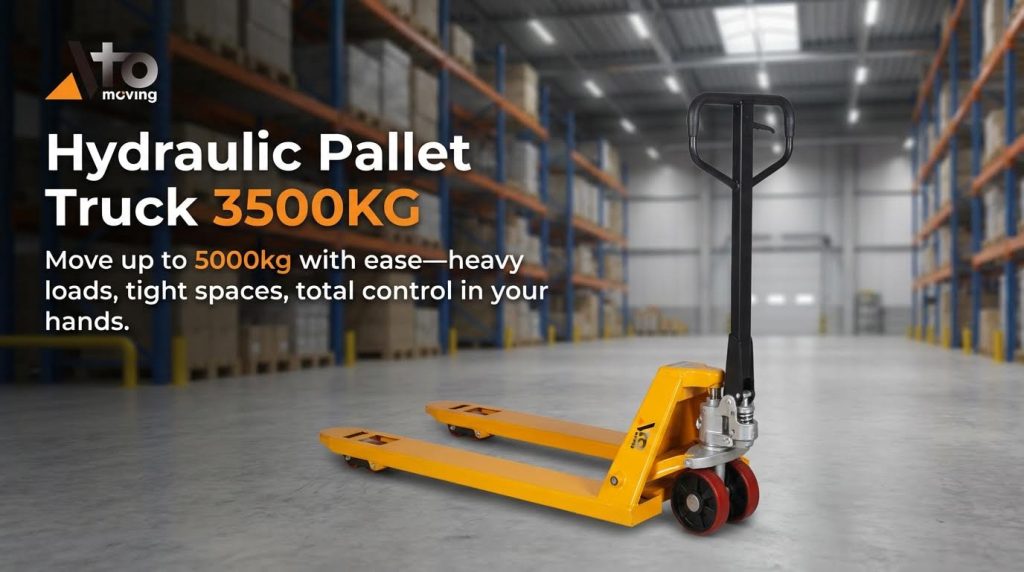
| Manual pallet truck capacity | 1,000–2,000 kg | Moved hydraulically, not by lifting the full weight manually Manual pallet truck capacity |
For manual lifting by one person, many safety programs set a design limit around 40–50 lb for infrequent lifts, with lower limits for frequent or awkward lifts. Heavier pallets or loads usually require mechanical assistance or team handling.
Why pallet weight matters before you move it
Heavier empty pallets increase the starting strain every time workers build or break down loads. Choosing lighter pallet types and controlling unit load weight are simple engineering controls that reduce cumulative back and shoulder stress.
When manual methods are acceptable
Manual methods to move or raise a pallet are only acceptable in narrow conditions. You must control load weight, travel distance, floor friction, and body posture to keep risk within reasonable limits.
When you consider how do you lift a pallet without a hydraulic pallet truck, think “minimize lift, maximize slide or roll.” The safest manual options avoid full dead-lifts of the pallet and instead use leverage or low-friction movement.
- Suitable situations for manual methods
- Empty or very light pallets (typically under ~40–50 lb per person).
- Short distances (a few meters) on smooth, unobstructed floors.
- Good handholds and no need to twist while carrying.
- Ability to team-lift or team-push for heavier but still manageable loads.
- Examples of lower-risk manual approaches
- Removing product from the pallet by hand and moving items individually when no tools are available Manual unloading method.
- Pulling a pallet on a sheet to reduce friction over a short distance Sheet-drag method.
- Dragging a pallet using a heavy-duty rope with one or more helpers, at slow speed and under control Rope-drag method.
In all these cases, the goal is to keep forces within human capability and avoid high-compression loads on the spine. If the palletized load is heavy, high, unstable, or must move far, manual-only methods quickly become unsafe.
Red flags: switch to equipment, not manpower
Do not rely on manual methods if you see any of the following: load above chest height, stacked unstable items, need to move on slopes or rough floors, or workers already reporting strain or fatigue. These are engineering indicators that mechanical handling is required, not more people.
Applicable OSHA and ANSI safety guidance

OSHA and ANSI standards do not give one single “legal” weight limit, but they expect employers to control ergonomic risk and follow safe lifting principles. That directly affects how do you lift a pallet without a drum dolly in a compliant way.
- Ergonomic and lifting guidance
- Limit routine manual lifting to about 50 lb or less per person, and use team lifts or equipment for heavier items Manual lifting limits.
- Train workers to bend at the knees, keep the load close, and avoid twisting while carrying Proper lifting technique.
- Use task rotation to limit time spent on heavy pallet handling and reduce fatigue Task rotation guidance.
- Pallet and route safety practices
- Inspect pallets for cracks, splinters, or structural damage before handling Pallet inspection.
- Keep floors clear, smooth, and free of tripping hazards to lower push–pull forces Floor condition guidance.
- Secure loads with ropes or straps and wear gloves when dragging or sliding pallets Load securing tips.
OSHA also encouraged the use of engineering controls like lighter plastic pallets, pallet dispensers, and height-adjustable pallet-handling equipment to reduce bending and high-force lifts Engineering controls for pallets. Even when you must move a pallet without a jack, these principles still apply: keep forces low, improve posture, and use simple aids whenever possible.
Key takeaway for compliance-focused readers
From an OSHA/ANSI perspective, the core requirement is to recognize manual pallet handling as a significant ergonomic hazard and to design work so that high-risk manual lifts are the exception, not the rule. Any procedure for lifting or moving pallets without a jack should be documented, risk-assessed, and limited to light, controlled situations.
Engineering Methods To Raise A Pallet Without A Jack
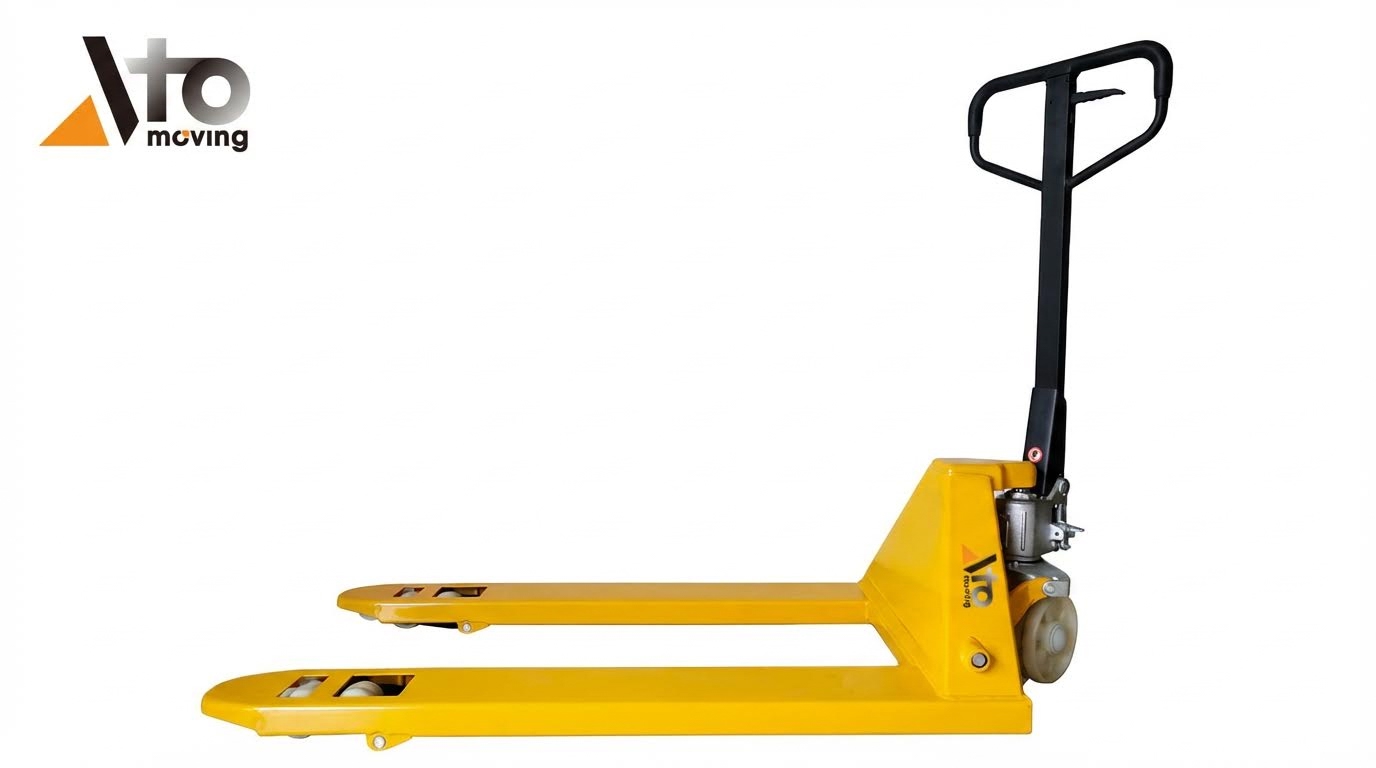
This section focuses on practical, engineering‑based answers to “how do you lift a pallet without a manual pallet jack” while keeping forces, friction, and safety in mind. The methods below use leverage, rolling resistance reduction, and load distribution so you can shift pallets with the least manual effort and risk.
Using roller crowbars and lever bars
Roller crowbars and lever bars use simple physics: a long lever multiplies your input force, and small wheels cut floor friction. They are useful when you only need to raise one edge of the pallet just enough to get it rolling or to slip another device underneath.
- Best for: short moves on smooth, level floors
- Main goal: tip or raise one pallet edge a few centimeters, not full lifting
- Key risk controls: prevent kick‑out of the bar and sudden rolling of the load
| Tool / setup | How it works | Typical use case | Key safety points |
|---|---|---|---|
| Roller crowbar | Long bar with small wheels placed under pallet edge; operator pushes down on handle to lever pallet up and roll it a short distance Reference | Raising one side to insert blocks or a dolly; inching a pallet across smooth floors | Use only on level, clean floors; keep feet clear of wheels; control speed |
| Plain lever bar (no wheels) | Solid bar used as a pry; fulcrum (block or steel tube) placed close to pallet edge to gain lift | Spot‑lifting a corner to insert skids, shims, or temporary rollers | Check fulcrum stability; avoid sudden jerks; keep body outside potential fall zone |
| Roller lever system | Lever with integrated rollers used to raise and then roll pallet onto a platform Reference | Transferring heavy pallets onto rolling platforms or low stands | Confirm platform is braked or chocked before transfer; maintain three‑point stance |
Basic step sequence for safe lever use
- Inspect pallet edge for damage and loose boards before inserting any bar.
- Place a solid, non‑crushable block as a fulcrum close to the pallet edge.
- Insert the lever under the pallet stringer or deck board, keeping hands clear of pinch points.
- Push down smoothly with legs and body weight (not just your back) until the pallet edge lifts.
- Once raised, slide in a skid, block, or dolly; lower the pallet gently under control.
When planning how do you lift a pallet without a manual pallet jack using levers, always compare the estimated load and bar length to the operator’s capability and ensure team assistance for heavier pallets.
DIY rolling platforms and pallet dollies
DIY rolling platforms and pallet dollies turn sliding friction into rolling friction, which dramatically cuts the force needed to move a pallet. They are especially useful where a pallet jack cannot fit or where the floor is uneven but still reasonably firm.
- Use when: you can get the pallet slightly off the floor with a lever or crowbar
- Ideal environments: tight aisles, low door thresholds, or mixed indoor/outdoor paths
- Main engineering concern: wheel load rating and floor contact pressure
| Solution | Construction / setup | Best for | Limitations & risks |
|---|---|---|---|
| DIY rolling platform (plywood + castors) | Thick plywood sheet with castor wheels at corners; pallet is levered up and placed on top Reference | Temporary moves of medium loads over relatively smooth floors | Build time and cost; platform can tip if wheels are under‑rated or poorly spaced |
| Pallet dolly | Low wheeled frame sized to pallet footprint, positioned under pallet and used to roll it Reference | Short‑distance moves in narrow passages or over slightly uneven ground | Generally for lighter loads; needs careful loading to avoid off‑center weight |
| Rolling platform + roller lever combo | Roller lever lifts one side; platform is slid under; pallet is then transferred fully Reference | Heavier pallets where no jack is available but some handling tools are on site | Requires coordination between operators; risk of sudden rolling if brakes or chocks are missing |
Key design checks for a safe DIY pallet platform
- Wheel capacity: total wheel rating should exceed pallet + load by a generous safety factor.
- Wheel type: hard wheels for smooth concrete; softer wheels for rougher or outdoor surfaces.
- Deck stiffness: plywood thickness must prevent noticeable bending under full load.
- Center of gravity: keep the pallet centered on the platform to avoid tipping.
- Braking: use braked castors or chock wheels before loading or unloading.
For anyone asking how do you lift a pallet without a manual pallet jack in a confined space, a correctly rated pallet dolly or DIY platform, combined with a simple lever, often gives the best balance between effort, control, and safety.
Dragging methods with ropes, sheets, and skids
Dragging methods do not truly “lift” the pallet but can reposition it when vertical lifting tools are unavailable. The engineering focus here is friction: smoother interfaces and better pulling angles cut the force required, but you must control shock loads and trip hazards.
- Use only for: short distances and when rolling options are impossible
- Never suitable for: steep slopes, fragile loads, or very rough floors
- Always require: clear communication and at least one spotter when multiple people pull
| Method | How it is set up | Typical applications | Critical safety notes |
|---|---|---|---|
| Rope dragging | Heavy‑duty rope securely tied to pallet; one or more people pull pallet along floor Reference | Shifting a pallet a short distance where jacks or dollies cannot reach | Keep speed low to avoid loss of control or load shift; use gloves; avoid wrap‑around rope grips |
| Sheet dragging | Pallet is pulled onto a strong sheet or similar, then the sheet is dragged Reference | Low‑friction moves over smooth floors, similar to furniture moving | Sheet must be tear‑resistant; edges must not curl and trip workers; avoid sharp pallet corners |
| Wood or steel skids | Low‑friction runners placed under pallet to reduce drag; pallet is then pulled | Dragging over rougher floors where wheels would snag | Check skid condition; monitor heat and wear on contact surfaces for longer pulls |
Safe work steps when dragging a pallet
- Inspect the route and remove obstacles, spills, and trip hazards along the full path.
- Secure the rope or sheet so it cannot slip free from the pallet under load.
- Assign a lead person to give clear start/stop commands to all helpers.
- Pull with legs and body weight, not arms alone; keep the rope low and close to the torso.
- Stop immediately if the load snags, shifts, or any worker loses footing, then reassess.
Dragging is usually a last‑resort answer to how do you lift a pallet without a manual pallet jack, and it should only be used after confirming the load is within safe manual handling limits and no better mechanical option is available.
Choosing The Right Alternative Pallet Handling Method
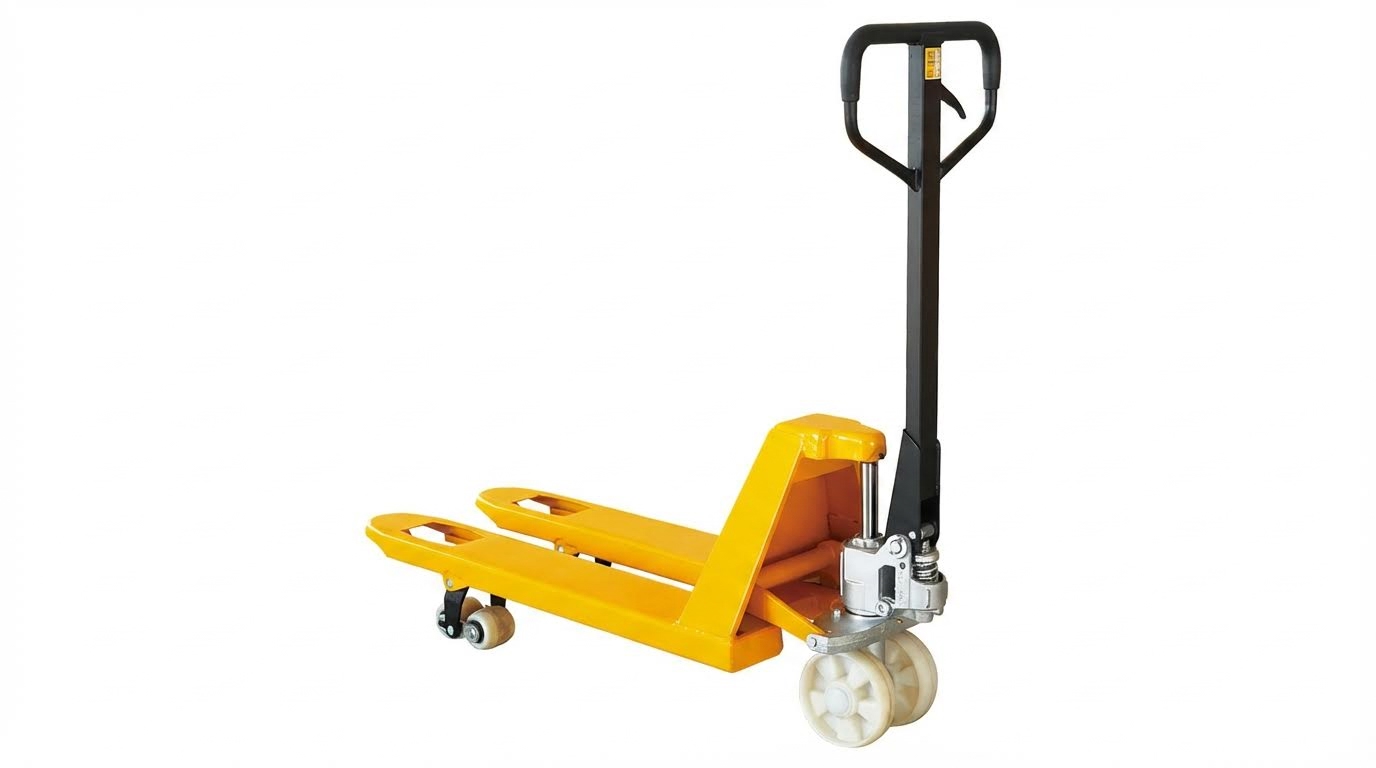
When you ask “how do you lift a pallet without a jack,” the safest answer is: it depends on load, distance, floor, and people available. This section helps you compare common manual and low‑tech options so you can choose a method that controls risk instead of guessing.
Matching method to load, distance, and floor
Start by classifying the job. Weight, travel distance, and floor condition will usually decide whether you roll, drag, or break the load down by hand.
| Situation factor | Preferred methods | Avoid / use with caution |
|---|---|---|
| Light–medium load, smooth and level floor, short distance | • Roller crowbar under one edge roller crowbar method • Small pallet dolly or rolling platform pallet dolly method | • Dragging with rope (unnecessary strain) |
| Medium load, uneven or tight area, short distance | • Pallet dolly / DIY rolling plywood platform with castors DIY platform with wheels • Roller lever to get onto platform roller lever use | • Simple crowbar without wheels on rough floors |
| Heavy load, short distance, poor rolling surface | • Dragging with heavy‑duty rope or sheet with 1–2 helpers rope or sheet dragging • Skids or sacrificial boards under pallet to reduce friction | • Small hard wheels that dig into soft or damaged floors |
| Very heavy load, long distance | • Break load down and move items individually manual unloading method • Consider bringing in proper handling equipment instead of improvising | • Any pure manual drag over long distance • Repeated lever lifts without rest |
| Fragile or damage‑sensitive goods | • Rolling platform or dolly with straps to secure load platform with straps | • Fast dragging with rope (shock and tipping risk) |
Use these practical rules when deciding how to lift a pallet without a jack for a given job:
- Prefer rolling over dragging whenever the floor allows it.
- Keep lever lift heights low; just enough to get wheels or boards under the pallet.
- For long distances, move the load in smaller units instead of forcing one big move.
- On delicate floors, use sheets, skids, or plywood to spread contact and avoid damage.
Quick method selector checklist
Ask these questions before choosing a method:
- Is the floor flat, firm, and free of steps? → Use roller crowbar or dolly.
- Is the route tight or irregular? → Use a compact dolly or DIY rolling platform.
- Is the surface rough or soft? → Use skids or dragging with a sheet/rope.
- Is the load unstable or tall? → Choose a low, wide rolling base and strap it.
- Is the distance more than a few meters? → Break the load down or get better equipment.
Ergonomic risk reduction and team handling
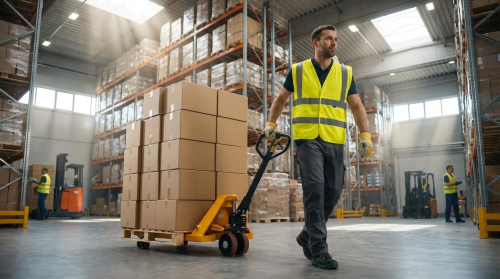
Once you know how do you lift a pallet without a jack in theory, the real control is ergonomics: keeping forces and postures within safe limits so people do not get hurt.
Key ergonomic principles for manual pallet handling:
- Limit single‑person manual lifts to about 50 lb or less where possible recommended manual lift limits.
- Require team lifts or mechanical help when the pallet or items exceed that range.
- Keep loads close to the body, between mid‑thigh and mid‑chest height.
- Avoid twisting; move your feet instead of turning at the waist.
When using crowbars, ropes, sheets, or skids, manage team handling like a small lifting operation, not “just a quick move.”
- Assign a leader to count and give start/stop commands.
- Balance the load so each person shares the force as evenly as possible.
- Use gloves and safety footwear, especially when dragging or levering PPE and securing advice.
- Plan clear travel routes with no trip hazards or sudden slopes.
Low‑strain choices when breaking down the pallet
If you decide to unload the pallet by hand instead of moving it whole:
- Store heavier items at more accessible heights and towards the outside edges of the pallet to reduce reach and strain weight distribution guidance.
- Rotate tasks so one person is not bending and lifting continuously task rotation tip.
- Inspect pallets for cracks and splinters before handling to avoid sudden failures pallet inspection checklist.
Choosing the right manual method is not only about whether the pallet moves. It is about whether it can be moved repeatedly without injuries, floor damage, or loss of control.
Final Considerations For Pallet Handling Without Equipment
Safe pallet handling without a jack comes down to one idea: respect limits. You must know the pallet weight, route, and floor condition before you move anything. Use physics in your favor. Prefer rolling over dragging, and leverage over lifting. Keep lift heights low and only raise the pallet enough to add wheels, skids, or sheets under it.
Engineering and ergonomics must work together. Load ratings, wheel capacity, and floor friction set the hard limits. OSHA and ANSI guidance set the human limits. When those limits clash, you must bring in proper handling equipment or break the load down. Do not “throw people at the problem.”
For operations and engineering teams, the best practice is clear. Treat manual pallet moves as planned tasks, not quick favors. Standardize which methods are allowed for each weight and distance range. Train workers on lever, dolly, and dragging techniques. Keep routes clean and use lighter pallets and simple aids where possible.
When you cannot use a pallet jack, choose the method that gives the lowest forces, most stable posture, and highest control. That is how you keep pallets moving and your team safe, shift after shift, with or without Atomoving equipment.
Frequently Asked Questions
How do you lift a pallet without a jack?
Lifting a pallet without a jack can be done using manual techniques or alternative equipment. If no tools are available, tipping the pallet onto your thighs while maintaining a wide stance and using leg strength is an option. However, this method requires caution to avoid back strain. For safer alternatives, consider using manual pallet jacks or electric pallet trucks, which are efficient for moving pallets in warehouses. Pallet Moving Guide.
What are some safe alternatives to lifting a pallet without a jack?
If you don’t have access to a pallet jack, other tools like low-lift pallet trucks, pedestrian stackers, or tugger trains can help move pallets safely. These alternatives reduce physical strain and improve efficiency. Additionally, stationary conveyor systems can assist in transporting pallets over fixed routes. Always prioritize proper lifting techniques if no equipment is available. Forklift Alternatives Overview.