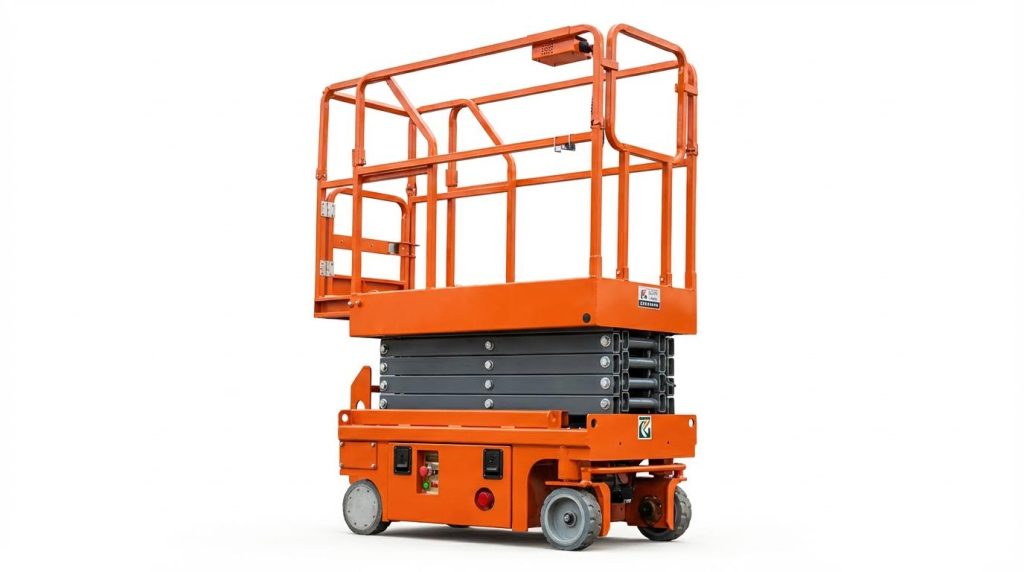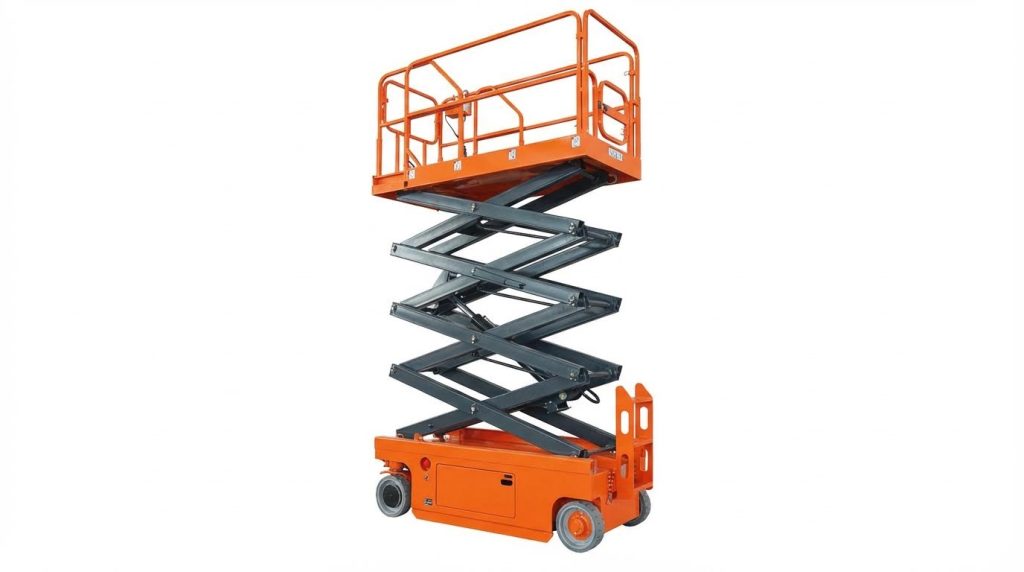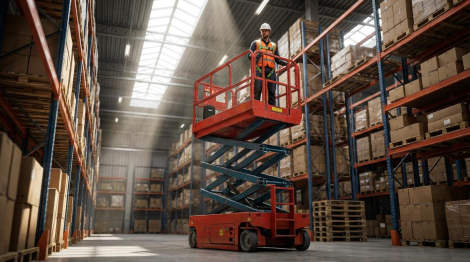
Aerial work platforms enabled efficient access at height but introduced high-consequence risks, especially electrical contact, falls, and tip-overs. Regulators and industry bodies responded with structured training, certification, and inspection requirements that evolved into today’s OSHA, ANSI, CSA, and ISO frameworks. This article explains those core standards, then details what an effective operator curriculum must cover, from hazard recognition to practical skills evaluation. It also examines modern program design, technology options, and provider models, concluding with a structured approach to engineering a robust, auditable AWP training system.
Core Standards For Aerial Work Platform Competency
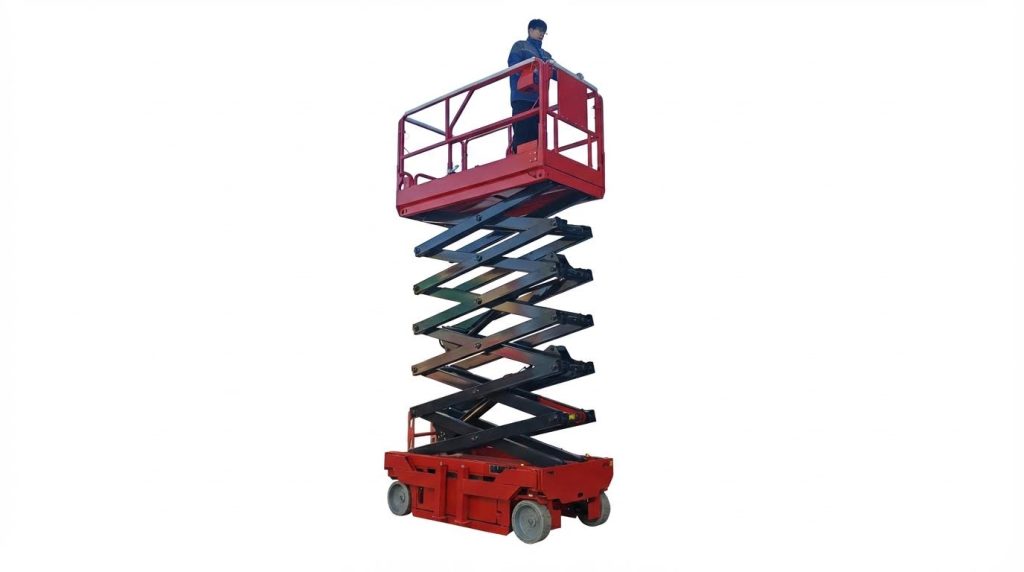
Core competency standards for aerial work platforms relied on a framework of OSHA regulations, consensus standards such as ANSI A92 and ISO 18878, and jurisdictional requirements from CSA and OHS regulators. Together, these requirements defined how employers structured training content, qualification pathways, and verification of operator skills. A compliant program linked classroom theory, practical evaluation, and documented authorization to specific machine categories and work environments. The following sections outlined how each standard family and role type contributed to a defensible, audit-ready training system.
OSHA, ANSI, CSA, ISO: What Each Standard Requires
OSHA standards 29 CFR 1910.67 and 1926.453 set minimum legal requirements for aerial lift safety in general industry and construction. They required employers to provide training on hazard recognition, safe operating procedures, inspections, and manufacturer instructions, and to maintain equipment in safe condition. ANSI A92 and ANSI 92.2 defined design, safe-use, and training requirements, including the need for unit-specific operator certificates and retraining triggers. In Canada, CSA/OHS rules required that elevating work platform training meet CSA standards and provincial OHS regulations, as reflected in CSA-compliant courses. ISO 18878 established an international baseline for MEWP operator training, which programs such as IPAF’s MEWP course followed and had third-party certification.
Operator, Supervisor, And Trainer Role Definitions
Standards distinguished clearly between operator, supervisor, and trainer responsibilities. The operator controlled the AWP, performed pre-start and workplace inspections, followed load and reach limits, and maintained 100% tie-off where required. Supervisors verified that only trained and authorized personnel operated specific units, monitored work practices, and ensured that site conditions and controls matched the risk assessment. Trainer roles required a higher level of technical and instructional competence, often validated through “train-the-trainer” programs aligned with ANSI and ISO guidance. Trainers developed and delivered theory and practical content, conducted or oversaw evaluations, and advised employers on updates to procedures as standards evolved.
Certification Validity, Renewal, And Retraining Triggers
Certification validity depended on the governing standard and provider model. ISO 18878-based schemes, such as IPAF’s PAL Card, typically issued credentials valid for five years, after which operators completed a renewal course and re-evaluation. CSA/OHS-aligned courses issued certificates that remained valid as long as the employer could demonstrate ongoing competency and compliance with provincial rules. ANSI 92.2 required a separate certificate of completion for each different AWP unit type an operator used, reinforcing equipment specificity. Retraining became mandatory after incidents or near misses, observed unsafe operation, introduction of new AWP types, or significant changes in workplace hazards, ensuring competence stayed current with conditions.
Documentation, Recordkeeping, And Audit Readiness
Robust documentation supported both regulatory compliance and legal defensibility. Employers maintained training records that identified the operator, specific AWP categories, training dates, provider, and evaluation results, along with copies of certificates or cards. OSHA and CSA/OHS expectations implied retention of pre-start and periodic inspection checklists, maintenance logs, and incident reports to demonstrate systematic control of risk. Audit-ready programs cross-referenced each training module and checklist item to applicable OSHA, ANSI, CSA, or ISO clauses for traceability. Centralized recordkeeping, whether digital or paper-based, allowed quick retrieval during regulatory inspections, customer audits, or post-incident investigations, reducing downtime and liability exposure.
Essential Content Of AWP Operator Training
Hazard Recognition: Electrical, Fall, And Struck-By Risks
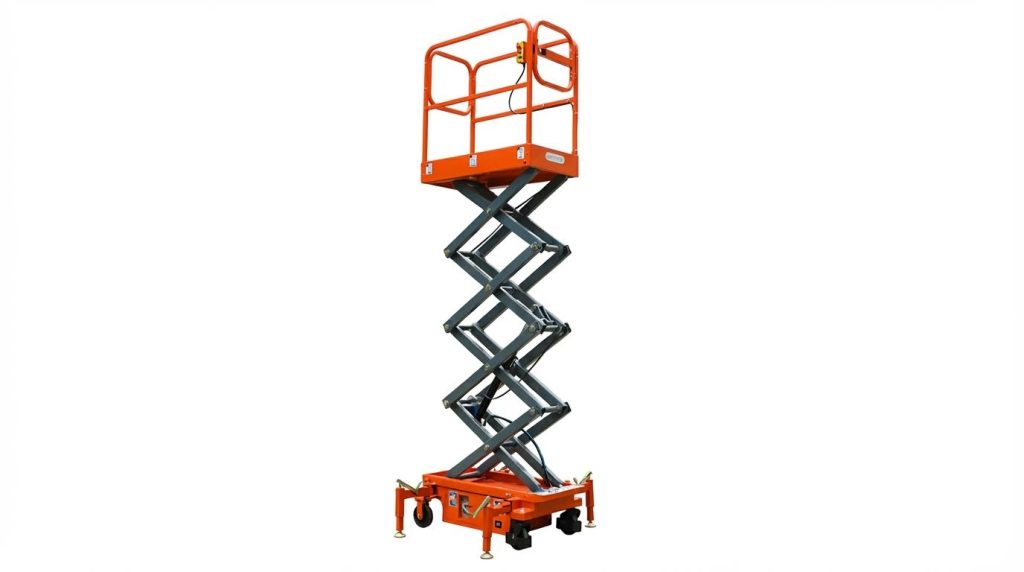
Effective AWP training first builds a structured understanding of primary hazards. Electrical risk dominates when working near overhead lines, energized busbars, or building services. Operators must know minimum approach distances, the insulating limits of their specific machine, and the need for manufacturer approval before leaving an elevated platform. Programs emphasize that operators never climb off a raised platform and always maintain 100% tie-off with appropriate fall protection. Training also addresses fall hazards from improper gate closure, overreaching, or defeating guardrails. Struck-by and falling object risks require instruction on exclusion zones, tool tethering, and safe travel speeds. Operators learn to identify unstable loads, overhead obstructions, and adjacent traffic that can impact the platform.
Equipment-Specific Skills And Load Management
Training must move from generic safety principles to machine-specific competence. Operators study the manufacturer’s manual and safety decals for each distinct AWP type and model they will use. Instruction covers control layouts, emergency lowering systems, interlocks, and any load-sensing or tilt alarms. Load management content explains maximum rated capacity, allowable occupants, and the effect of outreach and platform extensions on stability. Trainees learn to interpret load charts where applicable and to consider dynamic effects such as wind, travel on slopes, and braking. Programs also address attachment use, such as material racks or pipe cradles, and how they change center of gravity and effective capacity. Standards like ANSI A92.2 require separate qualification per unit type, so training links skills to specific configurations.
Pre-Start And Work Area Inspection Procedures
Competent operators perform systematic inspections before each shift. Training breaks this into vehicle checks and lift checks, using a repeatable checklist. Vehicle elements include fluid levels, leaks, tires, wheels, steering, brakes, battery or charger condition, lights, horns, and backup alarms. Lift-side checks verify operating and emergency controls, guardrails and gates, platform entry points, personal protective devices, hydraulic hoses, cylinders, and any visible structural damage. Operators also learn formal work area surveys. They identify overhead power lines, uneven ground, holes, drop-offs, slopes, soft soil, traffic, debris, and weather-related risks such as wind or ice. Instruction stresses that identified hazards require corrective action, not workarounds, before elevation. Programs reference OSHA aerial lift guidance and ANSI inspection intervals to align daily checks with periodic, annual, and post-repair inspections.
Hands-On Evaluation And Practical Skills Testing
AWP training is incomplete without documented practical evaluation. Programs teach and then verify core maneuvers: safe startup, function tests, controlled elevation, positioning near structures, and precise platform movements. Evaluators also observe travel at height where permitted, correct use of fall protection, and adherence to capacity and outreach limits. Many schemes, including ANSI-compliant and CSA/OHS-aligned courses, require a formal checklist and scoring method. Supervisors or authorized trainers conduct evaluations on the exact equipment type the operator will use in the workplace. Retraining triggers include incidents, observed unsafe behavior, or introduction of new AWP types or site hazards. Successful candidates receive a certificate or card stating machine categories, which supports regulatory compliance and internal audit readiness.
Program Design, Technology, And Provider Selection
Comparing JLG, IPAF, And CSA-Compliant Training Models
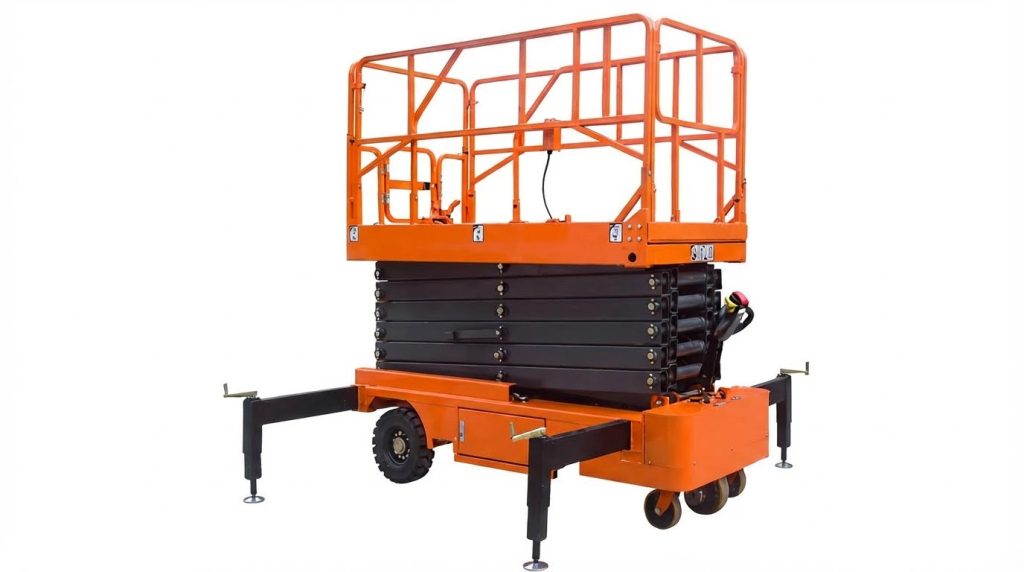
Program designers evaluated JLG, IPAF, and CSA-compliant courses against OSHA, ANSI, CSA, and ISO requirements. JLG Training aligned strongly with ANSI A92.24 and A92.2, offering modular operator, supervisor, and train‑the‑trainer paths. IPAF’s MEWP Operator Training followed ISO 18878 and used Bureau Veritas certification, giving global recognition through the PAL Card with a five‑year validity. CSA‑aligned programs, such as the Summa Safety AWP course, targeted Canadian CSA/OHS rules with explicit provincial compliance and a four‑hour theory format. JLG and IPAF placed heavier emphasis on structured practical evaluation at approved centers or via qualified trainers, while CSA/OHS‑compliant courses often allowed competent supervisors to perform field evaluations. When selecting a model, safety managers compared recognition scope, renewal cycles, evaluation rigor, and how well the curriculum mapped to their fleet mix and jurisdictions.
eLearning, Virtual, And In-Person Training Integration
Modern AWP programs increasingly used blended learning to balance flexibility and skill depth. JLG University and IPAF eLearning delivered theory modules online or virtually, reducing classroom time and travel. Providers used high‑definition video, animations, and quizzes to reinforce concepts like hazard recognition, load charts, and inspection steps. However, regulations still required hands‑on components with a qualified evaluator, so organizations scheduled on‑site or center‑based practical sessions after theory completion. Effective program design sequenced eLearning first, then short, focused in‑person sessions on inspections, control familiarization, and emergency procedures. Training managers tracked completion data across all formats to prove compliance during audits and to trigger renewals or retraining after incidents or equipment changes.
Inspection, Maintenance, And Lifecycle Cost Impacts
Well‑designed training integrated inspection and maintenance concepts because these directly affected lifecycle cost and uptime. Curricula covered daily pre‑start checks, including structural components, controls, brakes, hydraulic leaks, and safety devices, reflecting OSHA fact sheet guidance. Weekly, monthly, and annual inspection intervals appeared in advanced modules for supervisors and maintenance technicians, emphasizing certified annual inspections under OSHA and ANSI. Training also addressed seasonal stresses, such as hydraulic fluid degradation in high temperatures, humidity‑driven electrical faults, and accelerated tire wear on hot or wet surfaces. Operators learned to recognize abnormal noises, vibration, or performance changes and to remove units from service until certified technicians evaluated them. Programs highlighted that disciplined inspections, OEM parts use, and accurate repair‑cost tracking reduced unplanned downtime and improved residual value, supporting data‑driven replacement decisions.
Emerging Tech: Telematics, AI, And Digital Training Tools
Program architects increasingly incorporated telematics and digital tools to enhance AWP safety training and compliance. Telematics platforms recorded machine usage hours, fault codes, and overload or tilt events, allowing safety teams to target refresher training for specific operators or sites. Some systems supported geo‑fenced work zones and slope limits, reinforcing classroom content on terrain, power‑line clearance, and stability. AI‑driven learning platforms used quiz performance and error patterns to adapt content difficulty and highlight weak topics, such as electrical hazard distances or proper tie‑off practices. Virtual reality and high‑fidelity simulators provided low‑risk environments for practicing control inputs, emergency lowering, and work‑area hazard scanning. When selecting technology, organizations evaluated data security, standards alignment, integration with learning management systems, and the ability to export records for OSHA, ANSI, CSA, or ISO audits.
Summary: Engineering A Robust AWP Training Program
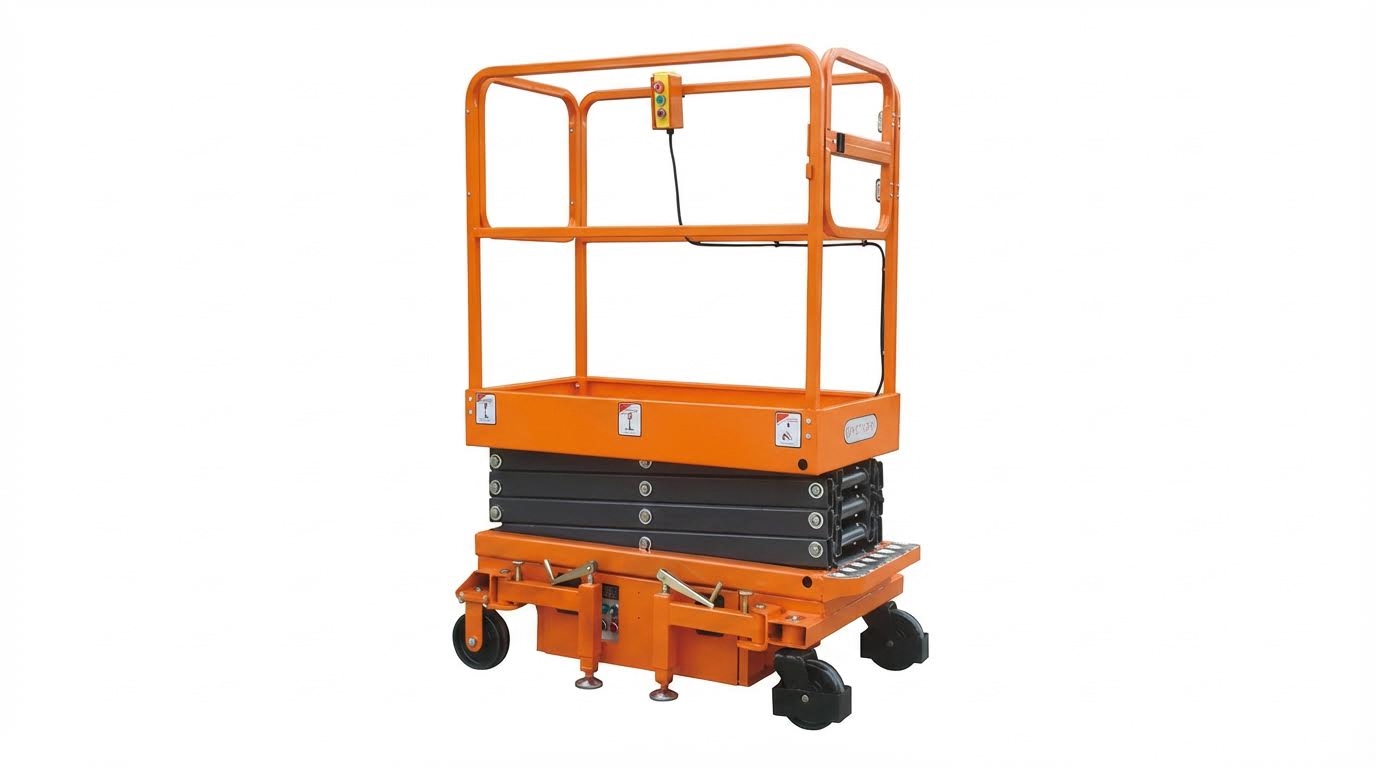
A robust aerial work platform training program integrated regulatory compliance, technical depth, and practical evaluation. OSHA, ANSI, CSA, and ISO frameworks defined minimum expectations for operator competence, documentation, and periodic recertification. JLG, IPAF, and CSA-aligned programs demonstrated that blended theory, machine-specific hands-on training, and structured practical assessments produced verifiable competency across diverse fleets.
Engineering such a program required a systems approach. Employers needed to map operator, supervisor, and trainer roles to clear competency matrices and align them with specific platform types and tasks. Curricula had to cover hazard recognition, equipment limits, pre-start and work area inspections, and emergency procedures, with load management and stability treated quantitatively. Integrated checklists, audit-ready records, and certificate tracking supported both internal governance and external inspections.
Lifecycle performance and cost depended heavily on embedding inspection and maintenance content into training. Daily, weekly, monthly, and annual inspection routines, tied to OEM guidance and ANSI/OSHA requirements, reduced failures and preserved structural integrity. Programs that emphasized OEM parts, environmental effects on hydraulics, electrics, and tires, and early fault reporting improved residual value and reduced unplanned downtime.
Telematics, AI-driven analytics, and digital learning tools were reshaping AWP training. Usage and fault data supported risk-based retraining triggers, while eLearning and virtual modules increased flexibility without replacing mandatory hands-on assessments. Future-ready programs would link LMS platforms with machine telematics, enabling competency profiles based on real operating history. The most resilient strategies balanced technology adoption with conservative safety margins, rigorous practical evaluation, and continuous improvement based on incident data and evolving standards.