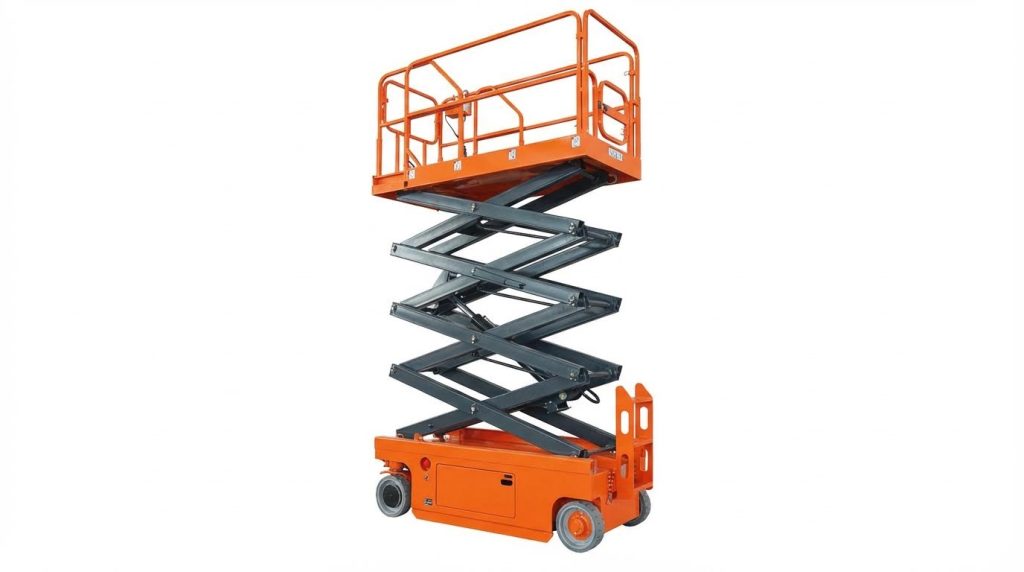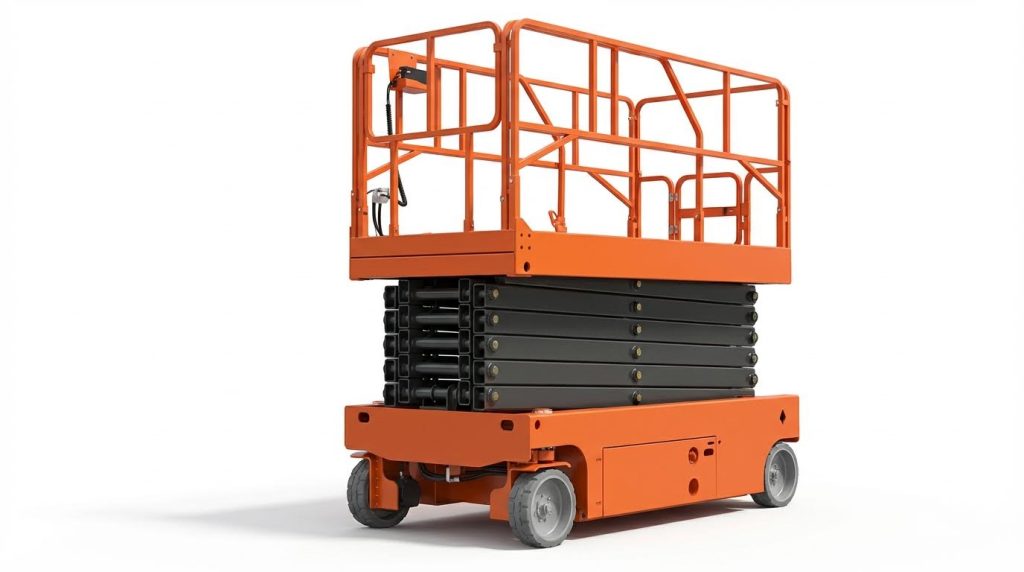
This guide explains how ANSI A92 standards govern modern aerial platform and Mobile Elevating Work Platforms (MEWPs), and how to actually get the right documents for your fleet. If you are asking “where can I find ANSI standards for aerial work platforms,” you will see exactly which A92 titles apply, what they cover, and where to buy or access them online. You will also see how these standards link to safe use, operator training, inspections, and lifecycle cost so you can build a compliant, low-downtime MEWP program.
Core ANSI A92 Standards For Aerial Work Platforms
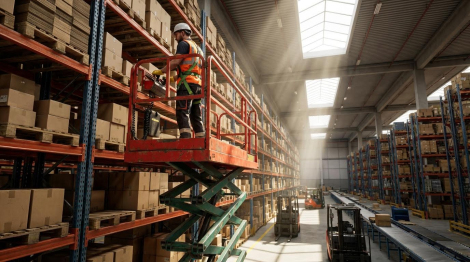
Core ANSI A92 standards for aerial work platforms define how MEWPs are designed, built, tested, used, and maintained so that people can work at height with controlled, predictable risk and clear legal responsibilities.
If you are asking “where can I find ANSI standards for aerial platforms,” the answer is that the full ANSI/SAIA A92 series is sold through the ANSI webstore and other authorized distributors, with some access also available through IBR portals and training providers. These documents sit at the heart of any compliant MEWP safety program, from structural design through operator training.
| Standard | Equipment Type / Scope | Main Focus Areas | Operational Impact |
|---|---|---|---|
| ANSI/SAIA A92.2-2021 | Vehicle-mounted elevating and rotating aerial devices | Design, manufacture, testing, inspection, installation, maintenance, use, training, operation across the full lifecycle | Defines how truck-mounted lifts must be specified, inspected, and used for safe roadside and utility work. |
| ANSI/SAIA A92.3-2006 (R2014) | Manually propelled elevating aerial platforms | Integral chassis, platform cannot move beyond base, not occupied when moved horizontally and applies to units manufactured after 28 Aug 2006 | Covers push-around vertical lifts used indoors for maintenance and light installation work. |
| ANSI/SAIA A92.5-2006 (R2014) | Boom-supported elevating work platforms | Self-propelled boom lifts with platform that can reach completely beyond base, occupied while driven with controls at the platform | Applies to articulating and telescopic booms used for construction, steel erection, and façade work. |
| ANSI/SAIA A92.6-2006 (R2014) | Self-propelled elevating work platforms (scissor/vertical lifts) | Self-propelled integral chassis, platform cannot be positioned beyond base, used to position personnel with tools and not occupied when moved horizontally | Defines the safety envelope for common slab and rough-terrain scissor lifts in warehouses and construction. |
| ANSI/SIA A92.8-2012 | Vehicle-mounted bridge inspection and maintenance devices | Design, testing, inspection, installation, maintenance, use, training, and operation of bridge inspection devices with clear responsibilities for all parties | Specialized for under-bridge access trucks used by infrastructure and civil inspection teams. |
| ANSI/SAIA A92.10-2009 (R2014) | Transport platforms | Vertical transport of authorized personnel as a “tool of the trade” with defined design and use criteria | Covers personnel transport platforms often used on high-rise construction façades. |
💡 Field Engineer’s Note: When you standardize your fleet against the right A92 categories, you simplify pre-use inspections, training content, and rescue planning because each MEWP “family” has consistent control layouts and stability behavior.
From “AWP” To “MEWP”: Scope And Terminology
The industry moved from the term Aerial Work Platform (AWP) to Mobile Elevating Work Platform (MEWP) to better describe modern machines and align with global standards, which is critical when mapping equipment to the correct ANSI A92 requirements.
In practical terms, MEWP is now the umbrella term used across the core A92 design, safe-use, and training standards. Guidance documents explained that “Mobile Elevated Work Platform (MEWP) has replaced Aerial Work Platform (AWP) as the universal term for this equipment” in joint ANSI/CSA guidance. That shift matters because the newer A92.20/22/24 standards use MEWP classifications (by group and type), not the older AWP language, so your internal procedures and training should use the same terminology.
- MEWP vs AWP: MEWP emphasizes mobility and elevation – captures boom lifts, scissors, vertical lifts, and vehicle-mounted platforms under one safety framework.
- Groups and Types: Modern standards classify MEWPs by how they elevate and move – lets you match rules to machine behavior, not marketing names.
- Global alignment: MEWP terminology aligns with CSA B354 and other regions – simplifies multinational fleet management and training content.
- Documentation consistency: Using MEWP in manuals, permits, and JSAs – reduces confusion when cross-referencing ANSI A92 clauses.
Why the term change matters for compliance
Risk assessments, rescue plans, and operator training built around old “AWP” labels can miss newer MEWP categories. Updating terminology ensures you capture requirements from A92.20 (design), A92.22 (safe use), and A92.24 (training) consistently across your procedures.
Key ANSI/SAIA A92 Design And Safety Standards
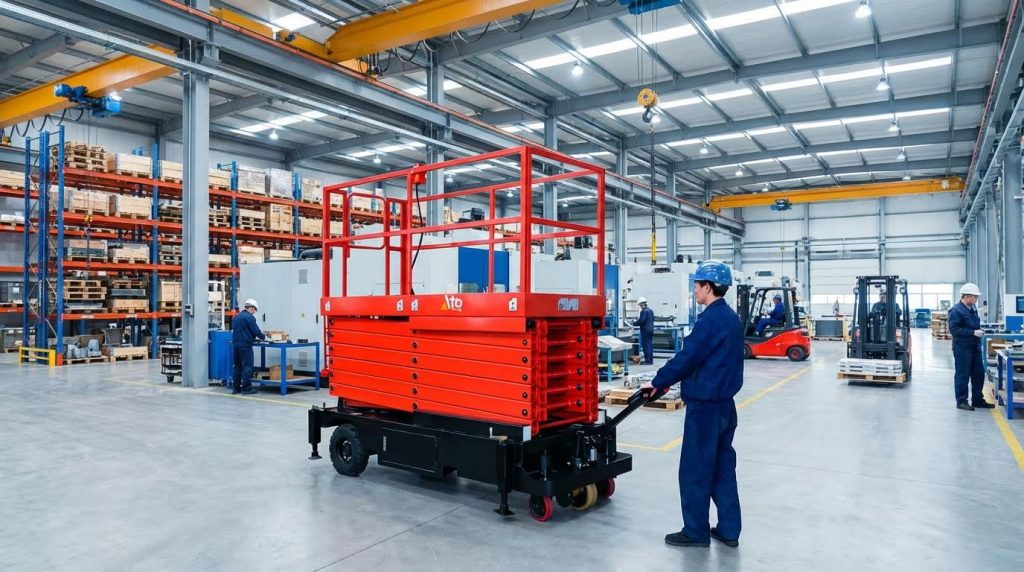
The key ANSI/SAIA A92 design and safety standards for MEWPs are A92.20 for machine design, A92.22 for safe use, and A92.24 for training, which together define how equipment must be built, selected, operated, and supported in the field.
A92.20 sets the engineering baseline for MEWPs. It specifies design calculations, safety requirements, and test methods, including mandatory active load-sensing systems that prevent normal operation if the platform is overloaded beyond its rated capacity and foam-filled tires on most rough-terrain units to maintain gradeability. This is where structural stability, tilt performance, and control function tests are locked in by design, long before a unit reaches your site.
A92.22 then defines safe use planning. It requires detailed site risk assessments and rescue plans, and makes employers responsible for ensuring these plans are reviewed and understood by workers as part of a formal safe-use program. A92.24 complements this by mandating training content for operators and supervisors, including how to select the appropriate MEWP, understand safe-operation rules, recognize hazards, and apply protective measures, plus the requirement that the operating manual is stored securely on the MEWP for reference at the point of use. Separate guidance summarized how A92.22 and A92.24 helped organizations build formal safety programs, job-specific risk assessments, and rescue plans, and noted that A92.24 requires theoretical training, practical operation training, and written operator evaluations by qualified personnel, which directly reduced accident rates and unplanned downtime in the field according to implementation experience.
- Active load sensing: A92.20 requires systems that stop normal functions when overloaded – prevents tip-overs and structural overstress from “just one more person” on the platform.
- Platform access and rail height: Chains at entrances are replaced by gates with toe boards, and minimum platform railing height increased from 1,000 mm to 1,100 mm (39.5 in to 43.5 in) to improve fall protection – may require folding rails to pass through 2,050 mm doorways.
- Safe use and rescue: A92.22 demands documented risk assessments and rescue plans – forces you to think through entrapment, power loss, and medical emergencies before work starts.
- Training and refreshers: A92.24 mandates operator and supervisor training, with refresher training at least every three years or sooner if unsafe behavior, equipment changes, or job conditions change under the updated MEWP framework – keeps skills aligned with newer machines and controls.
💡 Field Engineer’s Note: Load-sensing systems and higher guardrails often get blamed for “slowing work down,” but incident reviews repeatedly showed that near-misses dropped once these A92.20 design features and A92.22/A92.24 planning and training rules were fully embedded into pre-job planning and toolbox talks.
Where these standards fit if you are asking “where can I find ANSI standards for aerial work platforms”
The ANSI/SAIA A92.2, A92.3, A92.5, A92.6, A92.8, A92.10, A92.20, A92.22, and A92.24 standards are available for purchase through the ANSI webstore and other authorized sellers, and some can be accessed via the ANSI IBR portal or through training providers that bundle standard access with courses as part of broader MEWP safety programs. Building your internal procedures directly around these documents is the most reliable way to stay aligned with current MEWP design, use, and training expectations.
Technical Requirements In Modern MEWP Standards
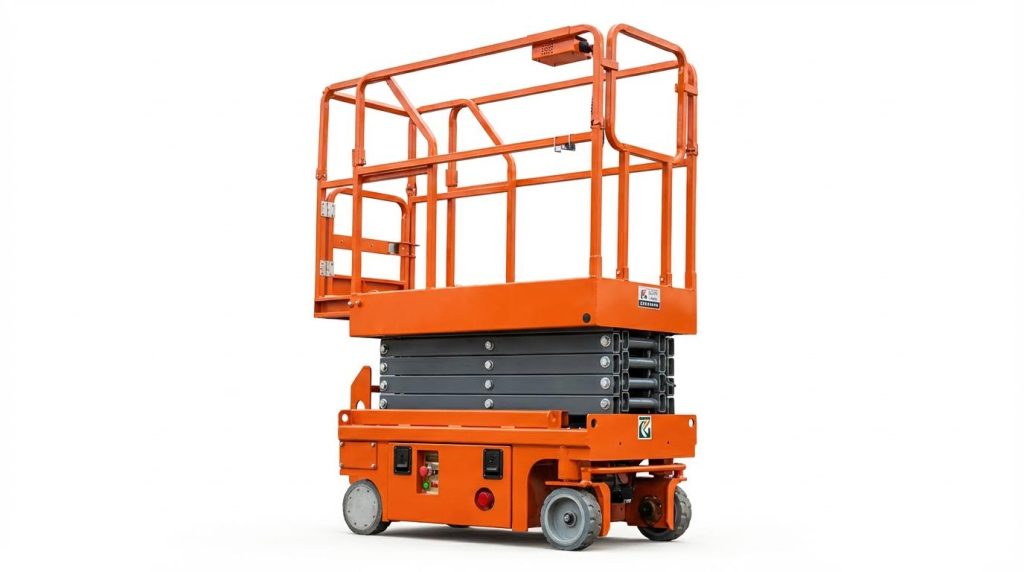
Technical requirements in modern MEWP standards focus on structural integrity, stability, load sensing, edge protection, safe access, and strict inspection and documentation so platforms stay safe throughout their full service life.
These requirements sit mainly in the design and safe-use standards for MEWPs, including design calculation rules, active safety systems, and clearly defined owner and operator duties. Understanding these clauses is essential before asking where can i find ansi standards for aerial platform, because you need to know exactly which documents apply to your fleet and tasks.
Structural design, stability and load sensing
Modern MEWP design standards require robust structural calculations, verified stability, and active load-sensing systems that prevent unsafe operation whenever the platform is overloaded.
ANSI MEWP design standards specify how manufacturers calculate stresses, verify structural margins, and test stability for different machine categories. They also mandate active systems that detect overload and automatically inhibit normal operation when rated capacity is exceeded. Design standards overview.
| Requirement Area | What The ANSI/SAIA A92 Design Rules Address | Operational Impact |
|---|---|---|
| Structural design calculations | Defines methods and safety factors for structural members, pins, welds, and chassis frames in MEWPs. | Reduces risk of structural failure when the platform is loaded with people, tools, and materials. |
| Stability and overturning resistance | Specifies test methods and criteria to confirm stability across intended working envelope. | Helps prevent tip-overs when operating near maximum outreach, height, or on rated slopes. |
| Active load sensing | Requires systems that prevent normal operation if the platform is overloaded beyond rated capacity. | Stops lift or drive before structural margins or stability limits are exceeded. |
| Rough terrain capability | Requires foam-filled tyres on most rough terrain scissors and booms to maintain gradeability ratings. | Improves puncture resistance and consistent support on uneven construction surfaces. |
| Product categories | Different clauses for vehicle-mounted, boom-supported, self-propelled and manually propelled platforms. | Ensures each machine type is designed for its real-world duty cycle and movement pattern. |
For example, design standards for MEWPs require active load-sensing systems that prevent normal operation when the platform is loaded beyond rated capacity. They also mandate foam-filled tyres on most rough-terrain scissors and booms to maintain high gradeability ratings on job sites. Load sensing and tyres.
- Active load sensing: Detects overload and stops normal functions – prevents operators from lifting or driving with unsafe weight in the basket.
- Defined stability tests: Uses prescribed test positions and slopes – gives consistent safety margins across different MEWP models.
- Foam-filled tyres on RT units: Maintains shape under load and resists punctures – keeps gradeability and stability predictable on rough ground.
- Platform occupancy rules: Limits when platforms can be occupied during travel – reduces dynamic instability and fall risk while moving.
Why overload cut-out matters in daily use
When the platform is overloaded, the MEWP may still “feel” stable to the operator. Active load sensing removes that guesswork by stopping lift or travel before structural or stability limits are approached, forcing the crew to offload material instead of “just trying it.”
💡 Field Engineer’s Note: Treat the rated capacity as a hard engineering limit, not a suggestion. If crews regularly “hang” materials off guardrails to squeeze in extra weight, expect frequent load-sense lockouts and, worse, long-term fatigue damage in welds and pivot pins.
Guardrails, gates, access and fall protection
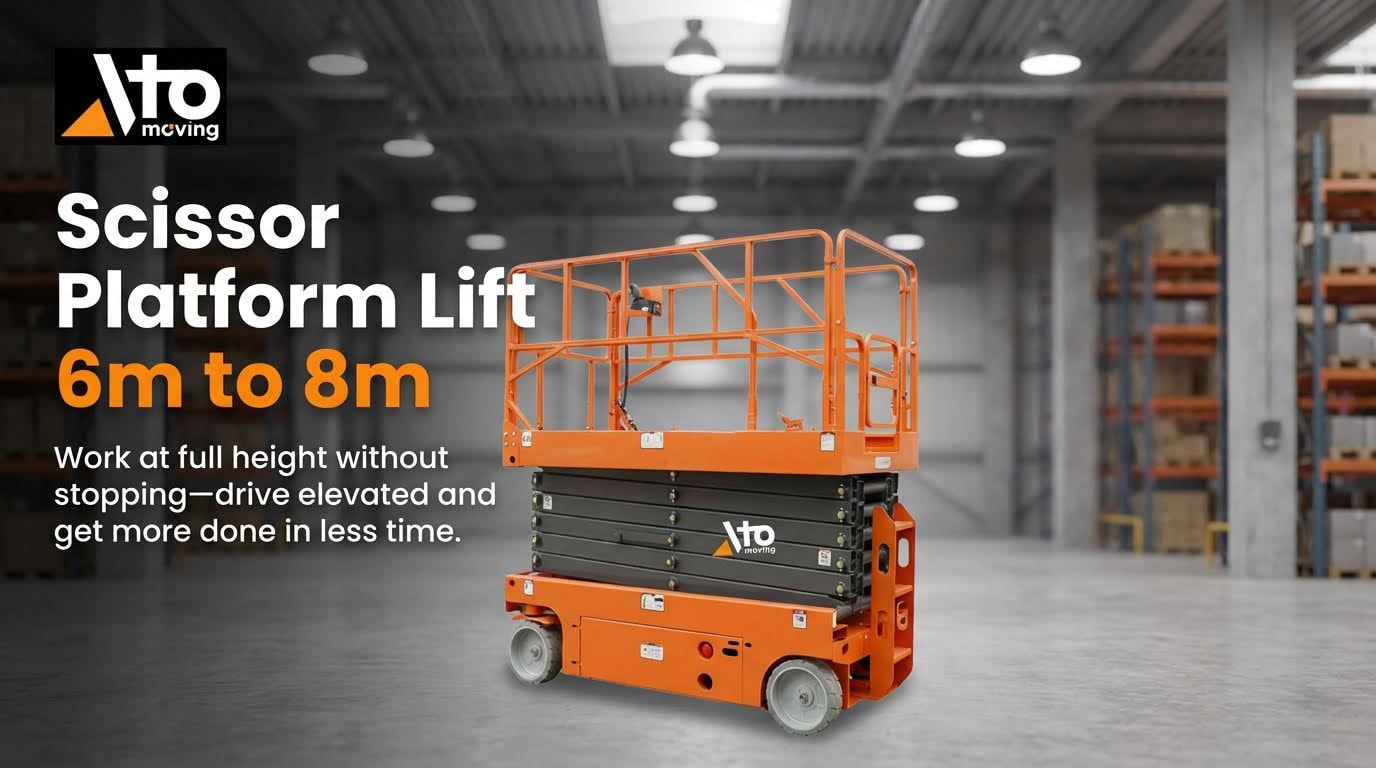
Modern MEWP standards tighten rules on guardrail height, gate design, and platform access so that workers stay inside a defined envelope and cannot easily slip or climb out.
The minimum height for MEWP platform railings increased from 1,000 mm to 1,100 mm, improving fall protection at height. Entrance chains at platform entry points have been replaced by gates with toe boards on both scissor lifts and vertical lifts, improving containment of feet, tools, and small materials. Guardrails and gates changes.
| Feature | Legacy Approach | Modern MEWP Requirement | Practical Benefit |
|---|---|---|---|
| Platform railing height | Approx. 1,000 mm (39.5 in) | Approx. 1,100 mm (43.5 in) minimum railing height. | Extra 100 mm reduces likelihood of top-rail “step-over” and unintentional toppling. |
| Entrance closure | Chains across entrance opening. | Solid gates with toe boards on scissors and vertical lifts. | Prevents feet and small tools slipping out at the entrance area. |
| Access through doors | Lower rails passed more easily through 2,040 mm doors. | Taller rails may require folding rail sections. | Maintains fall protection while still allowing indoor access with folding rails. |
| Toe board coverage | Often only around sides of platform. | Toe boards integrated with entrance gates. | Reduces risk of dropped objects at the most used access point. |
- Higher guardrails: 1,100 mm minimum rail height – gives a more secure barrier when workers lean or use hand tools at chest level.
- Gated entrances: Solid, self-closing style instead of chains – reduces the chance of someone forgetting to re-clip a chain.
- Toe boards at gates: Continuous kick protection at floor level – helps keep sockets, bolts, and offcuts on the deck, not below.
- Access and egress control: Defined entry points and procedures – discourages climbing over rails, which is a major fall driver.
Doorway clearance vs. higher rails
Because rail heights increased, some indoor MEWPs now rely on folding rail designs to pass through standard doors around 2,040 mm high. Crews must fold and lock rails correctly or they lose the benefit of the raised guard height.
💡 Field Engineer’s Note: On tight refurbishment jobs, operators often remove or leave gates propped open “just for a minute” to move boards or ducting. That single shortcut cancels out the design improvements in rail height and toe boards; build a site rule that nothing travels unless the gate is fully closed.
Inspection, maintenance, and documentation duties
ANSI MEWP standards define clear duties for owners and users around inspections, record-keeping, manuals, and training so that safe design features are actually maintained in the field.
Safe-use and training standards for MEWPs require formal safety programs, risk assessments, rescue plans, and structured training for operators and supervisors. They also require owners to mark inspection dates on the machine and to ensure operator manuals and familiarization information stay with the MEWP. Integration into safety programs, Inspection and documentation guidance.
| Duty Area | Key Requirement In Modern MEWP Standards | Operational Impact |
|---|---|---|
| Safe use program | Defines responsibilities for owners, users, and operators, including job-specific risk assessments and rescue plans. | Creates a repeatable process for planning each MEWP job, not just relying on operator experience. |
| Training and evaluation | Requires theoretical and practical training plus written operator evaluations by qualified personnel. | Improves operator decision-making and reduces accident rates and downtime. |
| Refresher training | Refresher required at least every 3 years or sooner after unsafe acts, equipment changes, or job changes. | Keeps skills current and addresses bad habits before they become incidents. |
| Inspection marking | Owners must provide a way to mark the date of the last annual inspection and next due date on the MEWP. | Gives supervisors and operators an instant visual check that the unit is in inspection date. |
| Operator’s manual | Manual must list MEWP functions, features, limitations, and familiarization needs, and be stored securely on the machine. | Ensures critical information is available at the point of use, even if cell coverage is poor. |
| Load-sensing maintenance | Technicians must be trained to maintain and service load-sensing systems; dealers educate users on overload effects. | Reduces nuisance shutdowns and ensures overload cut-outs remain accurate and trusted. |
- Formal rescue plans: Standards expect a documented plan for recovering a fallen or incapacitated worker – cuts response time and reduces suspension trauma risk.
- Documented inspections: Annual (and more frequent) inspections tracked and visible on the unit – helps prevent overdue structural or hydraulic checks.
- Structured training content: Covers MEWP selection, hazards, and protective measures – aligns what operators learn with what the standards require.
- Technician competence: Specific focus on load-sensing and safety devices – keeps electronic protections functioning as designed over the machine’s life.
How this links to “Where can I find ANSI standards for aerial work platforms?”
When you ask where can i find ansi standards for scissor platform, you are usually looking for the safe-use, training, and design documents that define these duties. These are typically accessed via authorized webstores, IBR portals, or subscriptions, which are covered in the next section of the article.
💡 Field Engineer’s Note: On many sites the only “record” of MEWP checks is a sticker from years ago. Treat inspection marking and documentation as non-negotiable; if the date is missing or faded, park the machine until a competent person signs it back into service.
How And Where To Access ANSI A92 Standards
The most reliable way to access ANSI A92 standards for aerial platform is through official standards webstores, IBR (incorporation by reference) portals, and training or subscription platforms that bundle documents with education. If you are asking “where can I find ANSI standards for aerial work platforms,” the safest answer is: buy or view them from authorized channels that guarantee you see the latest, unaltered text referenced by OSHA and other regulators.
- Use official webstores: Purchase controlled PDF or hardcopy standards – ensures you follow the exact wording used by inspectors.
- Leverage IBR access: Use incorporation‑by‑reference portals when a standard is written into law – often allows read‑only viewing of specific editions.
- Bundle with training: Choose providers that include standards access in courses – aligns documents, toolbox talks, and operator training.
- Track revision years: Always check the year (e.g., 2021 vs 2006) – avoids designing or training to obsolete rules.
💡 Field Engineer’s Note: When a rental customer asks “which rule applies,” I always open the actual ANSI A92 PDF that matches the build year on the MEWP nameplate. Using the wrong edition is a fast way to fail an audit or misjudge guardrail, load‑sensing, or training obligations.
ANSI, SAIA and authorized online webstores
The fastest, most controlled answer to “where can I find ANSI standards for scissor platform lift” is: buy the ANSI/SAIA A92 documents from official standards webstores and authorized resellers. These sites sell the current, copyright‑protected text for each MEWP category and use, so what you read matches what manufacturers, engineers, and inspectors use.
| Where to Access | What You Get | Typical A92 Examples | Operational Impact / Best For… |
|---|---|---|---|
| ANSI/SAIA webstore pages | Paid, controlled electronic or print standards | Series including A92.2, A92.3, A92.5, A92.6, A92.8, A92.10 for aerial devices and platforms covering design, testing, inspection, and use | Best for safety managers, engineers, and rental fleets that must comply with the exact A92 text during design, procurement, and audits. |
| Other authorized standards sellers | Same official A92 PDFs or print, resold under license | Individual documents such as A92.3 for manually propelled platforms or A92.5 for boom‑supported platforms with clear scope and exclusions | Ideal when you only need one or two specific standards for a narrow fleet (for example, only manually propelled vertical lifts in a warehouse). |
| Technical guidance and safety articles | Plain‑language summaries of A92 series content | Overviews of A92.22 safe use and A92.24 training requirements for MEWPs explaining how they fit into safety programs | Useful for toolbox talks and policy writing, but not a legal substitute for the actual standard text. |
- Check the designation: Confirm you are buying ANSI/SAIA A92.x, not a different series – prevents mixing scaffold, ladder, or mast climber rules with MEWPs.
- Verify the revision: Look for current editions such as 2021 updates – older 2006 or 2014 revisions may not reflect modern MEWP terminology and load‑sensing rules.
- Download and archive: Store PDFs in a controlled server with version control – lets engineers, trainers, and supervisors reference the same document.
- Align with equipment types: Match standards to your fleet (vehicle‑mounted, boom‑supported, manually propelled, etc.) – avoids over‑ or under‑applying requirements.
Which ANSI A92 standards apply to common aerial work platforms?
Different aerial work platforms fall under different A92 documents sold via ANSI and SAIA webstores. For example, vehicle‑mounted elevating and rotating devices are covered by ANSI/SAIA A92.2‑2021, which defines design, manufacture, testing, inspection, installation, maintenance, use, training, and operation requirements for those truck‑mounted devices across the full lifecycle. Manually propelled elevating platforms are addressed by ANSI/SAIA A92.3‑2006 (R2014), which applies to integral‑chassis platforms that cannot reach beyond the base and that must not be occupied when moved horizontally with clear responsibilities for owners and users. Boom‑supported elevating work platforms fall under ANSI/SAIA A92.5‑2006 (R2014), which covers self‑propelled booms whose platforms can be positioned completely beyond the base and are intended to be occupied while driven with power‑operated functions. Self‑propelled elevating work platforms that cannot reach beyond the base are addressed by ANSI/SAIA A92.6‑2006 (R2014), while specialized equipment such as vehicle‑mounted bridge inspection and maintenance devices are covered by ANSI/SIA A92.8‑2012 with criteria for design and safe operation. Transport platforms used to vertically move authorized personnel are addressed by ANSI/SAIA A92.10‑2009 (R2014), which defines their use as a tool of the trade for vertical transport rather than general lifting. When you ask “where can I find ANSI standards for order picking machines,” the practical step is to list your MEWP types, then purchase or access the matching A92 documents from these official webstores.
Using IBR portals, subscriptions and training providers
Beyond direct purchase, you can often access ANSI A92 aerial work platform standards through incorporation‑by‑reference (IBR) portals, standards subscriptions, and training providers that integrate the documents into their safety programs. These routes are useful when you need read‑only access tied to regulations, or when you want the standard plus structured training rather than a standalone PDF.
- IBR portals: Use incorporation‑by‑reference sites when A92 standards are cited in regulations – may allow free or low‑cost viewing of specific editions.
- Standards subscriptions: Subscribe through corporate libraries to host A92.2, A92.3, A92.5, A92.6 and related documents – keeps multi‑site operations aligned.
- Training providers: Choose MEWP courses that explicitly reference A92.22 safe use and A92.24 training standards – turns the text into procedures, checklists, and operator behavior.
- Community groups: Some standards are available at no cost via registered community programs – helpful for small firms building their first written MEWP program where free access is offered with registration.
| Access Route | Typical Content | A92 Examples | Best For… |
|---|---|---|---|
| IBR (Incorporation‑by‑Reference) portals | Read‑only view of standards referenced in regulations | Specific A92 documents when incorporated into U.S. rules and guidance with access methods summarized | Compliance officers checking exact wording used by regulators without purchasing every document separately. |
| Training‑linked access | Course materials, excerpts, and structured procedures built from A92 | Safe use requirements under A92.22‑2021 and training requirements under A92.24‑2018 that define formal safety programs, risk assessments, rescue plans, and written evaluations as part of MEWP training | Organizations wanting not just the standard, but also ready‑to‑use training, evaluation forms, and rescue planning templates. |
| Corporate standards subscriptions | Centralized library of multiple ANSI, CSA, and ISO standards | Combined access to design standards like A92.20, safe use A92.22, and training A92.24 alongside legacy A92.x platform standards describing how MEWP standards evolved | Large fleets, manufacturers, and contractors standardizing engineering, procurement, and safety policies across many sites. |
How A92.22 and A92.24 show up in training and subscriptions
Modern MEWP training and subscription packages often embed ANSI A92.22‑2021 and A92.24‑2018 instead of treating them as standalone reading. A92.22 defines safe use requirements for MEWPs, including owner, user, and operator responsibilities, and it pushed the industry toward formal safe use programs, job‑specific risk assessments, and written rescue plans that became standard practice. A92.24 sets operator and supervisor training requirements, including theoretical instruction, hands‑on practical operation, and written evaluations performed by qualified personnel, which directly reduced accident rates and unplanned downtime in fleets that adopted it by formalizing how operators are qualified. Many training providers build their course syllabi, checklists, and evaluation forms around these two documents so that when you ask “where can I find ANSI standards for semi electric order picker,” a practical answer is: enroll in a MEWP training program or corporate subscription that already packages A92.22 and A92.24 into your learning and compliance workflow.
Final Thoughts On Compliance And Lifecycle Cost
ANSI A92 standards do more than set design rules. They link machine geometry, stability, guardrails, and load sensing to clear duties for owners, users, and operators. When you follow these rules together, you turn each MEWP into a controlled system, not just a lift with a basket.
Structural design and stability clauses give every platform a defined safety envelope. Active load sensing and rough‑terrain tyre rules keep the machine inside that envelope in daily use. Guardrail height, gated access, and toe boards then hold workers inside a secure zone, so a slip or mis‑step does not become a fall.
Inspection, documentation, and training duties close the loop. They keep those engineered protections working for the full service life of the MEWP. When you buy the correct A92 standards through authorized channels and build your procedures, training, and inspections around them, you cut incidents, downtime, and dispute risk.
The best practice is simple: map each machine to the right A92 document, treat rated capacity and guardrails as hard limits, and run a written safe‑use and training program that mirrors A92.20, A92.22, and A92.24. That approach protects your people, your Atomoving fleet, and your lifecycle cost in one integrated system.
Frequently Asked Questions
Where can I find ANSI standards for aerial work platforms?
ANSI standards for aerial work platforms, such as those under ANSI A92, can be accessed through official channels. Some standards may be available for free via the CSA Community Group, though registration is required. For full access, you may need to purchase the standards directly from ANSI or authorized distributors.
What are the OSHA requirements for elevated work platforms?
Under ANSI A92.24 and OSHA guidelines, operators of aerial lifts must complete formal instruction, practical training, and evaluations. The training ensures safe operation and compliance with workplace safety protocols. Practical assessments should be conducted by a qualified person familiar with the specific equipment being used. Learn more about these requirements in this OSHA Compliance Guide.
Why are ANSI standards not freely available?
Unlike government-mandated regulations, ANSI standards are voluntary and developed by private organizations. These standards are copyrighted materials, meaning they must be purchased. This funding model supports ongoing development and maintenance of updated safety guidelines. For additional insights, refer to this Machinery Safety Overview.